1. Introduction to NexGard Chewable for Dogs
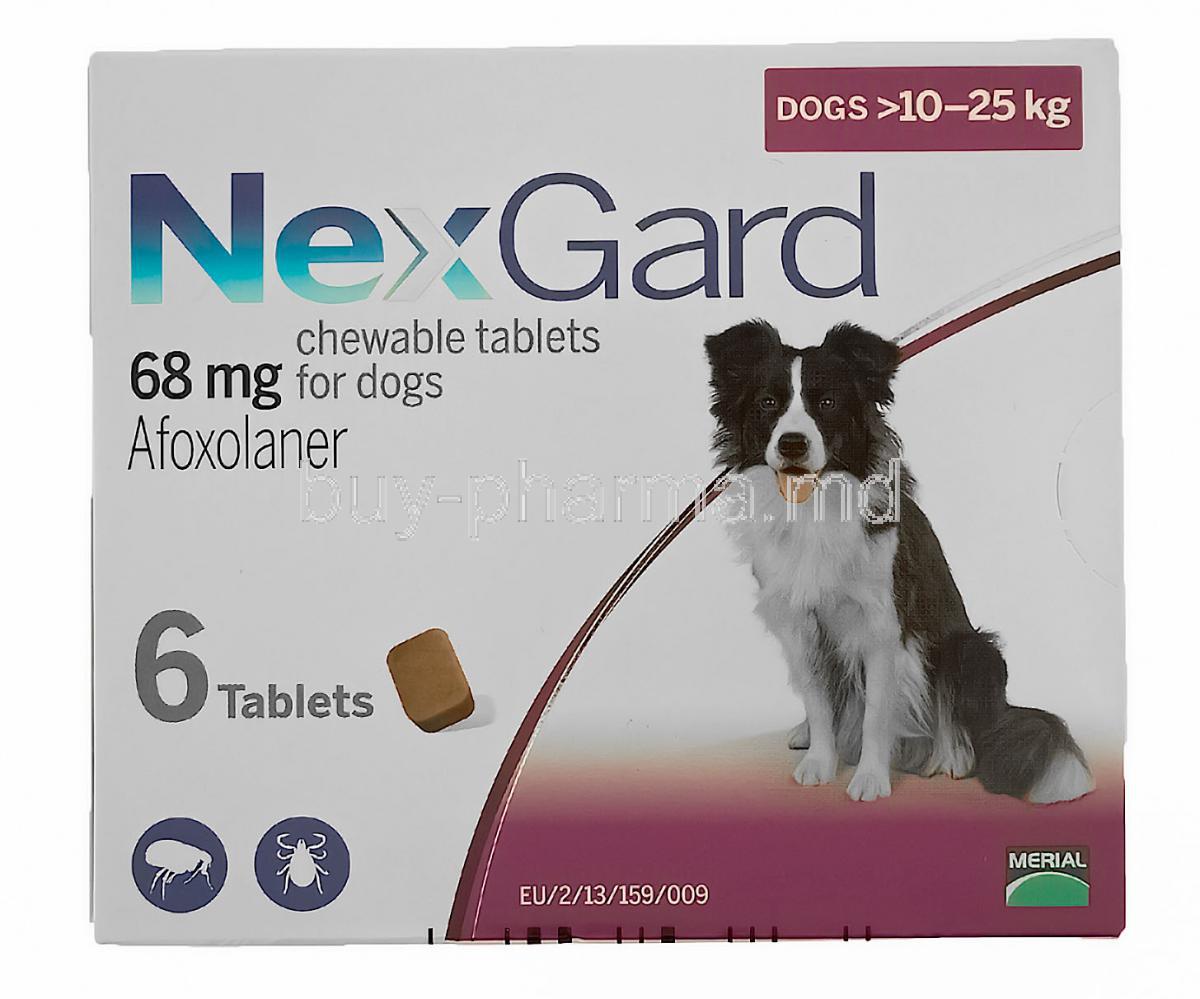
NexGard Chewable for Dogs is an oral ectoparasiticide designed to combat two of the most persistent external parasites in canine medicine: fleas and ticks. It is formulated for practical, routine prevention while still delivering therapeutic kill of existing infestations. One chew, administered on schedule, can simplify parasite control for many households.
In modern canine parasite prevention, consistent protection matters. Fleas reproduce rapidly, ticks can attach unnoticed, and seasonal surges may occur with little warning. A monthly oral option can reduce dependence on topical application technique, bathing restrictions, and the variability that comes with coat type or skin oils.
- Oral administration avoids residue on the coat and reduces product transfer concerns.
- Predictable dosing supports compliance, especially in multi-pet homes.
- Convenient scheduling helps maintain uninterrupted protection.
NexGard is generally available by prescription or through veterinary channels, reflecting the need for clinical oversight. Veterinary guidance is particularly important for dogs with complex medical histories, concurrent medications, or prior adverse reactions to antiparasitic agents.
Compared to topical flea and tick products, a chewable may offer a cleaner administration experience. No drip line. No waiting for the coat to dry. Less anxiety for dogs that dislike topical handling. The result is a prevention strategy that can feel more straightforward, yet remains anchored in veterinary medicine.
2. What Is NexGard Chewable for Dogs?
NexGard Chewable for Dogs is classified as a systemic flea and tick medication within the isoxazoline class of ectoparasiticides. It is designed to circulate within the dog’s body after oral administration, allowing blood-feeding parasites to be exposed to the active compound during feeding.
The target species is dogs, and its primary approved indications focus on the treatment and prevention of flea infestations and the treatment and control of certain tick species. Because it is systemic rather than topical, its effectiveness is not dependent on distribution through skin oils. That distinction can be clinically meaningful for dogs that swim frequently, are bathed often, or have coat characteristics that complicate topical application.
A defining feature is palatability. The chewable format is intended to be easier to administer than tablets that require forced swallowing. For many dogs, it can be offered like a treat, which improves adherence and reduces the “missed dose” phenomenon that undermines parasite control programs.
- Chewable design supports voluntary intake for many dogs.
- Monthly dosing encourages a consistent prevention routine.
- Convenience can translate into better real-world effectiveness.
The monthly dosing concept is central to compliance. Parasite prevention is rarely a one-time intervention; it is a recurring protocol. When dosing is simple, owners are more likely to keep the schedule intact, which helps protect the dog and limits household contamination from fleas.
3. Composition and Active Ingredients
3.1 Active Ingredient
The active ingredient in NexGard is afoxolaner, an isoxazoline ectoparasiticide. Its pharmacological role is to kill susceptible fleas and ticks after they feed. As a systemic agent, it relies on absorption through the gastrointestinal tract, distribution into the bloodstream, and subsequent exposure to parasites during feeding activity.
Afoxolaner’s chemical class is notable because isoxazolines are associated with potent activity against arthropods. This potency allows for a single-dose monthly paradigm, which can be easier to maintain than more frequent regimens.
3.2 Inactive Ingredients
Inactive ingredients include flavoring agents and excipients that help create a chewable matrix. These constituents serve several functions: improving palatability, maintaining tablet integrity, and supporting consistent disintegration and dissolution.
The chewable matrix can influence absorption by ensuring the active ingredient is released in a manner suitable for gastrointestinal uptake. In practical terms, the formulation aims for reliable systemic exposure when administered as directed.
- Flavoring agents to enhance acceptance.
- Binders and fillers to maintain chewable structure.
- Formulation design that supports predictable release.
3.3 Strength Variants
NexGard is available in weight-based chewable strengths. This is not a cosmetic difference—it is a dosing safety and efficacy issue. Dogs must receive the correct strength for their weight bracket to achieve the intended exposure and clinical benefit.
Selecting the correct strength helps avoid two problematic extremes. Underdosing may reduce effectiveness and allow parasites to persist. Overdosing can increase the likelihood of adverse events. Proper selection is an essential part of responsible use.
- Use the strength designed for the dog’s current weight.
- Recheck weight periodically, especially in growing puppies.
- Consult a veterinarian if the dog is near a weight cutoff.
4. How NexGard Works (Mechanism of Action)
NexGard works by interfering with the parasite’s nervous system. After the dog ingests the chew, afoxolaner is absorbed and becomes systemically available. Fleas and ticks are exposed when they attach and feed. The result is neuroexcitation in the parasite, followed by incapacitation and death.
Afoxolaner inhibits certain ligand-gated chloride channels in arthropods, disrupting normal neurotransmission. This mechanism is particularly effective for ectoparasites that rely on these channels for neuromuscular stability. The downstream effect is functional paralysis of the parasite.
- Targets parasite nervous system pathways essential for survival.
- Disrupts neurotransmission via ligand-gated chloride channels.
- Leads to loss of coordination, feeding cessation, and death in susceptible parasites.
Selectivity is an important concept. The pharmacodynamic target is more relevant to arthropods than to mammals, which contributes to a therapeutic window when the product is used correctly. Even so, no medication is risk-free. Dogs with neurologic vulnerability require individualized assessment.
Onset of action and duration of efficacy are designed to align with a monthly schedule. Maintaining routine administration helps ensure continuous exposure that suppresses infestations and reduces the likelihood of household flea propagation.
5. Uses of NexGard Chewable for Dogs
5.1 Approved Uses
NexGard is commonly used for both the treatment and prevention of flea infestations in dogs. In practice, this means it can be used to eliminate existing adult fleas and to help prevent reinfestation when administered on a regular schedule.
A clinically important advantage is the ability to kill adult fleas before they can lay eggs. By interrupting reproduction, NexGard can reduce environmental contamination over time. That matters because flea control is not just about the dog—it is also about the home, bedding, and surrounding environment.
- Treatment of adult flea infestations.
- Prevention of flea reinfestation with monthly dosing.
- Reduction of egg-laying by killing fleas before reproduction.
NexGard is also used for the treatment and control of certain tick infestations. Tick species commonly referenced in preventive programs include:
- Black-legged ticks
- American dog ticks
- Brown dog ticks
- Lone star ticks
Tick control is not merely a comfort issue. Ticks can carry pathogens in many regions. A consistent tick control strategy can be a foundational element of preventive veterinary care, especially for dogs that hike, hunt, or live in tick-endemic environments.
5.2 Preventive Use in Routine Parasite Control
Monthly preventive protocols are often recommended because they align with parasite life cycles and the realities of exposure. A dog may encounter fleas at a park, on a walk, or from wildlife vectors. Ticks can attach during routine outdoor activity. Predictable prevention reduces the chance of a small exposure becoming a sustained infestation.
NexGard can be integrated into broader parasite management programs that may also include heartworm prevention, intestinal parasite screening, environmental cleaning, and seasonal risk assessments. A comprehensive approach tends to be more resilient than a single isolated intervention.
- Monthly scheduling supports consistent protection.
- Can be combined with environmental control strategies.
- Fits within integrated veterinary preventive care plans.
6. Off-Label Uses of NexGard in Veterinary Practice
In veterinary practice, off-label use refers to a clinician-directed use outside the product’s labeled indications, dosing schedule, or specific parasite claims. Such use is not casual or improvised; it is typically based on professional judgment, local epidemiology, and the dog’s individual clinical needs.
One common context involves dogs with flea allergy dermatitis (FAD). Flea saliva can trigger pruritus and dermatitis in sensitized dogs, and strict flea control becomes a cornerstone of management. NexGard may be used as part of a broader strategy that includes skin therapy, allergen control, and household decontamination.
- Adjunctive role in flea allergy dermatitis control plans.
- Supports aggressive flea suppression to reduce flare-ups.
- Often paired with environmental and dermatologic interventions.
NexGard may also be used as an adjunct in environmental flea eradication plans. Flea control is a multi-compartment problem: the dog is the host, but the home is the incubator. Consistent systemic flea kill can reduce the population pressure while owners address carpets, bedding, and other reservoirs.
In some regions, veterinary judgment may guide use against tick species outside the label, depending on local prevalence and clinical experience. However, efficacy claims beyond labeled tick species should be approached with caution, and owners should understand the limits of available evidence.
Off-label prescribing requires informed consent. That includes discussing:
- Why off-label use is being considered.
- Expected benefits and realistic limitations.
- Potential risks, including adverse reactions.
- Monitoring plan and follow-up recommendations.
7. Dosage and Administration
7.1 Recommended Dosage
NexGard dosing is generally weight-based. The correct chewable strength is selected according to the dog’s body weight to achieve an exposure that is effective against susceptible fleas and ticks. Veterinary guidance is recommended, particularly when a dog’s weight is near the boundary of dosing categories.
Minimum effective dose considerations matter because consistent therapeutic exposure is what sustains parasite control. Underdosing can allow parasites to survive and continue reproducing. Precision, not approximation, is the safer principle.
- Use the chewable strength matched to the dog’s weight range.
- Reassess weight before each dose if weight is fluctuating.
- Avoid splitting chews unless directed by a veterinarian.
7.2 Administration Instructions
NexGard is administered orally and may be given with or without food. The chew should be offered in a manner that ensures full consumption. If a dog partially chews and drops fragments, it is important to confirm that the entire dose was ingested.
A missed dose can reduce continuous protection. If a dose is missed, the general principle is to administer it as soon as remembered and then resume the monthly schedule. However, timing nuances may vary, so veterinary advice is appropriate when there is uncertainty.
- Offer the chew directly or with a small amount of food if needed.
- Observe ingestion to confirm the entire dose is consumed.
- Maintain a monthly reminder system for adherence.
7.3 Treatment Duration
NexGard is typically used on a monthly schedule. Long-term use may be appropriate in regions where fleas are year-round or where ticks remain active across seasons. In other areas, veterinarians may recommend seasonal use based on climate and exposure risk.
Long-term use considerations include regular veterinary checkups, periodic health assessments, and ongoing evaluation of parasite risk. Prevention is dynamic; it should adapt to the dog’s lifestyle, travel history, and local parasite ecology.
8. Administration to Special Populations
8.1 Administration to Elderly Dogs
Senior dogs can have age-related changes in physiology, including altered hepatic metabolism, renal function variability, and increased sensitivity to medication effects. While many older dogs tolerate flea and tick preventives well, careful selection and monitoring remain prudent.
- Review concurrent medications to minimize avoidable risk.
- Monitor appetite, energy level, and gastrointestinal tolerance after dosing.
- Discuss pre-existing neurologic conditions with a veterinarian.
Monitoring in senior dogs should be individualized. A dog with stable health may do well with routine prevention. A dog with comorbidities may require closer observation and a tailored preventive plan.
8.2 Administration to Pregnant Dogs and Nursing Mothers
Use during pregnancy and lactation requires a risk–benefit assessment. The primary question is whether the anticipated benefit of parasite prevention outweighs potential uncertainties, particularly when robust safety data in breeding animals may be limited.
Veterinary discretion is important in breeding animals. Decisions may consider:
- Local flea/tick pressure and disease risk.
- History of parasite-related complications.
- Alternative products or non-pharmacologic control measures.
- Overall maternal health and pregnancy status.
When prevention is necessary, veterinary oversight helps ensure that the plan is clinically defensible and aligned with current best practices.
8.3 Administration to Puppies
Puppies require special consideration because they are developing physiologically and may be more vulnerable to dosing errors. Minimum approved age and weight requirements exist to help ensure a margin of safety and appropriate exposure.
Safety considerations in young dogs include accurate weighing, correct strength selection, and careful post-dose observation. Puppies can also change weight rapidly, so dosing decisions should be revisited frequently during growth phases.
- Confirm the puppy meets minimum age and weight requirements.
- Use the precise chewable strength for current body weight.
- Monitor for gastrointestinal upset or unusual behavior after dosing.
9. Side Effects of NexGard Chewable for Dogs
9.1 Common Side Effects
As with many oral medications, gastrointestinal signs can occur. The most commonly observed adverse effects are typically mild and transient, yet they deserve attention—especially after the first dose or following schedule changes.
- Vomiting: may occur shortly after administration in some dogs.
- Diarrhea: can range from mild soft stool to more noticeable GI disturbance.
- Decreased appetite: temporary reduction in food interest may be observed.
- Lethargy: a short-lived decrease in energy can occur.
If these effects are persistent, severe, or accompanied by dehydration signs, veterinary consultation is recommended. A brief symptom is one thing; sustained clinical deterioration is another.
9.2 Less Common Side Effects
Less common effects may involve cutaneous responses or behavioral changes. These are not typical for most dogs, but they can occur and should be documented if noted.
- Skin reactions: pruritus, erythema, or localized irritation may be reported.
- Behavioral changes: restlessness, atypical agitation, or altered demeanor can occur in rare cases.
When unusual changes appear after dosing, it can be helpful to note the timing, duration, and severity. This information supports veterinary assessment and helps determine whether the medication is the likely contributor.
9.3 Serious or Rare Adverse Reactions
Serious adverse reactions are uncommon but clinically significant when they occur. Neurological signs have been reported with isoxazoline-class medications in some dogs, including those with or without a prior history of neurologic events.
- Tremors: involuntary muscle shaking or quivering.
- Ataxia: impaired coordination, wobbliness, or abnormal gait.
- Seizures: episodic convulsions or seizure-like events.
Dogs with a known seizure history require careful risk assessment before use. Parasite prevention can still be important, but selection should be individualized, and owners should be prepared to observe and report neurologic changes promptly.
10. Warnings and Safety Information
NexGard Chewable for Dogs should be used with heightened vigilance in certain clinical contexts. Dogs with a documented history of neurological disorders require particular attention, as medications affecting parasite nervous systems may, in rare circumstances, precipitate neurologic events. While many dogs tolerate treatment without complication, prior seizure activity or unexplained tremors warrant a thorough veterinary risk assessment.
Accurate weight measurement is not optional; it is a safety imperative. Dosing errors, whether inadvertent underestimation or overestimation of body weight, can compromise efficacy or increase the likelihood of adverse reactions. Regular re-weighing is especially important in growing puppies and dogs with fluctuating body condition.
- Weigh dogs immediately before selecting a chewable strength.
- Reassess weight after illness, growth spurts, or significant lifestyle changes.
- Avoid estimating weight visually.
NexGard is not approved for cats or other animal species. Cross-species administration is contraindicated due to differences in metabolism and drug tolerance. Products formulated for dogs should never be repurposed for non-target animals.
Veterinary consultation before initiation is strongly advised. A clinician can evaluate medical history, concurrent medications, parasite risk, and individual susceptibility to adverse effects. This step transforms routine prevention into informed preventive medicine.
11. Contraindications
Certain conditions preclude or limit the use of NexGard Chewable for Dogs. Known hypersensitivity to afoxolaner or any formulation excipients constitutes a direct contraindication. Hypersensitivity reactions, although uncommon, can be clinically significant and should not be disregarded.
There are situations in which alternative parasite control methods may be preferred. Dogs with complex neurologic disease, severe systemic illness, or prior intolerance to similar agents may benefit from a different preventive strategy tailored to their risk profile.
- Documented allergic reaction to afoxolaner or formulation components.
- Clinical scenarios requiring avoidance of systemic ectoparasiticides.
- Individualized veterinary judgment overriding routine use.
Dogs below the minimum approved age or weight threshold should not receive NexGard. Immature physiology and limited safety data in very young or very small dogs necessitate adherence to labeled restrictions to preserve an acceptable safety margin.
12. Careful Administration and Monitoring
A baseline health assessment before use provides a reference point for evaluating tolerance. This may include a review of medical history, neurologic status, current medications, and recent adverse reactions to pharmaceuticals.
Monitoring during initial dosing is particularly important. The first administration offers insight into individual sensitivity. Owners should observe for gastrointestinal upset, behavioral changes, or neurologic abnormalities during the initial post-dose period.
- Observe appetite, activity level, and coordination after dosing.
- Note the timing and duration of any unusual signs.
- Seek veterinary advice if symptoms persist or worsen.
Long-term safety observation is part of responsible preventive care. Even when a product is well tolerated initially, periodic reassessment helps ensure ongoing suitability as the dog ages or develops new health conditions.
Reporting adverse events to a veterinarian is essential. Accurate reporting supports individual patient care and contributes to broader pharmacovigilance efforts.
13. Important Precautions Before and During Treatment
NexGard Chewable for Dogs should be integrated thoughtfully into broader parasite prevention strategies. Flea and tick control is most effective when systemic treatment is combined with environmental management and, when indicated, additional preventive measures.
Environmental flea control remains a critical adjunct. Fleas spend much of their life cycle off the host, embedded in carpets, bedding, and crevices. Systemic treatment of the dog reduces reproductive output, but environmental decontamination accelerates resolution.
- Regular cleaning of bedding and living areas.
- Vacuuming carpets and upholstered furniture.
- Targeted environmental treatments when infestations are established.
Avoiding under-dosing or overdosing is fundamental. Both errors undermine the therapeutic objective—either by allowing parasites to persist or by increasing the risk of adverse effects. Precision in dosing protects efficacy and safety simultaneously.
Regular veterinary checkups allow for reassessment of parasite risk, dosing accuracy, and overall health status. Preventive care is iterative, not static.
14. Drug and Product Interactions
NexGard is commonly used alongside heartworm preventives, and such concurrent use is generally well tolerated. This combination supports comprehensive parasite coverage, addressing both external and internal threats.
Co-administration with vaccines is typically permissible, as routine immunization schedules often overlap with monthly preventive dosing. Nevertheless, staggering administrations may be considered in dogs with a history of post-vaccination reactions to facilitate clearer attribution of adverse signs.
- Compatible with many heartworm prevention products.
- Generally safe alongside routine vaccinations.
- Individualized scheduling may be prudent in sensitive dogs.
Use with other ectoparasiticides should be approached cautiously. Redundant therapy may not confer additional benefit and could increase the burden of adverse effects. Veterinary guidance is recommended before combining products.
Notably, NexGard is not associated with significant cytochrome P450–mediated drug interactions. This pharmacokinetic characteristic reduces the likelihood of interference with many commonly prescribed medications, though clinical judgment remains essential.
15. Overdosage
Overdosage may lead to an amplification of known adverse effects. Gastrointestinal disturbances, lethargy, or neurologic signs may become more pronounced when excessive amounts are ingested.
Clinical signs associated with overdose can include:
- Persistent vomiting or diarrhea.
- Marked lethargy or weakness.
- Tremors, ataxia, or seizure activity.
Management of accidental overdose centers on prompt veterinary evaluation. Early intervention improves outcomes and allows for tailored supportive care based on observed symptoms and timing of ingestion.
Supportive care may involve fluid therapy, antiemetics, neurologic monitoring, and symptomatic treatment. There is no specific antidote; management is directed at stabilization and symptom control.
16. Storage and Stability
Proper storage preserves the integrity and efficacy of NexGard Chewable for Dogs. Recommended storage conditions typically involve keeping the product at controlled room temperature, away from excessive heat and direct sunlight.
Protection from moisture is important, as humidity can compromise chewable stability. Tablets should remain in their original packaging until use to minimize environmental exposure.
- Store at recommended temperature ranges.
- Avoid exposure to moisture and heat.
- Retain original packaging until administration.
Shelf life considerations should not be overlooked. Expired products may exhibit reduced potency or altered stability and should not be administered.
Safe storage away from children and pets is essential. The palatable nature of chewable tablets increases the risk of accidental ingestion if left accessible.
17. Handling Precautions
Proper handling of chewable tablets minimizes contamination and dosing errors. Tablets should be handled with clean, dry hands and offered promptly once removed from packaging.
Hygiene measures after administration are straightforward yet important. Washing hands after handling reduces inadvertent exposure, particularly in households with children or immunocompromised individuals.
- Wash hands after administering the chew.
- Avoid breaking or crushing tablets unless directed.
- Do not leave tablets unattended.
Disposal of unused or expired tablets should follow veterinary or pharmaceutical guidance. Improper disposal can pose environmental risks or accidental ingestion hazards.
Preventing accidental ingestion by non-target animals is critical. Dogs may seek out flavored tablets, and other pets may be exposed unintentionally if storage is careless.
18. Summary of Clinical Benefits and Considerations
NexGard Chewable for Dogs offers a combination of efficacy and convenience that aligns well with contemporary parasite prevention practices. Its oral, palatable formulation simplifies administration while delivering systemic flea and tick control.
As part of comprehensive parasite control, NexGard can reduce flea populations, control tick exposure, and support household and environmental management strategies. Its value is maximized when used consistently and in conjunction with other preventive measures.
- Effective systemic control of fleas and ticks.
- Convenient monthly dosing supports compliance.
- Integrates well into broader preventive care programs.
Veterinary guidance remains central to safe and effective use. Individual health status, parasite risk, and prior medical history should inform product selection and ongoing monitoring, ensuring prevention remains both proactive and prudent.
 Verified Purchase
NexGard
Product was exactly what I ordered. It took a few weeks to arrive, but the money you save makes it well worth the wait.
NexGard Chewable for Dogs FAQ
Customers also bought
Popular Products
Similar Product