
1. Introduction to Okacet Cold (Cetirizine / Paracetamol / Phenylephrine)
1.1 Overview of Combination Therapy for Cold and Allergy Relief
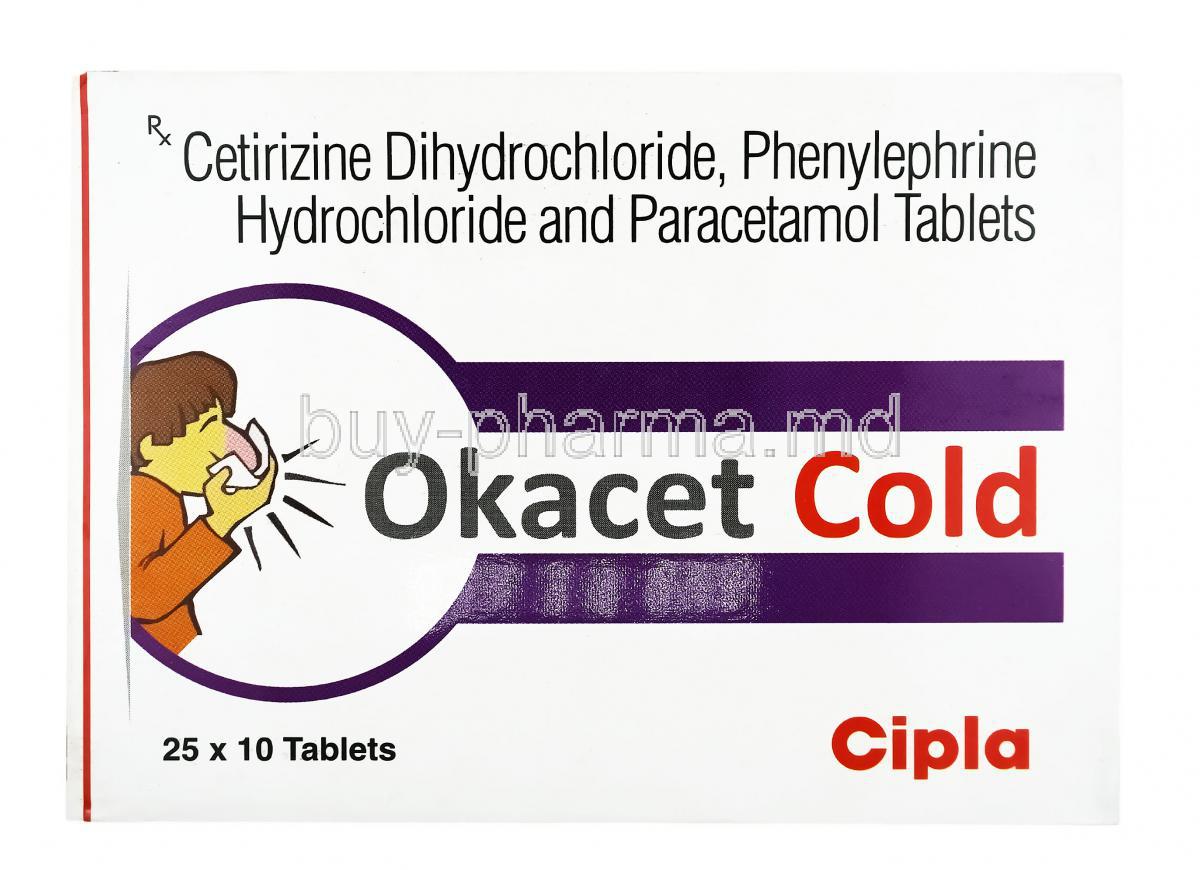
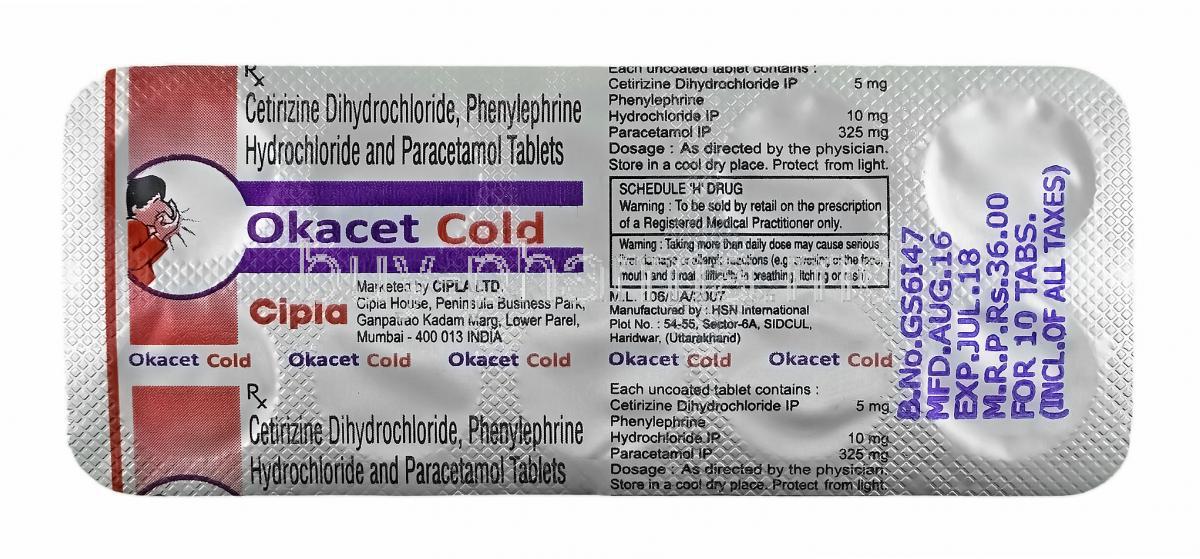
Okacet Cold is a multi-component pharmaceutical formulation designed to address a constellation of symptoms associated with upper respiratory tract infections and allergic conditions. Rather than targeting a single pathway, it employs a triad of active agents to deliver comprehensive symptomatic relief.
This approach enhances therapeutic efficiency. It minimizes the need for multiple medications. Patients benefit from simplified regimens and improved adherence.
- Targets nasal congestion, fever, and allergic symptoms simultaneously
- Reduces polypharmacy burden
- Improves patient convenience
1.2 Therapeutic Class and Drug Category
The formulation belongs to a composite pharmacological category that includes antihistamines, analgesics/antipyretics, and sympathomimetic decongestants. Each component contributes a distinct mechanism of action, creating a layered therapeutic effect.
1.3 Indications for Multi-Symptom Relief Formulations
Such formulations are indicated in clinical scenarios where symptom clusters coexist. These include:
- Acute viral rhinitis
- Allergic rhinitis with systemic manifestations
- Sinus congestion accompanied by fever or malaise
1.4 Brand Positioning and Global Availability
Okacet Cold is widely distributed in various pharmaceutical markets, particularly in regions where over-the-counter combination therapies are commonly utilized. It is often positioned as a convenient, fast-acting remedy for cold and allergy-related discomfort.
2. Composition and Active Ingredients
2.1 Cetirizine: Antihistamine Properties and Role
Cetirizine is a second-generation antihistamine known for its selective inhibition of peripheral H1 receptors. It mitigates histamine-mediated symptoms such as sneezing, rhinorrhea, and pruritus without inducing significant sedation in most individuals.
2.2 Paracetamol (Acetaminophen): Analgesic and Antipyretic Effects
Paracetamol exerts its effects centrally by modulating prostaglandin synthesis. It effectively reduces fever and alleviates mild to moderate pain, including headaches and myalgia associated with viral infections.
2.3 Phenylephrine: Nasal Decongestant Mechanism
Phenylephrine is a selective alpha-1 adrenergic receptor agonist. It induces vasoconstriction in nasal mucosa, thereby reducing edema and congestion. The result is improved airflow and symptomatic relief.
2.4 Synergistic Effects of Combination Therapy
The combined action of these agents produces a synergistic pharmacodynamic profile. While cetirizine attenuates allergic responses, paracetamol addresses systemic discomfort, and phenylephrine alleviates nasal obstruction.
2.5 Inactive Ingredients and Excipients
Excipients may include binders, fillers, stabilizers, and flavoring agents. These substances ensure formulation stability, palatability, and optimal drug delivery without contributing therapeutic effects.
3. Mechanism of Action (How It Works)
3.1 Histamine H1 Receptor Blockade by Cetirizine
Cetirizine competitively inhibits histamine at H1 receptors, preventing downstream inflammatory cascades. This results in decreased vascular permeability and reduced mucosal irritation.
3.2 Central and Peripheral Prostaglandin Inhibition by Paracetamol
Paracetamol modulates cyclooxygenase activity in the central nervous system. This leads to diminished prostaglandin synthesis, lowering both fever and pain perception.
3.3 Alpha-1 Adrenergic Agonism of Phenylephrine
Phenylephrine stimulates alpha-1 receptors in vascular smooth muscle. The ensuing vasoconstriction reduces nasal mucosal swelling and enhances airway patency.
3.4 Combined Pharmacodynamic Effects on Cold Symptoms
The integration of these mechanisms results in comprehensive symptom control. Patients often experience:
- Reduced nasal congestion
- Improved breathing
- Decreased fever and discomfort
- Suppression of allergic manifestations
3.5 Onset of Action and Duration of Symptom Relief
Symptom relief typically begins within 30 to 60 minutes after administration. The duration varies depending on individual metabolism but generally persists for several hours.
4. Uses and Indications
4.1 Relief of Common Cold Symptoms (Runny Nose, Sneezing, Fever)
The formulation is primarily indicated for symptomatic relief of the common cold. It addresses both nasal and systemic manifestations effectively.
4.2 Management of Allergic Rhinitis (Seasonal and Perennial)
Cetirizine’s antihistaminic activity makes the combination suitable for allergic rhinitis, including seasonal pollen-induced conditions and chronic environmental allergies.
4.3 Treatment of Sinus Congestion and Pressure
Phenylephrine reduces sinus pressure by alleviating mucosal swelling. This improves sinus drainage and reduces discomfort.
4.4 Reduction of Headache, Body Aches, and Fever
Paracetamol provides effective analgesia and antipyresis, making it beneficial in febrile illnesses accompanied by musculoskeletal pain.
4.5 Use in Upper Respiratory Tract Infections
The combination is frequently used in viral upper respiratory tract infections, where multiple symptoms coexist and require simultaneous management.
5. Expanded Uses and Off-Label Applications
5.1 Symptomatic Relief in Influenza (Flu-Like Illness)
Although not curative, the formulation provides symptomatic relief in influenza, reducing fever, congestion, and malaise.
5.2 Adjunct Therapy in Sinusitis and Rhinosinusitis
It may be used alongside antimicrobial therapy in sinus infections to alleviate congestion and discomfort.
5.3 Management of Allergy-Induced Headaches
The combination helps reduce headaches triggered by allergic inflammation and sinus pressure.
5.4 Supportive Treatment for Viral Respiratory Infections
It serves as supportive care in various viral respiratory illnesses, improving patient comfort during recovery.
5.5 Use in Mild COVID-19 Symptom Management (Supportive Care Context)
In mild cases, it may be utilized for symptomatic relief under medical supervision, addressing fever, congestion, and fatigue.
5.6 Relief of Post-Nasal Drip and Associated Irritation
By reducing histamine activity and congestion, the formulation helps alleviate post-nasal drip and throat irritation.
6. Dosage and Administration Guidelines
6.1 Standard Adult Dosage Recommendations
The typical adult dosage involves one tablet administered at recommended intervals, as directed by healthcare professionals or product labeling.
6.2 Pediatric Dosage and Age-Based Adjustments
Dosage in pediatric populations must be adjusted according to age and weight. Medical consultation is essential before administration.
6.3 Frequency of Administration and Duration of Use
The medication is usually taken every 6 to 8 hours. Prolonged use beyond a few days should be avoided unless advised by a physician.
6.4 Administration With or Without Food
It can be taken with or without food. However, taking it with meals may reduce gastrointestinal discomfort.
6.5 Missed Dose Instructions
If a dose is missed, it should be taken as soon as remembered. Doubling doses is contraindicated.
6.6 Maximum Daily Dose Limits
Exceeding the recommended daily dose, particularly of paracetamol, can lead to serious toxicity. Strict adherence is imperative.
7. Proper Storage and Handling
7.1 Recommended Storage Conditions (Temperature and Humidity)
Store in a cool, dry environment, typically below 25°C. Avoid excessive humidity.
7.2 Shelf Life and Expiry Considerations
Use within the indicated expiry date. Degraded compounds may lose efficacy or become unsafe.
7.3 Protection from Light and Moisture
Keep in original packaging to protect from photodegradation and moisture ingress.
7.4 Safe Disposal of Unused Medication
Unused medication should be disposed of in accordance with local pharmaceutical waste guidelines.
7.5 Handling Precautions to Maintain Drug Stability
Avoid crushing or exposing tablets to air for prolonged periods. Maintain packaging integrity.
8. Side Effects Overview
8.1 Common Side Effects of Combination Therapy
Most adverse effects are mild and transient. They often resolve without intervention.
8.2 Mild vs Moderate Adverse Reactions
Mild reactions include drowsiness and dry mouth. Moderate reactions may involve gastrointestinal upset or cardiovascular changes.
8.3 Drug-Specific Side Effects by Ingredient
Each component contributes distinct adverse effects:
- Cetirizine: sedation, fatigue
- Paracetamol: hepatotoxicity (in overdose)
- Phenylephrine: hypertension, palpitations
8.4 Frequency and Duration of Side Effects
Side effects are generally short-lived. Persistent symptoms warrant medical evaluation.
9. Common Side Effects in Detail
9.1 Drowsiness and Fatigue (Cetirizine-Related)
Although less sedating than first-generation antihistamines, cetirizine may still cause somnolence in sensitive individuals.
9.2 Dry Mouth and Throat Irritation
Anticholinergic-like effects may lead to dryness of mucosal surfaces.
9.3 Nausea, Vomiting, and Gastrointestinal Discomfort
Gastrointestinal disturbances may occur, particularly when taken on an empty stomach.
9.4 Headache and Dizziness
These symptoms may arise due to central nervous system effects or vascular changes.
9.5 Increased Blood Pressure or Palpitations (Phenylephrine-Related)
Phenylephrine can elevate blood pressure and induce palpitations, especially in susceptible individuals.
10. Serious and Rare Adverse Effects
10.1 Allergic Reactions and Hypersensitivity
Severe hypersensitivity reactions, though rare, may manifest as rash, angioedema, or anaphylaxis.
10.2 Hepatotoxicity Risk with Paracetamol Overuse
Excessive intake of paracetamol can lead to acute liver failure. This risk is amplified in chronic alcohol users.
10.3 Cardiovascular Effects (Hypertension, Tachycardia)
Phenylephrine may precipitate significant cardiovascular responses, particularly in patients with pre-existing conditions.
10.4 Central Nervous System Effects
Rarely, agitation, confusion, or paradoxical excitation may occur.
10.5 When to Seek Immediate Medical Attention
Immediate care is required if the following symptoms develop:
- Severe allergic reactions
- Persistent vomiting or abdominal pain
- Chest pain or severe hypertension
- Signs of liver dysfunction (jaundice, dark urine)
11. Drug Interactions and Compatibility
11.1 Interaction with Other Antihistamines and Sedatives
Okacet Cold contains cetirizine, an antihistamine that may potentiate sedative effects when used concomitantly with other antihistamines, tranquilizers, hypnotics, or centrally acting agents. This interaction can intensify somnolence, psychomotor retardation, and reduced vigilance. In susceptible individuals, even mild additive sedation may become clinically consequential.
Particular caution is warranted when combining this formulation with:
- First-generation antihistamines
- Benzodiazepines and sedative anxiolytics
- Sleep medications
- Opioid-containing products
- Centrally acting antitussives
11.2 Alcohol Interaction and CNS Depression Risk
Alcohol may amplify central nervous system depression associated with cetirizine, even though cetirizine is generally less sedating than older antihistamines. The result may include lassitude, impaired coordination, delayed reaction time, and diminished judgment. These effects may become more pronounced in older adults and in those taking additional sedating medications.
This is not a trivial interaction. It may compromise routine functioning and increase the likelihood of accidents.
11.3 Interactions with MAO Inhibitors and Antidepressants
Phenylephrine may interact adversely with monoamine oxidase inhibitors and certain antidepressants, particularly those that influence catecholamine metabolism or sympathetic tone. Such combinations can produce exaggerated vasopressor responses, leading to significant blood pressure elevation, palpitations, or severe cephalalgia.
Caution is especially important with:
- MAO inhibitors
- Tricyclic antidepressants
- Serotonin-norepinephrine reuptake inhibitors in select cases
- Other sympathomimetic medicines
11.4 Paracetamol Interactions with Hepatotoxic Drugs
Paracetamol is generally well tolerated at therapeutic doses, yet its metabolic burden on the liver becomes more concerning when combined with other hepatotoxic agents. Chronic alcohol use, enzyme-inducing antiepileptic drugs, certain antitubercular therapies, and prolonged use of hepatotoxic medicines may augment the risk of hepatic injury.
The cumulative effect matters. It is not only the dose of paracetamol, but also the metabolic milieu in which it is taken.
11.5 Phenylephrine Interactions with Antihypertensives
Phenylephrine may antagonize the therapeutic effects of some antihypertensive drugs by promoting vasoconstriction and increasing peripheral vascular resistance. Patients receiving treatment for hypertension may experience reduced blood pressure control during concomitant use.
- Blood pressure may rise unexpectedly
- Antihypertensive efficacy may appear blunted
- Cardiovascular symptoms may become more noticeable
11.6 Herbal Supplements and OTC Medication Interactions
Over-the-counter and herbal products may also interact with Okacet Cold, particularly when they contain duplicate ingredients or stimulant compounds. Combination cold remedies, allergy preparations, sleep aids, and supplements with sympathomimetic or sedative potential may produce unintended pharmacological overlap.
Examples of potentially problematic products include:
- OTC cold and flu remedies containing paracetamol
- Night-time cough preparations with sedatives
- Herbal stimulants
- Supplements marketed for sinus relief or energy enhancement
12. Warnings and Safety Considerations
12.1 Risk of Liver Damage with Excess Paracetamol
One of the most consequential safety concerns associated with this formulation is paracetamol overexposure. Excessive intake can lead to severe liver injury, sometimes with delayed onset of obvious symptoms. Early manifestations may be deceptively mild, but hepatotoxicity can progress rapidly if not recognized and treated promptly.
This risk increases with:
- High cumulative daily dosing
- Concurrent use of multiple paracetamol-containing medicines
- Alcohol misuse
- Pre-existing liver disease
- Fasting or poor nutritional status in some patients
12.2 Cardiovascular Risk in Hypertensive Patients
Phenylephrine may raise blood pressure and increase cardiac workload. In patients with hypertension, ischemic heart disease, arrhythmias, or other cardiovascular vulnerabilities, this decongestant effect may be clinically undesirable. Even short-term use can precipitate discomfort or hemodynamic instability in sensitive individuals.
Symptoms such as pounding heartbeat, chest discomfort, or marked elevation in blood pressure should not be ignored.
12.3 Sedation and Impairment of Cognitive Function
Cetirizine may cause drowsiness, reduced alertness, or cognitive blunting in some individuals. While this effect is usually milder than with first-generation antihistamines, it can still impair daily performance. Mental acuity matters. So does psychomotor precision.
12.4 Use in Patients with Chronic Illnesses
Patients with chronic hepatic, renal, endocrine, respiratory, or cardiovascular disorders require careful evaluation before using combination cold formulations. A product that appears simple may, in fact, impose meaningful physiological strain when underlying disease is present.
- Renal dysfunction may alter elimination
- Cardiovascular disease may increase sensitivity to phenylephrine
- Chronic liver disease may heighten paracetamol risk
- Neurologic sensitivity may worsen sedation-related effects
12.5 Risk of Overlapping Medications Containing Paracetamol
Many patients inadvertently exceed safe paracetamol limits by taking more than one multi-symptom product at the same time. This duplication is common, especially during acute illness when several over-the-counter remedies are used together. Reading labels is essential. So is ingredient awareness.
13. Contraindications
13.1 Known Hypersensitivity to Any Component
Okacet Cold is contraindicated in patients with a known hypersensitivity to cetirizine, paracetamol, phenylephrine, or any excipient present in the formulation. Re-exposure in sensitized individuals may provoke rash, urticaria, angioedema, or severe allergic responses.
13.2 Severe Liver or Kidney Impairment
In severe hepatic or renal impairment, the metabolism and elimination of active ingredients may be significantly altered. This can increase systemic exposure, prolong adverse effects, and elevate the risk of toxicity. Such patients should generally avoid unsupervised use.
13.3 Uncontrolled Hypertension or Cardiovascular Disease
Because phenylephrine is a vasoconstrictor, this medicine is contraindicated in patients with uncontrolled hypertension or certain serious cardiovascular disorders where further sympathetic stimulation may be hazardous.
13.4 Concurrent Use with MAO Inhibitors
The concurrent use of MAO inhibitors is contraindicated due to the risk of hypertensive reactions and exaggerated sympathomimetic effects. A washout interval is typically necessary before phenylephrine-containing products can be used safely.
13.5 Narrow-Angle Glaucoma and Urinary Retention Conditions
Patients with narrow-angle glaucoma or predisposition to urinary retention may experience worsening of symptoms due to sympathomimetic effects. Use in such settings is generally inappropriate unless specifically directed by a healthcare professional.
14. Careful Administration (Use with Caution)
14.1 Patients with Hepatic Dysfunction
Hepatic dysfunction necessitates heightened caution because paracetamol undergoes extensive liver metabolism. Even standard doses may require closer monitoring in vulnerable patients, especially when chronic liver disease or alcohol-related hepatic compromise is present.
14.2 Individuals with Renal Impairment
Renal impairment may reduce clearance of cetirizine and other formulation components, increasing the duration of drug exposure. Dose interval modification or avoidance may be necessary depending on severity.
14.3 Patients with Diabetes or Thyroid Disorders
Phenylephrine may need to be used cautiously in patients with endocrine disorders such as diabetes mellitus or hyperthyroidism. Sympathomimetic stimulation can exacerbate certain metabolic or cardiovascular manifestations associated with these conditions.
14.4 History of Cardiovascular Disease
Patients with prior ischemic heart disease, arrhythmia, cerebrovascular disease, or controlled hypertension may be more susceptible to the pressor effects of phenylephrine. Even modest vasoconstriction may be poorly tolerated in select cases.
14.5 Patients Sensitive to Antihistamines
Some individuals exhibit marked sensitivity to antihistamines, including excessive drowsiness, paradoxical restlessness, or cognitive slowing. In such patients, caution is prudent, and tolerance should not be assumed.
15. Important Precautions Before Use
15.1 Avoiding Duplicate Paracetamol Intake
Before using this medicine, patients should carefully inspect all other medications they are taking, including cold remedies, pain relievers, and fever reducers. Duplicate paracetamol exposure remains one of the most preventable causes of drug-induced liver injury.
15.2 Monitoring Blood Pressure During Use
Patients with a history of hypertension or cardiovascular instability should monitor blood pressure during use, especially if symptoms such as palpitations, facial flushing, or headache appear.
15.3 Avoiding Alcohol Consumption
Alcohol should be avoided while using this formulation. It may increase sedation and may also intensify the hepatic burden associated with paracetamol metabolism.
15.4 Driving and Operating Machinery Warnings
Because cetirizine may cause drowsiness or reduce alertness in some users, caution is advised when driving, operating machinery, or performing tasks that demand sustained concentration.
- Do not assume normal alertness after the first dose
- Assess individual response before engaging in hazardous activities
- Exercise extra caution if taking other sedating medicines
15.5 Duration of Self-Medication Limits
This medicine should not be used indefinitely for persistent symptoms without medical evaluation. Continued fever, prolonged congestion, worsening cough, or recurring symptoms may indicate a condition requiring more specific assessment and treatment.
16. Administration in Special Populations
16.1 Administration to Elderly Patients
Older adults may exhibit altered pharmacokinetics, greater sensitivity to sedative effects, and increased cardiovascular susceptibility. As a result, combination cold medications should be used judiciously in this population.
16.1.1 Dose Adjustments and Increased Sensitivity
Dose adjustments may be appropriate in elderly patients, especially when renal or hepatic reserve is diminished. Even standard doses may produce disproportionately strong effects in frail individuals.
16.1.2 Risk of Sedation and Falls
Sedation, dizziness, and impaired balance may increase the risk of falls. This is particularly relevant in patients with gait instability, polypharmacy, or pre-existing neurologic compromise.
16.2 Administration to Pregnant Women
Use during pregnancy should be guided by a careful clinical assessment. Not all components carry the same safety profile, and unnecessary medication exposure should be avoided whenever possible.
16.2.1 Safety Profile of Each Ingredient in Pregnancy
Paracetamol is often used during pregnancy when clinically indicated, whereas the use of cetirizine and phenylephrine requires more individualized assessment. Decongestants, in particular, may warrant caution depending on gestational stage and maternal condition.
16.2.2 Risk-Benefit Assessment
The decision to use this combination during pregnancy should consider symptom severity, available alternatives, maternal health status, and potential fetal exposure. A measured approach is preferable to reflexive use.
16.3 Administration to Nursing Mothers
Breastfeeding patients should use caution, as some ingredients may be excreted into breast milk in small amounts. The clinical significance varies, but infant monitoring may be appropriate in some situations.
16.3.1 Drug Excretion in Breast Milk
Cetirizine and paracetamol may appear in breast milk in limited quantities. Phenylephrine data are less reassuring in some contexts, and theoretical effects on milk production or infant exposure may warrant consideration.
16.3.2 Potential Effects on Infants
Potential infant effects may include unusual drowsiness, irritability, or feeding changes, although significant adverse outcomes are not common at appropriate maternal dosing. Still, vigilance is sensible.
16.4 Administration to Pediatric Patients
Pediatric use requires particular caution because dosing errors are more likely in children, and certain age groups may be more vulnerable to adverse effects. Formulation strength and suitability must always be verified.
16.4.1 Age Restrictions and Safety Considerations
Not all combination cold products are appropriate for young children. Age restrictions vary by formulation, local guidance, and clinical context. Caregivers should avoid extrapolating adult dosing to children.
16.4.2 Appropriate Dosing Forms
When pediatric use is considered appropriate, age-suitable dosage forms and measuring devices should be used to ensure accuracy. Tablets, syrups, and dispersible forms are not interchangeable without dose verification.
17. Overdosage and Toxicity Management
17.1 Symptoms of Overdose (Each Active Ingredient)
Overdose manifestations vary according to the ingredient involved. Paracetamol overdose may initially produce nausea, vomiting, sweating, and malaise before hepatic injury becomes apparent. Cetirizine overdose may cause excessive drowsiness or, in some cases, agitation. Phenylephrine overdose may lead to marked hypertension, headache, palpitations, tremor, or restlessness.
17.2 Paracetamol-Induced Liver Toxicity
Paracetamol toxicity is particularly serious because hepatic necrosis may develop even when early symptoms seem modest. Delay is dangerous. Timely recognition is critical.
Risk factors for severe toxicity may include:
- Large acute ingestion
- Repeated supratherapeutic dosing
- Chronic alcohol use
- Underlying liver disease
- Malnutrition in select patients
17.3 Emergency Management and Antidote (N-acetylcysteine)
Suspected overdose requires urgent medical evaluation. In paracetamol poisoning, N-acetylcysteine is the established antidotal therapy and is most effective when administered promptly. Supportive care, laboratory monitoring, and toxicology-based management are essential components of treatment.
17.4 When to Seek Poison Control Assistance
Poison control or emergency medical services should be contacted immediately in the event of accidental overdose, uncertain dosing, ingestion by a child, or the emergence of severe symptoms. It is unwise to wait for symptoms to worsen before seeking help.
17.5 Prevention of Accidental Overdose
Most accidental overdoses are preventable with careful storage, clear labeling, and ingredient awareness. Families should maintain a simple medication inventory during episodes of illness to reduce duplication and confusion.
18. Handling and Safety Precautions
18.1 Safe Handling Practices for Caregivers
Caregivers should administer the medication exactly as labeled or prescribed, using the correct dosage form and appropriate measuring tools where applicable. Guesswork is hazardous. Precision is preferable.
18.2 Keeping Out of Reach of Children
All medications, including common cold preparations, should be stored out of reach and sight of children. Child-resistant packaging helps, but it does not replace secure storage practices.
18.3 Label Reading and Dosage Accuracy
Label reading is a fundamental safety step. It helps identify:
- Active ingredients
- Dose strength
- Maximum daily limits
- Warnings and contraindications
- Age-specific directions
18.4 Avoiding Misuse and Self-Medication Risks
Combination products may appear deceptively benign because they are commonly used, yet inappropriate self-medication can obscure serious illness, delay diagnosis, or result in toxic exposure. Responsible use requires restraint as well as convenience.
19. Summary of Benefits and Risk Considerations
19.1 Advantages of Combination Therapy
Okacet Cold offers practical, broad-spectrum symptomatic relief by combining an antihistamine, an analgesic-antipyretic, and a decongestant in one formulation. This can reduce pill burden, simplify dosing, and improve comfort during acute respiratory or allergic episodes.
- Addresses several symptoms at once
- Enhances convenience
- May improve adherence during short-term illness
19.2 Risk-Benefit Profile in Different Patient Groups
The balance of benefit and risk varies across patient populations. Healthy adults may tolerate short-term use well, whereas elderly patients, children, pregnant individuals, and those with cardiovascular, renal, or hepatic disease require more circumspect evaluation.
19.3 Clinical Considerations for Safe Use
Safe use depends on prudent dose selection, awareness of interacting medications, avoidance of duplicate paracetamol exposure, and recognition of patient-specific contraindications. Used properly, the formulation may provide meaningful relief. Used carelessly, it may produce preventable harm.
The cardinal principles remain straightforward:
- Use the lowest effective dose for the shortest necessary duration
- Avoid overlapping cold and pain products
- Exercise caution in high-risk populations
- Seek medical advice for persistent, severe, or atypical symptoms
Popular Products

Similar Product