

1. Introduction to Oncotrex (Methotrexate)
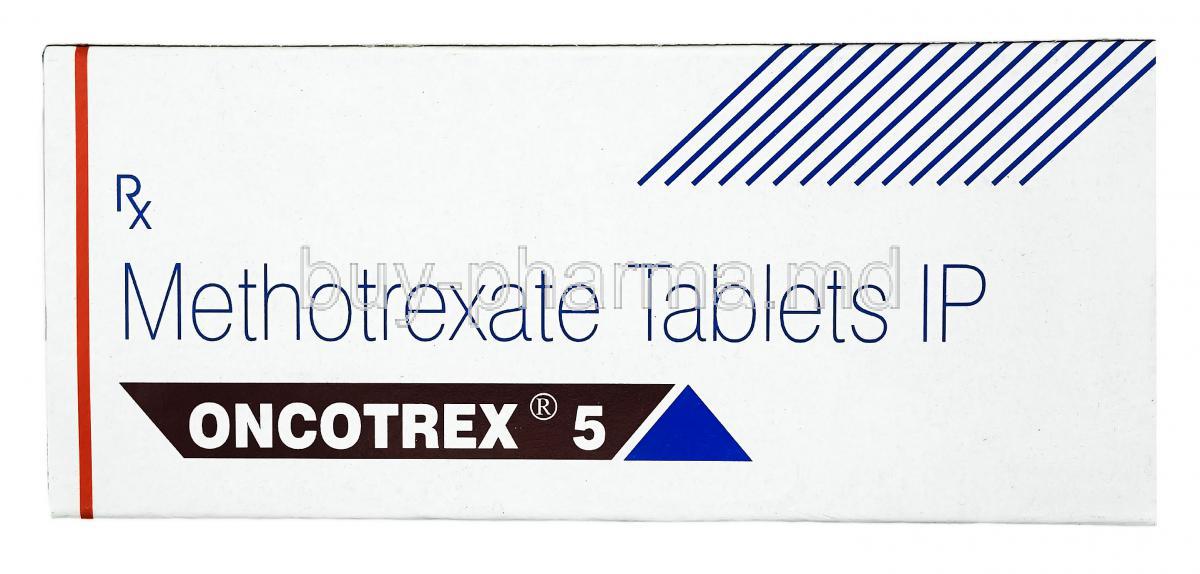
Oncotrex is a pharmaceutical preparation containing methotrexate, a well-established antimetabolite widely utilized in oncology and immune-mediated disorders. Classified as an antineoplastic and disease-modifying agent, it occupies a pivotal role in modern therapeutics. Its clinical versatility is notable. From malignancies to chronic inflammatory diseases, its scope is extensive.
Methotrexate functions both as a cytotoxic agent and an immunosuppressant. At higher doses, it inhibits rapidly dividing malignant cells. At lower doses, it attenuates aberrant immune activity. This dual functionality makes it indispensable in multiple specialties.
Originally developed in the mid-20th century for leukemia treatment, methotrexate became one of the earliest successful chemotherapeutic agents. Over time, its anti-inflammatory properties were recognized, leading to widespread use in rheumatology and dermatology.
- Available in oral tablets and injectable formulations
- Offered in multiple strengths to accommodate individualized dosing
- Used for both short-term and long-term therapy depending on indication
Generic methotrexate formulations, including Oncotrex, provide therapeutic equivalence to branded versions. They offer reliable efficacy, regulatory quality assurance, and improved affordability for long-term treatment regimens.
2. Composition and Pharmaceutical Information
The active ingredient in Oncotrex is methotrexate, a folic acid analogue belonging to the antifolate class. Chemically, it interferes with cellular folate metabolism, thereby disrupting nucleic acid synthesis.
In addition to the active compound, the formulation contains pharmaceutical excipients that enhance stability, dissolution, and bioavailability. These may include binders, fillers, stabilizers, and buffering agents depending on the dosage form.
- Oral tablets for systemic therapy
- Injectable solutions for parenteral administration
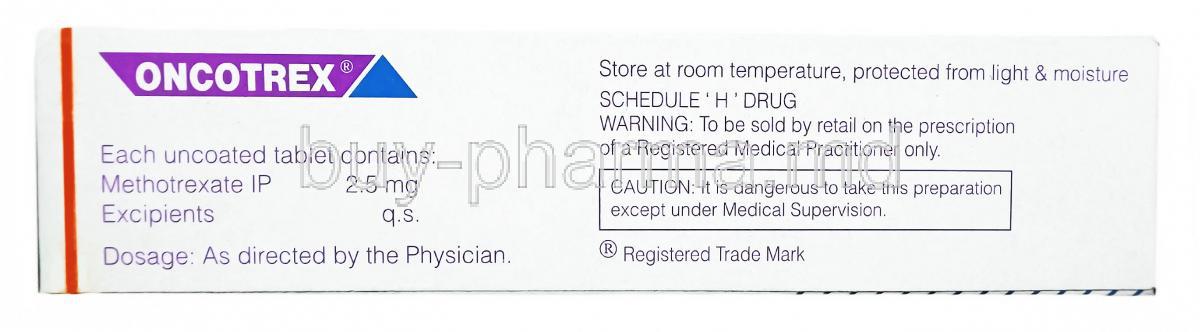
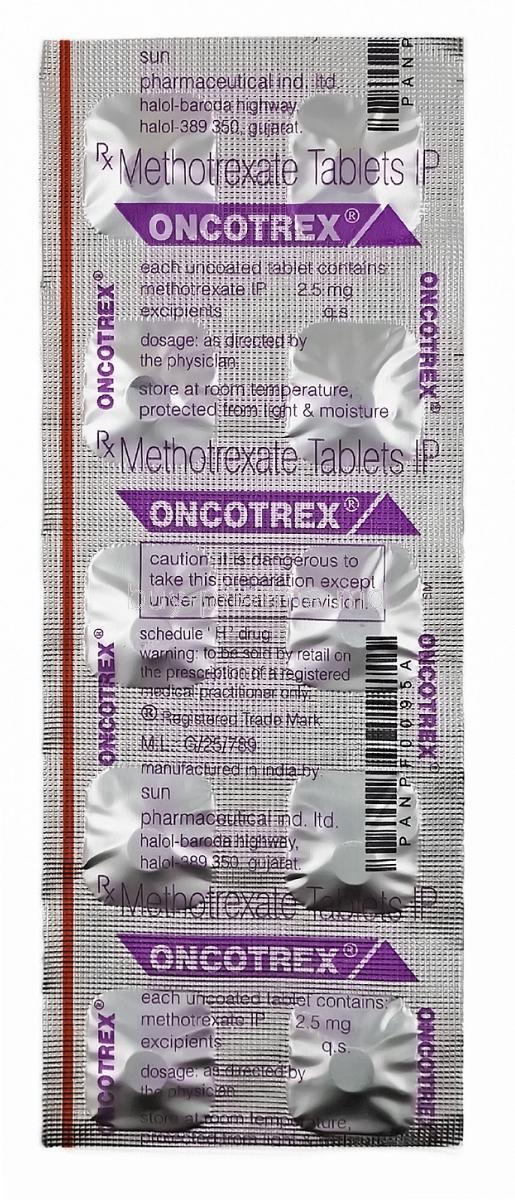
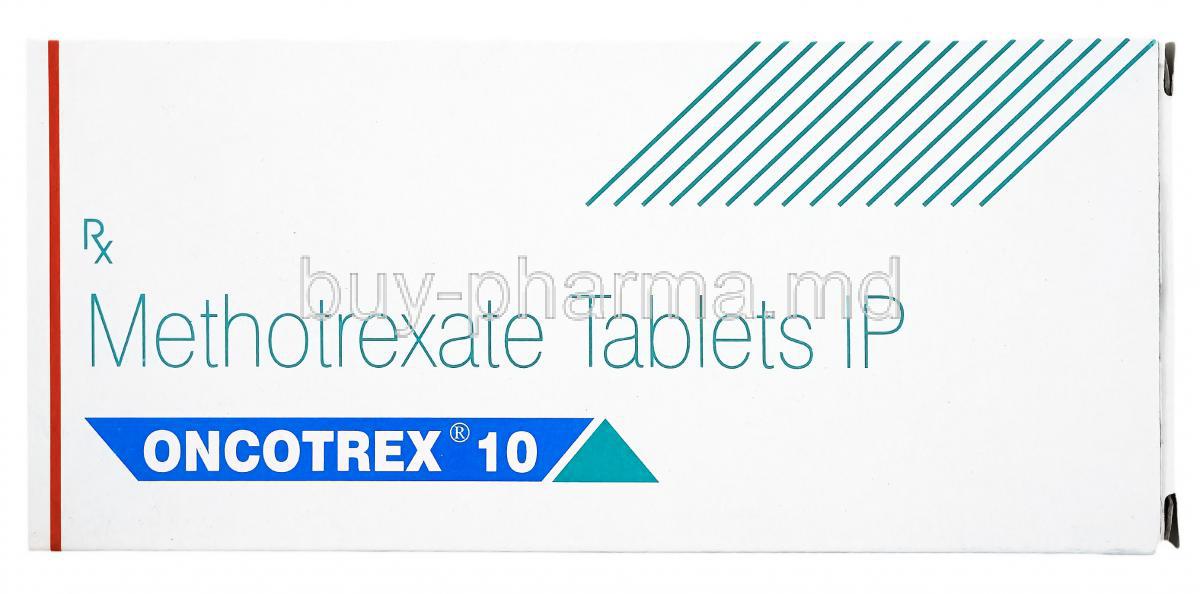
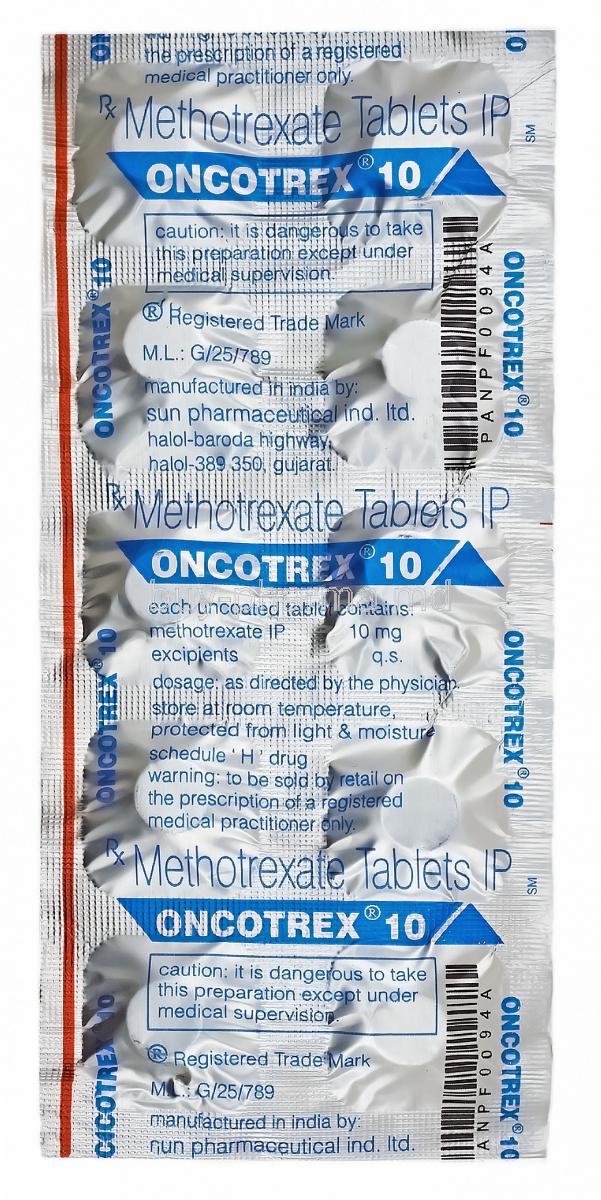
- Packaging designed to protect from moisture and light
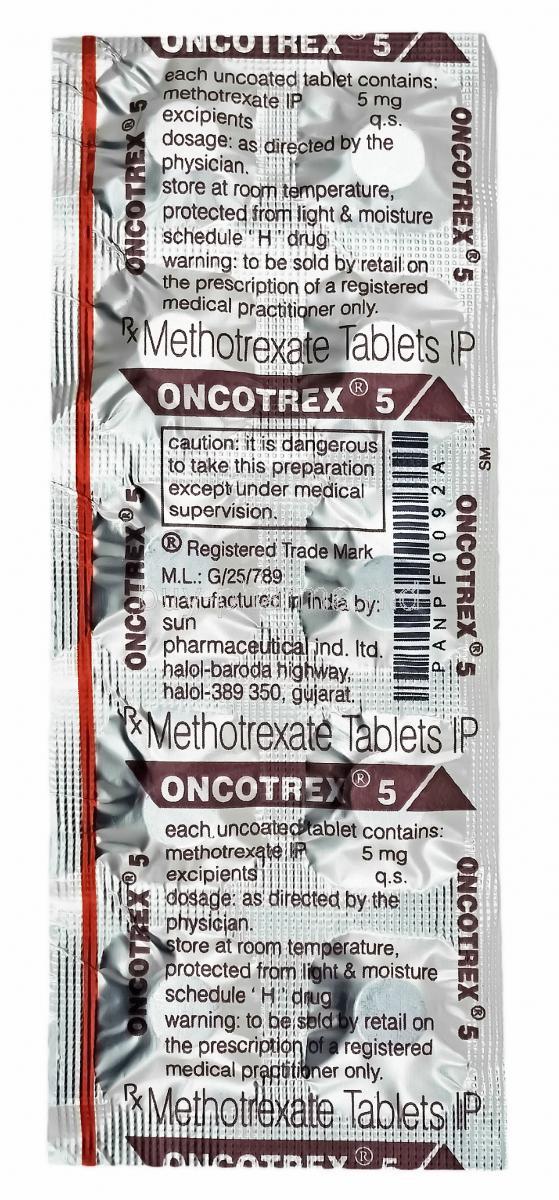
Proper labeling is critical due to the medication’s weekly dosing schedule in many indications. Stability is maintained when stored under recommended conditions, typically at controlled room temperature and away from excessive heat, humidity, or direct sunlight.
3. Mechanism of Action: How Oncotrex Works
Methotrexate exerts its pharmacological activity primarily through inhibition of the enzyme dihydrofolate reductase (DHFR). This enzyme is essential for the conversion of dihydrofolate to tetrahydrofolate, a cofactor required for nucleotide synthesis.
By blocking folate-dependent pathways, methotrexate disrupts the production of DNA, RNA, and proteins. Rapidly proliferating cells are particularly vulnerable. Cancer cells, activated immune cells, and inflamed tissues are preferentially affected.
- Antiproliferative action in malignant tissues
- Suppression of lymphocyte activation
- Reduction of inflammatory cytokine production
The pharmacodynamic profile is dose-dependent. High-dose therapy produces cytotoxic effects for oncology indications, whereas low-dose weekly administration provides immunomodulatory benefits in autoimmune diseases with comparatively reduced systemic toxicity.
4. Approved Medical Uses of Oncotrex
4.1 Oncology Indications
Oncotrex is an integral component of multiple chemotherapy protocols. Its ability to inhibit cellular replication makes it effective against various malignancies.
- Acute lymphoblastic leukemia (ALL)
- Non-Hodgkin lymphoma
- Osteosarcoma
- Choriocarcinoma and gestational trophoblastic disease
- Breast, lung, and head and neck cancers
In oncology settings, methotrexate may be administered alone or as part of combination regimens. High-dose protocols often require specialized monitoring and supportive care.
4.2 Autoimmune and Inflammatory Conditions
Low-dose methotrexate remains the cornerstone therapy for several chronic inflammatory disorders. It slows disease progression and improves long-term functional outcomes.
- Moderate to severe rheumatoid arthritis
- Severe or treatment-resistant psoriasis
- Psoriatic arthritis
- Juvenile idiopathic arthritis
Therapeutic benefits typically develop gradually, often requiring several weeks of continuous treatment.
5. Off-Label Uses of Methotrexate
Beyond approved indications, methotrexate is frequently employed in clinical practice for a variety of immune-mediated and inflammatory conditions.
- Systemic lupus erythematosus (SLE)
- Dermatomyositis and polymyositis
- Crohn’s disease and ulcerative colitis
- Vasculitis and connective tissue disorders
- Medical management of ectopic pregnancy
- Sarcoidosis
- Severe atopic dermatitis or eczema
- Ankylosing spondylitis and related spondyloarthropathies
- Uveitis and ocular inflammatory diseases
These applications rely on its immunosuppressive and anti-inflammatory properties, often when conventional therapies prove insufficient.
6. Dosage and Administration Guidelines
Dosing of Oncotrex must be individualized. Indication, body weight, organ function, and therapeutic response all influence regimen selection.
- Low-dose weekly therapy for autoimmune disorders
- High-dose, protocol-based regimens in oncology
- Oral administration for convenience in chronic conditions
- Parenteral administration for enhanced bioavailability or high-dose therapy
Folic acid supplementation is commonly prescribed to mitigate mucosal and hematologic toxicity. Routine monitoring is essential.
- Complete blood count (CBC)
- Liver function tests
- Renal function assessment
If a weekly dose is missed, patients should seek medical guidance rather than doubling the next dose, as dosing errors may lead to serious toxicity.
7. Administration in Special Populations
7.1 Administration to Elderly Patients
Elderly individuals may exhibit reduced renal clearance and increased susceptibility to adverse effects. Dose adjustments are often necessary. Close laboratory monitoring is recommended to detect early toxicity.
7.2 Administration to Children
Pediatric dosing is typically calculated based on body surface area or body weight. Methotrexate is widely used in pediatric oncology and juvenile arthritis. Growth, development, and organ function should be carefully monitored during prolonged therapy.
7.3 Administration During Pregnancy and Breastfeeding
Methotrexate is highly teratogenic and contraindicated during pregnancy except in specific medically supervised situations such as ectopic pregnancy management.
- Effective contraception is required during treatment
- Continuation of contraception for a recommended period after therapy
- Breastfeeding is generally not advised due to potential infant exposure
8. Common Side Effects of Oncotrex
Mild to moderate adverse effects are relatively common, particularly during the initial phase of therapy.
- Nausea, vomiting, and reduced appetite
- Oral ulcers or stomatitis
- Fatigue and generalized malaise
- Mild hair thinning
- Elevated liver enzyme levels
- Headache and dizziness
Many of these effects can be minimized through dose adjustment, folate supplementation, or supportive care.
9. Serious and Long-Term Side Effects
Although uncommon, severe toxicity may occur and requires immediate medical attention.
- Bone marrow suppression and pancytopenia
- Chronic liver injury and fibrosis
- Methotrexate-induced pneumonitis or pulmonary fibrosis
- Renal dysfunction
- Severe dermatologic reactions such as Stevens-Johnson syndrome
- Increased susceptibility to opportunistic infections
Early detection through routine monitoring significantly reduces the risk of irreversible complications.
10. Drug Interactions and Food Interactions
Methotrexate interacts with numerous medications that may alter its elimination or increase toxicity.
- Nonsteroidal anti-inflammatory drugs (NSAIDs) may increase serum levels
- Trimethoprim and certain antibiotics may enhance antifolate toxicity
- Penicillins may reduce renal clearance
- Proton pump inhibitors may delay elimination
- Alcohol increases the risk of hepatotoxicity
- Live vaccines should generally be avoided due to immunosuppression
- Herbal supplements and over-the-counter products may cause unexpected interactions
11. Warnings and Important Safety Information
Oncotrex (methotrexate) is a potent medication with a narrow therapeutic margin. Careful adherence to prescribing instructions is essential. Even minor deviations in dosing frequency may result in serious consequences.
One of the most critical safety concerns involves dosing errors. For many non-oncologic indications, methotrexate is administered once weekly rather than daily. Accidental daily use has been associated with life-threatening toxicity.
- Clear labeling and patient education are essential
- Medication schedules should be documented and verified regularly
- Weekly dosing days should remain consistent
Accidental overdose may lead to severe systemic toxicity, including profound bone marrow suppression and mucosal injury. Ongoing clinical monitoring is therefore indispensable.
Routine surveillance should include evaluation for:
- Bone marrow suppression (anemia, leukopenia, thrombocytopenia)
- Hepatotoxicity and progressive liver injury
- Pulmonary toxicity, including interstitial pneumonitis
Immunosuppression increases susceptibility to bacterial, viral, and opportunistic infections. Patients should be advised to report fever, persistent cough, or unusual fatigue without delay.
Long-term therapy has been associated, albeit infrequently, with lymphoproliferative disorders and secondary malignancies. Dermatologic precautions are also necessary. Methotrexate may increase photosensitivity, making the skin more vulnerable to ultraviolet radiation.
- Avoid prolonged sun exposure
- Use protective clothing and broad-spectrum sunscreen
12. Contraindications
Oncotrex should not be used in individuals with specific medical conditions that significantly increase the risk of toxicity or adverse outcomes.
- Known hypersensitivity to methotrexate or formulation components
- Pregnancy, except when medically indicated for ectopic pregnancy management
- Severe hepatic impairment or chronic alcohol abuse
- Advanced renal dysfunction or markedly reduced creatinine clearance
- Pre-existing blood dyscrasias such as bone marrow hypoplasia or severe cytopenias
- Active, uncontrolled infections
- Primary or acquired immunodeficiency syndromes
Use in these populations may lead to excessive drug accumulation, heightened toxicity, or serious clinical deterioration.
13. Careful Administration and Important Precautions
Prior to initiating therapy, a comprehensive baseline evaluation is required. This establishes safety parameters and identifies patients at elevated risk.
- Complete blood count with differential
- Liver function tests
- Renal function assessment
- Chest imaging when clinically indicated
During treatment, periodic monitoring should continue at regular intervals. Early detection of laboratory abnormalities allows prompt dose modification or temporary discontinuation.
Adequate hydration is important, particularly in higher-dose regimens, to facilitate renal clearance and reduce the risk of nephrotoxicity. Concurrent use of hepatotoxic or nephrotoxic agents should be avoided whenever possible.
Patient education is a central component of safe therapy. Key counseling points include:
- Strict adherence to weekly dosing schedules
- Avoidance of unsupervised dose changes
- Immediate reporting of infection symptoms, persistent cough, unusual bruising, or oral ulcers
14. Overdose Management and Toxicity Treatment
Methotrexate overdose constitutes a medical emergency. Clinical manifestations may develop rapidly or evolve over several days depending on the amount and duration of exposure.
Early symptoms may include:
- Severe nausea, vomiting, and diarrhea
- Oral ulceration and mucositis
- Unusual bleeding or bruising
- Profound fatigue and weakness
Acute complications can progress to life-threatening conditions such as pancytopenia, renal failure, hepatotoxicity, and severe infections.
The primary antidotal therapy is leucovorin (folinic acid), which bypasses the inhibited folate pathway and protects normal cells. Treatment should be initiated promptly.
- Hospitalization is often required
- Intensive supportive care may include hydration, electrolyte management, and infection control
- High-dose exposures require serial monitoring of serum methotrexate concentrations
Timely intervention significantly improves clinical outcomes.
15. Storage and Stability Requirements
Proper storage ensures the stability and therapeutic integrity of Oncotrex. The medication should be kept under controlled environmental conditions.
- Store at recommended room temperature
- Protect from excessive heat, humidity, and direct sunlight
- Keep in original packaging to maintain product integrity
Exposure to light and moisture may compromise stability. Expiration dates should be observed carefully, and expired products should not be used.
Injectable formulations require additional attention. Vials or ampoules should be inspected for discoloration or particulate matter prior to administration.
16. Handling Precautions and Safety Measures
Methotrexate is classified as a cytotoxic agent. Appropriate handling precautions are necessary to minimize occupational and household exposure.
- Healthcare personnel should use protective gloves when preparing or administering injectable forms
- Avoid direct skin or mucous membrane contact
- Use designated preparation areas when possible
Unused medication, contaminated materials, and sharps should be disposed of according to local hazardous waste regulations. Improper disposal may pose environmental and health risks.
Special caution is advised for pregnant caregivers or healthcare workers due to potential teratogenic exposure.
Patients should store the medication securely at home, out of reach of children and pets, and separate from daily medications to prevent dosing errors.
17. Patient Counseling and Practical Safety Advice
Effective treatment with Oncotrex requires active patient participation. Education improves adherence, reduces complications, and enhances therapeutic outcomes.
- Take the medication exactly as prescribed, typically once weekly for chronic conditions
- Attend all scheduled laboratory and clinical monitoring appointments
Patients should be aware of early warning signs that require prompt medical evaluation:
- Fever, sore throat, or signs of infection
- Shortness of breath or persistent cough
- Mouth ulcers or severe gastrointestinal symptoms
- Unusual bleeding, bruising, or extreme fatigue
Lifestyle modifications also contribute to safety.
- Avoid alcohol to reduce liver toxicity risk
- Use sun protection to prevent photosensitivity reactions
- Maintain adequate hydration and balanced nutrition
Because methotrexate is teratogenic, effective contraception is essential during treatment and for a medically recommended period afterward. Family planning discussions should occur prior to initiation of therapy.
With careful monitoring, informed use, and vigilant safety practices, Oncotrex can be administered effectively while minimizing potential risks.
Patients should disclose all medications and supplements to healthcare providers to ensure safe and effective therapy.
 Verified Purchase
Excellent Product and Service
I am so grateful to BuyPharma, and to Robert, for the excellent product and great service I can count on. Mary Postma
Verified Purchase
Excellent Product and Service
I cannot thank Buy Pharma enough for their fine, swift service, and always a quality product! I received my order earlier than I thought I might, and it was neatly and securely packaged. Robert at Buy Pharma is great! Any question I have, however small or large, I am promptly answered by him, with great kindness and efficiency. I will continue to order from this excellent company. Mary Postma
Popular Products


Similar Product