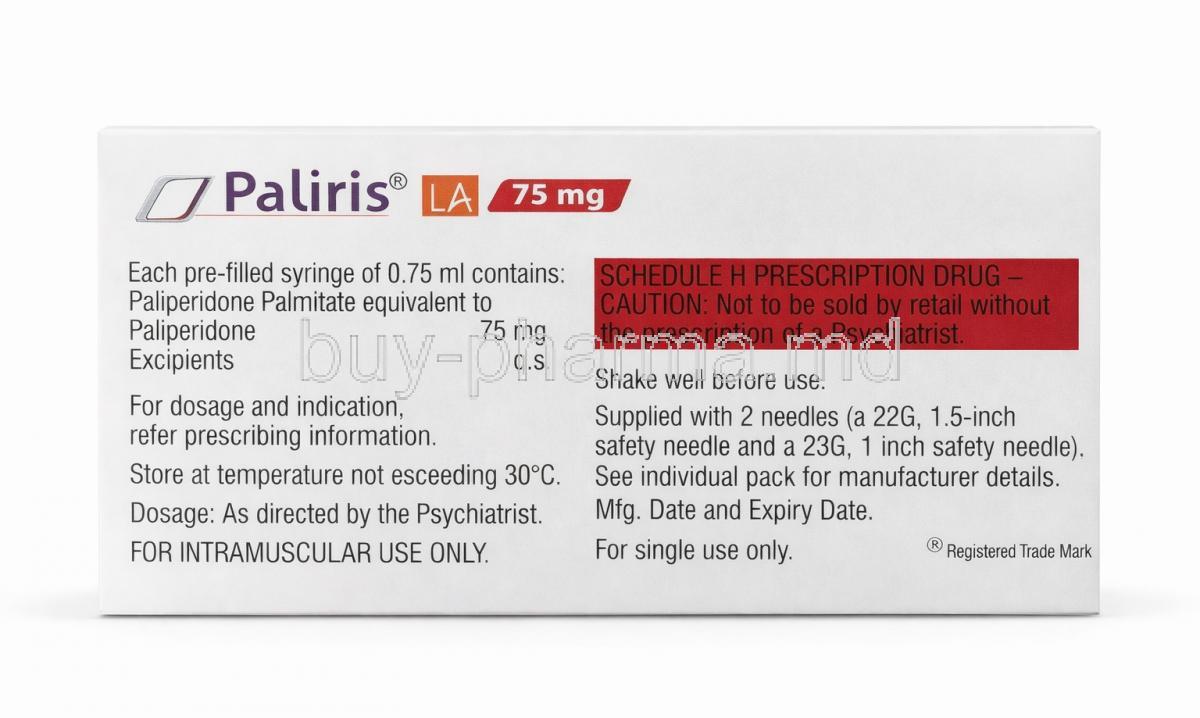
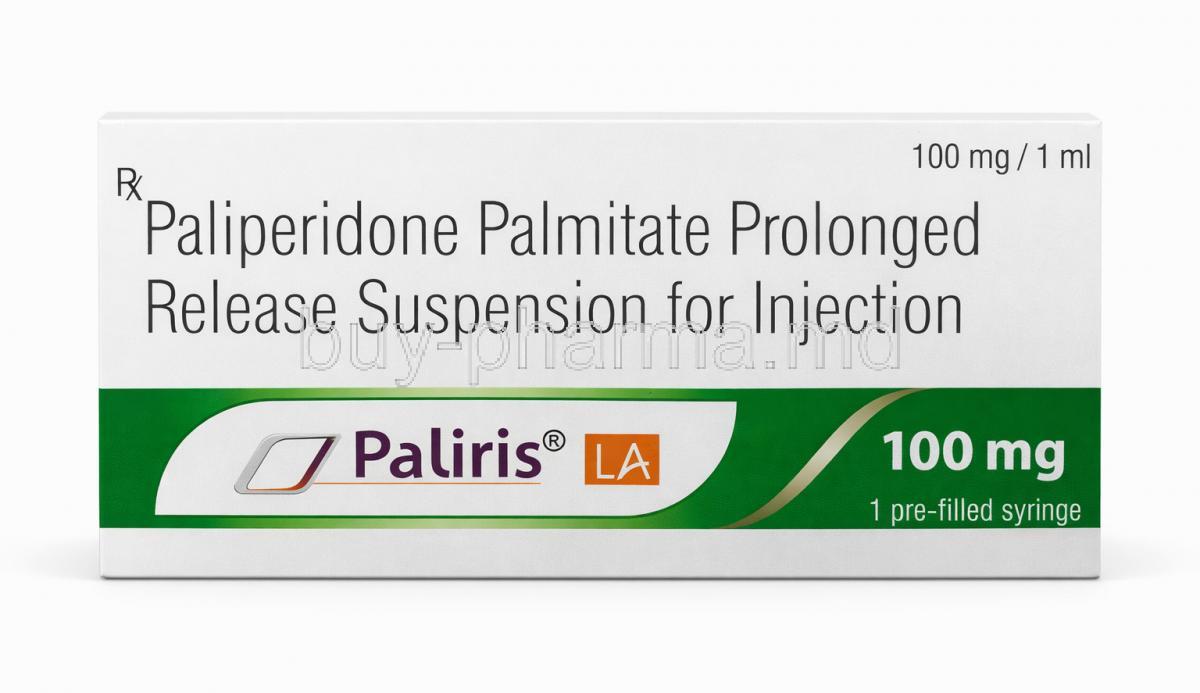
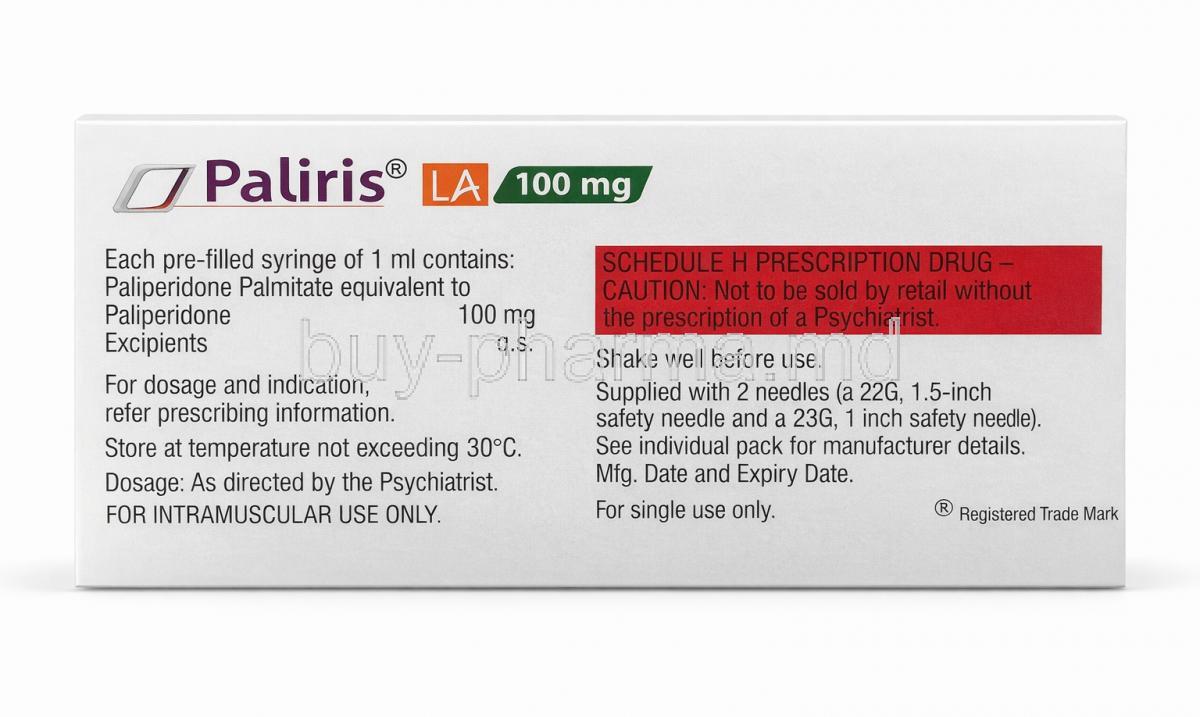
Introduction to Paliris LA Injection (Paliperidone)
Overview of Long-Acting Injectable Antipsychotics
Long-acting injectable (LAI) antipsychotics represent a pivotal advancement in psychiatric pharmacotherapy. They are engineered to deliver sustained plasma concentrations over extended periods. This pharmacokinetic stability minimizes fluctuations that often precipitate relapse. In contrast to oral formulations, LAIs circumvent daily dosing challenges and enhance therapeutic continuity.
- Provide prolonged drug release over weeks or months
- Reduce risk of non-adherence
- Stabilize symptom control in chronic conditions
What is Paliris LA Injection?
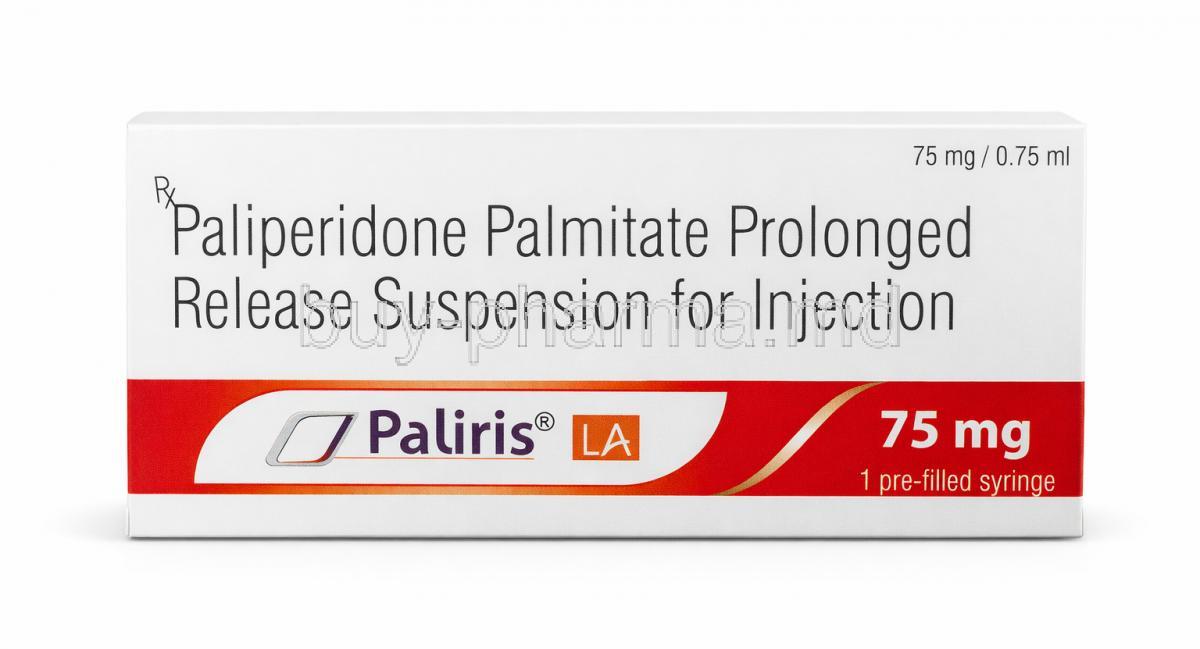
Paliris LA Injection is a depot formulation containing paliperidone, designed for intramuscular administration. It delivers the active compound gradually into systemic circulation. This ensures consistent receptor engagement and sustained antipsychotic efficacy. The formulation is particularly advantageous in long-term disease management.
Therapeutic Classification and Drug Class (Atypical Antipsychotic)
Paliperidone belongs to the class of atypical antipsychotics, also referred to as second-generation antipsychotics. These agents exhibit a broader receptor-binding profile compared to conventional neuroleptics. Their dual antagonism of dopamine and serotonin receptors contributes to improved tolerability and efficacy.
Indications for Long-Acting Formulations in Psychiatry
Long-acting formulations are indicated in individuals requiring sustained therapeutic coverage. They are particularly beneficial in patients with recurrent relapse due to inconsistent medication intake. Clinicians frequently consider LAIs in cases where adherence is uncertain or when relapse carries significant psychosocial consequences.
Importance of Treatment Adherence in Chronic Psychotic Disorders
Adherence remains a cornerstone of successful psychiatric management. Even minor lapses in medication intake can lead to symptom resurgence. LAI formulations mitigate this risk by providing a dependable pharmacological foundation. This approach enhances long-term outcomes and reduces hospitalization rates.
Composition and Formulation Details
Active Ingredient: Paliperidone (Paliperidone Palmitate)
The primary active moiety is paliperidone, administered as its palmitate ester. This lipophilic prodrug undergoes hydrolysis following intramuscular injection, releasing active paliperidone into circulation. The conversion process enables a gradual and sustained pharmacological effect.
Strength Variations and Available Dosage Forms
Paliris LA Injection is available in multiple strengths to accommodate individualized dosing strategies. These variations allow clinicians to tailor therapy based on patient response, tolerability, and clinical severity.
- Loading dose formulations
- Maintenance dose strengths
- Extended-interval dosing options
Excipients and Pharmaceutical Characteristics
The formulation includes carefully selected excipients that stabilize the suspension and facilitate controlled release. These components ensure physicochemical integrity and consistent drug delivery. The suspension is typically aqueous, sterile, and designed for parenteral use.
Depot Injection Mechanism and Sustained Release Properties
Upon intramuscular administration, the palmitate ester forms a depot at the injection site. Gradual dissolution occurs, followed by enzymatic cleavage into active paliperidone. This depot mechanism enables prolonged therapeutic action without daily dosing.
Mechanism of Action: How Paliperidone Works
Dopamine D2 Receptor Antagonism and Symptom Control
Paliperidone exerts its primary effect through antagonism of dopamine D2 receptors. By modulating dopaminergic activity in mesolimbic pathways, it reduces positive symptoms such as hallucinations and delusions. This mechanism is central to its antipsychotic efficacy.
Serotonin 5-HT2A Receptor Modulation
In addition to dopamine blockade, paliperidone antagonizes serotonin 5-HT2A receptors. This dual activity contributes to improved control of negative symptoms and reduces extrapyramidal side effects. The serotonergic modulation enhances overall therapeutic balance.
Effects on Other Neurotransmitter Systems (Alpha-adrenergic, Histaminergic)
Paliperidone interacts with additional receptor systems, including alpha-adrenergic and histaminergic receptors. These interactions influence side effect profiles such as sedation or orthostatic hypotension. The multifaceted receptor engagement defines its pharmacological complexity.
Impact on Positive, Negative, and Cognitive Symptoms of Schizophrenia
The drug demonstrates efficacy across multiple symptom domains. Positive symptoms are attenuated through dopaminergic modulation, while negative symptoms may improve via serotonergic pathways. Cognitive effects, though variable, may benefit from stabilized neurotransmission.
Pharmacodynamic Profile Compared to Other Atypical Antipsychotics
Compared to other atypical agents, paliperidone exhibits a predictable pharmacokinetic and pharmacodynamic profile. Its reduced hepatic metabolism minimizes drug-drug interactions. This characteristic enhances its suitability in complex clinical scenarios.
Approved Uses of Paliris LA Injection
Treatment of Schizophrenia in Adults
Paliris LA Injection is primarily indicated for the treatment of schizophrenia in adult patients. It addresses both acute exacerbations and long-term symptom control. Consistent plasma levels contribute to sustained remission.
Maintenance Therapy for Chronic Psychotic Disorders
Maintenance therapy aims to prevent recurrence of psychotic episodes. The long-acting formulation ensures continuous therapeutic coverage, thereby reducing relapse frequency and severity.
Prevention of Relapse in Stabilized Patients
Relapse prevention is a critical objective in psychiatric care. Paliris LA Injection provides a reliable pharmacological safeguard against symptom recurrence. This is particularly valuable in patients with a history of frequent relapses.
Use in Schizoaffective Disorder
The medication is also utilized in schizoaffective disorder, where both psychotic and mood symptoms coexist. Its dual receptor activity supports symptom stabilization across domains.
Expanded and Off-Label Uses of Paliperidone
Off-Label Use in Bipolar Disorder (Mania and Maintenance)
Paliperidone may be employed off-label in bipolar disorder, particularly for manic episodes. Its mood-stabilizing properties are under ongoing clinical evaluation.
Adjunctive Therapy in Major Depressive Disorder with Psychotic Features
In severe depressive states with psychotic features, paliperidone may be used adjunctively. It complements antidepressant therapy by targeting psychotic symptoms.
Management of Behavioral Symptoms in Dementia (With Caution)
Use in dementia-related behavioral disturbances requires caution due to safety concerns. Benefits must be weighed against potential risks, particularly in elderly populations.
Treatment of Delusional Disorders and Other Psychoses
Paliperidone may be considered in various psychotic disorders beyond schizophrenia. Its efficacy extends to conditions characterized by persistent delusions and perceptual disturbances.
Use in Autism Spectrum Disorder for Irritability and Aggression (Investigational)
Emerging evidence suggests potential utility in managing irritability and aggression in autism spectrum disorder. However, such use remains investigational and requires further validation.
Off-Label Use in Substance-Induced Psychosis
In cases of substance-induced psychosis, paliperidone may aid in symptom stabilization. Clinical judgment is essential when considering such applications.
Dosage and Administration Guidelines
Initial Loading Dose Strategy for Rapid Therapeutic Levels
An initial loading regimen is often employed to rapidly achieve therapeutic plasma concentrations. This approach minimizes the delay in symptom control.
Maintenance Dosing Schedule (Monthly or Extended Intervals)
Maintenance dosing typically occurs at monthly intervals, though extended schedules may be available. This flexibility enhances patient convenience and adherence.
Intramuscular Injection Sites and Techniques (Deltoid vs Gluteal)
The injection may be administered in the deltoid or gluteal muscle. Site selection influences absorption kinetics and patient comfort.
- Deltoid: faster absorption
- Gluteal: potentially improved tolerability
Dose Adjustment Based on Clinical Response
Dosing may be adjusted according to therapeutic response and tolerability. Regular clinical evaluation is essential to optimize outcomes.
Transitioning from Oral Antipsychotics to Long-Acting Injectable
Transition protocols involve careful overlap or discontinuation strategies. This ensures continuity of symptom control during the switch.
Missed Dose Management and Reinitiation Protocols
Missed doses require structured reinitiation strategies. These protocols depend on the duration since the last injection and patient-specific factors.
Administration Techniques and Handling Instructions
Preparation of Pre-Filled Syringe
The pre-filled syringe should be inspected prior to use. Proper agitation ensures uniform suspension of the active compound.
Proper Injection Technique and Needle Selection
Correct technique is essential for optimal drug delivery. Appropriate needle length and angle must be selected based on patient anatomy.
Storage Before Use and Handling Requirements
The product should be stored under recommended conditions to maintain stability. Exposure to extreme temperatures should be avoided.
Disposal of Sharps and Biohazard Safety Measures
Used needles and syringes must be disposed of in designated sharps containers. Adherence to biohazard protocols prevents accidental injury and contamination.
Side Effects of Paliris LA Injection
Overview of Adverse Reactions
Paliris LA Injection, containing paliperidone, is generally well tolerated when administered appropriately. Nevertheless, as with all antipsychotic agents, adverse reactions may occur. These effects range from mild, transient discomforts to more complex systemic manifestations. The incidence and severity are influenced by dosage, patient susceptibility, and comorbid conditions.
A nuanced understanding of these reactions is essential. Early identification facilitates prompt intervention, thereby minimizing complications and optimizing therapeutic outcomes.
Common Side Effects
- Injection site pain, redness, swelling: Localized reactions are frequently reported. These are typically mild and self-limiting, though proper injection technique can reduce occurrence.
- Weight gain and metabolic changes: Patients may experience gradual increases in body weight, often accompanied by alterations in lipid and glucose metabolism.
- Sedation and dizziness: Central nervous system effects such as somnolence and lightheadedness may occur, particularly during treatment initiation.
- Headache and gastrointestinal disturbances: Nausea, constipation, or dyspepsia may be observed. These effects are usually transient.
Less Common but Serious Side Effects
Although less frequent, certain adverse reactions warrant heightened clinical vigilance. These conditions may require dose modification or discontinuation.
- Extrapyramidal symptoms (EPS) and tardive dyskinesia: Manifestations include rigidity, tremor, and involuntary movements. Chronic exposure may lead to persistent dyskinesias.
- Hyperprolactinemia and endocrine disturbances: Elevated prolactin levels may result in galactorrhea, menstrual irregularities, or sexual dysfunction.
- Neuroleptic malignant syndrome (NMS): A rare but life-threatening condition characterized by hyperthermia, muscle rigidity, and autonomic instability.
- Cardiovascular effects (QT prolongation, orthostatic hypotension): These may predispose patients to arrhythmias or syncope, particularly in vulnerable populations.
Long-Term Safety Considerations
Prolonged use necessitates ongoing evaluation. Metabolic changes, endocrine disruptions, and neurological sequelae may emerge over time. Regular monitoring mitigates long-term risks.
Drug Interactions and Influencing Factors
Interaction with CNS Depressants and Sedatives
Concurrent use with sedative agents may potentiate central nervous system depression. Patients may experience amplified sedation, impaired cognition, or reduced motor coordination.
Effects of CYP450 Modulators on Paliperidone
Although paliperidone undergoes limited hepatic metabolism, concomitant use with enzyme modulators may still influence pharmacokinetics. Clinicians should exercise caution when prescribing alongside potent inhibitors or inducers.
Concomitant Use with Antihypertensives and Cardiovascular Drugs
Combined use with antihypertensive medications may exacerbate hypotensive effects. Careful titration and monitoring are recommended to prevent adverse hemodynamic outcomes.
Interactions with Dopaminergic Agents
Paliperidone may antagonize the effects of dopaminergic therapies. This interaction is particularly relevant in patients receiving treatment for Parkinsonian disorders.
Alcohol and Substance Use Considerations
Alcohol consumption may intensify sedation and impair psychomotor performance. Substance use can further destabilize psychiatric conditions, undermining treatment efficacy.
Warnings and Safety Information
Risk of Increased Mortality in Elderly Patients with Dementia-Related Psychosis
Antipsychotic use in elderly patients with dementia-related psychosis has been associated with increased mortality. Alternative therapeutic strategies should be considered where appropriate.
Potential for Severe Neurological Reactions
Severe neurological conditions, including NMS and tardive dyskinesia, require immediate attention. Early symptom recognition is critical.
Risk of Metabolic Syndrome (Diabetes, Dyslipidemia)
Metabolic derangements may develop insidiously. Regular screening for glucose intolerance and lipid abnormalities is strongly advised.
Orthostatic Hypotension and Syncope Risk
Postural hypotension may occur, particularly during treatment initiation. Patients should be advised to rise slowly from seated or supine positions.
Seizure Threshold Considerations
Paliperidone may lower the seizure threshold. Patients with a history of seizures require cautious management and close monitoring.
Contraindications
Known Hypersensitivity to Paliperidone or Risperidone
Patients with documented hypersensitivity reactions to paliperidone or its precursor, risperidone, should not receive this medication.
History of Severe Allergic Reactions to Formulation Components
Severe hypersensitivity to excipients or formulation constituents constitutes a contraindication. Thorough medical history is essential.
Contraindicated Use in Certain Medical Conditions
Specific medical conditions may preclude safe use. These include severe uncontrolled cardiovascular disorders or prior serious adverse reactions.
Careful Administration (Use with Caution)
Patients with Cardiovascular Disorders
Individuals with pre-existing cardiac conditions require vigilant monitoring. Arrhythmias and blood pressure fluctuations may be exacerbated.
Individuals with Renal Impairment
Renal clearance plays a significant role in paliperidone elimination. Dose adjustments may be necessary in patients with impaired renal function.
Patients with History of Seizures
Caution is warranted in patients predisposed to seizures. Risk-benefit evaluation should guide therapeutic decisions.
Use in Patients with Parkinson’s Disease or Lewy Body Dementia
These populations may exhibit heightened sensitivity to antipsychotic effects. Exacerbation of motor symptoms is possible.
Risk Assessment in Patients with Substance Abuse History
Substance use disorders may complicate treatment adherence and efficacy. Comprehensive assessment is recommended.
Important Precautions for Safe Use
Monitoring of Weight, Blood Glucose, and Lipid Profile
Routine metabolic monitoring is indispensable. Early detection of abnormalities allows timely intervention.
Regular Assessment of Movement Disorders
Periodic evaluation for extrapyramidal symptoms is essential. Early detection reduces the risk of irreversible complications.
Prolactin Level Monitoring
Monitoring prolactin levels helps identify endocrine disturbances. Clinical symptoms should guide further evaluation.
Adherence to Injection Schedule
Maintaining a consistent dosing schedule ensures therapeutic stability. Missed doses may compromise efficacy.
Avoidance of Abrupt Discontinuation
Sudden cessation may precipitate symptom recurrence. Gradual transition strategies are recommended when discontinuation is necessary.
Administration in Special Populations
Use in Elderly Patients
- Increased sensitivity and risk of adverse effects
- Dose adjustments and close monitoring
Elderly patients often exhibit altered pharmacodynamics. Individualized dosing and vigilant observation are imperative.
Use in Pregnant Women
- Risk-benefit assessment and fetal safety considerations
Use during pregnancy requires careful evaluation. Potential fetal risks must be weighed against maternal benefits.
Use in Nursing Mothers
- Excretion in breast milk and infant monitoring
Paliperidone may be excreted in breast milk. Infants should be monitored for adverse effects if exposure occurs.
Use in Pediatric and Adolescent Patients
- Safety and efficacy considerations
Data in pediatric populations remain limited. Clinical judgment is essential when considering use in younger patients.
Overdosage and Emergency Management
Signs and Symptoms of Paliperidone Overdose
Overdose may present with pronounced sedation, tachycardia, or extrapyramidal manifestations. Severe cases may involve altered consciousness.
Cardiovascular and Neurological Manifestations
Cardiac arrhythmias and neurological impairment may occur. These complications necessitate immediate medical attention.
Immediate Management and Supportive Care
Management is primarily supportive. Airway protection, cardiovascular monitoring, and symptomatic treatment are essential components.
Role of Hospitalization and Monitoring
Hospitalization may be required for severe cases. Continuous monitoring ensures early detection of complications.
Storage and Stability Guidelines
Recommended Storage Temperature and Conditions
The product should be stored at controlled room temperature. Extreme heat or freezing conditions must be avoided.
Protection from Light and Moisture
Exposure to light and moisture may compromise stability. Proper packaging should be maintained until use.
Shelf Life and Expiry Considerations
Adherence to expiry dates ensures product efficacy and safety. Expired medication should not be used.
Handling Precautions During Transportation
Careful handling during transportation preserves product integrity. Temperature fluctuations should be minimized.
Handling Precautions and Safety Measures
Safe Handling of Injectable Antipsychotics
Proper handling techniques reduce the risk of contamination and dosing errors. Healthcare professionals should follow established protocols.
Infection Control and Sterility Maintenance
Maintaining sterility is critical. Aseptic technique must be observed during preparation and administration.
Disposal of Used Syringes and Medical Waste
Used syringes should be disposed of in designated sharps containers. Compliance with biohazard regulations is mandatory.
Patient and Caregiver Education on Safe Use
Education enhances safety and adherence. Patients and caregivers should be informed about proper use, storage, and disposal practices.
Summary and Clinical Considerations
Key Benefits of Paliris LA Injection
Paliris LA Injection offers sustained symptom control and improved adherence. Its long-acting nature provides consistent therapeutic coverage.
Risk-Benefit Evaluation in Long-Term Therapy
A comprehensive evaluation of risks and benefits is essential. Individual patient factors should guide long-term treatment decisions.
Role in Improving Patient Compliance and Outcomes
Enhanced adherence translates into better clinical outcomes. Reduced relapse rates contribute to improved quality of life.
Considerations for Personalized Psychiatric Treatment Plans
Personalized care remains paramount. Treatment should be tailored to the patient’s clinical profile, preferences, and therapeutic goals.
Popular Products
Similar Product