

Palonosetron Injection
- 1. Introduction to Palonosetron Injection
- 2. What Is Palonosetron Injection?
- 3. Composition and Formulation Details
- 4. Palonosetron Mechanism of Action
- 5. Approved Medical Uses of Palonosetron Injection
- 6. Expanded and Off-Label Uses
- 7. Palonosetron Dosage and Administration Guidelines
- 8. Administration in Special Populations
- 9. Side Effects of Palonosetron Injection
- 10. Palonosetron Side Effects
- 11. Serious and Less Common Adverse Effects
- 12. Drug Interactions
- 13. Warnings and Contraindications
- 14. Careful Administration and Important Precautions
- 15. Overdosage Information
- 16. Storage and Stability
- 17. Handling and Disposal Precautions
1. Introduction to Palonosetron Injection
Palonosetron Injection is a potent antiemetic agent classified as a second-generation serotonin (5-hydroxytryptamine type 3, 5-HT3) receptor antagonist. It was developed to address the limitations of earlier antiemetic therapies, particularly in patients undergoing chemotherapy who experience prolonged or delayed nausea and vomiting.
Clinically, palonosetron occupies a critical position in supportive oncology care. It is not a cytotoxic drug, nor does it interfere with cancer treatment efficacy. Instead, it mitigates one of the most debilitating adverse effects of anticancer therapy, thereby improving treatment adherence and patient quality of life.
- Belongs to the antiemetic therapeutic class
- Designed for long-lasting receptor inhibition
- Effective against both acute and delayed symptoms
Compared with first-generation 5-HT3 antagonists such as ondansetron or granisetron, palonosetron demonstrates a markedly longer elimination half-life, higher receptor affinity, and a distinct allosteric binding profile. These properties translate into sustained clinical efficacy with a single administration.
2. What Is Palonosetron Injection?
The injection is formulated as a clear, colorless solution and is delivered directly into the systemic circulation. This route ensures rapid bioavailability and consistent therapeutic exposure, particularly important in patients receiving emetogenic chemotherapy.
- Route of administration: Intravenous injection
- Prescription-only antiemetic medication
- Available as branded and generic formulations
Palonosetron Injection has received regulatory approval from major authorities, including the U.S. Food and Drug Administration (FDA) and the European Medicines Agency (EMA), for the prevention of chemotherapy-induced nausea and vomiting in adult patients.

3. Composition and Formulation Details
The primary active ingredient in this formulation is palonosetron hydrochloride, a synthetic isoquinoline derivative. It is engineered to provide high selectivity for the 5-HT3 receptor subtype.
At a molecular level, palonosetron exhibits a rigid tricyclic structure that contributes to its prolonged receptor binding and slow dissociation kinetics. These molecular attributes underpin its extended duration of action.
- Active substance: Palonosetron hydrochloride
- Pharmacologically inactive excipients to stabilize the solution
- Formulated for parenteral use
The injection is commonly supplied in single-use vials containing standardized strengths suitable for one-time dosing, minimizing dosing errors and contamination risks.
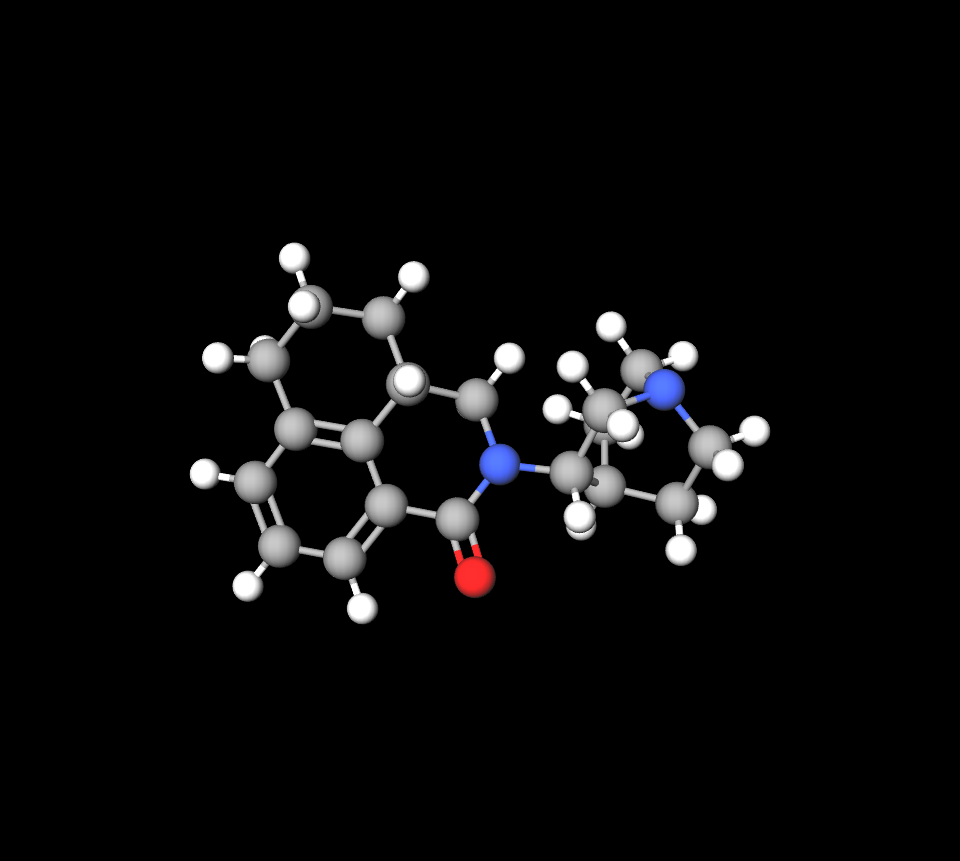
Fosnetupitant/palonosetron
The ombination medication used to prevent acute and delayed nausea and vomiting associated with emetogenic cancer chemotherapy. It works by combining a NK1 receptor antagonist (fosnetupitant, a prodrug of netupitant) with a 5-HT3 receptor antagonist (palonosetron) to block substances that trigger vomiting.
Palonosetron vs granisetron
Palonosetron (a second-generation 5-HT3 receptor antagonist) generally offers superior efficacy over granisetron (first-generation) in preventing chemotherapy-induced nausea and vomiting (CINV), particularly in the delayed phase. Palonosetron has a longer half-life and higher binding affinity, often requiring only a single dose compared to daily dosing for granisetron.
4. Palonosetron Mechanism of Action
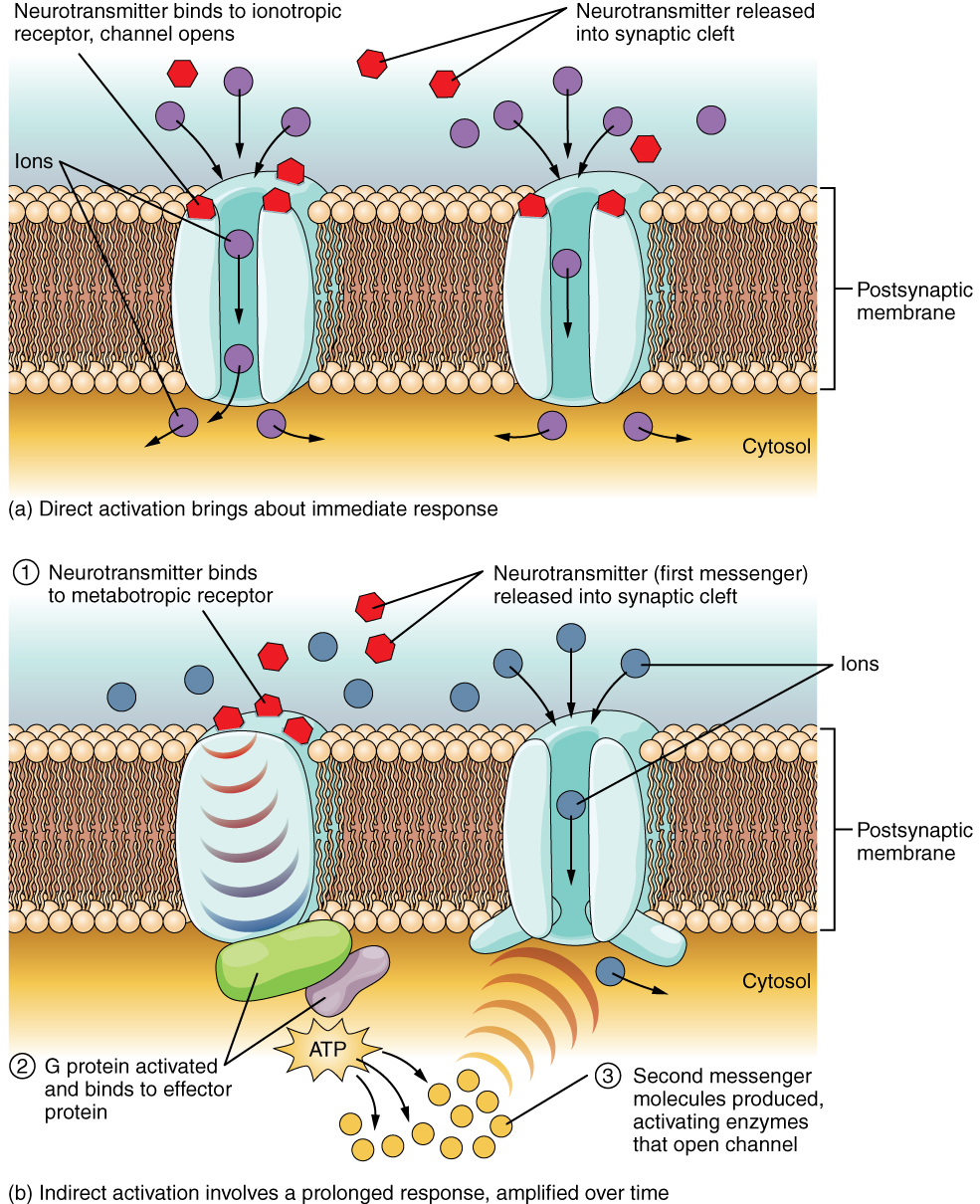
Nausea and vomiting associated with chemotherapy are largely mediated by the release of serotonin from enterochromaffin cells in the gastrointestinal tract. This serotonin activates 5-HT3 receptors located on vagal afferent nerves and within the central nervous system.
- Inhibits serotonin-triggered emetic signaling
- Acts at both peripheral and central receptor sites
- Demonstrates prolonged receptor occupancy
This dual central and peripheral activity, combined with an extended half-life, confers superior control over delayed nausea and vomiting, a phase where first-generation antagonists often show diminished efficacy.
5. Approved Medical Uses of Palonosetron Injection
Acute CINV occurs within the first 24 hours after chemotherapy administration and is effectively controlled by palonosetron through rapid receptor blockade. Delayed CINV, which can persist for several days, is also significantly reduced due to the drug's sustained pharmacologic action.
- Prevention of acute CINV
- Prevention of delayed CINV
- Use in moderately emetogenic chemotherapy
In highly emetogenic chemotherapy regimens, palonosetron is often administered as part of a combination therapy alongside corticosteroids and neurokinin-1 (NK1) receptor antagonists to achieve optimal antiemetic control.

6. Expanded and Off-Label Uses
Beyond its approved indications, palonosetron has been utilized in several off-label clinical scenarios where nausea and vomiting pose significant management challenges.
In surgical settings, it has been employed for the prevention of postoperative nausea and vomiting (PONV), particularly in high-risk patients or in procedures associated with prolonged anesthesia exposure.
- Postoperative nausea and vomiting (PONV)
- Radiation-induced nausea and vomiting (RINV)
- Refractory or breakthrough nausea
Palonosetron is also used in combination regimens with corticosteroids or NK1 receptor antagonists outside standard protocols, and it continues to be explored in investigational settings for broader antiemetic applications.

7. Palonosetron Dosage and Administration Guidelines
The standard adult dosage of Palonosetron Injection is administered as a single intravenous dose prior to the initiation of chemotherapy or surgery. Adult: For cases associated with moderately or highly emetogenic cancer chemotherapy: 250 mcg as a single dose via bolus inj over 30 seconds to be given 30 minutes before chemotherapy.
- Single-dose administration in most cases
- Intravenous injection by trained personnel
- No routine repeat dosing required
Administration should follow aseptic technique, and compatibility with concomitant intravenous medications should be verified prior to infusion.

8. Administration in Special Populations
8.1 Administration to Elderly Patients
In elderly patients, age-related physiological changes may alter drug distribution and elimination. However, available data indicate that palonosetron pharmacokinetics are not significantly affected by advanced age alone.
Routine dose adjustment is generally not required, though clinical monitoring is advised due to the higher prevalence of comorbidities and polypharmacy in this population.
8.2 Administration to Pregnant Women and Nursing Mothers
The use of palonosetron during pregnancy requires a careful risk benefit assessment. While animal studies have not demonstrated overt teratogenicity, well-controlled studies in pregnant women are limited.
During breastfeeding, caution is advised, as it is not fully established whether palonosetron is excreted in human milk. Clinical judgment should guide therapy.

8.3 Administration to Children and Adolescents
Pediatric use of palonosetron has been evaluated primarily in oncology settings. Dosing recommendations are typically weight-based and adjusted according to age and clinical condition.
Available evidence supports its efficacy and tolerability in children, though ongoing monitoring remains essential.

9. Side Effects of Palonosetron Injection
Palonosetron Injection is generally well tolerated. Most adverse reactions are mild to moderate in severity and transient in nature.
The overall side effect profile compares favorably with other 5-HT3 receptor antagonists, particularly with respect to delayed adverse events.
- Common: headache, constipation, dizziness
- Less common: fatigue, insomnia
- Rare: hypersensitivity reactions
When evaluated alongside older antiemetic agents, palonosetron demonstrates a reduced need for rescue medication and a lower incidence of breakthrough nausea, reinforcing its role as a cornerstone of contemporary antiemetic therapy.

10. Palonosetron Side Effects
Palonosetron Injection is generally well tolerated, and most patients experience only mild and self-limiting adverse effects. These reactions typically do not necessitate discontinuation of therapy and often resolve without intervention.
The most frequently reported effects are related to transient central nervous system or gastrointestinal responses.
- Headache: A common, dose-independent effect, usually mild to moderate in intensity.
- Constipation: Attributed to reduced gastrointestinal motility secondary to serotonin receptor blockade.
- Dizziness: May occur shortly after administration, particularly in susceptible individuals.
- Fatigue: A nonspecific symptom, often reported during chemotherapy cycles.
- Injection site reactions: Including localized pain, erythema, or mild swelling.
These effects are comparable to, or less pronounced than, those observed with first-generation 5-HT3 receptor antagonists.

11. Serious and Less Common Adverse Effects
Although uncommon, more serious adverse events have been reported and warrant clinical vigilance, especially in patients with preexisting risk factors.
- Hypersensitivity reactions: Rare cases of rash, pruritus, bronchospasm, or anaphylaxis have been documented.
- QT interval considerations: Palonosetron has minimal QT-prolonging potential; however, caution is advised in patients with known arrhythmias.
- Serotonin syndrome: A theoretical risk when combined with serotonergic agents, characterized by autonomic instability and neuromuscular abnormalities.
- Cardiovascular effects: Including transient changes in heart rate or blood pressure, observed infrequently.
Prompt recognition and appropriate medical management are essential should any of these reactions occur.
12. Drug Interactions
Palonosetron exhibits a favorable interaction profile, owing to its limited involvement in hepatic enzyme induction or inhibition. Nonetheless, clinically relevant interactions should be considered.
- Other antiemetic agents: Can be co-administered without significant loss of efficacy.
- Corticosteroids and NK1 antagonists: Frequently used in combination regimens to enhance antiemetic control.
- Serotonergic medications: Including SSRIs, SNRIs, and MAOIs, may increase the risk of serotonin syndrome.
- Pharmacokinetic interactions: No major interactions reported with cytochrome P450 substrates.
Comprehensive medication review remains advisable prior to initiation.
13. Warnings and Contraindications
13.1 Warnings
Certain precautions must be observed to ensure safe administration of Palonosetron Injection.
- Potential for hypersensitivity reactions, particularly in patients with a history of drug allergies
- Caution in individuals with cardiac conduction disorders
- Monitoring for signs of serotonin syndrome when used with serotonergic drugs
Clinical judgment should guide therapy in patients with complex medical histories.

13.2 Contraindications
Palonosetron Injection is contraindicated in specific clinical situations where the risk outweighs potential benefit.
- Known hypersensitivity to palonosetron or any formulation component
- History of severe allergic reactions to other 5-HT3 receptor antagonists
14. Careful Administration and Important Precautions
Appropriate patient assessment prior to administration is essential. This includes evaluation of cardiac history, concurrent medications, and prior reactions to antiemetic therapy.
Monitoring during and after injection is recommended, particularly during initial exposure.
- Assess hepatic and renal function when clinically indicated
- Observe for immediate hypersensitivity reactions
- Consider cumulative effects when used in multi-drug antiemetic regimens
Tailored therapy enhances both safety and therapeutic outcomes.
15. Overdosage Information
Clinical experience with palonosetron overdose is limited. Reported symptoms are generally extensions of the known adverse effect profile.
- Headache and dizziness
- Gastrointestinal discomfort
- Transient cardiovascular changes
There is no specific antidote. Management is supportive and symptom-directed, underscoring the importance of medical supervision in suspected overdose scenarios.
16. Storage and Stability
Proper storage is critical to maintain the integrity and efficacy of Palonosetron Injection.
- Store at controlled room temperature
- Protect from excessive light exposure
- Do not freeze
Shelf life is determined by the manufacturer, and expired products should not be used. Diluted solutions should be used within recommended timeframes.
17. Handling and Disposal Precautions
Palonosetron Injection should be handled using standard aseptic techniques to prevent contamination and ensure patient safety.
- Use appropriate personal protective equipment
- Avoid accidental needlestick injuries
- Dispose of unused or expired medication according to local regulations
Healthcare professionals should follow institutional protocols for the safe disposal of injectable pharmaceuticals to minimize environmental and occupational risks.
Palonosetron Injection FAQ
- What is palonosetron used for?
- What is the difference between ondansetron and palonosetron?
- How long does palonosetron work?
- How frequently can you give palonosetron?
- How soon can you give ondansetron after palonosetron?
- Is palonosetron safe for everyone?
- What are the side effects of palonosetron?
- What should I tell my doctor before using palonosetron?
- What to use instead of palonosetron?
- Is palonosetron better than ondansetron?
- Is palonosetron safe?
- How long does palonosetron work?
- Is palonosetron a chemo?
- What class of drug is palonosetron?
- Do you need to take palonosetron with food?
What is palonosetron used for?
Palonosetron injection is used to prevent nausea and vomiting that is caused by cancer medicines (chemotherapy).
What is the difference between ondansetron and palonosetron?
Palonosetron and ondansetron are both 5-HT3 blockers for nausea, but palonosetron offers stronger, longer-lasting protection, especially for delayed nausea/vomiting.
How long does palonosetron work?
72 hours
How frequently can you give palonosetron?
Daily
How soon can you give ondansetron after palonosetron?
3-5 days
Is palonosetron safe for everyone?
Some people have experienced an allergic reaction to palonosetron.
What are the side effects of palonosetron?
- Headache
- Constipation
- Dizziness
- Fatigue
- Diarrhea.
What should I tell my doctor before using palonosetron?
Allergies to its ingredients
What to use instead of palonosetron?
Is palonosetron better than ondansetron?
Palonosetron group shows clinically better antiemetic efficacy than ondansetron group
Is palonosetron safe?
Yes
How long does palonosetron work?
72 hours
Is palonosetron a chemo?
No
What class of drug is palonosetron?
5-HT3 receptor antagonists
Do you need to take palonosetron with food?
This medication may be taken with or without food.
Popular Products



Similar Product