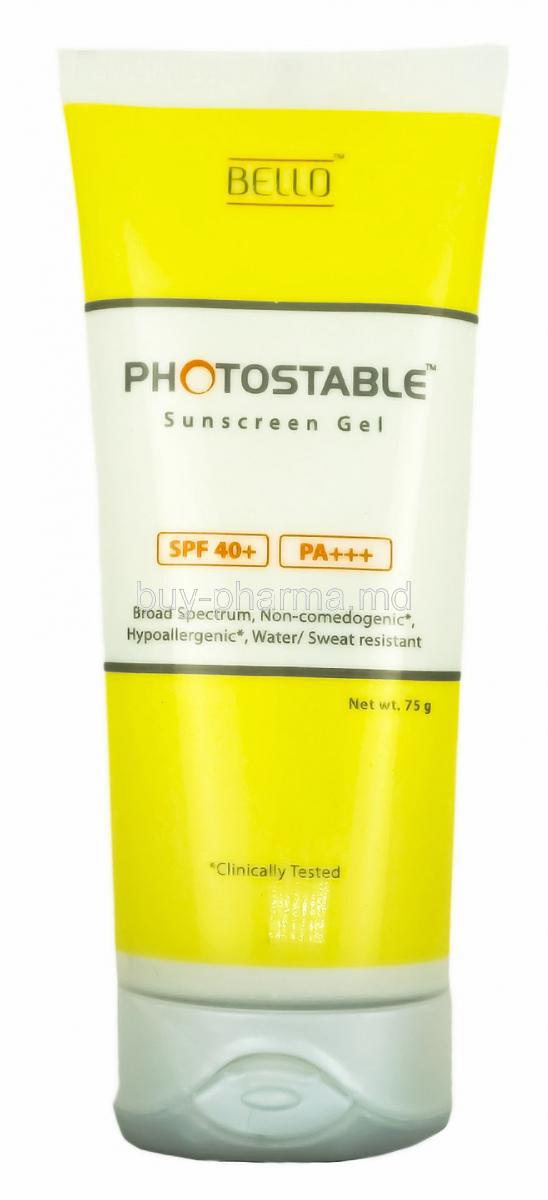
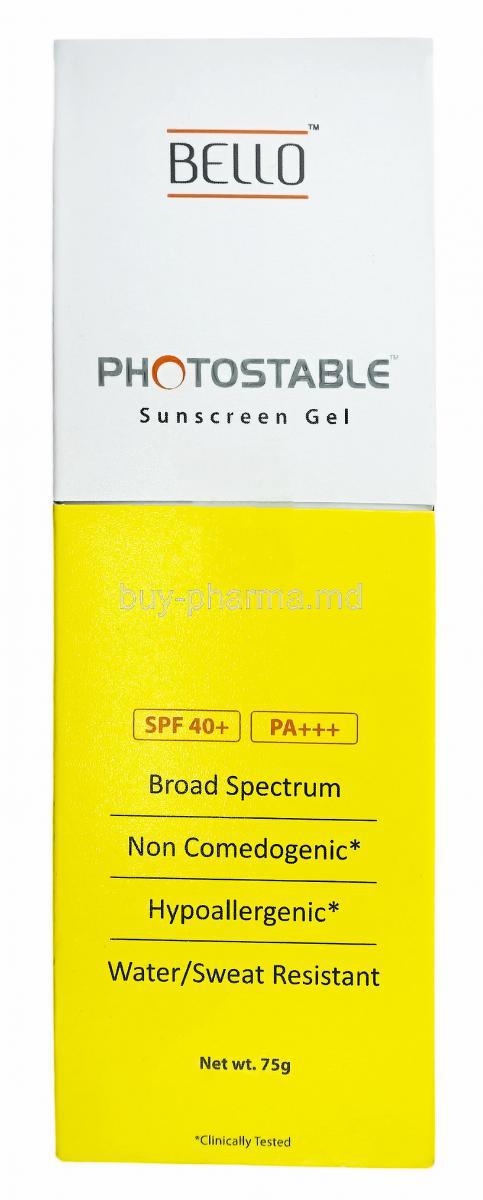
1. Introduction to Photostable Sunscreen Gel
What is Photostable Sunscreen Gel?
Photostable Sunscreen Gel is a lightweight topical formulation designed to provide long-lasting protection against harmful ultraviolet (UV) radiation. Unlike conventional sunscreens that may degrade rapidly when exposed to sunlight, photostable formulations maintain their protective efficacy over extended periods. The gel texture ensures rapid absorption, minimal residue, and a non-greasy finish suitable for daily use.
Definition of Photostability in Sun Protection Products
Photostability refers to the ability of UV filters to remain chemically stable and effective after exposure to sunlight. In unstable formulations, active ingredients may break down, reducing protection and increasing the risk of skin damage. Photostable sunscreens are engineered to resist such degradation, ensuring consistent broad-spectrum defense.
Importance of Stable UV Protection in Daily Skincare
- Prevents cumulative sun damage
- Reduces the risk of premature skin aging
- Helps maintain even skin tone
- Supports long-term skin health
Daily UV exposure occurs even during routine indoor or incidental outdoor activities. Stable protection is therefore essential, not optional.
Difference Between Photostable and Conventional Sunscreens
Traditional sunscreens may lose effectiveness within a short time under intense sunlight. Photostable variants, however, incorporate stabilizing systems that preserve UV filter integrity. This translates into more reliable protection, fewer reapplications, and enhanced performance in high-exposure environments.
Who Should Use Photostable Sunscreen?
Photostable Sunscreen Gel is appropriate for:
- Individuals with prolonged sun exposure
- Patients undergoing dermatological treatments
- People with pigmentation disorders
- Those with oily or acne-prone skin
- Anyone seeking dependable daily photoprotection
2. Composition and Active Ingredients
Broad-Spectrum UV Filters (UVA and UVB Protection)
Photostable Sunscreen Gel contains advanced UV filters that shield against both UVA rays, responsible for photoaging, and UVB rays, which cause sunburn. Broad-spectrum coverage is critical for comprehensive dermal protection.
Organic (Chemical) UV Filters and Their Role
Organic filters absorb UV radiation and convert it into harmless heat energy. These compounds provide uniform coverage and contribute to the lightweight nature of gel formulations.
Inorganic (Physical) Filters
Mineral agents such as zinc oxide and titanium dioxide reflect and scatter ultraviolet radiation. They are particularly useful for sensitive or reactive skin types.
Photostabilizers That Prevent Degradation
Specialized stabilizing agents protect vulnerable UV filters from photodecomposition. This synergy enhances longevity and maintains SPF performance during prolonged exposure.
Additional Skin-Benefiting Ingredients
- Antioxidants: Vitamin C and Vitamin E help neutralize free radicals
- Moisturizers and humectants: Maintain hydration and barrier function
- Oil-control agents: Reduce shine and prevent pore congestion
- Non-comedogenic bases: Suitable for acne-prone skin
Advantages of Gel-Based Formulation
The gel vehicle offers rapid absorption, a cooling sensation, and minimal occlusion. It is particularly advantageous for humid climates and seborrheic skin conditions.
3. Mechanism of Action: How Photostable Sunscreen Gel Works
Protection Against UVA and UVB
The formulation creates a protective barrier that either absorbs or reflects ultraviolet radiation, preventing penetration into deeper skin layers.
Prevention of DNA Damage and Oxidative Stress
By limiting UV exposure, the gel reduces cellular mutation, collagen breakdown, and oxidative injury that contribute to aging and carcinogenesis.
Role of Photostability in Long-Lasting Protection
Photostable systems maintain filter activity despite repeated solar exposure. This ensures consistent performance throughout the day.
Enhanced Spreadability and Absorption
The gel matrix allows uniform distribution across the skin surface. It forms a thin, breathable film that does not interfere with normal skin physiology.
Protection Against Photoaging and Pigmentation
- Reduces wrinkle formation
- Prevents dark spot development
- Minimizes tanning and erythema
4. Primary Uses of Photostable Sunscreen Gel
- Daily protection for face and exposed body areas
- Prevention of sunburn and tanning
- Reduction of photoaging signs such as fine lines and loss of elasticity
- Prevention of hyperpigmentation and uneven skin tone
- Suitable for oily, sensitive, and acne-prone skin
- Protection during outdoor activities, travel, and prolonged sun exposure
5. Dermatological and Medical Indications
Photostable Sunscreen Gel is frequently recommended as an adjunct in dermatological care.
- Management of melasma and chloasma
- Prevention of post-inflammatory hyperpigmentation
- Protection following procedures such as:
- Chemical peels
- Laser resurfacing
- Microneedling
- Protection for patients using photosensitizing medications
- Supportive care in rosacea and sensitive skin disorders
- Integration into acne treatment regimens
6. Off-Label and Extended Uses
- Prevention of polymorphic light eruption (sun allergy)
- Adjunct protection in lupus and other photosensitive autoimmune conditions
- Protection of vitiligo patches from sun-induced contrast
- Prevention of post-surgical scar discoloration
- Occupational protection for outdoor workers
- Use by athletes, swimmers, and outdoor enthusiasts
- Maintenance of even skin tone during cosmetic procedures
7. Dosage and Administration Guidelines
- Apply approximately 2 mg/cm² or use the two-finger method for the face
- Apply 15–20 minutes before sun exposure
- Reapply every 2–3 hours or after sweating or washing
- Can be used under makeup or over moisturizer
- Ensure coverage of ears, neck, and other exposed areas
- Recommended even during indoor exposure to screens or indirect sunlight
8. Administration in Special Populations
8.1 Administration to Elderly Patients
Aging skin is more susceptible to photodamage and malignancy. Regular use helps preserve skin integrity. For xerotic or fragile skin, layering over a moisturizer may improve comfort.
8.2 Administration to Pregnant Women and Nursing Mothers
Most topical sunscreens have minimal systemic absorption. Products containing mineral filters are often preferred. Use as directed and avoid application over damaged skin.
8.3 Administration to Children and Adolescents
Age-appropriate application is essential. Pediatric use should focus on:
- Generous coverage
- Frequent reapplication
- Avoiding contact with eyes and mouth
9. Side Effects and Safety Profile
Photostable Sunscreen Gel is generally well tolerated. Adverse effects are uncommon but possible in sensitive individuals.
9.1 Common Side Effects
- Mild irritation or burning sensation
- Redness or itching
- Occasional acne flare-ups
- Eye discomfort if applied too close to the eyelids
9.2 Less Common or Serious Reactions
- Allergic contact dermatitis
- Phototoxic or photoallergic reactions
- Persistent irritation requiring discontinuation
Patch testing is advisable for individuals with reactive skin.
10. Drug and Product Interactions
- Compatible with most moisturizers and cosmetic products
- Can be used alongside topical acne treatments such as retinoids or benzoyl peroxide
- Important for patients on photosensitizing medications
- Should be the final step in the morning skincare routine
- Layering order: cleanser → treatment → moisturizer → sunscreen → makeup
Consistent application enhances therapeutic outcomes in dermatological care.
11. Warnings and Contraindications
Known Hypersensitivity to Any Component
Photostable Sunscreen Gel should not be used by individuals with a known allergy or hypersensitivity to any of its active or inactive ingredients. Allergic reactions may manifest as redness, swelling, pruritus, or dermatitis. In patients with a history of cosmetic or topical intolerance, a preliminary patch test is advisable before full application.
Avoid Application on Open Wounds or Damaged Skin
The product is intended for intact skin only. Application over cuts, abrasions, burns, or inflamed lesions may:
- Increase local irritation or discomfort
- Enhance systemic absorption of certain ingredients
- Delay wound healing
Allow the affected area to recover before resuming routine sunscreen use.
Precautions for Patients with Severe Dermatological Conditions
Individuals with active dermatological disorders such as severe eczema, dermatitis, or extensive rosacea should use the product cautiously. Consultation with a healthcare professional may be appropriate in cases of compromised skin barrier function or ongoing dermatological treatment.
Avoid Ingestion and Contact with Eyes
Photostable Sunscreen Gel is for external use only. Accidental ingestion should be avoided. Care should also be taken to prevent contact with the eyes and mucous membranes. If eye exposure occurs, rinse thoroughly with clean water and discontinue use if irritation persists.
12. Careful Administration and Important Precautions
Importance of Regular Reapplication
Even photostable formulations require periodic reapplication. Environmental factors such as perspiration, friction, and water exposure gradually reduce protective coverage. Reapply every 2–3 hours, or more frequently during intense outdoor activity.
Sunscreen as Part of a Comprehensive Sun Protection Strategy
Sunscreen alone is not sufficient for complete photoprotection. An integrated approach is recommended:
- Limit sun exposure during peak UV hours
- Use wide-brimmed hats and protective eyewear
- Seek shaded environments whenever possible
Use of Protective Clothing and Shade
Physical barriers significantly enhance protection. Tightly woven fabrics, long sleeves, and UV-protective garments reduce direct radiation exposure and complement topical sunscreen application.
Limitations of Sunscreen in Extreme UV Exposure
No sunscreen provides absolute protection. High-altitude environments, reflective surfaces such as water or sand, and prolonged outdoor exposure increase cumulative UV burden. Additional protective measures are essential under these conditions.
Storage Stability Under High Temperatures
Excessive heat may compromise formulation integrity. Prolonged exposure to elevated temperatures, such as leaving the product inside vehicles or under direct sunlight, should be avoided.
Avoid Prolonged Sun Exposure Despite Sunscreen Use
Users should not rely on sunscreen to extend intentional sun exposure. Excessive ultraviolet radiation remains a risk factor for premature aging, pigmentation disorders, and skin malignancies.
13. Overdosage and Accidental Exposure
Risks of Excessive Topical Application
Topical overuse is generally well tolerated, as systemic absorption is minimal. However, excessive application may lead to:
- Occlusion and pore blockage
- Increased likelihood of irritation in sensitive individuals
- Unpleasant residue or skin discomfort
Symptoms of Accidental Ingestion
If swallowed, particularly by children, symptoms may include:
- Nausea or vomiting
- Abdominal discomfort
- Diarrhea or mild gastrointestinal irritation
Management and First-Aid Measures
In cases of ingestion, rinse the mouth and provide adequate hydration. Do not induce vomiting unless advised by a medical professional. For ocular exposure, rinse immediately with copious amounts of clean water.
When to Seek Medical Attention
Medical evaluation is recommended if:
- Large quantities have been ingested
- Persistent gastrointestinal symptoms occur
- Severe allergic or respiratory reactions develop
- Eye irritation does not resolve after rinsing
14. Storage and Shelf-Life Instructions
Recommended Storage Temperature
Store the product at controlled room temperature, ideally below 30°C (86°F). Avoid freezing or exposing the formulation to extreme temperature fluctuations.
Protection from Direct Sunlight and Heat
Keep the container tightly closed and stored away from direct sunlight, radiators, or other heat sources. Photothermal stress may degrade active ingredients and reduce efficacy.
Shelf Life After Opening
Most photostable sunscreen formulations remain effective for 6–12 months after opening, depending on manufacturer specifications. Regularly check the product’s expiration date and period-after-opening symbol.
Signs of Product Degradation or Instability
- Separation of the formulation
- Changes in color, odor, or texture
- Reduced spreadability or unusual residue
If any of these changes occur, discontinue use and replace the product.
15. Handling Precautions
Hygiene During Application
Apply the product with clean hands to minimize microbial contamination. Avoid touching the dispenser opening directly whenever possible.
Avoid Contamination of the Product
Ensure the cap is securely closed after each use. Exposure to air, water, or external contaminants may compromise formulation stability and safety.
Travel and Outdoor Storage Tips
- Carry sunscreen in insulated or shaded compartments
- Avoid leaving it inside hot vehicles or direct sunlight
- Use travel-sized containers to maintain freshness
Proper Disposal of Expired Sunscreen
Expired or degraded sunscreen should not be used, as protective efficacy may be diminished. Dispose of the product according to local waste regulations. Avoid discharging large quantities into natural water systems.
Popular Products
Similar Product