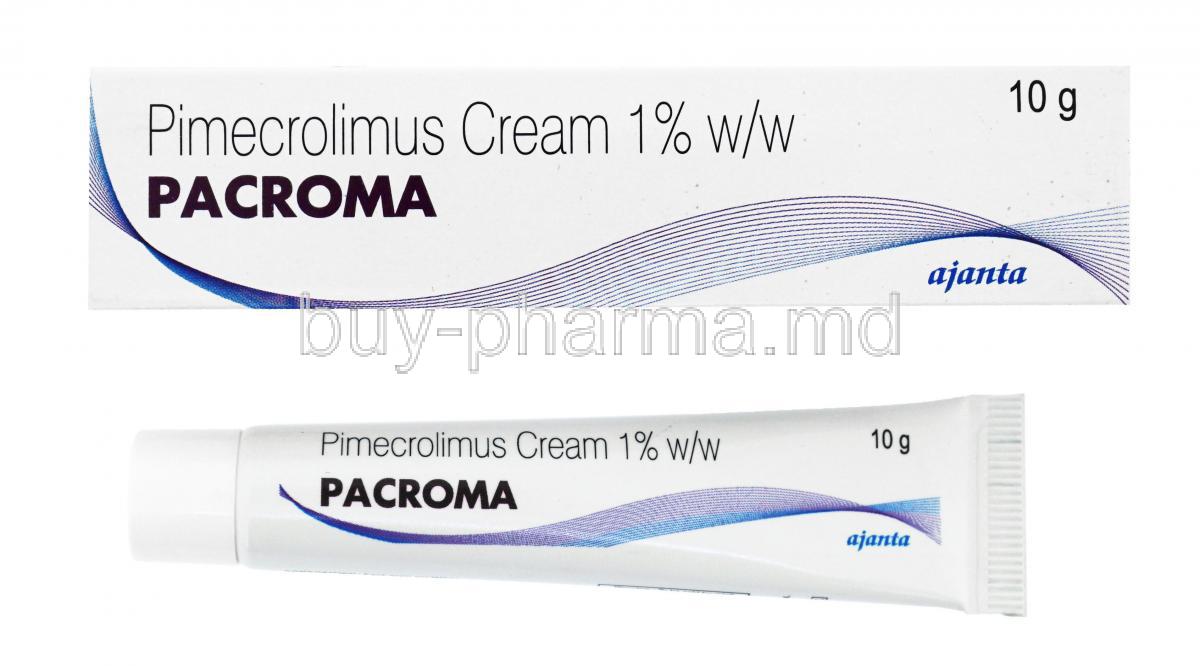
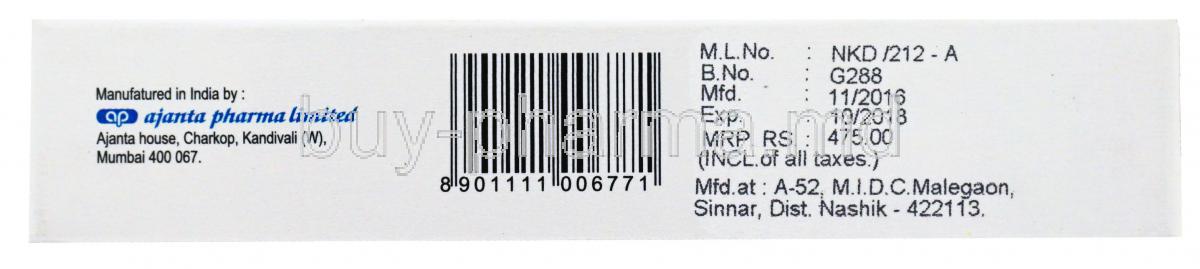
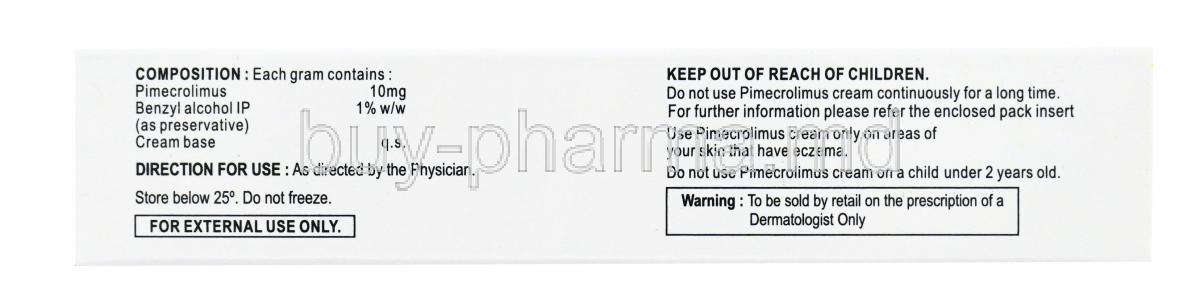
Introduction to Pimecrolimus Cream
Pimecrolimus cream is a prescription topical therapy widely utilized in modern dermatology for inflammatory skin disorders. It is classified as a non-steroidal immunomodulating agent, designed to manage chronic inflammatory conditions while minimizing the risks associated with long-term corticosteroid use.
Its development marked a significant shift toward targeted immune regulation at the skin level. Rather than suppressing inflammation broadly, pimecrolimus intervenes in specific immunologic pathways that drive cutaneous inflammation.
- Topical, steroid-free formulation
- Suitable for sensitive and cosmetically delicate areas
- Designed for intermittent and long-term disease control
Composition and Formulation
Pimecrolimus cream is formulated to optimize dermal penetration while limiting systemic exposure. The composition reflects a balance between efficacy, tolerability, and patient adherence.
Active Ingredient: Pimecrolimus Concentration and Properties
The active component, pimecrolimus, is a macrolactam derivative with potent immunomodulatory properties. It exhibits high affinity for intracellular binding proteins involved in immune signaling, enabling localized anti-inflammatory activity without significant systemic absorption.
Inactive Ingredients and Excipients
The formulation contains a blend of stabilizers, emulsifiers, and solvents that maintain consistency and enhance skin compatibility. These excipients support uniform drug distribution and preserve the chemical integrity of the active compound.
Cream Base Characteristics and Skin Absorption Profile
The cream base is non-greasy, cosmetically acceptable, and rapidly absorbed. This facilitates regular use, particularly on visible areas such as the face and neck, without leaving an occlusive or oily residue.
How Pimecrolimus Cream Works (Mechanism of Action)
Pimecrolimus exerts its therapeutic effects through selective modulation of immune responses within the skin. Its mechanism is precise, localized, and fundamentally different from that of corticosteroids.
Calcineurin Inhibition and T-Cell Modulation
Pimecrolimus binds to macrophilin-12, forming a complex that inhibits calcineurin. This blockade prevents the activation of T-lymphocytes, which play a central role in inflammatory skin diseases.
Reduction of Pro-Inflammatory Cytokine Release
By suppressing calcineurin-dependent signaling, the drug reduces the synthesis and release of key cytokines such as interleukin-2 and interferon-gamma. The result is attenuation of inflammation without widespread immune suppression.
Targeted Action on Skin Immune Response
The drug acts primarily at the site of application. Systemic immunosuppression is minimal, making it suitable for prolonged or intermittent use under appropriate clinical supervision.
Approved Uses of Pimecrolimus Cream
Pimecrolimus cream is primarily approved for inflammatory dermatoses characterized by immune dysregulation.
Management of Mild to Moderate Atopic Dermatitis
The most established indication is the treatment of mild to moderate atopic dermatitis. It is used to control flares, reduce pruritus, and maintain remission when applied at the earliest signs of inflammation.
Treatment of Inflammatory Skin Conditions in Sensitive Areas
Due to its non-steroidal nature, pimecrolimus is especially valuable for areas prone to steroid-related adverse effects.
- Facial skin
- Eyelids and periorbital regions
- Neck and flexural surfaces
Use on Face, Neck, and Skin Folds Where Steroids Are Limited
In these regions, prolonged corticosteroid use may cause skin atrophy or pigmentary changes. Pimecrolimus offers an alternative that preserves skin integrity.
Expanded and Off-Label Uses
Beyond its primary indication, pimecrolimus cream has been employed in various off-label dermatologic conditions where immune-mediated inflammation plays a role.
Seborrheic Dermatitis Management
In selected patients, pimecrolimus may reduce erythema and scaling associated with seborrheic dermatitis, particularly on the face.
Vitiligo (Adjunct or Maintenance Therapy)
It has been used as an adjunctive option to support repigmentation efforts, especially in facial vitiligo, due to its favorable safety profile.
Lichen Planus and Lichen Sclerosus
For localized lesions, pimecrolimus may help alleviate inflammation and discomfort when conventional therapies are unsuitable.
Psoriasis in Delicate or Intertriginous Areas
Inverse psoriasis affecting skin folds may respond to calcineurin inhibitors when topical steroids pose a risk.
Contact Dermatitis and Allergic Skin Reactions
In recurrent or chronic allergic reactions, pimecrolimus can be considered for inflammation control under specialist guidance.
Rosacea and Perioral Dermatitis (Selected Cases)
Its use has been explored in steroid-induced perioral dermatitis and certain rosacea subtypes, though patient selection is critical.
Dosage and Administration Guidelines
Correct application is essential to achieve optimal therapeutic outcomes while minimizing adverse effects.
Standard Dosing Frequency and Duration
Pimecrolimus cream is typically applied twice daily to affected areas until symptom resolution. Treatment is often discontinued once lesions clear.
Application Technique and Amount per Use
A thin layer should be gently rubbed into clean, dry skin. Excessive application does not enhance efficacy and should be avoided.
Initiation During Flare-Ups vs Maintenance Therapy
Early initiation at the first signs of inflammation may prevent progression. In some patients, intermittent use helps maintain long-term disease control.
Missed Dose Considerations
If a dose is missed, application should resume as soon as remembered, without doubling subsequent doses.
Administration in Special Populations
Administration to Children
Pimecrolimus is approved for use in pediatric patients above a defined age threshold, reflecting its favorable safety profile.
Approved Pediatric Age Ranges
Use is generally indicated in children aged two years and older, depending on regional regulatory guidance.
Safety Considerations in Infants and Young Children
Careful clinical assessment is essential, as immature skin barriers may influence absorption.
Long-Term Use Monitoring in Pediatric Patients
Periodic evaluation ensures sustained benefit and early identification of adverse reactions.
Administration to Elderly Patients
Aging skin exhibits altered barrier function and reduced regenerative capacity.
Skin Barrier Changes and Absorption Considerations
Although systemic exposure remains low, clinicians may monitor response more closely in older adults.
Adjustments for Comorbid Dermatologic Conditions
Coexisting skin disorders may influence treatment duration and site selection.
Administration to Pregnant Women and Nursing Mothers
Use during pregnancy and lactation requires careful risk-benefit evaluation.
Pregnancy Risk Considerations
Data on topical pimecrolimus in pregnancy are limited, and use is generally reserved for cases where benefits outweigh potential risks.
Use During Breastfeeding and Application Site Precautions
Application to areas that may come into direct contact with the infant should be avoided to minimize exposure.
Side Effects Profile
Pimecrolimus cream is generally well tolerated when used as directed. Adverse reactions are typically localized, transient, and diminish as the skin adapts to therapy. Nonetheless, awareness of potential side effects is essential for safe and effective use.
Common Side Effects
The most frequently reported reactions occur at the site of application. These effects are usually mild and self-limiting.
- Application-site burning or warmth – A brief sensation of heat or stinging, particularly during the initial days of treatment.
- Itching, redness, or mild irritation – Localized erythema or pruritus may appear, especially on inflamed or compromised skin.
- Transient skin sensitivity – Temporary heightened responsiveness to touch or environmental factors.
Less Common and Rare Adverse Effects
Infrequently, more notable dermatologic or systemic findings have been observed. These events warrant clinical attention.
- Skin infections and folliculitis – Altered local immune response may predispose to superficial bacterial involvement.
- Local viral infections – Reactivation of viruses such as herpes simplex has been reported in isolated cases.
- Lymphadenopathy – Enlarged lymph nodes have been noted in post-marketing surveillance, though causality remains inconclusive.
Warnings and Safety Information
Pimecrolimus cream should be used judiciously, with attention to duration, application area, and patient-specific risk factors.
Long-Term Safety Considerations
While long-term data are reassuring, extended continuous use is generally avoided. Intermittent application strategies are often preferred to minimize cumulative exposure.
Theoretical Risk of Malignancy and Current Evidence
A theoretical association with malignancy has been proposed due to the drug’s immunomodulatory mechanism. However, extensive clinical experience and epidemiological data have not established a definitive causal relationship when used appropriately.
Use Limitation to Affected Skin Areas Only
Application should be restricted strictly to areas of active disease. Unnecessary use on healthy skin is discouraged.
Contraindications
Certain conditions preclude the use of pimecrolimus cream due to increased risk or lack of benefit.
Known Hypersensitivity to Pimecrolimus or Excipients
Patients with a documented allergy to pimecrolimus or any component of the formulation should avoid use.
Use on Active Untreated Infections
Bacterial, fungal, or viral infections should be appropriately treated prior to initiation, as immunomodulation may exacerbate infection.
Immunocompromised Patient Considerations
In individuals with compromised immune function, careful clinical judgment is required before prescribing.
Drug and Product Interactions
Although systemic interactions are minimal, certain combinations warrant consideration.
Concomitant Use with Topical Corticosteroids
Sequential or alternating regimens may be employed, but simultaneous application to the same area is generally avoided unless specifically advised.
Interaction with Phototherapy or UV Exposure
Concurrent phototherapy may increase cutaneous sensitivity. Excessive ultraviolet exposure should be minimized during treatment.
Use Alongside Systemic Immunosuppressants
Combined immunosuppressive effects may theoretically increase infection risk, necessitating closer monitoring.
Careful Administration and Monitoring
Thoughtful initiation and ongoing assessment enhance therapeutic outcomes.
Baseline Skin Assessment Prior to Initiation
A thorough evaluation of lesion type, extent, and infection status is recommended before starting therapy.
Monitoring Response and Adverse Reactions
Clinical improvement, tolerability, and any emerging adverse effects should be reviewed regularly.
When to Discontinue or Reassess Therapy
Lack of response after an appropriate treatment interval or worsening symptoms should prompt reassessment.
Important Precautions Before and During Use
Adherence to precautionary measures reduces avoidable complications.
Avoidance of Occlusive Dressings
Occlusion may increase absorption and irritation and is generally not recommended.
Sun Exposure and Photoprotection Guidance
Patients are advised to limit sun exposure and use protective measures such as clothing or broad-spectrum sunscreens.
Use on Facial and Mucosal-Adjacent Areas
Care should be taken near the eyes, lips, and nostrils to prevent unintended contact.
Overdose and Misuse Considerations
Topical overdose is uncommon but may occur with excessive or inappropriate use.
Risk of Excessive Topical Application
Applying larger quantities or more frequent doses than recommended does not enhance efficacy and may increase adverse reactions.
Systemic Absorption Potential
Systemic exposure remains low under normal conditions but may increase with extensive or prolonged application.
Recommended Response to Accidental Ingestion
Accidental oral exposure requires prompt medical evaluation, particularly in children.
Storage and Stability
Proper storage preserves product integrity and effectiveness.
Recommended Storage Temperature and Conditions
The cream should be stored at controlled room temperature, away from excessive heat or moisture.
Shelf Life and Expiry Considerations
Expired products should not be used, as stability and potency cannot be guaranteed.
Safe Storage Away from Children
Secure placement prevents accidental ingestion or misuse.
Handling and Application Precautions
Correct handling supports both safety and therapeutic efficacy.
Hand Hygiene Before and After Application
Hands should be washed before application and thoroughly cleaned afterward unless they are the treatment site.
Avoidance of Eye and Mucous Membrane Contact
Direct contact with eyes, mouth, or other mucosal surfaces should be avoided.
Guidance on Use with Cosmetics and Skincare Products
Cosmetics and emollients may be applied after the medication has fully absorbed, unless otherwise directed.
 Verified Purchase
Review of pimokrilimos
I am very happy with the service
Verified Purchase
Review of pimokrilimos
I am very happy with the service
Pimecrolimus Cream FAQ
- What is pimecrolimus cream used for?
- Does pimecrolimus cream have steroids in it?
- Is it safe to use pimecrolimus every day?
- Is pimecrolimus safe for face?
- What should I avoid while using pimecrolimus cream?
- How quickly does pimecrolimus cream work?
- Is pimecrolimus an antifungal?
- Can I put moisturizer over pimecrolimus?
- Is pimecrolimus good for pimples?
- Does pimecrolimus weaken the immune system?
- Which is better tacrolimus or pimecrolimus?
- How quickly does pimecrolimus work?
- What is the risk of pimecrolimus?
- What is stronger than pimecrolimus cream?
- Can I use tacrolimus and pimecrolimus together?
- Do you wash off pimecrolimus cream?
What is pimecrolimus cream used for?
Pimecrolimus is used to treat mild to moderate atopic dermatitis (eczema) in patients who have been treated with other medicines that did not work well.
Does pimecrolimus cream have steroids in it?
No
Is it safe to use pimecrolimus every day?
No
Is pimecrolimus safe for face?
Yes
What should I avoid while using pimecrolimus cream?
Drinking alcohol may cause the skin or face to become flushed or red and feel hot.
How quickly does pimecrolimus cream work?
Within 4 days
Is pimecrolimus an antifungal?
Yes
Can I put moisturizer over pimecrolimus?
Yes
Is pimecrolimus good for pimples?
May exacerbate inflammatory acne
Does pimecrolimus weaken the immune system?
It decreases the body's immune system to help slow down the growth of atopic dermatitis (eczema) on your skin.
Which is better tacrolimus or pimecrolimus?
Tacrolimus ointment
How quickly does pimecrolimus work?
1 week
What is the risk of pimecrolimus?
Increase the risk of having infections, lymphoma, or skin cancer
What is stronger than pimecrolimus cream?
Tacrolimus ointment
Can I use tacrolimus and pimecrolimus together?
Using tacrolimus together with pimecrolimus topical may increase the blood levels and effects of one or both medications.
Do you wash off pimecrolimus cream?
No
Customers also bought

Popular Products
Similar Product