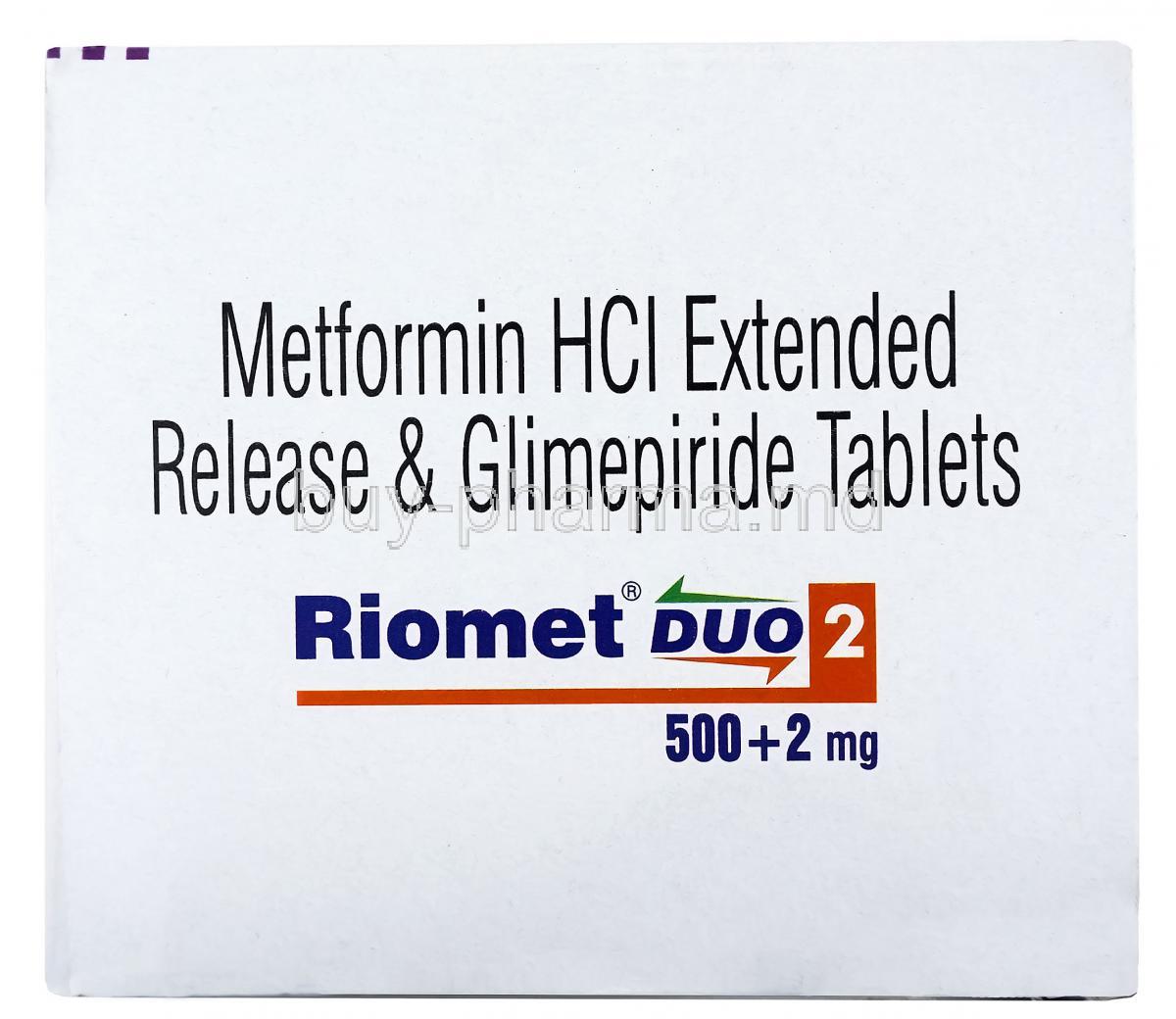

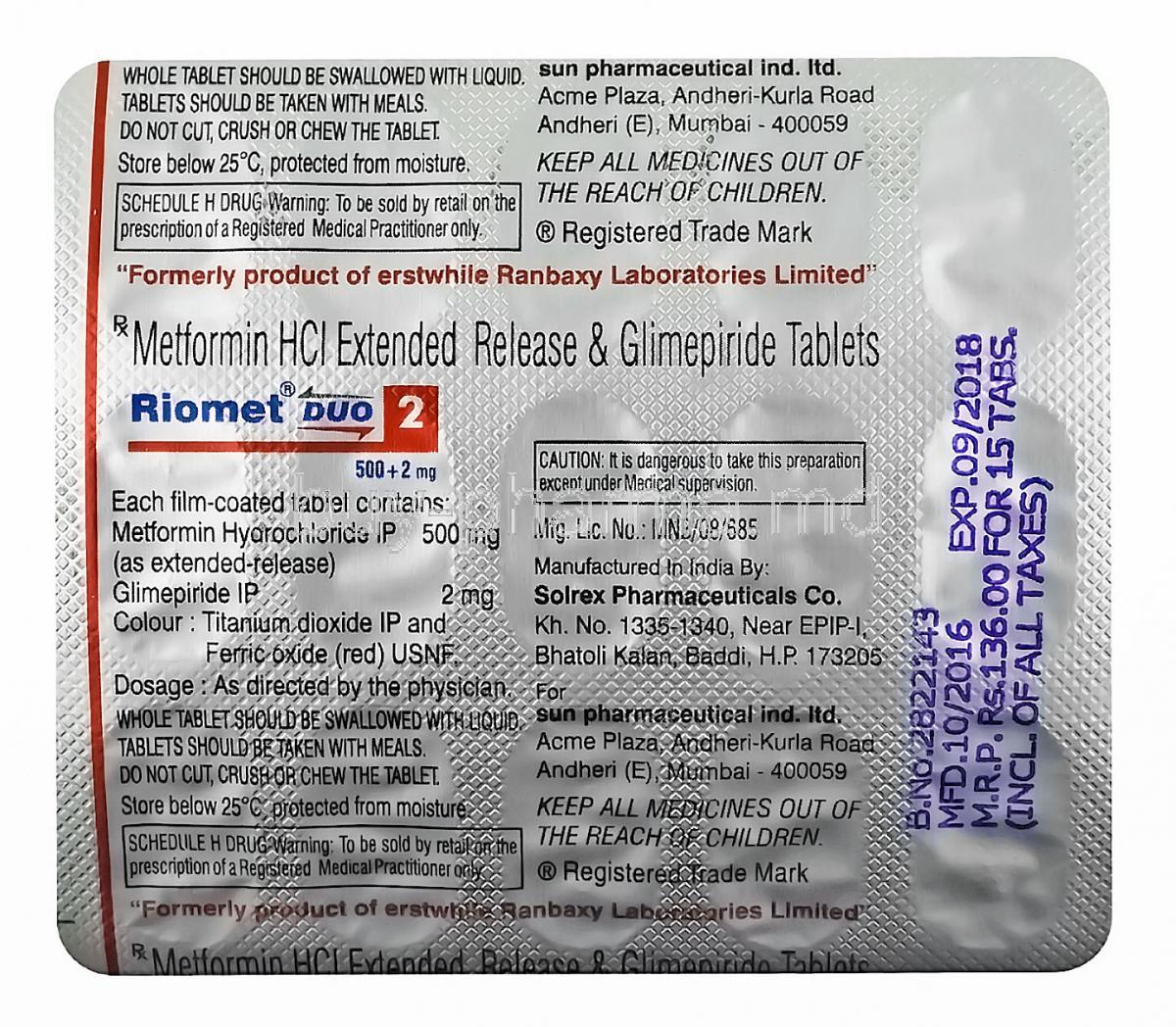
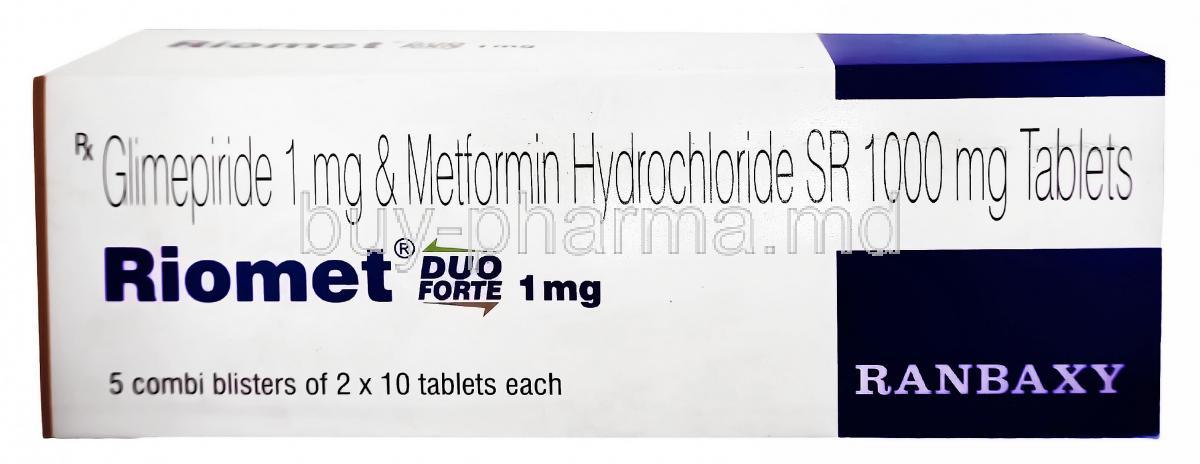
Introduction to Riomet DUO (Metformin / Glimepiride Combination)
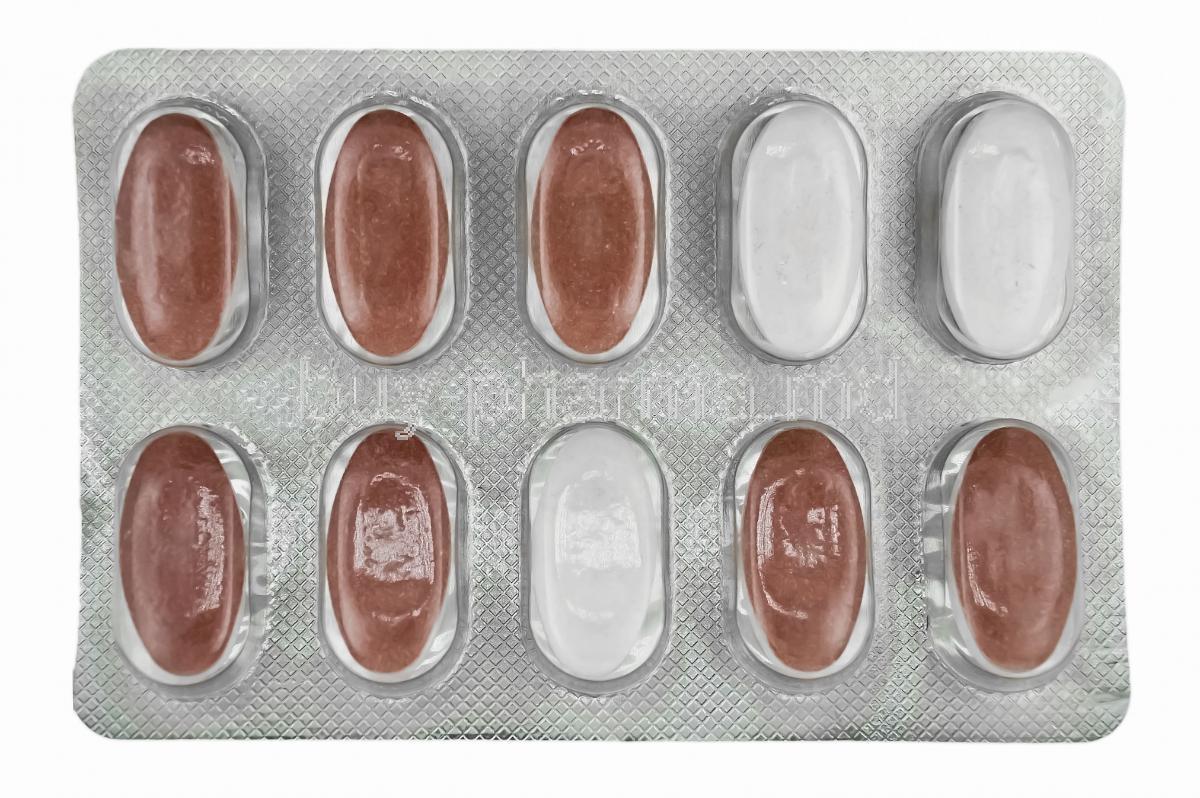
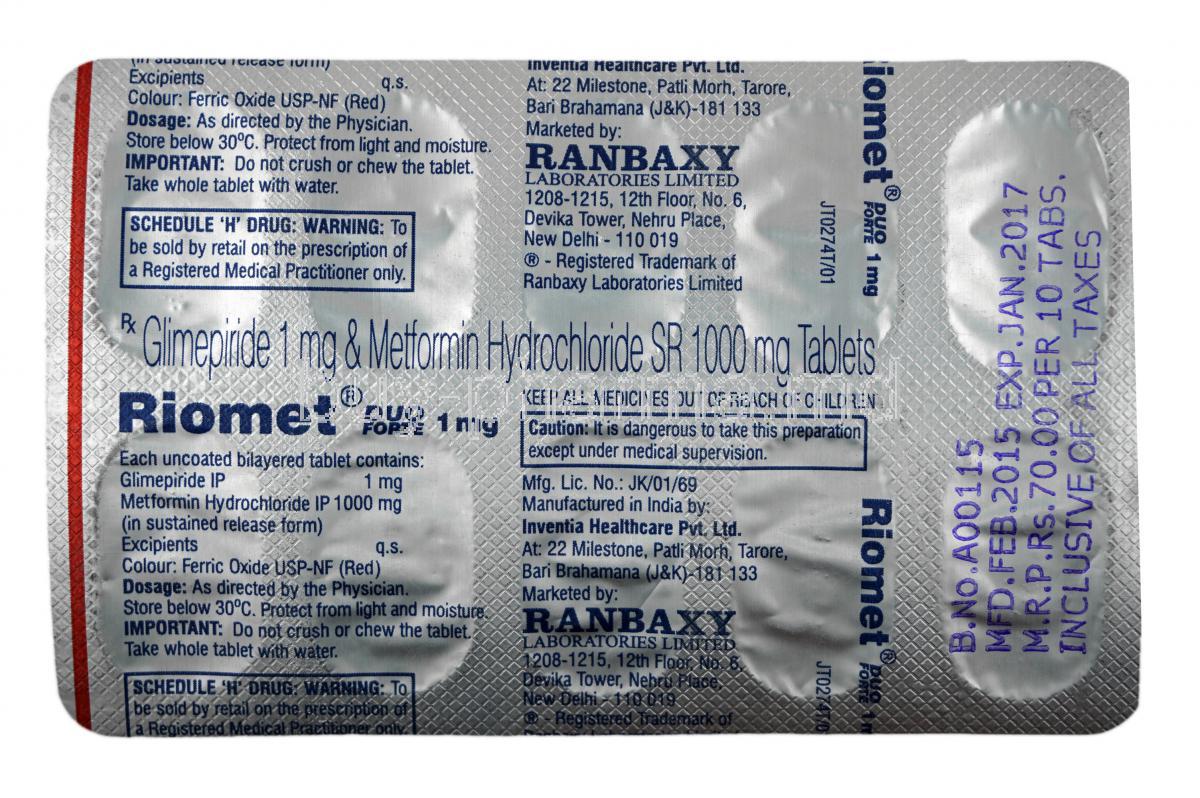
Riomet DUO is a fixed-dose oral antidiabetic medication formulated for the management of type 2 diabetes mellitus. It combines two pharmacologically distinct agents—metformin and glimepiride—into a single therapeutic option. This dual approach targets multiple pathophysiological defects of diabetes rather than relying on a single metabolic pathway.
Type 2 diabetes is characterized by insulin resistance, impaired insulin secretion, and excessive hepatic glucose production. Riomet DUO is designed to address these abnormalities simultaneously. The result is a more comprehensive and durable glycemic response in appropriately selected patients.
Overview of Fixed-Dose Antidiabetic Combination Therapy
Fixed-dose combinations have become a cornerstone in modern diabetes care. By integrating complementary agents into one formulation, they offer:
- Simplified dosing regimens
- Improved treatment adherence
- Broader metabolic coverage
Such combinations are particularly valuable when monotherapy fails to achieve or sustain glycemic targets. Riomet DUO exemplifies this strategy by merging insulin sensitization with insulin secretagogue activity.
Therapeutic Rationale for Combining Metformin and Glimepiride
Metformin primarily mitigates insulin resistance and suppresses hepatic glucose output, while glimepiride enhances endogenous insulin release from pancreatic beta cells. These mechanisms operate through independent biochemical pathways.
The therapeutic rationale lies in this complementarity. Instead of escalating the dose of a single agent—which may increase adverse effects—combining two agents at moderate doses can improve efficacy while maintaining tolerability.
Position in the Management of Type 2 Diabetes Mellitus
Riomet DUO is typically introduced when lifestyle modification and single-agent therapy no longer provide adequate glycemic control. It is positioned as:
- An escalation option after metformin monotherapy
- An alternative to adding separate oral agents
- A bridge before considering injectable therapies
Its role is not merely glucose reduction, but sustained metabolic stabilization over time.
Composition and Formulation
Active Ingredients: Metformin Hydrochloride and Glimepiride
Riomet DUO contains two well-established antidiabetic compounds:
- Metformin hydrochloride, a biguanide class agent
- Glimepiride, a third-generation sulfonylurea
Each component contributes a distinct and measurable effect on glucose homeostasis.
Strength Variations and Fixed-Dose Ratios
The formulation is available in multiple strength combinations to accommodate individualized treatment needs. Fixed-dose ratios are designed to balance efficacy with safety, allowing clinicians to tailor therapy without excessive complexity.
Excipients and Formulation Characteristics
Inert excipients are incorporated to ensure tablet stability, uniform drug distribution, and consistent dissolution. These components do not exert pharmacological effects but are essential for reliable drug delivery.
Oral Dosage Form and Bioavailability Considerations
Riomet DUO is administered orally. Metformin exhibits moderate bioavailability and is not protein-bound, while glimepiride is well absorbed and highly protein-bound. The formulation ensures synchronized absorption suitable for daily glycemic management.
Berberine vs metformin
Metformin is an FDA-approved prescription drug, the first-line treatment for Type 2 Diabetes, known for faster, significant blood sugar lowering, while berberine is a natural supplement often used as an alternative, showing promise for glucose, cholesterol, and weight, but takes longer to work and lacks consistent regulation. Both activate AMPK and improve insulin sensitivity, but metformin is superior for diabetes management, while berberine offers broader metabolic benefits
Jardiance vs metformin
Jardiance (empagliflozin) and metformin are both effective Type 2 diabetes medications that improve A1C, but they differ in mechanisms, benefits, and side effects. Metformin (a biguanide) is usually the first-line treatment, reducing glucose production in the liver. Jardiance (an SGLT2 inhibitor) forces glucose excretion through urine and is preferred for added cardiovascular and kidney protection.
Glimepiride vs glipizide
Glimepiride (Amaryl) and Glipizide (Glucotrol) are both effective second-generation sulfonylureas for treating type 2 diabetes by increasing insulin production. Glimepiride is generally taken once daily and may offer a slightly lower risk of hypoglycemia compared to glipizide, which may require twice-daily dosing
Glyburide vs glimepiride
Glyburide (Diabeta) and Glimepiride (Amaryl) are both sulfonylureas for Type 2 diabetes, but glimepiride is generally preferred due to a lower risk of severe hypoglycemia. Glyburide has a higher risk of hypoglycemia, particularly in the elderly and those with renal issues. Glimepiride allows once-daily dosing, while glyburide may require twice-daily dosing.
Farxiga and metformin
Farxiga (dapagliflozin) and Metformin are common Type 2 diabetes drugs, often used together safely for better blood sugar control, with Farxiga working on kidneys to excrete sugar and Metformin reducing liver sugar production, offering combined benefits like weight loss and reduced heart/kidney risks, though each has distinct side effects, like frequent urination with Farxiga and GI issues with Metformin
How Riomet DUO Works (Mechanism of Action)
Metformin Component
Reduction of Hepatic Gluconeogenesis
Metformin suppresses excessive glucose production in the liver. This action directly lowers fasting plasma glucose levels, a key contributor to overall hyperglycemia in type 2 diabetes.
Improvement of Peripheral Insulin Sensitivity
By enhancing insulin responsiveness in skeletal muscle and adipose tissue, metformin facilitates more efficient glucose uptake. Cells utilize circulating glucose more effectively, reducing systemic glucose burden.
Effects on Intestinal Glucose Absorption
Metformin also modestly delays intestinal glucose absorption. This contributes to smoother postprandial glucose excursions and improved daily glycemic profiles.
Glimepiride Component
Stimulation of Pancreatic Insulin Secretion
Glimepiride acts directly on pancreatic beta cells, stimulating insulin release in response to circulating glucose. This effect is particularly relevant for controlling post-meal hyperglycemia.
Action on ATP-Sensitive Potassium Channels
By modulating ATP-sensitive potassium channels on beta-cell membranes, glimepiride triggers membrane depolarization. This cascade leads to calcium influx and insulin exocytosis.
Impact on Postprandial Glucose Control
Enhanced insulin secretion after meals helps blunt postprandial glucose spikes. This effect complements metformin’s fasting glucose control, producing more stable glycemic patterns.
Synergistic Glycemic Control
Complementary Mechanisms and Clinical Advantages
The dual mechanism of Riomet DUO allows simultaneous correction of insulin resistance and insulin deficiency. This synergy reduces the need for aggressive dose escalation of either agent alone.
Reduction of Fasting and Postprandial Blood Glucose
Fasting glucose is primarily influenced by metformin, while postprandial levels benefit from glimepiride activity. Together, they provide round-the-clock glycemic regulation.
Uses of Riomet DUO
Primary Indication: Type 2 Diabetes Mellitus
Riomet DUO is indicated for adults with type 2 diabetes mellitus who require combination therapy to achieve adequate glycemic control.
Use in Patients Inadequately Controlled on Monotherapy
Patients who do not reach target blood glucose levels with metformin or sulfonylurea monotherapy may benefit from the combined pharmacodynamic effects of Riomet DUO.
Role in Combination Therapy with Lifestyle Modification
Pharmacological treatment is most effective when paired with lifestyle interventions such as:
- Dietary regulation
- Weight management
- Regular physical activity
Riomet DUO complements these measures by improving metabolic efficiency.
Glycemic Targets and Long-Term Metabolic Control
Consistent use supports attainment of individualized glycemic targets and may reduce the risk of long-term microvascular complications associated with chronic hyperglycemia.
Off-Label and Expanded Uses
Use in Insulin-Resistant States Under Specialist Supervision
In selected cases, Riomet DUO may be considered for severe insulin resistance under strict medical oversight, particularly when standard therapies prove insufficient.
Polycystic Ovary Syndrome (PCOS)–Related Insulin Resistance
Metformin-containing regimens are sometimes utilized in PCOS to address underlying insulin resistance. Combination therapy may be explored cautiously in complex metabolic presentations.
Metabolic Syndrome and Impaired Glucose Tolerance (Investigational Use)
In investigational or off-label contexts, Riomet DUO has been examined for its potential role in delaying progression from impaired glucose tolerance to overt diabetes.
Dosage and Administration
Individualized Dosing Based on Glycemic Response
Dosage is tailored according to baseline glucose levels, prior therapy, and patient-specific metabolic response. One standardized dose does not fit all.
Initial Dose Selection and Titration Strategies
Therapy typically begins at the lowest effective dose. Gradual titration minimizes adverse effects while allowing the body to adapt to combined pharmacologic action.
Timing of Administration with Meals
Riomet DUO is generally taken with meals. This timing:
- Reduces gastrointestinal discomfort
- Aligns insulin release with nutrient intake
Missed Dose Guidance
If a dose is missed, it should not be doubled. The next scheduled dose should be taken as usual to avoid hypoglycemia.
Duration of Therapy and Treatment Review
Long-term therapy requires periodic reassessment. Treatment efficacy, tolerability, and metabolic goals should be reviewed at regular intervals.
Administration to Special Populations
Administration to Elderly Patients
Age-Related Pharmacokinetic Considerations
Physiological changes associated with aging can alter drug distribution and clearance. Careful dose selection is essential.
Risk of Hypoglycemia and Dose Adjustments
Elderly patients may be more susceptible to hypoglycemia, particularly from sulfonylurea components. Conservative dosing reduces this risk.
Renal Function Monitoring Requirements
Renal function should be assessed before initiation and monitored regularly, as metformin clearance depends on kidney function.
Administration to Children and Adolescents
Limited Pediatric Safety and Efficacy Data
Clinical data in pediatric populations remain limited. Routine use is generally not recommended without specialist evaluation.
Situations Where Use May Be Considered
In rare or refractory cases, combination therapy may be evaluated under strict endocrinological supervision.
Specialist Supervision Recommendations
Any pediatric use should involve comprehensive monitoring and individualized risk-benefit assessment.
Administration to Pregnant Women and Nursing Mothers
Pregnancy Risk Assessment and Glycemic Control Alternatives
During pregnancy, insulin is often preferred for glycemic management. The use of combination oral agents requires careful evaluation of maternal and fetal risks.
Use During Lactation and Potential Drug Transfer Into Breast Milk
Limited data exist regarding transfer into breast milk. Clinical judgment is required to determine whether therapy should be continued or modified during breastfeeding.
Side effects of Glimepiride with Metformin
Riomet DUO, a combination of metformin and glimepiride, is generally well tolerated when used appropriately. However, as with all antidiabetic therapies, its pharmacological activity may give rise to predictable adverse effects. These reactions range from mild and transient discomforts to rare but clinically significant complications requiring immediate attention.
Common Side Effects
Gastrointestinal Disturbances
Gastrointestinal symptoms are among the most frequently reported effects, particularly during the early phase of therapy or following dose escalation. These reactions are primarily attributed to the metformin component.
- Nausea or a sensation of gastric fullness
- Diarrhea or loose stools
- Abdominal discomfort or cramping
Such symptoms are often self-limiting. Administration with meals and gradual dose titration may substantially improve tolerability.
Hypoglycemia-Related Symptoms
Glimepiride enhances endogenous insulin secretion, which may predispose susceptible individuals to hypoglycemia. Symptoms can vary in intensity and onset.
- Cold sweats and tremors
- Palpitations or tachycardia
- Hunger, irritability, or confusion
Early recognition and prompt intake of fast-acting carbohydrates are essential to prevent progression to severe hypoglycemia.
Headache and Dizziness
Mild headache or dizziness may occur, particularly during treatment initiation. These effects are usually transient and resolve as metabolic control stabilizes.
Less Common and Rare Adverse Effects
Lactic Acidosis Risk Associated with Metformin
Lactic acidosis is a rare but potentially life-threatening complication associated with metformin accumulation. It is more likely to occur in the presence of renal impairment or tissue hypoxia.
- Unexplained fatigue or weakness
- Rapid or labored breathing
- Muscle pain and abdominal distress
Immediate medical evaluation is critical if these symptoms arise.
Allergic and Dermatologic Reactions
Hypersensitivity reactions may manifest as dermatologic changes. Although uncommon, they require careful assessment.
- Rash or urticaria
- Pruritus
- Photosensitivity reactions
Hematologic Abnormalities
Rare hematologic disturbances have been reported with sulfonylurea therapy. These may include leukopenia, thrombocytopenia, or anemia, particularly with prolonged use.
Drug Interactions
Interactions with Insulin and Other Antidiabetic Agents
Concomitant use with insulin or additional oral antidiabetic drugs may potentiate glucose-lowering effects. This increases the risk of hypoglycemia and necessitates careful dose adjustment.
Effects of CYP-Modifying Drugs on Glimepiride
Glimepiride is metabolized by hepatic enzymes. Drugs that inhibit or induce these pathways may alter plasma concentrations.
- Enzyme inhibitors may enhance hypoglycemic risk
- Enzyme inducers may reduce therapeutic efficacy
Alcohol Interaction and Hypoglycemia Risk
Alcohol consumption can exacerbate hypoglycemia and may also increase the risk of lactic acidosis. Concurrent use should be minimized or avoided.
Interaction with Contrast Media and Nephrotoxic Drugs
Iodinated contrast agents and nephrotoxic medications may impair renal function, increasing the risk of metformin accumulation. Temporary discontinuation may be required in high-risk situations.
Foods to avoid while taking metformin
Sugary Foods and Drinks: Soda, candy, fruit juice, sweetened yogurt, ice cream, and desserts.Refined Carbohydrates: White bread, white pasta, white rice, crackers, and sugary cereals.High-Fat and Fried Foods: Fast food, bacon, sausage, butter, and fried snacks.Alcohol:
Warnings and Safety Information
Risk of Hypoglycemia and Patient Education
Patients should be educated on recognizing early signs of hypoglycemia and on appropriate corrective measures. Consistent meal patterns are strongly advised.
Lactic Acidosis Metformin
Awareness of nonspecific early symptoms is essential, as delayed intervention may result in severe metabolic consequences.
Cardiovascular and Hepatic Considerations
Patients with underlying cardiovascular disease or hepatic impairment require close monitoring, as altered drug metabolism may influence safety and efficacy.
Contraindications
- Severe renal impairment
- History of hypersensitivity to sulfonylureas or metformin
- Acute or chronic metabolic acidosis
- Severe hepatic dysfunction
Careful Administration and Important Precautions
Baseline and Periodic Renal Function Assessment
Renal function should be evaluated prior to initiation and reassessed periodically throughout therapy to ensure safe metformin clearance.
Liver Function Monitoring
Periodic liver enzyme assessment is recommended, particularly in patients with known hepatic risk factors.
Nutritional Status and Vitamin B12 Considerations
Long-term metformin therapy may reduce vitamin B12 absorption. Monitoring and supplementation may be appropriate in patients with anemia or neuropathic symptoms.
Avoidance in Dehydration or Acute Illness
Temporary discontinuation should be considered during episodes of severe dehydration, infection, or hypoxic states to minimize metabolic complications.
Overdosage Information
Clinical Features of Metformin or Glimepiride Overdose
Overdose may present with profound hypoglycemia, gastrointestinal distress, or metabolic acidosis, depending on the dominant agent involved.
Hypoglycemia and Lactic Acidosis Management
Management involves prompt glucose correction, supportive care, and close metabolic monitoring. Severe cases may require intensive medical intervention.
Emergency Treatment and Supportive Care
Hospitalization is often required. Treatment is primarily supportive, focusing on stabilization and prevention of complications.
Storage and Stability
Recommended Storage Conditions
Riomet DUO should be stored at controlled room temperature in a dry environment.
Protection from Moisture and Heat
Exposure to excessive heat or moisture may compromise tablet integrity and potency.
Shelf Life and Handling After Opening
Products should be used within the stated shelf life and kept in original packaging until use.
Handling Precautions and Patient Counseling
Safe Handling and Dispensing Practices
Tablets should be handled with clean, dry hands and stored out of reach of children.
Patient Education on Lifestyle, Diet, and Monitoring
Effective therapy requires adherence to dietary guidance, regular physical activity, and routine blood glucose monitoring.
Importance of Adherence and Regular Follow-Up
Consistent use and scheduled follow-up evaluations are essential for maintaining glycemic control and minimizing long-term complications.
Riomet DUO, Metformin/ Glimepiride FAQ
- What is the use of RIOMET duo Tablet?
- What is the drug RIOMET used for?
- What is metformin and glimepiride used for?
- Can metformin cause a rash?
- Can glimepiride cause kidney damage?
- Is metformin glimepiride safe for kidneys?
- How quickly does metformin glimepiride work?
- What is the most serious side effect of metformin?
- Can I stop taking metformin when my sugar is back to normal?
- What are the side effects of glimepiride with metformin?
- What should I avoid while taking glimepiride?
- Do you pee a lot on metformin?
- What foods should you avoid while taking metformin?
- Which organ is affected by metformin?
- What happens if I miss my metformin for 3 days?
- Is fatigue a side effect of glimepiride?
- How to stop hair loss while taking metformin?
- What happens when you take metformin and glimepiride together?
- What are the physical signs that metformin is working?
What is the use of RIOMET duo Tablet?
Riomet Duo is used to treat type 2 diabetes.
What is the drug RIOMET used for?
Riomet Duo is used to treat type 2 diabetes.
What is metformin and glimepiride used for?
The combination of Glimepiride and Metformin is used in the treatment of diabetes mellitus.
Can metformin cause a rash?
Yes
Can glimepiride cause kidney damage?
Rarely
Is metformin glimepiride safe for kidneys?
Only for healthy, normal kidneys
How quickly does metformin glimepiride work?
3-4 weeks
What is the most serious side effect of metformin?
Lactic acidosis
Can I stop taking metformin when my sugar is back to normal?
Yes
What are the side effects of glimepiride with metformin?
- Hypoglycemia
- Stomachache
- Headache
- Diarrhea
What should I avoid while taking glimepiride?
Alcohol
Do you pee a lot on metformin?
Yes
What foods should you avoid while taking metformin?
- Alcohol
- Fatty foods
- Processed foods
Which organ is affected by metformin?
Liver
What happens if I miss my metformin for 3 days?
Blood sugar levels can go up
Is fatigue a side effect of glimepiride?
Yes
How to stop hair loss while taking metformin?
Add B12 supplements
What happens when you take metformin and glimepiride together?
Risk of hypoglycemia
What are the physical signs that metformin is working?
Energy production and less urination
Popular Products
Similar Product