
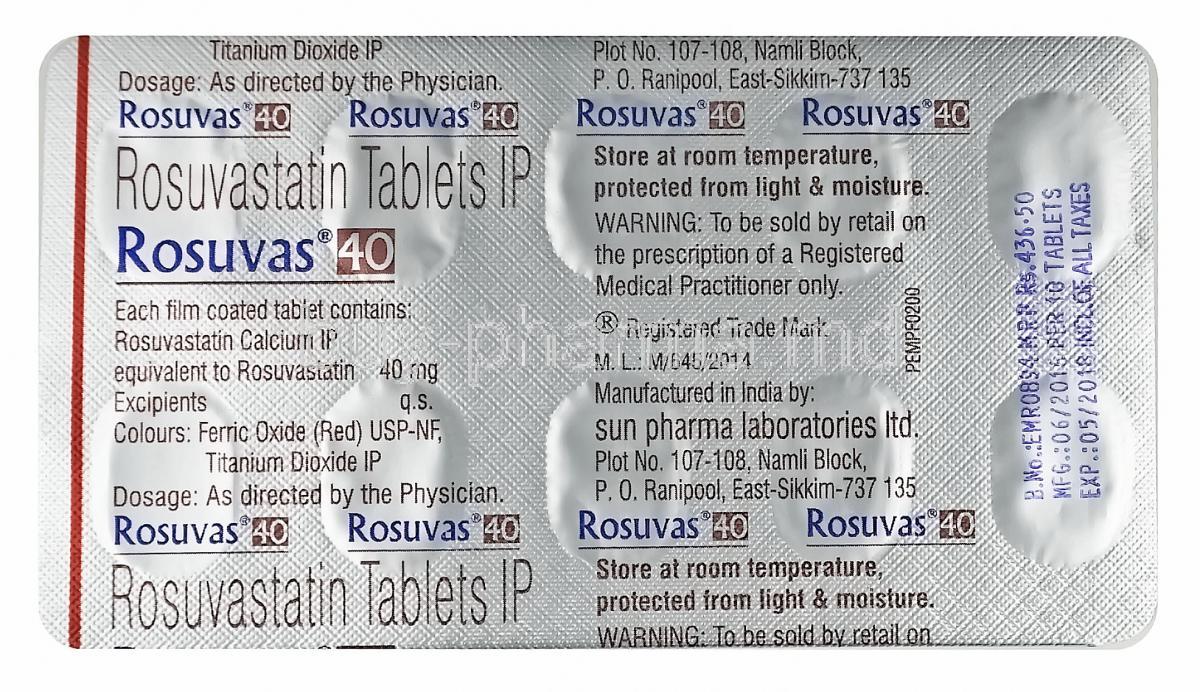
Introduction to Rosuvas (Rosuvastatin)
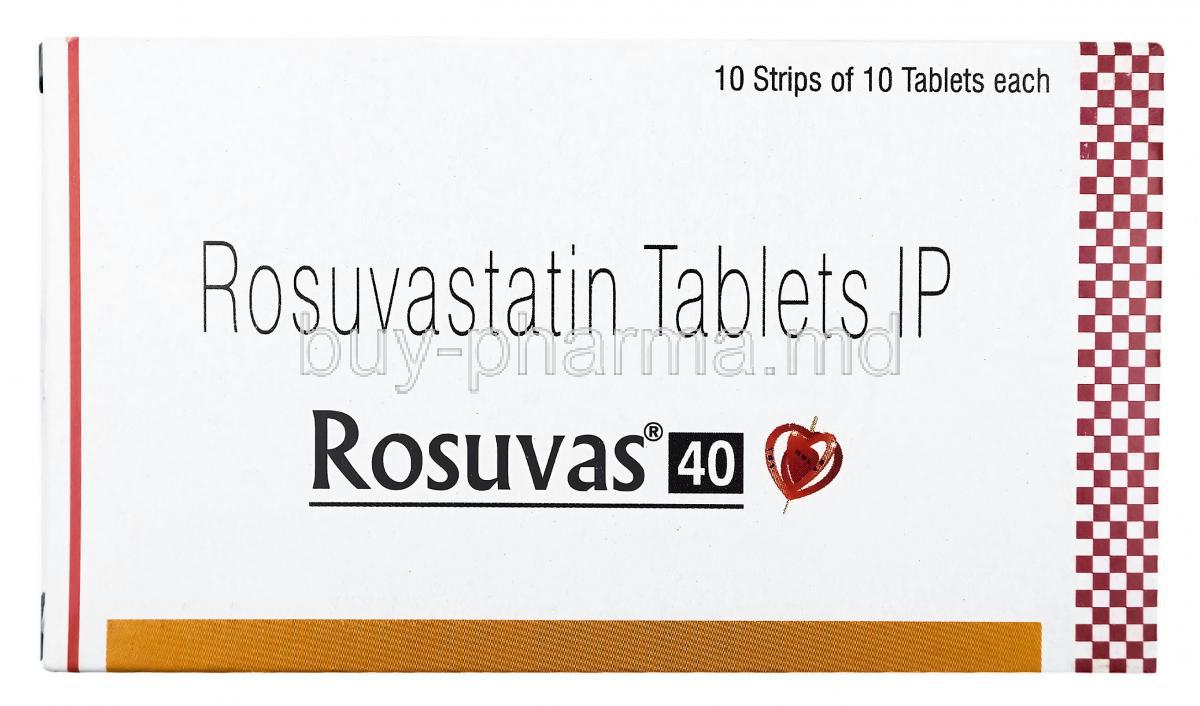
Rosuvas is a pharmaceutical formulation containing rosuvastatin, a potent lipid-lowering agent widely prescribed for the management of dyslipidemia. It belongs to the statin class of medications and plays a central role in reducing cardiovascular morbidity associated with elevated cholesterol levels. Through targeted modulation of hepatic cholesterol synthesis, Rosuvas supports long-term cardiovascular protection.
As a branded presentation of rosuvastatin, Rosuvas is positioned as a reliable option for patients requiring consistent and effective cholesterol control. Its clinical utility spans both preventive and therapeutic cardiovascular care.
Composition and Pharmaceutical Characteristics
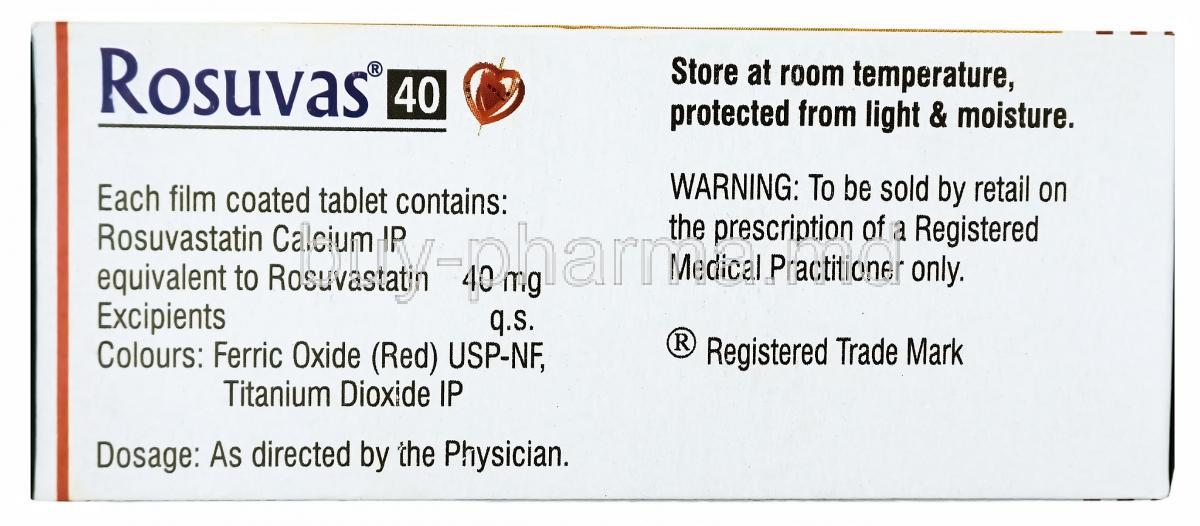
The active pharmaceutical ingredient in Rosuvas is rosuvastatin calcium, a synthetic HMG-CoA reductase inhibitor. It is formulated for oral administration and is available in multiple strengths to allow individualized dosing.
- Active ingredient: Rosuvastatin calcium
- Dosage forms: Oral tablets
- Strengths: Varying milligram concentrations for dose flexibility
The formulation includes excipients designed to ensure tablet integrity, stability, and consistent bioavailability. Rosuvastatin demonstrates high hepatic selectivity, minimal systemic exposure, and a favorable stability profile under recommended storage conditions.
Rosuvastatin 10 mg vs 20 mg
Rosuvastatin 20 mg is a higher-potency dose than 10 mg, generally used for more significant LDL-C reduction (often >50%) or in patients with higher cardiovascular risk. Both are effective, but 20 mg provides more intensive lipid-lowering therapy and is usually reserved for patients needing aggressive treatment, while 10 mg is a standard, often starting, dose.
Rosuvastatin vs atorvastatin
Rosuvastatin (Crestor) and atorvastatin (Lipitor) are both potent, high-intensity statins used to lower LDL ("bad") cholesterol and reduce heart attack/stroke risks. Rosuvastatin is generally slightly more effective at lower doses and has fewer drug-drug interactions, while atorvastatin is available in a wider variety of combination pills and as a liquid.
Pravastatin vs rosuvastatin
Rosuvastatin (Crestor) is a high-potency, hydrophilic statin, significantly more effective at lowering LDL-C and total cholesterol than pravastatin (Pravachol), making it ideal for higher-risk patients. Pravastatin is lower-potency, often preferred for patients requiring moderate reduction or those needing lower drug-drug interaction risk.
Rosuvastatin vs simvastatin
Rosuvastatin (Crestor) and simvastatin (Zocor) are widely used, affordable daily statins for lowering LDL cholesterol and protecting against heart disease. Rosuvastatin is generally more potent and effective for severe LDL reduction (moderate-to-high intensity). Simvastatin, a low-to-moderate intensity statin, often carries a higher risk of drug interactions and muscle pain, and should be taken in the evening.
How Rosuvastatin Works (Mechanism of Action)
Rosuvastatin exerts its primary effect by competitively inhibiting HMG-CoA reductase, the rate-limiting enzyme in hepatic cholesterol biosynthesis. This inhibition leads to a marked reduction in intracellular cholesterol levels within hepatocytes.
As a compensatory response, hepatic LDL receptors are upregulated, enhancing the clearance of circulating low-density lipoprotein cholesterol (LDL-C).
- Significant reduction in LDL-C and total cholesterol
- Moderate lowering of triglycerides
- Modest elevation of high-density lipoprotein cholesterol (HDL-C)
Beyond lipid modification, rosuvastatin exhibits pleiotropic properties, including improvement of endothelial function, attenuation of vascular inflammation, and stabilization of atherosclerotic plaques.
Approved Uses and Therapeutic Indications
Rosuvas is approved for the treatment of a broad spectrum of lipid disorders and for cardiovascular risk reduction in appropriate patient populations.
- Primary hypercholesterolemia (Type IIa)
- Mixed dyslipidemia (Type IIb)
- Hypertriglyceridemia
- Familial hypercholesterolemia, both heterozygous and homozygous forms
- Primary prevention of cardiovascular disease in high-risk individuals
- Secondary prevention in patients with established atherosclerotic cardiovascular disease
Off-Label and Emerging Uses
In addition to approved indications, rosuvastatin is being explored for expanded clinical applications where dyslipidemia contributes to disease progression.
- Cardiovascular risk reduction in metabolic syndrome
- Adjunct therapy in type 2 diabetes with concomitant dyslipidemia
- Use in chronic kidney disease with appropriate dose adjustments
- Potential anti-inflammatory and plaque-stabilizing effects under clinical investigation
Rosuvastatin and dementia
Rosuvastatin, a hydrophilic (water-soluble) statin, is generally associated with a reduced risk of dementia, often cited as one of the most effective statins for this purpose, with studies suggesting a potential risk reduction of approximately 30%. As a hydrophilic agent, it primarily works in the liver rather than entering brain tissue, which may contribute to its neuroprotective profile.
Rosuvastatin Dosing and Administration Guidelines
Rosuvas dosing is individualized based on baseline lipid levels, therapeutic goals, and patient-specific risk factors. Treatment is typically initiated at a low to moderate dose, followed by titration.
- Standard adult dosing ranges from low to moderate daily doses
- Dose titration guided by LDL-C response and tolerability
- Administration may occur with or without food
Best time to take rosuvastatin
Rosuvastatin (Crestor) can be taken at any time of day, with or without food, but it is best to take it at the same time each day to establish a routine. Because it is a long-acting statin, it remains effective regardless of whether it is taken in the morning or evening.
Dose adjustments are required in patients with renal impairment, and caution is advised in those with hepatic dysfunction. Adherence to daily dosing is essential for sustained lipid control. If a dose is missed, it should not be doubled; therapy should resume as scheduled.
Administration in Special Populations
Administration to Elderly Patients
Elderly individuals may exhibit altered pharmacokinetics due to age-related physiological changes. Increased susceptibility to statin-associated myopathy has been observed in this population.
- Initiation at conservative doses is recommended
- Close monitoring for muscle-related symptoms
Administration to Pregnant Women and Nursing Mothers
Rosuvastatin is contraindicated during pregnancy due to its interference with cholesterol synthesis, a process essential for fetal development.
- Use during pregnancy is contraindicated
- Breastfeeding is not recommended during therapy
Administration to Children and Adolescents
Pediatric use is limited to specific indications, such as familial hypercholesterolemia, and requires specialist oversight.
- Age- and weight-based dosing protocols
- Monitoring of growth, development, and lipid response
Common Side Effects
Rosuvas is generally well tolerated, though mild adverse effects may occur, particularly during treatment initiation.
- Headache and dizziness
- Gastrointestinal disturbances such as abdominal discomfort or nausea
- Mild muscle pain or weakness
- Transient laboratory abnormalities, including liver enzyme elevations
Less Common and Serious Side Effects
Although infrequent, serious adverse reactions require prompt medical attention and careful risk assessment.
- Myopathy and, rarely, rhabdomyolysis
- Clinically significant hepatic enzyme elevations
- Increased risk of new-onset diabetes in susceptible individuals
- Hypersensitivity reactions, including rash or angioedema
Regular clinical monitoring and patient education are essential to optimize safety and therapeutic outcomes during long-term rosuvastatin therapy.
Rosuvastatin Interactions
Rosuvastatin participates in a clinically relevant interaction profile that requires thoughtful medication review prior to initiation and during ongoing therapy. While its metabolism is largely independent of cytochrome P450 pathways, transporter-mediated interactions remain significant.
Interactions with Fibrates and Other Lipid-Lowering Agents
Concomitant use with fibrates, particularly gemfibrozil, increases systemic exposure to rosuvastatin and heightens the risk of myopathy.
- Additive muscle toxicity when combined with fibrates
- Increased vigilance required with combination lipid therapy
- Dose limitation recommended when dual therapy is unavoidable
Effects of CYP-Independent Transporters (OATP1B1, BCRP)
Rosuvastatin is a substrate of hepatic uptake transporter OATP1B1 and efflux transporter BCRP. Inhibition of these transporters can lead to elevated plasma concentrations.
- Increased exposure with BCRP inhibitors
- Potential for enhanced adverse reactions
- Transporter polymorphisms may influence drug response
Interaction with Anticoagulants
Rosuvastatin may potentiate the effects of oral anticoagulants through pharmacodynamic interaction.
- Possible elevation in INR with warfarin
- Closer coagulation monitoring during initiation or dose adjustment
Considerations with Antiretroviral and Immunosuppressive Therapies
Certain antiretroviral and immunosuppressive agents alter transporter activity, necessitating conservative dosing strategies.
- Increased statin exposure with protease inhibitors
- Heightened myopathy risk with calcineurin inhibitors
Warnings and Safety Information
Comprehensive safety evaluation is essential before and during rosuvastatin therapy, particularly in patients with predisposing risk factors.
Risk of Muscle Toxicity
Statin-associated muscle effects range from mild myalgia to rare but serious rhabdomyolysis.
- Unexplained muscle pain or weakness warrants evaluation
- Risk increases with higher doses and interacting drugs
Hepatic Safety and Monitoring
Rosuvastatin can cause asymptomatic elevations in liver transaminases.
- Baseline liver function testing recommended
- Periodic monitoring in long-term therapy
Renal Considerations
In patients with renal impairment, increased plasma concentrations may occur.
- Dose adjustments required in moderate to severe renal dysfunction
- Heightened surveillance for adverse reactions
Ethnic Sensitivity and Dose Limitations
Pharmacokinetic differences have been observed in certain ethnic populations.
- Higher exposure reported in Asian patients
- Lower initial doses recommended in susceptible groups
Rosuvastatin alternatives
Rosuvastatin (Crestor) alternatives include other statins like atorvastatin (Lipitor) for high potency, or pravastatin and simvastatin for lower intensity. Non-statin options such as ezetimibe (Zetia), PCSK9 inhibitors (Repatha), and Bempedoic acid (Nexletol) are used for patients who cannot tolerate statins, along with lifestyle changes like increasing fiber and exercise.
Rosuvastatin and depression
Rosuvastatin (Crestor) may cause depression or worsen depressive symptoms as a potential, though uncommon, side effect. While some studies link statins to increased anxiety, mood changes, and irritability, others suggest they may actually lower the risk of depression due to anti-inflammatory effects.
Contraindications
Rosuvastatin use is contraindicated in specific clinical scenarios where risks clearly outweigh potential benefits.
- Active liver disease or unexplained persistent transaminase elevations
- Pregnancy and lactation due to fetal and neonatal risk
- Known hypersensitivity to rosuvastatin or formulation excipients
- Concomitant use with medications known to significantly increase exposure
Careful Administration and Important Precautions
Prudent prescribing involves both baseline assessment and ongoing clinical vigilance.
Baseline Lipid and Liver Function Assessment
Establishing pretreatment lipid values and hepatic status allows accurate therapeutic targeting.
Monitoring Creatine Kinase in High-Risk Patients
Creatine kinase measurement is advised in patients with predisposing muscle conditions or symptoms.
Lifestyle Modification Alongside Pharmacotherapy
Pharmacologic therapy should complement, not replace, non-pharmacologic interventions.
- Dietary cholesterol reduction
- Regular physical activity
- Weight management
Avoidance of Excessive Alcohol Intake
Excessive alcohol consumption may amplify hepatic risk and should be discouraged during therapy.
Overdosage and Emergency Management
There is limited clinical experience with rosuvastatin overdose, but supportive management remains the cornerstone of care.
Clinical Features of Rosuvastatin Overdose
Symptoms are generally nonspecific and may include gastrointestinal discomfort or muscle-related complaints.
Supportive and Symptomatic Management
Treatment focuses on symptomatic relief and close observation.
Role of Laboratory Monitoring
Monitoring of liver enzymes, renal function, and creatine kinase may be indicated.
Limited Utility of Dialysis
Due to high protein binding, dialysis is unlikely to significantly enhance drug clearance.
Storage and Stability
Appropriate storage ensures maintenance of drug potency and safety.
- Store at recommended room temperature
- Protect from moisture and direct light
Shelf Life Considerations
Use within labeled expiration dates to ensure therapeutic integrity.
Handling and Patient Use Precautions
Proper handling and patient education contribute significantly to treatment success.
Proper Handling and Dispensing Practices
Tablets should be dispensed in original packaging when possible to preserve stability.
Patient Counseling Points
Patients should be informed about adherence, symptom recognition, and follow-up requirements.
Adherence and Long-Term Therapy Considerations
Consistency in daily dosing is critical for sustained lipid control and cardiovascular protection.
Safe Disposal of Unused Medication
Unused or expired tablets should be disposed of according to local pharmaceutical waste guidelines.
Rosuvas, Rosuvastatin FAQ
- What is Rosuvas tablet used for?
- Is Rosuvas a blood thinner?
- What is the best time to take rosuvas?
- What are the side effects of Rosuvas 20mg?
- Can rosuvas reduce fatty liver?
- Who should not take rosuvas?
- How quickly does rosuvas start working?
- Does Rosuvas affect the kidneys?
- Is Rosuvas good for triglycerides?
- How long can rosuvas be taken?
- Can I stop taking rosuvastatin if my cholesterol is normal?
- Is Rosuvas bad for the liver?
- How quickly does rosuvas start working?
- What is rosuvastatin used to treat?
- Does rosuvastatin cause weight gain?
- Can amlodipine and rosuvastatin be taken together?
- Can I take vitamin D with rosuvastatin?
- Does rosuvastatin make you pee more?
- Does rosuvastatin affect sleep?
- Does rosuvastatin make you tired?
What is Rosuvas tablet used for?
It is used to lower cholesterol and triglyceride levels and reduce the risk of heart disease
Is Rosuvas a blood thinner?
No
What is the best time to take rosuvas?
Same time everyday
What are the side effects of Rosuvas 20mg?
- Stomachache
- Nausea
- Headache
- Weakness
Can rosuvas reduce fatty liver?
Yes
Who should not take rosuvas?
- Liver or kidney disease
- Pregnant or breastfeeding
- Lung disease
- Muscle Disorder
How quickly does rosuvas start working?
1 week
Does Rosuvas affect the kidneys?
Rarfely
Is Rosuvas good for triglycerides?
Yes
How long can rosuvas be taken?
For life
Can I stop taking rosuvastatin if my cholesterol is normal?
No
Is Rosuvas bad for the liver?
Rarely
How quickly does rosuvas start working?
1 week
What is rosuvastatin used to treat?
It lowers bad cholesterol preventing heart attacks and stroke.
Does rosuvastatin cause weight gain?
No
Can amlodipine and rosuvastatin be taken together?
Yes
Can I take vitamin D with rosuvastatin?
Yes
Does rosuvastatin make you pee more?
Yes
Does rosuvastatin affect sleep?
No
Does rosuvastatin make you tired?
Yes
Popular Products
Similar Product