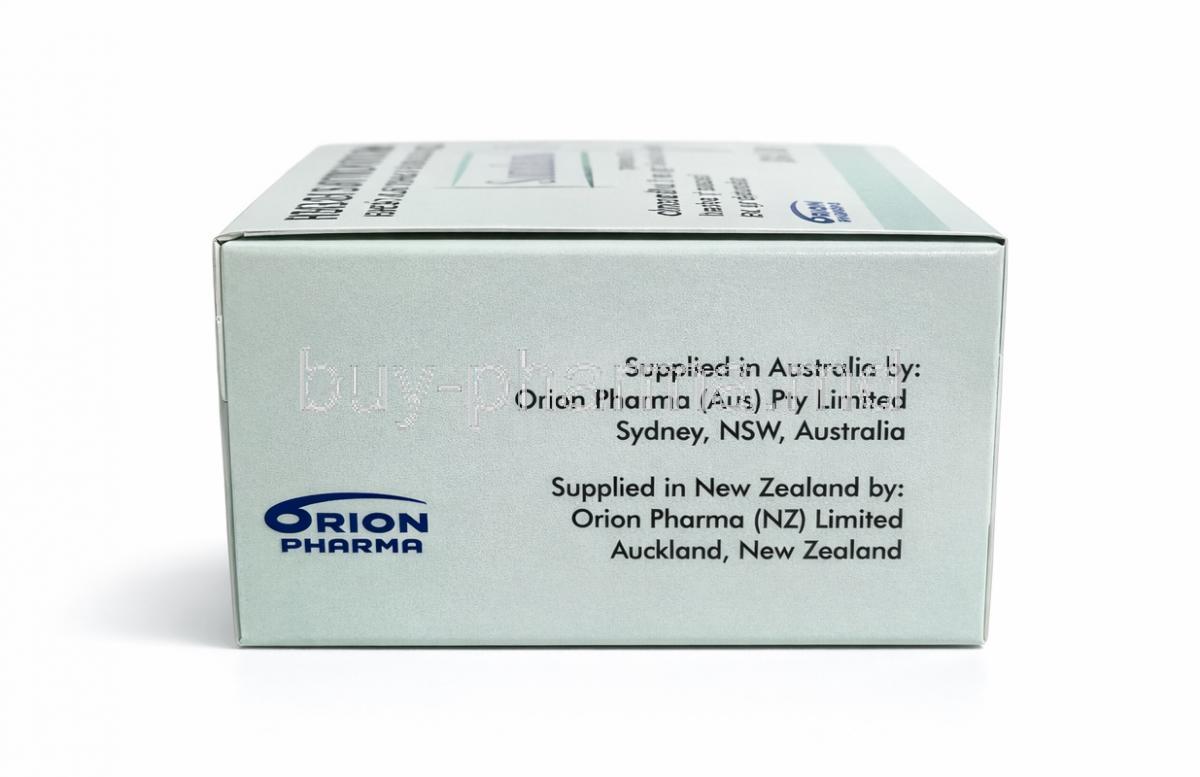
Introduction to Sandrena Gel (Estradiol)
What Is Sandrena Gel?
Sandrena Gel is a transdermal hormone replacement therapy containing estradiol, a biologically active form of estrogen naturally produced in the female body. It is formulated as a topical gel designed for cutaneous application, allowing estradiol to penetrate through the skin and enter systemic circulation gradually.
The medication is primarily prescribed to women experiencing symptoms associated with estrogen deficiency, particularly during menopause or following surgical removal of the ovaries. Unlike oral estrogen preparations, Sandrena Gel bypasses the gastrointestinal tract and hepatic first-pass metabolism, offering a distinct pharmacological profile.
- Contains estradiol as the active hormone
- Applied directly to the skin once daily
- Designed for sustained hormonal absorption
- Used in hormone replacement therapy (HRT)
Overview of Estradiol as a Hormone Replacement Therapy
Estradiol is the predominant and most potent endogenous estrogen during reproductive years. Hormone replacement therapy utilizing estradiol aims to replenish declining estrogen levels that occur naturally with menopause or prematurely due to ovarian insufficiency.
Deficiency of estrogen may precipitate a constellation of vasomotor, psychological, skeletal, and genitourinary symptoms. Estradiol therapy helps ameliorate these manifestations and may contribute to improved quality of life in appropriately selected individuals.
Hormone replacement therapy may provide benefits such as:
- Reduction of hot flashes and nocturnal sweating
- Improvement in vaginal lubrication and elasticity
- Preservation of bone mineral density
- Stabilization of mood fluctuations associated with hormonal decline
- Enhancement of sleep quality
Classification of Sandrena Gel as a Transdermal Estrogen Therapy
Sandrena Gel belongs to the category of transdermal estrogen replacement therapies. Transdermal systems deliver hormones across the epidermis into the bloodstream without requiring digestive absorption.
This mode of administration offers several pharmacokinetic advantages. Serum estradiol concentrations tend to remain comparatively stable, and hepatic stimulation may be reduced relative to oral estrogen formulations.
Transdermal estrogen therapy is often preferred in patients who:
- Have gastrointestinal intolerance to oral medications
- Require stable hormone delivery
- Possess elevated cardiovascular or thrombotic risk factors
- Experience fluctuations with oral hormone therapy
Manufacturer Information and Available Strengths
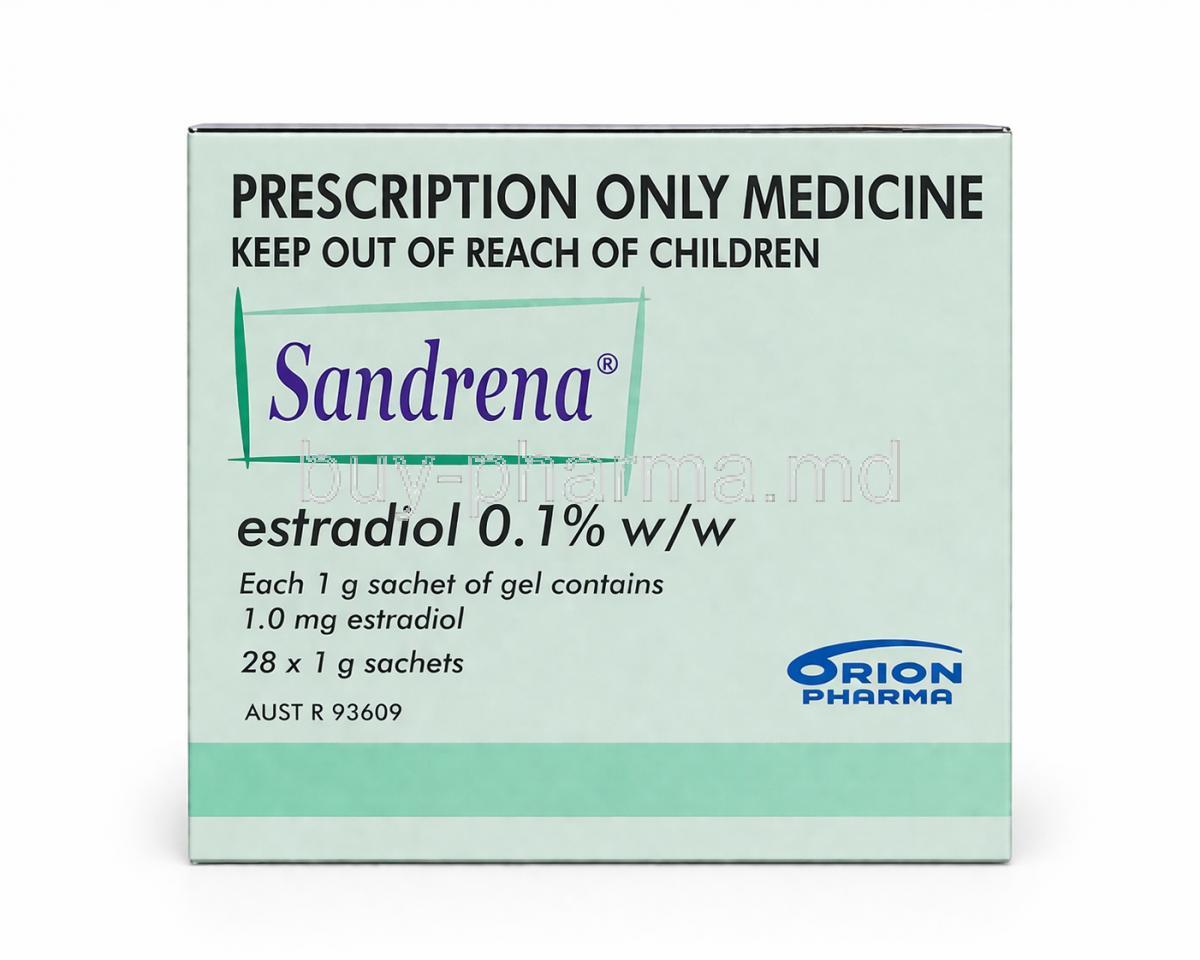
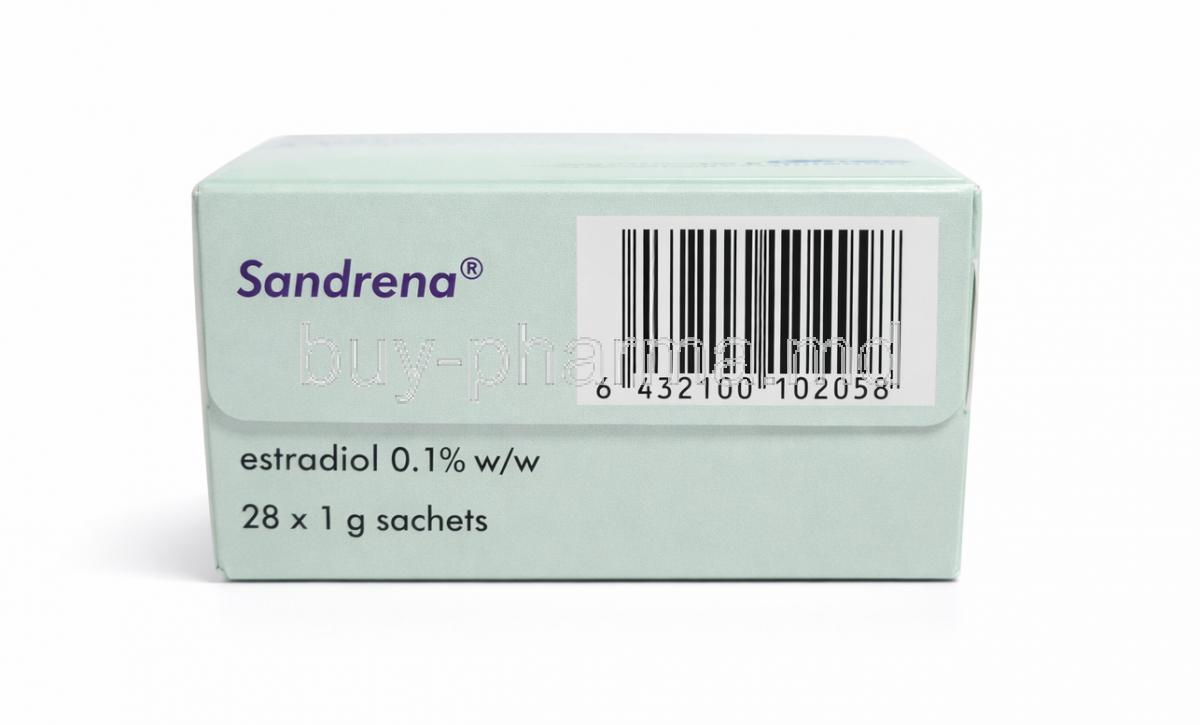
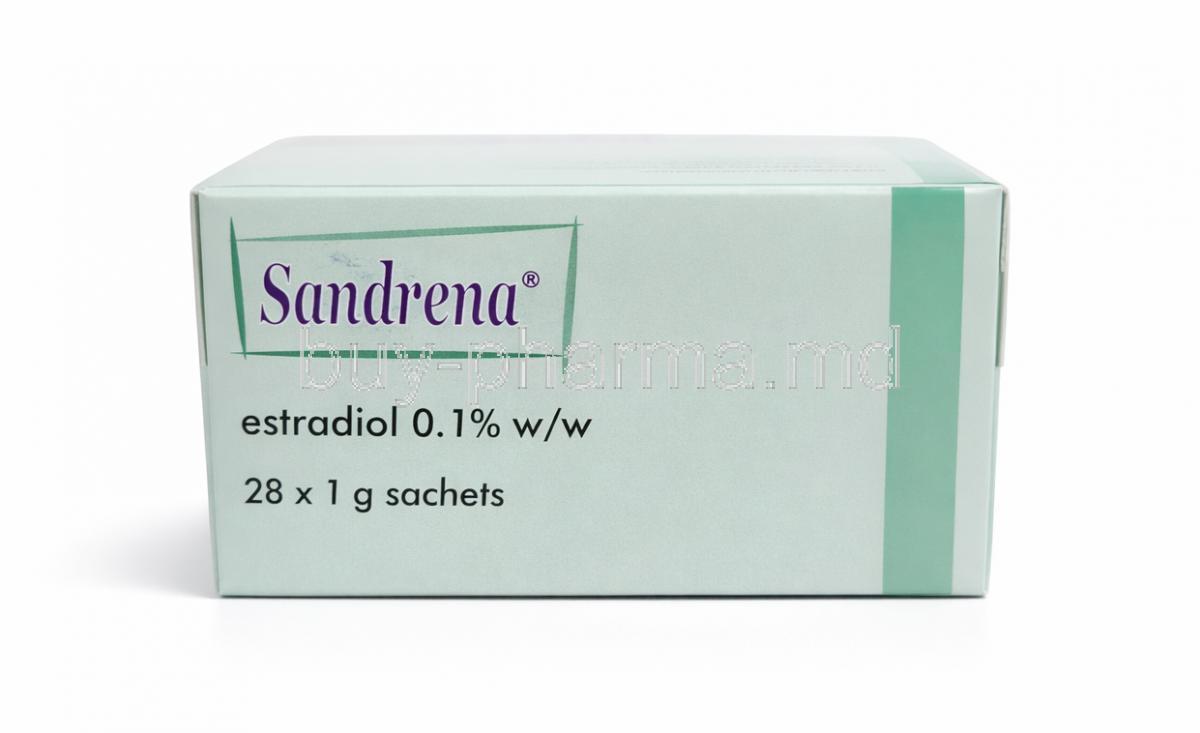
Sandrena Gel is manufactured as a metered-dose or sachet-based topical estradiol preparation. It is commonly available in varying strengths to facilitate individualized hormonal titration according to clinical response and symptom severity.
Common formulations may include:
- 0.5 mg estradiol sachets
- 1 mg estradiol sachets
Packaging configurations differ according to regional pharmaceutical regulations and distribution practices. Healthcare professionals generally determine the most suitable dosage regimen based on therapeutic objectives, age, symptom burden, and concomitant medical conditions.
Why Transdermal Estradiol Gels Are Commonly Prescribed
Transdermal estradiol gels have become increasingly prevalent because of their convenience, physiologic hormone delivery, and comparatively lower impact on hepatic protein synthesis.
Many clinicians favor gel-based systems because they permit flexible dose adjustment while avoiding gastrointestinal degradation. In addition, topical formulations may produce fewer metabolic perturbations compared with oral estrogen preparations.
Potential advantages include:
- Non-invasive administration
- Steady hormone absorption
- Avoidance of first-pass liver metabolism
- Ease of dose customization
- Reduced gastrointestinal adverse effects
Composition and Active Ingredients of Sandrena Gel
Active Ingredient: Estradiol
The primary pharmacologically active component in Sandrena Gel is estradiol. This estrogenic hormone interacts with intracellular estrogen receptors distributed throughout numerous tissues including the reproductive tract, skeletal system, cardiovascular tissues, brain, and skin.
Estradiol exerts genomic and non-genomic effects that influence cellular proliferation, vascular function, collagen maintenance, and neuroendocrine regulation.
Inactive Ingredients and Gel Base Components
In addition to estradiol, Sandrena Gel contains excipients that facilitate drug stability, texture consistency, and dermal absorption. These inactive ingredients are carefully selected to ensure even application and efficient evaporation after topical administration.
Common excipients may include:
- Purified water
- Alcohol-based solvents
- Gelling agents
- Stabilizers
The exact composition may vary depending on regional formulations.
Alcohol Content and Absorption Enhancers
Alcohol functions both as a solvent and penetration enhancer within the gel formulation. Following application, the volatile alcohol component evaporates rapidly, leaving estradiol to diffuse through the stratum corneum.
This mechanism supports efficient transcutaneous delivery and contributes to relatively predictable serum hormone levels.
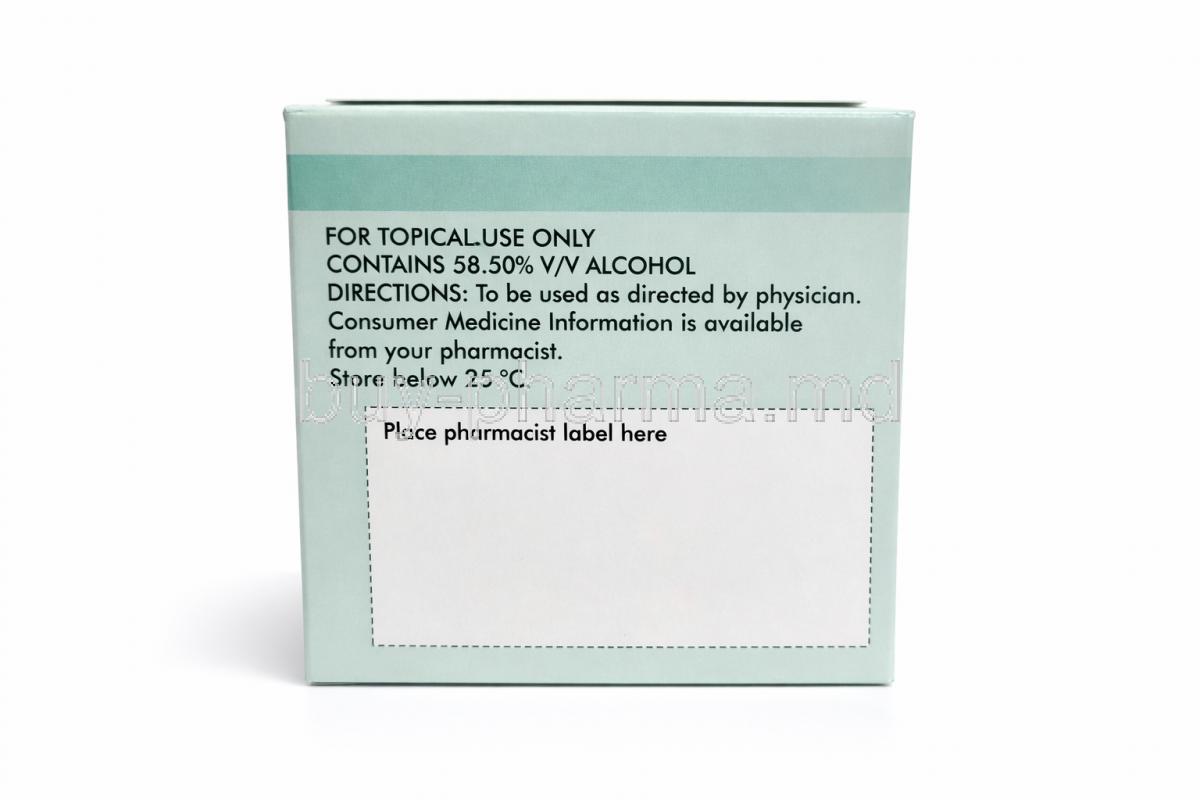
Patients should avoid applying the gel near open flames immediately after use because the alcohol content may be flammable until fully dried.
Hormonal Strength Variations and Packaging Sizes
Sandrena Gel is available in multiple dosage strengths to accommodate individualized therapeutic requirements. Lower doses may be appropriate for mild symptoms or initiation of therapy, whereas higher strengths may be necessary in severe estrogen deficiency.
Packaging typically includes individually sealed sachets that preserve dosage accuracy and reduce contamination risk.
Differences Between Sandrena Gel and Other Estradiol Products
Estradiol replacement products are available in numerous formulations including tablets, patches, sprays, vaginal preparations, and injectable systems. Sandrena Gel differs primarily in its transdermal gel delivery platform.
Compared with patches, gels may provide:
- Greater cosmetic acceptability
- Less adhesive-related skin irritation
- Flexible dosing adjustments
- Rapid drying characteristics
Compared with oral tablets, topical estradiol gels may exert less influence on clotting factors and triglyceride metabolism.
How Sandrena Gel Works
Mechanism of Action of Estradiol
Estradiol binds to estrogen receptors alpha and beta located within target tissues. Once activated, these receptors modulate transcription of estrogen-responsive genes that regulate cellular growth, metabolism, and tissue maintenance.
The hormone influences numerous physiological processes including:
- Thermoregulatory stabilization
- Bone remodeling
- Collagen synthesis
- Vascular endothelial function
- Neurotransmitter modulation
These actions collectively help alleviate symptoms associated with estrogen depletion.
Role of Estrogen in the Female Body
Estrogen is indispensable for reproductive maturation and maintenance of secondary sexual characteristics. Beyond reproductive physiology, estrogen exerts substantial effects on cardiovascular integrity, cognition, musculoskeletal health, and dermatologic structure.
Normal estrogen activity contributes to:
- Maintenance of bone density
- Regulation of menstrual cycles
- Preservation of vaginal tissue health
- Skin hydration and elasticity
- Lipid metabolism balance
Restoration of Hormonal Balance During Menopause
Menopause is characterized by declining ovarian estrogen production. This endocrine transition often produces vasomotor instability, emotional lability, sleep disruption, and genitourinary symptoms.
Sandrena Gel replenishes circulating estradiol levels, thereby mitigating many physiologic disturbances associated with menopause. Restoration of hormonal equilibrium may occur gradually over several weeks of consistent therapy.
Transdermal Delivery and Skin Absorption Mechanism
After topical application, estradiol diffuses through epidermal layers into dermal microvasculature. From there, the hormone enters systemic circulation and distributes throughout estrogen-sensitive tissues.
The transdermal route offers prolonged hormone release while bypassing gastrointestinal degradation. Absorption efficiency may vary according to skin condition, application site, and environmental factors.
Effects on Bones, Skin, Brain, Cardiovascular System, and Reproductive Tissues
Estradiol exerts pleiotropic biological effects throughout multiple organ systems.
Bone tissue benefits through inhibition of osteoclastic activity, helping reduce postmenopausal bone loss. In the skin, estradiol promotes collagen synthesis and hydration. Neurologically, estrogen may influence serotonin and dopamine pathways involved in mood and cognition.
Additional systemic effects include:
- Support of vascular endothelial function
- Maintenance of vaginal mucosal integrity
- Modulation of lipid metabolism
- Contribution to thermoregulatory stability
Pharmacokinetics of Estradiol Gel
Following dermal administration, estradiol is absorbed gradually into circulation. Peak serum concentrations are typically achieved several hours after application, though exact timing varies between individuals.
Estradiol undergoes hepatic metabolism primarily into estrone and estriol before eventual excretion through urine and bile.
Pharmacokinetic characteristics include:
- Gradual systemic absorption
- Reduced hepatic first-pass effect
- Relatively stable plasma hormone concentrations
- Daily dosing convenience
Approved Uses of Sandrena Gel
Treatment of Menopausal Symptoms
Sandrena Gel is extensively prescribed for the management of menopausal symptoms arising from estrogen deficiency. Symptom intensity varies significantly among individuals, and treatment is generally tailored according to severity and therapeutic response.
Hot Flashes and Night Sweats
Vasomotor symptoms are among the most prevalent manifestations of menopause. Sudden episodes of intense heat, perspiration, flushing, and nocturnal sweating can substantially impair daily functioning and sleep quality.
Estradiol replacement therapy may reduce both frequency and severity of these episodes by stabilizing hypothalamic thermoregulation.
Vaginal Dryness and Vulvovaginal Atrophy
Estrogen deficiency commonly causes thinning and dryness of vaginal tissues, resulting in discomfort, irritation, and dyspareunia. Sandrena Gel may improve tissue hydration and elasticity through systemic estrogen restoration.
Clinical improvement may include:
- Reduced vaginal irritation
- Enhanced lubrication
- Improved sexual comfort
- Reduced urinary discomfort associated with atrophic changes
Sleep Disturbances Related to Menopause
Hormonal fluctuations during menopause frequently contribute to insomnia, fragmented sleep, and nocturnal awakenings. Relief of vasomotor symptoms through estradiol therapy may indirectly improve sleep continuity and restorative rest.
Mood Changes and Emotional Symptoms
Some individuals experience irritability, anxiety, emotional instability, or depressive symptoms during menopausal transition. Estradiol may influence neurotransmitter pathways associated with mood regulation and emotional equilibrium.
While hormone therapy is not a primary psychiatric treatment, symptomatic improvement may occur in selected individuals.
Prevention of Postmenopausal Osteoporosis
Postmenopausal estrogen decline accelerates bone resorption and predisposes to osteoporosis. Estradiol therapy may help preserve bone mineral density and reduce fracture risk when appropriately indicated.
Bone protection is particularly relevant in women with:
- Early menopause
- Low bone density
- Family history of osteoporosis
- High fracture susceptibility
Hormone Replacement Therapy After Surgical Menopause
Women undergoing bilateral oophorectomy may experience abrupt estrogen deprivation resulting in severe menopausal symptoms. Sandrena Gel may provide hormonal supplementation to alleviate sudden endocrine deficiency.
Estrogen Replacement in Premature Ovarian Insufficiency
Premature ovarian insufficiency involves diminished ovarian activity before the typical age of menopause. Estradiol replacement may help reduce long-term complications including osteoporosis and cardiovascular changes associated with prolonged hypoestrogenism.
Hormonal Support After Oophorectomy
Removal of ovarian tissue leads to immediate reduction in endogenous estrogen production. Hormonal support with estradiol may assist in maintaining physiologic stability and improving quality of life following surgery.
Off-Label and Extended Uses of Estradiol Gel
Gender-Affirming Hormone Therapy for Transgender Women
Transdermal estradiol preparations may be utilized in gender-affirming hormone therapy protocols for transgender women under specialist supervision.
Potential therapeutic goals include:
- Breast development
- Reduction in masculine secondary characteristics
- Skin softening
- Body fat redistribution
Dosing strategies in gender-affirming care differ substantially from conventional menopausal therapy.
Hormonal Support in Hypogonadism
Certain individuals with estrogen deficiency related to hypogonadism may receive estradiol replacement to restore endocrine balance and reduce deficiency-associated complications.
Adjunctive Therapy in Infertility Treatments
Estradiol supplementation may be incorporated into assisted reproductive technology protocols to support endometrial preparation and optimize uterine receptivity.
Estrogen Supplementation During IVF Protocols
During in vitro fertilization cycles, estradiol may assist in endometrial thickening and synchronization of reproductive hormonal conditions necessary for embryo implantation.
Use in Certain Cases of Amenorrhea
Selected cases of secondary amenorrhea associated with hypoestrogenic states may benefit from estrogen replacement therapy following appropriate endocrine evaluation.
Management of Low Estrogen States
Low estrogen levels may arise from various medical conditions, intensive exercise, nutritional deficiencies, or endocrine disorders. Estradiol therapy may be considered when clinically justified.
Experimental and Investigational Uses of Transdermal Estradiol
Research continues to explore potential applications of estradiol therapy in neurocognitive health, vascular physiology, and other hormone-responsive conditions. Some investigational uses remain controversial and require further evidence.
Potential Use for Migraine Associated With Hormonal Fluctuation
Hormonal fluctuations may trigger migraine attacks in susceptible individuals. Stabilization of estrogen levels through transdermal delivery has been investigated as a potential strategy to reduce hormonally associated migraine episodes.
Dosage and Administration of Sandrena Gel
Recommended Starting Dose
The initial dosage of Sandrena Gel varies according to symptom severity, age, and therapeutic objectives. Many patients begin with lower estradiol doses to minimize adverse effects while assessing clinical response.
Healthcare providers typically individualize therapy based on:
- Severity of menopausal symptoms
- Bone health considerations
- Patient age
- Concurrent medical conditions
Dose Adjustment Based on Clinical Response
Dose titration may be necessary if symptoms persist or adverse effects develop. The lowest effective dose for the shortest clinically appropriate duration is generally recommended in hormone replacement therapy.
Application Instructions for Proper Absorption
Sandrena Gel should be applied to clean, dry, intact skin. The gel is usually spread gently in a thin layer without vigorous rubbing.
Patients should allow the gel to dry completely before dressing or bathing.
Best Areas of the Body to Apply the Gel
Common application sites include the lower abdomen, thighs, or other recommended areas specified in prescribing information.
Areas with cuts, irritation, or inflammation should be avoided.
Frequency and Timing of Administration
Sandrena Gel is generally applied once daily at approximately the same time each day to maintain relatively consistent hormone levels.
Rotating Application Sites
Rotating application areas may help reduce local skin irritation and improve tolerability during long-term therapy.
What to Do if a Dose Is Missed
If a dose is missed, it should typically be applied as soon as remembered unless the next scheduled dose is near. Double application to compensate for a missed dose is generally discouraged.
Duration of Hormone Replacement Therapy
The duration of treatment depends on therapeutic goals, symptom persistence, and individualized risk-benefit assessment. Periodic reevaluation is essential during prolonged therapy.
Use With Progestogens in Women With an Intact Uterus
Women who retain their uterus may require concomitant progestogen therapy to reduce the risk of endometrial hyperplasia associated with unopposed estrogen exposure.
Tips to Maximize Absorption and Therapeutic Effect
- Apply consistently at the same time daily
- Allow adequate drying before covering the area
- Avoid washing the site immediately after application
- Use only the prescribed quantity
- Follow clinician instructions carefully
Proper Application Technique and Handling Precautions
Preparing the Skin Before Application
The skin should be clean, dry, and free from lotions, oils, or cosmetic products that may interfere with hormone absorption.
Avoiding Broken or Irritated Skin
Application over damaged skin may increase irritation and unpredictably alter drug absorption.
Washing Hands After Use
Hands should be washed thoroughly following application to prevent inadvertent transfer of estradiol to other individuals or sensitive body areas.
Preventing Accidental Transfer to Others
Direct skin contact with the treated area should be avoided until the gel has dried completely.
Special caution is important around:
- Children
- Pregnant individuals
- Pets
Precautions Around Children and Pets
Accidental estrogen exposure may produce unintended hormonal effects in children or animals. Treated areas should remain covered after drying whenever appropriate.
Drying Time and Clothing Considerations
The gel should be permitted to dry fully before dressing. Tight clothing immediately after application may interfere with absorption.
Safe Disposal of Empty Sachets or Packaging
Used sachets should be discarded safely in accordance with local pharmaceutical waste recommendations.
Storage and Transport Precautions
Sandrena Gel should be protected from excessive heat, direct sunlight, and freezing temperatures during storage and transport.
Common Side Effects of Sandrena Gel
Skin Irritation at the Application Site
Mild erythema, itching, dryness, or irritation may occur at the site of application, particularly during initial therapy.
Breast Tenderness and Swelling
Estrogen therapy may stimulate breast tissue, leading to transient tenderness, fullness, or enlargement.
Headache and Migraine Symptoms
Some individuals experience headaches or exacerbation of migraine symptoms during hormonal adjustment phases.
Nausea and Gastrointestinal Discomfort
Nausea, abdominal discomfort, or bloating may occur in certain patients, although transdermal therapy may reduce gastrointestinal symptoms compared with oral estrogen.
Fluid Retention and Bloating
Hormonal fluctuations may contribute to mild edema or sensations of abdominal fullness.
Mood Swings and Emotional Changes
Alterations in emotional state, irritability, or mood variability may occur during treatment initiation or dose modification.
Changes in Menstrual Bleeding Patterns
Irregular spotting, breakthrough bleeding, or cyclic bleeding may occur depending on hormonal regimen and concomitant progestogen use.
Weight Fluctuation and Appetite Changes
Some individuals report modest changes in appetite or body weight during hormone replacement therapy, though responses vary considerably.
Serious and Rare Side Effects
Risk of Blood Clots and Venous Thromboembolism
Although transdermal estrogen may carry lower thrombotic risk than oral estrogen, venous thromboembolism remains a potential complication.
Symptoms requiring urgent evaluation include:
- Sudden leg swelling
- Chest pain
- Shortness of breath
- Calf tenderness
Stroke and Cardiovascular Complications
Rare cardiovascular events including stroke or myocardial infarction may occur, especially in individuals with preexisting risk factors.
Increased Risk of Certain Hormone-Dependent Cancers
Long-term estrogen exposure may influence the risk of breast cancer or other hormone-sensitive malignancies in susceptible individuals.
Gallbladder Disease
Hormone therapy may increase the likelihood of gallstone formation or gallbladder dysfunction in some patients.
Elevated Blood Pressure
Blood pressure monitoring may be advisable during prolonged therapy, particularly in individuals with hypertension history.
Liver Function Abnormalities
Rare hepatic disturbances may occur during estrogen therapy. Persistent abdominal pain or jaundice warrants medical evaluation.
Severe Allergic Reactions
Serious hypersensitivity reactions are uncommon but may include swelling, rash, respiratory difficulty, or anaphylactoid symptoms.
Endometrial Hyperplasia and Endometrial Cancer Risk
Unopposed estrogen therapy in women with an intact uterus may increase endometrial proliferation and cancer risk.
Signs That Require Immediate Medical Attention
- Sudden chest pain
- Severe headache
- Vision disturbances
- Unusual vaginal bleeding
- Difficulty breathing
- Severe allergic symptoms
Drug Interactions and Potential Influences
Interaction With Other Hormonal Therapies
Concurrent use of additional hormonal medications may alter estradiol effectiveness or adverse effect profile.
Effects of CYP450 Enzyme Inducers
Certain medications may accelerate estradiol metabolism by inducing hepatic enzymes, potentially reducing therapeutic efficacy.
Examples include:
- Rifampin
- Carbamazepine
- Phenytoin
- Phenobarbital
Interaction With Anticonvulsants
Some anticonvulsants may alter estrogen metabolism and affect hormone concentrations.
Antibiotics and Antifungal Drug Interactions
Certain antimicrobial agents may interfere with hormonal metabolism pathways, though clinical significance varies.
Interaction With Thyroid Medications
Estrogen therapy may alter thyroid-binding globulin levels and influence thyroid hormone requirements in susceptible individuals.
Influence of Herbal Supplements Such as St. John’s Wort
Herbal preparations capable of enzyme induction may reduce circulating estradiol concentrations and decrease treatment effectiveness.
Interaction With Anticoagulants and Blood Thinners
Hormonal therapy may affect coagulation dynamics and potentially influence anticoagulant response.
Alcohol and Lifestyle Factors Affecting Estradiol Therapy
Excessive alcohol intake, smoking, obesity, and sedentary lifestyle factors may influence hormone metabolism and increase cardiovascular or thrombotic risks during estrogen therapy.
Warnings and Important Safety Information
Long-Term Risks of Hormone Replacement Therapy
Sandrena Gel contains estradiol, an estrogen hormone used in hormone replacement therapy. Long-term use of estrogen therapy should be carefully evaluated because benefits may change over time as age, medical history, and cardiovascular risk factors evolve.
Therapy is generally individualized and periodically reviewed. The lowest effective dose for the shortest appropriate duration is commonly recommended, particularly when treatment is used for menopausal symptom control.
- Long-term estrogen exposure may increase certain hormone-related risks.
- Regular reassessment helps determine whether treatment remains necessary.
- Risk may differ depending on age, uterus status, dose, duration, and use of progestogen.
Risk of Breast Cancer With Prolonged Estrogen Use
Prolonged hormone replacement therapy may be associated with an increased risk of breast cancer, especially when estrogen is combined with a progestogen for extended periods. The level of risk depends on treatment duration, personal history, family history, and other endogenous factors.
Patients should promptly report breast lumps, nipple changes, skin dimpling, persistent breast pain, or unusual discharge. Vigilant surveillance is essential, not optional.
Cardiovascular Safety Considerations
Estrogen therapy may influence cardiovascular and coagulation pathways. Although transdermal estradiol may avoid first-pass hepatic metabolism, serious events such as venous thromboembolism, stroke, or myocardial infarction remain clinically important considerations.
Extra caution is appropriate in patients with:
- High blood pressure
- Obesity
- Smoking history
- Diabetes mellitus
- Previous clotting events
- Strong family history of cardiovascular disease
Risk of Dementia in Certain Age Groups
Initiating systemic hormone therapy in older postmenopausal women, particularly after the age of 65, may not provide cognitive protection and may be associated with neurological concerns in some populations.
Sandrena Gel should not be used for the purpose of preventing dementia. Cognitive symptoms, confusion, or unusual neurological changes should be assessed by a healthcare professional.
Monitoring During Long-Term Therapy
Long-term estradiol therapy requires structured medical review. Monitoring allows clinicians to detect adverse effects early, adjust the dose, and determine whether continued therapy remains justified.
Monitoring may include:
- Blood pressure checks
- Breast examination and mammography where appropriate
- Pelvic assessment
- Review of abnormal bleeding
- Assessment of cardiovascular risk factors
- Evaluation of treatment response and side effects
Importance of Regular Breast and Pelvic Examinations
Regular breast and pelvic examinations are important during estrogen therapy. These evaluations help identify changes in breast tissue, uterine lining, ovaries, cervix, and vaginal tissues.
Any unexplained vaginal bleeding, pelvic pain, breast mass, or persistent gynecological symptom should be investigated without delay.
Smoking and Hormone Therapy Risks
Smoking may increase the risk of cardiovascular complications during hormone therapy. Nicotine exposure contributes to vascular constriction, endothelial dysfunction, and prothrombotic tendencies.
Patients using estradiol therapy are generally advised to avoid smoking and reduce modifiable cardiovascular risks through lifestyle optimization.
Use Before Surgical Procedures or Prolonged Immobilization
Major surgery, prolonged bed rest, or long periods of immobility may increase the risk of blood clots. Estradiol therapy may need to be temporarily interrupted before certain procedures, depending on the patient’s risk profile and clinician judgment.
Patients should inform surgeons and anesthesiologists that they are using Sandrena Gel before planned operations.
Contraindications of Sandrena Gel
Hypersensitivity to Estradiol or Formulation Components
Sandrena Gel is contraindicated in patients with known hypersensitivity to estradiol or any component of the gel formulation. Allergic reactions may include rash, itching, swelling, severe irritation, or respiratory symptoms.
Known or Suspected Breast Cancer
Estradiol therapy should not be used in patients with known, suspected, or previous breast cancer unless specifically directed by a specialist. Estrogen may stimulate hormone-sensitive tissues and may be unsuitable in this setting.
Estrogen-Dependent Tumors
Sandrena Gel is contraindicated in patients with known or suspected estrogen-dependent tumors. These may include certain endometrial cancers and other malignancies influenced by estrogenic stimulation.
Active or History of Blood Clot Disorders
Patients with active or previous venous thromboembolism, deep vein thrombosis, pulmonary embolism, or known thrombophilic disorders should generally avoid systemic estrogen therapy unless a specialist determines otherwise.
Severe Liver Disease
Severe hepatic impairment or active liver disease may make estrogen therapy unsafe. Estradiol metabolism involves hepatic pathways, and impaired liver function may alter hormone clearance.
Unexplained Vaginal Bleeding
Unexplained genital bleeding must be evaluated before starting Sandrena Gel. Estrogen therapy may mask or aggravate underlying gynecological disorders, including endometrial pathology.
Pregnancy and Suspected Pregnancy
Sandrena Gel is contraindicated during pregnancy and should not be used when pregnancy is suspected. It is not intended for contraceptive use and does not protect against pregnancy.
History of Stroke or Heart Attack
A history of stroke, myocardial infarction, or serious arterial thromboembolic disease is generally considered a contraindication to systemic estrogen therapy.
Porphyria and Other Rare Contraindications
Patients with porphyria or rare hormone-sensitive metabolic disorders may require avoidance of estradiol therapy. Specialist assessment is recommended when rare genetic or metabolic conditions are present.
Careful Administration and Use With Caution
Patients With Hypertension
Patients with hypertension should use Sandrena Gel cautiously. Blood pressure should be monitored, especially after initiation or dose adjustment.
Women With Diabetes Mellitus
Diabetes may increase cardiovascular risk during hormone therapy. Glycemic control, vascular status, and lipid profile should be considered when evaluating the suitability of estradiol treatment.
Individuals With Migraine Disorders
Estradiol may influence migraine patterns. Some patients experience improvement with hormonal stabilization, while others may notice worsening headaches, aura, or neurological symptoms.
New-onset migraine with aura or severe unusual headache requires medical evaluation.
Use in Patients With Epilepsy
Hormonal changes may affect seizure thresholds in some individuals with epilepsy. Patients using anticonvulsants may also experience altered estradiol levels due to metabolic interactions.
Asthma and Autoimmune Disease Considerations
Patients with asthma, lupus, or autoimmune conditions may require careful monitoring because estrogen can influence inflammatory, vascular, and immune-mediated pathways in susceptible individuals.
Use in Women With Endometriosis
Estradiol may stimulate residual endometrial tissue in patients with a history of endometriosis. Symptoms such as pelvic pain, abnormal bleeding, or recurrence of endometriosis-like complaints should be assessed.
Hypertriglyceridemia and Metabolic Disorders
Patients with elevated triglycerides or metabolic disease should be monitored because estrogen therapy may influence lipid metabolism. Severe hypertriglyceridemia may increase pancreatitis risk.
Patients With Renal or Hepatic Impairment
Renal or hepatic impairment may affect fluid balance, hormone metabolism, and overall tolerability. Lower doses or closer clinical observation may be necessary in selected patients.
Important Precautions During Therapy
Regular Medical Monitoring Requirements
Patients using Sandrena Gel should receive periodic medical review to assess treatment benefit, adverse effects, and ongoing need for therapy. Monitoring should be individualized according to age, risk profile, and clinical indication.
Mammography and Gynecological Follow-Up
Mammography and gynecological follow-up should be performed according to medical guidance and local screening recommendations. This is especially important for patients receiving long-term hormone therapy.
Monitoring Bone Health During Long-Term Use
Estradiol may help maintain bone mineral density in postmenopausal women, but bone health should still be assessed when fracture risk is elevated. Calcium intake, vitamin D status, resistance exercise, and fall prevention may also be relevant.
Evaluating Risks Versus Benefits Periodically
The need for Sandrena Gel should be reassessed regularly. Persistent vasomotor symptoms, osteoporosis risk, quality-of-life impairment, and personal safety factors should all be weighed carefully.
Recognizing Early Signs of Adverse Effects
Early identification of adverse effects can prevent more serious complications. Patients should be alert for unusual symptoms and seek medical guidance when changes occur.
- Unexplained vaginal bleeding
- Breast lumps or nipple changes
- Sudden chest pain
- Shortness of breath
- Severe headache or vision changes
- Leg swelling or calf pain
Lifestyle Measures to Improve Hormonal Therapy Outcomes
Healthy lifestyle measures may improve the overall safety and effectiveness of hormone therapy. Cardiometabolic resilience matters.
- Maintain a healthy body weight
- Avoid smoking
- Limit excessive alcohol intake
- Engage in regular weight-bearing exercise
- Support bone health with adequate nutrition
- Manage blood pressure, cholesterol, and glucose levels
Importance of Adhering to Prescribed Dosage
Using more gel than prescribed does not improve safety or therapeutic precision. Excessive estradiol exposure may increase adverse effects, including breast tenderness, nausea, bleeding irregularities, and thrombotic risk.
Administration to Elderly Patients
Considerations in Women Over 65 Years
Use of systemic estrogen therapy in women over 65 requires careful individualized assessment. Age-related cardiovascular, neurological, and malignancy risks should be considered before continuing or initiating treatment.
Increased Cardiovascular and Thrombotic Risks
Older patients may have increased baseline risk of blood clots, stroke, hypertension, and coronary artery disease. These risks may influence whether Sandrena Gel is appropriate.
Bone Health Benefits in Elderly Patients
Estradiol may support bone mineral density, but it is not always the first-line option for osteoporosis prevention in older patients. Alternative therapies may be preferred depending on fracture risk and contraindications.
Dose Adjustments and Monitoring
Elderly patients may require the lowest effective dose with more frequent monitoring. Clinical review should focus on adverse effects, abnormal bleeding, breast changes, cognition, and cardiovascular status.
Cognitive and Neurological Considerations
Hormone therapy should not be used to prevent cognitive decline. Any new confusion, neurological deficit, or significant cognitive change should be medically assessed.
Administration to Pregnant Women and Nursing Mothers
Contraindicated Use During Pregnancy
Sandrena Gel is contraindicated during pregnancy. It is not intended for use in pregnant patients and should be discontinued if pregnancy is confirmed.
Potential Risks to the Developing Fetus
Unnecessary hormone exposure during pregnancy may pose developmental concerns. Any accidental exposure should be discussed with a healthcare professional for individualized guidance.
Actions to Take if Pregnancy Occurs During Therapy
If pregnancy occurs while using Sandrena Gel, treatment should be stopped and medical advice should be obtained promptly. Evaluation may include confirmation of pregnancy status and review of exposure timing.
Transfer of Estradiol Into Breast Milk
Estradiol may pass into breast milk. Systemic estrogen therapy is generally not recommended during breastfeeding unless specifically advised by a healthcare professional.
Effects on Milk Production and Infant Exposure
Estrogen may reduce milk production and may expose the nursing infant to exogenous hormone. Alternative therapies may be considered for lactating patients.
Administration to Children and Adolescents
Limited Pediatric Use of Estradiol Gel
Sandrena Gel is not generally intended for routine pediatric use. Use in children or adolescents requires specialist supervision and a clearly defined endocrine indication.
Use in Delayed Puberty Under Specialist Supervision
Estradiol may be used in selected cases of delayed puberty or hypogonadism under pediatric endocrinology care. Dosing must be cautious, gradual, and closely monitored.
Hormonal Monitoring in Younger Patients
Younger patients require careful monitoring of growth, pubertal progression, hormone levels, and skeletal maturation. Unsupervised use can disrupt normal development.
Risks of Premature Epiphyseal Closure
Excess estrogen exposure may accelerate bone maturation and contribute to premature closure of growth plates. This may compromise final adult height.
Safety and Efficacy Considerations in Adolescents
Safety data for estradiol gel in adolescents may be limited depending on indication. Treatment should be guided by specialists familiar with pediatric endocrine therapy.
Overdose and Emergency Management
Symptoms of Estradiol Overdose
Excess estradiol exposure may cause hormonal adverse effects. Overdose is usually managed with discontinuation and supportive care, but medical advice is recommended when symptoms are significant.
Severe Nausea and Vomiting
Nausea, vomiting, abdominal discomfort, and malaise may occur after excessive estrogen exposure.
Abnormal Vaginal Bleeding
Unexpected vaginal bleeding may occur after overdose or excessive dosing. Persistent, heavy, or unexplained bleeding should be medically evaluated.
Hormonal Imbalance Symptoms
Possible symptoms include breast tenderness, bloating, headache, dizziness, mood changes, and fluid retention.
Recommended Medical Management
Management is typically symptomatic and supportive. The gel should be removed from the skin if recently applied, and further doses should be withheld until medical guidance is obtained.
Supportive Care and Monitoring
Monitoring may include assessment of vital signs, symptom severity, bleeding pattern, and risk factors for thrombotic or cardiovascular events.
When to Seek Emergency Medical Attention
Emergency care is required if overdose is accompanied by chest pain, shortness of breath, fainting, severe headache, vision changes, unilateral weakness, or signs of a serious allergic reaction.
Storage Instructions for Sandrena Gel
Recommended Storage Temperature
Sandrena Gel should be stored according to the temperature range stated on the product packaging or prescribing information. It should generally be kept at room temperature unless otherwise instructed.
Protecting the Gel From Heat and Moisture
The gel should be protected from excessive heat, moisture, and freezing conditions. Heat may compromise product stability and alcohol-based formulations may be flammable before drying.
Keeping the Product Away From Direct Sunlight
Direct sunlight may degrade sensitive pharmaceutical formulations. Sandrena Gel should be stored in its original packaging until use.
Safe Storage Away From Children and Pets
Sandrena Gel should be kept out of reach of children and pets. Accidental exposure may cause unintended hormonal effects.
Shelf Life and Expiry Considerations
Expired gel should not be used. The expiry date should be checked before application, and any sachet that appears damaged, leaking, or altered should be discarded safely.
Precautions During Travel
During travel, Sandrena Gel should be kept in its original packaging, protected from heat, and stored securely to prevent leakage or accidental exposure. Carrying a medication list may be helpful for customs or medical situations.
Popular Products


Similar Product