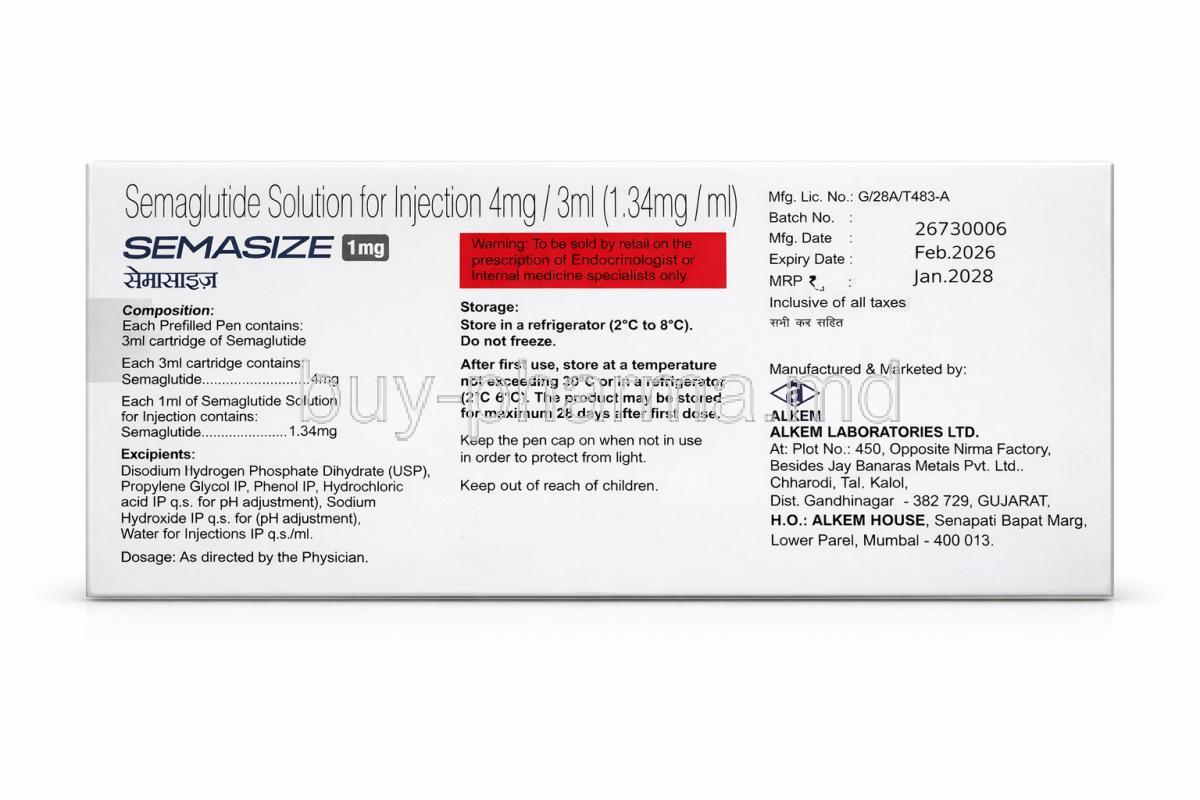
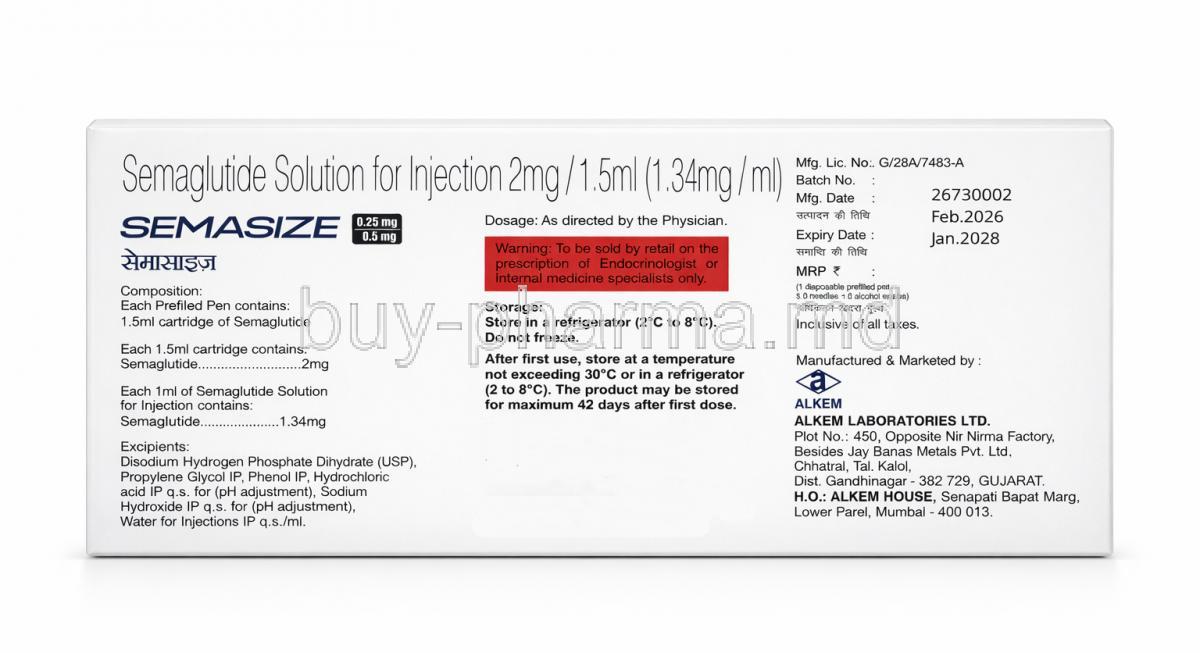
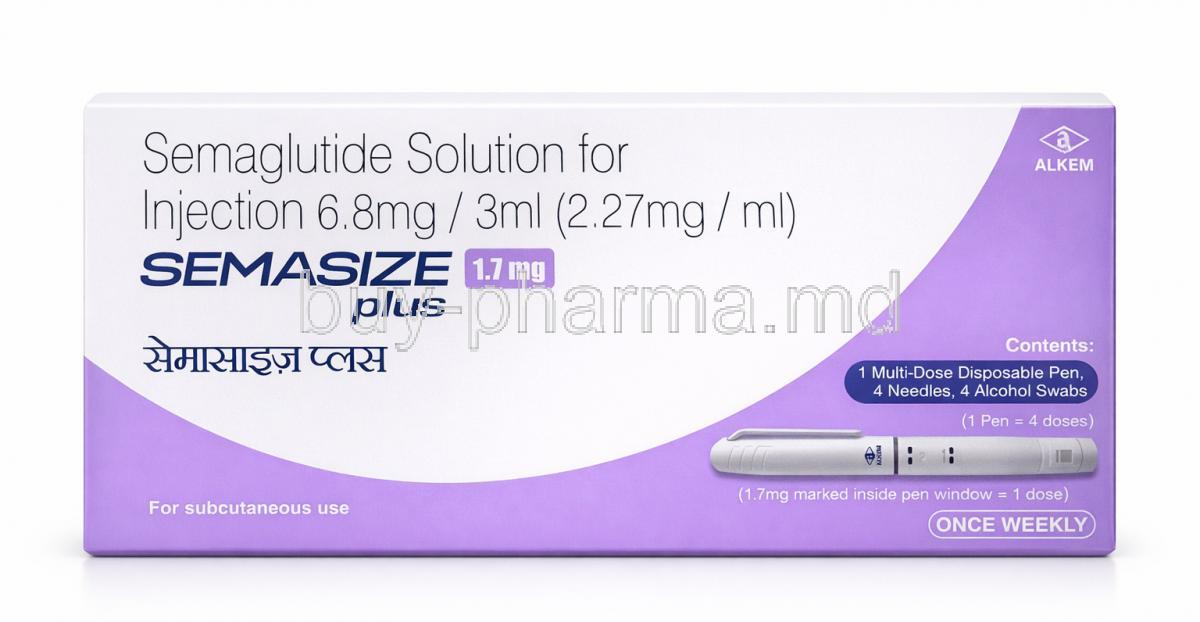
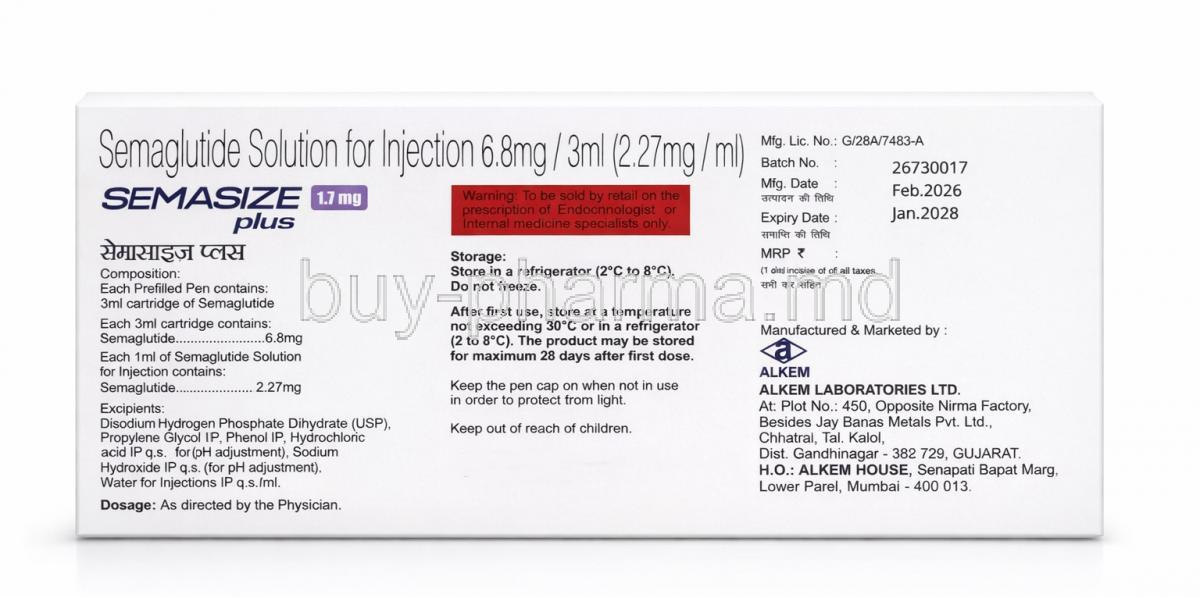
SemaSize Pen Injection, Semaglutide
- 1. Introduction to SemaSize Pen Injection (Semaglutide)
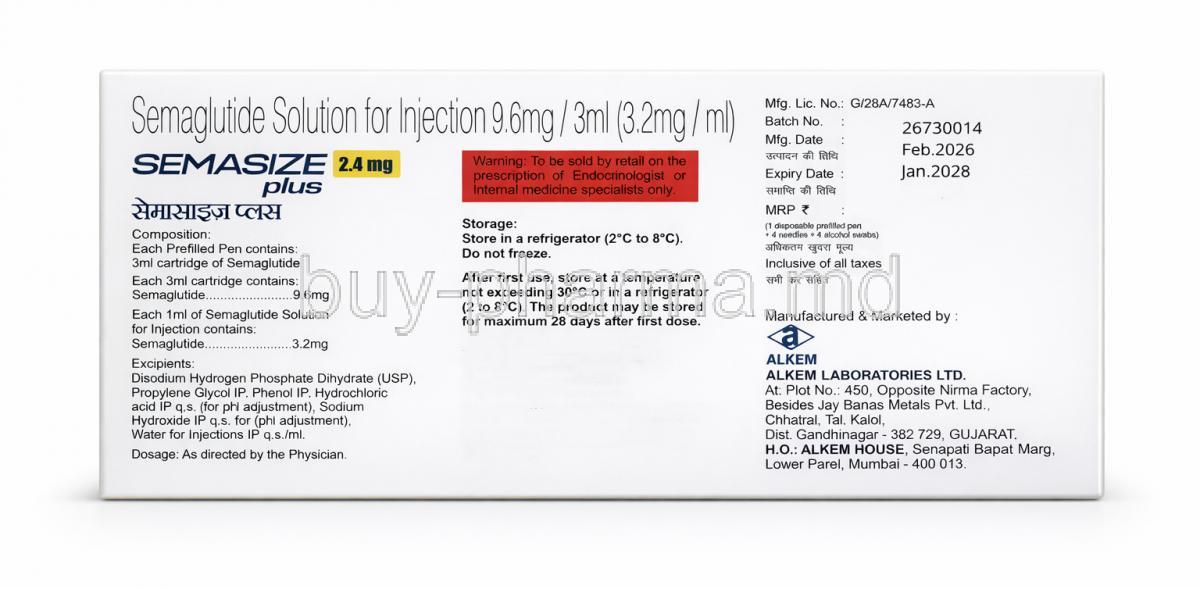
- 2. Composition and Formulation Details
- 3. Mechanism of Action: How does Semaglutide Works
- 4. Approved Medical Uses of SemaSize Pen Injection
- 5. Expanded and Off-Label Uses of Semaglutide
- 5.1 Prediabetes and Insulin Resistance Management
- 5.2 Semaglutide for PCOS:Â Weight and Metabolic Control
- 5.3 Non-Alcoholic Fatty Liver Disease (NAFLD) and NASH
- 5.4 Obesity-Related Hypertension and Dyslipidemia
- 5.5 Appetite Suppression and Behavioral Weight Loss Programs
- 5.6 Potential Neuroprotective and Cognitive Benefits (Emerging Research)
- 5.7 Adjunct in Metabolic Syndrome Management
- 6. Dosage and Administration Guidelines
- 7. Handling and Administration Instructions
- 8. Storage and Stability Requirements
- 9. Side Effects of Semaglutide Injection
- 10. Serious and Long-Term Side Effects
- 11. Drug Interactions and Compatibility
- 12. Contraindications of SemaSize Pen Injection
- 13. Warnings and Safety Considerations
- 14. Careful Administration (Use with Caution)
- 15. Important Precautions for Safe Use
- 16. Administration to Special Populations
- 17. Overdosage and Emergency Management
- 18. Handling Precautions and Safety Measures
- 19. Clinical Effectiveness and Patient Outcomes
1. Introduction to SemaSize Pen Injection (Semaglutide)
1.1 Overview of Semaglutide as a GLP-1 Receptor Agonist
SemaSize Pen Injection contains semaglutide, a long-acting glucagon-like peptide-1 (GLP-1) receptor agonist. It mimics endogenous incretin hormones, orchestrating glucose homeostasis with remarkable precision. Its pharmacological profile extends beyond glycemic control, influencing appetite regulation and metabolic efficiency.
- Enhances insulin secretion in a glucose-dependent manner
- Reduces glucagon output during hyperglycemia
- Modulates central satiety pathways
1.2 Product Description and Delivery System (Pre-filled Pen Injection)
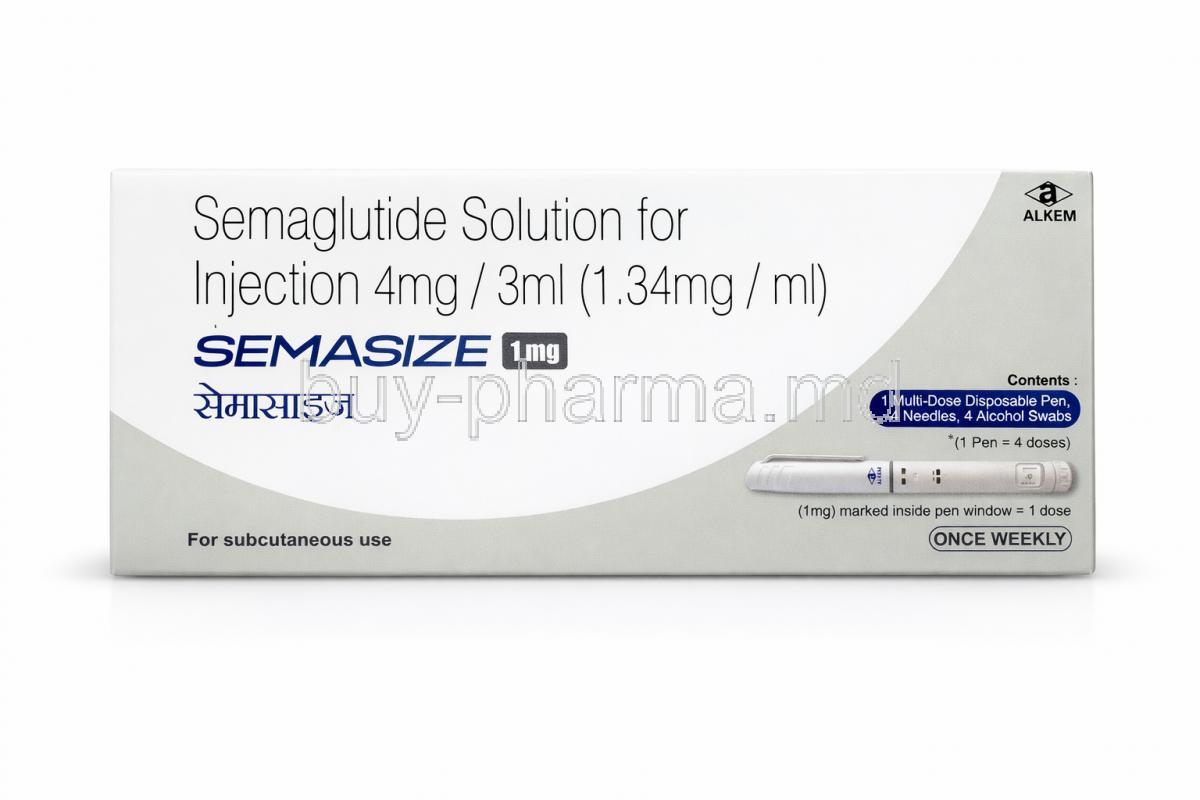
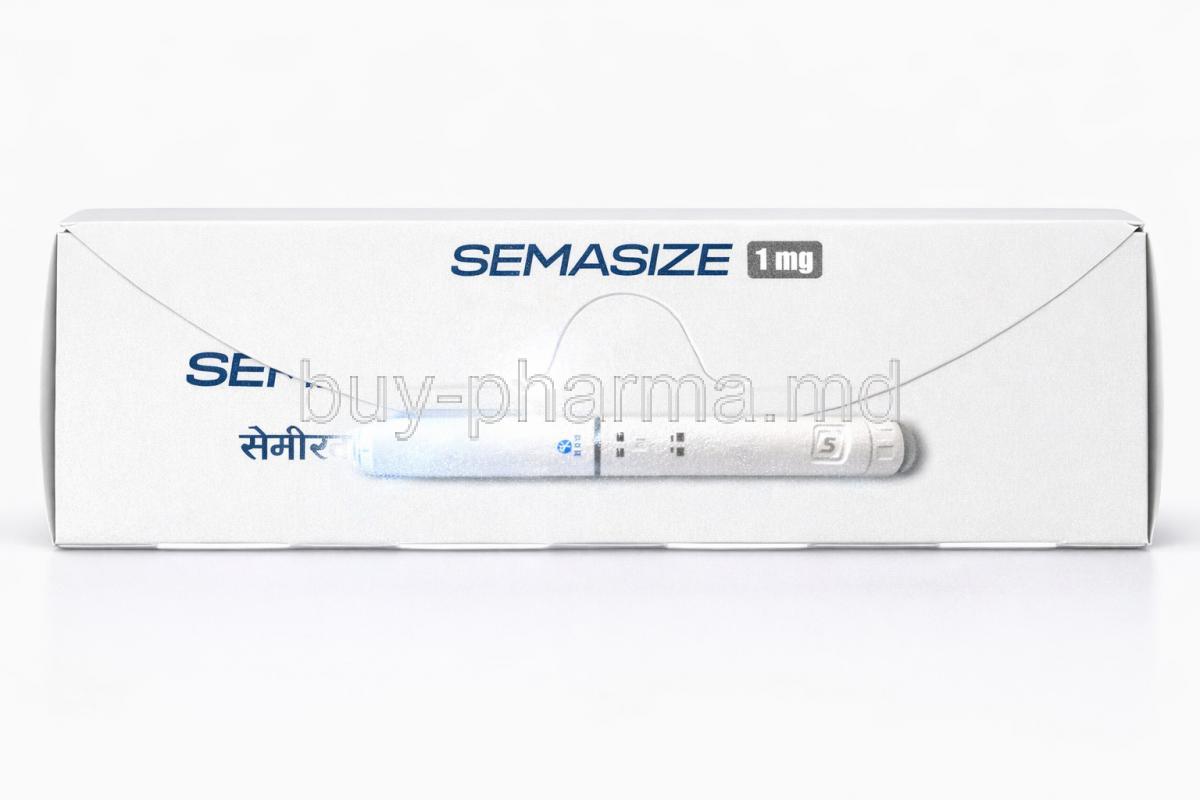
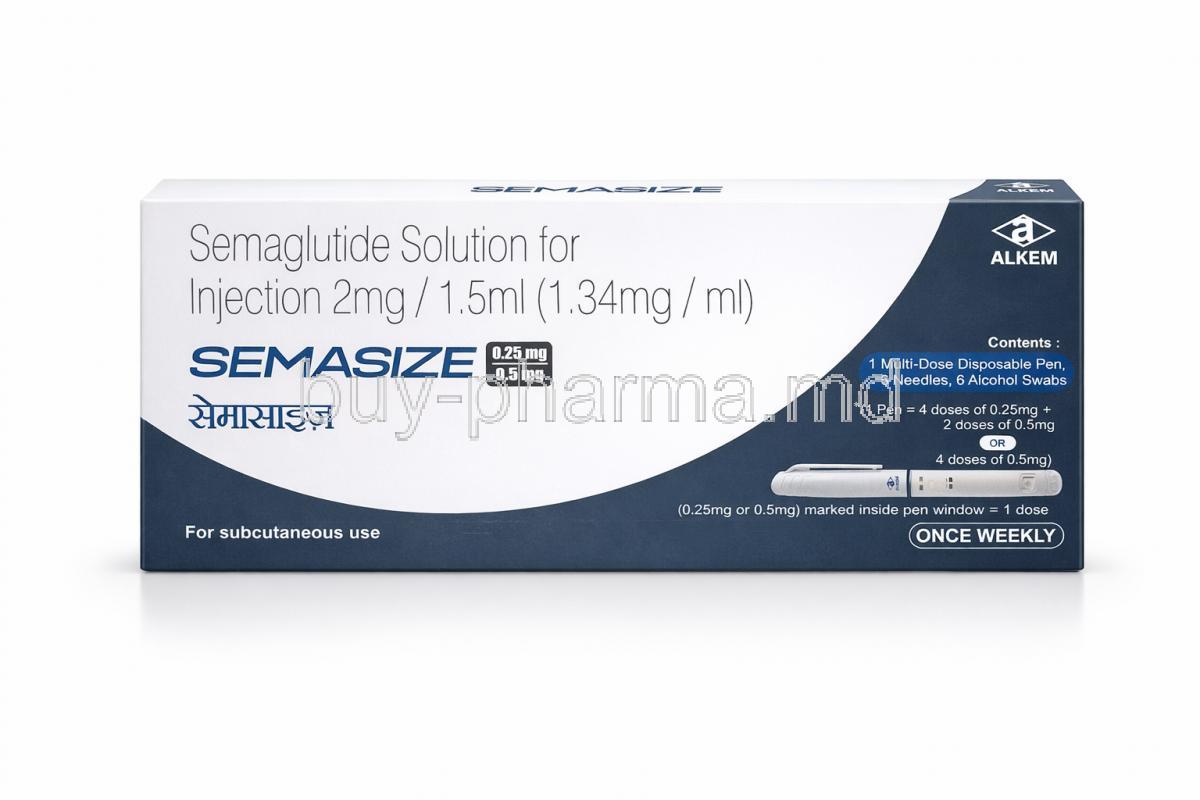
The formulation is presented as a pre-filled, single-patient-use pen device designed for subcutaneous administration. It ensures dosing accuracy and user convenience, minimizing preparation complexity. The ergonomic architecture supports consistent delivery, even in patients with limited dexterity.

1.3 Therapeutic Classification and Clinical Significance
Semaglutide belongs to the incretin mimetic class, specifically GLP-1 receptor agonists. It has emerged as a cornerstone therapy in metabolic disease management, particularly in type 2 diabetes and obesity. Its pleiotropic effects distinguish it from traditional antihyperglycemic agents.
1.4 How much weight can you lose on semaglutide
Semaglutide can lead to significant average weight loss over 68 weeks, with clinical trials indicating an average reduction of approximately 15% to 16% of body weight. Clinical trials show that while using this medication, people often experience consistent weight reduction over time

2. Composition and Formulation Details
2.1 Active Ingredient: Semaglutide Concentration and Strengths
Each pen delivers precise concentrations of semaglutide tailored for titration. Available strengths support gradual dose escalation, optimizing tolerability while maintaining therapeutic efficacy.

2.2 Inactive Ingredients and Excipients
The formulation includes stabilizing excipients that preserve molecular integrity and bioavailability. These may include buffers, isotonic agents, and preservatives designed to ensure sterility and physicochemical stability.
2.3 Mechanism of Sustained Release and Stability
Semaglutide exhibits prolonged activity due to structural modifications that enhance albumin binding. This slows renal clearance and enzymatic degradation, enabling once-weekly dosing without compromising potency.
2.4 Pharmaceutical Form and Packaging Configuration
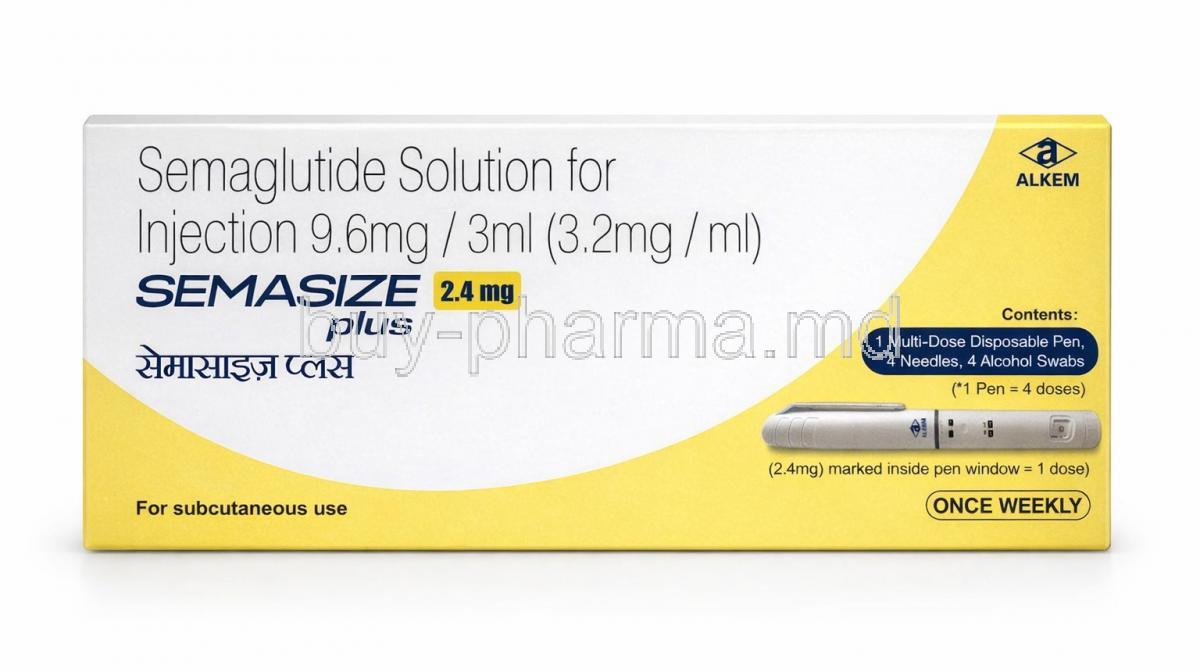
The product comes in special pens that are already filled and completely clean. These pens are made to meet very high standards for medicines. Each pen is set up to give more than one dose, so the same amount of medicine is delivered every time it's used.
Compound semaglutide
Compounded semaglutide, which is a special version of this ingredient made by certain pharmacies, help with shortages or to give patients exactly what they need, like a smaller dose or a different way of taking it. The good thing about compounded semaglutide is that it can be cheaper and easier to get.
Sublingual semaglutide
Sublingual semaglutide is a special kind of medicine that you don't have to inject. Instead, it's a liquid that you put under your tongue, and it gets absorbed right into your bloodstream. This way, it doesn't have to go through your digestive system, so it works better. People often use it to lose weight.
Zepbound vs semaglutide
Zepbound (tirzepatide) and semaglutide are highly effective, once-weekly injectable medications for weight loss that work by mimicking satiety hormones. Zepbound is generally more effective, with studies showing up to 21% weight loss, compared to ~15-19% for high-dose semaglutide.
Semaglutide with b12
Semaglutide with B12 is a special medicine that has two main parts: one helps reduce hunger, and the other gives you more energy. The first part, called a GLP-1 receptor agonist, works by making you feel less hungry. The second part is Vitamin B12, which helps boost your energy and metabolism. On average, people who use it for six months can lose around 10-11% of their body weight. It does this by reducing your appetite and helping you feel less tired.
Dulaglutide vs semaglutide
Semaglutide generally shows superior efficacy in reducing HbA1c and promoting weight loss compared to Dulaglutide, though both are highly effective, once-weekly GLP-1 receptor agonists for type 2 diabetes. Semaglutide, particularly at higher doses, has demonstrated greater weight loss results and is often preferred for more intensive glycemic control.
Tirzepatide vs semaglutide
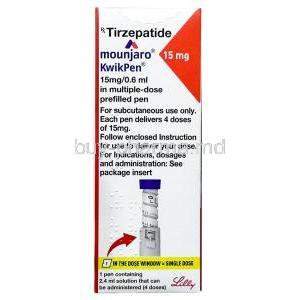
Tirzepatide generally provides superior weight loss (up to 22.5%) and blood sugar control compared to semaglutide. Tirzepatide acts as a dual agonist (GLP-1 + GIP), while semaglutide is a single GLP-1 agonist. Both are weekly injections, but tirzepatide often yields higher, faster results.
Liraglutide vs semaglutide
Semaglutide is generally more effective than liraglutide for weight loss and blood sugar control, offering the convenience of a once-weekly injection compared to daily injections. Semaglutide leads to greater weight reduction and higher HbA1c reductions, though it may have higher rates of gastrointestinal side effects
Metformin vs semaglutide
Metformin is often the first choice, given its affordability and simplicity as a daily oral pill. On the other hand, semaglutide stands out for its once-weekly injection regimen, which not only tends to result in more significant weight loss - up to around 11% - but also provides notable cardiovascular benefits. This difference in administration and impact highlights the importance of considering individual patient needs and responses when deciding between these two treatments.
3. Mechanism of Action: How does Semaglutide Works
3.1 GLP-1 Receptor Activation and Insulin Secretion Enhancement

3.2 Suppression of Glucagon Release and Hepatic Glucose Output
Semaglutide helps control blood sugar levels by reducing the amount of glucagon released. This also slows down the liver's production of glucose. As a result, it keeps blood sugar levels stable, both when you're fasting and after you eat.

3.3 Delayed Gastric Emptying and Appetite Regulation
This medicine works by slowing down how fast the stomach moves, which helps the body absorb nutrients from food more slowly. At the same time, it affects the part of the brain that controls hunger, making people feel full and reducing how many calories they eat.
3.4 Effects on Body Weight and Energy Balance
Weight reduction is achieved through:
- Appetite suppression
- Reduced energy intake
- Behavioral reinforcement of dietary control
3.5 Cardiometabolic Benefits and Risk Reduction
Semaglutide contributes to improved lipid profiles, reduced inflammation, and lower cardiovascular risk. These benefits extend beyond glycemic metrics, reflecting its systemic metabolic impact.
4. Approved Medical Uses of SemaSize Pen Injection
4.1 Type 2 Diabetes Mellitus Management
SemaSize is indicated for improving glycemic control in adults with type 2 diabetes. It reduces HbA1c levels and stabilizes daily glucose fluctuations.

4.2 Glycemic Control in Combination with Other Antidiabetic Agents
It can be combined with:
Combination therapy enhances glycemic outcomes while minimizing adverse effects.
4.3 Cardiovascular Risk Reduction in Diabetic Patients
4.4 Chronic Weight Management in Obese and Overweight Individuals

5. Expanded and Off-Label Uses of Semaglutide
5.1 Prediabetes and Insulin Resistance Management
5.2 Semaglutide for PCOS: Weight and Metabolic Control

5.3 Non-Alcoholic Fatty Liver Disease (NAFLD) and NASH

5.4 Obesity-Related Hypertension and Dyslipidemia
Weight loss induced by semaglutide contributes to improved blood pressure and lipid parameters.
5.5 Appetite Suppression and Behavioral Weight Loss Programs

5.6 Potential Neuroprotective and Cognitive Benefits (Emerging Research)
5.7 Adjunct in Metabolic Syndrome Management
6. Dosage and Administration Guidelines
6.1 Recommended Starting Dose and Titration Schedule
Treatment usually starts with a small amount and is slowly increased to reduce stomach problems.
Semaglutide dosage in units:
- 10-15 units per week for the first 4 weeks
- 15-20 units per week for the next 2 weeks
- 20-25 units per week for 3 weeks after that
- 30-50 units per week from week 10 onwards.
6.2 Semaglutide Dosing Schedule
You can get the injection once a week, and it doesn't matter what day you choose. You can take it with or without food, just try to take it at the same time every week.
6.3 Where to inject Semaglutide
Common injection sites include:
- Abdomen
- Thigh
- Upper arm

6.4 Dose Adjustment in Special Populations
For patients with kidney or liver problems, their treatment might need to be adjusted based on how their body responds to it.
6.5 Missed Dose Instructions and Treatment Continuity
If you miss a dose, give it as soon as you can, but don't wait too long. If it's already close to the time for the next dose, just skip the missed one and go back to your regular schedule.
7. Handling and Administration Instructions
7.1 Preparation of the Pen Before Injection
Inspect the solution for clarity and ensure proper pen functionality before use.
Semaglutide dosage chart
- To start with, the initial dose is 3 milligrams, once a day, and this goes on for 30 days.
- After that, the dose increases to 7 milligrams
- For maintenance, the dose can be anywhere from 7 to 14 milligrams
7.2 How to inject semaglutide
- To give an injection, first clean the area with alcohol to prevent infection.
- Then, gently pinch the skin to create a fold, and carefully insert the needle straight in, at a 90-degree angle.
- It's essential to inject the medication slowly to avoid discomfort.
7.3 Safe Injection Practices and Hygiene Protocols
Maintain aseptic technique to prevent infection and ensure accurate delivery.
7.4 Storage During Use vs. Unopened Storage
Unopened, properly refrigerated (36°F–46°F) injectable semaglutide is generally stable until the expiration date on the package. It must be kept in its original carton, away from light and the refrigerator's cooling element, and never frozen. Once opened, it should be used within 56 days
7.5 Avoiding Contamination and Cross-Use
Pens must not be shared between individuals, even with needle changes.
Microdosing semaglutide
Taking a small amount of semaglutide, less than what's normally prescribed, can help reduce side effects like feeling sick or throwing up. This method, which isn't the usual way the medicine is given, might still help with weight loss or keep metabolism working well, and it's often used for people who are more sensitive. By using less of the medicine, people can try to avoid the bad side effects while still getting some of the good effects, like losing weight or staying healthy.
8. Storage and Stability Requirements
8.1 Recommended Storage Temperature and Conditions
Keep it cool and away from heat and light. Store it in the fridge, but don't let it freeze.
8.2 Shelf Life and Expiry Considerations
Adhere strictly to expiration dates to maintain efficacy and safety.
8.3 Handling During Transportation and Travel
Use insulated carriers to maintain temperature stability during transit.
8.4 Stability After First Use
When you open the product, it will stay good for a little while if you keep it the way you're supposed to.
9. Side Effects of Semaglutide Injection
9.1 Gastrointestinal Symptoms (Nausea, Vomiting, Diarrhea)
These are the most common side effects that people have reported, and they usually don't last long and depend on the dose.
9.2 Reduced Appetite and Early Satiety
9.3 Mild Injection Site Reactions
Sometimes, you might see a little redness or irritation, but it usually goes away on its own without needing any treatment.
9.4 Semaglutide headache
Some people may have systemic symptoms from time to time, but they are usually not very serious.

10. Serious and Long-Term Side Effects
10.1 Risk of Pancreatitis and Gallbladder Disease
Patients should be monitored for signs of pancreatitis, including severe abdominal pain.

10.2 Thyroid C-cell Tumor Risk (Animal Studies Context)
Early data point to a possible risk. Scientists are still evaluating clinical relevance.

10.3 Hypoglycemia (Especially with Insulin or Sulfonylureas)
Risk increases when combined with other glucose-lowering agents.
10.4 Renal Function Impairment Due to Dehydration
Severe gastrointestinal symptoms may lead to dehydration, affecting renal function.
10.5 Severe Gastrointestinal Intolerance
Persistent or severe symptoms may necessitate dose adjustment or discontinuation.
10.6 Semaglutide hair loss
Losing hair can be a side effect of Semaglutide, but it's not very common - less than 5% of people taking it will experience this. When it does happen, it's usually because of rapid weight loss, not getting enough nutrients, or stress on the body, rather than the drug itself. This type of hair loss is called telogen effluvium. It typically starts 3 to 6 months after treatment starts, but the good news is that it usually goes away on its own.

Tirzepatide vs. Semaglutide Side Effects
Tirzepatide and semaglutide have very similar side effects, mainly affecting the stomach and intestines. People taking these medicines often experience nausea, diarrhea, vomiting, and constipation. These problems usually depend on the dose and are more common when starting treatment or increasing the dose. Even though they are very similar, some people find tirzepatide a bit easier to tolerate.
11. Drug Interactions and Compatibility
11.1 Interaction with Oral Antidiabetic Medications
Semaglutide may be co-administered with oral antidiabetic agents, yet pharmacodynamic interactions require careful calibration. The additive glucose-lowering effect can potentiate hypoglycemia, particularly when combined with insulin secretagogues.
- Sulfonylureas may increase hypoglycemia risk
- Metformin generally exhibits complementary action
- Dose adjustments may be necessary based on glycemic response
11.2 Impact on Absorption of Oral Drugs (Delayed Gastric Emptying)
Semaglutide delays gastric emptying, altering the pharmacokinetics of concurrently administered oral medications. This effect may influence drug absorption rates, particularly for agents requiring rapid onset.
Clinical vigilance is warranted when administering:
- Narrow therapeutic index drugs
- Time-sensitive medications such as antibiotics
- Oral contraceptives in specific scenarios
11.3 Concomitant Use with Insulin Therapy
Combined use with insulin enhances glycemic control but necessitates cautious titration. The risk of hypoglycemia increases, especially during initial co-administration phases.
11.4 Interaction with Weight Loss Medications
Concurrent use with other weight-modulating agents may amplify appetite suppression. However, overlapping mechanisms can increase gastrointestinal intolerance or metabolic imbalance.
11.5 Alcohol and Its Effects on Glycemic Control
Alcohol consumption may destabilize glucose homeostasis. It can precipitate both hypoglycemia and hyperglycemia depending on intake patterns and hepatic function.
12. Contraindications of SemaSize Pen Injection
12.1 Hypersensitivity to Semaglutide or Components
Patients with known hypersensitivity reactions to semaglutide or formulation components must avoid use. Allergic manifestations may include rash, pruritus, or more severe systemic responses.
12.2 Personal or Family History of Medullary Thyroid Carcinoma
Semaglutide shouldn't be given to people who have had medullary thyroid carcinoma in the past. The reason for this warning is that some studies on animals have suggested it might cause C-cells in the thyroid to multiply, which could be a problem.

12.3 Multiple Endocrine Neoplasia Syndrome Type 2 (MEN 2)
Patients diagnosed with MEN 2 are at increased risk of endocrine tumors. The use of semaglutide in this population is contraindicated due to potential exacerbation of neoplastic processes.
12.4 Severe Gastrointestinal Disease (e.g., Gastroparesis)

13. Warnings and Safety Considerations
13.1 Risk of Thyroid Tumors and Required Monitoring
Long-term safety data necessitate vigilance regarding thyroid health. Patients should be monitored for symptoms such as neck swelling or dysphagia.
13.2 Pancreatitis Warning Signs and Clinical Management
Acute pancreatitis is a big deal, even if it doesn't happen often. When it does, it can cause some pretty bad symptoms, like a sharp pain in your stomach that can spread to your back. Usually, people with acute pancreatitis also feel nauseous, which can be really uncomfortable.
13.3 Risk of Hypoglycemia with Combination Therapy
When semaglutide is used together with insulin or sulfonylureas, the risk of certain side effects can increase. To minimize this risk, it's essential to closely monitor the situation and possibly reduce the dose of the other medications being taken. This careful management can help prevent potential problems.
13.4 Dehydration and Electrolyte Imbalance Risks
13.5 Visual Changes and Diabetic Retinopathy Concerns
Rapid improvements in glycemic control may transiently worsen diabetic retinopathy. Regular ophthalmologic assessments are recommended.
14. Careful Administration (Use with Caution)
14.1 Patients with Renal Impairment
It's worth noting that semaglutide doesn't mainly get removed from the body through the kidneys. However, if someone becomes dehydrated, it can affect their kidney function. So, it's a good idea to keep an eye on how well the kidneys are working.
14.2 Hepatic Dysfunction Considerations
Patients with hepatic impairment should be evaluated carefully, although no major dose adjustments are typically required.
14.3 Patients with Gastrointestinal Disorders
Underlying gastrointestinal conditions may be exacerbated. Symptoms such as nausea and delayed gastric emptying require close observation.
14.4 Individuals with History of Pancreatitis
Use in patients with a prior history of pancreatitis should be approached cautiously, with risk-benefit evaluation.
14.5 Patients on Multiple Medications (Polypharmacy)
Polypharmacy increases the likelihood of pharmacokinetic and pharmacodynamic interactions. Comprehensive medication review is essential.
15. Important Precautions for Safe Use
15.1 Gradual Dose Escalation to Minimize Side Effects
A stepwise titration strategy reduces gastrointestinal intolerance and enhances patient adherence.
15.2 Monitoring Blood Glucose and Body Weight
Regular monitoring ensures therapeutic efficacy and helps identify early signs of adverse reactions or suboptimal response.
15.3 Avoiding Abrupt Discontinuation
Stopping suddenly can cause a big spike in blood sugar levels. To avoid this, it's best to slowly taper off the treatment when it's time to stop. This helps prevent a rebound effect and keeps blood sugar levels under control.
15.4 Patient Education on Injection Technique
Proper training in injection technique minimizes complications and ensures accurate dosing.
15.5 Recognizing Early Signs of Adverse Reactions
Patients should be educated to identify early symptoms such as persistent nausea, abdominal pain, or unusual fatigue.
15.6 What to eat on semaglutide
Focus on high-protein, nutrient-dense, and fiber-rich foods to maximize weight loss and minimize side effects like nausea. Prioritize lean meats, vegetables, and complex carbohydrates, while eating smaller, slower, and more frequent meals to manage reduced appetite and delayed digestion.
16. Administration to Special Populations
16.1 Use in Elderly Patients: Dose Adjustment and Monitoring
Elderly patients may exhibit altered pharmacodynamics. Close monitoring is recommended, particularly for dehydration and renal function.

16.2 Administration to Pregnant Women: Risk-Benefit Assessment
Semaglutide should be used during pregnancy only if clearly necessary. Potential risks to fetal development must be considered.
16.3 Use During Lactation and Nursing Considerations
We don't know for sure if semaglutide gets into breast milk, so we need to be careful when giving it to mothers who are breastfeeding.
16.4 Pediatric Use and Age Restrictions
When it comes to kids, we still have a lot to learn about safety and how well medicines work. Because of this, doctors usually only prescribe medicines to children who are within certain age groups that have been approved.
17. Overdosage and Emergency Management
17.1 Symptoms of Semaglutide Overdose
When someone takes too much of something, it can cause really bad stomach problems, like feeling sick, throwing up, and having low blood sugar that lasts a long time in some cases.
17.2 Supportive Treatment and Medical Intervention
Management is primarily supportive. Hydration and symptomatic treatment are essential components of care.
17.3 Monitoring and Recovery Protocols
Continuous monitoring of vital parameters and metabolic status is recommended until recovery is complete.
18. Handling Precautions and Safety Measures
18.1 Proper Disposal of Needles and Pens
Used needles and pens must be disposed of in designated sharps containers to prevent injury and contamination.
18.2 Avoiding Reuse and Needle Sharing
Reuse or sharing of needles significantly increases infection risk and must be strictly avoided.
18.3 Storage Away from Children and Pets
Medication should be stored securely to prevent accidental exposure or misuse.
18.4 Environmental Considerations for Disposal
Environmentally responsible disposal practices should be followed in accordance with local regulations.
19. Clinical Effectiveness and Patient Outcomes
19.1 Expected Timeline for Glycemic Control Improvement
Glycemic improvements are often observed within weeks, with progressive benefits over continued therapy.
19.2 Weight Loss Outcomes and Sustainability
Sustained weight reduction is achievable with consistent use and lifestyle modifications.
SemaSize Pen Injection, Semaglutide FAQ
- What is SemaSize Pen Injection and how does it work?
- What is semaglutide used for?
- Is SemaSize Pen Injection the same as Ozempic or Wegovy?
- How do I use the SemaSize Pen Injection?
- What is the starting dose of semaglutide and how is it increased?
- What should I do if I miss a dose of SemaSize Pen Injection?
- Can I inject SemaSize in my stomach, thigh, or arm?
- How long does it take for SemaSize (semaglutide) to start working?
- How much weight can I lose with semaglutide injections?
- Does semaglutide work for type 2 diabetes management?
- What are the most common side effects of SemaSize Pen Injection?
- Are there serious risks associated with semaglutide?
- How do I reduce nausea from semaglutide injections?
- Who should not use semaglutide injections?
- How should I store the SemaSize Pen Injection?
- What happens if my semaglutide pen gets too warm or freezes?
- Do I need to change my diet while using SemaSize semaglutide?
- Can I drink alcohol while on semaglutide injections?
- What happens if I stop using semaglutide injections?
- Does insurance cover SemaSize Pen Injection (semaglutide)?
- Do I need a prescription for semaglutide pen injections?
What is SemaSize Pen Injection and how does it work?
The SemaSize Pen Injection is a special pen you can use to administer medicine to yourself. It has a drug called semaglutide inside, which is like a helper that makes your body work better. This helper, semaglutide, is similar to a hormone that your body already makes, called GLP-1. When you use the SemaSize Pen Injection, it's like giving your body a little extra help to control your blood sugar levels. It also slows down how fast your body digests food, and it can even help you feel less hungry. All of these things together can be really helpful for people who are trying to manage their blood sugar and lose weight.
What is semaglutide used for?
Semaglutide is a medicine that has been approved by the FDA to help manage type 2 diabetes. It's also used to help adults who are overweight or obese lose weight, especially if they have other health problems related to their weight. The SemaSize Pen Injection is a way to give semaglutide under the skin, which helps make sure the right amount of medicine is released into the body at the right time. This consistent dosing helps the medicine work effectively to manage diabetes and support weight loss.
Is SemaSize Pen Injection the same as Ozempic or Wegovy?
The SemaSize Pen Injection has the same main ingredient, semaglutide, that's in other well-known products like Ozempic and Wegovy. However, the way it's made and how you take it might be different. So, make sure to follow the instructions that come with your SemaSize pen and talk to your doctor for advice that's just right for you. They can help you understand how to use it correctly and get the best results.
How do I use the SemaSize Pen Injection?
When you're using the SemaSize Pen, you'll need to inject it just under your skin, usually in your stomach area, thigh, or upper arm. To avoid irritating your skin, make sure to rotate the injection site each time you use it. You should use the pen once a week, on the same day every week - it doesn't matter what time of day it is, and you can use it with or without eating something. Always remember to follow the instructions that come with the package, step by step, to make sure you're using it correctly.
What is the starting dose of semaglutide and how is it increased?
When you start a treatment plan, you usually begin with a small amount - 0.25 mg, once a week - for about a month. This gives your body time to get used to it. After that, the dose is slowly increased, often every four weeks, until you reach the right level for you. Your doctor will create a schedule that's just right for you to increase your dose.
What should I do if I miss a dose of SemaSize Pen Injection?
If you forget to take a dose, give it to yourself as soon as you remember, but only if your next dose isn't due for at least 2 days. If it's been less than 2 days since your last dose, just skip the missed dose and stick to your regular schedule. And remember, never try to catch up by taking two doses in one week - that's not how it works.
Can I inject SemaSize in my stomach, thigh, or arm?
Yes. The three recommended subcutaneous injection sites are the abdomen (at least 2 inches from the navel), the front of the thigh, or the upper outer arm. Rotating between sites each week helps prevent lipodystrophy (changes in fatty tissue under the skin).
How long does it take for SemaSize (semaglutide) to start working?
You might notice that you're not as hungry as you used to be, and this can happen pretty quickly, within a few weeks. Your blood sugar levels can start to get better in just a few days after the first injection. But when it comes to actually losing weight, it usually takes a bit longer, around 8-12 weeks, before you start to see real results. And the best part is, the more you stick to it, combining it with healthy eating and exercise, the more impressive the results will be, especially after a few months.
How much weight can I lose with semaglutide injections?
Studies have found that when adults use semaglutide to manage their weight, they can lose around 10 to 15 percent of their body weight in about 68 weeks. This is if they also eat fewer calories and exercise more. But how much weight someone loses can be different for each person, depending on how much they weigh at the start, the dose they take, their lifestyle, and how well they stick to the plan.
Does semaglutide work for type 2 diabetes management?
Yes. Semaglutide is a well-established treatment for type 2 diabetes. It lowers HbA1c (average blood sugar over 3 months) and fasting blood glucose levels, and may also reduce the risk of major cardiovascular events in people with type 2 diabetes and established heart disease.
What are the most common side effects of SemaSize Pen Injection?
When you start taking this medicine, you might feel sick to your stomach, vomit, or have diarrhea. Some people also get constipation, stomach pain, or don't feel like eating. But don't worry, these problems are usually not too serious and often get better as your body gets used to the medicine. To help with this, doctors often start you on a low dose and then slowly increase it, which can make these side effects less bothersome.
Are there serious risks associated with semaglutide?
Serious but rare risks include pancreatitis, gallbladder problems, low blood sugar (hypoglycemia), kidney problems, and a potential risk of thyroid C-cell tumors seen in animal studies. Semaglutide carries a Boxed Warning about this thyroid risk and should not be used by people with a personal or family history of medullary thyroid carcinoma (MTC) or Multiple Endocrine Neoplasia syndrome type 2 (MEN 2).
How do I reduce nausea from semaglutide injections?
When you're starting treatment, try to eat smaller meals that are low in fat. Avoid rich or spicy foods, as they can make you feel queasy. It's also a good idea to drink plenty of water and eat slowly, so your body can handle the food better. Don't lie down right after eating, as this can make nausea worse. For most people, the nausea goes away after a few weeks. But if you're still feeling sick or it's really bad, you should talk to your doctor before changing your treatment. They can help you figure out what to do next.
Who should not use semaglutide injections?
Semaglutide is not recommended for people with a personal or family history of medullary thyroid carcinoma, MEN 2 syndrome, or a known allergy to semaglutide or any ingredients in the pen. It should also be used with caution in people with a history of pancreatitis or severe kidney disease. Always disclose your full medical history to your prescriber before starting.
How should I store the SemaSize Pen Injection?
To keep your SemaSize pens in good condition, it's a good idea to store them in the fridge when you're not using them. The temperature should be between 36°F and 46°F, which is like 2°C to 8°C. Just make sure you don't put them in the freezer. Once you start using a pen, you can leave it at room temperature, which is up to 77°F or 25°C, for up to 56 days. It's also important to keep the pen cap on when you're not using it, and try to protect it from getting too hot, being in direct light, or getting wet. This will help your pen last longer and work properly.
What happens if my semaglutide pen gets too warm or freezes?
If your pen has been left in the freezer or been out in really hot temperatures, it's best to just get rid of it and use a new one. Really high or low temperatures can mess up the medicine inside and make it not work as well. So, don't put your pen in the freezer and don't leave it in a hot car, it's just not a good idea.
Do I need to change my diet while using SemaSize semaglutide?
To get the best results from Semaglutide, it's essential to use it as part of a bigger plan that includes eating a balanced diet with fewer calories and being physically active regularly. This medication helps reduce hunger, but choosing your food wisely will make a big difference and help you keep the results long-term. You can work with your healthcare provider or a registered dietitian to create a personalized eating plan that goes well with your treatment. They can help you make a plan that's tailored to your needs, which will significantly enhance the effects of the medication and help you achieve your goals.
Can I drink alcohol while on semaglutide injections?
Drinking alcohol isn't completely off-limits, but it can make some side effects worse, like feeling sick to your stomach. It can also affect your blood sugar levels, which is something to be aware of. If you drink a lot or too often, you might be more likely to get pancreatitis, which is a serious condition. So, if you do choose to drink, try to keep it moderate and let your doctor know about your drinking habits. This way, they can give you the best advice and help you stay healthy.
What happens if I stop using semaglutide injections?
When you stop taking semaglutide, you might start feeling hungry again, and for a lot of people, that means they start gaining weight over time. Also, if you have type 2 diabetes, your blood sugar levels could go up again. It's really important to keep taking semaglutide for as long as your doctor says, because it's meant to be a long-term treatment. So, don't just stop taking it without talking to your healthcare provider first, because they can help you figure out what's the best thing to do.
Does insurance cover SemaSize Pen Injection (semaglutide)?
Coverage varies widely depending on your insurance plan and the indication (diabetes vs. weight loss). Semaglutide for type 2 diabetes is more commonly covered than for weight management. Contact your insurance provider to verify your benefits, and ask your prescriber about patient assistance programs, savings cards, or compounded semaglutide options if cost is a barrier.
Do I need a prescription for semaglutide pen injections?
Yes. Semaglutide is a prescription-only medication in the United States and most countries. You will need a valid prescription from a licensed healthcare provider — such as a physician, nurse practitioner, or physician assistant — who can evaluate whether it is appropriate for your health situation.
Customers also bought
Popular Products
Similar Product