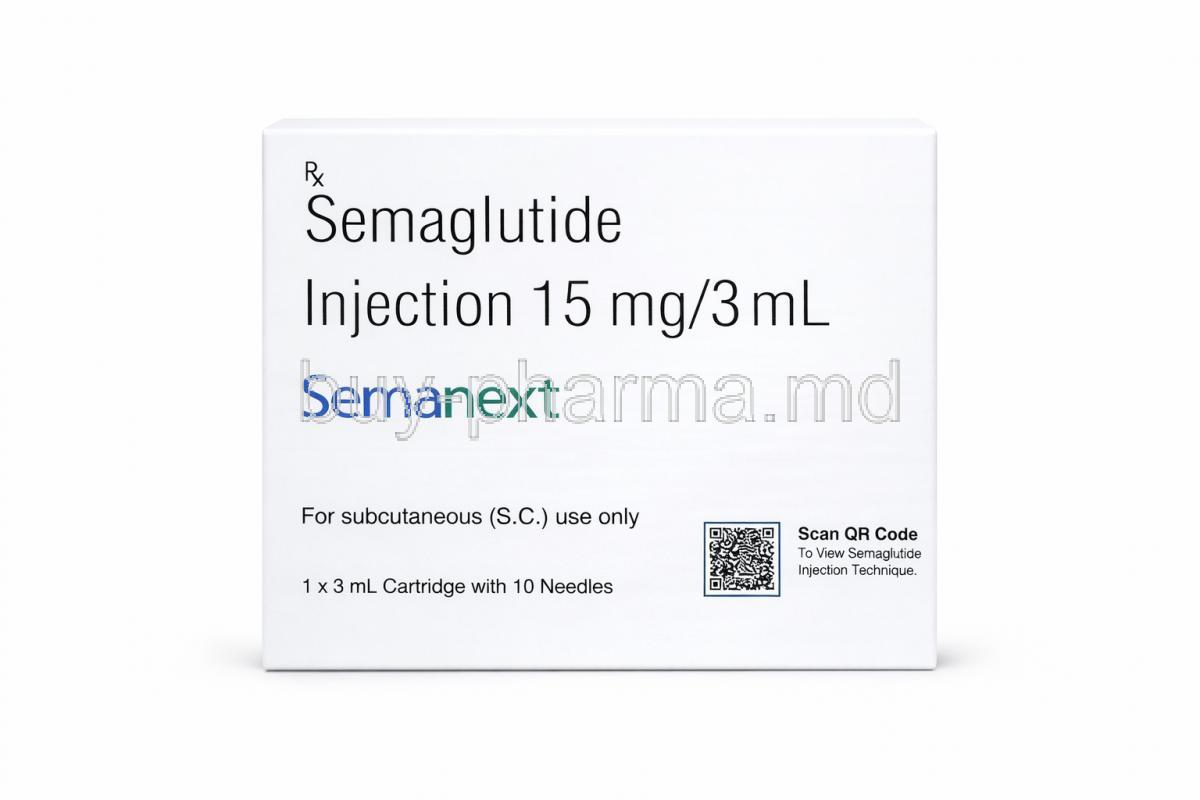
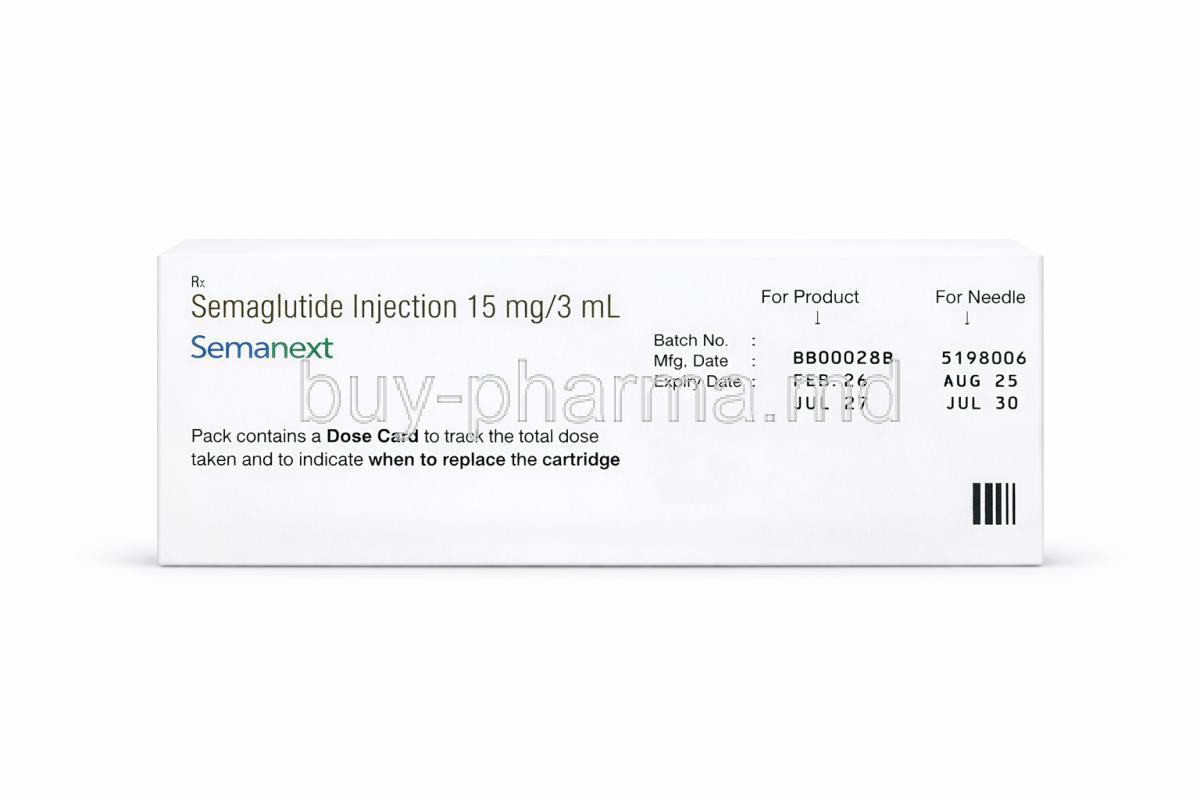
Semanext Pen Injection, Semaglutide
- 1. Introduction to Semanext Pen Injection (Semaglutide)
- 2. Composition and Formulation Details
- 3. Mechanism of Action (How does Semaglutide Works)
- 4. Approved Uses of Semanext Pen Injection
- 5. Off-Label Uses of Semaglutide Injections
- 5.1 Pre-diabetes and Insulin Resistance Management
- 5.2 Semaglutide for PCOSÂ and Metabolic Dysfunction
- 5.3 Non-Alcoholic Fatty Liver Disease (NAFLD/NASH)
- 5.4 Weight Loss in Non-Obese Individuals (Clinical Considerations)
- 5.5 Binge Eating Disorder and Appetite Dysregulation
- 5.6 Adjunct Therapy in Metabolic Syndrome
- 6. Dosage and Administration Guidelines
- 7. Common Side Effects of Semaglutide
- 8. Serious and Long-Term Side Effects
- 9. Drug Interactions and Compatibility
- 10. Contraindications of Semanext Pen Injection
- 11. Warnings and Safety Considerations
- 12. Careful Administration (Use with Caution)
- 13. Important Precautions for Safe Use
- 14. Administration in Special Populations
- 15. Overdosage and Emergency Management
- 16. Storage and Stability Requirements
- 17. Handling Precautions and Patient Guidance
1. Introduction to Semanext Pen Injection (Semaglutide)
1.1 Overview of Semaglutide-Based Injectable Therapies
Semanext Pen Injection represents a sophisticated evolution in incretin-based therapeutics, leveraging semaglutide's extended pharmacological activity to address complex metabolic disorders. Unlike conventional daily regimens, its once-weekly administration fosters adherence while maintaining consistent glycemic modulation.
- Long-acting peptide analogue with sustained receptor engagement
- Improved patient compliance due to reduced dosing frequency
- Dual benefit in glycemic control and weight modulation
Such attributes position semaglutide therapies at the forefront of endocrinological innovation.
1.2 How much weight can you lose on semaglutide
Semaglutide belongs to the incretin mimetic class, specifically GLP-1 receptor agonists. It has emerged as a cornerstone therapy in metabolic disease management, particularly in type 2 diabetes and obesity. Its pleiotropic effects distinguish it from traditional antihyperglycemic agents.
1.3 Therapeutic Class: GLP-1 Receptor Agonists Explained
As a GLP-1 receptor agonist, Semanext mimics endogenous incretin hormones, thereby enhancing insulin secretion in a glucose-dependent manner. This mechanism reduces the likelihood of hypoglycemia while promoting metabolic equilibrium.
- Stimulates insulin release post-meal
- Suppresses glucagon secretion
- Slows gastric motility
The cumulative effect is a harmonized regulation of glucose homeostasis.
1.4 Indications in Modern Metabolic Disease Management
Semanext is utilized across a spectrum of metabolic disorders, including type 2 diabetes and obesity. Its adaptability allows integration into personalized treatment regimens, addressing both glycemic control and cardiovascular risk mitigation.
2. Composition and Formulation Details
2.1 Active Ingredient: Semaglutide: Structure and Properties
Semaglutide is a structurally modified analogue of human GLP-1, engineered for enhanced stability and prolonged receptor affinity. Its resistance to enzymatic degradation contributes to its extended half-life.
This biochemical resilience underpins its once-weekly dosing paradigm.

2.2 Excipients and Stabilizing Agents in the Injection
The formulation incorporates excipients that ensure molecular stability, sterility, and isotonic balance. These agents are critical for maintaining therapeutic efficacy throughout storage and administration.
- Buffer systems for pH optimization
- Preservatives to prevent microbial contamination
- Stabilizers to preserve peptide conformation
2.3 Available Strengths and Pen Delivery System Design
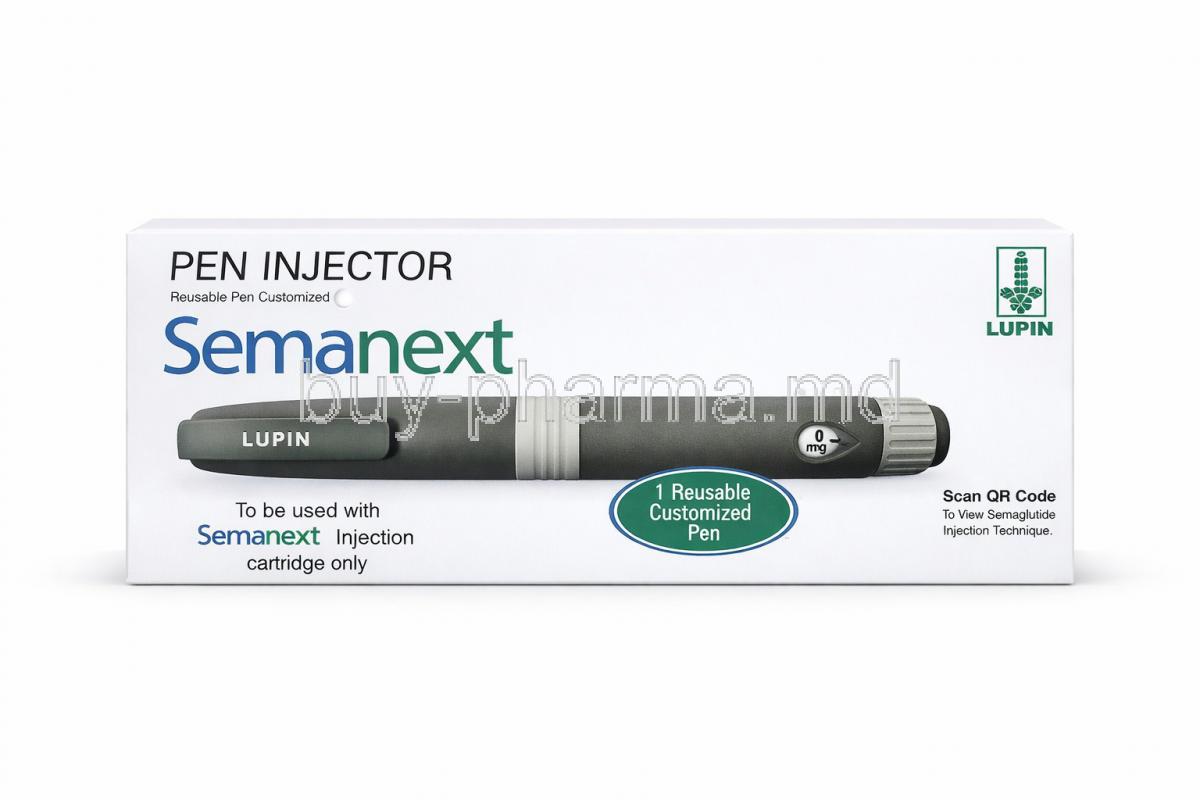
Semanext is provided in a pre-filled pen device, designed for precision dosing and ease of use. The delivery system minimizes user error while enabling accurate titration.
Its ergonomic configuration supports consistent administration across diverse patient populations.

2.4 Pharmacokinetic Profile (Absorption, Distribution, Metabolism, Excretion)
After subcutaneous injection, semaglutide is slowly absorbed, achieving peak plasma concentrations over several days. This gradual absorption ensures sustained therapeutic activity.
- Distribution: Predominantly plasma-bound
- Metabolism: Proteolytic cleavage into inactive fragments
- Excretion: Via renal and fecal pathways
Compound semaglutide
Compounded semaglutide, which is a special version of this semaglutide made by certain pharmacies when there is a shortage. The good thing about compounded semaglutide is that it can be cheaper and easier to get. However, it's not officially approved by the FDA, so it might not be as safe or as effective as the brand-name versions.
Sublingual semaglutides
Sublingual semaglutide is a special kind of medicine that you don't need to inject. Instead, it's a liquid that you put under your tongue, and it gets absorbed into your bloodstream right away. The idea behind sublingual semaglutide is that it can help you lose weight, and it works by being absorbed quickly into your body. To take it, you hold the liquid under your tongue for about 1-2 minutes.
Semaglutide with b12
Semaglutide with B12 is a prescription medicine given as an injection. It's a combination of two things: a GLP-1 receptor agonist, which helps reduce hunger, and Vitamin B12, which gives you more energy and helps your body work better. When you use this medicine, it can help you lose weight, and most people lose around 10-11% of their body weight in about 6 months. It works by making you feel less hungry and giving you more energy, so you don't feel as tired.
Zepbound vs semaglutide
Zepbound (tirzepatide) and semaglutide are highly effective, once-weekly injectable medications for weight loss that work by mimicking satiety hormones. Zepbound is generally more effective, with studies showing up to 21% weight loss, compared to ~15-19% for high-dose semaglutide.
Dulaglutide vs semaglutide
Semaglutide generally shows superior efficacy in reducing HbA1c and promoting weight loss compared to Dulaglutide, though both are highly effective, once-weekly GLP-1 receptor agonists for type 2 diabetes. Semaglutide, particularly at higher doses, has demonstrated greater weight loss results and is often preferred for more intensive glycemic control.
Tirzepatide vs semaglutid
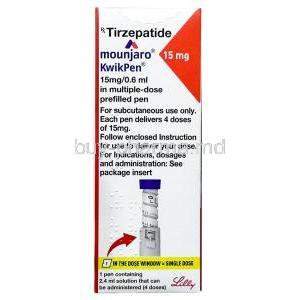
When it comes to weight loss and blood sugar control, two popular options are tirzepatide and semaglutide. Generally, tirzepatide seems to have an edge over semaglutide, with people losing up to 22.5% of their weight, compared to an average of 17% with semaglutide. One key difference between the two is how they work: tirzepatide is a dual agonist, which means it affects two different hormones, GLP-1 and GIP, while semaglutide only affects GLP-1. Both are given as weekly injections, but tirzepatide often produces faster and more significant results. This makes tirzepatide a promising option for those looking to lose weight and manage their blood sugar levels.
Liraglutide vs semaglutide
Semaglutide is generally more effective than liraglutide for weight loss and blood sugar control, offering the convenience of a once-weekly injection compared to daily injections. Semaglutide leads to greater weight reduction and higher HbA1c reductions, though it may have higher rates of gastrointestinal side effects
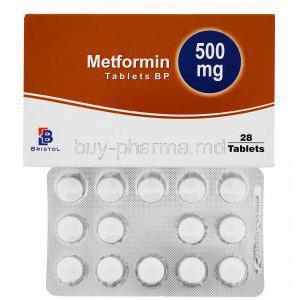
Metformin vs semaglutide
Metformin and semaglutide are two medicines that help with Type 2 diabetes and controlling blood sugar levels, but they work in different ways. Metformin is a cheap pill that you take every day, and it's usually the first choice for doctors. On the other hand, semaglutide is a shot you get once a week, and it's really good at helping people lose up to 11% of their body weight. It also has some extra benefits for your heart.
3. Mechanism of Action (How does Semaglutide Works)
3.1 GLP-1 Receptor Activation and Glucose Regulation
Semanext activates GLP-1 receptors, enhancing insulin secretion in response to elevated blood glucose levels. This glucose-dependent mechanism mitigates the risk of hypoglycemia.
It aligns pharmacological action with physiological demand.

3.2 Effects on Insulin Secretion and Glucagon Suppression
3.3 Delayed Gastric Emptying and Appetite Regulation
By slowing gastric emptying, Semanext prolongs satiety signals and reduces caloric intake. Patients frequently experience diminished appetite and improved portion control.
3.4 Central Nervous System Effects on Satiety and Weight Control
Semaglutide influences hypothalamic pathways associated with appetite regulation. These central effects contribute to sustained weight loss and reduced hedonic eating behaviors.
- Enhanced satiety signaling
- Reduced reward-driven food intake

4. Approved Uses of Semanext Pen Injection
4.1 Type 2 Diabetes Mellitus Management

4.2 Glycemic Control in Combination Therapy (Metformin, Insulin, etc.)
It is commonly used alongside other antidiabetic agents to enhance therapeutic outcomes. Combination regimens allow synergistic glycemic control.
- Adjunct to metformin in early-stage disease
- Combined with insulin in advanced cases
4.3 Cardiovascular Risk Reduction in High-Risk Patients

4.4 Chronic Weight Management in Obese or Overweight Adults

5. Off-Label Uses of Semaglutide Injections
5.1 Pre-diabetes and Insulin Resistance Management
Semanext may delay progression from pre-diabetes to overt diabetes by improving insulin sensitivity and metabolic parameters.
5.2 Semaglutide for PCOS and Metabolic Dysfunction

5.3 Non-Alcoholic Fatty Liver Disease (NAFLD/NASH)

5.4 Weight Loss in Non-Obese Individuals (Clinical Considerations)
Use in non-obese individuals remains contentious and requires careful clinical evaluation to avoid unnecessary risk.
5.5 Binge Eating Disorder and Appetite Dysregulation

5.6 Adjunct Therapy in Metabolic Syndrome
Semanext may complement existing therapies in metabolic syndrome, addressing dyslipidemia, hypertension, and insulin resistance.
6. Dosage and Administration Guidelines
6.1 Recommended Starting Dose and Titration Schedule
Therapy is initiated at a low dose, followed by gradual escalation to minimize gastrointestinal adverse effects and enhance tolerability.
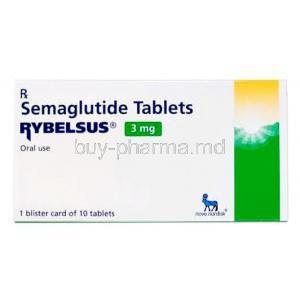
Semaglutide dosage chart
Initial dose:
- 3 mg orally once a day for 30 days;
- then 7 mg orally once a day.
- Maintenance dose: 7 to 14 mg orally once a day.
- Maximum dose: 14 mg/day
Semaglutide dosage in units
- 10-15 units each week for the first 4 weeks
- 15-20 units each week for 2 weeks
- 20-25 units each week for 3 weeks
- 30-50 units each week weeks 10 and onward
6.2 Semaglutide Dosing Schedule Flexibility
The once-weekly regimen allows flexible scheduling, provided doses are administered each week consistently.
6.3 Where to inject Semaglutide
Administration is performed subcutaneously in the abdomen, thigh, or upper arm.
- Rotate injection sites regularly
- Avoid areas with irritation or scarring
6.4 How to inject semaglutide
- Clean the site with alcohol, pinch the skin, and insert the needle at a 90-degree angle, injecting slowly.
- Common sites are the stomach (2 inches from the belly button), thighs, or back of the arms.
6.5 Missed Dose Management and Dose Adjustment
If a dose is missed, it should be administered promptly within the recommended window. Beyond this, the next scheduled dose should be maintained.
6.6 Switching from Other GLP-1 Agonists
Transitioning requires careful dose alignment and monitoring to ensure therapeutic continuity and minimize adverse reactions
Microdosing semaglutide
Microdosing semaglutide involves taking lower amounts than the standard starting dose, sometimes by adjusting the clicks on an injector pen. This off-label approach aims to minimize gastrointestinal side effects such as nausea and vomiting, while potentially promoting weight loss or maintaining metabolic benefits, often considered for sensitive individuals.
7. Common Side Effects of Semaglutide
7.1 Gastrointestinal Symptoms (Nausea, Vomiting, Diarrhea)
Gastrointestinal disturbances are the most frequently reported side effects, particularly during dose escalation phases.
7.2 Appetite Suppression and Weight Changes
Reduced appetite is both a therapeutic objective and a common physiological response.

7.3 Injection Site Reactions
Mild erythema, swelling, or discomfort may occur at the injection site.
7.4 Fatigue and Mild Systemic Effects
Transient fatigue or malaise may be observed in some individuals.
8. Serious and Long-Term Side Effects
8.1 Risk of Pancreatitis and Pancreatic Enzyme Elevation

8.2 Gallbladder Disorders (Cholelithiasis, Cholecystitis)
Rapid weight reduction may increase the risk of gallstone formation and gallbladder inflammation.

8.3 Thyroid C-Cell Tumor Risk (Preclinical Findings)

8.4 Renal Impairment Due to Dehydration
Severe gastrointestinal symptoms may lead to dehydration, potentially impairing renal function.
8.5 Hypoglycemia (Especially with Concomitant Antidiabetic Drugs)
The risk of hypoglycemia increases when combined with insulin or sulfonylureas, warranting dose adjustments.
8.6 Semaglutide hair loss
Losing hair can be a problem for some people taking Semaglutide. This hair loss is usually called telogen effluvium. It's not because of the drug itself, but because of other things like losing weight too quickly, not getting enough nutrients, or being stressed. Not many people have this issue - less than 5% of those taking the medication. If it does happen, it often starts a few months after beginning treatment, usually around 3 to 6 months. The good news is that it usually goes away on its own.

Tirzepatide vs. Semaglutide Side Effects
Tirzepatide and semaglutide have a lot of similar side effects, mainly related to the stomach and gut. People taking these medicines often experience nausea, diarrhea, vomiting, and constipation. These problems usually depend on the dose and are more common when you first start taking the medicine or when the dose is increased. Even though they are very similar, some people find that tirzepatide is a bit easier to tolerate.
9. Drug Interactions and Compatibility
9.1 Interaction with Insulin and Sulfonylureas
Concurrent use may potentiate hypoglycemic effects, requiring vigilant monitoring.
9.2 Delayed Gastric Emptying and Oral Drug Absorption
Delayed gastric emptying may alter the pharmacokinetics of orally administered medications.
9.3 Interaction with Antihypertensive and Lipid-Lowering Agents
No major interactions are commonly observed, though routine monitoring is advisable.
9.4 Alcohol Interaction and Glycemic Instability
Alcohol consumption may exacerbate glycemic variability and gastrointestinal symptoms.
9.5 Herbal Supplements and OTC Medication Considerations
Patients should disclose all supplemental and over-the-counter products to healthcare providers.
10. Contraindications of Semanext Pen Injection
10.1 Hypersensitivity to Semaglutide or Components
Contraindicated in individuals with known hypersensitivity to semaglutide or any formulation components.
10.2 Personal or Family History of Medullary Thyroid Carcinoma
Patients with such histories should avoid use due to potential risk.
10.3 Multiple Endocrine Neoplasia Syndrome Type 2 (MEN2)
Use is contraindicated in patients with MEN2 due to increased tumor risk.
10.4 Severe Gastrointestinal Disorders (e.g., Gastroparesis)

11. Warnings and Safety Considerations
11.1 Risk of Thyroid Tumors and Required Monitoring
Preclinical studies have indicated a potential association between GLP-1 receptor agonists and thyroid C-cell tumors. Although the clinical significance in humans remains uncertain, vigilance is warranted.
- Routine monitoring for thyroid nodules or masses
- Assessment of symptoms such as dysphagia or persistent hoarseness
- Avoidance in high-risk individuals
Early detection strategies are essential to mitigate potential oncogenic risk.
11.2 Pancreatitis Warning Signs and Clinical Response
Acute pancreatitis, though infrequent, represents a serious adverse event. Patients should be educated to recognize early warning signs.
- Severe, persistent abdominal pain radiating to the back
- Nausea and vomiting unrelieved by standard measures
Immediate discontinuation and medical evaluation are imperative upon symptom onset.
11.3 Hypoglycemia Risk in Combination Therapy
When used in conjunction with insulin or insulin secretagogues, the risk of hypoglycemia increases. Dose adjustments of concomitant medications are often necessary.
This risk is attenuated when used as monotherapy due to its glucose-dependent mechanism.
11.4 Dehydration and Kidney Function Monitoring
Gastrointestinal side effects such as vomiting or diarrhea may precipitate dehydration, potentially impairing renal function.
- Encourage adequate fluid intake
- Monitor renal parameters in susceptible patients
Particular caution is advised in individuals with pre-existing renal compromise.
11.5 Potential Impact on Mental Health and Eating Behavior
Alterations in appetite and satiety may influence psychological well-being. While often beneficial, these changes can occasionally lead to maladaptive eating patterns.
Clinical observation should include assessment of mood, behavior, and overall mental health status.
11.6 What to eat on semaglutide
Focus on high-protein, nutrient-dense, and fiber-rich foods to maximize weight loss and minimize side effects like nausea. Prioritize lean meats, vegetables, and complex carbohydrates, while eating smaller, slower, and more frequent meals to manage reduced appetite and delayed digestion.
12. Careful Administration (Use with Caution)
12.1 Patients with Renal Impairment
Renal impairment necessitates cautious use due to the risk of exacerbation from dehydration. Although no direct nephrotoxicity is typically observed, indirect effects may occur.
12.2 Individuals with Hepatic Dysfunction
12.3 Patients with Cardiovascular Disease
Semanext may offer cardiovascular benefits; however, patients with advanced cardiac conditions require individualized assessment and monitoring.
12.4 History of Pancreatitis or Gallbladder Disease
Individuals with prior pancreatitis or gallbladder disorders may be at increased risk of recurrence. Careful clinical judgment is required.
12.5 Patients on Polypharmacy Regimens
Patients receiving multiple medications may experience altered pharmacokinetics due to delayed gastric emptying.
- Review all concomitant therapies
- Monitor for unexpected interactions
13. Important Precautions for Safe Use
13.1 Gradual Dose Escalation to Minimize GI Effects
Initiating therapy at a low dose and gradually increasing it reduces the incidence of gastrointestinal adverse effects.
This titration strategy enhances patient tolerability and adherence.
13.2 Monitoring Blood Glucose and HbA1c Levels
Regular monitoring of glycemic parameters is essential to evaluate therapeutic efficacy and guide dose adjustments.
- Fasting blood glucose assessments
- Periodic HbA1c evaluation
13.3 Hydration and Nutritional Considerations
Adequate hydration supports renal function and mitigates the impact of gastrointestinal side effects. Balanced nutrition remains a cornerstone of therapy.

13.4 Avoiding Abrupt Discontinuation
Sudden cessation may result in rebound hyperglycemia or loss of therapeutic benefits. Gradual transition or alternative therapy should be considered.
13.5 Patient Education on Injection Technique
Proper injection technique ensures optimal drug delivery and minimizes complications.
- Correct needle placement
- Rotation of injection sites
- Safe disposal of sharps
14. Administration in Special Populations
14.1 Use in Elderly Patients (Dose Adjustment and Monitoring)
Elderly patients may exhibit increased sensitivity to gastrointestinal effects. Careful dose titration and monitoring are recommended.
14.2 Administration in Pregnant Women (Risk vs Benefit Assessment)
Use during pregnancy is generally not recommended unless the potential benefit justifies the potential risk. Alternative therapies are often preferred.

14.3 Use During Lactation (Breastfeeding Considerations)
14.4 Pediatric Use and Safety Data Limitations
Safety and efficacy in pediatric populations have not been fully established. Use should be restricted to approved indications and supervised settings.
15. Overdosage and Emergency Management
15.1 Symptoms of Overdose (Severe Nausea, Hypoglycemia)
Overdose may manifest as pronounced gastrointestinal distress and, in certain cases, hypoglycemia.
- Severe nausea and vomiting
- Dizziness or weakness
- Potential hypoglycemic episodes
15.2 Immediate Management and Supportive Care
Management is primarily supportive, focusing on symptom relief and stabilization of metabolic parameters.
Hospitalization may be required in severe cases.
15.3 Monitoring and Recovery Protocols
Continuous monitoring of vital signs, glucose levels, and hydration status is essential until recovery is achieved.
16. Storage and Stability Requirements
16.1 Recommended Storage Temperature (Refrigeration Guidelines)
Semanext should be stored under refrigeration prior to use, typically between 2°C and 8°C.
Temperature excursions may compromise drug stability.
16.2 Shelf Life and Expiry Considerations
Adherence to expiry dates ensures therapeutic efficacy and safety. Expired products should not be used.
16.3 Handling After First Use (In-Use Stability)
After initial use, the pen may be stored under specified conditions for a limited duration.
- Follow manufacturer guidelines
- Discard after recommended period
16.4 Protection from Light and Freezing
The product should be protected from direct light exposure and must not be frozen, as freezing may denature the peptide structure.
17. Handling Precautions and Patient Guidance
17.1 Proper Pen Handling and Needle Disposal
Safe handling practices are essential to prevent injury and contamination.
- Use a new needle for each injection
- Dispose of needles in approved sharps containers
17.2 Hygiene Practices During Injection
Maintaining aseptic technique during administration minimizes the risk of infection.
17.3 Avoiding Cross-Contamination
The pen device should never be shared between individuals, even if needles are changed.
17.4 Travel and Transportation Considerations
During travel, the medication should be kept within recommended temperature ranges using insulated carriers if necessary.
Proper planning ensures uninterrupted therapy and preserves drug integrity.
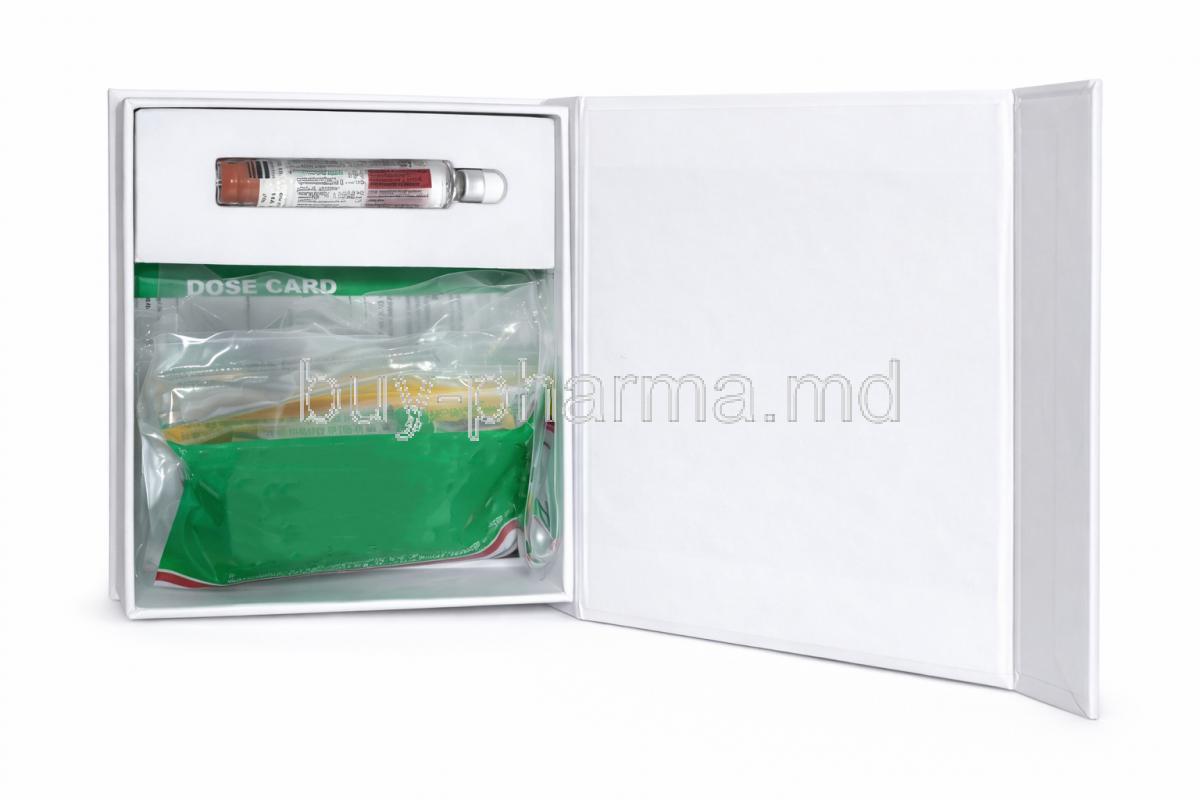
Semanext Pen Injection, Semaglutide FAQ
- What is Semanext Pen Injection and how does it work?
- What is semaglutide and why is it used?
- Is Semanext Pen Injection similar to Ozempic or Wegovy?
- Who is Semanext Pen Injection prescribed for?
- How do I use the Semanext Pen Injection?
- What is the starting dose of Semanext semaglutide?
- How is the dose of Semanext Pen Injection increased over time?
- What should I do if I miss a dose of Semanext Pen Injection?
- Where on my body can I inject Semanext semaglutide?
- How long does it take for Semanext Pen Injection to start working?
- How much weight can I lose with Semanext semaglutide injections?
- Does Semanext Pen Injection help control blood sugar in type 2 diabetes?
- Does Semanext semaglutide suppress appetite?
- What are the most common side effects of Semanext Pen Injection?
- How can I reduce nausea caused by Semanext semaglutide?
- Are there serious risks associated with Semanext Pen Injection?
- Who should not use Semanext Pen Injection?
- Is Semanext Pen Injection safe to use during pregnancy or breastfeeding?
- How should I store my Semanext Pen Injection?
- Can I travel with my Semanext semaglutide pen?
- What should I do if my Semanext pen is frozen or overheated?
- Do I need to follow a special diet while using Semanext Pen Injection?
- Can I drink alcohol while taking Semanext semaglutide?
- What happens if I stop using Semanext Pen Injection?
- Can Semanext semaglutide be used long-term?
- Do I need a prescription for Semanext Pen Injection?
- Does insurance cover Semanext Pen Injection?
- Is there a lower-cost alternative to branded semaglutide pens?
- What is Semanext Pen Injection and how does it work?
- What is semaglutide and why is it used?
- Is Semanext Pen Injection similar to Ozempic or Wegovy?
- Who is Semanext Pen Injection prescribed for?
- How do I use the Semanext Pen Injection?
- What is the starting dose of Semanext semaglutide?
- How is the dose of Semanext Pen Injection increased over time?
- What should I do if I miss a dose of Semanext Pen Injection?
- Where on my body can I inject Semanext semaglutide?
- How long does it take for Semanext Pen Injection to start working?
- How much weight can I lose with Semanext semaglutide injections?
- Does Semanext Pen Injection help control blood sugar in type 2 diabetes?
- Does Semanext semaglutide suppress appetite?
- What are the most common side effects of Semanext Pen Injection?
- How can I reduce nausea caused by Semanext semaglutide?
- Are there serious risks associated with Semanext Pen Injection?
- Who should not use Semanext Pen Injection?
- Is Semanext Pen Injection safe to use during pregnancy or breastfeeding?
- How should I store my Semanext Pen Injection?
- Can I travel with my Semanext semaglutide pen?
- What should I do if my Semanext pen is frozen or overheated?
- Do I need to follow a special diet while using Semanext Pen Injection?
- Can I drink alcohol while taking Semanext semaglutide?
- What happens if I stop using Semanext Pen Injection?
- Can Semanext semaglutide be used long-term?
- Do I need a prescription for Semanext Pen Injection?
- Does insurance cover Semanext Pen Injection?
- Is there a lower-cost alternative to branded semaglutide pens?
What is Semanext Pen Injection and how does it work?
The Semaglutide Pen Injection is a special pen you can use to administer the medication semaglutide. This medication is similar to a hormone that your body already makes, called GLP-1, which is produced in your intestines. The way it works is by helping to control your blood sugar levels, slowing down how quickly your stomach empties, and also reducing how hungry you feel. All of these things together can help you manage your blood sugar and even lose weight in a healthy way. It's like having a little extra help from your own body, but in a form that you can give to yourself with the pen.
What is semaglutide and why is it used?
Semaglutide is a glucagon-like peptide-1 (GLP-1) receptor agonist approved for the treatment of type 2 diabetes and chronic weight management. Semanext Pen Injection delivers semaglutide subcutaneously (under the skin) on a once-weekly basis for consistent, long-lasting results.
Is Semanext Pen Injection similar to Ozempic or Wegovy?
The Semanext Pen Injection has the same main ingredient, semaglutide, that's in popular brands like Ozempic and Wegovy. But the way you take it, and the formula might be different. So, it's really important to follow the instructions that come with your Semanext pen and talk to your healthcare provider to get personalized advice that's just right for you. They can help you figure out the best way to use it and make sure you're getting the most out of your treatment.
Who is Semanext Pen Injection prescribed for?
Semanext Pen Injection is usually given to adults with type 2 diabetes who need to get their blood sugar levels under control. It's also prescribed for adults who are obese or overweight and have other health issues related to their weight, such as high blood pressure, high cholesterol, or sleep apnea. This means that if you have a body mass index, or BMI, of 30 or higher, or a BMI of 27 or higher with at least one weight-related condition, you might be a candidate for Semanext Pen Injection. The goal of this treatment is to help you manage your blood sugar levels and improve your overall health.
How do I use the Semanext Pen Injection?
To get the Semanext Pen Injection, you'll need to give yourself a shot under the skin. You can do this in your belly, the front of your thigh, or the upper part of your arm. It's something you'll do once a week, on the same day every week. You can take it at any time of day, with or without food. Just make sure to follow the instructions that come with the package or what your doctor tells you to do.
What is the starting dose of Semanext semaglutide?
Treatment usually starts with a small amount, 0.25 mg, taken once a week for the first four weeks. This initial dose isn't meant to control blood sugar or weight, but rather to help your body get used to the medicine. After that, the dose will be slowly increased to the level that's right for you.
How is the dose of Semanext Pen Injection increased over time?
After the first four weeks, your dose will usually be increased every four weeks until you get to the right level for you. Your doctor will decide how often to increase your dose, based on how well you can handle it, how you're responding to the treatment, and what they want to achieve with your care. They'll keep an eye on you and adjust the dose as needed to ensure you get the best results.
What should I do if I miss a dose of Semanext Pen Injection?
If you forget to take a dose, give it to yourself as soon as you remember, but only if your next dose isn't for at least 2 days. If your next dose is less than 2 days away, skip the missed dose and keep to your regular schedule. And remember, never take two doses in the same week; that's not a good idea.
Where on my body can I inject Semanext semaglutide?
When you're getting ready to give yourself an injection, remember that there are three main areas where you can do it: your abdomen, the front of your thigh, and the upper outer arm. To avoid any skin problems or changes in the tissue where you inject, it's a good idea to rotate the injection site each time you give yourself a dose. For your abdomen, just make sure you're at least 2 inches away from your belly button. By rotating your injection site, you can help keep your skin healthy and reduce the risk of any issues.
How long does it take for Semanext Pen Injection to start working?
When you start taking Semanext, you might notice that you're not as hungry as you used to be, and this can happen pretty quickly, within the first few weeks. Your blood sugar levels can also start to get better in just a few days after the first injection. As for weight loss, you can usually start to see some real results after a couple of months, around 8 to 12 weeks, but it's really important to stick with the treatment and make some healthy changes to your lifestyle too. The more consistent you are, the better your results will be, and it's not just about the number on the scale, it's about feeling healthier and more energized overall.
How much weight can I lose with Semanext semaglutide injections?
If you're looking to manage your weight with semaglutide, it's good to know what to expect. Studies have shown that adults using this treatment can lose around 10-15% of their body weight over about 68 weeks. This is when they combine it with eating fewer calories and being more active. But remember, how well it works can vary from person to person. It depends on how much you weigh to start with, how well you stick to the program, the dose you're on, and your overall lifestyle.
Does Semanext Pen Injection help control blood sugar in type 2 diabetes?
Semanext semaglutide has been shown to be effective in reducing HbA1c levels, which is a key measure of average blood sugar control over a three-month period. Additionally, it helps to lower fasting blood glucose levels. What's more, semaglutide may also have a positive impact on cardiovascular health by reducing the risk of serious events like heart attacks and strokes in adults with type 2 diabetes who already have established cardiovascular disease. This is particularly important for people with type 2 diabetes, as they are already at a higher risk of developing cardiovascular problems. By taking semaglutide, these individuals may be able to better manage their blood sugar levels and also lower their risk of experiencing a serious cardiovascular event.
Does Semanext semaglutide suppress appetite?
So, one of the main ways that semaglutide helps with weight loss is by affecting the parts of the brain that control hunger and fullness. This means that people taking semaglutide, like those using the Semanext Pen Injection, tend to feel less hungry and fuller, which leads to eating smaller portions of food. As a result, they often feel satisfied with less food overall.
What are the most common side effects of Semanext Pen Injection?
When you start taking this medication, you might feel a bit off. Some people get nausea, vomit, or have diarrhea. Others get constipated, have stomach pain, or just don't feel like eating. But don't worry, these side effects are usually not too bad and tend to get better as your body gets used to the medicine. This is especially true when you're first starting out and your doctor is slowly increasing your dose.
How can I reduce nausea caused by Semanext semaglutide?
To help manage nausea, eat smaller meals, avoid high-fat or spicy foods, eat slowly, and stay well hydrated. Avoid lying down right after eating. Nausea is most common in the first few weeks and typically lessens over time. If nausea is persistent or severe, contact your healthcare provider before making any changes to your dose.
Are there serious risks associated with Semanext Pen Injection?
Some serious but rare risks to be aware of include pancreatitis, which is inflammation of the pancreas, and gallbladder disease. You might also experience low blood sugar, also known as hypoglycemia, especially if you're taking insulin or sulfonylureas. Additionally, there's a risk of kidney problems. It's also important to note that animal studies have shown a potential risk of thyroid C-cell tumors. In fact, Semanext has a Boxed Warning specifically about the risk of thyroid tumors, so it's crucial to be aware of this possibility.
Who should not use Semanext Pen Injection?
Semanext is contraindicated in people with a personal or family history of medullary thyroid carcinoma (MTC) or Multiple Endocrine Neoplasia syndrome type 2 (MEN 2). It should not be used by individuals with a known hypersensitivity to semaglutide. Use with caution if you have a history of pancreatitis, kidney disease, or diabetic retinopathy. Always inform your provider of your complete medical history.
Is Semanext Pen Injection safe to use during pregnancy or breastfeeding?
Semanext semaglutide is not recommended during pregnancy or breastfeeding. If you are pregnant, planning to become pregnant, or nursing, speak with your healthcare provider before starting or continuing this medication. Effective contraception is advised for women of childbearing age using semaglutide.
How should I store my Semanext Pen Injection?
To keep your Semanext pens in good condition when you're not using them, it's a good idea to store them in the fridge. The temperature should be between 36°F and 46°F, which is like 2°C to 8°C. Just make sure you don't put them in the freezer. Once you start using a pen, you can keep it at room temperature, up to 77°F or 25°C, for about 56 days. Remember to always put the cap back on when you're not using it, and try to keep it away from direct sunlight, heat, and moisture. This will help your pen last longer and work properly.
Can I travel with my Semanext semaglutide pen?
Yes. When traveling, keep your Semanext pen in an insulated carry case to maintain the appropriate temperature. Do not pack it in checked luggage on flights. If crossing time zones, consult your provider about adjusting your injection day. The pen can remain at room temperature for up to 56 days once in use, which accommodates most travel scenarios.
What should I do if my Semanext pen is frozen or overheated?
Do not use a pen that has been frozen or exposed to temperatures above 77°F (25°C) for an extended period. Temperature extremes can degrade the semaglutide solution and reduce its potency. Discard the affected pen and use a new one. Contact your pharmacy or provider if you are unsure whether your pen is still safe to use.
Do I need to follow a special diet while using Semanext Pen Injection?
To get the best results from Semanext, it's a good idea to combine it with a healthy diet that's low in calories but rich in nutrients, and to exercise regularly. The medication helps reduce hunger, but eating nutritious food will really make a difference in how well it works and how long the results last. Talking to a registered dietitian can be a big help in creating a meal plan that works well with your treatment and that you can stick to in the long run.
Can I drink alcohol while taking Semanext semaglutide?
Drinking alcohol isn't completely forbidden, but it can make some side effects worse, like feeling sick to your stomach. It might also mess with your blood sugar levels. And if you drink too much, you could be more likely to get pancreatitis. So, if you do decide to have a drink, just be sure to do it in moderation and let your doctor know what's going on.
What happens if I stop using Semanext Pen Injection?
Discontinuing Semanext often results in the gradual return of appetite and, for many people, weight regain over time. Blood sugar levels may also increase in those using it for diabetes management. Semaglutide is generally intended as a long-term therapy — do not stop using it without first consulting your healthcare provider.
Can Semanext semaglutide be used long-term?
Yes. Semaglutide is designed for long-term use under the supervision of a healthcare provider. Clinical studies have evaluated its safety and efficacy over periods of more than a year. Regular follow-up appointments are important to monitor your progress, adjust dosing if needed, and screen for any potential side effects.
Do I need a prescription for Semanext Pen Injection?
To get Semanext semaglutide, you need a prescription from a healthcare provider. This could be a doctor, a nurse practitioner, or a physician assistant. They will look at your medical history and decide if Semanext is right for you before giving you a prescription.
Does insurance cover Semanext Pen Injection?
Insurance coverage for semaglutide varies by plan and indication. Coverage for type 2 diabetes treatment is more commonly approved than for weight management. Contact your insurance provider directly to confirm your benefits, and ask your prescriber or pharmacist about available patient assistance programs, manufacturer savings cards, or alternative coverage options.
Is there a lower-cost alternative to branded semaglutide pens?
You should talk to your doctor about all the options for getting semaglutide. Some pharmacies have it at a lower cost, but it depends on where you live and the rules in your area. Your doctor can help you figure out the best way to get it and what will work best for you and your budget.
What is Semanext Pen Injection and how does it work?
Semanext Pen Injection is a pre-filled, ready-to-use injectable pen containing semaglutide, a GLP-1 receptor agonist. It works by mimicking the hormone GLP-1 naturally produced in your gut, which helps regulate blood sugar, slows stomach emptying, and reduces appetite — supporting both blood sugar control and sustainable weight loss.
What is semaglutide and why is it used?
Semaglutide is a special kind of medicine that helps your body make more insulin, which is good for people with type 2 diabetes. It's also used to help people lose weight and keep it off. The Semanext Pen Injection is a way to get this medicine into your body, and you only need to do it once a week. It goes under your skin, and it keeps working for a long time, so you can get consistent results.
Is Semanext Pen Injection similar to Ozempic or Wegovy?
The Semanext Pen Injection has the same main ingredient, semaglutide, as some popular brand-name products, such as Ozempic and Wegovy. However, the way you take it and the exact formula might be different. So, it's really important to follow the instructions that come with your Semanext pen and talk to your healthcare provider to get personalized advice that's just right for you. They can help you figure out the best way to use it and make sure you're getting the most out of your treatment.
Who is Semanext Pen Injection prescribed for?
Semanext Pen Injection is usually given to adults with type 2 diabetes who need to get their blood sugar under control. It's also prescribed for adults who are obese or overweight and have other health issues related to their weight, such as high blood pressure, high cholesterol, or sleep apnea. This means that if you have a body mass index, or BMI, of 30 or higher, or a BMI of 27 or higher with at least one weight-related condition, you might be given Semanext Pen Injection to help you manage your weight and related health problems.
How do I use the Semanext Pen Injection?
To get the Semanext Pen Injection, you'll need to give yourself a shot under the skin. You can do this in your belly, the front of your thigh, or the upper part of your arm. It's something you'll do once a week, on the same day every week. You can take it at any time of day, with or without food. Just make sure to follow the instructions that come with the package or what your doctor tells you to do.
What is the starting dose of Semanext semaglutide?
When you start treatment, you usually begin with a small dose of 0.25 mg, taken once a week for the first four weeks. This low dose isn't meant to control blood sugar or weight right away - its main purpose is to help your body get used to the medication. After this initial period, the dose will be slowly increased until you reach the level that's right for you to maintain.
How is the dose of Semanext Pen Injection increased over time?
After the first four weeks, your dose will usually be increased every four weeks until you get to the right level for you. Your doctor will decide how often to increase your dose, based on how well you can handle it, how you're responding to the treatment, and what they want to achieve with your care. They'll keep an eye on you and adjust the dose as needed to make sure you're getting the best results.
What should I do if I miss a dose of Semanext Pen Injection?
If you forget to take a dose, give it to yourself as soon as you remember, but only if your next dose isn't for at least 2 days. If your next dose is less than 2 days away, just skip the missed dose and keep following your regular schedule. And remember, never take two doses in the same week, that's not a good idea.
Where on my body can I inject Semanext semaglutide?
When you're getting ready to give yourself an injection, there are a few spots on your body where it's safe to do so. You can inject into your abdomen, but make sure it's at least 2 inches away from your belly button. The front of your thigh is another option, and so is the upper outer arm. It's a good idea to switch up the spot where you inject each time to avoid irritating your skin or causing changes to the tissue in that area.
How long does it take for Semanext Pen Injection to start working?
When you start taking Semanext, you might notice that you're not as hungry as you used to be, and this can happen pretty quickly, within the first few weeks. Your blood sugar levels can also start to get better in just a few days after the first shot. As for weight loss, you'll probably start to see some real results after a couple of months, around 8 to 12 weeks, but the best outcomes happen when you stick with the treatment and make healthy changes to your lifestyle over several months.
How much weight can I lose with Semanext semaglutide injections?
If you're looking to manage your weight with semaglutide, it's good to know what to expect. Studies have shown that adults using this treatment can lose around 10-15% of their body weight over about 68 weeks. This is when they also eat fewer calories and exercise more. But remember, everyone is different, and how much weight you lose will depend on a few things: how much you weigh to start with, how well you stick to the program, the dose you're taking, and your overall lifestyle.
Does Semanext Pen Injection help control blood sugar in type 2 diabetes?
Yes. Semanext semaglutide is clinically proven to lower HbA1c levels (a measure of average blood sugar over three months) and reduce fasting blood glucose. It may also lower the risk of serious cardiovascular events — such as heart attack and stroke — in adults with type 2 diabetes and established cardiovascular disease.
Does Semanext semaglutide suppress appetite?
Yes. One of the primary ways semaglutide supports weight loss is by acting on appetite-regulating centers in the brain, reducing hunger and increasing feelings of fullness. Most people report eating smaller portions and feeling satisfied with less food while using Semanext Pen Injection.
What are the most common side effects of Semanext Pen Injection?
When you start taking this medicine, you might feel a bit sick. Some people get nausea, vomit, or have diarrhea. You might also get constipation, stomach pain, or not feel like eating much. But don't worry, these problems are usually not too serious and often get better as your body gets used to the medicine. This is especially true when you're first starting out and your doctor is slowly increasing your dose.
How can I reduce nausea caused by Semanext semaglutide?
To help manage nausea, eat smaller meals, avoid high-fat or spicy foods, eat slowly, and stay well hydrated. Avoid lying down right after eating. Nausea is most common in the first few weeks and typically lessens over time. If nausea is persistent or severe, contact your healthcare provider before making any changes to your dose.
Are there serious risks associated with Semanext Pen Injection?
Serious but rare risks include pancreatitis (inflammation of the pancreas), gallbladder disease, low blood sugar (hypoglycemia, particularly when combined with insulin or sulfonylureas), kidney problems, and a potential risk of thyroid C-cell tumors observed in animal studies. Semanext carries a Boxed Warning regarding thyroid tumor risk.
Who should not use Semanext Pen Injection?
Semanext is contraindicated in people with a personal or family history of medullary thyroid carcinoma (MTC) or Multiple Endocrine Neoplasia syndrome type 2 (MEN 2). It should not be used by individuals with a known hypersensitivity to semaglutide. Use with caution if you have a history of pancreatitis, kidney disease, or diabetic retinopathy. Always inform your provider of your complete medical history.
Is Semanext Pen Injection safe to use during pregnancy or breastfeeding?
Semanext semaglutide is not recommended during pregnancy or breastfeeding. If you are pregnant, planning to become pregnant, or nursing, speak with your healthcare provider before starting or continuing this medication. Effective contraception is advised for women of childbearing age using semaglutide.
How should I store my Semanext Pen Injection?
To keep your Semanext pens in good condition when you're not using them, it's a good idea to store them in the fridge. The temperature in your fridge should be between 36°F and 46°F, which is like 2°C to 8°C. Just make sure you don't put them in the freezer, okay? Once you start using a pen, you can keep it at room temperature, which is usually around 77°F or 25°C, for up to 56 days. Remember to always put the cap back on when you're not using the pen, and try to keep it away from direct sunlight, heat, and moisture. This will help keep your pen working properly and make it last longer.
Can I travel with my Semanext semaglutide pen?
Yes. When traveling, keep your Semanext pen in an insulated carry case to maintain the appropriate temperature. Do not pack it in checked luggage on flights. If crossing time zones, consult your provider about adjusting your injection day. The pen can remain at room temperature for up to 56 days once in use, which accommodates most travel scenarios.
What should I do if my Semanext pen is frozen or overheated?
o not use a pen that has been frozen or exposed to temperatures above 77°F (25°C) for an extended period. Temperature extremes can degrade the semaglutide solution and reduce its potency. Discard the affected pen and use a new one. Contact your pharmacy or provider if you are unsure whether your pen is still safe to use.
Do I need to follow a special diet while using Semanext Pen Injection?
To get the best results from Semanext, it's a good idea to combine it with a diet that's low in calories but rich in nutrients, and to exercise regularly. The medication helps reduce hunger, but choosing healthy foods will make a big difference in how well it works and how long the results last. A registered dietitian can help you create a meal plan that works well with your treatment and that you can stick to in the long term.
Can I drink alcohol while taking Semanext semaglutide?
Drinking alcohol isn't completely forbidden, but it can make some side effects worse, like feeling sick to your stomach. It might also mess with your blood sugar levels. And if you drink too much, you could be more likely to get pancreatitis. So, if you do decide to have a drink, just do it in moderation and make sure your doctor knows about it.
What happens if I stop using Semanext Pen Injection?
If you stop taking Semanext, you might start feeling hungry again and some people even gain back the weight they lost. Your blood sugar levels could also go up if you were using it to manage diabetes. This medicine is usually meant to be taken for a long time, so don't stop using it without talking to your doctor first.
Can Semanext semaglutide be used long-term?
So, Semaglutide is meant to be used for a long time, but you need to be under the care of a doctor or healthcare provider. They've done lots of studies on it to see how safe and effective it is, and these studies have gone on for over a year. It's really important to keep going back to your doctor for check-ups, so they can see how you're doing, change your dose if needed, and make sure you're not having any bad side effects.
Do I need a prescription for Semanext Pen Injection?
To get Semanext semaglutide, you need a prescription from a healthcare provider. This could be a doctor, a nurse practitioner, or a physician assistant. They will look at your medical history and decide if Semanext is right for you before giving you a prescription.
Does insurance cover Semanext Pen Injection?
Insurance coverage for semaglutide varies by plan and indication. Coverage for type 2 diabetes treatment is more commonly approved than for weight management. Contact your insurance provider directly to confirm your benefits, and ask your prescriber or pharmacist about available patient assistance programs, manufacturer savings cards, or alternative coverage options.
Is there a lower-cost alternative to branded semaglutide pens?
You should talk to your doctor about all the options for getting semaglutide. Some pharmacies have it at a lower cost, but it depends on where you live and the rules in your area. Your doctor can help you figure out the best way to get it and what will work best for you and your budget.
Popular Products

Similar Product