
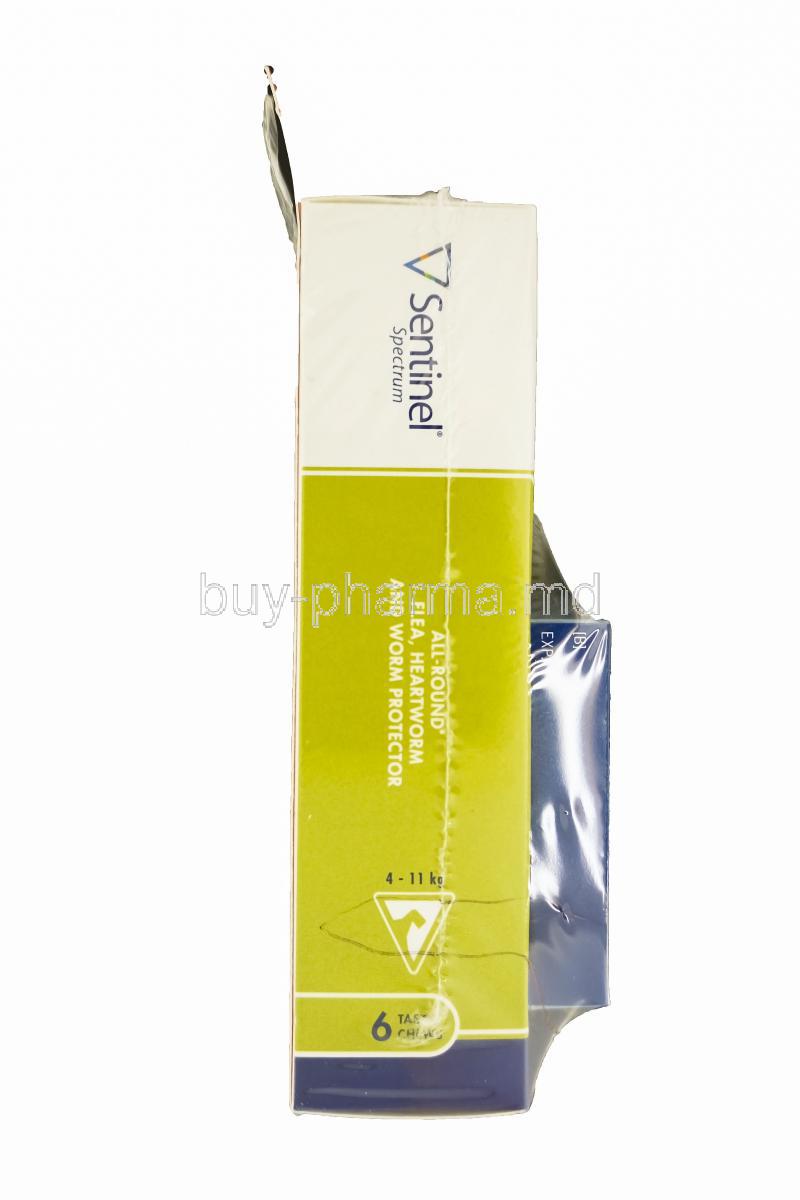
1. Introduction to Sentinel Spectrum
Sentinel Spectrum is recognized as a broad-spectrum antimicrobial formulation developed to combat a wide array of bacterial pathogens. It is commonly utilized in both hospital-based and outpatient settings where prompt, reliable antibacterial coverage is required. Its versatility and extensive microbial reach have positioned it as a valuable therapeutic option in modern clinical practice.
From a therapeutic classification perspective, Sentinel Spectrum belongs to the antimicrobial drug class, with activity encompassing multiple bacterial families. Clinically, it plays an important role in reducing infection-related morbidity, preventing complications, and supporting recovery in patients with moderate to severe bacterial infections.
- Frequently prescribed in acute care hospitals
- Used in community healthcare and outpatient clinics
- Integrated into infection management protocols
2. Composition and Active Ingredients
Sentinel Spectrum is formulated using carefully selected active pharmaceutical ingredients designed to deliver reliable antibacterial efficacy. Each component is present in a defined concentration to ensure optimal therapeutic performance while maintaining a favorable safety profile.
The pharmacological role of each active ingredient contributes to bacterial growth inhibition or eradication through complementary mechanisms. Inactive ingredients serve as stabilizers, carriers, or excipients, ensuring formulation integrity, bioavailability, and consistent dosing.
- Active ingredients targeting bacterial cell viability
- Supportive excipients enhancing stability and absorption
- Formulation optimized for clinical reliability
3. How Sentinel Spectrum Works (Mechanism of Action)
Sentinel Spectrum exerts its antibacterial effect at the cellular level by interfering with essential bacterial processes required for survival and replication. This disruption leads to bactericidal or bacteriostatic outcomes depending on the pathogen and concentration achieved at the infection site.
The combined components act synergistically, enhancing antimicrobial potency and minimizing the likelihood of therapeutic failure. Its activity spans both gram-positive and gram-negative organisms, offering comprehensive microbial coverage.
- Inhibition of bacterial cell wall synthesis
- Disruption of intracellular metabolic pathways
- Potential beta-lactamase inhibition where applicable
4. Uses of Sentinel Spectrum (Approved Indications)
Sentinel Spectrum is approved for the treatment of a variety of clinically significant bacterial infections. Its broad antimicrobial reach allows it to be deployed across multiple organ systems with consistent therapeutic outcomes.
- Respiratory tract infections, including lower airway involvement
- Urinary tract infections caused by susceptible organisms
- Skin and soft tissue infections
- Intra-abdominal and gastrointestinal infections
- Bone, joint, and musculoskeletal infections
- Septicemia and other systemic bacterial infections
5. Off-Label Uses of Sentinel Spectrum
Beyond approved indications, Sentinel Spectrum may be utilized off-label in specific clinical circumstances. These applications are typically guided by microbial susceptibility data and specialist judgment.
Off-label use may include treatment of resistant or polymicrobial infections, empirical therapy in severe or life-threatening cases, and use in immunocompromised patients under close supervision. In some regions, institutional or veterinary off-label practices may also be observed.
6. Dosage and Administration Guidelines
Dosage regimens for Sentinel Spectrum are determined by infection type, severity, patient characteristics, and route of administration. Adherence to recommended dosing schedules is essential for therapeutic success.
- Oral or injectable administration depending on formulation
- IV or IM routes in hospitalized patients when indicated
- Treatment duration adjusted to clinical response
Dose modifications may be required in patients with renal or hepatic impairment to prevent accumulation and adverse effects.
7. Administration in Special Populations
7.1 Administration to Elderly Patients
In elderly individuals, age-related pharmacokinetic changes such as reduced renal clearance may influence drug handling. Enhanced monitoring is recommended to ensure safety and effectiveness.
7.2 Administration to Pregnant Women and Nursing Mothers
Use during pregnancy should be guided by a careful risk–benefit assessment. Consideration is given to placental transfer and potential fetal exposure. When administered to nursing mothers, attention is paid to possible excretion into breast milk and associated infant risks.
7.3 Administration to Children and Pediatric Patients
Pediatric dosing is typically weight-based and tailored to age-specific pharmacological considerations. Safety data guide use in infants, neonates, and children, ensuring appropriate exposure without undue risk.
8. Side Effects of Sentinel Spectrum
Like all antimicrobial agents, Sentinel Spectrum may be associated with adverse reactions. These effects vary in frequency and severity, ranging from mild and transient to clinically significant.
8.1 Common Side Effects
- Nausea, vomiting, or diarrhea
- Injection-site discomfort or inflammation
- Mild skin reactions such as rash or pruritus
8.2 Less Common and Serious Side Effects
Although infrequent, more serious adverse effects may occur and require prompt medical attention.
- Hypersensitivity or allergic reactions
- Hematological abnormalities
- Changes in liver or kidney function
- Superinfection or antibiotic-associated colitis
9. Drug Interactions
Sentinel Spectrum may interact with other medications, potentially altering therapeutic outcomes or increasing adverse effects. Careful medication review is essential prior to initiation.
- Interactions with other antibacterial agents
- Enhanced effects when combined with anticoagulants
- Increased risk when used alongside nephrotoxic or hepatotoxic drugs
- Possible interference with certain laboratory test results
10. Warnings and Safety Alerts
Sentinel Spectrum must be administered with heightened vigilance due to the potential for clinically significant adverse reactions. Although generally well tolerated when used appropriately, certain safety concerns warrant careful consideration before and during therapy.
One of the primary risks is the occurrence of severe allergic reactions. These may manifest abruptly and progress rapidly, particularly in sensitized individuals.
- Acute hypersensitivity reactions, including anaphylaxis
- Cutaneous manifestations such as urticaria or angioedema
- Respiratory compromise requiring urgent intervention
Patients with a documented history of beta-lactam allergy require special caution, as cross-reactivity may occur. Inappropriate or excessive use also contributes to antimicrobial resistance, diminishing therapeutic efficacy and complicating future infection management.
11. Contraindications
Sentinel Spectrum is contraindicated in patients with known hypersensitivity to its active ingredients or to structurally related antibiotics. Administration in such cases may precipitate severe immunologic reactions.
Certain medical conditions further limit its use, particularly when the risk of adverse outcomes outweighs potential benefits.
- History of severe allergic reactions to similar antimicrobial agents
- Documented intolerance to formulation components
- Clinical scenarios where safer alternatives are available
Use should be strictly avoided in situations where contraindications are clearly established, as continued exposure may result in preventable morbidity.
12. Careful Administration and Monitoring
Careful administration is essential in patients with renal or hepatic impairment, as altered drug clearance may lead to accumulation and toxicity. Dose adjustments and individualized regimens are often required in these populations.
During prolonged therapy, regular monitoring is advised to detect early signs of adverse effects or organ dysfunction.
- Renal function assessments, including serum creatinine
- Hepatic enzyme monitoring
- Complete blood counts during extended treatment
Immediate medical attention is warranted if patients experience symptoms such as severe rash, persistent diarrhea, jaundice, or unexplained bleeding.
13. Important Precautions Before and During Treatment
Before initiating therapy, a thorough pre-treatment assessment should be conducted. This includes reviewing allergy history, concomitant medications, and baseline organ function.
Completing the full prescribed course is critical, even if symptoms improve early. Premature discontinuation may lead to incomplete eradication of pathogens and relapse.
- Strict adherence to prescribed dosing schedules
- Avoidance of dose skipping or early cessation
- Education on the risks of misuse
Self-medication or unsupervised use should be avoided, as improper administration increases the likelihood of resistance and adverse reactions.
14. Overdose Information and Management
Overdose of Sentinel Spectrum may result in exaggerated pharmacological effects or unexpected toxicity. Symptoms vary depending on dose and patient susceptibility.
- Gastrointestinal distress such as nausea or vomiting
- Neurological symptoms, including dizziness or confusion
- Laboratory abnormalities indicating organ stress
Immediate management focuses on supportive care, symptom control, and stabilization of vital functions. There is no specific antidote, making prompt medical supervision essential.
In all suspected overdose cases, professional evaluation is required to guide appropriate intervention and monitoring.
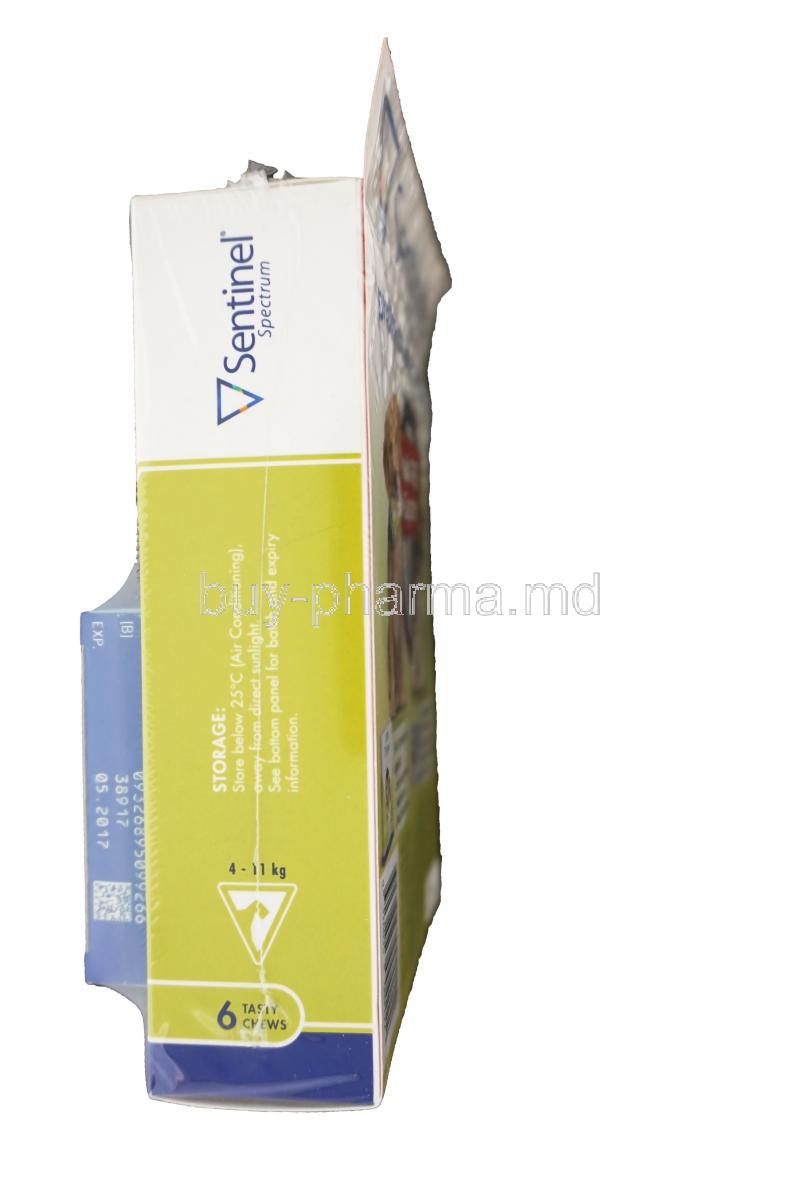
15. Storage Conditions and Shelf Life
Proper storage of Sentinel Spectrum is necessary to maintain potency and safety throughout its shelf life. The product should be stored according to manufacturer recommendations.
- Storage at controlled room temperature unless otherwise specified
- Protection from excessive heat, light, and moisture
- Secure placement away from unauthorized access
If reconstitution is required, stability after preparation is limited and specific timeframes must be observed to prevent degradation.
16. Handling and Disposal Precautions
Healthcare providers should adhere to standard safety protocols when handling Sentinel Spectrum to minimize occupational exposure and contamination.
Precautions are necessary to prevent accidental misuse or environmental release.
- Use of appropriate protective equipment during preparation
- Avoidance of direct contact with skin or mucous membranes
- Secure handling during transport and storage
Unused or expired medication should be disposed of in accordance with local regulations and institutional guidelines, ensuring safe and responsible elimination.

Popular Products
Similar Product