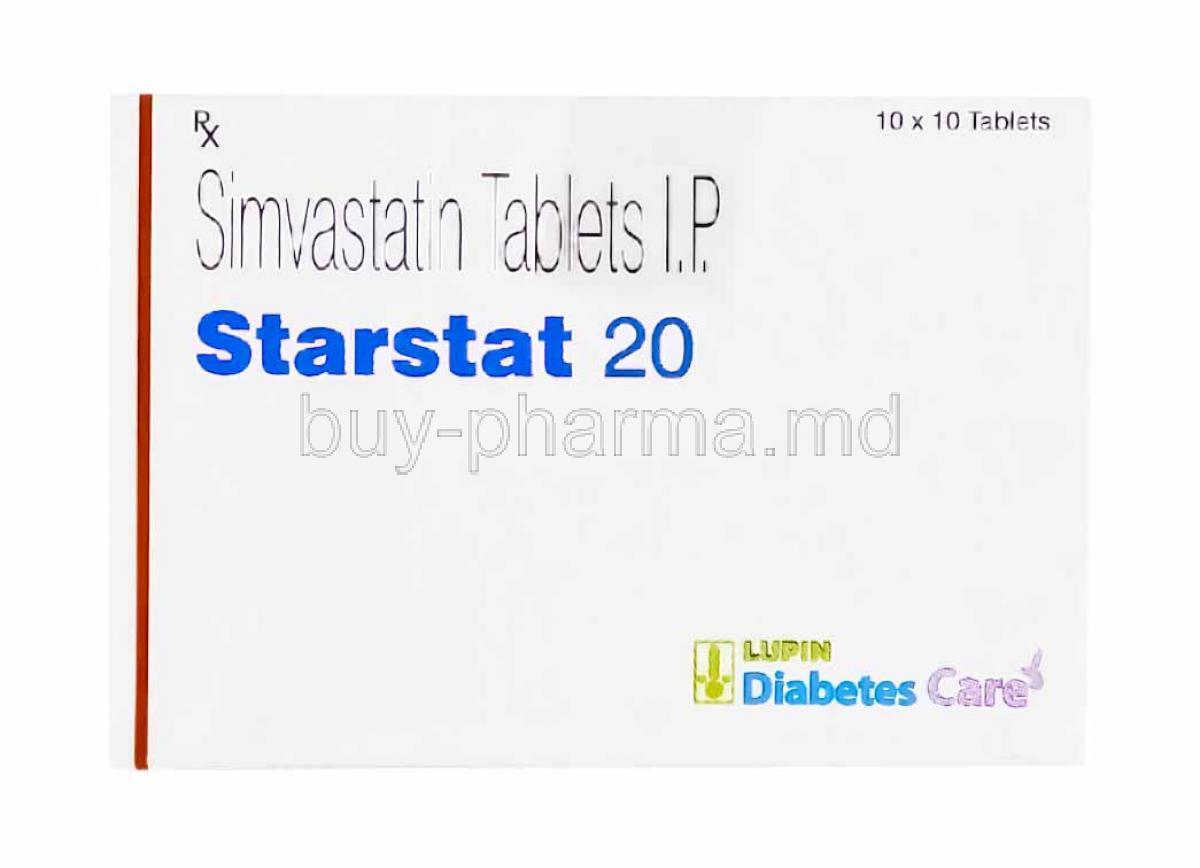
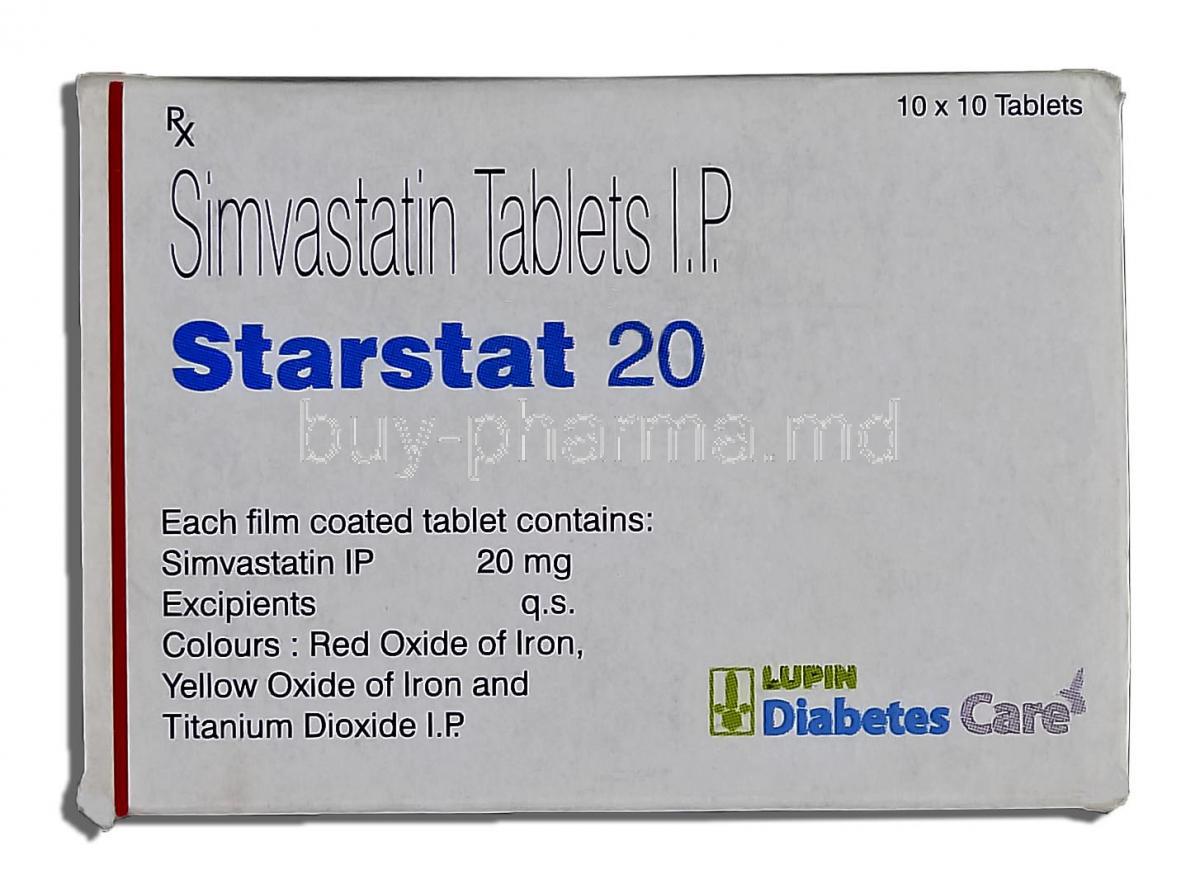
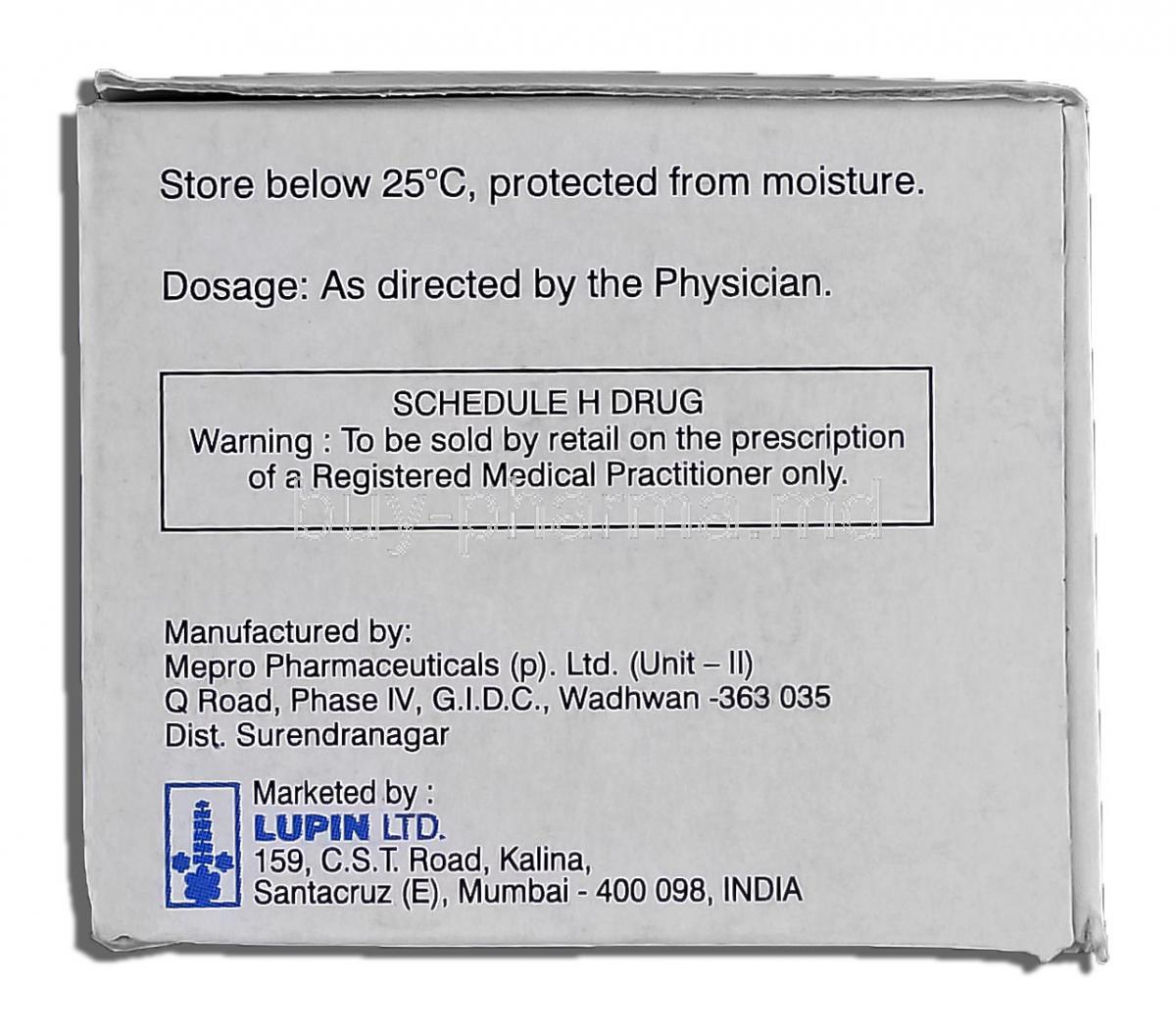
Introduction to Starstat (Simvastatin)
Overview of Simvastatin as a Lipid-Lowering Medication
Starstat, containing simvastatin, is a pharmacological agent designed to combat elevated lipid levels in the bloodstream. It primarily targets excessive cholesterol and triglycerides, reducing the risk of progressive cardiovascular disease. This medication is widely recognized for its ability to lower harmful fats while maintaining overall circulatory balance.
Classification as an HMG-CoA Reductase Inhibitor (Statin)
Simvastatin belongs to a class of drugs called statins, or HMG-CoA reductase inhibitors. By suppressing the activity of the hepatic enzyme HMG-CoA reductase, simvastatin directly impedes cholesterol synthesis in the liver. This results in a significant drop in circulating low-density lipoprotein cholesterol, a central culprit in atherosclerosis.
Therapeutic Significance in Cardiovascular Risk Management
The therapeutic value of Starstat lies in its role in cardiovascular prophylaxis. By attenuating lipid abnormalities, it reduces the likelihood of coronary artery disease, heart attacks, and strokes. Simvastatin thus acts as a cornerstone therapy for patients at risk of cardiovascular complications, whether due to genetics, diet, or comorbid conditions.
Composition and Formulation
Active Ingredient: Simvastatin
The pharmacological efficacy of Starstat is attributed to its active compound, simvastatin, a potent cholesterol-lowering statin.
Available Strengths and Dosage Forms
Starstat is generally available in oral tablet form, with strengths commonly including 10 mg, 20 mg, 40 mg, and 80 mg. The variety of strengths allows flexibility in dosing tailored to individual patient needs.
Inactive Ingredients and Excipients
Each tablet also contains inactive components, including stabilizers and fillers, which ensure consistency, bioavailability, and stability of the formulation. These excipients do not contribute to the therapeutic effect but are critical to the medicine’s integrity.
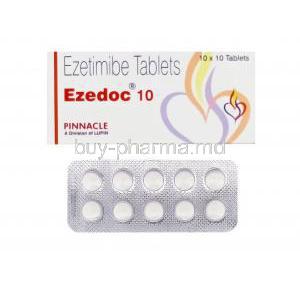
Ezetimibe simvastatin
Ezetimibe/simvastatin is a drug combination used for the treatment of dyslipidemia. Ezetimibe and simvastatin reduce elevated total cholesterol, LDL cholesterol, non-HDL cholesterol, triglycerides
Amlodipine and simvastatin
When taken together, amlodipine can increase simvastatin levels in your blood. A similar interaction may also be possible with lovastatin. This can lead to a higher risk of statin-related side effects, like muscle damage.
Simvastatin and paxlovid
Combining these medications may significantly increase the blood levels of simvastatin. This can increase the risk of side effects such as liver damage
Simvastatin vs atorvastatin
Simvastatin (Zocor) is considered a low-to-moderate intensity statin, while Atorvastatin (Lipitor) is a moderate-to-high intensity statin, meaning Atorvastatin can lower cholesterol more effectively at certain doses.
Simvastatin vs rosuvastatin
Rosuvastatin and simvastatin (Zocor, FloLipid) are statin medications that work in similar ways to lower cholesterol. Higher doses of Rosuvastatin can lower cholesterol more than higher doses of simvastatin. So Rosuvastatin's the better option if you need a high-intensity statin.
Pravastatin vs simvastatin
Simvastatin had a significantly greater lipid-lowering effect than pravastatin. These results may have implications for the appropriate lipid-reduction therapy. But simvastatin has more interactions than pravastatin.
Simvastatin Mechanism of Action: How Starstat Works
Inhibition of HMG-CoA Reductase and Cholesterol Biosynthesis
Simvastatin functions by selectively inhibiting HMG-CoA reductase, a pivotal enzyme in hepatic cholesterol synthesis. This enzymatic blockade results in a marked decline in endogenous cholesterol production.
Reduction of LDL Cholesterol and Triglycerides
As hepatic cholesterol synthesis diminishes, the liver compensates by upregulating LDL receptors. This enhances clearance of LDL cholesterol and triglycerides from the bloodstream, leading to substantial lipid reduction.
Increase in HDL Cholesterol
Starstat modestly elevates levels of high-density lipoprotein (HDL) cholesterol, often referred to as “good cholesterol.” HDL plays a protective role by transporting excess cholesterol from tissues back to the liver for excretion.
Impact on Atherosclerotic Plaque Stabilization
Beyond lipid modulation, simvastatin contributes to stabilization of atherosclerotic plaques, reducing the risk of rupture and subsequent cardiovascular events. This pleiotropic effect enhances its value in long-term vascular protection.
Approved Medical Uses
Primary Hypercholesterolemia (Elevated Cholesterol Levels)
Starstat is prescribed to reduce abnormally high cholesterol levels, particularly LDL cholesterol, in individuals with primary hypercholesterolemia.
Mixed Dyslipidemia
It is also used in patients with combined elevations of cholesterol and triglycerides, a condition known as mixed dyslipidemia, which significantly increases cardiovascular risk.
Homozygous Familial Hypercholesterolemia
For individuals with genetic lipid disorders such as homozygous familial hypercholesterolemia, simvastatin provides an essential therapeutic tool when combined with other lipid-lowering measures.
Cardiovascular Risk Reduction in Patients with Existing Risk Factors
Patients with hypertension, diabetes, or prior cardiovascular events benefit from Starstat therapy, as it significantly reduces the risk of future complications.
Off-Label Uses
Prevention of Recurrent Stroke
Research suggests simvastatin may lower the incidence of recurrent cerebrovascular events by improving endothelial function and reducing vascular inflammation.
Potential Use in Alzheimer’s Disease and Dementia Research
Preliminary studies indicate statins may influence neurodegenerative processes, and simvastatin is being explored for its potential role in slowing cognitive decline.
Adjunctive Therapy in Peripheral Arterial Disease
Simvastatin has been utilized to manage peripheral arterial disease, enhancing walking distance and alleviating symptoms related to impaired blood flow.
Anti-Inflammatory and Immunomodulatory Effects Under Study
Emerging evidence highlights anti-inflammatory and immune-modulating properties of statins, prompting investigation into their broader therapeutic roles.
Dosage and Administration
Simvastatin Dose
The initial dosage commonly ranges from 10 to 20 mg once daily, depending on baseline LDL cholesterol levels and therapeutic goals.
Dose Titration Based on LDL Targets and Patient Response
Dosage adjustments may be made every four weeks, guided by lipid panel monitoring and patient tolerance, until target cholesterol goals are achieved.
Maximum Daily Dosage and Safety Limits
The maximum recommended daily dose is 80 mg, though lower doses are generally preferred to reduce risk of muscle-related complications.
Best Time to Take Simvastatin
Starstat can be taken with or without food, though evening administration is recommended, as hepatic cholesterol production is highest at night.
Special Dosing Considerations in Renal or Hepatic Impairment
Patients with kidney or liver dysfunction may require lower doses and careful monitoring to avoid adverse effects.
Simvastatin Nursing Interventions
Assess cholesterol at six weeks. – Perform liver function tests in first year of treatment. – In the case of rhabdomyolysis with increased muscle tenderness and creatine phosphokinase, therapy should be discontinued. – Renal tests for patients with impaired renal function
Use in Special Populations
Administration to Elderly Patients
Older adults may exhibit heightened sensitivity to statins due to age-related physiological changes. Careful dose selection and vigilant monitoring for adverse reactions are essential.
Administration to Pregnant Women and Nursing Mothers
Simvastatin is contraindicated in pregnancy, as cholesterol is critical for fetal development and inhibition may cause harm. Furthermore, excretion into breast milk poses potential risks to infants, making its use inappropriate for nursing mothers.
Administration to Children
Starstat may be prescribed to children with severe hypercholesterolemia of genetic origin. Dosing is adjusted based on age and body weight, typically reserved for pediatric patients aged 10 years and older.
Side Effects of Starstat
Simvastatin Side Effects
- Headache and dizziness
- Abdominal pain, nausea, or indigestion
- Constipation or diarrhea
- Muscle pain, tenderness, or weakness
- simvastatin and weight gain
- simvastatin hair loss
Simvastatin Adverse Effects
- Myopathy and Rhabdomyolysis: Severe muscle damage leading to kidney injury
- Liver Enzyme Abnormalities: Elevations in hepatic transaminases requiring monitoring
- Hypersensitivity Reactions: Rash, pruritus, or in rare cases, anaphylaxis
Simvastatin Side Effects in Elderly
elderly patients are more likely to have age-related liver, kidney, heart, or muscle problems (eg, myopathy and rhabdomyolysis)
Simvastatin Interactions
Interaction with CYP3A4 Inhibitors (Ketoconazole, Erythromycin)
Simvastatin is extensively metabolized in the liver by the cytochrome P450 3A4 enzyme system. When taken with potent CYP3A4 inhibitors such as ketoconazole, itraconazole, or erythromycin, plasma concentrations of simvastatin can rise dramatically. This heightened exposure may precipitate severe adverse reactions, including rhabdomyolysis and acute renal failure. Therefore, concurrent administration is strongly discouraged.
Grapefruit Juice and Risk of Simvastatin Toxicity
Grapefruit juice contains natural furanocoumarins that inhibit intestinal CYP3A4. Even moderate consumption can amplify systemic simvastatin exposure, leading to exaggerated pharmacological effects and a greater likelihood of muscular toxicity. Patients are generally advised to avoid grapefruit products altogether while undergoing therapy.
Combination with Fibrates or Niacin and Increased Myopathy Risk
When simvastatin is combined with lipid-lowering agents such as fibrates (gemfibrozil, fenofibrate) or high-dose niacin, the risk of muscle-related complications is magnified. This synergistic effect can culminate in myopathy or, in rare cases, life-threatening rhabdomyolysis. Careful dose selection and vigilant monitoring are imperative when such combinations are unavoidable.
Interaction with Anticoagulants and Antiplatelet Drugs
Simvastatin may enhance the anticoagulant effect of warfarin and other vitamin K antagonists, increasing the risk of bleeding. Additionally, its concurrent use with antiplatelet therapy can potentiate bleeding tendencies. Monitoring of coagulation parameters, particularly the INR, is essential when simvastatin is co-administered with such agents.
Simvastatin and Alcohol
Alcohol misuse significantly elevates the risk of hepatic injury during statin therapy. Chronic intake can exacerbate hepatocellular damage and potentiate elevations in liver enzymes. Patients with a history of heavy alcohol use must exercise extreme caution, and periodic liver function tests should be undertaken to ensure safety.
Simvastatin Alternatives
Simvastatin alternatives include other statins (like atorvastatin, pravastatin, and rosuvastatin), PCSK9 inhibitors (such as evolocumab and alirocumab), ezetimibe, bempedoic acid, bile acid sequestrants, fibrates, and niacin.
Contraindications
Known Hypersensitivity to Simvastatin
Starstat should not be administered to individuals with a known hypersensitivity or allergic reaction to simvastatin or any of its inactive components.
Active Liver Disease or Persistent Transaminase Elevation
Because simvastatin is metabolized hepatically, patients with active liver disease or unexplained persistent elevations in serum transaminases are contraindicated. Use in such individuals may precipitate hepatic failure.
Pregnancy and Breastfeeding
Cholesterol is critical for fetal development, and statin therapy during pregnancy has been linked to teratogenic effects. Simvastatin is contraindicated in pregnant women and should not be administered during breastfeeding due to potential adverse outcomes in infants.
Concomitant Use with Strong CYP3A4 Inhibitors
Drugs such as clarithromycin, posaconazole, and ritonavir significantly inhibit CYP3A4 activity. Their concurrent use with simvastatin is contraindicated due to the heightened risk of myopathy and rhabdomyolysis.
Warnings and Important Precautions
Monitoring Liver Function Before and During Therapy
Baseline liver function tests should be obtained prior to initiation of therapy. Periodic monitoring is recommended, particularly during dose escalations or in patients with pre-existing hepatic concerns.
Risk of Muscle-Related Complications
Simvastatin therapy carries a risk of myalgia, myopathy, and rare but severe rhabdomyolysis. Patients should promptly report any unexplained muscle pain, tenderness, or weakness, especially when accompanied by malaise or fever.
Dose Restrictions When Combined with Certain Medications
When administered with medications such as amiodarone, verapamil, or diltiazem, simvastatin doses must be restricted to minimize the likelihood of muscular injury. Prescribers should adhere strictly to recommended maximum daily dosages under these conditions.
Precautions in Patients with History of Alcohol Misuse
Due to the risk of hepatic impairment, patients with a background of chronic alcohol consumption require closer observation. Therapy should only proceed when the benefits outweigh potential risks.
Simvastatin Side Effects after Stopping
Stopping simvastatin can lead to side effects such as withdrawal symptoms, although the primary concern is a rebound effect where cholesterol levels rise, increasing the risk of heart attacks, strokes, and other cardiovascular events. These dangers are especially high for individuals with a history of cardiovascular problems, and stopping the medication suddenly is not recommended
Careful Administration Guidelines
Patients with Renal Impairment
Although primarily metabolized in the liver, simvastatin and its metabolites are excreted renally. Dose adjustments and careful monitoring are warranted in patients with significant renal dysfunction.
Those with Multiple Comorbidities and Polypharmacy
Individuals with multiple chronic conditions often require numerous medications, increasing the likelihood of drug-drug interactions. A thorough medication review should be conducted to avoid dangerous combinations.
Patients at Higher Risk of Myopathy
Elderly patients, those with hypothyroidism, and individuals with a personal or family history of muscular disorders are at elevated risk of myopathy. Simvastatin administration in such cases should proceed with heightened vigilance.
Overdose Management
Symptoms of Simvastatin Overdose
While overdose is uncommon, excessive intake may cause pronounced muscle weakness, gastrointestinal disturbances, and marked elevations in liver enzymes or creatine kinase levels.
Supportive Treatment and Monitoring Protocols
Management of overdose is primarily supportive. Key measures include:
- Immediate discontinuation of the drug
- Monitoring liver enzymes and creatine kinase
- Hydration to protect renal function
- Observation for signs of rhabdomyolysis
Absence of Specific Antidote
No specific antidote exists for simvastatin overdose. Therapy relies entirely on symptomatic and supportive measures until recovery is achieved.
Storage and Handling Precautions
Recommended Storage Temperature and Conditions
Simvastatin tablets should be stored at controlled room temperature, typically between 20°C to 25°C (68°F to 77°F), with permissible excursions.
Protection from Light and Moisture
Tablets must be kept in tightly closed containers to safeguard against moisture and light, which can compromise stability and potency.
Proper Handling of Tablets to Maintain Stability
Crushing or splitting of tablets is not recommended unless explicitly advised, as this may affect the drug’s bioavailability and therapeutic consistency.
Safe Disposal Guidelines to Prevent Accidental Ingestion
Unused or expired medication should be disposed of responsibly, preferably through pharmacy take-back programs, to prevent accidental ingestion by children or pets and to minimize environmental contamination.
Starstat, Simvastatin FAQ
- What is StarStat used for?
- What is the drug simvastatin used for?
- What to avoid when taking simvastatin?
- What is the most serious side effect of simvastatin?
- What is the difference between simvastatin and atorvastatin?
- Can simvastatin affect your kidneys?
- How long should you take simvastatin?
- Who needs to take simvastatin?
- What are the positive effects of simvastatin?
- How quickly does simvastatin lower cholesterol?
- Can you take vitamin D with simvastatin?
- What organ does simvastatin affect?
- Does simvastatin affect sleep?
- Can simvastatin cause weight gain?
- What happens if you take amlodipine and simvastatin together?
- What are the long-term side effects of simvastatin?
- Does simvastatin cause hair loss?
- What are the benefits of taking simvastatin?
- Can simvastatin raise blood sugar?
- Does simvastatin make you sleepy?
- What to avoid when on simvastatin?
- What age should I stop simvastatin?
- Can you take vitamin C with simvastatin?
- What supplements should I avoid with simvastatin?
- How long does it take for side effects of simvastatin to go away?
- Can simvastatin reduce belly fat?
- Can lisinopril be taken with simvastatin?
- What are the positive effects of simvastatin?
- How much does simvastatin lower cholesterol?
- What should you avoid while taking simvastatin?
- What are the benefits of taking simvastatin?
- Why would simvastatin be stopped?
What is StarStat used for?
Starstat 5mg Tablet belongs to a class of medications known as statins. It is prescribed to lower cholesterol and triglyceride levels while minimizing the risk of heart disease. Cholesterol is a fatty substance that accumulates in your blood vessels, leading to narrowing that can result in a heart attack or stroke.
What is the drug simvastatin used for?
Simvastatin is prescribed to reduce cholesterol levels in individuals diagnosed with high blood cholesterol. It is also used to help prevent heart disease, including heart attacks and strokes.
What to avoid when taking simvastatin?
- antibiotics, including clarithromycin, rifampicin, or fusidic acid.
- medicines for treating fungal infections, like fluconazole or ketoconazole.
- some HIV medications.
- medicines designed to address hepatitis C virus infection.
- warfarin, a medication that helps prevent blood clots.
What is the most serious side effect of simvastatin?
- severe muscle injury
- liver issues
- elevated blood glucose (sugar) levels
What is the difference between simvastatin and atorvastatin?
Atorvastatin is more effective than simvastatin in inhibiting the target enzyme, HMGCoA; however, this can be countered by increasing the dosage of simvastatin.
Can simvastatin affect your kidneys?
Yes
How long should you take simvastatin?
For life
Who needs to take simvastatin?
Simvastatin is prescribed in conjunction with a healthy diet to manage high cholesterol and triglyceride (fat) levels in the bloodstream. This medication may assist in preventing health issues (e.g., heart or blood vessel complications, heart attacks, or strokes) that result from blocked blood vessels.
What are the positive effects of simvastatin?
Simvastatin treats high cholesterol and lowers the risk of heart attack and stroke. It does this by reducing bad cholesterol and fats (like LDL, triglycerides) while boosting good cholesterol (HDL) in your blood.
How quickly does simvastatin lower cholesterol?
4 weeks
Can you take vitamin D with simvastatin?
Vitamin D may also reduce the risk of negative effects such as myopathy when using simvastatin
What organ does simvastatin affect?
Liver
Does simvastatin affect sleep?
Yes
Can simvastatin cause weight gain?
Yes
What happens if you take amlodipine and simvastatin together?
Concurrent use of amlodipine and simvastatin results in a notable increase in simvastatin blood levels, effectively doubling the impact compared to simvastatin alone.
What are the long-term side effects of simvastatin?
- Muscle pain and damage.
- Liver damage.
- Increased blood sugar or type 2 diabetes.
- Neurological side effects.
Does simvastatin cause hair loss?
No
What are the benefits of taking simvastatin?
Simvastatin is widely prescribed to reduce bad cholesterol levels (LDL-C) and fats (triglycerides) in the bloodstream. Additionally, it elevates good cholesterol levels (HDL). Enhancing your cholesterol levels contributes to a lower risk of heart disease, stroke, and heart attack.
Can simvastatin raise blood sugar?
Yes
Does simvastatin make you sleepy?
Yes
What to avoid when on simvastatin?
- Common simvastatin interactions involve specific azole antifungals, antibiotics, and antivirals.
- Calcium channel blockers, various cholesterol medications, and grapefruit juice can also affect simvastatin.
What age should I stop simvastatin?
85
Can you take vitamin C with simvastatin?
Yes
What supplements should I avoid with simvastatin?
Niacin or nicotinamide
How long does it take for side effects of simvastatin to go away?
3 months
Can simvastatin reduce belly fat?
No
Can lisinopril be taken with simvastatin?
Yes
What are the positive effects of simvastatin?
Simvastatin treats high cholesterol and lowers the risk of heart attack and stroke. It functions by reducing bad cholesterol and fats (such as LDL and triglycerides) while boosting good cholesterol (HDL) in your bloodstream.
How much does simvastatin lower cholesterol?
20% to 30%
What should you avoid while taking simvastatin?
Avoid consuming significant amounts of alcohol while taking simvastatin.
What are the benefits of taking simvastatin?
Simvastatin is prescribed to reduce cholesterol levels if you've been diagnosed with high blood cholesterol. It's also used to help prevent heart disease, which includes heart attacks and strokes.
Why would simvastatin be stopped?
It has been associated with muscle pain, digestive issues, and mental cloudiness in some individuals
Popular Products
Similar Product