
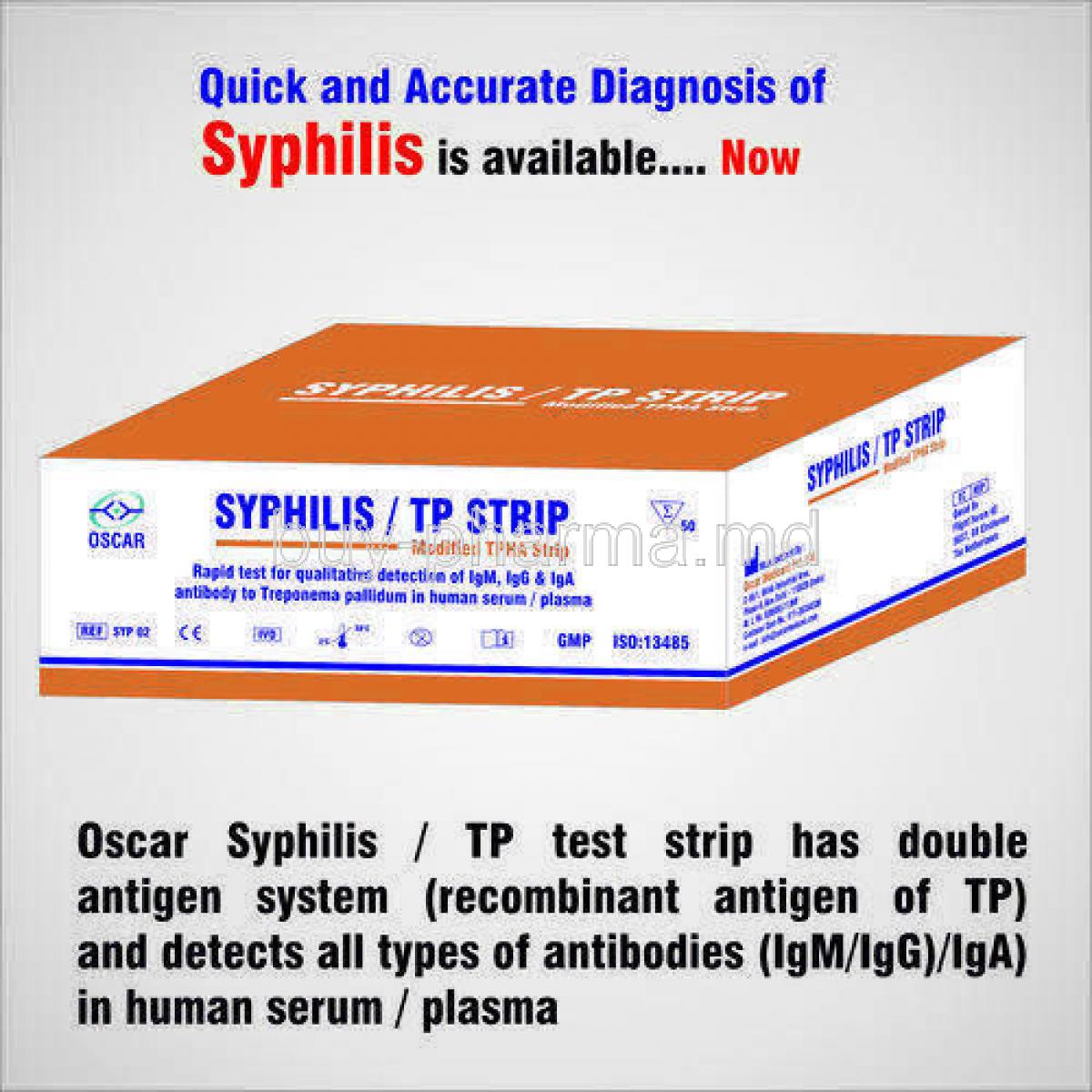
Introduction to Syphilis Test Kits
Syphilis is a chronic, systemic sexually transmitted infection (STI) caused by the spirochete bacterium Treponema pallidum. Despite being a well-characterized disease with established treatment pathways, syphilis continues to pose a significant global public health challenge due to delayed diagnosis, asymptomatic stages, and ongoing transmission.
Early detection through reliable diagnostic testing is critical. Prompt identification enables timely treatment, reduces disease progression, and limits onward transmission. In recent years, the availability of syphilis test kits has transformed screening practices by improving accessibility, privacy, and turnaround time.
- Facilitates early-stage detection before irreversible complications develop
- Supports prevention strategies in high-risk populations
- Enhances public health surveillance and disease control efforts
The rising demand for home-based and point-of-care syphilis testing reflects a broader shift toward decentralized diagnostics, empowering individuals and healthcare systems alike.
What Is a Syphilis Test Kit?
A syphilis test kit is a diagnostic device designed to detect immunological markers associated with syphilis infection, most commonly antibodies produced in response to Treponema pallidum. These kits are intended for screening, preliminary diagnosis, or disease monitoring, depending on the test type.
Unlike traditional laboratory-based testing, which requires venipuncture and centralized analysis, many modern syphilis test kits utilize rapid immunoassay technology. This allows for testing at the point of care or within the home environment.
- Laboratory tests: High analytical sensitivity, longer processing time
- Rapid test kits: Faster results, minimal equipment, simplified workflow
Home syphilis test kits prioritize convenience and confidentiality, while clinical diagnostic kits are optimized for accuracy and integration into formal healthcare systems. Regulatory approval and quality standards vary by region, but most kits are designed to meet internationally recognized diagnostic performance criteria.
Types of Syphilis Test Kits
Treponemal Syphilis Test Kits
Treponemal test kits detect antibodies that specifically target antigens from Treponema pallidum. These antibodies typically persist for life, even after successful treatment.
Common treponemal methodologies include enzyme immunoassays, chemiluminescent assays, and rapid immunochromatographic tests.
- Advantages: High specificity, useful for confirming infection
- Limitations: Cannot distinguish active from past treated infection
Non-Treponemal Syphilis Test Kits
Non-treponemal test kits detect non-specific antibodies, often referred to as reagin antibodies, which are produced in response to cellular damage caused by syphilis infection.
These tests are commonly used for initial screening and for monitoring disease activity or treatment response over time.
- Advantages: Quantifiable results, useful for monitoring therapy
- Limitations: Lower specificity, potential for false-positive results
Rapid Syphilis Test Kits
Rapid syphilis test kits are designed for immediate, point-of-care use. They typically require a finger-prick blood sample and deliver results within minutes.
Their simplicity and speed make them suitable for both clinical settings and home testing environments.
- Minimal training required
- Short turnaround time
- Portable and equipment-free
Combination and Multiplex STI Test Kits
Combination test kits simultaneously screen for syphilis alongside other sexually transmitted infections, such as HIV or hepatitis.
These multiplex platforms are particularly valuable in public health initiatives, outreach programs, and high-prevalence settings where comprehensive screening is essential.
Uses of Syphilis Test Kits
Syphilis test kits serve a broad range of clinical and public health functions. Their versatility supports both individual patient care and population-level disease control.
- Routine STI screening in sexually active individuals
- Early detection of primary syphilis before symptom onset
- Diagnosis of secondary and latent syphilis stages
- Monitoring treatment response using selected test types
- Screening in high-risk or vulnerable populations
- Prenatal screening to prevent congenital syphilis
- Public health surveillance and outbreak containment
Off-Label and Extended Uses of Syphilis Test Kits
Beyond conventional diagnostic pathways, syphilis test kits are increasingly used in non-traditional contexts to improve testing reach and equity.
These extended applications may include:
- Screening outside formal healthcare facilities
- Community-based and mobile outreach programs
- Epidemiological research and population studies
- Pre-treatment screening in fertility services
- Testing in remote or resource-limited environments
How a Syphilis Test Kit Works
Syphilis test kits operate on immunological detection principles. They identify antibodies produced by the host immune system in response to syphilis infection.
Antigens embedded within the test device bind to specific antibodies present in the sample. This interaction produces a visible signal, often in the form of colored lines or digital readouts.
- Sample types include whole blood, serum, or plasma
- Results are categorized as reactive or non-reactive
The diagnostic window period is a critical consideration. Antibodies may not be detectable immediately after exposure, making repeat testing necessary in early infection scenarios.
Dosage and Administration
Syphilis test kits are typically designed for single-use applications. Each kit corresponds to one test procedure.
Administration involves a small sample volume, commonly obtained via finger-prick blood collection.
- Follow step-by-step instructions provided with the kit
- Interpret results within the specified time window
- Avoid reading results too early or too late
Repeat testing may be recommended after recent exposure or in cases of indeterminate results. Confirmatory laboratory testing is advised following any positive outcome.
Composition of a Syphilis Test Kit
A standard syphilis test kit contains multiple components designed to ensure accurate and hygienic testing.
- Test cassette or test strip
- Reagents and buffer solutions
- Sterile lancets and capillary droppers, where applicable
- Alcohol swabs and sample collection tools
- Instruction leaflet and result interpretation guide
Storage and Stability
Proper storage is essential to maintain test performance and reliability.
- Store at the recommended temperature range
- Protect from excessive light and moisture
- Do not use beyond the stated expiration date
Kits should be handled carefully during transport, particularly in extreme climates, to preserve reagent integrity.
Side Effects and Safety Profile
General Safety Considerations
Syphilis test kits are non-invasive or minimally invasive and intended strictly for diagnostic use. They do not introduce pharmacological agents into the body.
Common Side Effects
Minor and transient effects may occur during sample collection.
- Mild discomfort at the finger-prick site
- Minimal bleeding or localized skin irritation
Rare or Uncommon Reactions
Adverse reactions are uncommon but may arise if proper technique is not followed.
- Localized infection due to poor hygiene
- Vasovagal responses in susceptible individuals
Adhering to handling and administration guidelines significantly reduces these risks.
Interactions and Factors Affecting Test Results
The accuracy of a syphilis test kit may be influenced by multiple biological and procedural variables. Understanding these factors is essential for correct interpretation and responsible clinical decision-making.
- Impact of prior syphilis infection: Individuals with a history of treated syphilis may retain detectable antibodies for extended periods, potentially yielding reactive results even in the absence of active infection.
- Influence of recent antibiotic treatment: Partial or recent antimicrobial therapy may suppress antibody titers, leading to transient false-negative outcomes.
- Cross-reactivity with other infections: Certain bacterial or parasitic infections may produce antibodies that interfere with non-treponemal assays.
- Autoimmune conditions: Disorders such as systemic lupus erythematosus may generate nonspecific antibodies, increasing the likelihood of false-positive results.
- Improper storage or expired kits: Degraded reagents compromise assay integrity and result reliability.
Warnings and Safety Information
Syphilis test kits are designed as screening tools and should be used with a clear understanding of their limitations.
- Not intended to replace professional medical diagnosis or clinical judgment
- Positive results require confirmatory laboratory-based testing
- Reduced sensitivity during very early stages of infection
- Potential for both false-negative and false-positive outcomes
- Mandatory clinical follow-up after any reactive result
Failure to pursue confirmatory testing may delay appropriate treatment and increase the risk of complications or transmission.
Contraindications
Certain conditions and circumstances contraindicate the use of syphilis test kits.
- Use of inappropriate sample types not specified by the manufacturer
- Testing with kits beyond their expiration date
- Use of kits that are damaged, compromised, or improperly stored
- Reliance on rapid tests when definitive diagnosis is clinically required
Careful Administration and Best-Practice Use
Adherence to standardized testing procedures ensures optimal performance and minimizes errors.
- Strict compliance with manufacturer instructions
- Thorough hand hygiene before and after testing
- Safe disposal of lancets and biohazardous materials
- Prevention of sample contamination
- Accurate timing during result interpretation
Even minor deviations from recommended procedures may significantly affect test outcomes.
Important Precautions Before and After Testing
Appropriate timing and contextual awareness are critical components of effective syphilis screening.
- Understanding the antibody window period
- Avoiding testing too soon after potential exposure
- Scheduling retesting following recent high-risk encounters
- Providing counseling and education after result disclosure
- Maintaining strict confidentiality and data privacy
Administration to Special Populations
Administration to Elderly Individuals
Older adults may present unique physiological and practical considerations during testing.
- Simplified test design improves usability
- Skin fragility may complicate blood collection
- Interpretation must account for comorbid conditions
Administration to Pregnant Women and Nursing Mothers
Prenatal syphilis screening is a cornerstone of maternal and neonatal health.
- Testing is considered safe during pregnancy
- Early detection prevents congenital syphilis
- Supports timely maternal treatment and fetal protection
Administration to Children and Adolescents
Testing in pediatric populations is typically conducted within structured clinical settings.
- Neonatal and pediatric screening requires medical supervision
- Consent and parental involvement are essential
- Interpretation must consider maternal antibody transfer and early infection dynamics
Overdosage and Misuse
Syphilis test kits pose no pharmacological overdose risk, as they contain no active therapeutic substances.
- No risk of chemical toxicity from repeated use
- Excessive or unnecessary testing may cause psychological distress
- Misinterpretation can lead to false reassurance or undue anxiety
Professional guidance is strongly recommended when results are unclear or conflicting.
Handling and Disposal Precautions
Safe handling and disposal practices are integral to infection control and environmental responsibility.
- Dispose of lancets and sharps in approved containers
- Follow biohazard waste protocols where applicable
- Avoid reuse of any single-use components
- Adhere to household disposal guidelines for non-hazardous materials
Accuracy, Sensitivity, and Reliability
The diagnostic performance of syphilis test kits is defined by sensitivity and specificity metrics.
- High sensitivity improves early detection
- High specificity reduces false-positive results
- Accuracy is influenced by timing, technique, and biological factors
While rapid test kits offer convenience, laboratory-based assays remain the gold standard. Confirmatory testing ensures diagnostic certainty and guides appropriate clinical management.
Similar Product
