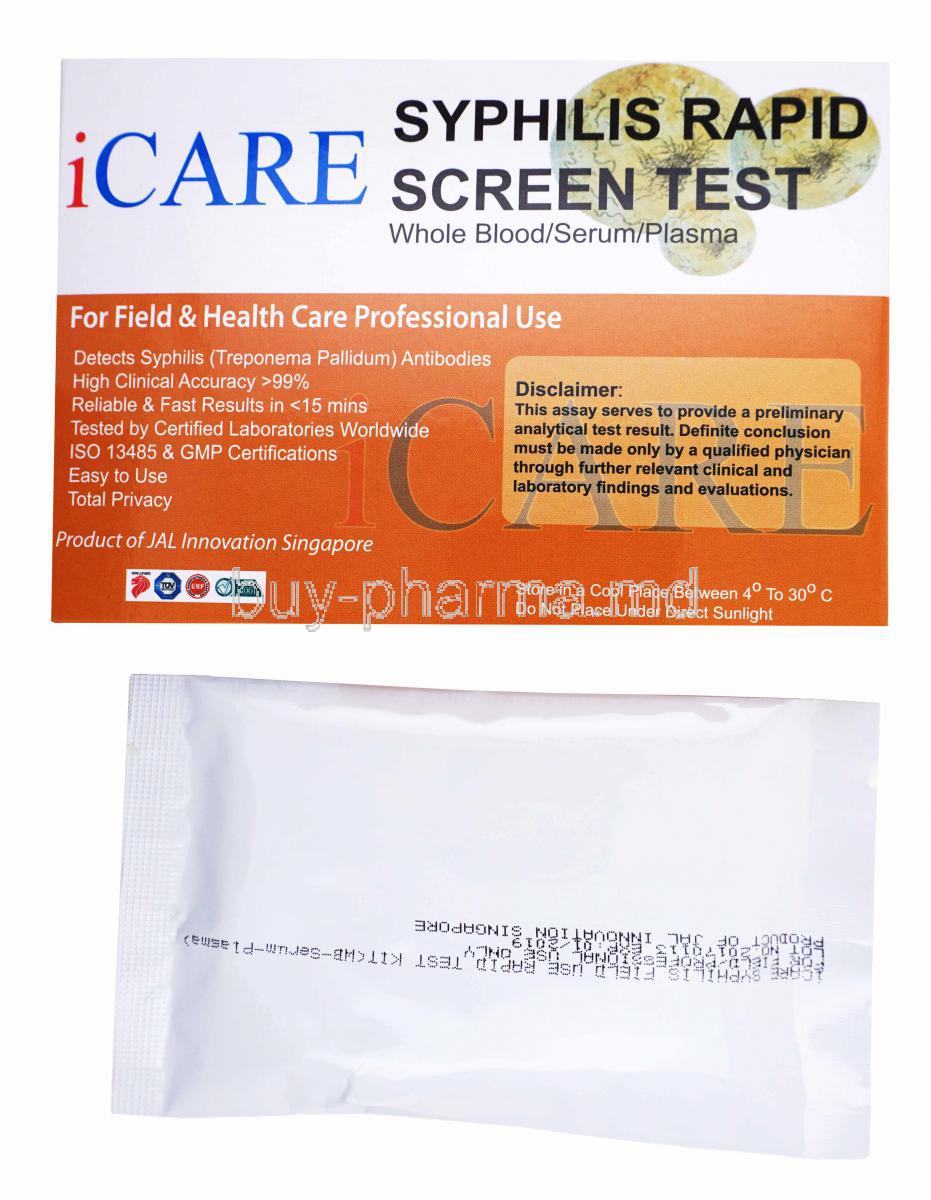
iCare Syphilis Test Kit
- 1. Introduction to iCare Syphilis Test Kit
- 2. Composition and Kit Components
- 3. How the iCare Syphilis Test Kit Works (Mechanism of Action)
- 4. Approved Uses of iCare Syphilis Test Kit
- 5. Expanded and Off-Label Uses
- 6. Dosage and Administration (How to Use the Test Kit)
- 7. Interpretation of Results
- 8. Side Effects and Safety Considerations
- 9. Warnings and Important Safety Information
- 10. Contraindications
- 11. Careful Administration and Important Precautions
- 12. Special Population Considerations
- 13. Interactions and Factors Affecting Test Results
- 14. Overdose and Misuse
- 15. Storage and Shelf Life
- 16. Handling and Disposal Precautions
1. Introduction to iCare Syphilis Test Kit
1.1 Overview of Syphilis and Its Global Health Impact
Syphilis is a chronic, systemic infection caused by the bacterium Treponema pallidum. It progresses through multiple clinical stages and may remain asymptomatic for extended periods. Despite advances in modern medicine, syphilis continues to pose a significant global public health challenge. Untreated infection can lead to serious complications affecting the cardiovascular system, nervous system, and multiple organ systems.
1.2 Importance of Early Detection and Screening
Early diagnosis is essential. Timely identification enables prompt treatment, reduces disease transmission, and prevents long-term complications. Regular screening is particularly important for individuals at increased risk or those with potential exposure.
- Prevents disease progression
- Reduces community transmission
- Supports safer sexual health practices
1.3 What is the iCare Syphilis Test Kit?
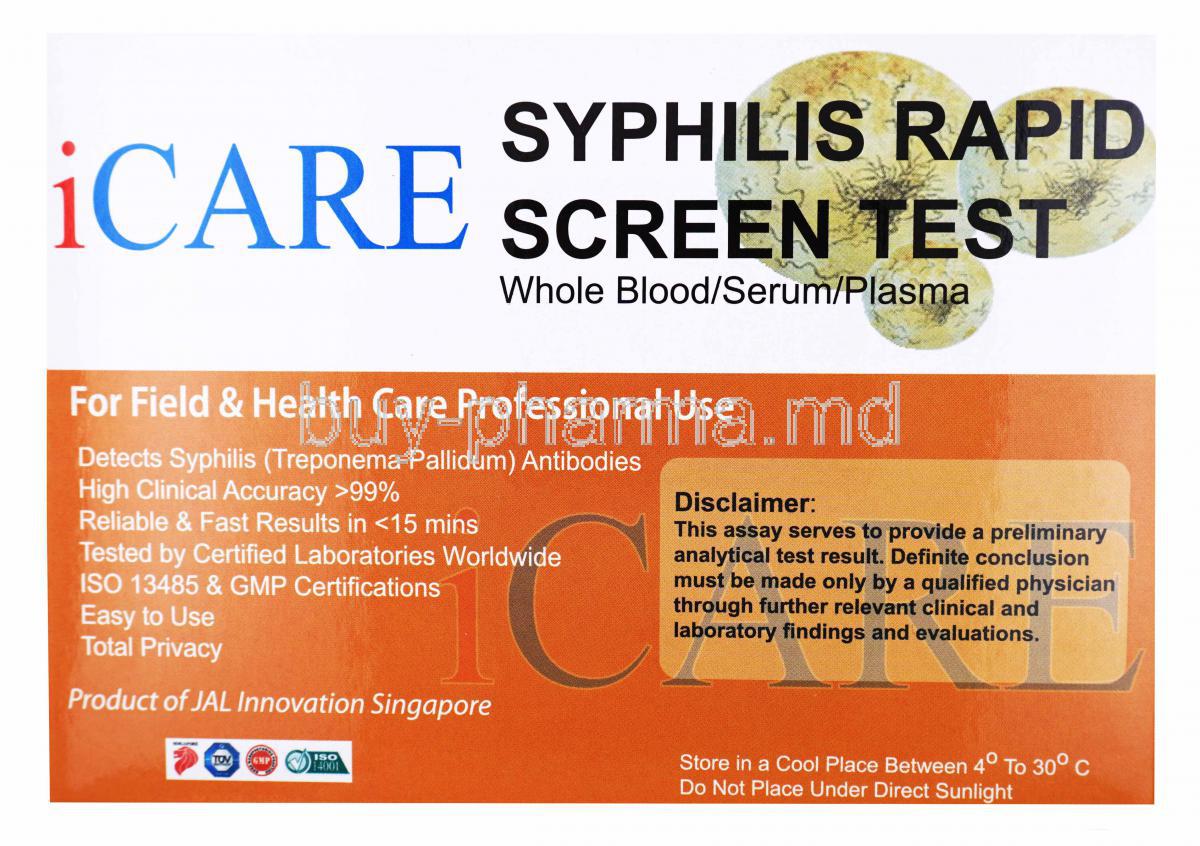
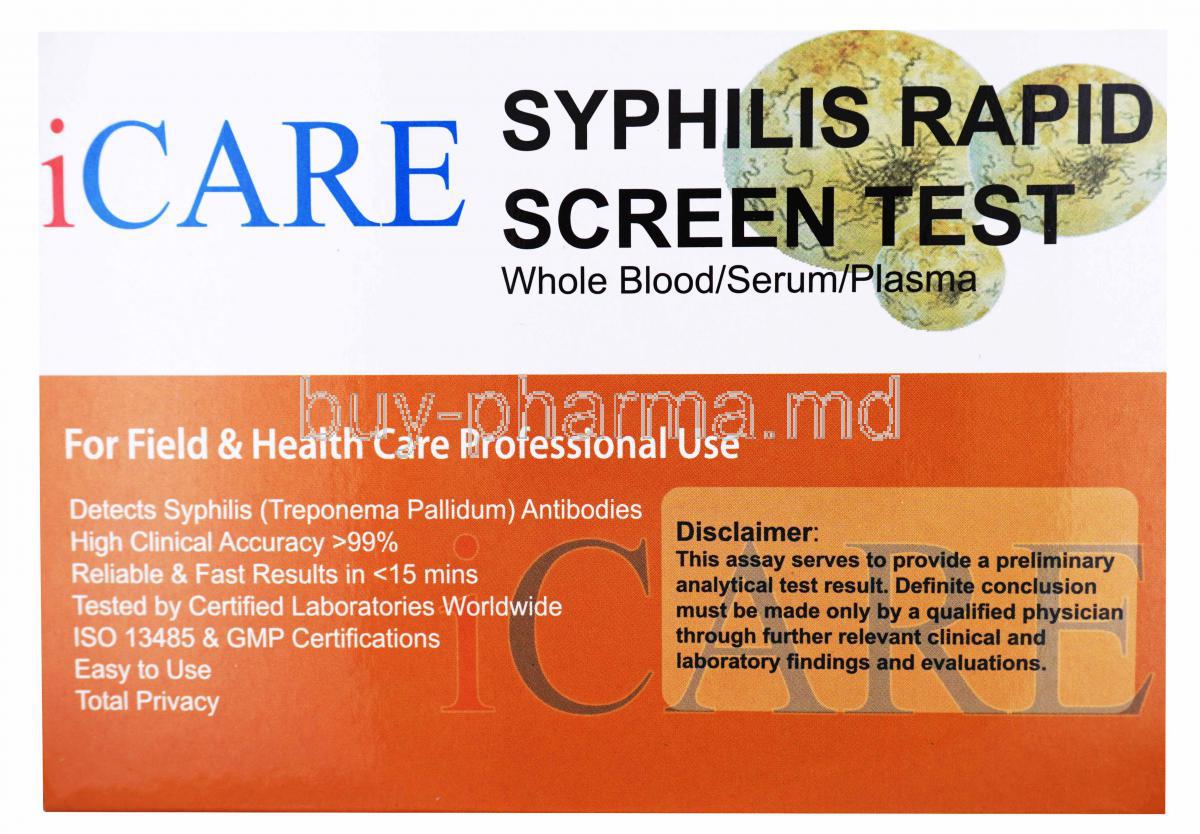
The iCare Syphilis Test Kit is a rapid in vitro diagnostic device designed for the qualitative detection of antibodies to Treponema pallidum. It provides preliminary results within minutes, offering a convenient solution for point-of-care or home-based screening.
1.4 Who Should Consider Using a Home Syphilis Test?
This test is suitable for individuals who require confidential, accessible screening, including those with recent exposure risk, multiple partners, or limited access to healthcare facilities.
1.5 Advantages of Rapid Point-of-Care Testing
- Fast results, typically within 10-15 minutes
- No specialized laboratory equipment required
- Portable and user-friendly design
- Supports early intervention and medical follow-up
2. Composition and Kit Components
2.1 Active Detection Principle (Treponema pallidum Antibody Detection)
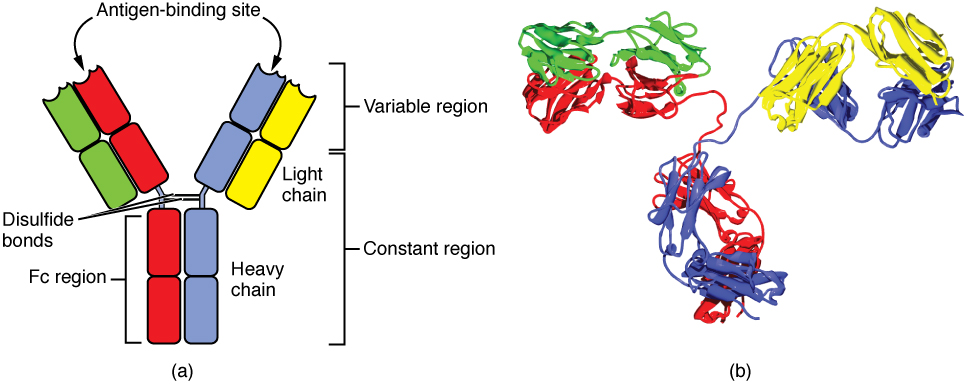
The test detects specific IgG and IgM antibodies produced in response to Treponema pallidum infection, enabling serological screening for current or past exposure.
2.2 Test Cassette Structure and Functional Areas
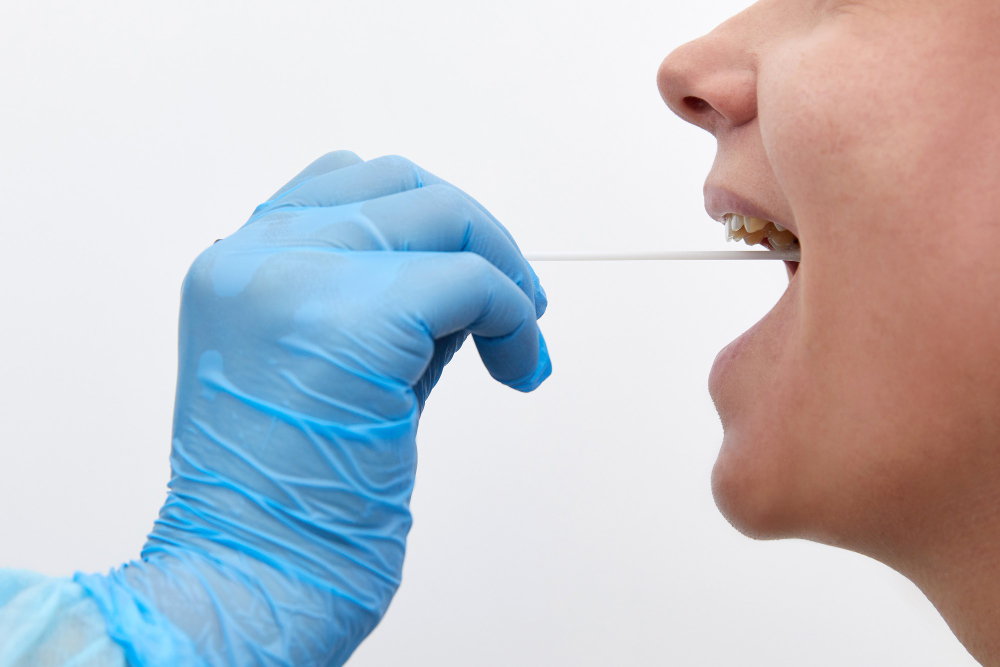
The cassette contains a sample well, a reaction membrane, and control and test lines. Capillary action allows the specimen to migrate across the membrane, initiating the immunological reaction.
2.3 Included Materials
- Sterile lancet
- Buffer solution
- Sample dropper
- Alcohol swab
- Instruction leaflet
2.4 Sample Types Supported
The kit is compatible with multiple specimen types:
- Fingerstick whole blood
- Serum
- Plasma
2.5 Single-Use Design and Quality Control Elements
Each component is intended for one-time use. An internal control line confirms proper test performance and procedural validity.
3. How the iCare Syphilis Test Kit Works (Mechanism of Action)
3.1 Immunochromatographic Assay Technology Explained
The device utilizes lateral flow immunochromatography. When the sample is applied, antibodies, if present, bind to labeled antigens and migrate along the membrane to form a visible line.
3.2 Detection of Syphilis Antibodies (IgG/IgM)
The test identifies both early-phase IgM and long-term IgG antibodies, improving detection across different stages of infection.
3.3 Test Procedure Timeline and Result Interpretation Window
Results should be read within the specified time frame, typically between 10 and 15 minutes. Reading too early or too late may compromise accuracy.
3.4 Sensitivity, Specificity, and Diagnostic Accuracy
3.5 Limitations of Antibody-Based Testing
Antibodies may not be detectable immediately after exposure. This diagnostic latency, known as the window period, must be considered when interpreting negative results.
4. Approved Uses of iCare Syphilis Test Kit
4.1 Screening for Syphilis Infection in Adults
The primary indication is qualitative screening for syphilis antibodies in adult populations.
4.2 Routine Sexual Health and STI Screening
Regular testing supports responsible sexual health management and early intervention.
4.3 Early Detection in High-Risk Populations
- Individuals with multiple partners
- Men who have sex with men
- People with prior STIs
4.4 Pre-Marital and Pre-Employment Health Screening
The test may be used for preliminary health evaluations where rapid results are required.

4.5 Community and Outreach Testing Programs
Its portability makes it suitable for public health campaigns and field-based screening.
4.6 Screening Prior to Medical Procedures
Preliminary testing may be conducted before certain clinical interventions.
5. Expanded and Off-Label Uses
5.1 Home-Based Self-Testing for Privacy and Convenience
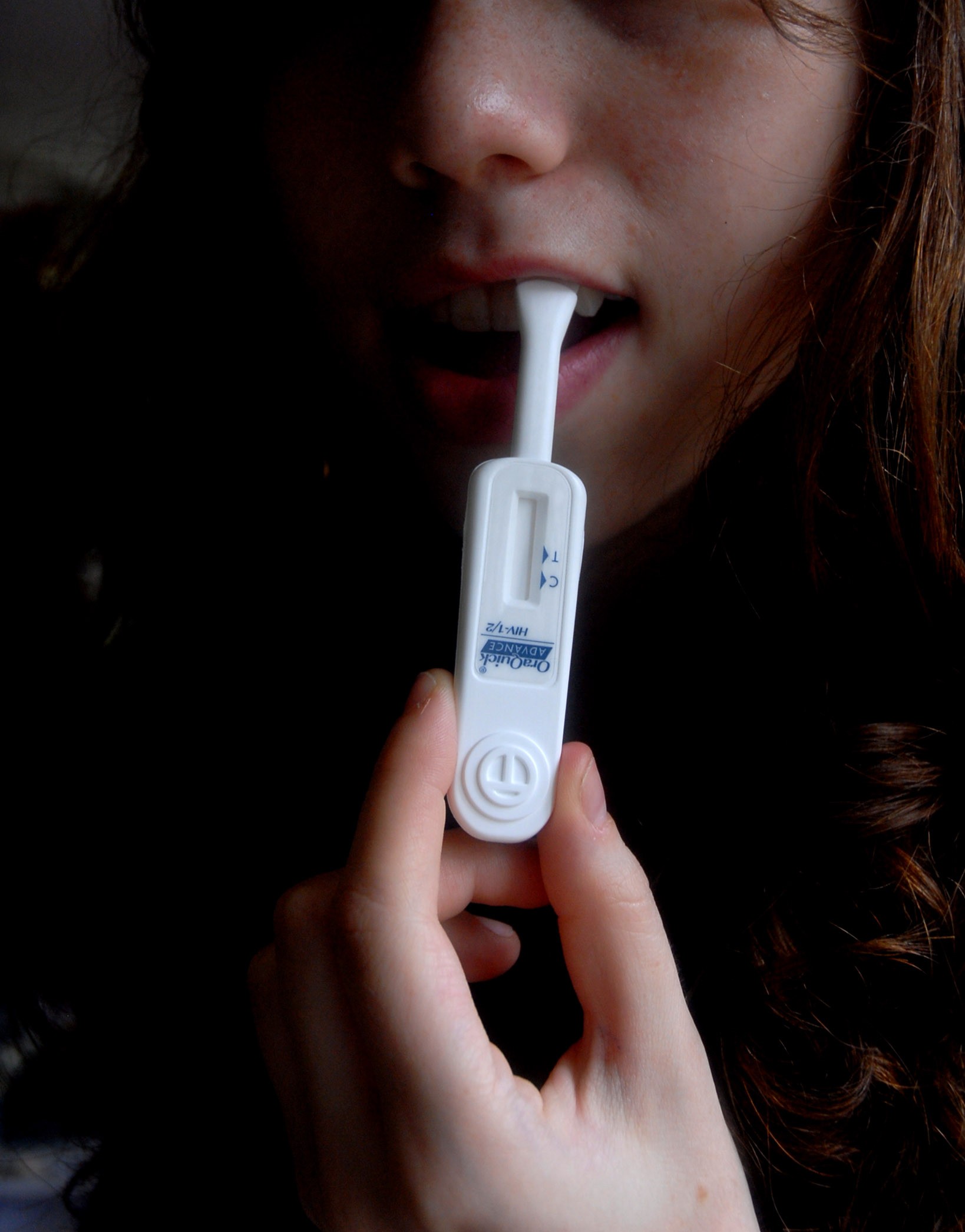
Individuals seeking discretion may perform the test independently in a private setting.
5.2 Remote and Telemedicine-Supported Screening
The kit can be integrated into telehealth workflows for remote evaluation.
5.3 Screening in Resource-Limited or Rural Settings
Minimal infrastructure requirements make it suitable for underserved regions.
6. Dosage and Administration (How to Use the Test Kit)
6.1 Recommended Frequency of Testing
Testing frequency depends on individual risk level. High-risk individuals may benefit from periodic screening.
6.2 Step-by-Step Sample Collection
- Clean the fingertip with alcohol
- Use the sterile lancet
- Collect the required blood volume
- Apply to the sample well
- Add buffer solution
6.3 Proper Use of Lancet and Buffer
Use only the supplied materials. Avoid contamination.
6.4 Timing Requirements
Results must be interpreted within the manufacturer's recommended timeframe.
6.5 When to Repeat Testing
If exposure occurred recently, repeat testing after 2-4 weeks may be necessary.
6.6 Actions After Results
- Positive: Seek confirmatory laboratory testing
- Negative: Retest if recent exposure is suspected
- Invalid: Repeat with a new kit
7. Interpretation of Results
7.1 Negative Result
A negative result suggests no detectable antibodies, though early infection cannot be excluded.
7.2 Positive Result
A reactive result indicates the presence of antibodies and requires confirmatory testing.
7.3 Invalid Result
The absence of a control line indicates procedural or device failure.
7.4 False Results
Incorrect timing, improper storage, or early testing may lead to inaccurate outcomes.
7.5 Understanding the Window Period
Antibody production may take several weeks. Testing too soon after exposure may yield false-negative results.
8. Side Effects and Safety Considerations
8.1 Overall Safety Profile
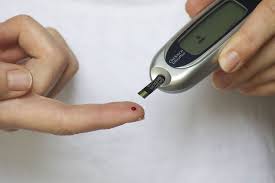
The test is non-invasive apart from a minor fingerstick and is generally well tolerated.
8.2 Common Side Effects
- Mild pain at the puncture site
- Minor bleeding or bruising
- Temporary lightheadedness
8.3 Rare Complications
Improper technique may increase the risk of local infection.
8.4 Psychological Impact
9. Warnings and Important Safety Information
9.1 Not a Definitive Diagnostic Tool
All reactive results must be confirmed by laboratory-based testing.

9.2 For In Vitro Diagnostic Use Only
The device is intended solely for diagnostic testing outside the human body.
9.3 Use Only Undamaged Kits
Compromised packaging may affect performance.
9.4 Do Not Reuse Components
All items are single-use and should be discarded after testing.
9.5 Proper Technique Is Essential
Strict adherence to instructions ensures optimal accuracy.
10. Contraindications
10.1 Use After Expiry Date
Expired kits may produce unreliable results.
10.2 Damaged or Improperly Stored Kits
Exposure to heat, moisture, or physical damage may impair function.
10.3 Inappropriate Sample Types
Only approved specimen types should be used.
10.4 Individuals Unable to Perform Fingerstick Safely
Assistance from a trained individual may be required.
10.5 Use Outside Recommended Temperature Conditions
Extreme environmental conditions may affect assay performance.
11. Careful Administration and Important Precautions
11.1 Ensuring Adequate Blood Sample Volume
Accurate performance of the iCare Syphilis Test Kit depends on the collection of a sufficient blood sample. An inadequate volume may impair capillary flow across the membrane and lead to invalid or inconclusive results. Users should allow a full drop of blood to form naturally rather than squeezing excessively, as excessive pressure may dilute the sample with tissue fluid.
- Use a sterile lancet to obtain a clean puncture
- Allow blood to flow freely without forceful milking
- Apply the recommended number of drops only
- Add buffer immediately as instructed
Proper specimen volume ensures optimal antigen antibody interaction and reliable visual interpretation.
11.2 Maintaining Hand Hygiene and Sterile Technique
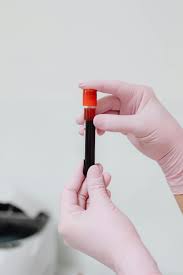
Meticulous hygiene is essential to reduce contamination risk and ensure procedural integrity. Hands should be washed thoroughly before and after testing. The puncture site must be disinfected with the provided alcohol swab and allowed to air dry completely.
Good technique protects both the user and the sample. It also minimizes the likelihood of infection at the puncture site.

11.3 Avoiding Cross-Contamination Between Users
Each test kit is designed strictly for single-person use. Sharing components may introduce biological contamination and compromise test accuracy. Used lancets, droppers, and test devices should never be reused.
- Use one kit per individual
- Do not touch the sample area of the cassette
- Avoid contact between different specimens
- Dispose of materials immediately after use
11.4 Environmental Factors Affecting Test Performance
External conditions may influence assay reliability. Testing should be performed within the recommended temperature range and away from excessive humidity, dust, or direct airflow. Extreme environmental exposure can alter reagent stability and capillary migration.
For optimal results:
- Allow the kit to reach room temperature before use
- Avoid testing in very hot or cold environments
- Keep the cassette sealed until immediately before use
11.5 Confirmatory Testing for Clinical Decision-Making
The iCare Syphilis Test Kit is intended for screening purposes only. Reactive results must be confirmed using standardized laboratory methods such as treponemal and non-treponemal assays. Clinical decisions should never be based solely on a rapid test outcome.
Medical evaluation is essential for diagnosis, staging, and treatment planning.
12. Special Population Considerations
12.1 Administration to Elderly Patients
Older adults may experience reduced manual dexterity, impaired vision, or tremor, which can complicate self-testing procedures. Assistance from a caregiver or healthcare professional may be beneficial to ensure correct sample collection and result interpretation.
- Provide adequate lighting and stable work surfaces
- Offer help with lancet use and drop placement
- Verify results carefully to avoid misreading faint lines
12.2 Administration to Pregnant Women and Nursing Mothers
Syphilis screening during pregnancy is critical due to the risk of congenital infection. While the rapid test may be used for preliminary screening, all reactive or suspicious results must be confirmed promptly through laboratory testing.
Early prenatal care and timely treatment significantly reduce adverse maternal and fetal outcomes. Nursing mothers may use the test safely, as it poses no systemic exposure risk.

12.3 Administration to Children and Adolescents
Testing in minors should be conducted under adult supervision or by a healthcare professional. Proper technique, emotional support, and appropriate counseling are important, particularly for adolescents undergoing sexual health screening.
- Ensure informed understanding of the procedure
- Provide guidance during sample collection
- Arrange medical follow-up when necessary
12.4 Use in Immunocompromised Individuals
Individuals with weakened immune systems may exhibit altered antibody responses. Conditions such as HIV infection, immunosuppressive therapy, or chronic illness may affect serological detection. Negative results in high-risk immunocompromised patients should be interpreted cautiously and may require repeat or laboratory-based testing.
13. Interactions and Factors Affecting Test Results
13.1 Medical Conditions That May Influence Antibody Detection
Certain medical conditions can alter immune function or antibody production. Autoimmune disorders, chronic infections, or advanced systemic disease may influence test reactivity or delay seroconversion.
13.2 Recent Syphilis Treatment and Serological Response
Following successful treatment, antibodies may persist for prolonged periods. A positive result does not necessarily indicate active infection and should be interpreted in conjunction with clinical history and additional laboratory testing.
13.3 Cross-Reactivity with Other Infections or Autoimmune Conditions
Rarely, cross-reactive antibodies associated with other infections or autoimmune disorders may produce false-positive results. Confirmatory testing is essential to distinguish true infection from nonspecific reactivity.
13.4 Impact of Early Testing After Exposure
Testing too soon after exposure may yield false-negative results due to the diagnostic window period. Antibody production typically requires several weeks. Repeat testing is recommended if recent exposure is suspected.
14. Overdose and Misuse
14.1 No Risk of Biological Overdose
The iCare Syphilis Test Kit contains no pharmacologically active substances. There is no risk of systemic toxicity or biological overdose from proper use.
14.2 Risks Associated with Excessive or Unnecessary Repeated Testing
Frequent, unnecessary testing may lead to anxiety, misinterpretation of transient results, or improper clinical reassurance. Testing should be performed based on risk assessment and appropriate intervals.
14.3 Improper Use or Interpretation Risks
Incorrect sample collection, timing errors, or misreading faint test lines may result in inaccurate conclusions. Users should follow instructions precisely and seek professional guidance when uncertainty exists.
15. Storage and Shelf Life
15.1 Recommended Storage Temperature and Conditions
The test kit should be stored within the temperature range specified by the manufacturer, typically at controlled room temperature. Exposure to extreme heat or freezing conditions may degrade reagents.
15.2 Protection from Moisture, Heat, and Direct Sunlight
Environmental stability is critical. Store the kit in a dry location away from humidity, heat sources, and direct sunlight. Keep components in their original sealed packaging until use.
15.3 Shelf Life and Expiry Monitoring
Each kit carries a clearly marked expiration date. Expired products may produce unreliable results and should not be used. Routine verification before testing is strongly recommended.
15.4 Storage After Opening (If Applicable)
Once the foil pouch is opened, the test cassette should be used immediately. Prolonged exposure to air and moisture may compromise performance.
16. Handling and Disposal Precautions
16.1 Safe Handling of Blood Samples
Blood specimens should be treated as potentially infectious. Avoid direct contact and clean any accidental spills promptly using appropriate disinfectants.
16.2 Proper Disposal of Lancets and Biohazard Materials
Used lancets and contaminated materials should be discarded safely to prevent injury or infection.
- Place sharps in a puncture-resistant container
- Do not recap or reuse lancets
- Dispose of materials according to local regulations
16.3 Household Disposal Recommendations
For home use, seal used components in a sturdy plastic container or bag before disposal. Keep waste out of reach of children and pets.
16.4 Avoiding Environmental Contamination
Proper disposal minimizes environmental exposure to biological materials. Responsible handling protects both public health and the surrounding environment.
iCare Syphilis Test Kit FAQ
- What is the test kit for syphilis?
- What is the best test to confirm syphilis?
- Can I self test for syphilis?
- Is syphilis 100% curable?
- What if a syphilis test is positive?
- What is the quickest test for syphilis?
- What are the first signs of syphilis?
- What antibiotics treat syphilis?
- Is syphilis rapid test kit accurate?
- Which tests confirm syphilis?
What is the test kit for syphilis?
One step test for qualitative detection of antibodies against Treponema pallidum
What is the best test to confirm syphilis?
Blood tests
Can I self test for syphilis?
Yes
Is syphilis 100% curable?
Yes
What if a syphilis test is positive?
Antibiotic treatment
What is the quickest test for syphilis?
Rapid HIV and Syphilis test
What are the first signs of syphilis?
Canker sore
What antibiotics treat syphilis?
Penicillin G
Is syphilis rapid test kit accurate?
99%
Which tests confirm syphilis?
Treponemal tests
Similar Product