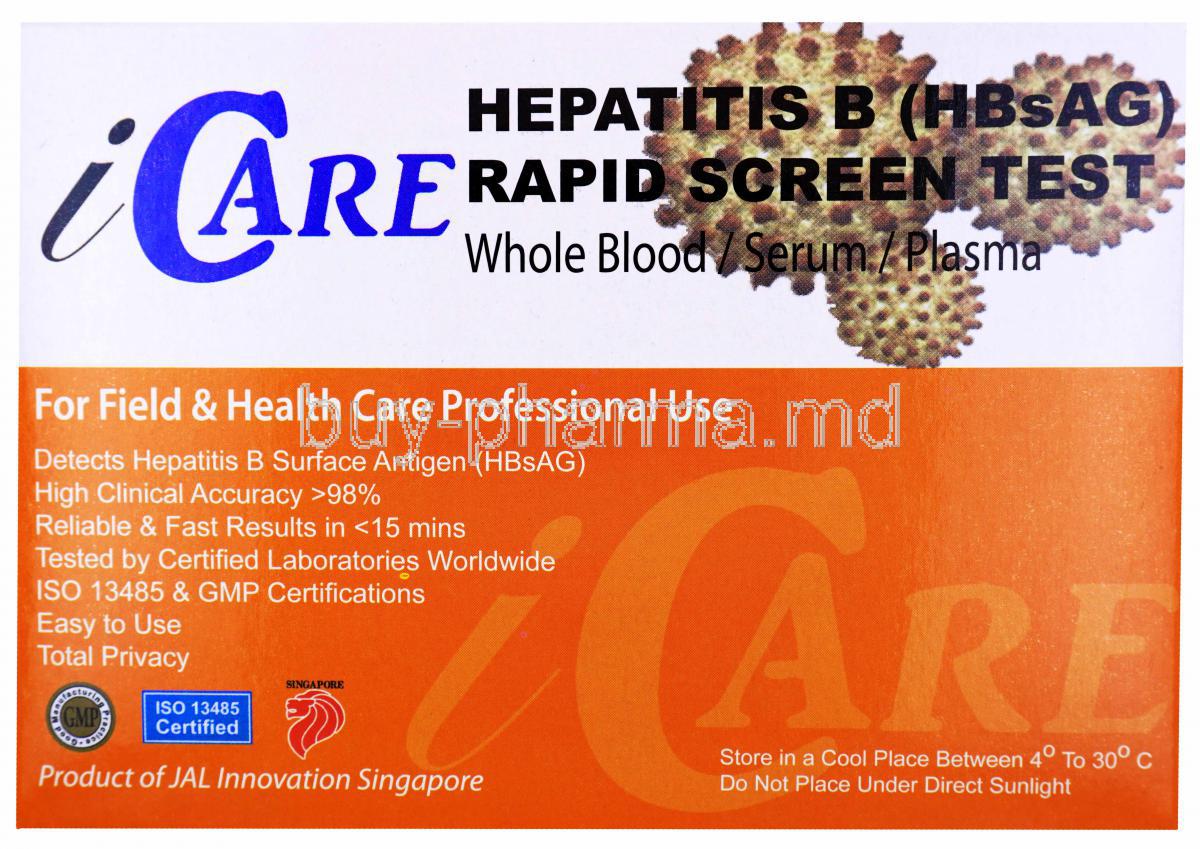
1. Introduction to the iCare Hepatitis B Test Kit
1.1 Overview of Hepatitis B and Its Global Health Impact
Hepatitis B is a viral infection that primarily affects the liver and remains a significant global health concern. It is transmitted through contact with infected blood or bodily fluids, including perinatal transmission, unsafe injections, and unprotected sexual contact. The infection may present silently, yet it can progress to chronic liver disease, cirrhosis, or hepatocellular carcinoma.
- Over 250 million people worldwide live with chronic Hepatitis B
- Many individuals remain asymptomatic for years
- Early detection reduces transmission and long-term complications
1.2 Importance of Early Detection and Screening
Timely screening plays a pivotal role in preventing disease progression and limiting community spread. Early identification enables prompt medical evaluation, vaccination of contacts, and appropriate monitoring. Screening is especially valuable in high-risk populations and in regions with moderate to high prevalence.
1.3 What Is the iCare Hepatitis B Rapid Test Kit?
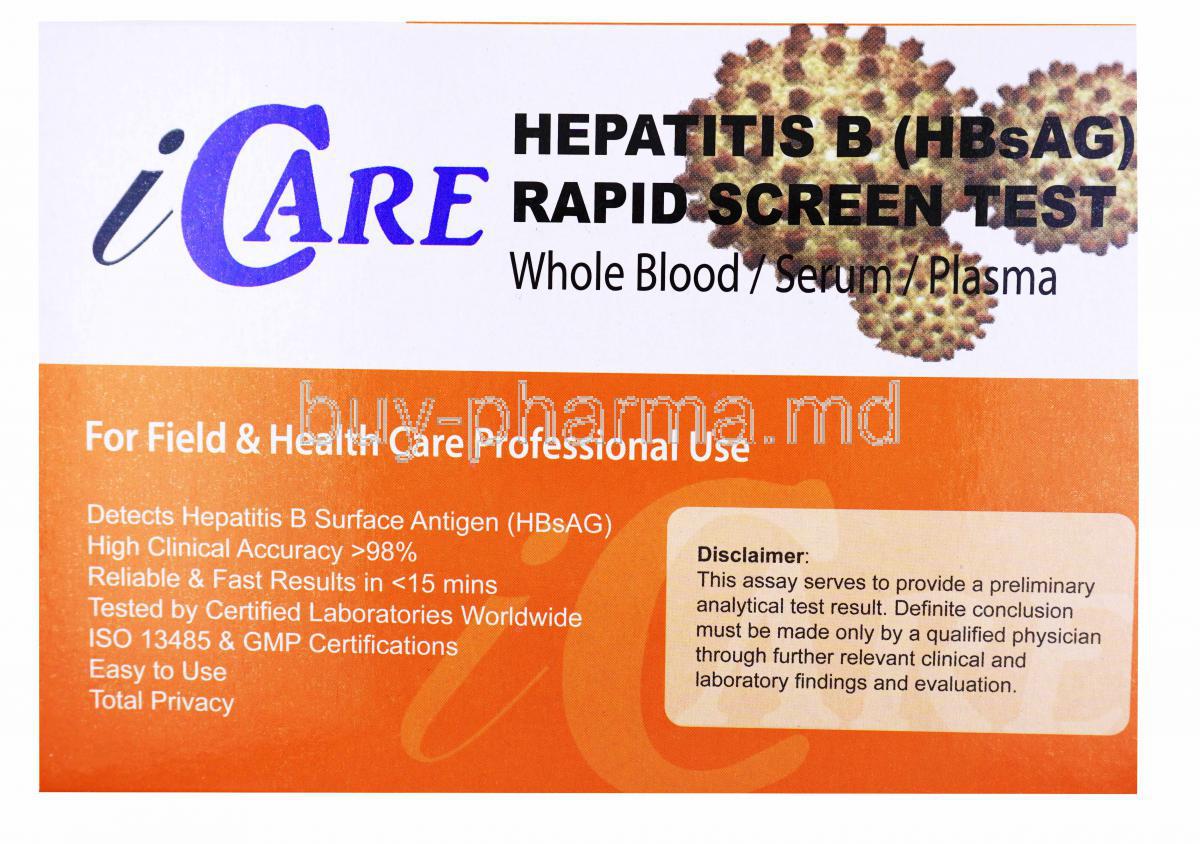
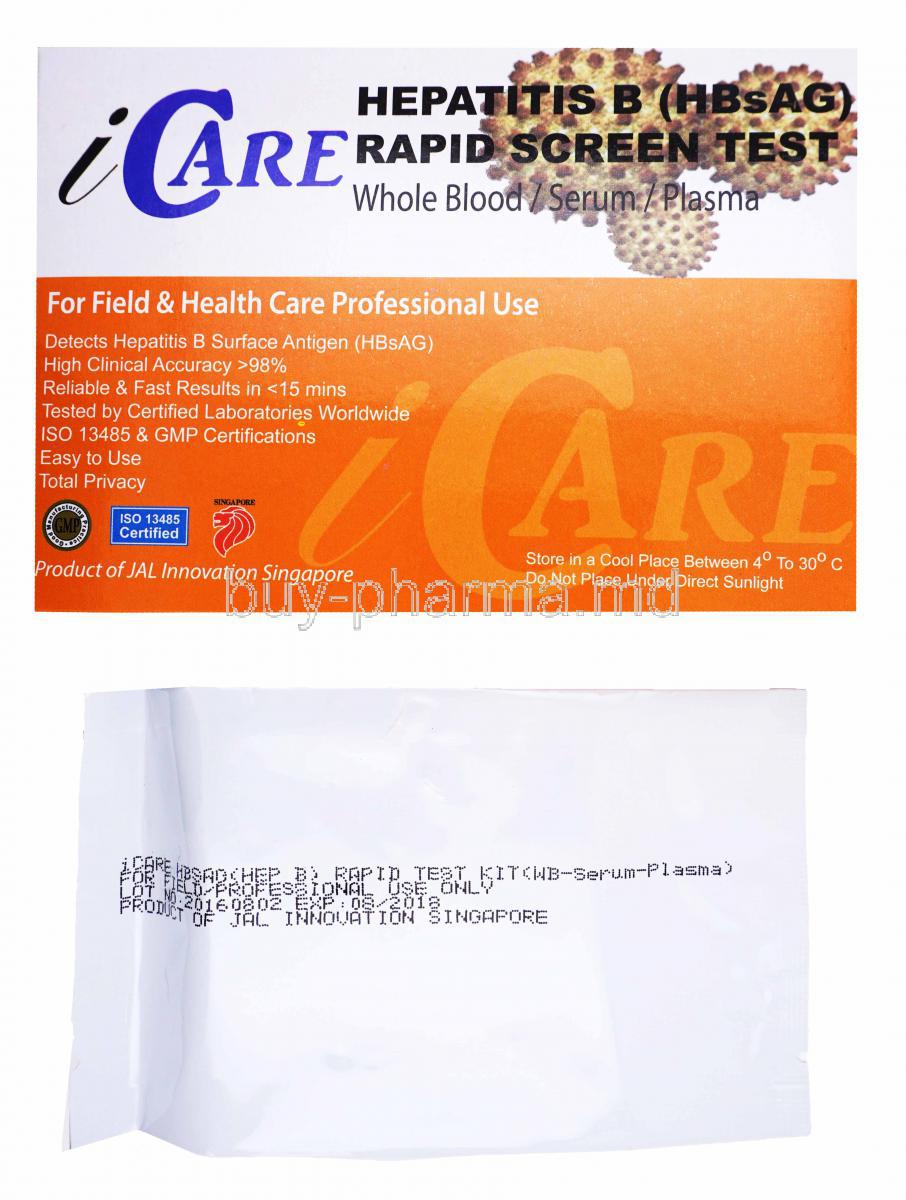
The iCare Hepatitis B Test Kit is a rapid, qualitative diagnostic device designed for the detection of Hepatitis B surface antigen (HBsAg) in human blood. It utilizes lateral flow immunoassay technology to deliver results within minutes. Compact. Efficient. Designed for accessibility.
1.4 Who Should Consider Using a Hepatitis B Home Test?
- Individuals with potential exposure to blood or body fluids
- Healthcare workers and laboratory personnel
- Partners or household contacts of infected individuals
- People planning surgery, travel, or medical procedures
- Anyone seeking proactive health screening
2. What Does the iCare Hepatitis B Test Detect?
2.1 Detection of Hepatitis B Surface Antigen (HBsAg)
The test identifies HBsAg, a protein located on the surface of the Hepatitis B virus. Its presence in blood indicates active viral infection, whether acute or chronic.
2.2 Understanding HBsAg and Its Clinical Significance
HBsAg is typically the earliest serological marker of infection. Detection signifies viral replication and infectivity. Persistent positivity beyond six months suggests chronic Hepatitis B.
2.3 Difference Between Acute and Chronic Infection Detection
While the test confirms the presence of HBsAg, it does not distinguish between acute and chronic infection. Further laboratory evaluation is required to determine disease stage and viral activity.
2.4 Limitations of Rapid Screening Tests
- Cannot quantify viral load
- Cannot assess liver function or disease severity
- May not detect infection during the early window period
- Positive results require confirmatory laboratory testing
Hepatitis b blood test
A Hepatitis B blood test panel consists of three key tests to determine infection, immunity, or vaccination status: Hepatitis B Surface Antigen (HBsAg), Antibody (HBsAb/Anti-HBs), and Core Antibody (HBcAb/Anti-HBc). A positive HBsAg indicates current infection, while HBsAb indicates immunity, and HBcAb indicates past exposure.
3. Composition and Kit Contents
3.1 Test Cassette Components
The cassette contains a nitrocellulose membrane pre-coated with anti-HBsAg antibodies and a control line for procedural validation.
3.2 Sample Collection Materials (Lancet, Dropper, Buffer)
- Sterile single-use lancet for capillary blood collection
- Disposable dropper for accurate sample transfer
- Buffer solution to facilitate antigen migration
3.3 Reagents and Their Function
Colloidal gold-labeled antibodies bind to HBsAg in the sample, forming visible complexes that migrate along the membrane to produce a detectable test line.
3.4 Packaging Configuration and Shelf Life
Each component is individually sealed to maintain integrity. Shelf life varies by manufacturer specifications and should be verified before use.
4. How the iCare Hepatitis B Test Kit Works (Mechanism of Action)
4.1 Immunochromatographic Assay Technology Explained
The device operates through lateral flow immunochromatography. Capillary action draws the sample across the membrane, enabling antigen detection through antibody binding.
4.2 Antigen-Antibody Reaction Principle
If HBsAg is present, it forms a complex with labeled antibodies. This complex is captured at the test region, producing a visible colored line.
4.3 Time to Result and Interpretation Window
Results are typically available within 10–15 minutes. Reading results outside the recommended timeframe may lead to inaccurate interpretation.
4.4 Sensitivity, Specificity, and Accuracy Considerations
- High analytical sensitivity for screening purposes
- Specificity designed to minimize cross-reactivity
- Accuracy dependent on proper technique and sample quality
Hepatitis b test results
Hepatitis B test results (a three-part panel) determine if a person has an active infection, has recovered, or is immune. A positive HBsAg indicates an active, infectious virus. A positive anti-HBs shows immunity from vaccination or past recovery. A positive anti-HBc indicates past or ongoing infection.
5. Uses and Indications
5.1 Primary Use: Screening for Hepatitis B Infection
The primary indication is rapid detection of HBsAg in individuals suspected of exposure or requiring routine screening.
5.2 Routine Health Monitoring and Preventive Screening
Periodic testing supports proactive health management, particularly in high-prevalence environments.
5.3 Pre-employment, Pre-surgical, or Travel Screening
- Medical clearance requirements
- Immigration or employment health checks
- Pre-procedural infection control
5.4 Screening for High-Risk Individuals
- Healthcare and emergency personnel
- Dialysis patients
- Partners of infected individuals
- People with multiple transfusions
5.5 Monitoring Exposure After Needlestick or Blood Contact
Provides preliminary assessment following occupational or accidental exposure.
6. Off-Label and Extended Uses
6.1 Community-Based Screening Programs
Useful in large-scale public health initiatives to identify undiagnosed infections.
6.2 Home Self-Testing for Personal Health Awareness
Supports private, convenient screening without immediate clinical access.
6.3 Screening in Remote or Resource-Limited Settings
Portable design enables deployment in rural clinics and mobile health units.
6.4 Use in Outreach and NGO Medical Services
- Humanitarian missions
- Refugee and disaster response programs
6.5 Preliminary Screening Before Vaccination Programs
Helps identify individuals who may already be infected prior to immunization.
6.6 Epidemiological Surveys
Facilitates data collection for prevalence studies and surveillance.
7. Dosage and Administration (Step-by-Step Usage Instructions)
7.1 Sample Type and Required Volume
Capillary whole blood obtained via finger-prick is typically sufficient.
7.2 Finger-Prick Blood Collection Procedure
- Clean the puncture site
- Use sterile lancet once only
- Collect the recommended volume
7.3 Applying the Sample and Buffer Correctly
Transfer the blood to the sample well, followed by buffer to initiate chromatographic flow.
7.4 Recommended Testing Conditions
Perform testing at room temperature. Avoid excessive humidity or direct sunlight.
7.5 How to Read and Interpret Results
- Two lines: Positive
- Control line only: Negative
- No control line: Invalid
7.6 When to Repeat the Test
Repeat testing if results are invalid or if recent exposure is suspected during the early window period.
8. Administration in Special Populations
8.1 Use in Elderly Individuals
- Large display area aids visual interpretation
- Assistance recommended for those with reduced dexterity or vision
8.2 Use During Pregnancy and in Nursing Mothers
Screening during pregnancy is essential to prevent vertical transmission. Early identification enables neonatal prophylaxis.
8.3 Use in Children and Adolescents
- Testing should be supervised by caregivers or healthcare professionals
- Indicated when exposure risk or maternal infection is present
9. Warnings and Safety Information
9.1 For In Vitro Diagnostic Use Only
The device is intended exclusively for external diagnostic testing of blood samples.
9.2 Not a Confirmatory Diagnostic Test
Results are preliminary and require laboratory confirmation.
9.3 Need for Laboratory Confirmation
Positive findings should be followed by serological testing and clinical evaluation.
9.4 Risk of False-Negative Results
Early infection stages may yield undetectable antigen levels.
9.5 Biohazard Precautions
- Handle blood as potentially infectious
- Dispose of sharps safely
10. Contraindications
10.1 Use with Non-Blood Samples
The test is validated only for whole blood specimens.
10.2 Expired or Damaged Test Kits
Do not use if the packaging is compromised or beyond the expiration date.
10.3 Improper Storage or Contaminated Components
Exposure to moisture or extreme temperatures may impair performance.
10.4 Reuse of Single-Use Materials
Lancets and droppers are strictly single-use to prevent cross-contamination and infection.
11. Careful Administration and Important Precautions
11.1 Strict Adherence to Instructions for Use
Accurate results depend on meticulous compliance with the manufacturer’s instructions. Even minor deviations can compromise assay performance. Each step—from sample collection to result interpretation—should be performed exactly as directed.
- Use only the recommended sample volume
- Avoid substituting components from other kits
- Do not interpret results outside the specified time window
Precision matters. Consistency ensures reliability.
11.2 Avoiding Cross-Contamination Between Samples
Cross-contamination may lead to false-positive or invalid results. Each test is designed for single use and should be handled with strict hygiene protocols.
- Use a new lancet and dropper for each individual
- Do not reuse test cassettes or buffers
- Wash hands thoroughly before and after testing
11.3 Ensuring Proper Timing for Result Interpretation
Reading results too early may produce incomplete reactions. Reading them too late may cause evaporation artifacts or background staining. Both scenarios can distort interpretation.
- Check results only within the recommended time frame (typically 10–15 minutes)
- Discard and repeat if timing was incorrect
11.4 Environmental Factors Affecting Test Performance
External conditions influence immunochromatographic reactions. Excessive humidity, temperature fluctuations, or exposure to direct sunlight may impair capillary flow and antigen binding.
- Perform testing at room temperature
- Avoid windy, dusty, or overly humid environments
- Allow refrigerated kits to equilibrate before use
11.5 User Training and Quality Control in Clinical or Field Settings
In community programs or clinical environments, operator competency is essential. Proper training reduces procedural errors and enhances diagnostic confidence.
- Conduct periodic competency assessments
- Use control samples when applicable
- Maintain standardized documentation and traceability
12. Side Effects and Safety Considerations
12.1 Device-Related Risks (Minor Finger-Prick Discomfort)
The procedure involves capillary blood collection, which may cause brief discomfort. The sensation is typically mild and transient.
12.2 Risk of Infection from Improper Lancet Use
Improper handling or reuse of lancets increases the risk of localized infection and cross-transmission of bloodborne pathogens. Sterility must be maintained at all times.
12.3 Psychological Impact of Positive Results
A positive screening result can provoke anxiety, distress, or uncertainty. Emotional responses vary widely. Immediate access to medical guidance and counseling is recommended to support informed decision-making.
12.4 Common Side Effects
- Mild pain or bleeding at the puncture site
- Temporary skin irritation or redness
- Anxiety or emotional distress following result interpretation
13. Interactions and Factors Affecting Test Accuracy
13.1 Interference from Hemolysis or Improper Samples
Hemolyzed or insufficient samples may disrupt antigen-antibody interactions and compromise assay clarity. Proper collection technique is essential.
13.2 Effect of High Lipid or Protein Levels
Severely lipemic or protein-rich blood samples may alter flow dynamics within the membrane, potentially affecting line visibility or reaction efficiency.
13.3 Impact of Immunosuppression or Low Antigen Levels
Individuals with compromised immune function or very low viral antigen levels may produce false-negative results. Clinical correlation is advised in high-risk cases.
13.4 Timing Relative to Exposure or Vaccination
Testing too soon after exposure may fall within the serological window period, when antigen levels are not yet detectable. Similarly, recent vaccination does not produce HBsAg but timing considerations remain important for accurate screening.
14. Overdose or Misuse Considerations
14.1 No Risk of Chemical Overdose
The test kit contains minimal reagent volumes and is intended for external diagnostic use. Chemical overdose is not a clinical concern.
14.2 Risks of Excessive or Repeated Finger-Pricking
Repeated punctures may lead to localized tissue irritation, bruising, or minor infection. Testing frequency should be appropriate to clinical need.
14.3 Improper Disposal Hazards
Discarded sharps or contaminated materials may pose infection risks to others. Safe disposal protocols must always be followed.
15. Storage and Shelf-Life Requirements
15.1 Recommended Storage Temperature and Conditions
Store the kit according to manufacturer guidelines, typically at controlled room temperature. Extreme conditions may degrade antibodies and reduce test performance.
15.2 Protection from Moisture, Heat, and Direct Sunlight
- Keep kits in a dry environment
- Avoid exposure to high humidity
- Do not store near heat sources or in direct sunlight
15.3 Handling After Opening the Pouch
Once opened, the test cassette should be used promptly. Prolonged exposure to ambient air may affect membrane integrity and reagent stability.
15.4 Checking Expiry Date Before Use
Expired kits may yield unreliable results. Always verify the expiration date prior to testing and discard outdated components.
16. Handling and Disposal Precautions
16.1 Safe Disposal of Lancets and Biohazard Waste
Used lancets and blood-contaminated materials should be disposed of in puncture-resistant containers whenever possible. Treat all materials as potentially infectious.
16.2 Infection Control Measures at Home or in Clinics
- Wear disposable gloves if available
- Disinfect surfaces after testing
- Wash hands thoroughly with soap and water
16.3 Storage Away from Children and Pets
Diagnostic devices and sharps must be stored securely to prevent accidental injury or misuse.
16.4 Transport and Field Handling Guidelines
During transport, protect kits from mechanical damage and temperature extremes. Field programs should maintain controlled storage conditions to preserve diagnostic integrity.
17. When to Seek Medical Advice After Testing
17.1 Steps After a Positive Result
A positive result indicates the presence of HBsAg and requires prompt medical evaluation. Avoid self-diagnosis or delay in follow-up.
17.2 Follow-Up Laboratory Testing and Liver Function Evaluation
- Confirmatory serological testing
- Assessment of viral load if indicated
- Liver enzyme and function analysis
- Clinical consultation for disease staging and management
17.3 Vaccination Considerations After a Negative Result
Individuals who test negative and lack immunity should consider Hepatitis B vaccination. Preventive immunization remains the most effective long-term protection.
17.4 Counseling and Preventive Measures for Household Contacts
If infection is confirmed, household members and close contacts should undergo screening and vaccination when appropriate. Education on transmission prevention is essential.
iCare Hapatitis B Test Kit FAQ
Can I test for hepatitis B at home?
Yes
How accurate is the Hep B test kit?
88%
How to read hepatitis B test kit?
When you get your test results, check them after 15 minutes. If it's positive, you might be able to tell earlier, but make sure to wait the full 15 minutes if it's negative. This is because you want to be sure the sample is really negative and not just have a low amount of Hepatitis B surface antigen.
When is the best time to test for hepatitis B?
4-6 weeks
What is the most reliable test for hepatitis B?
Blood tests
What is the window period for hepatitis B test?
45-180 days
Similar Product