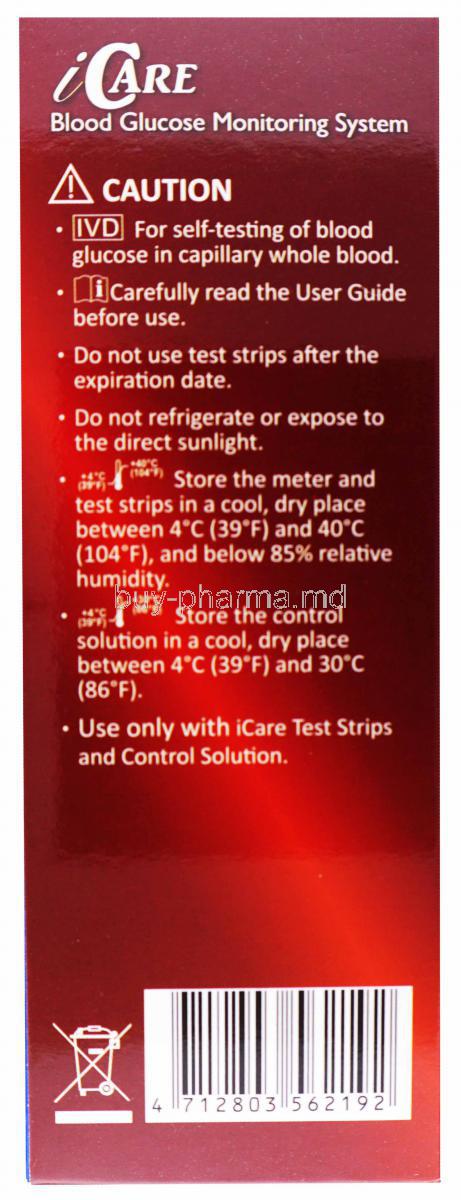
Icare Blood Glucose Meters
- 1. Introduction to Icare Blood Glucose Meters
- 2. Composition and System Components
- 3. How Icare Blood Glucose Meters Work
- 4. Uses of Icare Blood Glucose Meters
- 4.1 Routine Self-Monitoring of Blood Glucose (SMBG)
- 4.2 Monitoring Before and After Meals
- 4.3 Insulin Dose Adjustment and Therapy Optimization
- 4.4 Detection and Prevention of Glycemic Emergencies
- 4.5 Monitoring During Illness, Stress, or Lifestyle Changes
- 4.6 Gestational Diabetes Management
- 4.7 Prediabetes and Metabolic Syndrome Monitoring
- 4.8 Support for Weight Management Programs
- 5. Off-Label and Non-Standard Uses
- 6. Dosage and Administration (Testing Frequency Guidelines)
- 7. Common Side Effects and User-Related Issues
- 8. General Safety Information and Warnings
- 9. Drug and Substance Interactions Affecting Accuracy
- 10. Contraindications
- 11. Careful Administration and Important Precautions
- 12. Administration in Special Populations
- 13. Overdosage and Excessive Testing Concerns
- 14. Storage and Shelf-Life Recommendations
- 15. Handling Precautions
- 16. Troubleshooting and Error Management
- 17. Summary: Role of Icare Blood Glucose Meters in Long-Term Diabetes Care
1. Introduction to Icare Blood Glucose Meters
1.1 Overview of Icare Glucose Monitoring Systems
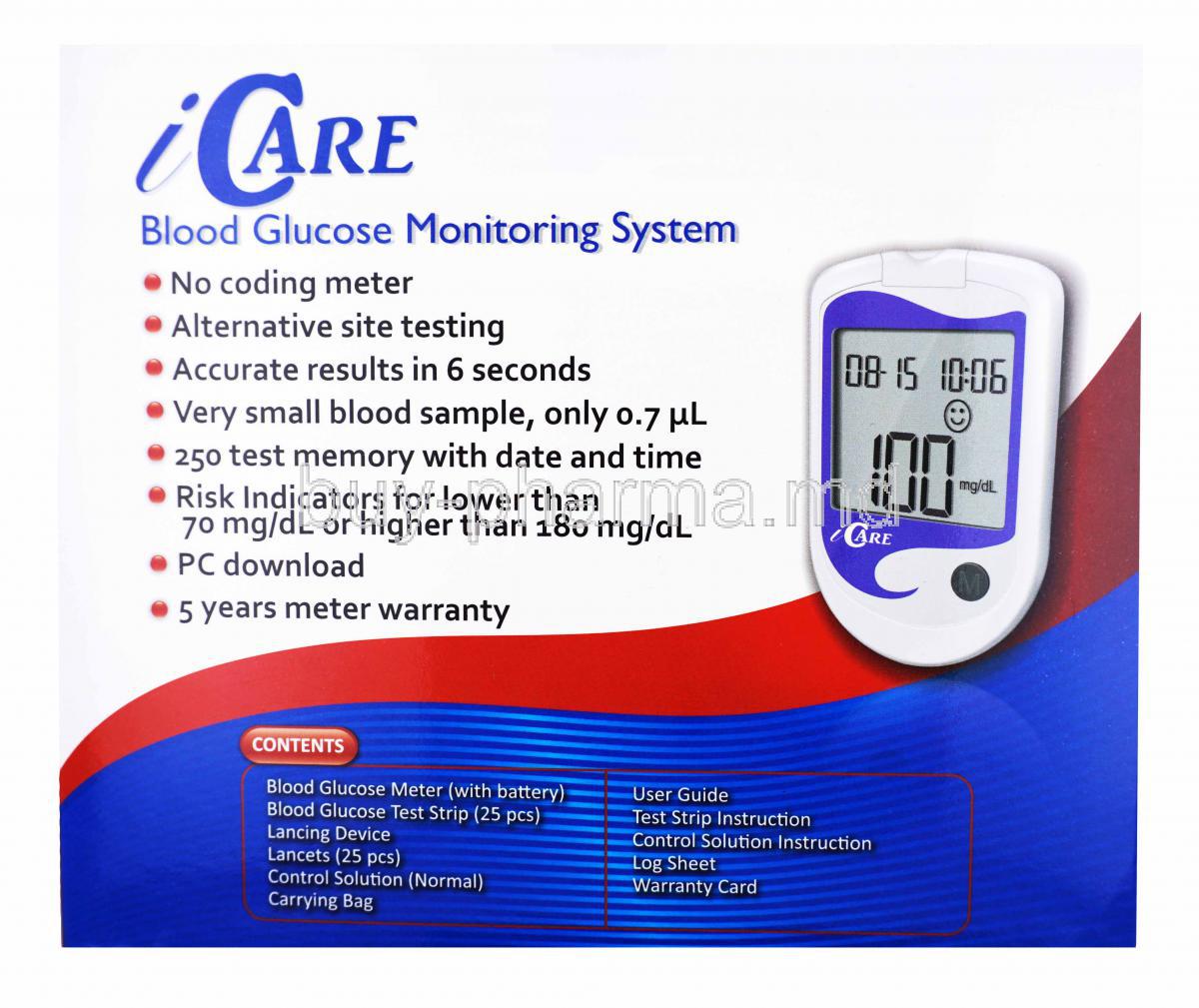
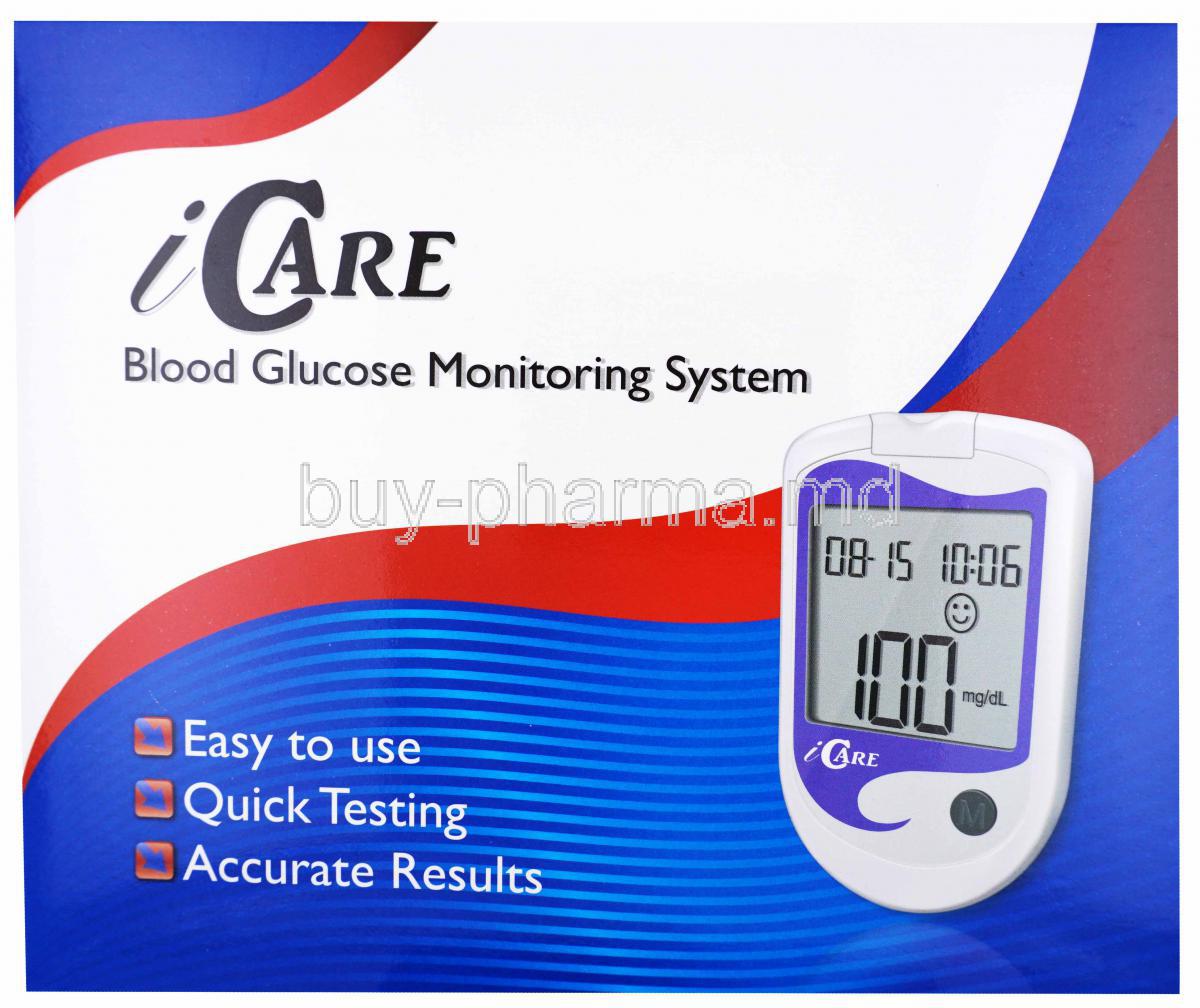
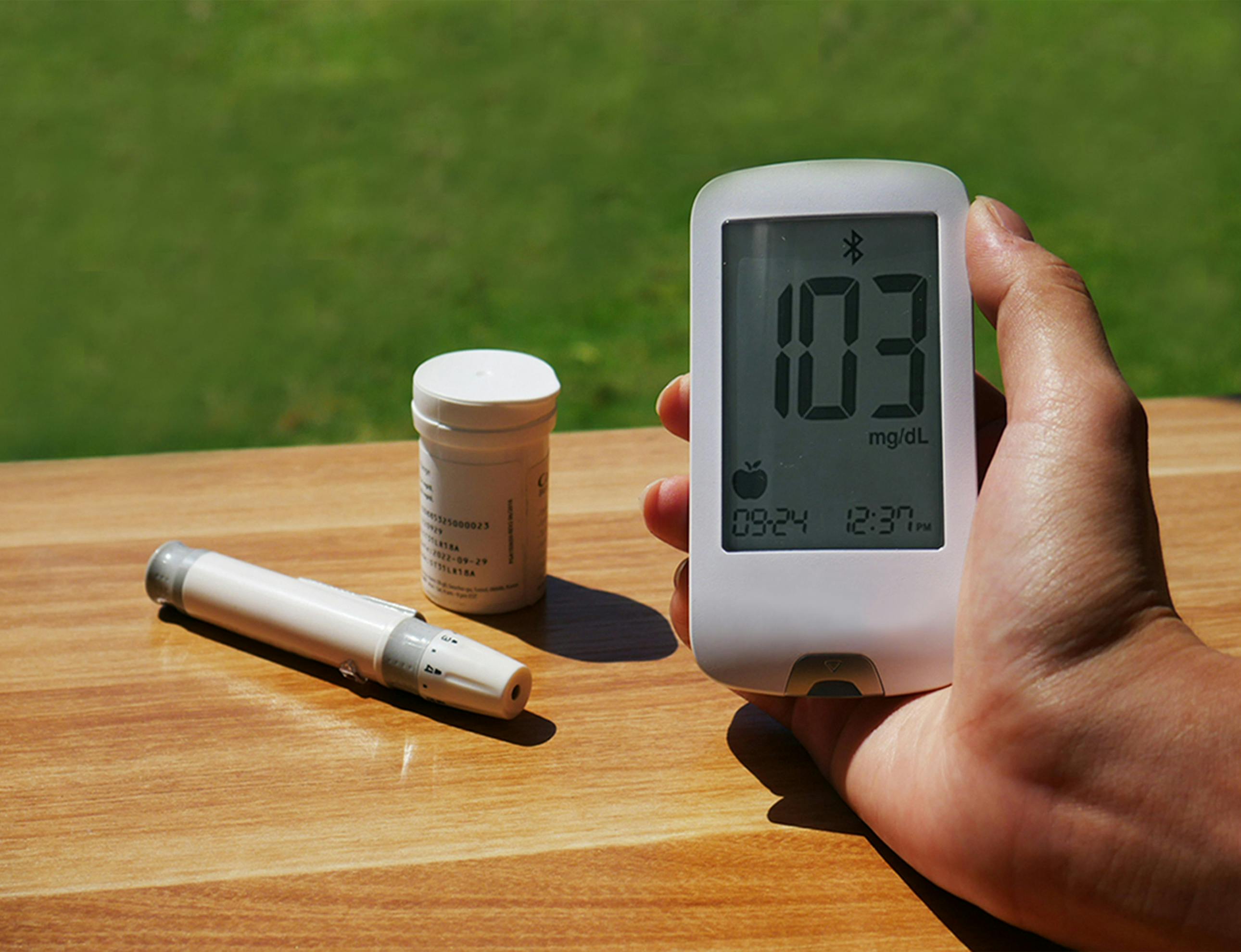
Icare Blood Glucose Meters are specially made to quickly and accurately measure the amount of glucose in your blood. They use advanced technology to help you check your blood sugar levels at home, at work, or when you're traveling. These meters are small but strong, and they make it easy to keep track of your blood sugar levels, which is an important part of taking care of your diabetes.
1.2 Importance of Blood Glucose Monitoring in Diabetes Management
Regular blood glucose monitoring forms the cornerstone of effective diabetes control. It provides actionable data that supports therapeutic adjustments, dietary planning, and lifestyle optimization. Frequent monitoring helps:
- Prevent acute glycemic excursions
- Reduce the risk of long-term complications
- Evaluate treatment effectiveness
- Enhance patient engagement and self-management
1.3 Who Should Use Icare Blood Glucose Meters
The system is suitable for a wide spectrum of users, including:
- Individuals with Type 1 diabetes
- Patients with Type 2 diabetes on diet, oral medication, or insulin therapy
- Pregnant women with gestational diabetes
- Individuals with prediabetes or metabolic syndrome
- High-risk populations requiring periodic glucose surveillance
1.4 Key Features and Benefits of Icare Devices
- Accuracy and reliability: Clinically validated measurement performance
- Fast test results: Readings typically available within seconds
- User-friendly design: Large display, simple interface, minimal training required
- Portability and convenience: Lightweight construction for discreet daily use
2. Composition and System Components
2.1 Main Device (Glucose Meter)
The central unit houses the biosensor interface, digital processing module, display screen, and memory storage. Many models allow data tracking for trend analysis.
2.2 Test Strips: Structure and Function
Test strips contain a reactive enzyme layer and micro-capillary channel that draws in a small blood sample. Each strip is designed for single use and calibrated for compatibility with the device.
2.3 Lancets and Lancing Devices
Spring-loaded lancing systems enable controlled skin puncture, minimizing discomfort while producing adequate blood volume for analysis.
2.4 Control Solutions for Calibration and Quality Check
Control solutions containing known glucose concentrations are used periodically to verify system accuracy and strip integrity.
2.5 Battery and Power Specifications
Devices typically operate on long-life lithium or coin-cell batteries, ensuring extended functionality with low energy consumption.
3. How Icare Blood Glucose Meters Work
3.1 Principle of Electrochemical Glucose Detection
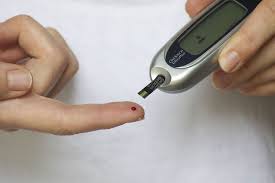
The device measures glucose levels by using a special reaction that creates an electric current. This current is directly related to how much glucose is present.
3.2 Role of Enzyme-Based Test Strips
3.3 Sample Collection and Measurement Process
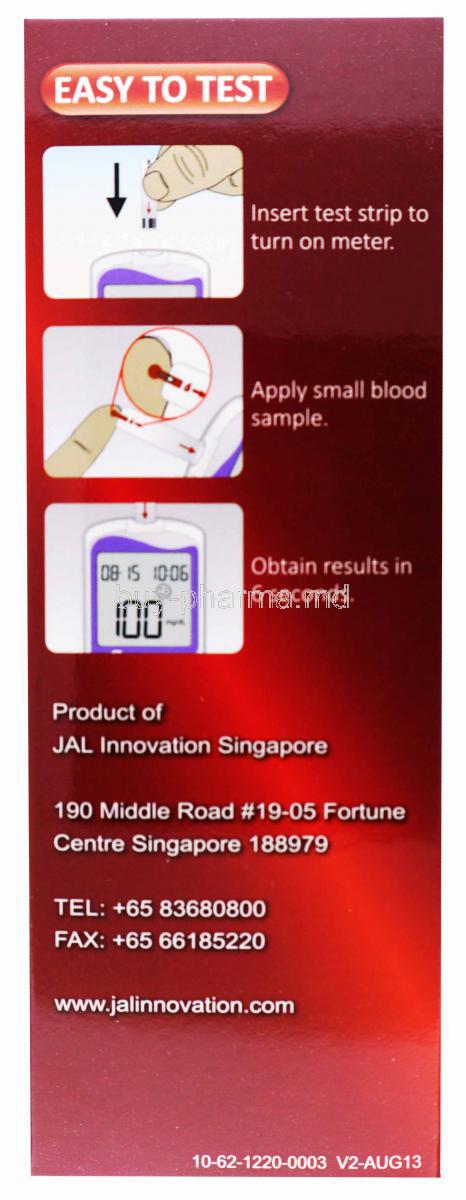
- Insert a new test strip into the meter
- Obtain a small capillary blood sample via finger prick
- Apply blood to the strip
- View results within seconds
3.4 Factors Affecting Measurement Accuracy
- Abnormal hematocrit levels
- Extreme temperature or humidity
- Insufficient or contaminated blood samples
4. Uses of Icare Blood Glucose Meters
4.1 Routine Self-Monitoring of Blood Glucose (SMBG)
Essential for daily diabetes management and therapeutic decision-making.
4.2 Monitoring Before and After Meals
Helps evaluate dietary impact and postprandial glycemic control.

4.3 Insulin Dose Adjustment and Therapy Optimization
Supports individualized titration and prevention of dosing errors.
4.4 Detection and Prevention of Glycemic Emergencies
Early identification of hypoglycemia or hyperglycemia reduces medical risk.
4.5 Monitoring During Illness, Stress, or Lifestyle Changes
When our bodies are under stress, it can change how we process sugar and we need to keep a closer eye on it.
4.6 Gestational Diabetes Management
Frequent testing supports maternal and fetal safety.

4.7 Prediabetes and Metabolic Syndrome Monitoring
Provides early insight into glucose dysregulation.
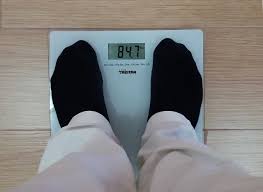
4.8 Support for Weight Management Programs
Useful for individuals following low-carbohydrate or structured nutritional plans.
5. Off-Label and Non-Standard Uses
5.1 Use by Athletes and Endurance Trainers
Helps assess metabolic responses during high-intensity training.

5.2 Monitoring During Intermittent Fasting or Ketogenic Diets
Provides data on metabolic adaptation and glycemic stability.
5.3 Research and Clinical Study Applications
Widely used for observational and interventional metabolic studies.
5.4 Glucose Variability Assessment in Non-Diabetics
Increasingly utilized for metabolic health optimization.
5.5 Monitoring in High-Risk Individuals
6. Dosage and Administration (Testing Frequency Guidelines)
6.1 Type 1 Diabetes
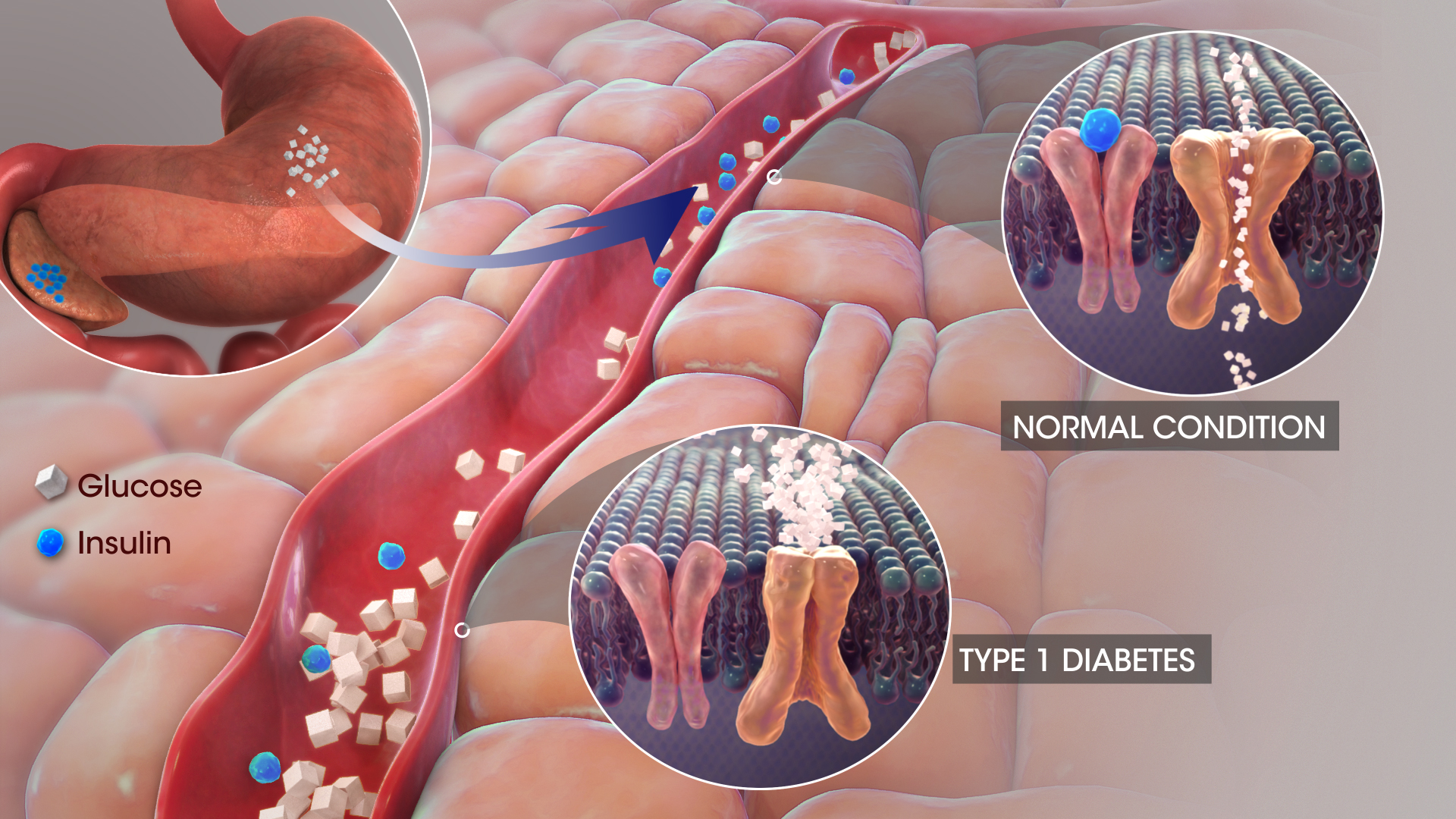
Testing is typically required multiple times daily, often before meals, exercise, and bedtime.
6.2 Type 2 Diabetes
- Diet-controlled: periodic testing
- Oral therapy: daily or targeted testing
- Insulin therapy: multiple daily checks
6.3 Timing of Testing
- Fasting glucose
- Pre-meal and post-meal measurements
- Bedtime monitoring
6.4 Step-by-Step Instructions for Proper Use
Wash hands, insert strip, obtain blood sample, apply to strip, and record results.
6.5 Quality Control and Calibration
Regular use of control solutions and adherence to manufacturer instructions ensure ongoing accuracy.
7. Common Side Effects and User-Related Issues
7.1 Finger-Prick Discomfort
You might feel a bit of discomfort or soreness when you have to do a test over and over again.
7.2 Skin Irritation or Bruising
Rotating puncture sites helps minimize tissue trauma.
7.3 Infection Risk
7.4 Psychological Burden
Frequent monitoring may contribute to anxiety or monitoring fatigue.
8. General Safety Information and Warnings
8.1 Not for Diagnostic Use Alone
Results should be interpreted within a clinical context.
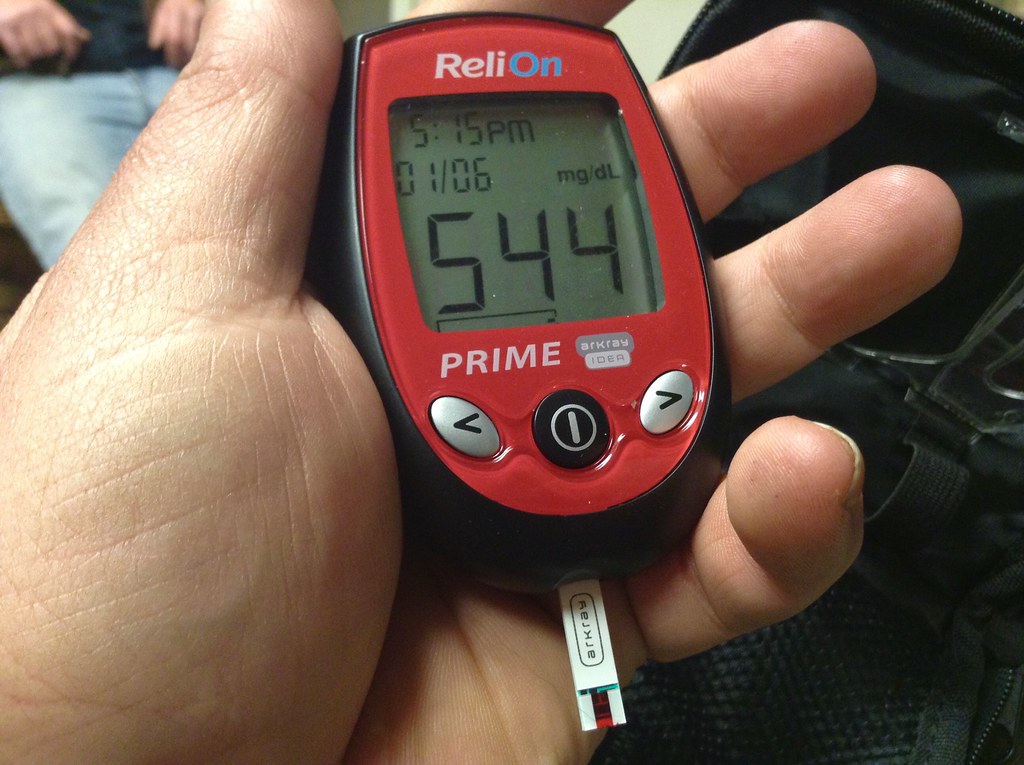
8.2 Risk of Inaccurate Results
Things like storing them wrong, using strips that are past their expiration date, or making mistakes when using them can give incorrect results.
8.3 Interference from External Factors
Certain substances and environmental conditions may alter results.
8.4 Limitations in Critically Ill Patients
Peripheral circulation abnormalities may compromise accuracy.
8.5 When to Seek Medical Advice
Persistent abnormal readings or symptoms require professional evaluation.
9. Drug and Substance Interactions Affecting Accuracy
9.1 Interfering Medications
- High-dose vitamin C
- Acetaminophen
- Dopamine and other oxidizing agents
9.2 Effects of Dehydration or Hypoxia
Altered blood composition may influence measurement accuracy.
9.3 Alternative Site Testing Considerations
Delayed glucose changes in alternative sites may not reflect rapid fluctuations.
10. Contraindications
10.1 Use in Neonates or Critically Ill Patients
Not recommended unless specifically approved for such populations.
10.2 Severe Circulatory Disorders
Poor peripheral perfusion may yield unreliable results.
10.3 Incompatible Accessories
Use only manufacturer-approved test strips and components to ensure accurate performance.
11. Careful Administration and Important Precautions
11.1 Proper Handwashing and Sample Collection
Accurate glucose measurement begins with meticulous hygiene. Hands should be washed thoroughly with soap and warm water before testing. Residual sugars, lotions, or contaminants may distort results and lead to erroneous clinical decisions. After washing, hands should be dried completely, as moisture can dilute the blood sample and affect strip performance.
- Use warm water to promote peripheral circulation
- Avoid alcohol wipes unless necessary; allow full drying if used
- Obtain a fresh capillary sample without excessive squeezing
Proper sampling technique ensures consistency and analytical precision.

11.2 Avoiding Contamination of Test Strips
Test strips contain sensitive enzymatic reagents that can degrade when exposed to air, humidity, or foreign substances. Handling them with care is essential.
- Remove only one strip at a time
- Close the vial immediately after use
- Avoid touching the reaction area
Even minor contamination may compromise electrochemical activity and lead to inaccurate readings.
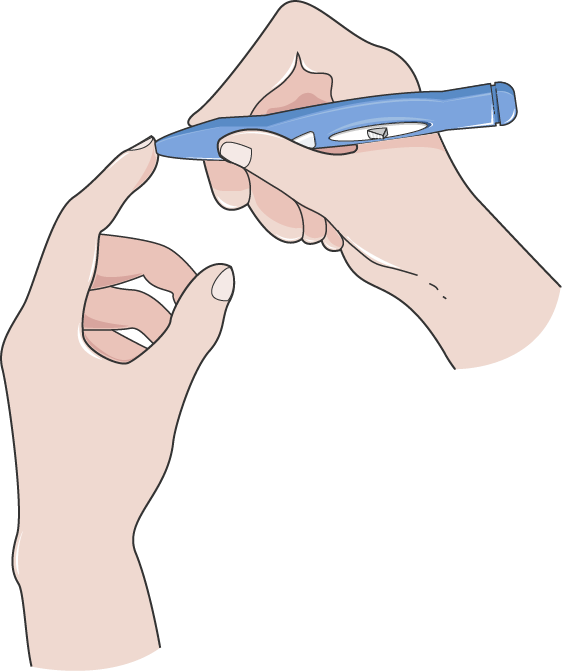
11.3 Single-Use Lancet Safety
Lancets are designed for single use only. Reusing lancets increases the risk of infection, dulls the needle, and causes unnecessary discomfort.
- Always dispose of used lancets safely
- Never share lancing devices between individuals
- Rotate puncture sites to reduce tissue trauma
11.4 Regular Device Cleaning and Maintenance
Routine cleaning preserves device functionality and prevents biological contamination. Exterior surfaces should be wiped periodically using a soft cloth lightly moistened with an approved disinfectant. The test strip port should be kept free from dust, debris, or dried blood.
Scheduled maintenance enhances longevity and ensures dependable performance.
11.5 Ensuring Correct Coding or Auto-Coding Function
Some systems require manual coding to match the test strip lot number, while others utilize auto-coding technology. Incorrect coding may lead to systematic measurement errors. Users should verify coding settings whenever opening a new vial of strips and confirm that the meter recognizes the strip correctly.
12. Administration in Special Populations
12.1 Use in Elderly Patients
Older adults often require simplified monitoring solutions due to age-related physiological and functional changes.
- Vision considerations: Large displays and backlit screens improve readability
- Dexterity limitations: Easy-grip strips and low-force lancing devices enhance usability
- Memory functions: Stored readings assist caregivers and clinicians in reviewing trends
Supportive device design reduces user burden and promotes adherence.

12.2 Use During Pregnancy and in Nursing Mothers
Strict glycemic control is essential during pregnancy, particularly in gestational diabetes, to minimize maternal and fetal complications. Frequent monitoring allows timely dietary adjustments and therapy optimization.
- Monitor fasting and postprandial glucose levels regularly
- Follow healthcare provider recommended testing schedules
- Ensure proper hygiene to reduce infection risk
Blood glucose monitoring is considered safe during breastfeeding and does not affect lactation.
12.3 Use in Children and Adolescents
Pediatric use requires supervision and structured guidance.
- Parental or caregiver assistance is recommended for younger children
- Testing frequency varies depending on insulin regimen and activity level
- Education on technique and hygiene is essential
Consistent monitoring supports growth, development, and metabolic stability.
13. Overdosage and Excessive Testing Concerns
13.1 Risks of Over-Frequent Testing
While frequent monitoring is beneficial in many clinical scenarios, excessive testing without medical indication may increase physical and psychological burden without improving outcomes.
13.2 Skin Damage from Repeated Finger Pricking
Repeated puncture at the same site may cause:
- Callus formation
- Local inflammation
- Reduced capillary blood flow
Site rotation and appropriate lancing depth help minimize tissue injury.
13.3 Psychological Impact of Excessive Monitoring
Compulsive or overly frequent testing may contribute to anxiety, frustration, or glycemic preoccupation. Balanced monitoring aligned with clinical guidance promotes sustainable self-care.
13.4 When to Adjust Testing Frequency
Testing schedules should be reassessed when:
- Glycemic control stabilizes
- Therapy changes occur
- Lifestyle or medical conditions evolve
14. Storage and Shelf-Life Recommendations
14.1 Ideal Storage Conditions for the Meter
The device should be stored in a clean, dry environment at room temperature. Exposure to excessive heat, cold, or moisture may impair electronic components and sensor accuracy.
14.2 Proper Storage of Test Strips
- Store in the original sealed container
- Keep away from direct sunlight and humidity
- Avoid refrigeration unless specified by the manufacturer
Environmental stability preserves enzymatic activity and ensures reliable results.
14.3 Shelf-Life and Expiry Considerations
Test strips must not be used beyond their expiration date. Expired strips may produce inaccurate readings due to reagent degradation. Users should also note the recommended usage period after opening the vial.
14.4 Battery Care and Replacement
Low battery power may affect device performance. Replace batteries promptly when indicated and remove them during prolonged storage to prevent leakage.
15. Handling Precautions
15.1 Safe Disposal of Used Lancets and Test Strips
Sharps disposal protocols should be followed to prevent injury and contamination.
- Use a designated sharps container
- Do not discard loose lancets in household waste
- Follow local medical waste guidelines
15.2 Avoiding Exposure to Extreme Conditions
Both the meter and consumables should be protected from extreme temperatures, high humidity, and direct sunlight.
15.3 Transportation and Travel Tips
When traveling, store the device in a protective case. Carry sufficient test strips, lancets, and spare batteries. Temperature-controlled storage is recommended during long journeys.
15.4 Protecting the Device from Physical Damage
Drops, impacts, or fluid exposure may damage internal circuitry. Regular inspection helps identify cracks, loose components, or malfunction.
16. Troubleshooting and Error Management
16.1 Common Error Messages and Their Meaning
Error codes may indicate issues such as insufficient blood sample, strip malfunction, or temperature outside the operating range. Users should consult the device manual for interpretation.
16.2 Steps to Take When Readings Are Inconsistent
- Repeat the test with a new strip
- Wash hands and retest
- Verify strip expiration and storage conditions
- Perform a control solution test
16.3 When to Replace the Device or Test Strips
Replacement should be considered if repeated errors occur, physical damage is present, or quality control results fall outside acceptable ranges.
16.4 Contacting Customer Support or Healthcare Providers
Persistent discrepancies between meter readings and clinical symptoms should prompt consultation with a healthcare professional or manufacturer support service.
17. Summary: Role of Icare Blood Glucose Meters in Long-Term Diabetes Care
17.1 Supporting Self-Management and Treatment Decisions
Regular monitoring empowers individuals to make informed decisions regarding diet, medication, and lifestyle. Data-driven self-management enhances therapeutic precision.
17.2 Improving Glycemic Control and Reducing Complications
Consistent glucose surveillance helps prevent acute events and mitigates long-term risks such as neuropathy, retinopathy, nephropathy, and cardiovascular disease.
17.3 Integrating Monitoring into Daily Lifestyle and Preventive Care
Modern glucose monitoring systems are designed for seamless integration into everyday routines. Portable, efficient, and reliable, they support long-term metabolic stability and proactive health maintenance.
Icare Blood Glucose Meters FAQ
Is the iCARE glucose monitor accurate?
Yes
How to use an iCARE blood glucose meter?
- Get your lancet device and press it firmly against the tip of your finger.
- Now, press the white button on the device to prick your finger.
Similar Product