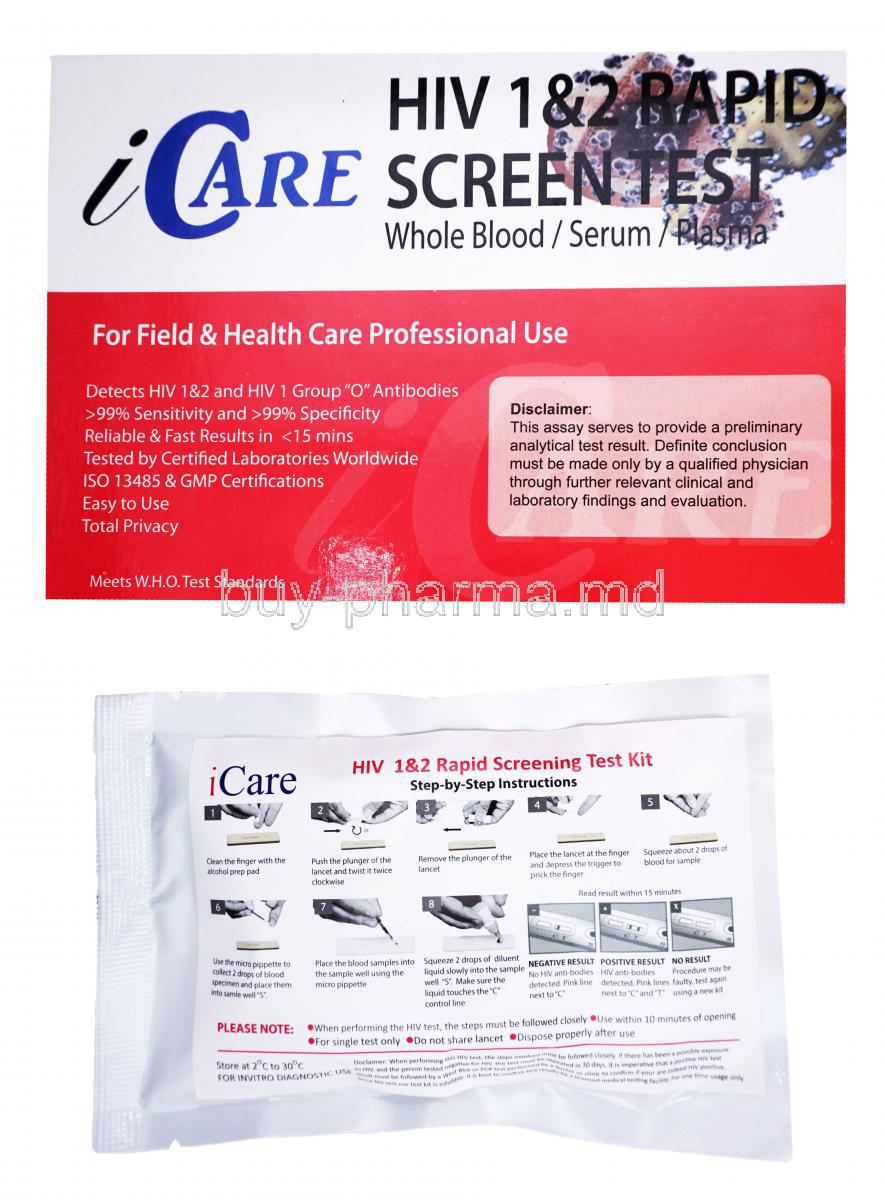
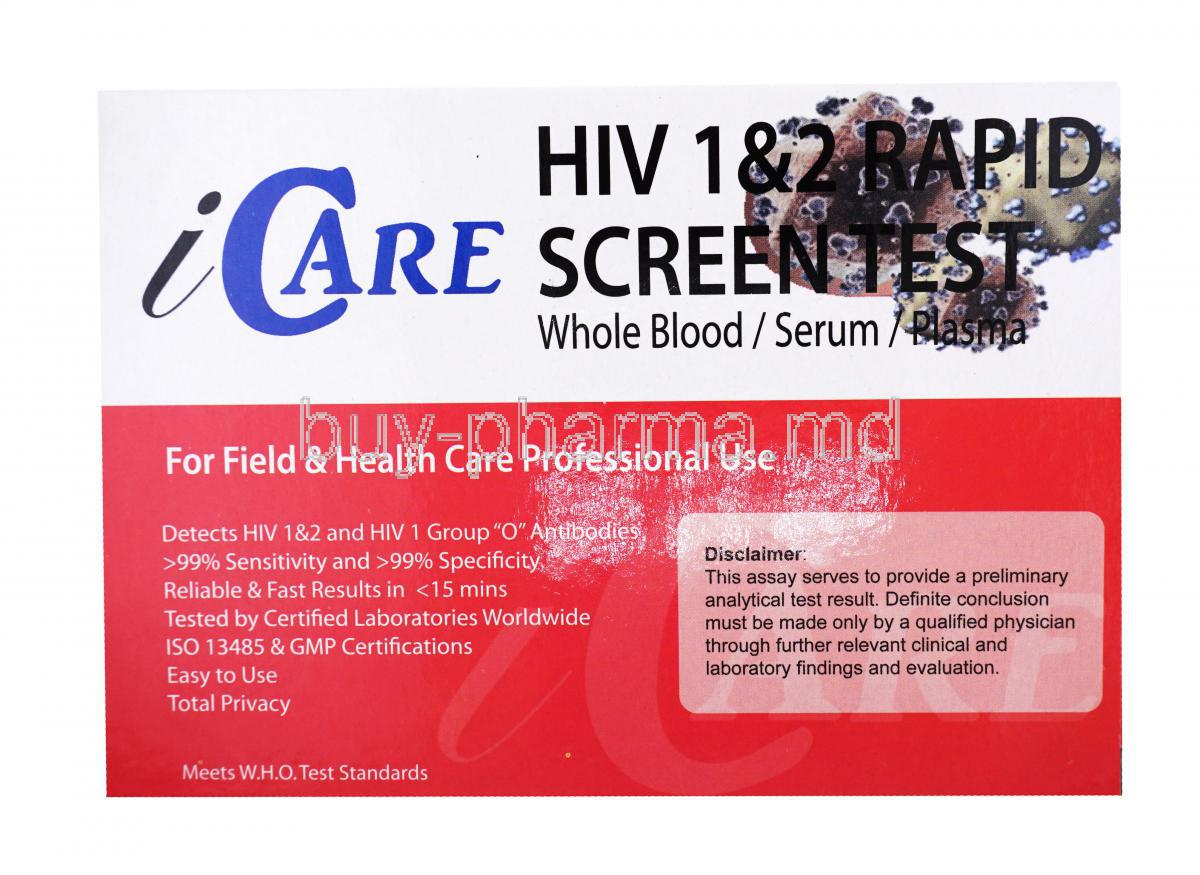
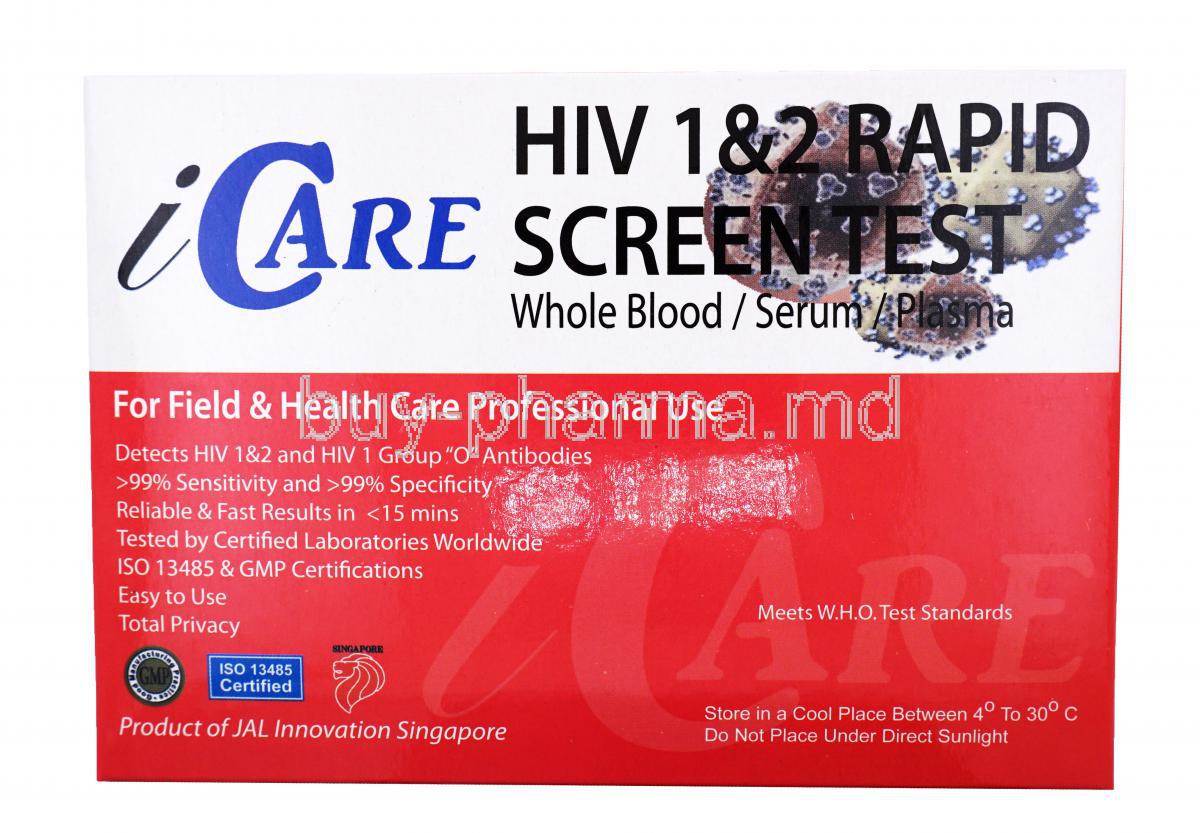
Introduction to Icare HIV 1&2 Rapid Screen Test
The Icare HIV 1&2 Rapid Screen Test represents a modern diagnostic adjunct designed to facilitate timely HIV screening. It addresses the global demand for rapid, accessible, and reliable preliminary testing solutions. In clinical practice, speed matters. So does accuracy.
- Rapid turnaround for screening purposes
- Minimal infrastructure requirements
- Broad applicability across healthcare settings
Overview of Rapid HIV Screening Technologies
Rapid HIV screening technologies are based on immunoassay principles that enable antibody detection without complex laboratory equipment. These systems have transformed HIV testing by decentralizing diagnostics and expanding access beyond traditional laboratories. Short workflows. Clear visual endpoints. Operational simplicity.
Purpose and Clinical Relevance of HIV-1 and HIV-2 Antibody Detection
Detection of antibodies against HIV-1 and HIV-2 is essential for identifying exposure to both viral types. HIV-1 remains globally predominant, while HIV-2 is regionally concentrated yet clinically significant. Comprehensive screening enhances diagnostic coverage and epidemiological accuracy.
Role of Rapid Tests in Early Diagnosis and Public Health Screening
Rapid tests play a pivotal role in early case identification and linkage to care. They support large-scale screening initiatives, reduce diagnostic delays, and contribute to transmission control. Early awareness enables earlier intervention.
Product Overview and Test Description
What Is the Icare HIV 1&2 Rapid Screen Test
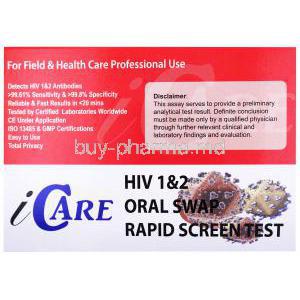
The Icare HIV 1&2 Rapid Screen Test is an in vitro diagnostic device designed for the qualitative detection of HIV antibodies. It is intended solely for screening purposes and delivers results within minutes. Compact. Portable. Purpose-built.
Target Analytes: HIV-1 and HIV-2 Antibodies
The test specifically targets antibodies generated in response to HIV-1 and HIV-2 infection. These immunoglobulins are detectable after seroconversion, forming the biological basis of screening accuracy.
Intended Users and Testing Environments
The test is suitable for use by trained healthcare professionals in diverse environments, including:
- Hospitals and diagnostic laboratories
- Outreach and community health programs
- Point-of-care and mobile testing units
Uses and Clinical Indications
Primary Use in Preliminary HIV Screening
The primary indication is preliminary HIV screening to identify individuals who may require confirmatory testing. It serves as an initial diagnostic filter rather than a definitive diagnosis.
Use in Symptomatic and Asymptomatic Individuals
The test may be applied to individuals with clinical symptoms suggestive of HIV infection as well as those without symptoms. Asymptomatic screening remains critical for early detection.
Use in Routine Health Checks and Voluntary Testing Programs
Routine health evaluations and voluntary counseling and testing programs benefit from rapid screening tools. They encourage broader participation through convenience and immediacy.
Use in High-Risk Populations and Exposure Assessment
High-risk populations and individuals with potential exposure may undergo rapid screening as part of risk assessment protocols. Results guide next diagnostic and preventive steps.
Use in Blood Donation Pre-Screening
In certain settings, rapid screening may be employed as an initial safeguard prior to laboratory-based confirmatory testing. This enhances transfusion safety when integrated appropriately.
Off-Label and Expanded Uses
Use in Community-Based Screening Initiatives
Community outreach programs leverage rapid tests to extend HIV screening beyond conventional healthcare facilities. Accessibility improves testing uptake.
Use in Mobile Clinics and Remote Healthcare Settings
Mobile and remote healthcare services rely on portable diagnostics. The test’s minimal logistical demands make it suitable for geographically isolated populations.
Use in Emergency or Disaster Response Scenarios
During emergencies, rapid screening supports continuity of essential health services. Diagnostic agility becomes a strategic advantage.
Use in Epidemiological Surveillance and Research Settings
The test may be utilized in surveillance and research contexts to estimate prevalence trends. Results contribute to population-level data rather than individual diagnosis.
How the Icare HIV 1&2 Rapid Screen Test Works
Immunochromatographic Assay Principle
The test operates on an immunochromatographic lateral flow principle. Antibodies in the sample bind to antigen-coated particles and migrate along a membrane.
Detection of Antibodies Against HIV-1 and HIV-2
Specific antigen-antibody interactions produce a visible signal. This qualitative response indicates the presence or absence of target antibodies.
Visual Interpretation of Test and Control Lines
Results are interpreted visually:
- Control line confirms test validity
- Test line indicates antibody detection
Time to Result and Diagnostic Window Period Considerations
Results are typically available within minutes. However, the diagnostic window period must be considered, as antibodies may not be detectable immediately after exposure.
Composition and Test Components
Test Cassette or Device
The test cassette houses the membrane and reagent system required for immunochromatographic detection.
Sample Collection Materials
Ancillary materials support proper sample acquisition and handling, depending on sample type.
Buffer or Reagent Solution
The buffer facilitates optimal sample migration and antigen-antibody interaction.
Built-In Control Mechanisms
Internal controls ensure procedural integrity and result reliability.
Dosage and Administration (Test Procedure)
Recommended Sample Types
The test is compatible with:
- Whole blood
- Serum
- Plasma
Sample Volume Requirements
Accurate sample volume is essential to maintain test performance and avoid invalid results.
Step-by-Step Administration Overview
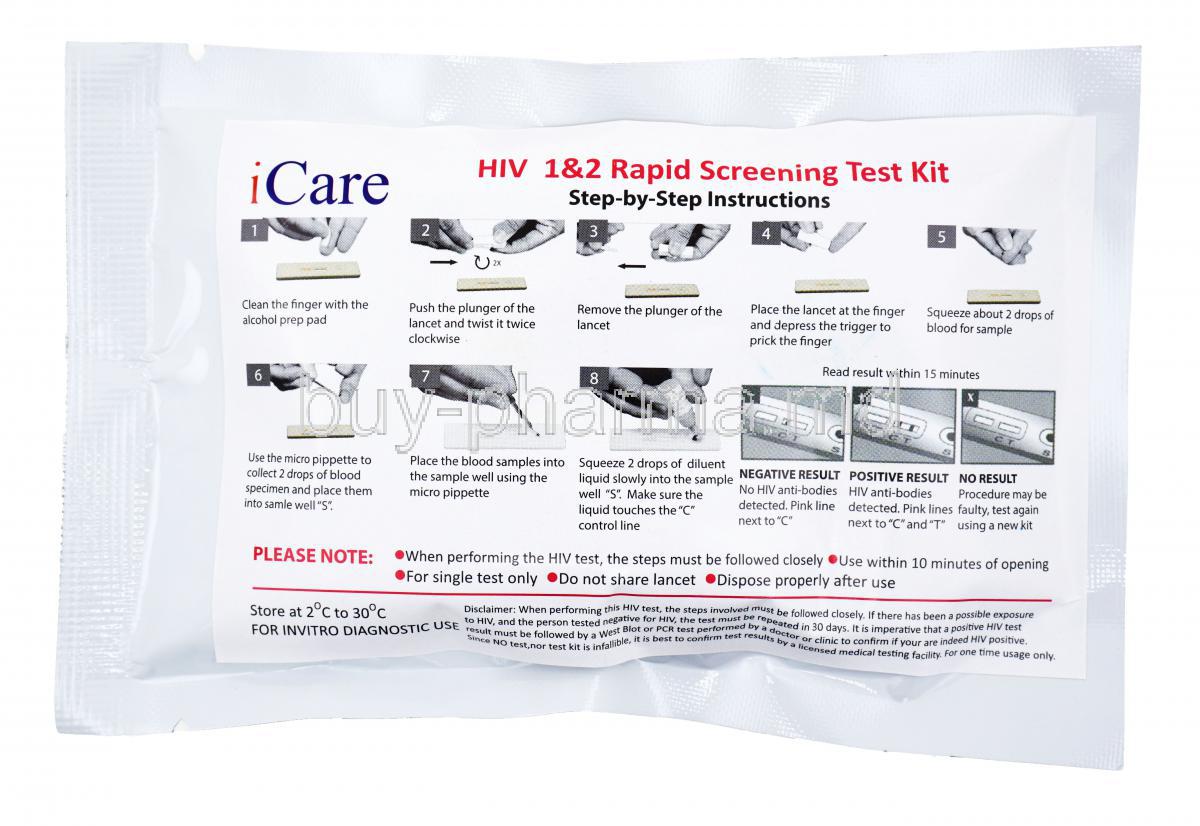
The procedure involves sample application, buffer addition, and timed incubation. Simplicity defines the workflow.
Recommended Reading Time for Accurate Results
Results must be read within the specified time window to ensure interpretive accuracy. Delayed readings may compromise reliability.
Interpretation of Results
Negative Result Interpretation
A negative result suggests no detectable HIV antibodies at the time of testing. It does not exclude recent exposure.
Positive Result Interpretation
A positive result indicates the presence of HIV antibodies and requires confirmatory laboratory testing.
Invalid Results and Troubleshooting
Absence of a control line renders the test invalid. Procedural errors or compromised materials may be responsible.
Importance of Confirmatory Testing
All reactive screening results must be verified using approved confirmatory diagnostic methods.
Common Side Effects and User Reactions
Absence of Pharmacological Side Effects
As a diagnostic device, the test produces no systemic pharmacological effects.
Mild Discomfort from Finger-Stick Blood Collection
Minor discomfort may occur during sample collection. It is transient and localized.
Anxiety or Emotional Response Related to Test Outcomes
Emotional reactions may accompany testing and result disclosure. Appropriate counseling remains essential.
Side Effects and Limitations
Risk of False-Negative Results During Window Period
Testing during early infection may yield false-negative results due to delayed antibody production.
Risk of False-Positive Screening Outcomes
Non-specific reactions can occasionally produce false-positive screening results. Confirmatory testing mitigates this risk.
Limitations in Early or Acute HIV Infection
Antibody-based tests are inherently limited in detecting acute infection prior to seroconversion.
Warnings and Safety Information
Screening Test Only, Not Confirmatory
The Icare HIV 1&2 Rapid Screen Test is intended exclusively for screening purposes. It does not establish a definitive diagnosis.
Importance of Follow-Up Laboratory Testing
Reactive results must be followed by standardized laboratory assays to confirm infection status.
Risk of Misinterpretation Without Professional Guidance
Improper interpretation may lead to incorrect conclusions. Professional oversight and counseling are strongly recommended.
Contraindications
Not Intended for Definitive HIV Diagnosis
The Icare HIV 1&2 Rapid Screen Test is contraindicated for use as a standalone diagnostic tool. It is designed exclusively for preliminary screening. A reactive result does not confirm infection and must always be followed by validated laboratory-based confirmatory assays.
Not Suitable for Testing Outside Recommended Conditions
Testing conducted outside specified environmental or procedural parameters may compromise accuracy. Unsuitable conditions include improper temperature, excessive humidity, or deviation from prescribed timing. Precision in execution is non-negotiable.
Use Restrictions in Expired or Damaged Test Kits
Expired, visibly damaged, or improperly stored test kits must not be used. Compromised components can invalidate results and introduce diagnostic uncertainty.
Drug, Test, and Biological Interactions
Lack of Interaction with Medications
As a non-pharmacological diagnostic device, the test exhibits no direct interaction with medications. Antiretrovirals, antibiotics, and other systemic therapies do not interfere with test chemistry.
Potential Interference from Hemolyzed or Contaminated Samples
Sample integrity is critical. Hemolyzed, lipemic, or microbiologically contaminated samples may disrupt antigen-antibody interactions and lead to unreliable outcomes.
- Improper sample collection
- Delayed processing
- Environmental contamination
Impact of Immunodeficiency or Autoimmune Conditions on Results
Certain immunological conditions may influence antibody production. Severe immunodeficiency or autoimmune disorders can occasionally yield atypical screening results. Clinical correlation remains essential.
Careful Administration and Important Precautions
Adherence to Instructions for Use
Strict compliance with the manufacturer’s instructions ensures optimal test performance. Even minor deviations can alter sensitivity or specificity. Accuracy is procedural.
Avoidance of Cross-Contamination Between Samples
Cross-contamination poses a significant risk in multi-sample environments. Single-use components and disciplined workflow practices are mandatory safeguards.
Use of Appropriate Personal Protective Equipment
Personal protective equipment should be worn during sample handling. This includes gloves and other barriers to minimize exposure to biological materials.
Administration to Elderly Individuals
Suitability for Elderly Populations
The test is suitable for use in elderly individuals when performed correctly. Age alone does not preclude screening.
Considerations for Fragile Skin During Sample Collection
Older adults may have fragile or thinning skin. Gentle technique during finger-stick sampling helps reduce bruising or discomfort.
Interpretation Considerations in Older Adults
Chronic conditions and age-related immune changes may influence antibody response. Results should be interpreted within a comprehensive clinical context.
Administration to Pregnant Women and Nursing Mothers
Use During Pregnancy for Screening Purposes
The test may be used during pregnancy for HIV screening. Early identification supports timely clinical intervention.
Importance of Confirmatory Testing in Maternal Health
Reactive screening results in pregnant women require urgent confirmatory testing. Accurate diagnosis is critical for maternal care planning.
Role in Prevention of Mother-to-Child Transmission Programs
Rapid screening contributes to prevention strategies aimed at reducing vertical transmission. Early detection enables prompt initiation of preventive measures.
Administration to Children and Adolescents
Use in Pediatric and Adolescent Screening Programs
The test may be incorporated into structured pediatric and adolescent screening initiatives. Appropriate protocols must be followed.
Consent and Counseling Considerations
Testing minors requires adherence to consent regulations and ethical standards. Pre- and post-test counseling remains a cornerstone of responsible screening.
Sample Collection Considerations in Younger Populations
Sample collection in children requires age-appropriate techniques. Minimizing discomfort improves cooperation and test quality.
Overdosage and Misuse
No Overdose Risk Due to Non-Pharmacological Nature
There is no overdose risk, as the test does not involve systemic exposure to active substances.
Risks Associated with Improper Sample Volume
Incorrect sample volume may lead to invalid or misleading results. Precision in sample application is essential.
Consequences of Repeated or Unnecessary Testing
Excessive or unnecessary testing may increase anxiety and strain resources. Testing should be guided by clinical or public health indications.
Storage and Shelf-Life Information
Recommended Storage Temperature and Conditions
The test should be stored within the recommended temperature range. Stable conditions preserve reagent integrity.
Protection from Moisture, Heat, and Direct Sunlight
Exposure to moisture, excessive heat, or direct sunlight can degrade test components. Proper storage safeguards performance.
Expiration Dating and Stability Considerations
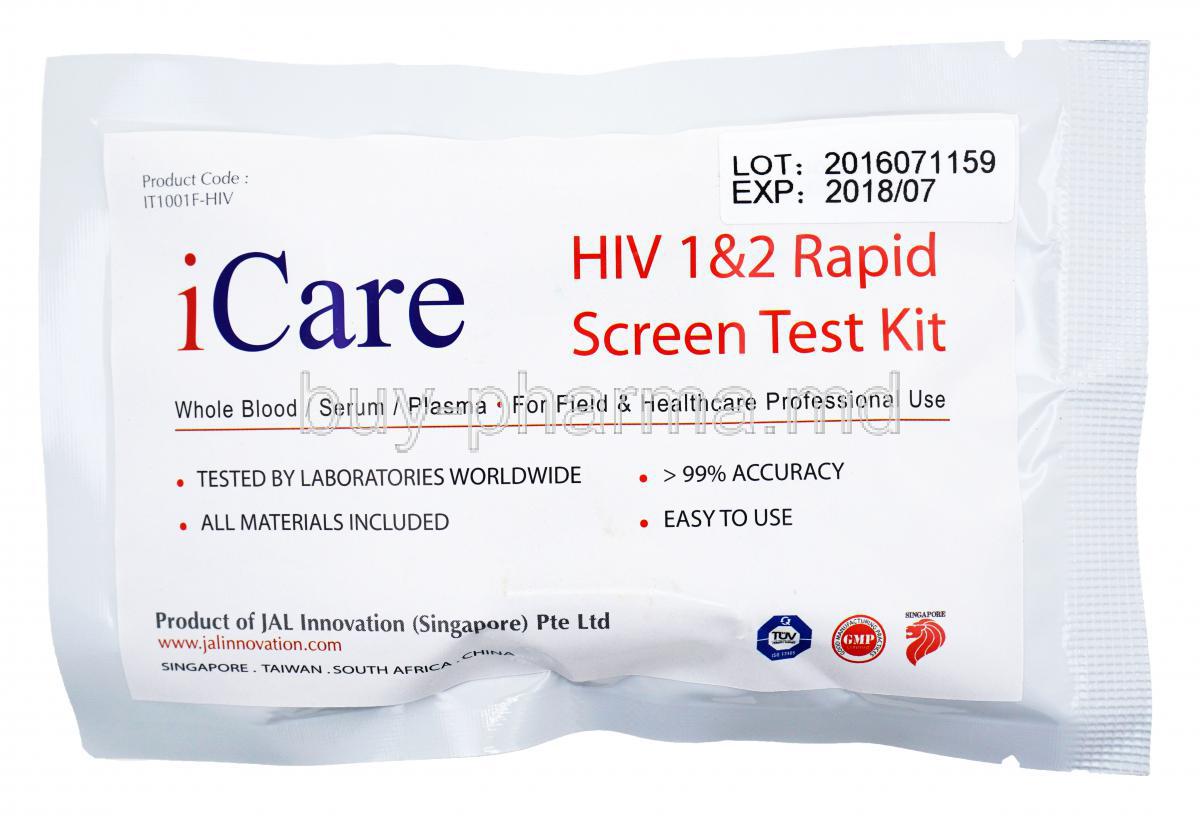
Each test kit carries an expiration date. Use beyond this period is contraindicated due to potential loss of accuracy.
Handling and Disposal Precautions
Safe Handling of Biological Samples
All samples should be treated as potentially infectious. Standard biosafety precautions must be observed at all times.
Disposal of Used Test Materials as Biohazard Waste
Used cassettes, lancets, and consumables must be disposed of according to biohazard waste regulations. This prevents environmental contamination and occupational exposure.
Infection Control and Hygiene Practices
Hand hygiene and surface decontamination are integral components of safe testing practice. Meticulous infection control protects both users and patients.
Icare HIV 1&2 Rapid Screen Test FAQ
Similar Product