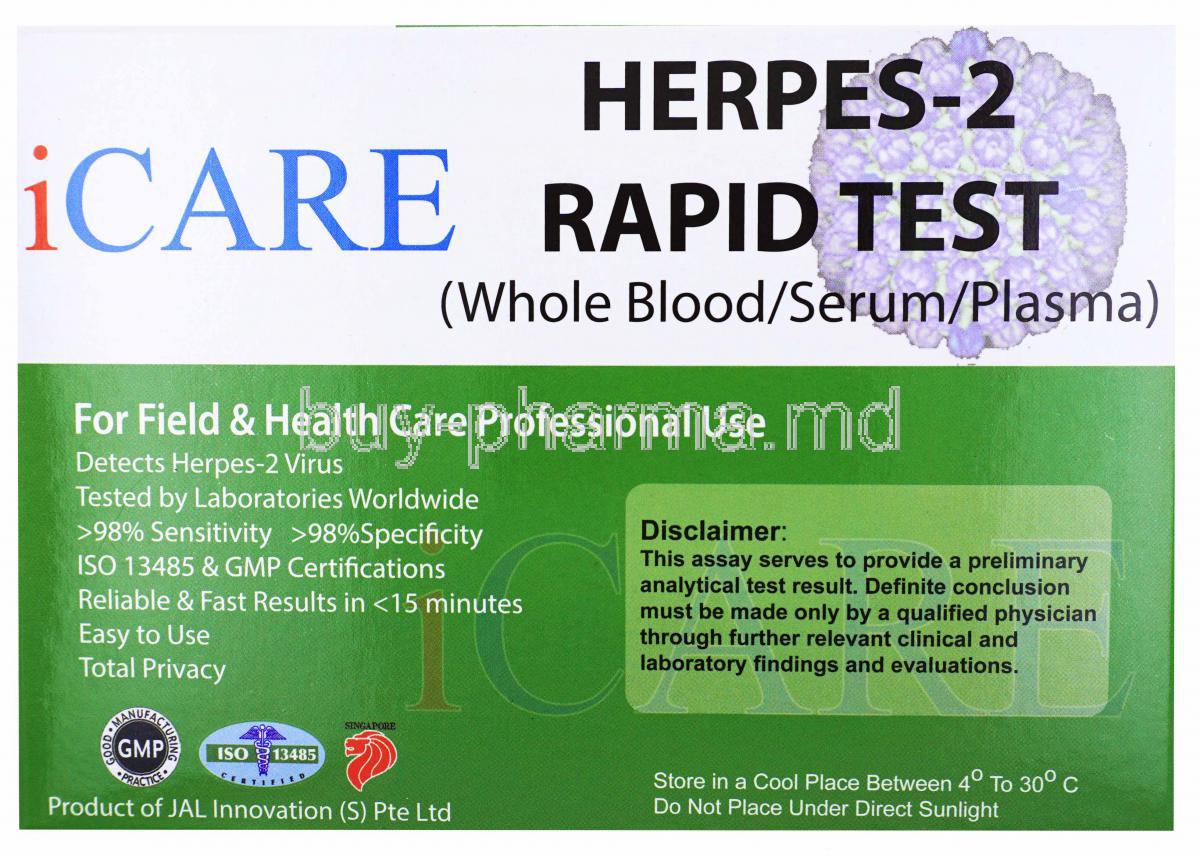
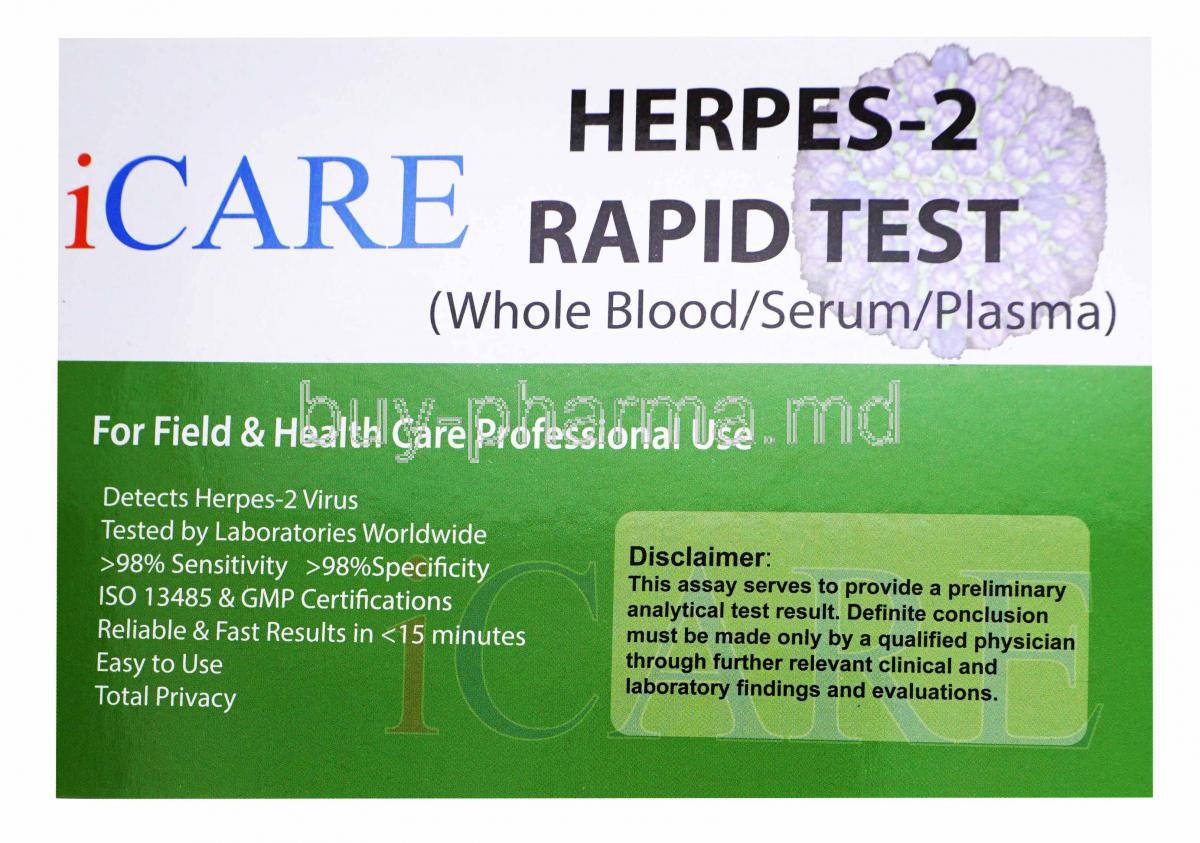
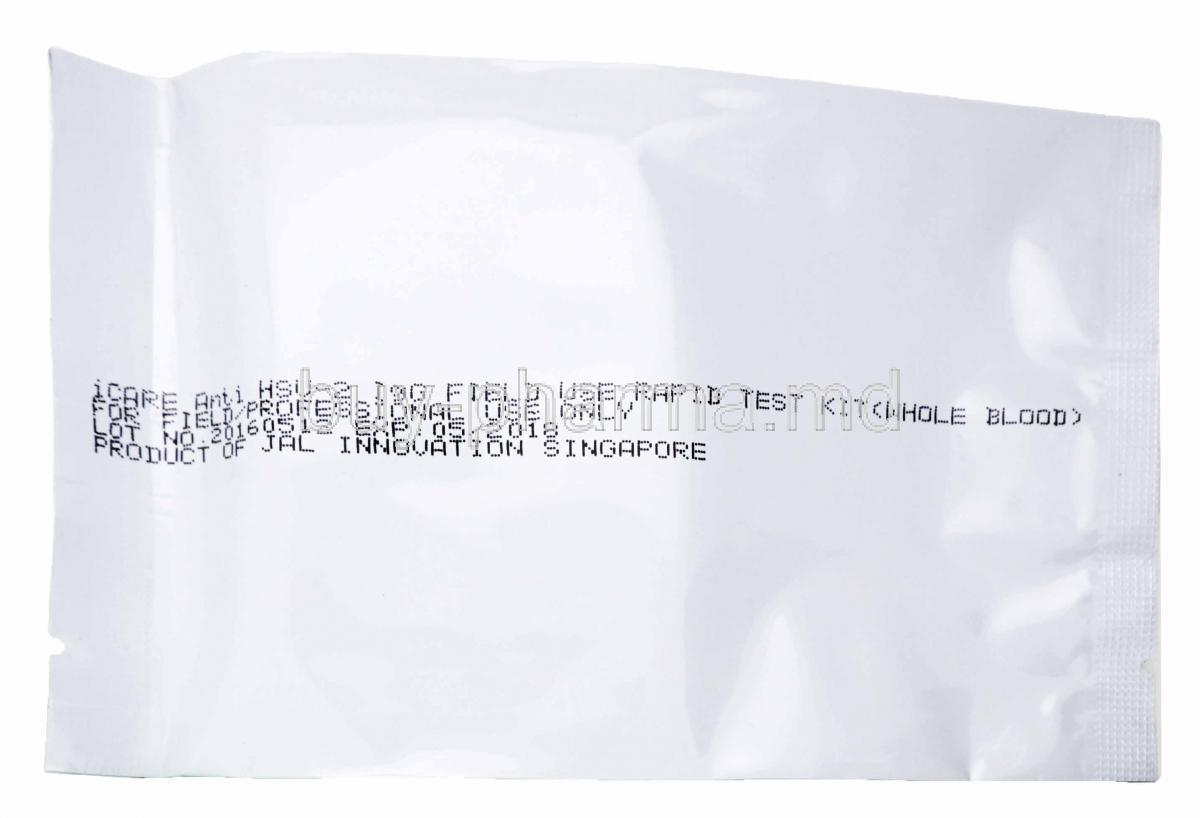
1. Introduction to iCare Herpes 2 Test Kit
1.1 What is the iCare Herpes 2 Test Kit?
The iCare Herpes 2 Test Kit is a rapid diagnostic device designed for the qualitative detection of antibodies associated with Herpes Simplex Virus Type 2 (HSV-2). It enables convenient screening using a small blood sample and delivers results within a short period. Compact, user-friendly, and clinically oriented, the kit supports early identification of infection outside traditional laboratory settings.
1.2 Overview of HSV-2 and Its Global Health Impact
HSV-2 is one of the most prevalent sexually transmitted viral infections worldwide. Millions of individuals carry the virus, many without awareness. Its persistent nature and lifelong latency make it a significant public health concern. The burden extends beyond physical symptoms, influencing reproductive health, neonatal outcomes, and transmission dynamics within populations.
1.3 Importance of Early Detection for Herpes Simplex Virus Type 2
Early detection facilitates timely counseling, behavioral modification, and medical evaluation. Identifying infection at an early stage helps:
- Reduce transmission risk to partners
- Guide clinical management decisions
- Support reproductive planning
- Improve psychological preparedness and awareness
1.4 Who Should Consider HSV-2 Testing?
Testing may be appropriate for individuals who:
- Have symptoms suggestive of genital herpes
- Have a new or multiple sexual partners
- Have a partner diagnosed with HSV
- Are planning pregnancy
- Seek routine sexual health screening
1.5 Benefits of At-Home or Point-of-Care Herpes Testing
Point-of-care testing offers discretion and accessibility. Advantages include rapid turnaround, reduced clinical visits, increased privacy, and improved engagement in personal health monitoring.
2. Understanding Herpes Simplex Virus Type 2 (HSV-2)
2.1 Difference Between HSV-1 and HSV-2
HSV-1 is commonly associated with oral infections, while HSV-2 primarily causes genital disease. However, anatomical overlap is possible. Serological testing helps distinguish exposure patterns and infection risk.
2.2 Transmission Routes of HSV-2
HSV-2 spreads through direct skin-to-skin contact, most often during sexual activity. Transmission may occur even in the absence of visible lesions due to asymptomatic viral shedding.
2.3 Symptoms and Asymptomatic Infections
Clinical presentation varies. Some individuals experience painful blisters, ulcers, or systemic symptoms. Others remain entirely asymptomatic. Silent carriers play a key role in ongoing transmission.
2.4 Long-Term Health Implications of Untreated HSV-2
Although not life-threatening in most cases, untreated infection may lead to recurrent outbreaks, increased susceptibility to other STIs, and complications during pregnancy.
2.5 Psychological and Public Health Considerations
Diagnosis may evoke anxiety, stigma, or emotional distress. Public health strategies emphasize education, normalization, and risk-reduction counseling.
3. Composition and Kit Components
3.1 Active Diagnostic Principle (Immunochromatographic Assay / Antibody Detection)
The test utilizes lateral flow immunochromatography to detect HSV-2 specific antibodies. This technology allows rapid qualitative analysis without specialized laboratory equipment.
3.2 Included Materials
- Test cassette
- Sample buffer solution
- Sterile lancet
- Capillary dropper
- Alcohol swab
- Instruction manual
3.3 Sample Type Requirements
The device is designed for use with whole blood. In clinical environments, serum or plasma may also be suitable depending on manufacturer specifications.
3.4 Quality Control Elements Within the Kit
An internal control line confirms proper sample flow and reagent integrity, ensuring result validity.
4. How the iCare Herpes 2 Test Kit Works (Mechanism of Action)
4.1 Immunoassay Technology Explained
The test employs antigen-coated membranes that bind HSV-2 antibodies if present. Capillary action transports the sample across the detection zone, producing a visible line.
4.2 Detection of HSV-2 Specific Antibodies
The kit primarily detects IgG antibodies, indicating past or established infection. Some formats may also detect IgM, suggesting recent exposure.
4.3 Interpretation of Control and Test Lines
- Control line only: Negative result
- Control and test line: Positive result
- No control line: Invalid test
4.4 Window Period and Antibody Development Timeline
Antibodies typically become detectable several weeks after exposure. Testing too early may yield false-negative results.
4.5 Accuracy, Sensitivity, and Specificity Considerations
While highly reliable, rapid tests are screening tools. Confirmatory laboratory testing may be recommended for clinical decision-making.
5. Approved Uses of iCare Herpes 2 Test Kit
5.1 Screening for HSV-2 Infection in Symptomatic Individuals
The kit assists in evaluating individuals presenting with genital lesions or suspected herpes symptoms.
5.2 Routine Sexual Health Screening for High-Risk Populations
Regular testing supports early identification among individuals with increased exposure risk.
5.3 Partner Testing and Relationship Health Management
Mutual testing promotes informed decision-making and preventive practices.
5.4 Preconception and Prenatal Screening Support
Screening helps assess transmission risk during pregnancy and informs obstetric care planning.
5.5 Follow-Up Testing After Potential Exposure
Repeat testing after the window period improves diagnostic accuracy.
6. Expanded and Off-Label Uses
6.1 Community-Based Screening Programs
Rapid kits facilitate large-scale outreach initiatives and public health campaigns.
6.2 Use in Resource-Limited or Remote Settings
The device functions without advanced infrastructure, making it suitable for field deployment.
6.3 Epidemiological Surveys and Research Studies
Researchers utilize rapid antibody tests for prevalence assessments.
6.4 Occupational Health Screening
Testing may be incorporated into health monitoring programs for specific workforce groups.
6.5 Screening in Patients with Other Sexually Transmitted Infections
Co-testing supports comprehensive STI evaluation.
6.6 Telemedicine and Remote Patient Monitoring Support
Results can be shared with healthcare providers during virtual consultations.
6.7 Use for Patient Self-Monitoring and Awareness
Accessible testing encourages proactive health management.
7. Dosage and Administration (How to Use the Test)
7.1 How to test for Herpes 2
- Clean fingertip with alcohol swab
- Use sterile lancet to obtain blood drop
- Collect sample using provided dropper
7.2 Proper Application of Blood Sample and Buffer
Add the specified volume of blood to the sample well, followed by buffer solution.
7.3 Recommended Waiting Time for Results
Results are typically available within 10–15 minutes.
7.4 Reading and Interpreting Test Results
Interpret results within the recommended time window to avoid inaccurate readings.
7.5 When to Repeat the Test
Repeat testing may be necessary if exposure was recent or if results are invalid.
7.6 When to Seek Confirmatory Laboratory Testing
Positive results should be confirmed using standard serological assays.
8. Handling Precautions and User Safety
8.1 Safe Use of Lancets and Biohazard Materials
Use lancets only once and avoid accidental injury.
8.2 Proper Disposal of Used Components
Dispose of materials according to local biohazard guidelines.
8.3 Avoiding Cross-Contamination
Do not reuse components or allow contact between samples.
8.4 Hygiene and Infection Control Measures
Wash hands before and after testing.
8.5 Maintaining Sterility of Test Components
Open packaging only immediately before use.
9. Storage and Shelf-Life Requirements
9.1 Recommended Storage Temperature and Conditions
Store at room temperature as specified by the manufacturer.
9.2 Protection from Moisture, Heat, and Direct Sunlight
Environmental exposure may compromise reagent stability.
9.3 Shelf Life and Expiry Considerations
Do not use beyond the expiration date.
9.4 Storage After Opening the Kit
Use immediately after opening sealed components.
9.5 Signs of Kit Deterioration
Discoloration, damaged packaging, or missing control lines indicate invalid materials.
10. Warnings and Important Safety Information
10.1 For Diagnostic Use Only – Not a Substitute for Medical Evaluation
The kit provides screening information and should not replace professional diagnosis.
10.2 Risk of False-Negative Results During Early Infection
Testing during the antibody window period may yield negative results despite infection.
10.3 Potential for False-Positive Results
Cross-reactivity or technical errors may occur. Confirmatory testing is recommended.
10.4 Emotional and Psychological Impact of Results
Users should be prepared for the emotional implications of test outcomes.
10.5 Importance of Professional Counseling and Follow-Up
Medical consultation ensures appropriate interpretation, treatment guidance, and preventive counseling.
11. Contraindications
11.1 Use Outside Intended Sample Type
The iCare Herpes 2 Test Kit is designed for specific biological samples, typically capillary whole blood or other validated specimen types. Using saliva, urine, or other non-approved samples may lead to erroneous results. Diagnostic accuracy depends on proper specimen selection. Deviation from recommended sample types compromises reliability.
11.2 Use After Expiry Date
Expired test kits should never be used. Over time, reagents degrade, membranes lose sensitivity, and control mechanisms may fail. This deterioration increases the risk of false-negative or false-positive results. Always verify the expiration date prior to testing.
11.3 Damaged or Improperly Stored Test Kits
Physical damage, exposure to excessive heat, moisture, or freezing conditions can impair test performance. Warning signs include:
- Torn or unsealed packaging
- Discolored reagents
- Warped or compromised test devices
Any compromised kit should be discarded immediately.
11.4 Inability to Follow Instructions Properly
Accurate execution is essential. Individuals who cannot perform finger-prick sampling, measure buffer accurately, or interpret results within the specified timeframe should seek assistance or professional testing.
11.5 Unsuitable Use for Neonatal or Specialized Clinical Diagnosis
This screening tool is not intended for neonatal testing or complex clinical scenarios unless explicitly indicated. Specialized laboratory assays are required for definitive diagnosis in high-risk or medically complex populations.
12. Careful Administration and Important Precautions
12.1 Ensuring Adequate Sample Volume
An insufficient blood sample may prevent proper migration across the test membrane. Users should ensure a full, well-formed drop is collected and applied as instructed.
12.2 Timing Accuracy for Result Interpretation
Results must be read within the recommended time window. Reading too early may miss faint positive lines. Reading too late may produce evaporation artifacts that mimic positive results.
12.3 Avoiding Environmental Contamination
Testing should be conducted in a clean, dry environment. Avoid exposure to dust, moisture, or biological contaminants that could interfere with assay performance.
12.4 Confirmatory Testing for Critical Clinical Decisions
Rapid tests serve as screening tools. Important medical decisions—including treatment initiation or pregnancy management—should be based on confirmatory laboratory testing.
12.5 Use Under Professional Supervision in Clinical Settings
In healthcare environments, trained personnel should oversee sample handling, result documentation, and patient counseling to ensure optimal clinical utility.
13. Administration in Special Populations
13.1 Use in Elderly Patients
Older adults may encounter practical challenges during self-testing. Considerations include:
- Reduced visual acuity affecting line interpretation
- Limited manual dexterity during sample collection
- Cognitive limitations impacting procedural accuracy
Caregiver assistance may be beneficial when independence is limited.
13.2 Use During Pregnancy and in Nursing Mothers
HSV-2 screening during pregnancy plays a significant role in reducing neonatal transmission risk. A positive result should prompt immediate consultation with a healthcare provider. Medical evaluation allows:
- Risk assessment for vertical transmission
- Planning of antiviral prophylaxis if indicated
- Appropriate obstetric management
13.3 Use in Children and Adolescents
Testing in minors should be conducted only when clinically appropriate and under parental or medical supervision. Ethical considerations, privacy concerns, and psychological readiness must be carefully addressed.
14. Possible Side Effects and User Reactions
14.1 Physical Reactions Related to Finger Prick
The lancet procedure may cause mild discomfort, brief pain, or minor bleeding. These effects are typically transient and self-limited.
14.2 Skin Irritation or Sensitivity
Some individuals may experience temporary redness or irritation from alcohol swabs, adhesives, or contact materials.
14.3 Anxiety or Stress Related to Testing
Self-testing for sexually transmitted infections can provoke emotional tension. Anticipatory anxiety and fear of positive results are common psychological responses.
15. Common Side Effects and Minor Issues
15.1 Bruising or Local Discomfort at Puncture Site
Small hematomas or tenderness may occur, especially if excessive pressure is applied after sampling.
15.2 Inadequate Sample Collection Leading to Invalid Results
Insufficient blood volume is a frequent cause of test failure. Proper technique minimizes repeat testing.
15.3 User Errors in Timing or Interpretation
Misreading faint lines or exceeding the interpretation window can produce inaccurate conclusions.
15.4 Emotional Distress After Unexpected Results
Unexpected positive or ambiguous findings may lead to confusion or emotional distress. Professional guidance is recommended.
16. Interactions and Factors Affecting Test Accuracy
16.1 Cross-Reactivity with Other Herpes Viruses or Antibodies
Serological overlap between HSV-1 and HSV-2 antibodies may occur in certain assay formats, potentially affecting specificity.
16.2 Interference from Autoimmune Conditions
Autoantibodies present in autoimmune disorders may occasionally interfere with immunoassay performance.
16.3 Effects of Immunosuppression on Antibody Detection
Individuals with weakened immune systems may produce lower antibody levels, increasing the risk of false-negative results.
16.4 Impact of Recent Infection (Seroconversion Window)
Antibodies require time to develop. Testing during the early post-exposure period may not detect infection.
16.5 Laboratory or Environmental Interference Factors
- Extreme temperature exposure
- Improper storage conditions
- High humidity or contamination
17. Overdose or Excessive Use Considerations
17.1 No Pharmacological Overdose Risk
As a diagnostic device, the test does not introduce active substances into the body. Therefore, overdose in the conventional sense does not occur.
17.2 Risks of Repeated Unnecessary Testing
Frequent testing without clinical indication may lead to confusion, false reassurance, or misinterpretation of results.
17.3 Psychological Impact of Frequent Self-Testing
Repetitive screening can heighten health anxiety and reinforce obsessive health-monitoring behaviors.
17.4 Appropriate Testing Intervals
Testing should align with exposure history and the antibody development window, typically several weeks after potential exposure.
18. Limitations of the iCare Herpes 2 Test Kit
18.1 Screening vs. Confirmatory Diagnosis
The device provides preliminary screening information. Laboratory confirmation is required for definitive diagnosis.
18.2 Inability to Determine Infection Timing
Serological detection indicates exposure but cannot distinguish between recent and remote infection.
18.3 No Differentiation Between Active and Latent Infection
The presence of antibodies does not indicate current viral activity or outbreak status.
18.4 Need for Clinical Correlation
Results should always be interpreted alongside symptoms, exposure history, and professional medical evaluation.
19. When to Seek Medical Advice
19.1 Positive Test Result Follow-Up
Individuals with positive results should consult a healthcare provider for confirmatory testing and clinical assessment.
19.2 Presence of Symptoms Despite Negative Result
Symptoms such as genital lesions, pain, or recurrent irritation warrant medical evaluation regardless of test outcome.
19.3 Partner Notification and Testing
Open communication and partner screening help reduce transmission risk and support mutual health planning.
19.4 Antiviral Treatment Considerations
Medical professionals can determine whether suppressive or episodic antiviral therapy is appropriate.
20. Patient Education and Counseling Points
20.1 Understanding Test Results
Users should recognize the distinction between screening and diagnosis and understand the possibility of window-period limitations.
20.2 Preventing HSV-2 Transmission
- Consistent condom use
- Avoiding contact during symptomatic outbreaks
- Partner disclosure and education
20.3 Safe Sexual Practices and Risk Reduction
Routine STI screening, monogamous partnerships, and informed decision-making contribute to long-term sexual health.
20.4 Emotional Support and Stigma Reduction
HSV-2 is common and manageable. Counseling, accurate information, and supportive healthcare engagement help reduce stigma and promote psychological well-being.
iCare Herpes 2 Test Kit FAQ
- Can you test for herpes 2 at home?
- What is the most accurate test for herpes 2?
- Are iCare test kits accurate?
- How can you test for herpes type 2?
- Is a herpes blood test 100% accurate?
- How soon does HSV-2 show in a blood test?
- Can you test positive for herpes 2 and never have an outbreak?
- Which blood test confirms herpes?
- Can a test kit be wrong?
- Why don't doctors test for HSV-2?
- Is there a home test for herpes 2?
- What causes false positive HSV-2?
- Can you test positive for HSV-2 without an outbreak?
Can you test for herpes 2 at home?
Yes
What is the most accurate test for herpes 2?
Nucleic acid amplification testing (NAAT)
Are iCare test kits accurate?
98%
How can you test for herpes type 2?
Viral culture and DNA tests
Is a herpes blood test 100% accurate?
90.9% to 100%
How soon does HSV-2 show in a blood test?
2 - 12 days
Can you test positive for herpes 2 and never have an outbreak?
Yes
Which blood test confirms herpes?
Herpes IgM Test
Can a test kit be wrong?
Yes
Why don't doctors test for HSV-2?
Possibility of wrong result
Is there a home test for herpes 2?
iCare Herpes-2 Test Kit
What causes false positive HSV-2?
- Early testing
- Low risk of infection
- Low positive
Can you test positive for HSV-2 without an outbreak?
Yes
Similar Product