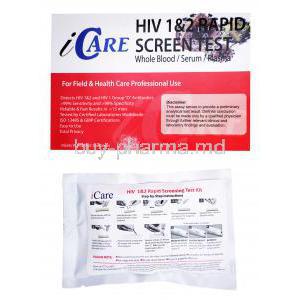
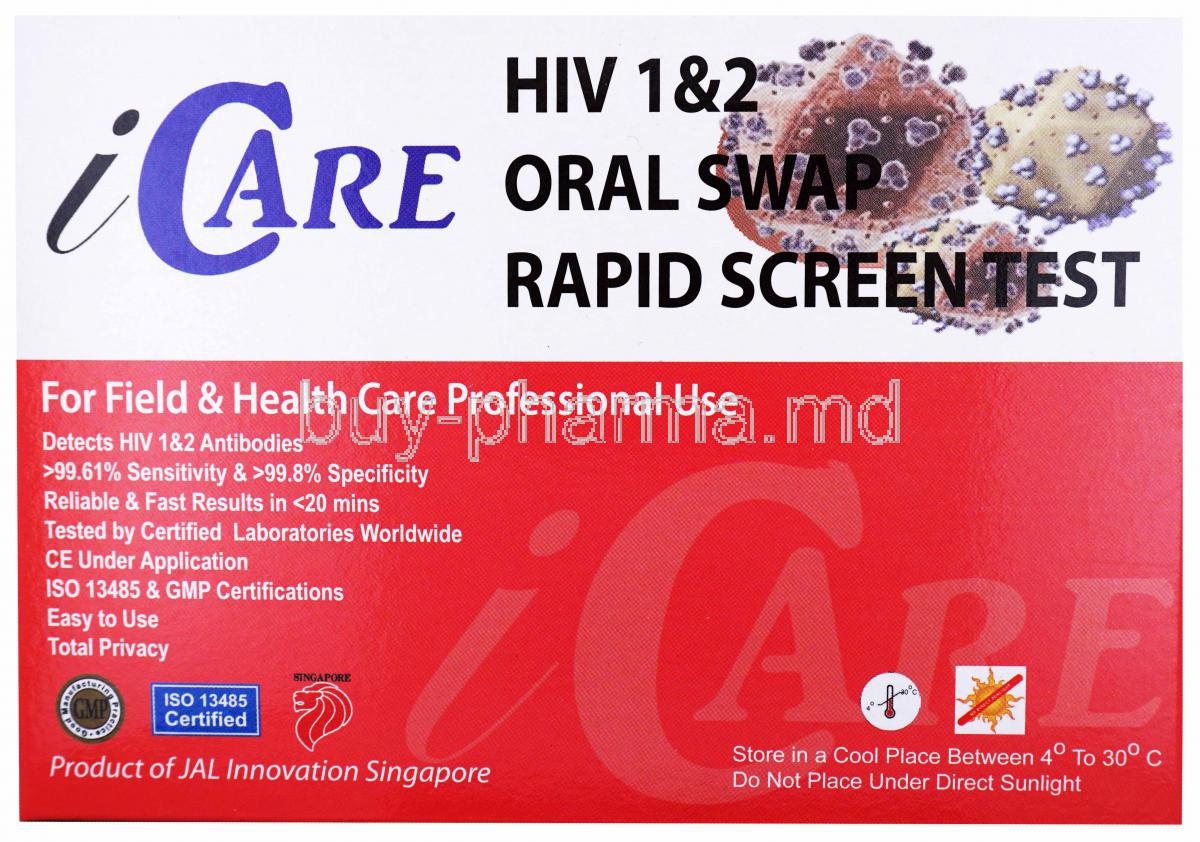
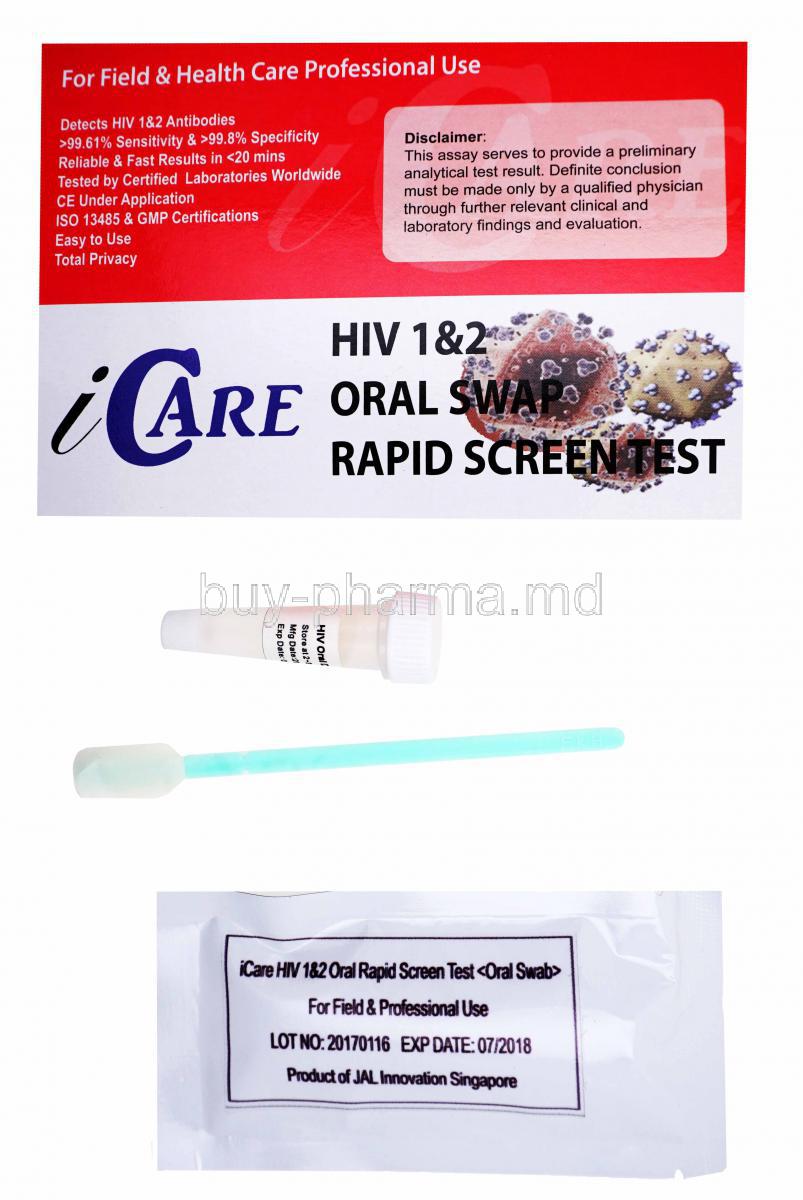
iCare HIV 1&2 Oral Swab Test Kit
- 3. Composition and Kit Contents
- 4. How the iCare HIV Oral Swab Test Works (Mechanism of Action)
- 5. Uses and Clinical Applications
- 6. Dosage and Administration (Step-by-Step Testing Procedure)
- 7. Accuracy, Sensitivity, and Limitations
- 8. Side Effects and Safety Considerations
- 9. Warnings and Important Safety Information
- 10. Contraindications
- 11. Careful Administration and Important Precautions
- 12. Administration in Special Populations
- 13. Drug, Substance, and External Interactions
- 14. Overdose or Misuse
- 15. Storage and Shelf Life
- 16. Handling Precautions and Disposal
- 17. When to Seek Medical Care After Testing
1. Introduction to iCare HIV 1&2 Oral Swab Test Kit
The iCare HIV 1&2 Oral Swab Test Kit represents a modern evolution in rapid HIV self-testing technology. Designed for simplicity and accessibility, this device allows individuals to screen for HIV antibodies without the need for blood collection or specialized laboratory equipment. Results are available quickly, enabling timely decision-making and medical follow-up when necessary.
Early detection of HIV is critical. Prompt identification supports:
- Early initiation of antiretroviral therapy
- Reduction of viral transmission risk
- Improved long-term health outcomes
- Enhanced public health surveillance
Oral swab testing offers several advantages over conventional blood-based methods. It is non-invasive, convenient, and suitable for individuals who are reluctant to undergo finger-prick or venipuncture procedures. The absence of sharps also reduces biohazard risk and improves usability in home environments.
This self-test kit is particularly suitable for:
- Sexually active adults seeking routine screening
- Individuals with potential exposure to HIV
- High-risk populations requiring frequent monitoring
- Those who prefer confidential, at-home testing
From a public health perspective, self-testing expands access to screening services. It supports prevention strategies, promotes awareness, and helps identify undiagnosed cases in community-based programs and outreach initiatives.
2. What Is the iCare HIV 1&2 Oral Swab Test Kit?
2.1 Product Description and Key Features
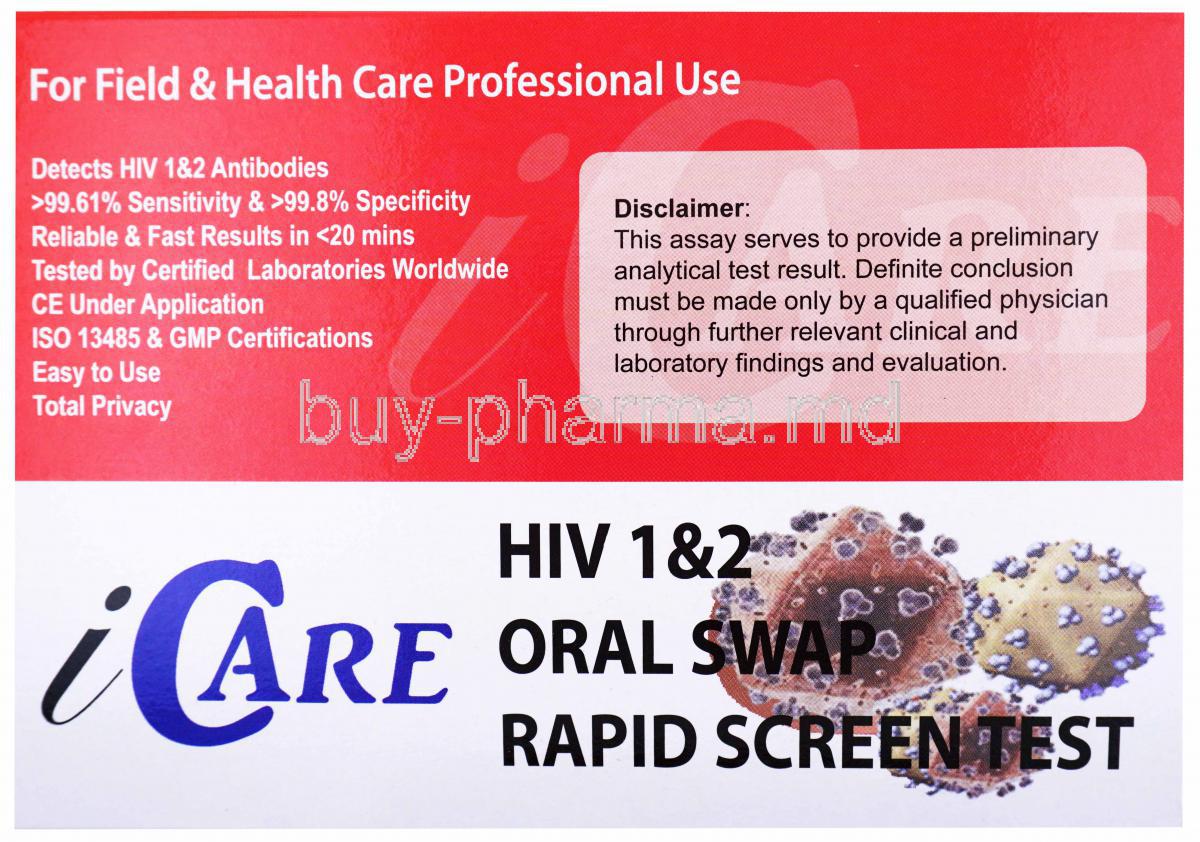
The iCare HIV 1&2 Oral Swab Test Kit is a rapid immunoassay designed for the qualitative detection of antibodies to HIV-1 and HIV-2. It utilizes oral mucosal fluid rather than blood, making the procedure discreet and user-friendly.
Key characteristics include:
- Rapid qualitative detection of HIV antibodies
- Non-invasive oral fluid collection
- Single-use diagnostic format
- Minimal training required for operation
- Clear visual result interpretation
The device is engineered for reliability and ease of use, enabling accurate screening outside traditional clinical settings.
2.2 Intended Use
The kit is intended for multiple screening scenarios, including:
- Self-testing at home for personal health monitoring
- Point-of-care testing in clinics, pharmacies, and outreach programs
- Screening prior to medical or dental procedures
- Partner testing for mutual health awareness
It serves as a preliminary screening tool and does not replace confirmatory laboratory diagnostics.
3. Composition and Kit Contents
3.1 Active Testing Components
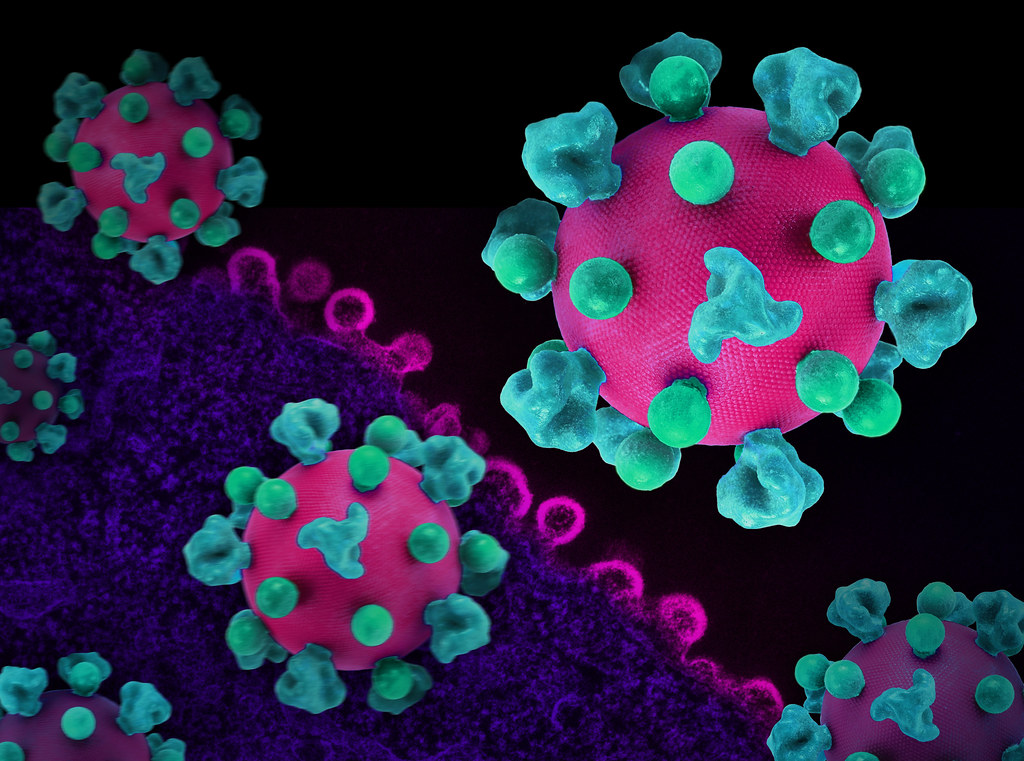
The diagnostic system contains an immunochromatographic test strip coated with recombinant antigens specific to HIV-1 and HIV-2. These antigens bind to antibodies present in the oral fluid, enabling visual detection through a lateral flow mechanism.
3.2 Materials Included in the Kit
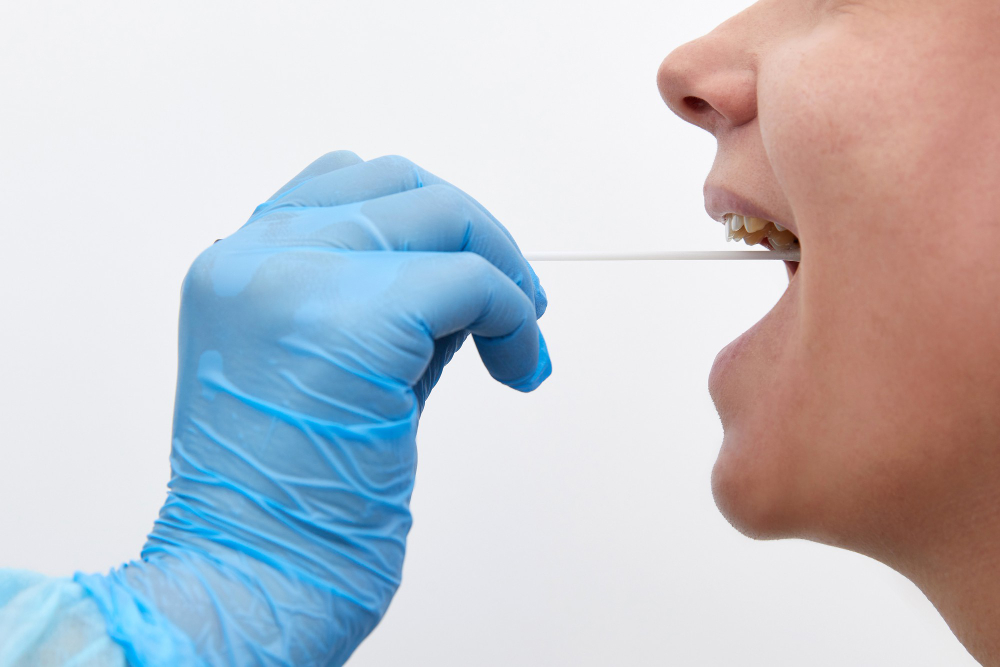
- Sterile oral swab collection device
- Test cassette or integrated strip
- Developer solution or buffer
- Detailed instructions for use
All components are individually packaged to maintain sterility and performance integrity.
3.3 Additional Materials Required
No additional equipment is typically required. However, users should ensure access to a clean, well-lit environment and a timing device to monitor the development period accurately.
4. How the iCare HIV Oral Swab Test Works (Mechanism of Action)
Key scientific considerations include:
- Detection of immunoglobulin G (IgG) antibodies
- Use of capillary action for sample migration
- Built-in procedural control to confirm test validity
Antibody production does not occur immediately after infection. The window period typically ranges from several weeks to a few months. Testing too early may yield false-negative results.
Result interpretation:
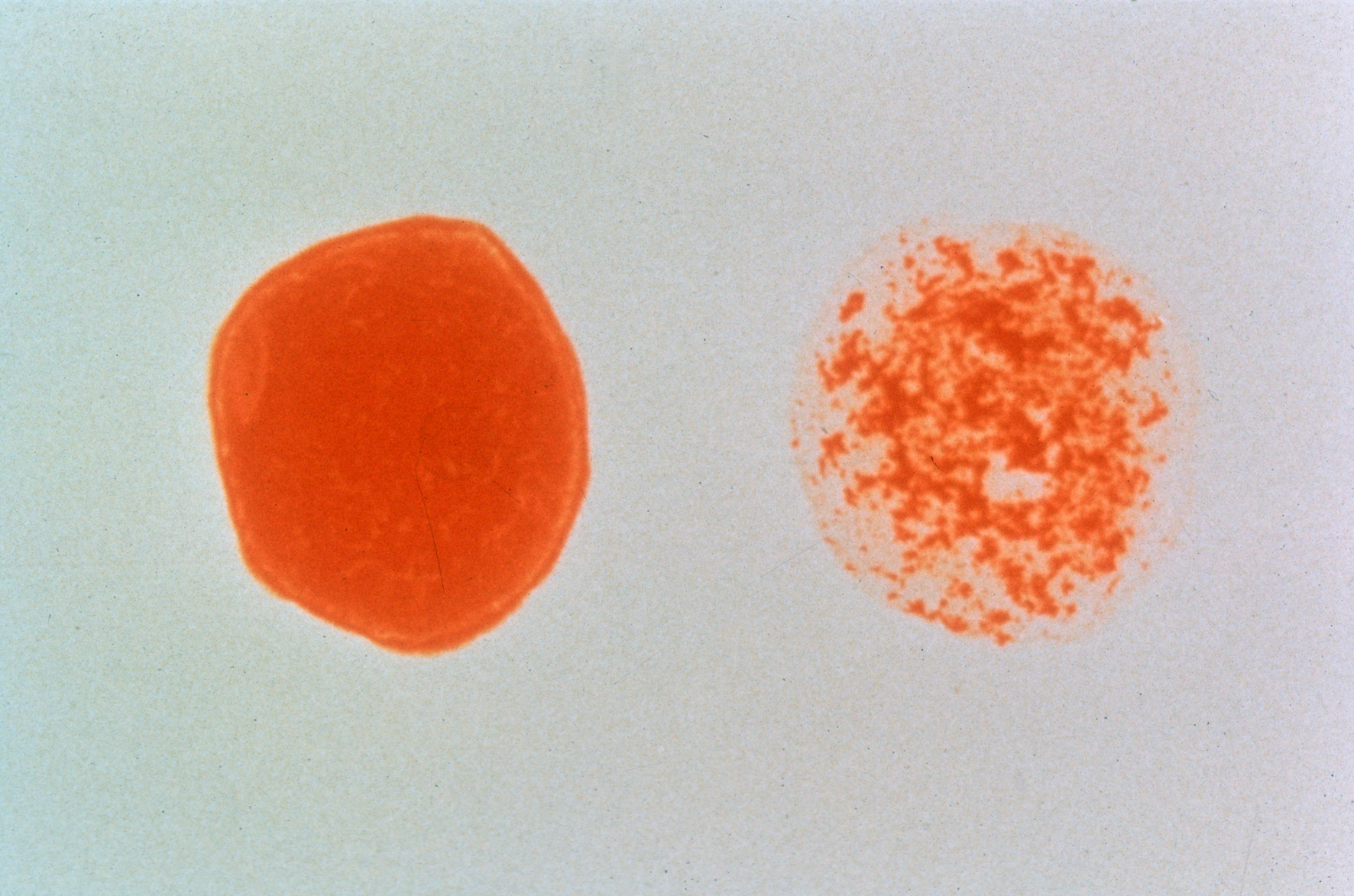
- Control line only: Negative
- Control line plus test line: Reactive (preliminary positive)
- No control line: Invalid test
5. Uses and Clinical Applications
5.1 Primary Uses
- Routine HIV screening for adults and adolescents
- Testing following potential exposure
- Pre-marital or partner health screening
- Workplace or institutional health programs

5.2 Expanded and Public Health Uses
The portability and simplicity of the kit make it valuable in broader health initiatives:
- Screening in remote or resource-limited regions
- Harm reduction services for high-risk populations
- Anonymous or confidential community testing programs
5.3 Off-Label and Non-Standard Uses
- Preliminary screening before blood donation where permitted
- Interim self-monitoring between clinical visits
- Field research and epidemiological studies
- Telehealth-supported remote diagnostic screening
6. Dosage and Administration (Step-by-Step Testing Procedure)
6.1 Preparation Before Testing
- Avoid eating, drinking, smoking, or oral hygiene products for at least 30 minutes prior
- Check the expiry date and package integrity
- Ensure hands are clean and dry
6.2 Oral Swab Collection Technique
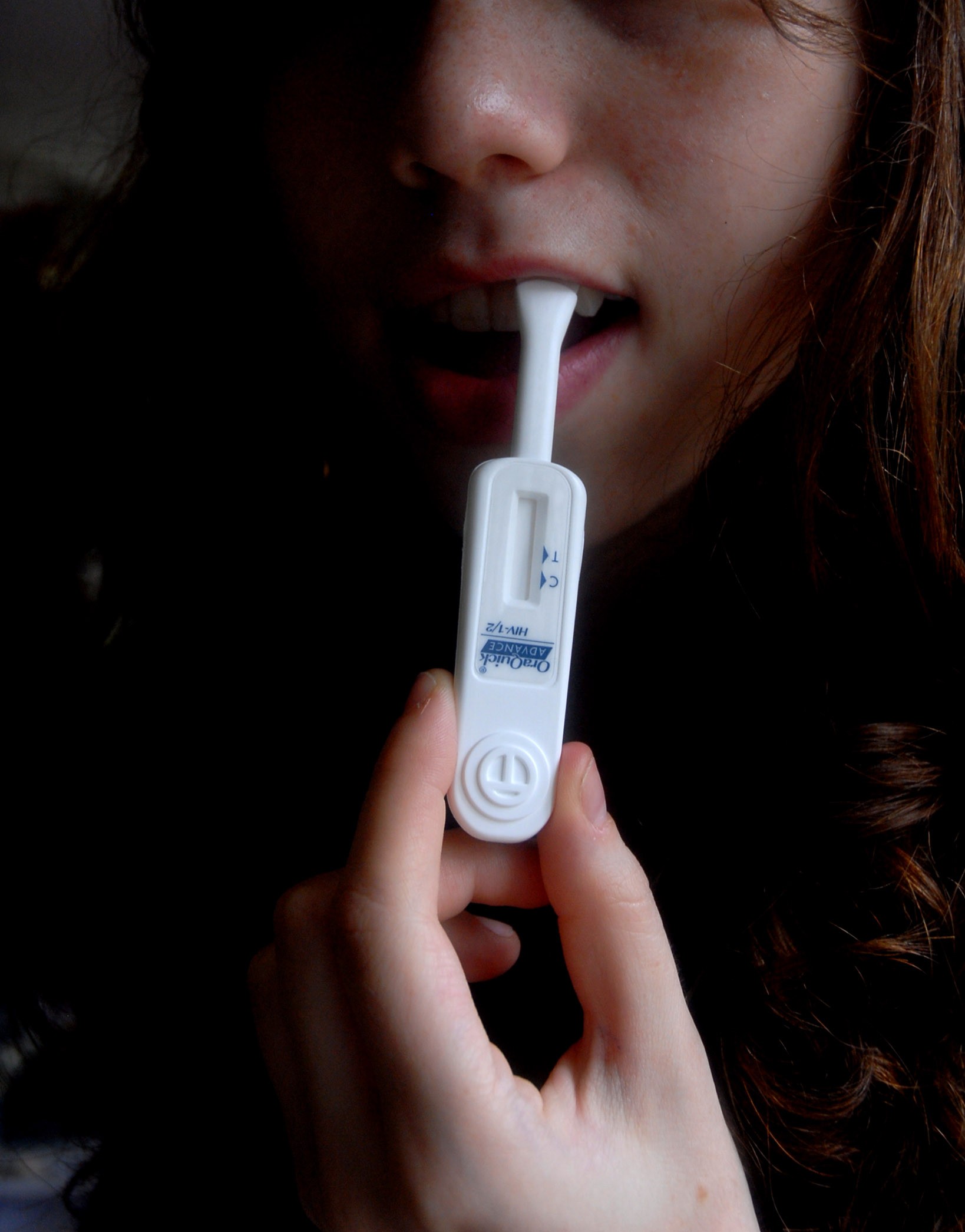
The swab should be gently passed along the upper and lower gum lines. Care should be taken to avoid touching other surfaces to prevent contamination.
6.3 Test Development and Timing
- Insert the swab into the developer solution
- Allow the test to develop according to the specified time
- Do not read results too early or too late
6.4 How to Read and Interpret Results
- Negative: Control line only
- Reactive: Both control and test lines visible
- Invalid: No control line; repeat with a new kit
7. Accuracy, Sensitivity, and Limitations
The iCare HIV Oral Swab Test demonstrates high clinical sensitivity and specificity when used correctly. However, several limitations exist.
- False negatives may occur during the window period
- Improper sample collection can affect accuracy
- Environmental factors such as temperature or humidity may interfere
Any reactive result must be confirmed using standard laboratory testing. The kit is intended for screening only and not for definitive diagnosis.
8. Side Effects and Safety Considerations
8.1 General Safety Profile
The test is non-invasive and associated with minimal physical risk. No blood exposure or sharps are involved.
8.2 Common Side Effects
- Rare mild gum irritation
- Minor transient discomfort during swabbing
8.3 Psychological and Emotional Effects

9. Warnings and Important Safety Information
- This test is a screening tool and not a definitive diagnostic method
- Do not rely on results obtained during the early window period
- Not designed to detect acute HIV infection immediately after exposure
- Use only unopened and undamaged kits
- Strict adherence to instructions is essential for reliable results

10. Contraindications
- Use of expired or compromised test kits
- Inability to read or follow instructions accurately
- Testing outside recommended environmental conditions
- Use with samples other than oral mucosal fluid
11. Careful Administration and Important Precautions
Meticulous adherence to proper testing technique is essential to ensure reliable results. Although the iCare HIV 1&2 Oral Swab Test Kit is designed for simplicity, procedural precision remains critical. Even minor deviations may compromise diagnostic accuracy. A controlled environment, careful handling, and attention to detail significantly enhance test performance.
11.1 Ensuring Adequate Oral Sample Collection
The quality of the oral specimen directly influences the sensitivity of the assay. Insufficient or improperly collected samples may lead to invalid or false-negative outcomes.
- Gently swab both the upper and lower gum lines
- Avoid touching the tongue, teeth, or external surfaces
- Do not eat, drink, or smoke for at least 30 minutes before testing
- Ensure the swab is fully saturated with oral mucosal fluid
Careful collection ensures optimal antibody capture and consistent migration across the test membrane.
11.2 Maintaining Clean and Dry Testing Conditions
Environmental integrity is often overlooked but critically important. Contaminants, moisture, or excessive humidity may interfere with the immunochromatographic reaction.
- Perform the test on a clean, dry surface
- Wash and dry hands thoroughly before handling components
- Avoid exposure to dust, liquids, or aerosols
- Use the kit immediately after opening the sealed pouch
Maintaining aseptic conditions helps preserve reagent stability and test reliability.
11.3 Avoiding Cross-Contamination Between Users
The device is intended strictly for individual use. Sharing components increases the risk of contamination and invalid results.
- Never reuse or share the oral swab or test device
- Keep components separated from other diagnostic materials
- Dispose of used items promptly after testing
Each kit is designed for single-use application only.
11.4 Proper Timing for Result Interpretation
Timing is a decisive factor in accurate result interpretation. Reading the test prematurely or after the recommended period may produce misleading outcomes.
- Follow the manufacturers specified development time precisely
- Do not interpret results before the minimum waiting period
- Avoid reading results after the maximum time window has elapsed
Strict temporal compliance ensures optimal visualization of control and test lines.
11.5 Seeking Medical Advice After Reactive Results
A reactive result indicates the presence of HIV antibodies but is considered preliminary. Confirmatory laboratory testing is essential.
- Contact a healthcare provider immediately
- Arrange confirmatory blood-based testing
- Access counseling and support services
Early clinical evaluation enables timely intervention and reduces the risk of transmission.
12. Administration in Special Populations
12.1 Use in Elderly Individuals
The test is generally suitable for older adults; however, age-related limitations should be considered. Visual acuity, manual dexterity, and cognitive clarity may affect proper use.
- Provide adequate lighting for result interpretation
- Use magnification if necessary to read faint lines
- Seek assistance if hand tremor or limited coordination is present
Support from a caregiver or healthcare professional may improve accuracy and confidence.
12.2 Use During Pregnancy and Breastfeeding
HIV screening during pregnancy is of paramount clinical importance. Early detection enables prompt medical management and significantly reduces the risk of vertical transmission.
- Supports early initiation of antiretroviral therapy
- Facilitates preventive measures during pregnancy and delivery
- Encourages timely neonatal evaluation and care
Breastfeeding individuals with a reactive result should seek immediate medical guidance.

12.3 Use in Children and Adolescents
Use in minors should be approached with caution and appropriate supervision.
- Follow recommended age guidelines specified by the manufacturer
- Ensure adult or healthcare professional supervision
- Provide appropriate counseling and emotional support
Testing in younger populations should always prioritize confidentiality and psychological well-being.
13. Drug, Substance, and External Interactions
Although the test detects antibodies rather than drug metabolites, certain external factors may influence performance.
- Food or beverages may dilute oral fluid if consumed shortly before testing
- Mouthwash, toothpaste, or oral antiseptics may alter the oral environment
- Oral medications or lozenges could temporarily affect sample quality
Environmental conditions also play a role:
- Extreme temperatures may degrade test reagents
- High humidity can impair membrane flow characteristics
- Direct sunlight may destabilize sensitive components
Testing should be performed under recommended conditions to preserve analytical integrity.
14. Overdose or Misuse
There is no risk of pharmacological or biological overdose, as the device contains no active therapeutic substances. However, improper use may lead to inaccurate or misleading results.
- Repeated testing within a short period may increase anxiety without clinical benefit
- Using expired or previously opened kits may produce invalid outcomes
- Failure to follow instructions may compromise reliability
If results are unclear or invalid:
- Repeat the test using a new kit
- Ensure proper sample collection and timing
- Consult a healthcare professional if uncertainty persists
15. Storage and Shelf Life
Proper storage is essential to maintain diagnostic performance. The immunoreactive components are sensitive to environmental stress.
- Store at the temperature range specified by the manufacturer
- Keep in the original sealed pouch until use
- Protect from moisture, excessive heat, and freezing conditions
- Avoid exposure to direct sunlight
Always verify the expiration date prior to testing. Using an expired kit may result in reduced sensitivity or invalid results.
16. Handling Precautions and Disposal
Although the test is non-invasive, standard hygiene and safety practices should be observed.
- Use each device only once
- Do not reuse any component
- Wash hands before and after testing
After use:
- Place the swab and test device in a sealed bag or container
- Dispose of according to local household or biohazard waste guidelines
- Avoid contact with used materials
Responsible disposal minimizes environmental contamination and accidental exposure.
17. When to Seek Medical Care After Testing
Appropriate follow-up is essential to ensure accurate diagnosis and effective care.
After a reactive (positive) result:
- Arrange confirmatory laboratory testing immediately
- Consult a qualified healthcare provider
- Begin evaluation for treatment and monitoring
If recent exposure is suspected:
- Repeat testing after the window period
- Discuss post-exposure or preventive strategies with a clinician
Early linkage to HIV care services enables:
- Prompt initiation of antiretroviral therapy
- Reduction of viral transmission risk
- Access to counseling and psychosocial support
- Long-term health management and monitoring
Timely medical engagement transforms screening into effective prevention and treatment.
iCare HIV 1&2 Oral Swab Test Kit FAQ
- How accurate is an oral swab HIV test?
- How accurate is the HIV 1 and 2 test kit?
- Which test is best to confirm HIV?
- Is 40% viral load undetectable?
- Can I buy an HIV test kit in pharmacy?
- What's the fastest HIV test?
- What is HIV 1&2 rapid test?
- Can a rapid HIV test be wrong?
- Can you detect HIV in saliva?
- Is an HIV-1 and 2 test enough?
- What is the HIV-1 and 2 test kit?
- Is itching a symptom of HIV?
How accurate is an oral swab HIV test?
99.98%
How accurate is the HIV 1 and 2 test kit?
99.98%
Which test is best to confirm HIV?
Nucleic acid test (NAT)
Is 40% viral load undetectable?
Yes
Can I buy an HIV test kit in pharmacy?
Yes
What's the fastest HIV test?
Rapid HIV antibody test
What is HIV 1&2 rapid test?
The test detects HIV infection in your blood of saliva
Can a rapid HIV test be wrong?
Yes
Can you detect HIV in saliva?
Yes
Is an HIV-1 and 2 test enough?
A negative result for both HIV-1 and HIV-2 antibodies does not rule-out acute HIV infection.
What is the HIV-1 and 2 test kit?
rapid chromatographic immunoassay for the qualitative detection of antibody to Human Immunodeficiency Virus (HIV) type-1 and/or type-2 in whole blood or serum/plasma.
Is itching a symptom of HIV?
Yes
Similar Product