1. Introduction to the Visioaid Schirmer Tear Test
The Visioaid Schirmer Tear Test is a widely utilized diagnostic aid designed to quantify tear production in a controlled and reproducible manner. Tear secretion is fundamental to ocular surface health, visual clarity, and epithelial integrity. Any deviation from normal tear dynamics can precipitate discomfort, inflammation, or progressive ocular pathology.
In ophthalmic diagnostics, this test serves as a foundational screening and evaluation tool. It provides clinicians with objective insight into lacrimal gland performance, complementing symptom-based assessments and slit-lamp findings. Within routine eye examinations, it enables early identification of tear film insufficiency before structural damage becomes evident.
2. Product Overview and Description
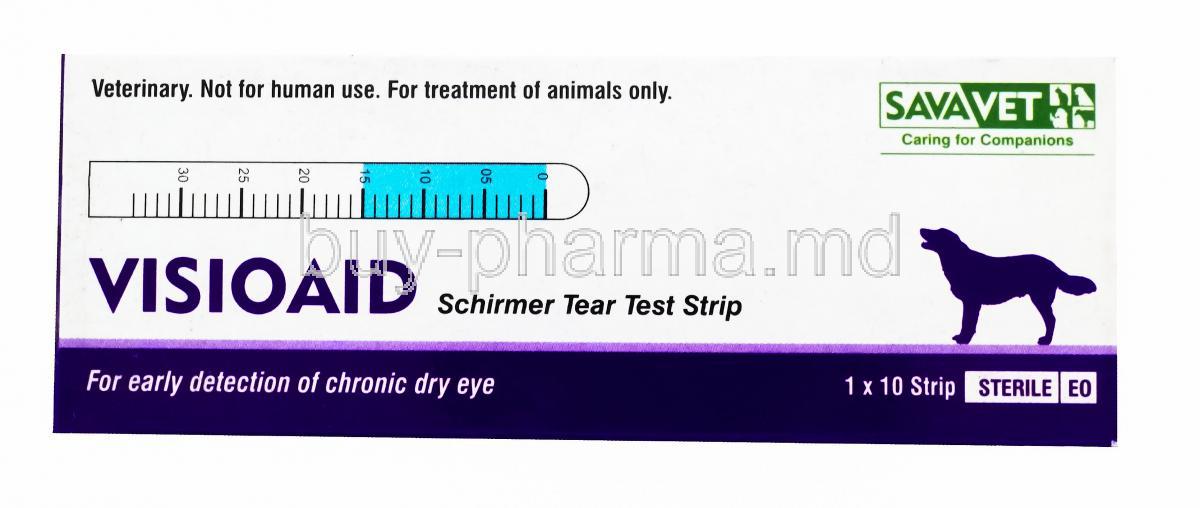
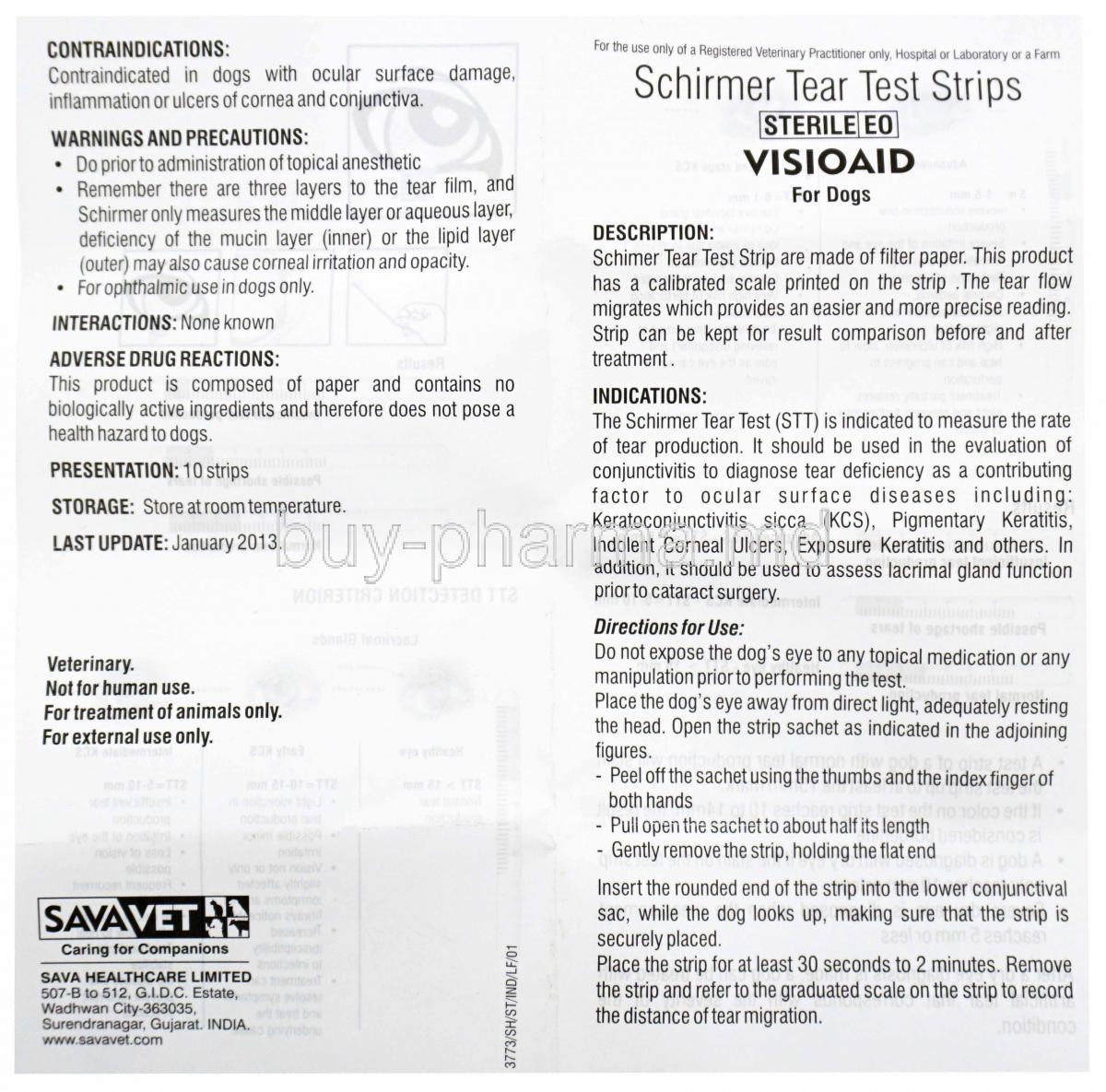
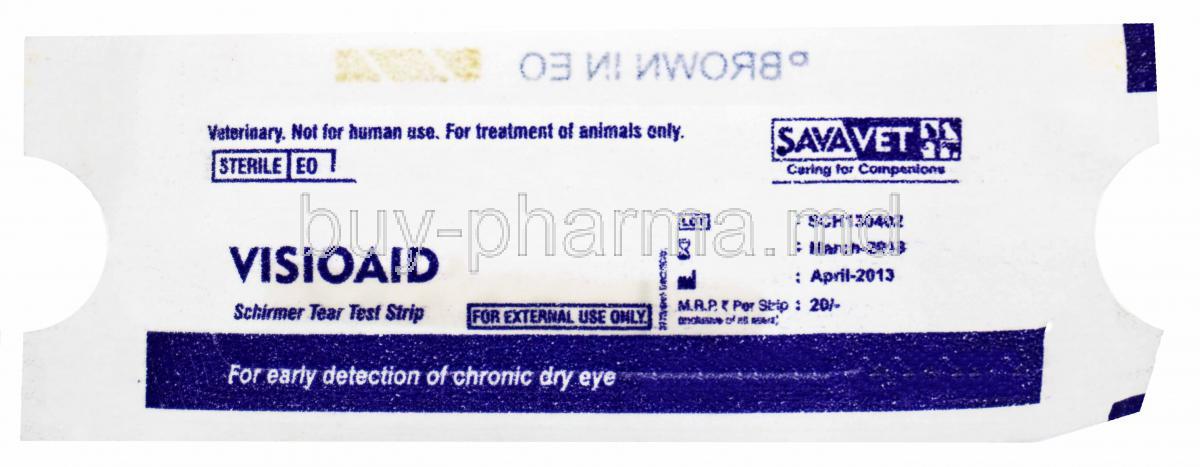
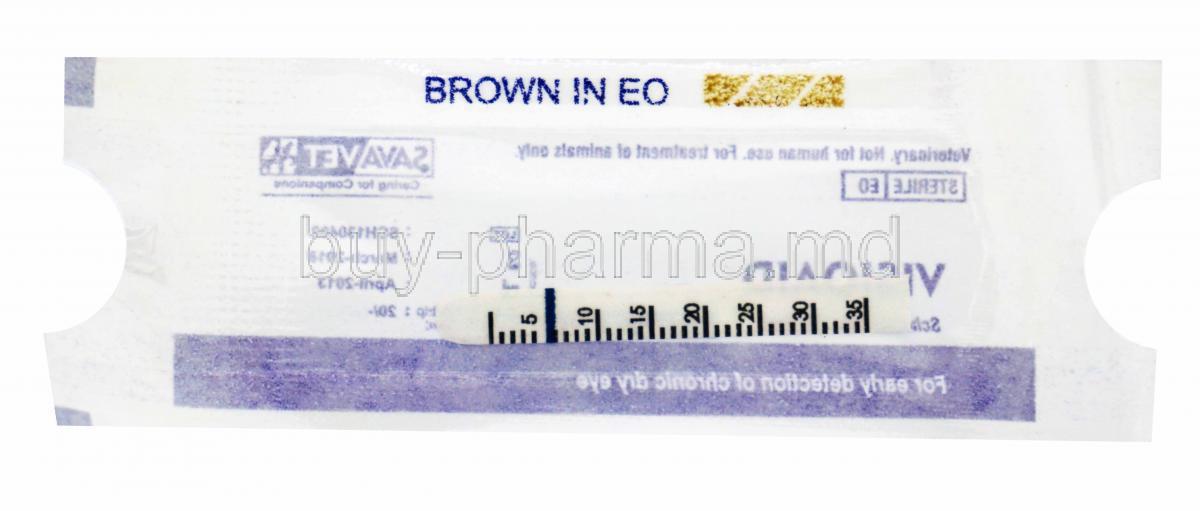
The Visioaid Schirmer Tear Test consists of calibrated, single-use paper strips engineered for precise tear absorption measurement. It is intended for clinical, hospital, and diagnostic settings where standardized tear evaluation is required.
- Clearly marked measurement scale for accurate reading
- Uniform absorbency across the strip length
- Designed for ease of placement and removal
Compared with conventional Schirmer tear test strips, Visioaid products emphasize consistency in paper density and absorption kinetics, reducing variability and enhancing interpretative reliability.
3. Composition and Materials
The test strips are manufactured from high-grade filter paper selected for its predictable capillary properties. This ensures uniform tear migration without distortion or lateral spreading.
- Medical-grade absorbent paper
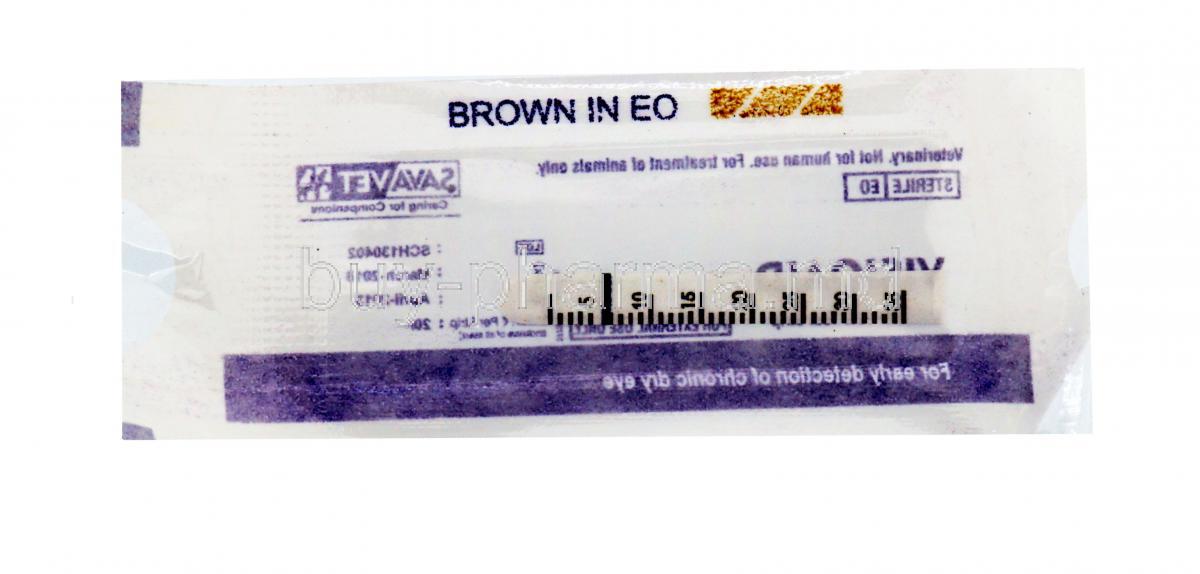
- Individually packaged for hygiene and integrity
- Manufactured under controlled quality standards
The Visioaid Schirmer Tear Test contains no active pharmaceutical ingredients. Its diagnostic function is entirely mechanical and non-pharmacological.
4. How the Visioaid Schirmer Tear Test Works
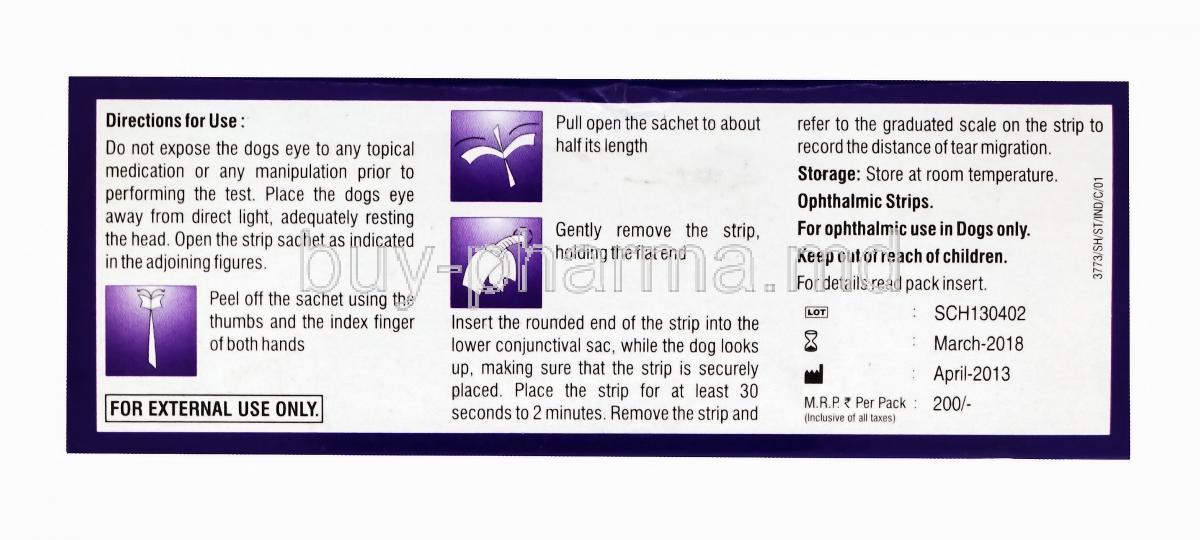
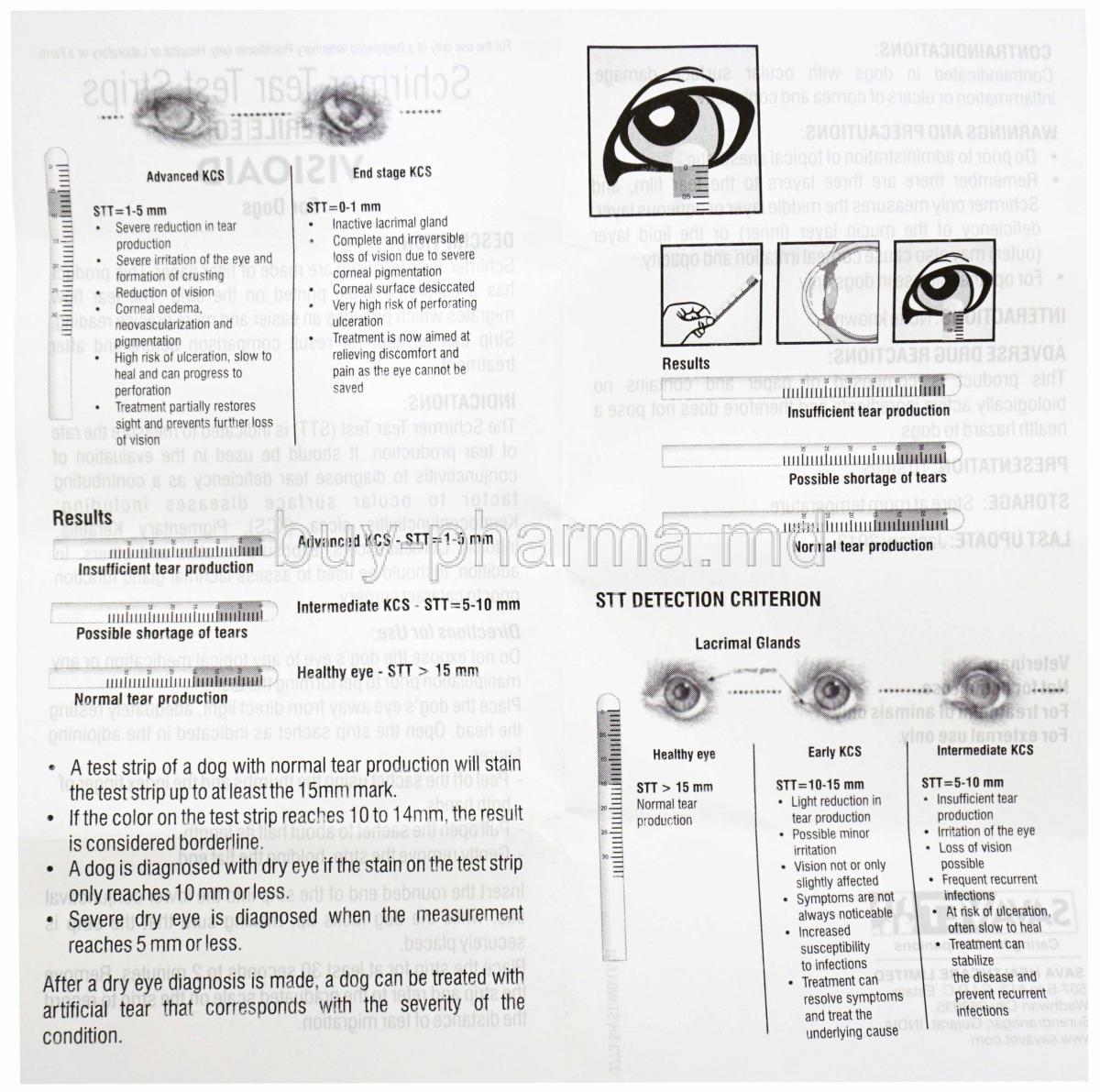
The test operates on a simple yet robust principle: the quantification of basal and reflex tear secretion over a fixed time interval. When placed at the lower conjunctival fornix, the strip absorbs tears produced by the lacrimal apparatus.
Capillary action draws moisture upward along the strip. The distance traveled within the testing period corresponds to tear volume. Results are interpreted by measuring the wetted length in millimeters.
- Short wetting length may indicate hypolacrimation
- Normal values suggest adequate tear production
- Excessive wetting may reflect reflex tearing
Normal Schirmer tear test dog
A normal Schirmer Tear Test (STT) for a dog typically falls between 15–25 millimeters per minute (mm/min), indicating healthy tear production, though values can vary slightly by age, breed, and stress, with lower readings (e.g., 10–14 mm/min) considered borderline and under 10 mm/min often diagnostic for dry eye (KCS).
5. Uses and Indications
The primary indication for the Visioaid Schirmer Tear Test is the diagnosis and assessment of dry eye disease, also known as keratoconjunctivitis sicca. It assists in differentiating aqueous-deficient dry eye from evaporative subtypes.
Additional clinical applications include evaluation of lacrimal gland functionality, perioperative ocular assessment, and longitudinal monitoring of tear production in chronic ocular surface disorders.
6. Off-Label and Extended Uses
Beyond standard ophthalmic practice, the test is employed in several extended contexts. Veterinary ophthalmology frequently uses Schirmer testing to evaluate tear production in companion animals.
- Screening for contact lens intolerance
- Assessment in autoimmune disorders such as Sjögren’s syndrome
- Use in clinical research involving tear film physiology
These applications underscore the versatility of the test across species and clinical disciplines.
7. Dosage and Administration Guidelines
As a diagnostic device, the Visioaid Schirmer Tear Test does not involve dosing in the pharmacological sense. Standard administration involves placing the strip in the lower eyelid for approximately five minutes.
- Unilateral testing may be used for targeted evaluation
- Bilateral testing allows comparative assessment
The frequency of testing is determined by clinical necessity, disease severity, and monitoring objectives.
8. Administration in Special Populations
8.1 Administration to Elderly Patients
Tear production naturally declines with age, making interpretation in elderly patients particularly nuanced. Reduced baseline secretion should be evaluated in conjunction with symptoms and ocular surface findings.
8.2 Administration to Pregnant Women and Nursing Mothers
The Visioaid Schirmer Tear Test poses no systemic exposure risk. Its non-invasive, non-pharmacological nature renders it suitable during pregnancy and lactation without additional safety concerns.
8.3 Administration to Children
Pediatric use is feasible, though cooperation and comfort are key considerations. Gentle explanation and brief reassurance can significantly improve compliance.
- Shortened explanation using age-appropriate language
- Careful placement to minimize discomfort
9. Side Effects and Safety Profile
The test is generally well tolerated. Most individuals experience no adverse effects beyond transient awareness of the strip’s presence.
Any discomfort is typically short-lived and resolves immediately upon removal of the strip.
9.1 Common Side Effects
- Mild irritation or foreign body sensation
- Reflex tearing, which may influence measurement accuracy
These effects are temporary and do not result in lasting ocular sequelae.
10. Warnings and Contraindications
The Visioaid Schirmer Tear Test is a diagnostic device with a favorable safety profile; however, clinical judgment remains essential. Certain ocular conditions may compromise test accuracy or patient comfort if appropriate precautions are not observed.
10.1 Warnings
Caution is advised when administering the test in patients presenting with active ocular infections. Inflammatory exudate, conjunctival hyperemia, or purulent discharge may interfere with tear absorption dynamics and yield misleading results.
Testing should also be deferred in cases of severe ocular trauma. Mechanical disruption of the ocular surface or adnexa may exacerbate injury and invalidate tear production measurements.
10.2 Contraindications
- Known hypersensitivity or intolerance to paper-based materials
- Recent ocular surgery where direct contact with the conjunctiva is contraindicated
In these scenarios, alternative non-contact diagnostic approaches should be considered until ocular stability is restored.
11. Drug, Device, and Test Interactions
Several external factors may influence the outcome of the Visioaid Schirmer Tear Test. Topical ophthalmic medications, particularly lubricants, anti-inflammatory drops, or vasoconstrictors, can transiently alter tear volume and composition.
- Artificial tears may artificially elevate wetting length
- Anti-inflammatory agents may suppress reflex tearing
Anesthetic eye drops deserve special consideration. While sometimes used to reduce discomfort, they may suppress reflex tear secretion and result in underestimated values.
Timing is also critical when multiple ocular diagnostic tests are performed. The Schirmer test should ideally precede procedures that mechanically stimulate the ocular surface to preserve measurement integrity.
12. Careful Administration and Important Precautions
Accurate results depend on meticulous technique. Proper placement of the strip in the lower conjunctival fornix is essential to avoid inadvertent corneal contact, which can induce reflex tearing and discomfort.
Environmental conditions can subtly influence test outcomes. Ambient airflow, low humidity, or excessive lighting may affect tear evaporation rates.
- Conduct testing in a calm, draft-free environment
- Maintain consistent room temperature and lighting
- Use standardized timing for all assessments
Ensuring reproducible conditions across testing sessions enhances comparability and clinical reliability.
13. Overdosage and Misuse Considerations
Overdosage is not applicable, as the Visioaid Schirmer Tear Test contains no pharmacologically active substances. Its function is purely mechanical and diagnostic.
Nevertheless, improper or excessive use may introduce avoidable risks. Repeated testing within short intervals can provoke reflex tearing or transient irritation, potentially distorting results.
- Avoid unnecessary repeat testing
- Ensure correct placement and duration
14. Storage and Stability
To maintain accuracy and hygiene, appropriate storage conditions are imperative. Test strips should be stored in their original packaging at room temperature.
- Protect from excessive heat and direct sunlight
- Avoid exposure to moisture
Packaging integrity should be inspected prior to use. Compromised or damaged packs may affect absorbency and sterility. Adherence to the stated shelf life ensures optimal performance.
15. Handling and Disposal Precautions
The Visioaid Schirmer Tear Test is intended for single-use only. Reuse is strictly discouraged due to contamination risk and altered absorbent properties.
After use, strips should be disposed of in accordance with standard clinical waste protocols.
- Perform hand hygiene before and after handling
- Dispose of used strips immediately
- Prevent cross-contamination between patients
Strict adherence to infection control practices safeguards both patient safety and diagnostic accuracy.
Visioaid Schirmer Tear Test FAQ
What is a normal Schirmer tear test result?
A normal Schirmer test result for tear production is typically over 10 mm (millimeters) of moistened paper in 5 minutes.
What is the Schirmer tear test used for?
The Schirmer tear test assesses the amount of tears in the eyes and is frequently used to diagnose dry eye syndrome
Can medications affect Schirmer test results?
The use of prostaglandin or beta-blocker eye drops or oral non-steroidal anti-inflammatory drugs, drugs for peptic ulcer and gastro-oesophageal reflux disease, thyroid hormones, progesterone and estrogen combination drugs, and hypnotics and sedatives showed an association with smaller ST-5.
What are the disadvantages of Schirmer test?
- low reproducibility, sensitivity and specificity
- frequent discomfort
- difficulty of performing the test in children
What conditions cause abnormal Schirmer test?
- Age
- Inflammation of the eye
- Eye infections
- Leukemia