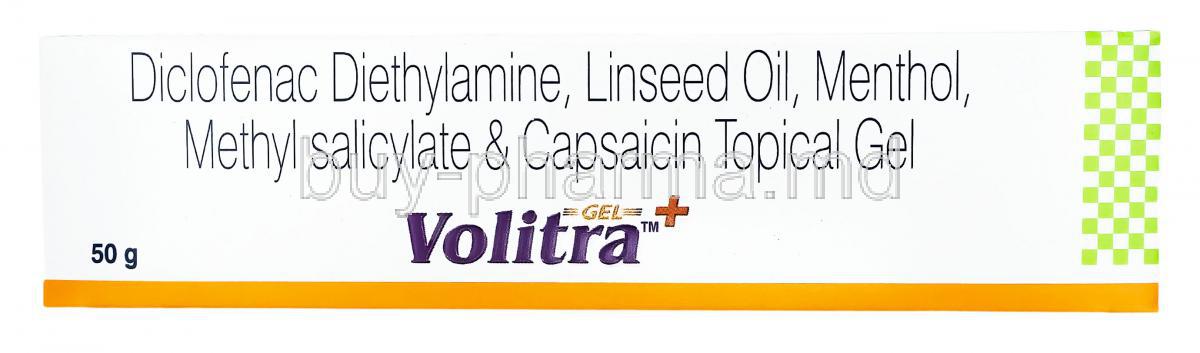
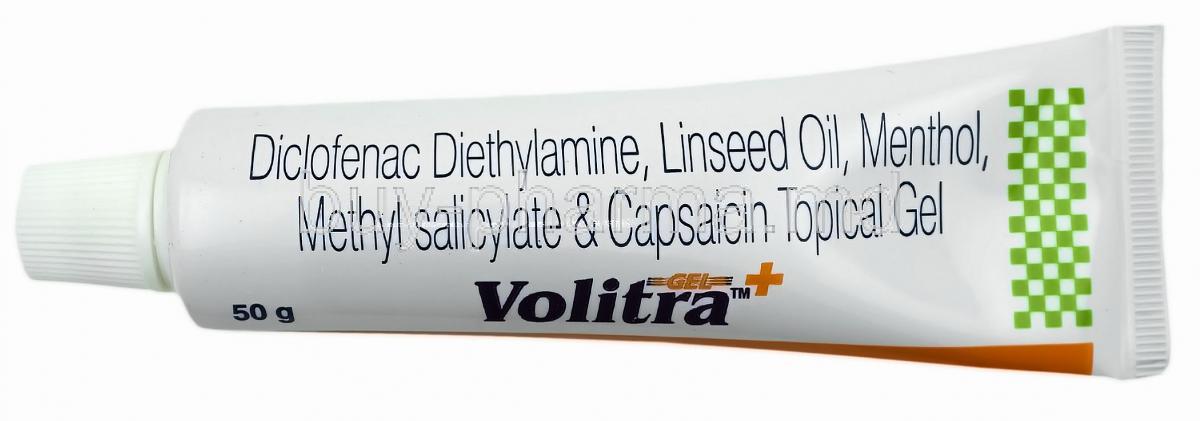
1. Introduction to Volitra Plus Gel
What is Volitra Plus Gel?
Volitra Plus Gel is a topical preparation designed to be applied directly to the skin over painful or inflamed areas. It is commonly used for localized musculoskeletal discomfort where targeted, site-specific relief is preferred over whole-body exposure. Because topical products can differ by country and manufacturer, the exact active ingredients and their strengths should always be confirmed on the product label or package insert.
Therapeutic category and clinical purpose
This type of gel is generally positioned as a topical analgesic and/or topical anti-inflammatory product. Its clinical purpose is to help reduce localized pain, swelling, stiffness, and functional limitation associated with minor injuries or chronic joint problems. In practical terms, it is often used as an adjunct to rest, physiotherapy, and activity modification.
Topical pain relief and anti-inflammatory formulation
Topical pain-relief gels are formulated to deliver active components through the stratum corneum into superficial tissues. The goal is to create a high local concentration near the affected area while mitigating systemic exposure. The experience can vary depending on formulation; some patients notice a rapid sensory effect on the skin, while deeper symptom relief may accrue more gradually with repeated, consistent use.
Key benefits of topical therapy compared with oral medications
Topical therapy can be a pragmatic option when the objective is focal relief rather than systemic treatment. In many cases, it offers a more circumscribed pharmacologic footprint.
- Localized application: Targets the area of discomfort directly.
- Potentially fewer systemic effects: May reduce the likelihood of whole-body adverse effects compared with oral analgesics in some users.
- Convenience: Can be incorporated into daily routines without swallowing tablets.
- Adjunct utility: May complement stretching, strengthening, and rehabilitation programs.
Conditions commonly treated with Volitra Plus Gel
Volitra Plus Gel is commonly used for localized pain linked to soft tissue strain, minor sports injuries, and joint discomfort. Typical scenarios include:
- Muscle aches after physical activity
- Minor sprains and strains
- Localized tendon irritation
- Stiffness around joints, including age-related wear-and-tear discomfort
- Back or neck tightness with muscular involvement
2. Composition and Active Ingredients of Volitra Plus Gel
Active pharmaceutical ingredients and their concentrations
The active ingredients and their exact concentrations depend on the specific product version, manufacturer, and country of sale. Many “pain relief” or “anti-inflammatory” gels may include one or more of the following categories:
- Topical anti-inflammatory agents (often in the NSAID class in some formulations)
- Counterirritants (ingredients that create a warming or cooling sensation)
- Local anesthetic-like agents in select products
Always verify the active ingredients on the packaging, particularly if there is a history of allergy, asthma triggered by pain medicines, or sensitive skin.
Role of each component in pain and inflammation control
Different components may contribute in distinct ways. Some reduce inflammatory mediators at the local level, while others modulate sensory signaling in the skin to blunt the perception of discomfort. The combined effect can be described as a “layered” approach—anti-inflammatory activity coupled with sensory modulation—though the real-world experience varies by individual and by formulation chemistry.
Excipients and base formulation for enhanced skin absorption
Excipients are not merely inert fillers; they influence spreadability, stability, and dermal penetration. The base may include:
- Solvents to help dissolve active ingredients
- Gelling agents to maintain a uniform texture
- Penetration enhancers that facilitate transdermal movement
- Preservatives to reduce microbial contamination risk
Individuals with dermatitis-prone skin may react to certain excipients, even when the active ingredient is well tolerated.
Mechanism of transdermal delivery
Transdermal delivery is governed by diffusion across the skin barrier. After application, active molecules migrate from a high-concentration reservoir on the skin surface into superficial tissues. This process is influenced by:
- Skin integrity (intact vs. irritated or abraded)
- Amount applied and frequency
- Use of occlusive coverings (which can increase absorption)
- Heat exposure (which can enhance penetration and systemic uptake)
Quality standards and formulation stability
Stability is a critical quality attribute. A stable gel maintains consistent potency, uniform texture, and predictable performance throughout its shelf life. To support stability, products are typically packaged in tubes or containers designed to limit air and moisture exposure. Discoloration, separation, or unusual odor can indicate degradation and should prompt disposal.
3. How Volitra Plus Gel Works (Mechanism of Action)
Anti-inflammatory action at the site of application
When Volitra Plus Gel contains anti-inflammatory agents, the principal goal is to attenuate local inflammation that contributes to pain, heat, and swelling. Inflammation is a biologically useful process, but in minor injuries or chronic overuse, it can become a persistent amplifier of discomfort and functional limitation.
Inhibition of prostaglandin synthesis and pain mediators
In gels formulated with topical NSAIDs, a common mechanism involves reducing the synthesis of prostaglandins—lipid mediators that intensify pain signaling and promote inflammatory changes in tissues. Lower prostaglandin activity may translate into decreased tenderness, less swelling, and improved mobility. If the gel does not contain an NSAID, it may still reduce discomfort through other pathways, such as sensory modulation.
Local analgesic and cooling/warming effects (if applicable)
Some topical formulations include ingredients that produce a cooling or warming sensation. These sensory effects can create a counter-stimulus that competes with pain signals, sometimes providing perceptible relief within minutes. This is not purely psychological; it reflects neurophysiologic “gating” of sensory input at multiple levels of the nervous system.
Reduction of swelling, stiffness, and muscle tension
By dampening inflammatory activity and altering local sensory signaling, the gel may reduce stiffness and muscle guarding. This can be especially useful when pain leads to protective tension—an unhelpful cycle where tightness perpetuates discomfort. For best results, topical treatment is often paired with gentle range-of-motion work and gradual strengthening rather than prolonged immobility.
Advantages of localized therapy with minimal systemic exposure
Localized therapy can be advantageous for individuals who cannot tolerate certain oral pain medicines or who prefer to limit systemic medication use. That said, topical products are not automatically “risk-free.” Over-application, use on large surface areas, occlusion, or heat can increase absorption and raise the likelihood of adverse effects—particularly if the product contains an NSAID.
4. Approved Uses of Volitra Plus Gel
4.1 Musculoskeletal Pain Management
Acute muscle strain and sprain
Strains and sprains are among the most common reasons for topical therapy. The gel is applied to the affected area to help manage pain and localized inflammation during the acute phase, often alongside rest, compression, and gradual reactivation of movement.
Ligament injuries
Mild ligament injuries may respond to local supportive measures, including topical therapy. The gel may help reduce tenderness and facilitate earlier, gentle mobilization—while still respecting the tissue’s need for recovery time.
Tendonitis and bursitis
Overuse conditions like tendonitis or bursitis involve irritation of tendons or bursae. Topical therapy may offer symptomatic relief, but addressing the underlying mechanical driver (repetitive motion, poor ergonomics, training errors) is typically essential for durable improvement.
4.2 Joint and Inflammatory Conditions
Osteoarthritis pain relief
In osteoarthritis, discomfort can be episodic or persistent. Topical therapy is commonly used for superficial joints where local delivery can be meaningful, such as the knees or hands. It may reduce pain during activity and improve functional participation in daily tasks.
Rheumatic joint discomfort
For non-specific rheumatic discomfort, topical therapy may provide adjunctive support. Persistent joint swelling, warmth, or significant morning stiffness warrants medical assessment to exclude inflammatory arthritis or other systemic conditions.
Localized joint stiffness and swelling
Localized stiffness and mild swelling may respond to a combination of topical therapy and movement-based interventions, such as gentle mobility drills. Many individuals benefit from a “small and steady” approach rather than aggressive stretching that provokes symptoms.
4.3 Sports and Physical Activity Injuries
Post-exercise muscle soreness
Delayed-onset muscle soreness (DOMS) is common after novel or intense exercise. A topical gel may offer comfort while the body adapts, particularly when paired with hydration, sleep optimization, and light active recovery.
Sports-related soft tissue injuries
Minor contusions, strains, and localized tendon irritation can be managed with topical therapy as part of a broader recovery plan that includes load modification, progressive return to activity, and technique refinement.
Overuse injuries
Overuse injuries often involve cumulative microtrauma. While topical therapy may reduce pain, it should not be used to “push through” worsening symptoms. A structured rehabilitation plan is typically more effective than symptom suppression alone.
4.4 Back and Neck Pain
Lower back pain
For back pain with muscular involvement, topical therapy may provide localized relief. However, severe pain, neurological symptoms (numbness, weakness), or bowel/bladder changes require prompt medical evaluation.
Cervical and shoulder stiffness
Neck and shoulder tightness can be linked to posture, workstation ergonomics, stress-related muscle guarding, or repetitive tasks. Topical therapy can be used as an adjunct while correcting the precipitating factors.
Myofascial pain syndromes
Myofascial pain involves trigger points and taut muscle bands that can refer pain. Topical therapy may help reduce discomfort, especially when combined with targeted stretching, strengthening, and manual therapy where appropriate.
5. Off-Label Uses of Volitra Plus Gel
Myalgia associated with viral illness or fatigue
Some individuals use topical products for generalized aches that accompany fatigue or minor viral illnesses. Persistent or severe symptoms—especially fever, chest pain, shortness of breath, or dehydration—should not be managed solely with topical therapy.
Localized neuropathic discomfort (adjunct use)
Neuropathic discomfort may include burning, tingling, or shooting sensations. Topical therapy may be used as an adjunct in localized cases, but neuropathic pain often requires a tailored clinical approach and evaluation for underlying causes.
Post-traumatic swelling and bruising
For minor bruising and swelling after a bump or fall, some users apply topical therapy to reduce localized discomfort. Large hematomas, severe pain, or inability to bear weight warrants evaluation for fracture or significant soft tissue injury.
Pain associated with repetitive strain injuries (RSI)
Repetitive strain injuries can affect wrists, forearms, shoulders, and neck, often tied to keyboard work or repetitive manual tasks. Topical therapy may reduce symptoms while ergonomic corrections, rest breaks, and strengthening address causality.
Adjunct therapy in physiotherapy and rehabilitation programs
Topical gels are frequently used alongside physiotherapy as a supportive measure. They may help patients participate in exercises more comfortably, particularly early in rehabilitation when pain can limit effort.
Mild inflammatory conditions following minor surgical procedures (as advised by a healthcare professional)
Topical therapy may be used for mild discomfort around healed, intact skin following minor procedures when approved by a clinician. It should not be applied to open wounds, sutures, or areas at risk of infection.
6. Dosage and Administration Guidelines
Recommended amount per application
A thin, even layer is typically sufficient for topical gels. Applying more than needed rarely accelerates relief and may increase irritation or systemic absorption risk. The label instructions should be treated as the primary dosing reference.
Frequency of use and duration of therapy
Many topical products are used multiple times per day for a limited period. If pain persists beyond the recommended duration, reassessment is prudent. Chronic pain may signal an underlying condition requiring targeted management rather than prolonged self-treatment.
Proper method of topical application
- Clean and dry the affected area.
- Apply a small amount and spread gently over the skin.
- Allow the gel to dry before covering with clothing.
- Wash hands after application unless treating the hands.
Areas to avoid during application
Avoid eyes, mucous membranes, and sensitive areas. Do not apply to broken skin, rashes, or infected lesions. If accidental contact occurs, rinse thoroughly with water.
Use with occlusive dressings (if applicable)
Occlusive dressings can increase absorption. Unless the label explicitly permits occlusion, avoid covering the area tightly with plastic wrap or sealed bandages. Increased absorption may raise the probability of adverse effects, particularly with NSAID-containing gels.
When to discontinue or consult a physician
Stop use and seek medical advice if any of the following occur:
- Severe redness, blistering, or progressive rash
- Worsening pain or swelling
- No improvement after the recommended treatment window
- Signs of allergic reaction (e.g., widespread rash, facial swelling, breathing difficulty)
7. Handling and Application Precautions
Hand hygiene before and after application
Hand hygiene reduces the chance of accidental eye contact or unintended transfer to other body areas. It also limits contamination of the tube opening, which can compromise product integrity over time.
Avoid contact with eyes, mucous membranes, and open wounds
Topical formulations are designed for intact skin. Contact with mucosal surfaces can cause stinging, irritation, or inflammation. For open wounds, topical gels may disrupt healing or raise the risk of infection.
Do not apply to damaged or infected skin
Damaged skin can increase absorption unpredictably and intensify irritation. Infected areas require appropriate antimicrobial or medical evaluation rather than symptomatic masking.
Avoid excessive exposure to heat sources after application
Heat (heating pads, hot baths, intense sun exposure) can amplify absorption and irritation. In some formulations, it may also intensify sensory effects to an uncomfortable degree.
External use only instructions
Volitra Plus Gel is intended for external use only. It should not be ingested. If accidental ingestion occurs, seek medical advice promptly and provide product details for accurate guidance.
8. Storage and Shelf-Life Recommendations
Ideal storage temperature and conditions
Store at room temperature unless the label states otherwise. Excessive heat may destabilize the formulation, while very cold conditions can alter texture and spreadability.
Protection from heat, moisture, and direct sunlight
Heat and sunlight can accelerate degradation. Moist environments may also compromise packaging over time. A cool, dry cabinet is typically suitable.
Shelf-life after opening
Many topical products remain stable for a defined period after opening if stored correctly. Follow the printed expiration date and any “period after opening” guidance on the packaging.
Safe storage away from children and pets
Store out of reach to prevent accidental ingestion or misuse. Topical products may have fragrances or textures that attract children or pets, making safe placement non-negotiable.
Packaging integrity and disposal guidance
Discard the product if the tube is damaged, leaking, or visibly contaminated. Dispose of expired gel according to local regulations; avoid flushing large quantities into drains.
9. Drug and Product Interactions
Potential interaction with other topical medications
Layering multiple topical products on the same area can increase irritation and alter absorption. If using prescription creams (e.g., steroids, antifungals), separate application times unless a clinician advises otherwise.
Caution when used with systemic NSAIDs or analgesics
If the gel contains an NSAID, concurrent use with oral NSAIDs may increase cumulative exposure. This can be clinically relevant for individuals with gastrointestinal risk, kidney concerns, or cardiovascular risk factors. In such cases, medical guidance is advisable.
Interaction with herbal pain-relief creams or patches
Herbal balms and patches may contain potent counterirritants. Combined use can cause excessive burning, dermatitis, or chemical irritation. Alternating products or avoiding overlap may reduce risk.
Effects of simultaneous use with physical therapy modalities (heat therapy, ultrasound)
Heat can augment absorption; ultrasound may enhance local penetration depending on technique. Physiotherapy modalities should be coordinated with topical use to avoid irritation or unintended intensification of effects.
10. Common Side Effects of Volitra Plus Gel
Mild skin irritation
Mild irritation can present as itching or a tight sensation at the application site. Often, reducing frequency or applying a thinner layer improves tolerability.
Redness or erythema
Transient redness may occur, especially in individuals with reactive skin. Persistent erythema, spreading rash, or swelling suggests intolerance or allergy and warrants discontinuation.
Burning or stinging sensation
A brief stinging sensation may occur on application, particularly if the skin is dry or recently shaved. A strong or escalating burning sensation is not expected and should be treated as a warning sign.
Dryness or peeling at the application site
Dryness or mild peeling can occur with repeated use. If dryness becomes pronounced, pause use and reassess, particularly if fissures, eczema-like changes, or pain develops.
Clinical note: Persistent pain, significant swelling, fever, neurological symptoms, or injury-related deformity should be evaluated by a healthcare professional rather than managed solely with topical therapy.
11. Serious and Rare Side Effects
Allergic contact dermatitis
Although most users tolerate topical therapy well, allergic contact dermatitis may occur in susceptible individuals. This condition is characterized by localized inflammation resulting from an immune-mediated reaction to one or more components of the formulation.
- Intense itching or burning at the application site
- Redness, swelling, or blister formation
- Dry, scaly, or weeping skin
If dermatitis develops, the product should be discontinued immediately. Persistent or severe reactions may require dermatological evaluation and appropriate treatment.
Severe hypersensitivity reactions
In rare cases, systemic hypersensitivity reactions may occur, particularly in individuals with a known sensitivity to certain analgesic or anti-inflammatory agents. Symptoms may include:
- Widespread rash or urticaria
- Facial, lip, or throat swelling
- Difficulty breathing or wheezing
Such manifestations represent a medical emergency and require immediate medical attention.
Photosensitivity reactions
Some topical agents may increase the skin’s sensitivity to ultraviolet radiation. Exposure to sunlight or artificial UV sources after application may lead to exaggerated skin responses, including:
- Redness or sunburn-like reactions
- Skin irritation or discoloration
- Delayed inflammatory responses
Protective clothing and avoidance of excessive sun exposure are advisable during treatment.
Systemic adverse effects with excessive or prolonged use
Topical products are designed for localized action; however, excessive application, prolonged use, or treatment over large surface areas may increase systemic absorption. Potential consequences, depending on the active ingredients, may include:
- Gastrointestinal discomfort
- Headache or dizziness
- Renal or hepatic strain in vulnerable individuals
Adhering to recommended usage limits helps minimize these risks.
12. Warnings and Important Safety Precautions
Prudent use of Volitra Plus Gel enhances both safety and therapeutic effectiveness. Careful attention to product instructions and individual risk factors is essential.
- Risk of hypersensitivity: Individuals with known sensitivity to analgesics, anti-inflammatory agents, or formulation components should exercise caution.
- Avoid prolonged unsupervised use: Extended application without medical evaluation may mask underlying pathology.
- History of drug allergies: Patients with multiple medication allergies should perform a small test application before regular use.
- Limit treatment area: Application over extensive body surfaces may increase systemic exposure.
- Monitor therapeutic response: Lack of improvement, worsening pain, or new symptoms warrants clinical reassessment.
Topical therapy should complement, not replace, appropriate medical diagnosis when symptoms persist.
13. Contraindications
Volitra Plus Gel should not be used under certain conditions where the risk of adverse effects outweighs potential benefit.
- Known hypersensitivity to any active ingredient or excipient
- History of allergic reactions to topical anti-inflammatory agents or similar products
- Application to open wounds, burns, or infected skin
- Severe dermatological disorders at the intended application site
Using the product under these circumstances may exacerbate skin damage, increase systemic absorption, or trigger significant allergic reactions.
14. Careful Administration (Use with Caution)
Certain patient populations require cautious use due to heightened skin reactivity or systemic sensitivity.
- Sensitive or compromised skin: Thin, fragile, or recently irritated skin may react more intensely.
- Chronic skin disorders: Conditions such as eczema, dermatitis, or psoriasis may worsen with topical agents.
- Systemic NSAID sensitivity: Individuals who experience adverse reactions to oral anti-inflammatory medications may also react to topical forms.
- Long-term use: Chronic application should be supervised by a healthcare professional to prevent cumulative exposure or skin complications.
Intermittent evaluation ensures that therapy remains appropriate and safe.
15. Administration in Special Populations
15.1 Use in Elderly Patients
Older adults often exhibit increased cutaneous fragility and altered pharmacokinetics. Age-related changes may influence both absorption and tolerance.
- Monitor for redness, irritation, or dryness
- Apply smaller amounts initially to assess tolerance
- Reduce application frequency if adverse skin reactions occur
Concurrent medical conditions and polypharmacy should also be considered.
15.2 Use During Pregnancy
The safety of topical analgesic or anti-inflammatory agents during pregnancy depends on the active ingredients and the extent of systemic absorption.
- Use only if clearly necessary
- Consult a healthcare professional before initiation
- Avoid application over large areas or for prolonged periods
Judicious use helps minimize potential fetal exposure.
15.3 Use in Breastfeeding Mothers
Topical therapy may be used cautiously during lactation with appropriate precautions.
- Avoid application near the breast or nipple area
- Use the minimum effective amount
- Seek medical advice before regular use
These measures reduce the risk of infant exposure through skin contact or systemic transfer.
15.4 Pediatric Use (Children)
Children may be more susceptible to systemic absorption due to a higher skin surface area–to–body weight ratio.
- Use only under medical supervision
- Follow age-specific recommendations on the product label
- Store securely to prevent accidental ingestion
Caregiver education is essential for safe use in pediatric settings.
16. Overdose and Excessive Use
Topical overdose typically results from applying excessive quantities, using the product too frequently, or covering large body areas.
Risk of systemic absorption
Overuse may lead to measurable systemic exposure, particularly when combined with occlusion or heat.
Possible symptoms of excessive use
- Severe skin irritation or dermatitis
- Headache or dizziness
- Gastrointestinal discomfort (depending on active ingredients)
Management of accidental ingestion
If the gel is swallowed, seek medical advice immediately. Provide information about the product and the approximate amount involved.
When to seek medical attention
Urgent evaluation is recommended if systemic symptoms develop, severe skin reactions occur, or large amounts have been applied inadvertently.
17. Important Handling and Disposal Precautions
Proper handling preserves product integrity and reduces contamination risk.
- Close the tube tightly after each use
- Avoid touching the opening to contaminated surfaces
- Do not share topical medications between individuals
Expired or unused products should be discarded according to local disposal guidelines. Avoid pouring large quantities into drains or household waste where environmental exposure may occur.
Patient education regarding safe storage and proper application techniques enhances both safety and therapeutic outcomes.
18. When to Seek Medical Advice
Topical therapy is intended for short-term symptomatic relief. Professional evaluation is recommended under the following circumstances:
- Pain persists or worsens after the recommended treatment period
- Severe redness, blistering, or widespread rash develops
- Symptoms interfere significantly with daily function
- There is a need for ongoing or long-term pain management
- An underlying musculoskeletal or inflammatory condition is suspected
Early medical consultation helps prevent chronicity and ensures appropriate treatment strategies.
19. Patient Counseling and Usage Tips for Best Results
Optimal outcomes are achieved when topical therapy is integrated into a comprehensive care plan rather than used in isolation.
- Combine with supportive measures: Rest, physiotherapy, and gradual activity modification enhance recovery.
- Adhere to recommended dosage: More frequent or excessive application does not accelerate healing.
- Avoid self-treatment of severe conditions: Persistent or intense pain requires medical evaluation.
- Adopt lifestyle measures: Maintain healthy posture, ergonomic work habits, regular stretching, and muscle strengthening.
Consistency matters. Small, disciplined interventions—applied regularly and appropriately—often yield superior long-term outcomes compared with intermittent or excessive use.
Popular Products
Similar Product