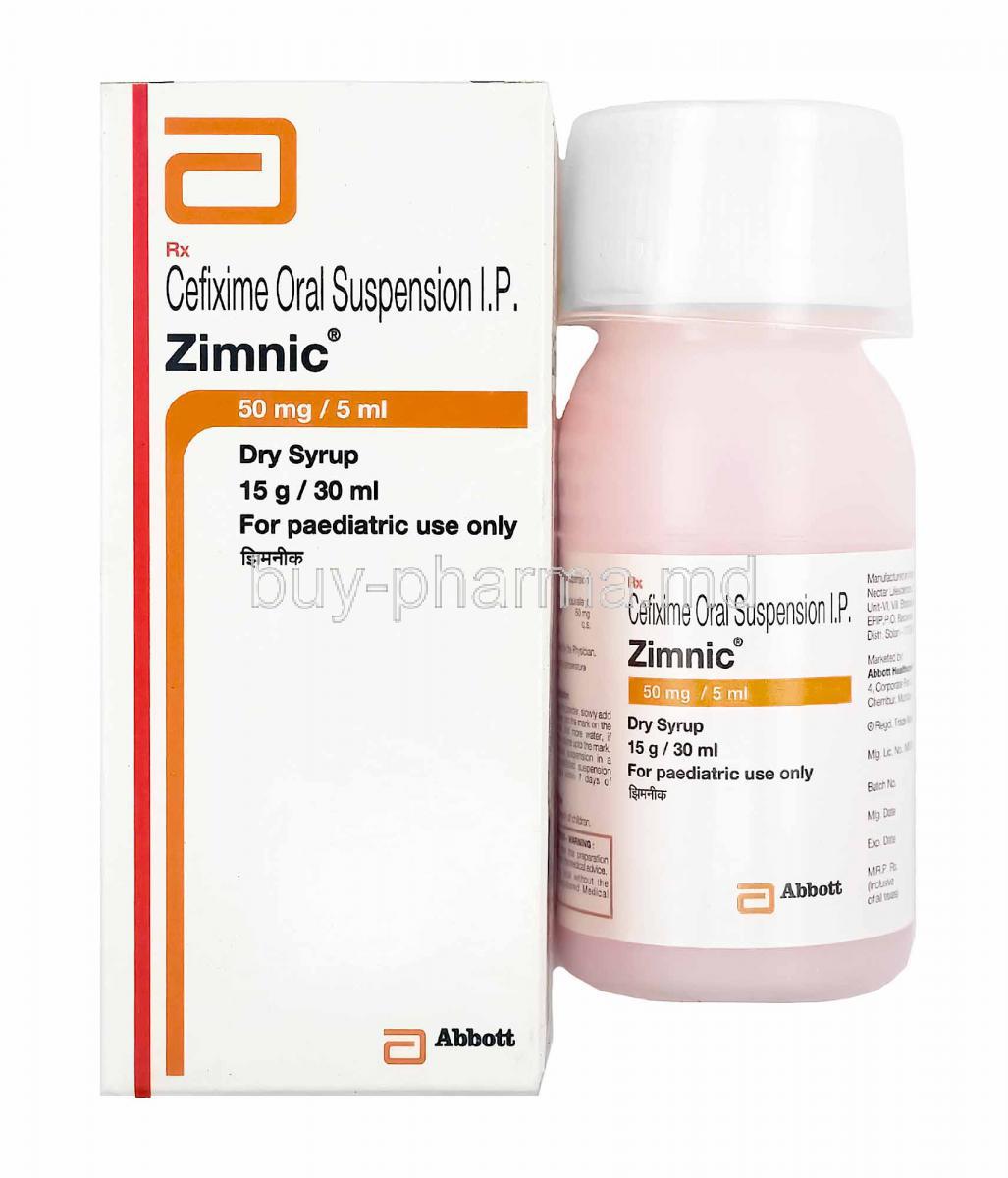
Zimnic Dry Syrup, Cefixime
- Introduction to Zimnic Dry Syrup (Cefixime)
- Composition and Active Ingredients
- How Zimnic Dry Syrup (Cefixime) Works
- Uses of Zimnic Dry Syrup (Cefixime)
- Treatment of Respiratory Tract Infections
- Tonsillitis and Pharyngitis
- Sinusitis
- Bronchitis
- Pneumonia
- Treatment of Ear, Nose, and Throat Infections
- Otitis Media
- Bacterial Throat Infections
- Treatment of Urinary Tract Infections (UTIs)
- Complicated and Uncomplicated UTIs
- Bladder Infections
- Treatment of Gastrointestinal Infections
- Typhoid Fever
- Enteric Fever
- Treatment of Sexually Transmitted Infections
- Gonorrhea Management
- Skin and Soft Tissue Infections
- Dental and Oral Infections
- Post-Surgical Bacterial Infection Prevention
- Fever Associated With Bacterial Infections
- Off-Label Uses of Zimnic Dry Syrup (Cefixime)
- Off-Label Use in Pediatric Bacterial Infections
- Use in TravelerâÂÂs Diarrhea
- Use in Chronic Respiratory Infections
- Use in Mixed Bacterial Infections
- Cefixime Use in Multidrug Treatment Protocols
- Off-Label Use for Persistent Sinus Infections
- Community-Acquired Infection Management
- Use in Secondary Bacterial Infections Following Viral Illness
- Dosage and Administration
- Recommended Dosage for Adults
- Cefixime Dry Syrup Dosage for Children
- Weight-Based Pediatric Dosing Guidelines
- Dosage Adjustments in Kidney Impairment
- How to Prepare the Dry Syrup Suspension
- Instructions for Measuring and Administering the Dose
- Duration of Treatment
- Missed Dose Instructions
- Best Time to Take Cefixime
- Administration With or Without Food
- Additional Administration Precautions
- Administration to Children
- Administration to Elderly Patients
- Administration to Pregnant Women and Nursing Mothers
- Common Side Effects of Zimnic Dry Syrup
- Serious Side Effects and Adverse Reactions
- Drug Interactions
- Warnings and Important Safety Information
Introduction to Zimnic Dry Syrup (Cefixime)
What Is Zimnic Dry Syrup
Zimnic Dry Syrup is a type of antibiotic that you take by mouth, and it contains a medicine called cefixime. Doctors usually prescribe this for infections caused by bacteria.
The syrup comes as a dry powder, and you need to mix it with clean water before giving it to someone. This is really helpful for kids or people who have trouble swallowing pills.
When you mix it with water, it becomes a syrup that's easier to measure and give to the person who needs it.
Overview of Cefixime as a Third-Generation Cephalosporin Antibiotic
Cefixime is a type of antibiotic that falls under the third-generation cephalosporin class. It's effective against a variety of bacteria by disrupting the synthesis of the bacterial cell wall, which is crucial for the bacteria's survival.
This means that cefixime can be used to treat infections in different parts of the body, such as the respiratory tract, urinary tract, ear, and throat, as long as they're caused by susceptible bacteria.
By interfering with cell wall synthesis, cefixime essentially kills the bacteria, making it a useful treatment option for various bacterial infections.
- Broad-spectrum antibacterial activity
- Oral administration
- Useful for susceptible bacterial infections
- Often selected when a liquid dosage form is preferred
Brand Information and Pharmaceutical Classification
Zimnic Dry Syrup is a medicine that has cefixime as its main ingredient. It's a type of antibiotic, specifically a beta-lactam antibiotic, which is part of the cephalosporin group.
This medicine doesn't just treat the symptoms, but actually targets the bacteria that's causing the infection, as long as the bacteria is sensitive to cefixime.
It works by fighting the underlying cause of the infection, rather than just providing temporary relief.
Prescription Status and Availability
You should only use Zimnic Dry Syrup when a doctor is supervising you. This is because antibiotics need to be used in the right way to work properly and to prevent the bacteria from becoming resistant to them.
The doctor will make sure you get the right dose and use it for the right amount of time. Also, you can only get Zimnic Dry Syrup in some places, and you might need a prescription from a doctor to buy it, depending on where you live and the laws in your area.
Key Features and Benefits of Zimnic Dry Syrup
Zimnic Dry Syrup is a great option for kids and people who have trouble swallowing. It comes in a special form that can be mixed with water to make a liquid. This makes it easy to give the right dose based on the person's weight and how sick they are.
- Contains cefixime, a third-generation cephalosporin antibiotic
- Dry syrup form helps improve storage stability before mixing
- Convenient for children when prescribed appropriately
- May be used for various susceptible bacterial infections
- Allows measured dosing after reconstitution
Composition and Active Ingredients
Active Ingredient: Cefixime
The main ingredient in Zimnic Dry Syrup is cefixime, which is what makes it work against bacteria. Cefixime does its job by attaching to certain enzymes that bacteria use to build their cell walls.
When this happens, the bacterial wall starts to fall apart, and the bacteria can't survive anymore. This is how Zimnic Dry Syrup helps to fight off infections caused by susceptible bacteria.
Strength and Formulation Details
The strength of Zimnic Dry Syrup can vary depending on the type and packaging. Most dry syrups are made to give a certain amount of cefixime per measured volume after you mix it with water.
Always check the label carefully before using it. When figuring out the dose, follow the doctor's instructions, especially for kids, since the dose is often based on their weight.
Excipients and Inactive Ingredients
Besides the main ingredient cefixime, Zimnic Dry Syrup also has some extra ingredients called excipients. These don't actually fight bacteria, but they help keep the medicine stable, make it look and taste better, and make it easier to use.
- Stabilizing agents
- Sweeteners
- Suspending agents
- Preservatives, where applicable
- Flavoring substances
Patients with known allergies, metabolic restrictions, or sensitivity to additives should review the product label or consult a pharmacist before use.
Mechanism Behind the Dry Syrup Formulation
A dry syrup is a type of medicine that comes in powder form, which is really helpful because it stays stable until you add water to it. This way, the medicine doesn't go bad before you open it and mix it with water.
When you do mix it, the powder turns into a liquid that you can drink, called an oral suspension. To make sure you get the right amount of medicine each time, it's a good idea to shake the bottle really well before you take a dose, so the active ingredients get all mixed up evenly.
Flavoring and Pediatric-Friendly Components
Dry syrups are often made with flavorings and sweeteners to make them easier for kids to take. This is especially helpful when they need to take medicine for several days.
But just because it tastes good, doesn't mean it's not strong medicine. You should keep Zimnic Dry Syrup in a safe place where kids can't get to it and only use the amount that's prescribed.
How Zimnic Dry Syrup (Cefixime) Works
Mechanism of Action of Cefixime
Zimnic Dry Syrup is a type of medicine that has cefixime in it, which is a strong antibiotic that belongs to a group of medicines called cephalosporins. This antibiotic is special because it can fight off certain types of bacterial infections by targeting the parts of the bacteria that are necessary for them to grow and survive. Instead of just making the symptoms of an infection feel better, cefixime goes after the actual cause of the infection, which is the bacteria itself.
It works by breaking down the walls of the bacterial cells, which ultimately kills the bacteria. This helps get rid of the bad bacteria, and it also allows the body's own immune system to help with the healing process. By doing this, cefixime helps the body recover from the infection.
The way it targets the bacteria is very specific, which is good because it means that the medicine can focus on getting rid of the infection without hurting the rest of the body. This makes it a useful tool for fighting off certain types of bacterial infections.
- Belongs to the third-generation cephalosporin class
- Functions as a beta-lactam antibiotic
- Targets bacterial cell wall formation
- Produces bactericidal effects against susceptible organisms
- Used in the treatment of various bacterial infections
How Cefixime Inhibits Bacterial Cell Wall Synthesis
The cell wall is a crucial part of a bacterial cell, giving it strength and protection. It's made up of a complex material called peptidoglycan, which is like a mesh that keeps the cell from bursting under pressure.
Cefixime is a drug that interferes with the construction of this wall by attaching to specific proteins called penicillin-binding proteins.
These proteins are essential for building the cell wall, and when cefixime binds to them, it disrupts the normal process of creating a strong wall. As a result, the cell wall becomes weak and can't keep the cell intact.
When the bacteria try to grow and divide, the defective wall can't handle the pressure, and the cell ends up dying. This process is selective, meaning it only affects bacteria, because human cells don't have cell walls or these specific proteins, making it a good target for therapy.
The way cefixime works is by targeting the bacteria's ability to build a strong cell wall, which is necessary for its survival. By disrupting this process, cefixime is able to effectively kill the bacteria without harming human cells.
This is important because it allows doctors to treat bacterial infections without causing harm to the patient. Overall, the cell wall is a vital part of a bacterial cell, and cefixime's ability to disrupt its construction makes it a powerful tool in the fight against bacterial infections.
Bactericidal Activity Against Susceptible Organisms
Cefixime exhibits bactericidal activity, meaning it directly kills susceptible bacteria rather than merely inhibiting their growth. This characteristic distinguishes it from bacteriostatic antibiotics, which primarily suppress bacterial replication and rely more heavily on host immune responses for complete eradication.
Following adequate exposure to therapeutic concentrations, susceptible bacteria undergo progressive structural deterioration. The compromised cell wall can no longer sustain cellular viability, resulting in irreversible destruction of the organism.
Bactericidal activity is particularly advantageous in infections where rapid bacterial elimination is clinically desirable. However, effectiveness depends upon several variables, including:
- The susceptibility profile of the infecting organism
- The severity and location of infection
- Patient-specific pharmacokinetic factors
- Adherence to the prescribed treatment regimen
- The presence of antimicrobial resistance mechanisms
Spectrum of Antibacterial Activity
Zimnic Dry Syrup is really good at fighting off a wide range of bad bacteria that can make us sick. It's because of its special structure, called a third-generation cephalosporin, which is especially good at tackling Gram-negative bacteria, but it also works well against some Gram-positive bacteria.
This makes it useful for treating many different types of bacterial infections that can affect various parts of our body. However, when choosing an antibiotic, doctors should look at the patient's symptoms, what bacteria are common in their area, and do tests to see what will work best.
The problem is that bacteria can become resistant to antibiotics over time, and this can vary from place to place. So, healthcare professionals often look at local data on antibiotic resistance to decide which treatment to use.
Gram-Positive and Gram-Negative Coverage
Cefixime demonstrates activity against numerous Gram-positive and Gram-negative bacteria known to cause common community-acquired infections. The antimicrobial spectrum encompasses organisms associated with respiratory tract infections, ear infections, urinary tract infections, and certain gastrointestinal infections. Examples of susceptible organisms may include:
- Streptococcus pneumoniae
- Streptococcus pyogenes
- Haemophilus influenzae
- Moraxella catarrhalis
- Escherichia coli
- Proteus mirabilis
- Klebsiella species
- Neisseria gonorrhoeae (susceptible strains)
The effectiveness of cefixime against certain bacteria really depends on the local resistance patterns and what lab tests show. Not all strains of these bacteria are equally sensitive to cefixime, especially in areas where antibiotic resistance is a big problem.
Antibiotic Resistance and Cefixime Effectiveness
Antimicrobial resistance represents a significant global healthcare challenge. Bacteria possess remarkable adaptive capabilities and may develop mechanisms that reduce or eliminate the effectiveness of antibiotics, including cefixime. Common resistance mechanisms include:
- Production of beta-lactamase enzymes that degrade antibiotics
- Alterations in penicillin-binding proteins
- Reduced permeability of the bacterial cell envelope
- Activation of efflux systems that expel antimicrobial agents
- Genetic mutations that diminish antibiotic susceptibility
Although cefixime maintains activity against many susceptible pathogens, inappropriate antibiotic use can accelerate the emergence of resistant strains.
Examples include unnecessary antibiotic exposure, incorrect dosing, premature discontinuation of therapy, and use for non-bacterial illnesses.
To preserve the clinical utility of cefixime and other antimicrobial agents, prudent antibiotic stewardship is essential.
Treatment should be based on appropriate medical assessment, adherence to prescribed dosing schedules, and completion of the full recommended course unless otherwise directed by a healthcare professional.
Uses of Zimnic Dry Syrup (Cefixime)
Zimnic Dry Syrup is a type of antibiotic that has cefixime in it. Cefixime is a strong medicine that kills bacteria, and it's often used to treat infections in kids and adults. Because it works against a lot of different types of bacteria and comes in a liquid form, doctors like to prescribe it for people who need to take antibiotics by mouth.
This medicine can be used to treat infections in many parts of the body, like the lungs, urinary tract, stomach, ear, nose, throat, skin, and more, as long as the bacteria causing the infection can be killed by cefixime. It's a broad-spectrum antibiotic, which means it can fight a wide range of bacterial infections, making it a popular choice for both children and adults who need oral antibiotic treatment.
- Respiratory tract infections
- Ear, nose, and throat infections
- Urinary tract infections
- Gastrointestinal bacterial infections
- Selected sexually transmitted infections
- Skin and soft tissue infections
- Dental infections
Treatment of Respiratory Tract Infections
Respiratory tract infections are among the most common reasons for antibiotic prescriptions worldwide. Cefixime may be prescribed when bacterial pathogens are suspected or confirmed as the underlying cause of infection.
The medication helps reduce bacterial proliferation, allowing the immune system to resolve inflammation and infection more effectively. Clinical improvement often includes reduction of fever, throat discomfort, cough, and other infection-related symptoms.
Tonsillitis and Pharyngitis
Sinusitis
Bronchitis
Pneumonia
Treatment of Ear, Nose, and Throat Infections
Otitis Media
Bacterial Throat Infections
Treatment of Urinary Tract Infections (UTIs)
Complicated and Uncomplicated UTIs
Bladder Infections
Treatment of Gastrointestinal Infections
Typhoid Fever
Enteric Fever
Treatment of Sexually Transmitted Infections
Gonorrhea Management
Skin and Soft Tissue Infections
Dental and Oral Infections
Post-Surgical Bacterial Infection Prevention
Fever Associated With Bacterial Infections
Off-Label Uses of Zimnic Dry Syrup (Cefixime)
Off-Label Use in Pediatric Bacterial Infections
Use in Travelerâs Diarrhea
Use in Chronic Respiratory Infections
Use in Mixed Bacterial Infections
Cefixime Use in Multidrug Treatment Protocols
Off-Label Use for Persistent Sinus Infections
Community-Acquired Infection Management
Use in Secondary Bacterial Infections Following Viral Illness
Dosage and Administration
Recommended Dosage for Adults
Cefixime Dry Syrup Dosage for Children
Weight-Based Pediatric Dosing Guidelines
Dosage Adjustments in Kidney Impairment
How to Prepare the Dry Syrup Suspension
Instructions for Measuring and Administering the Dose
Duration of Treatment
Missed Dose Instructions
Best Time to Take Cefixime
Administration With or Without Food
Additional Administration Precautions
Administration to Children
Safety and Efficacy in Pediatric Patients
Recommended Age Group for Use
Pediatric Dosage Recommendations
Tips for Giving Dry Syrup to Children
Monitoring for Side Effects in Children
Administration to Elderly Patients
Cefixime Use in Geriatric Patients
Age-Related Dosage Considerations
Monitoring Kidney Function in Elderly Patients
Increased Risk of Adverse Reactions in Seniors
Administration to Pregnant Women and Nursing Mothers
Safety During Pregnancy
Pregnancy Risk Considerations
Use of Cefixime During Breastfeeding
Transfer Into Breast Milk
Precautions for Nursing Mothers
Physician Guidance for Pregnant Patients
Common Side Effects of Zimnic Dry Syrup
Gastrointestinal Side Effects
Nausea
Vomiting
Diarrhea
Abdominal Pain
Nervous System Side Effects
Headache
Dizziness
Skin-Related Side Effects
Rash
Itching
Temporary Changes in Appetite
Mild Fever or Fatigue
Serious Side Effects and Adverse Reactions
Severe Allergic Reactions
Anaphylaxis
Swelling of Face and Throat
Severe Skin Reactions
Stevens-Johnson Syndrome
Toxic Epidermal Necrolysis
Antibiotic-Associated Colitis
Liver Function Abnormalities
Kidney-Related Complications
Blood Disorders and Hematologic Reactions
Seizures and Neurological Reactions
Drug Interactions
Interaction With Blood Thinners
Interaction With Antacids
Interaction With Probenecid
Interaction With Other Antibiotics
Interaction With Vaccines
Food and Alcohol Interactions
Herbal Supplements and Vitamin Interactions
Warnings and Important Safety Information
Risk of Antibiotic Resistance
Allergic Reactions to Cephalosporins and Penicillins
Risk of Clostridium difficile-Associated Diarrhea
Zimnic Dry Syrup, Cefixime FAQ
- What is Cefixime used to treat?
- Can Cefixime be used for UTI?
- Is Cefixime 200 a strong antibiotic?
- Which bacteria is killed by Cefixime?
- Is Cefixime better than Amoxicillin?
- What to avoid when taking Cefixime?
- How quickly does Cefixime work for UTI?
- What are the common side effects of Cefixime?
- Is Cefixime safe for kidneys?
- Is Cefixime a pain killer?
- Is Cefixime a probiotic?
- Is Cefixime toxic?
- How long does Cefixime take to work?
- Is Cefixime a very strong antibiotic?
- Who should avoid cefixime?
- Is Cefixime toxic to the kidneys?
- Is Cefixime toxic to the liver?
- What not to take with Cefixime?
- Is Cefixime hard on the stomach?
- Can I take paracetamol with Cefixime?
- What is the success rate of Cefixime?
- How do you know if Cefixime is working?
- Is Cefixime good for inflammation?
- What are serious Cefixime side effects?
- Does Cefixime affect the heart?
- Is Cefixime enough for 5 days?
- Can Zimnic Dry Syrup Be Taken With Food?
- Is Cefixime Safe for Children?
- Can Cefixime Treat Viral Infections?
- What Should Be Avoided While Taking Cefixime?
- Can Zimnic Dry Syrup Cause Diarrhea?
- How Should Reconstituted Syrup Be Stored?
What is Cefixime used to treat?
Cefixime is used to treat certain infections caused by bacteria such as bronchitis (infection of the airway tubes leading to the lungs); gonorrhea (a sexually transmitted disease); and infections of the ears, throat, tonsils, and urinary tract
Can Cefixime be used for UTI?
Cefixime proved to be a good alternative in the treatment of UTI
Is Cefixime 200 a strong antibiotic?
Cefixime 200mg is a strong, broad-spectrum, third-generation cephalosporin antibiotic effective for treating bacterial infections, such as those in the respiratory tract (bronchitis, tonsillitis), urinary tract (UTIs), and sexually transmitted infections like gonorrhea
Which bacteria is killed by Cefixime?
Cefixime is an antibiotic that belongs to a group of medicines called cephalosporins. It's really good at killing a wide range of bacteria, especially the kind that can cause infections. This includes bacteria like Haemophilus influenzae, Streptococcus pyogenes, and Streptococcus pneumoniae. Cefixime works by stopping these bacteria from building their cell walls, which ultimately leads to their death. One of the best things about Cefixime is that it can fight against bacteria that have become resistant to other antibiotics. It's able to do this because it's not easily broken down by enzymes called beta-lactamases, which some bacteria use to defend themselves against antibiotics. Overall, Cefixime is a powerful tool in the fight against bacterial infections.
Is Cefixime better than Amoxicillin?
When it comes to treating certain infections, Cefixime can be a better choice than Amoxicillin. This is because it works well against specific types of bacteria that are resistant to other antibiotics, like H. influenzae, which can cause ear infections, and gonorrhea. One of the advantages of Cefixime is that you only need to take it once a day, which can make it easier to stick to your treatment plan. It's also effective against bacteria that produce beta-lactamase, a substance that can make some penicillin-based antibiotics less effective. So, while Cefixime might not be the best choice for every infection, it has some benefits that make it a good option for certain types of bacterial infections.
What to avoid when taking Cefixime?
When you're taking cefixime, there are a few things to keep in mind. For one, it's best to avoid taking antacids that have aluminum or magnesium in them at the same time, because they can interfere with how well your body absorbs the medication. Also, be careful with anticoagulants like warfarin, as taking them with cefixime can increase your risk of bleeding. And if you're planning to get the oral typhoid vaccine, you should know that taking cefixime can make the vaccine less effective. If you're being treated for gonorrhea with a single dose of cefixime, it's a good idea to avoid having sex for 7 days afterwards.
How quickly does Cefixime work for UTI?
Cefixime usually starts to make urinary tract infection symptoms better within a few days, typically between 1 to 3 days, or 24 to 72 hours.
What are the common side effects of Cefixime?
Cefixime can cause some unwanted side effects. These include diarrhea, stomach pain, and feeling sick to your stomach. You might also have loose or frequent bowel movements, nausea, vomiting, indigestion, or gas.
Is Cefixime safe for kidneys?
Cefixime is generally okay for your kidneys, but if you have really bad kidney problems, you might need to take a different amount. You should talk to your doctor about what's best for you.
Is Cefixime a pain killer?
Cefixime isn't something you take for pain, it's actually an antibiotic, and a pretty advanced one at that - it's called a third-generation cephalosporin.
Is Cefixime a probiotic?
Cefixime is not something that helps with good bacteria in your body, it's actually a type of antibiotic called a cephalosporin.
Is Cefixime toxic?
Cefixime is generally considered a safe and effective third-generation cephalosporin antibiotic.
How long does Cefixime take to work?
Cefixime usually starts to work pretty quickly, within a few hours of taking it. Most people start to feel a lot better, with their symptoms getting noticeably better, in just 2 to 3 days.
Is Cefixime a very strong antibiotic?
Cefixime is considered a potent, broad-spectrum antibiotic, particularly effective against a wide range of gram-negative and some gram-positive bacteria
Who should avoid cefixime?
Cefixime should be avoided by individuals with a known allergy to cefixime, cephalosporin antibiotics, or a severe, anaphylactic allergy to penicillin
Is Cefixime toxic to the kidneys?
Cefixime is usually a safe drug, but sometimes it can hurt your kidneys really badly. This can even cause big problems like acute kidney injury or renal failure. It's especially risky for people who already have kidney problems.
Is Cefixime toxic to the liver?
Cefixime is usually a safe drug, but in rare cases, it can cause problems with the liver. This can include hepatitis, which is inflammation of the liver, and high levels of liver enzymes in the blood. When this happens, it's often an unpredictable reaction, meaning it's not a straightforward side effect that happens to everyone who takes the drug.
What not to take with Cefixime?
Do not take cefixime with blood thinners like warfarin (increases bleeding risk) or probenecid (increases cefixime toxicity)
Is Cefixime hard on the stomach?
Cefixime, also known as Suprax, can be tough on the stomach, and a lot of people who take it get gastrointestinal side effects.
Can I take paracetamol with Cefixime?
Paracetamol and cefixime can generally be taken together.
What is the success rate of Cefixime?
Cefixime, a third-generation cephalosporin antibiotic, according to PubMed has a high success rate (often 90%–97%) in treating susceptible infections, including urogenital (97%) and rectal (97%) gonorrhea, as well as UTI (96.2%) and respiratory infections.
How do you know if Cefixime is working?
Cefixime usually starts to work pretty quickly, and you can expect your symptoms like fever, pain, or discomfort to start getting better within 2 to 3 days of taking the medication. This is a good sign that the antibiotic is doing its job and helping your body fight off the infection.
Is Cefixime good for inflammation?
Cefixime isn't like other medicines that reduce inflammation, such as ibuprofen or aspirin, which can help with a lot of different types of pain and swelling. Instead, it's an antibiotic that specifically targets and helps to reduce inflammation caused by bacterial infections, making it a useful treatment for certain types of illnesses.
What are serious Cefixime side effects?
Serious side effects of cefixime include severe allergic reactions (anaphylaxis, skin rash, swelling), Clostridioides difficile-associated diarrhea (watery/bloody stools), severe skin reactions (Stevens-Johnson syndrome), liver issues (yellowing skin/eyes), kidney damage, and seizures.
Does Cefixime affect the heart?
Cefixime doesn't usually cause heart problems, but sometimes it can lead to issues like a fast heartbeat, chest pain, or irregular heart rhythms, also known as QT prolongation, in certain people.
Is Cefixime enough for 5 days?
A 5-day course of cefixime is often sufficient for uncomplicated infections like acute exacerbations of chronic bronchitis, uncomplicated UTI, or shigellosis.
Can Zimnic Dry Syrup Be Taken With Food?
You can take Zimnic Dry Syrup, which is cefixime, with food or without food, it doesn't really matter.
Is Cefixime Safe for Children?
Cefixime is generally safe and effective for children over 6 months old to treat bacterial infections, such as ear infections (otitis media), respiratory infections, and urinary tract infections.
Can Cefixime Treat Viral Infections?
No, cefixime cannot treat viral infections such as the common cold, influenza (flu), or COVID-19. Cefixime is a cephalosporin-class antibiotic that works strictly by killing or stopping the growth of bacteria.
What Should Be Avoided While Taking Cefixime?
When you're taking Cefixime, be careful with other medicines. Don't take blood thinners like warfarin because it can make you bleed more easily. Also, if you have diarrhea, don't take other medicines for it without asking your doctor first. It's always a good idea to talk to your doctor before taking any new medicines when you're already on Cefixime.
Can Zimnic Dry Syrup Cause Diarrhea?
Yes, Zimnic Dry Syrup (Cefixime) can cause diarrhea as a common side effect.
How Should Reconstituted Syrup Be Stored?
Reconstituted syrup, particularly antibiotic dry syrups (suspensions), must be stored properly to maintain their potency and prevent bacterial growth.
Popular Products
Similar Product