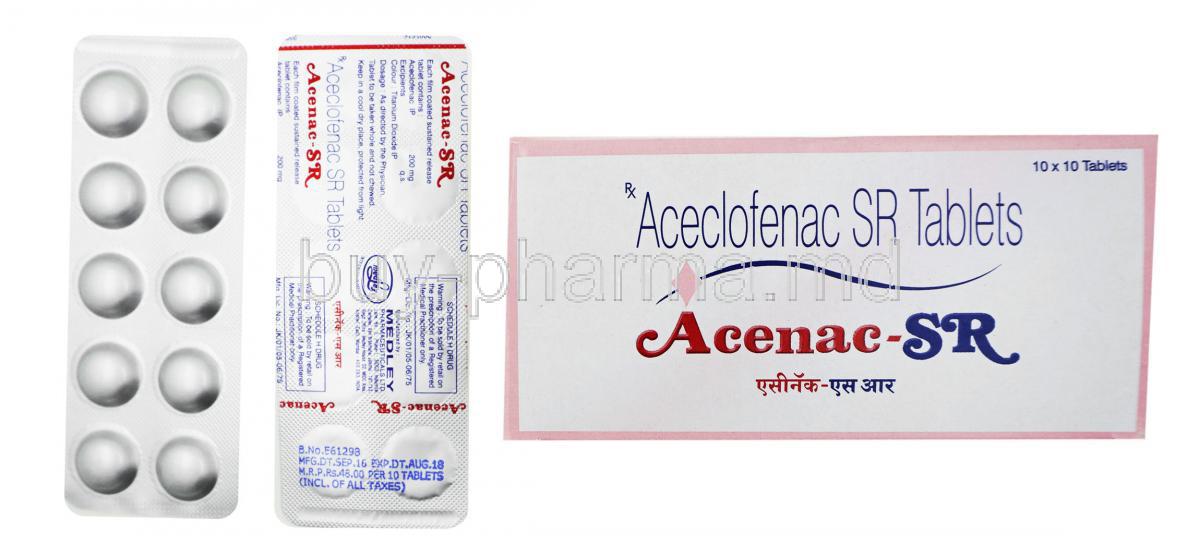
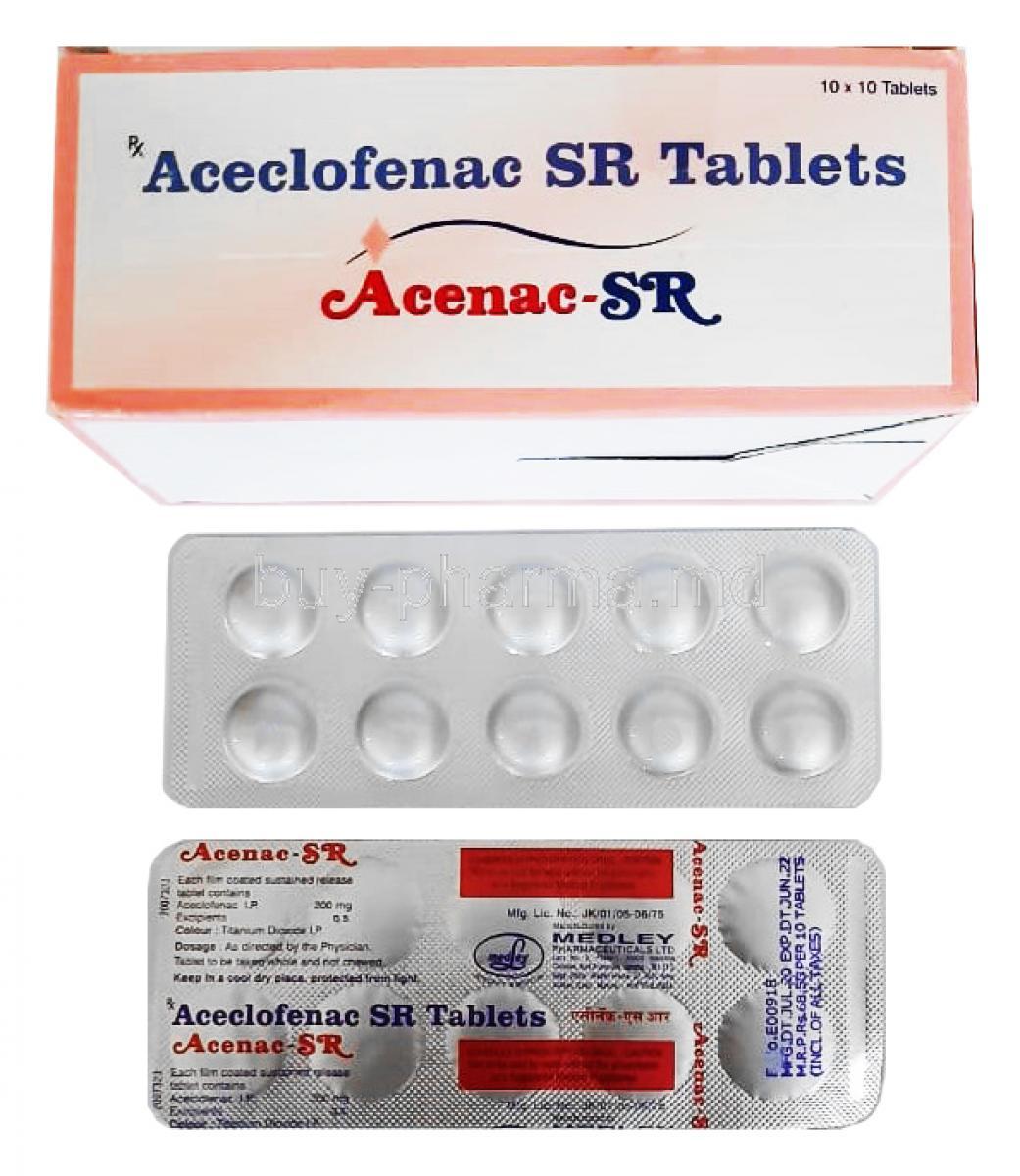
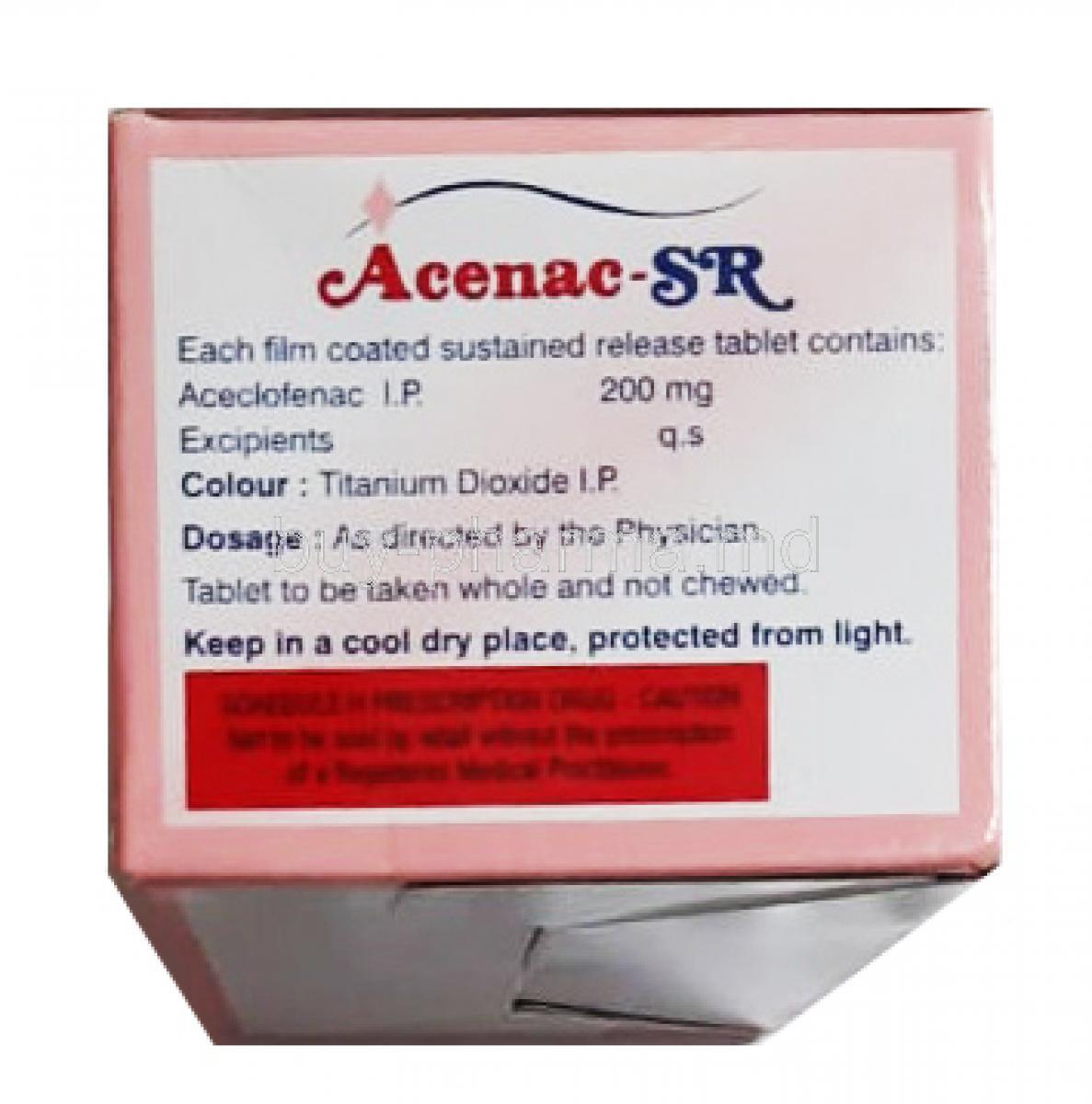
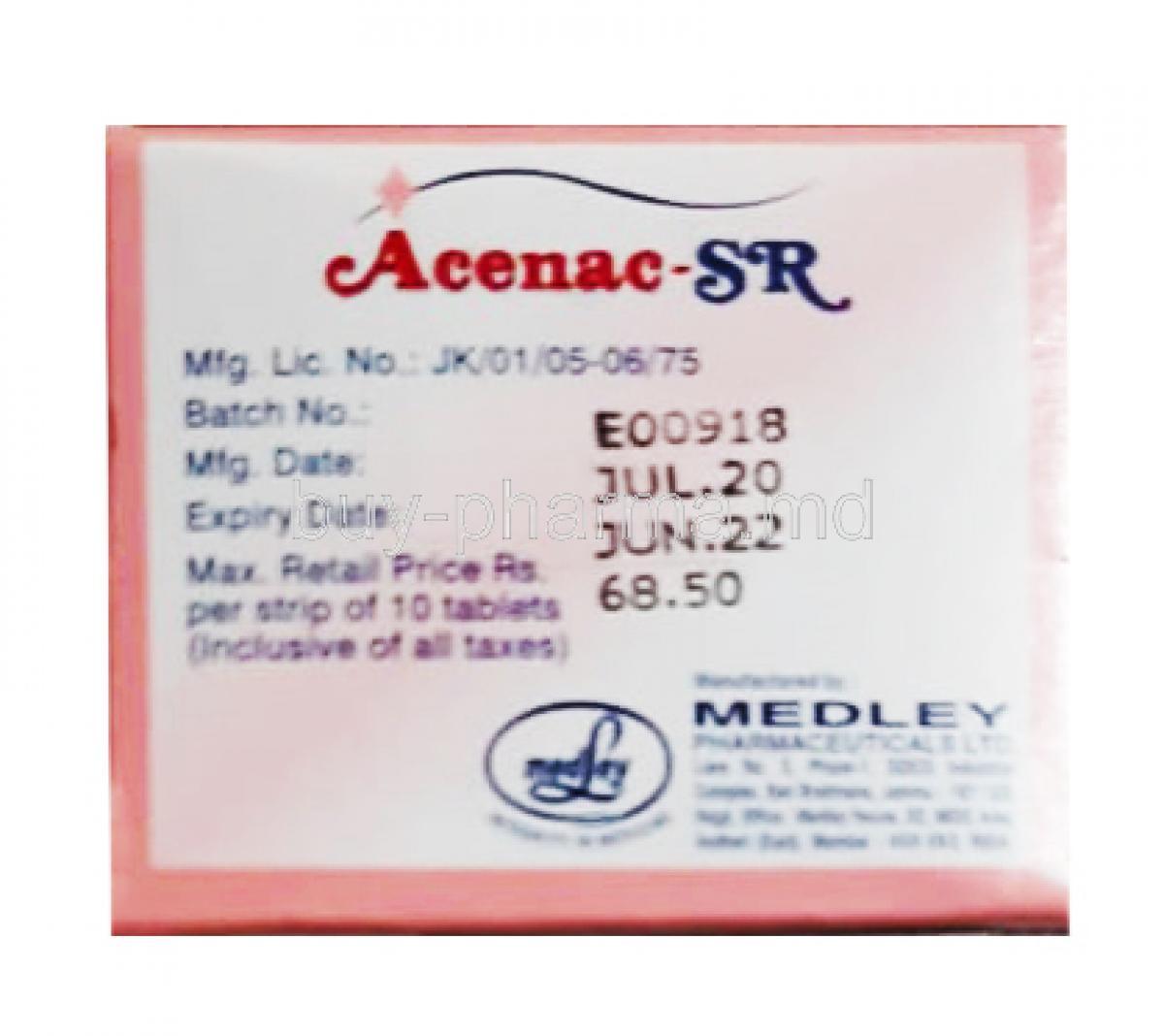
1. Introduction to Acenac-SR (Aceclofenac Sustained Release)
Acenac-SR is a sustained-release formulation of aceclofenac, a widely prescribed non-steroidal anti-inflammatory drug (NSAID). It is specifically engineered to provide prolonged therapeutic activity, making it particularly suitable for chronic inflammatory and pain-related conditions. By releasing the active ingredient gradually, Acenac-SR ensures consistent plasma concentrations over an extended period.
From a therapeutic classification standpoint, Acenac-SR belongs to the phenylacetic acid derivative group of NSAIDs. Its clinical relevance lies in its ability to mitigate inflammation, alleviate pain, and reduce stiffness without the frequent dosing required by immediate-release formulations.
Unlike conventional aceclofenac tablets, the sustained-release formulation is designed to:
- Maintain steady analgesic and anti-inflammatory effects
- Minimize peak-related adverse reactions
- Improve patient adherence in long-term therapy
This makes Acenac-SR a preferred option in chronic pain management, particularly where uninterrupted symptom control is essential.
2. Composition and Pharmaceutical Characteristics
The primary active ingredient in Acenac-SR is aceclofenac, incorporated into a sustained-release matrix. This formulation allows controlled diffusion of the drug through the gastrointestinal tract, prolonging its therapeutic action.
Acenac-SR is typically available in oral tablet form, commonly in strengths optimized for once-daily dosing. The sustained-release technology embedded within the tablet plays a crucial role in reducing dosing frequency while maintaining efficacy.
In addition to aceclofenac, the formulation contains carefully selected excipients that:
- Stabilize the active compound
- Regulate drug release kinetics
- Ensure tablet integrity during gastrointestinal transit
These pharmaceutical characteristics collectively contribute to the predictable performance and clinical reliability of Acenac-SR.
3. Mechanism of Action: How Acenac-SR Works
Aceclofenac exerts its effects primarily through inhibition of cyclooxygenase enzymes, namely COX-1 and COX-2. These enzymes are responsible for the synthesis of prostaglandins, which mediate inflammation, pain perception, and fever.
By suppressing prostaglandin production, Acenac-SR delivers:
- Potent anti-inflammatory action
- Effective analgesic relief
- Mild antipyretic effects
The sustained-release delivery system offers pharmacodynamic advantages by smoothing plasma concentration fluctuations. This reduces the intensity of peak exposure while extending the duration of therapeutic activity, resulting in more consistent symptom control.
4. Approved Therapeutic Uses of Acenac-SR
Acenac-SR is approved for the management of several chronic inflammatory and degenerative musculoskeletal disorders. Its long-acting profile makes it particularly effective in conditions requiring continuous pain relief.
- Osteoarthritis, to reduce joint pain and stiffness
- Rheumatoid arthritis, as part of long-term anti-inflammatory therapy
- Ankylosing spondylitis, to improve mobility and reduce inflammation
- Chronic musculoskeletal pain conditions
- Degenerative joint disorders associated with aging
5. Expanded Uses and Clinical Indications
Beyond its primary indications, Acenac-SR is frequently utilized in a range of inflammatory pain states encountered in routine clinical practice.
- Chronic low back pain
- Cervical and lumbar spondylosis
- Soft tissue injuries and localized inflammation
- Post-traumatic pain and swelling
- Pain associated with orthopedic conditions and rehabilitation
Its sustained action supports functional recovery by enabling consistent pain modulation throughout the day.
6. Off-Label Uses of Aceclofenac SR
In certain clinical contexts, aceclofenac sustained-release formulations are employed beyond labeled indications, guided by physician discretion and patient-specific considerations.
- Postoperative pain management in selected cases
- Dental pain and inflammatory oral conditions
- Sports-related inflammatory injuries
- Adjunctive therapy in chronic pain syndromes
- Inflammatory conditions not explicitly listed in product labeling
7. Dosage and Administration Guidelines
The standard adult dosing of Acenac-SR is designed for once-daily administration, reflecting its prolonged-release characteristics. Tablets should be swallowed whole and not crushed or chewed.
Key administration considerations include:
- Taking the tablet with food to reduce gastrointestinal irritation
- Adhering to prescribed dosing intervals
- Adjusting duration based on acute versus chronic treatment goals
Dose adjustments may be necessary in patients with comorbid conditions or those receiving concurrent medications.
8. Administration in Special Populations
8.1 Administration to Elderly Patients
Elderly patients may exhibit heightened sensitivity to NSAID-related adverse effects. Renal, hepatic, and cardiovascular functions often require closer observation.
Clinical strategies include:
- Using the lowest effective dose
- Monitoring renal and hepatic parameters
- Assessing cardiovascular risk regularly
8.2 Administration to Pregnant Women and Nursing Mothers
Use during pregnancy is generally approached with caution, particularly in the third trimester, due to prostaglandin inhibition and potential fetal risks.
Aceclofenac may be excreted in small amounts into breast milk. The risk-benefit balance should be carefully evaluated before use during breastfeeding.
8.3 Administration to Children
Safety and efficacy of Acenac-SR in pediatric populations have not been conclusively established. As such, its use in children is generally not recommended.
Alternative pain management strategies with established pediatric safety profiles are preferred.
9. Side Effects of Acenac-SR
Like other NSAIDs, Acenac-SR is associated with a spectrum of adverse effects. These are often dose-dependent and influenced by treatment duration.
9.1 Common Side Effects
- Gastrointestinal discomfort
- Nausea, vomiting, and dyspepsia
- Abdominal pain and bloating
- Dizziness and headache
9.2 Less Common and Serious Side Effects
- Gastrointestinal bleeding or ulceration
- Elevation of hepatic enzymes
- Renal impairment
- Cardiovascular thrombotic events
- Hypersensitivity reactions
10. Drug Interactions
Acenac-SR may interact with several commonly prescribed medications, potentially altering therapeutic outcomes or increasing adverse effects.
- Anticoagulants and antiplatelet agents
- Other NSAIDs
- Antihypertensive medications
- Diuretics affecting renal function
- Corticosteroids
11. Warnings and Safety Information
Gastrointestinal complications, including bleeding and ulceration, represent a significant risk, particularly with prolonged use. Cardiovascular safety concerns have also been documented with long-term NSAID therapy.
Patients with hepatic or renal impairment require careful assessment, and ongoing monitoring is recommended during extended treatment courses.
12. Contraindications
- Known hypersensitivity to aceclofenac or other NSAIDs
- History of NSAID-induced asthma or allergic reactions
- Active peptic ulcer disease
- Severe hepatic or renal impairment
- Severe heart failure
13. Careful Administration and Important Precautions
Prudent use of Acenac-SR involves prescribing the lowest effective dose for the shortest feasible duration. Particular caution is warranted in patients with gastrointestinal disorders or elevated cardiovascular risk.
Regular monitoring of renal and hepatic function is advisable during long-term therapy.
14. Overdosage Information
Symptoms of aceclofenac overdose may include gastrointestinal distress, dizziness, and neurological manifestations. Severe cases can lead to metabolic disturbances.
Management is primarily supportive and symptomatic, underscoring the importance of prompt medical evaluation in suspected overdose scenarios.
15. Storage and Stability
Acenac-SR should be stored at room temperature, protected from excessive heat, moisture, and direct light. Maintaining appropriate storage conditions helps preserve tablet stability and efficacy.
All medications should be kept out of reach of children.
16. Handling Precautions
Tablets should be handled carefully to maintain their sustained-release properties. Crushing or splitting the tablet can compromise controlled drug delivery.
Proper disposal of unused or expired medication is recommended in accordance with local pharmaceutical waste guidelines.
Customers also bought


Popular Products
Similar Product