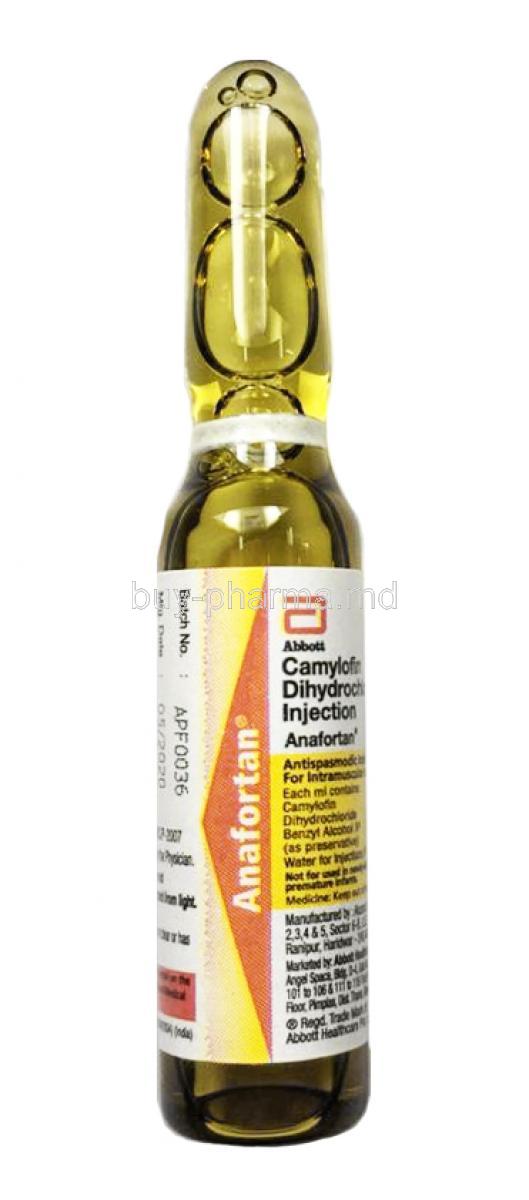
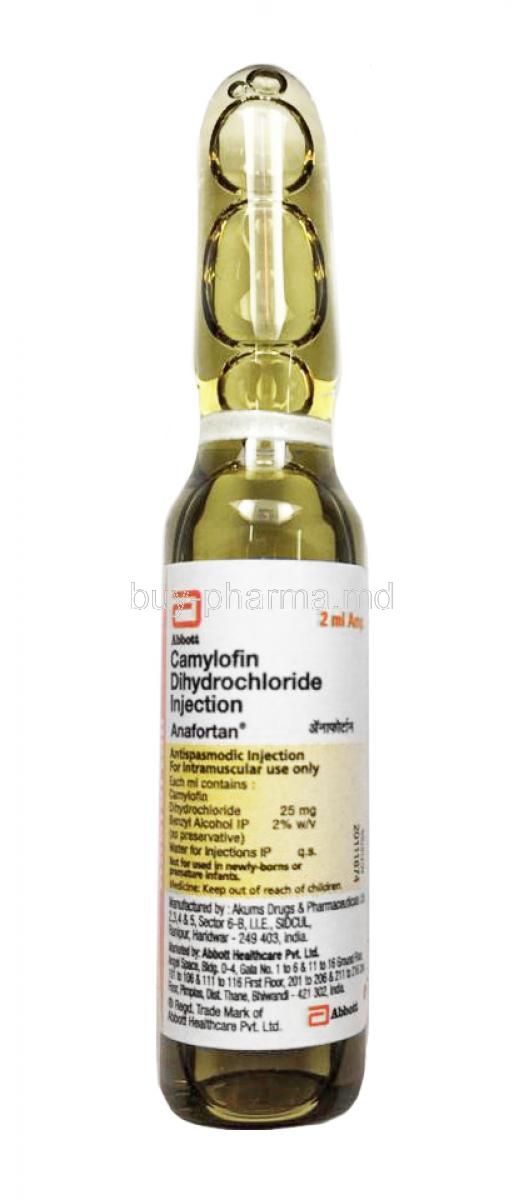
Anafortan Injection, Camylofin
- Introduction to Anafortan Injection, Camylofin
- Composition and Active Ingredients
- How Anafortan Injection (Camylofin) Works
- Medical Uses of Anafortan Injection
- Treatment of Acute Abdominal Spasms and Colicky Pain
- Management of Gastrointestinal Smooth Muscle Spasm
- Use in Biliary Colic and Gallbladder Spasm Relief
- Role in Renal Colic and Urinary Tract Spasms
- Use in Dysmenorrhea and Uterine Spasmodic Pain
- Relief of Intestinal Colic and Irritable Bowel Syndrome Related Spasms
- Off-Label Uses of Camylofin Injection
- Dosage and Administration
- Common Side Effects of Anafortan Injection
- Other Possible Side Effects
- Drug Interactions
- Interaction With Anticholinergic Medications
- Interaction With Antispasmodic and Analgesic Drugs
- Potential Interactions With Central Nervous System Depressants
- Interaction With Other Gastrointestinal Motility Agents
- Camylofin and Paracetamol
- Camylofin and Paracetamol Tablet
- Camylofin and Diclofenac Tablet
- Camylofin and Mefenamic Acid
- Camylofin and Diclofenac
- Camylofin and Paracetamol Syrup
- Camylofin Anafortan Tablet Uses
- Camylofin and Diclofenac Injection
- Camylofin and Dicyclomine
- Camylofin and Drotaverine
- Warnings and Safety Information
- Contraindications
- Careful Administration (Use With Caution)
- Important Precautions During Treatment
- Administration to Elderly Patients
- Administration to Pregnant Women and Nursing Mothers
Introduction to Anafortan Injection, Camylofin
Overview of Anafortan Injection and Its Therapeutic Role
Anafortan Injection is a fast-acting antispasmodic treatment used to relieve intense pain caused by involuntary contractions (spasms) of the smooth muscles. Because it is administered via injection, it enters the system quickly, making it ideal for hospital or emergency settings where immediate relief is necessary.
Doctors typically turn to this injectable when a patient is experiencing severe internal pain—such as organ-related cramping—that oral pills can’t handle effectively. The primary goal is to relax the affected muscles to restore comfort and normal function.
Key Clinical Uses
- Digestive Relief: Severe stomach or intestinal cramping.
- Biliary Issues: Pain from gallbladder-related spasms.
- Urinary Health: Intense discomfort from kidney or ureter stones.
- Women's Health: Severe menstrual cramps or gynecological pain.
- Post-Surgical Care: Relieving internal spasms during recovery.
The Advantage
Unlike some heavy painkillers, Anafortan provides targeted relief without the heavy sedative effects or the risk of dependency often associated with stronger narcotics.
What Is Camylofin and How It Is Used in Clinical Practice
Camylofin is a synthetic antispasmodic medication designed to relax smooth muscle fibers and decrease overactivity in internal organs. In clinical environments, it is often delivered via intramuscular (IM) or intravenous (IV) injection to ensure the medication begins working as quickly as possible.
Healthcare providers use Camylofin when intense muscle spasms cause severe pain or disrupt normal organ processes. It is particularly noted for its rapid onset and specialized pharmacological profile, which often makes it more effective than standard antispasmodic alternatives.
Primary Clinical Applications
- Gastrointestinal Distress: Easing severe cramping within the digestive tract.
- Biliary Issues: Managing spasms or obstructions in the gallbladder and bile ducts.
- Urinary Pain: Relieving renal colic caused by contractions in the ureters.
- Obstetric Care: Addressing uterine spasms during the labor process.
By suppressing abnormal muscle contractions, Camylofin helps stabilize the patient’s physiological state and provides swift relief during acute medical episo
Drug Classification: Antispasmodic and Smooth Muscle Relaxant
Anafortan Injection is classified as an antispasmodic and smooth muscle relaxant. These agents are specifically engineered to calm involuntary contractions in hollow internal organs, distinguishing them from relaxants that target skeletal (voluntary) muscles.
In pharmacology, these treatments generally fall into two categories:
- Anticholinergics: These block the nerve signals (parasympathetic) that tell muscles to contract.
- Direct Relaxants: These act on the muscle fibers themselves to lower their excitability.
The Camylofin Difference
Camylofin is unique because it utilizes a dual-action mechanism. It provides a "one-two punch" by combining anticholinergic effects with direct myotropic (muscle-focused) relaxation.
Brand Names, Generic Name, and Available Formulations
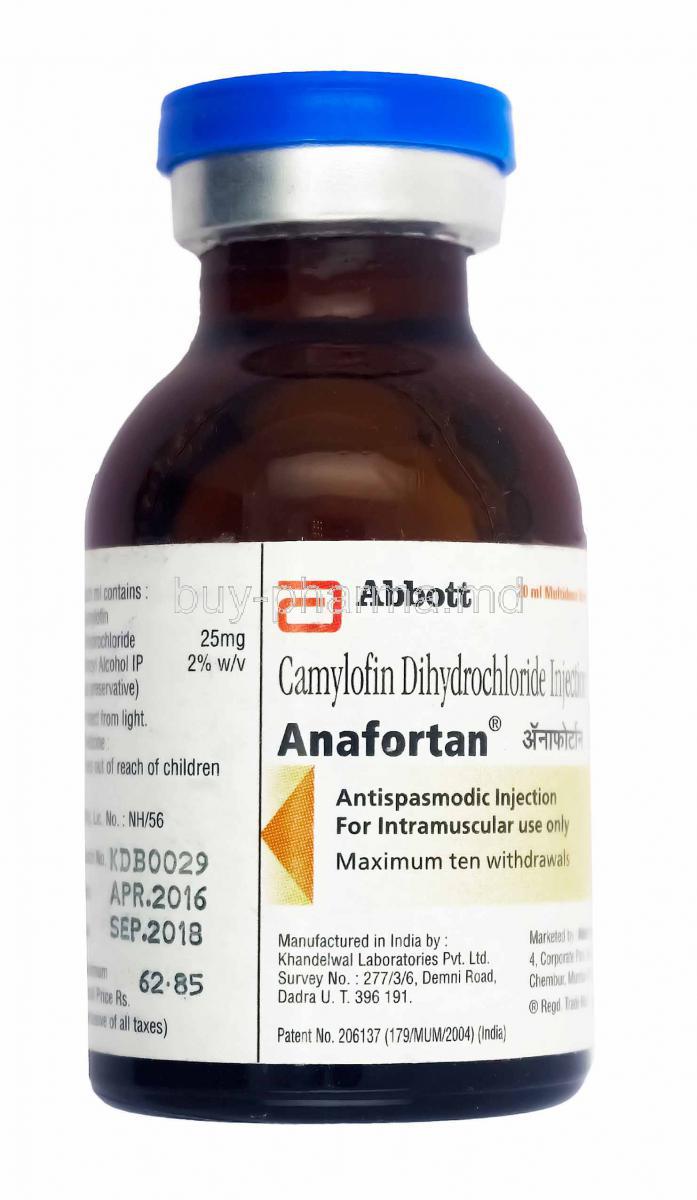
The active pharmaceutical ingredient (API) in this medication is Camylofin Dihydrochloride. While it is sold under various brand names globally, Anafortan is the most prominent label used in clinical settings.
Regardless of the brand name or the manufacturer, the core drug and its medicinal effects remain the same. The availability of these formulations can vary based on local pharmaceutical regulations and regional suppliers.
Common Dosage Forms
- Intramuscular (IM) Injection: For standard clinical administration.

- Intravenous (IV) Injection: Reserved for hospital environments where immediate effect is vital.
- Oral Tablets: Available in certain markets for less acute or maintenance care.
Why the Injectable is Preferred
In emergency rooms or inpatient wards, the injectable version is the gold standard. It bypasses the digestive system to offer rapid symptom relief and highly consistent absorption into the bloodstream.
Composition and Active Ingredients
Active Ingredient: Camylofin Dihydrochloride
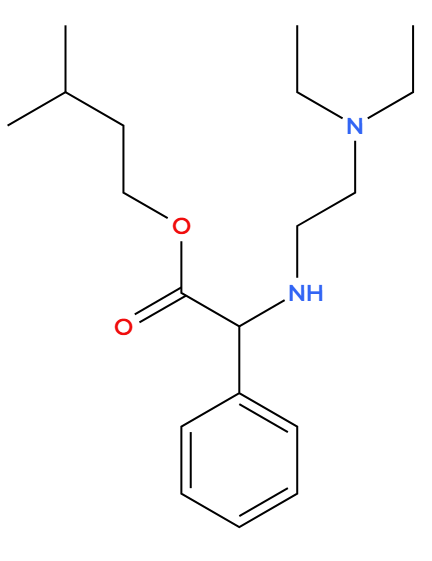
The core active component of Anafortan Injection is Camylofin Dihydrochloride, a synthetic compound engineered specifically to neutralize spasms within the internal organs. This medicinal agent is responsible for the drug’s high success rate in relaxing smooth muscle tissue.
Camylofin Dihydrochloride functions through a dual-mechanism approach: it blocks specific nerve signals (peripheral anticholinergic action) while simultaneously calming the muscle fibers themselves (myotropic activity). This "double-action" ensures a more thorough resolution of intense cramping than many single-action alternatives.
Delivery Advantage
By utilizing an injectable format, the medication achieves immediate systemic availability. This bypasses the delay of digestion, which is vital for patients requiring urgent relief during an acute pain crisis.
Mechanism-Based Composition and Pharmacological Class
The composition of Anafortan Injection is specifically engineered to optimize the way Camylofin interacts with the body. It falls into a specialized category of antispasmodics that provide both neurotropic (nerve-targeting) and myotropic (muscle-targeting) relief.
The formulation works through a two-pronged therapeutic approach:
- Neural Blockade: It inhibits acetylcholine, the primary chemical messenger that signals smooth muscles to contract.
- Direct Muscle Relaxation: It acts internally on the muscle fibers themselves to reduce tension.
Why This Matters
By addressing both the nervous system triggers and the physical muscle response, this dual action effectively "breaks" the cycle of a spasm. This results in a much more thorough stabilization of internal organs compared to medications that only target one pathway.
Available Strengths and Injectable Formulations
To ensure precise dosing and consistent therapeutic results, Anafortan Injection is produced in standardized concentrations. The medication is supplied in sterile, single-use ampoules specifically designed for safe clinical use.
Common Product Presentation
- Camylofin Dihydrochloride Ampoules: Pre-measured doses for accuracy.
- Sterile Solutions: Formulated for either intramuscular (IM) or intravenous (IV) delivery.

- Single-Dose Packaging: Optimized for hospital environments and emergency departments.
Clinical Advantages
The injectable format is especially beneficial in acute care situations. It is the preferred choice when a patient cannot take medication by mouth—such as during bouts of severe vomiting or gastrointestinal distress—or when oral drugs simply won't work fast enough to manage intense pain.
Excipients and Additional Components in Anafortan Injection
Beyond its active medication, Anafortan Injection includes a variety of inactive ingredients (excipients) that ensure the formula remains stable and effective. While these substances don't provide the healing effect themselves, they are critical for maintaining the drug's purity, strength, and sterility.
Essential Auxiliary Components
- Sterile Water: The base liquid used for the injection.
- pH Buffers: Agents that keep the solution at a level compatible with the human body.
- Stabilizers: Compounds that prevent the chemical breakdown of the drug over time.
- Preservatives: Used in certain formulations to maintain long-term safety and prevent contamination.
Why They Matter
These ingredients ensure that the medication is safe to be injected directly into the bloodstream or muscle and remains compatible with standard medical delivery equipment.
How Anafortan Injection (Camylofin) Works
Mechanism of Action of Camylofin on Smooth Muscle
Camylofin works by calming overactive smooth muscle fibers within the internal organs. Unlike the muscles we use to move our limbs, smooth muscle is managed by the autonomic nervous system and is responsible for essential involuntary functions like digestion, the movement of bile, and urinary flow.
When these muscles spasm, they contract with excessive force and irregularity, causing intense pain and preventing organs from working correctly. Camylofin stops this by blocking the specific biological pathways that trigger these contractions.
How it Works at a Cellular Level
- Neural Blockade: It interrupts cholinergic nerve signals that tell the muscle to tighten.
- Direct Fiber Relaxation: It acts straight on the muscle tissue to ease tension.
- Calcium Modulation: It reduces the flow of intracellular calcium, which is the "fuel" that drives muscle contractions.
The Result
By addressing both the nerve signals and the cellular triggers, Camylofin restores normal muscle tone and provides rapid relief from the agony of internal spasms.
Dual Action: Anticholinergic and Direct Smooth Muscle Relaxant Effects
A standout feature of Camylofin is its dual pharmacological action. While many antispasmodics only attack a problem from one angle, Camylofin uses a two-pronged strategy by combining nerve-blocking (anticholinergic) effects with direct muscle relaxation (myotropic).
How the Dual Action Works
- Anticholinergic Component: It targets and blocks acetylcholine receptors in the smooth muscle. Since acetylcholine is the primary chemical messenger the nervous system uses to tell these muscles to contract, blocking it "mutes" the signal to cramp.
- Myotropic Component: At the same time, the drug acts directly on the muscle fibers. This reduces the excitability of the internal machinery that physically pulls the muscle tight.
- Clinical Benefits of this Synergy
By interrupting both the neurological "command" and the physical "response," Camylofin provides a more robust clinical outcome:
- Rapid Relief: Faster termination of painful spasms.
- Intensity Reduction: A significant drop in deep, visceral pain.
- Restored Function: Returns normal movement and flow to the affected organs.
This combined approach makes it significantly more effective for treating severe, acute spasmodic disorders than drugs that rely on a single mechanism.
Impact on Gastrointestinal, Biliary, and Genitourinary Smooth Muscles
Camylofin is designed to target smooth muscle tissue across multiple body systems, specifically the digestive tract, the biliary network, and the urinary and reproductive organs. These areas are highly prone to intense spasms that result in sharp, "colicky" pain.
By easing these involuntary contractions, Anafortan Injection helps restore normal organ function and provides significant relief from physical distress.
Targeted Therapeutic Relief
- Gastrointestinal Tract: Eases severe stomach cramping and intestinal spasms.
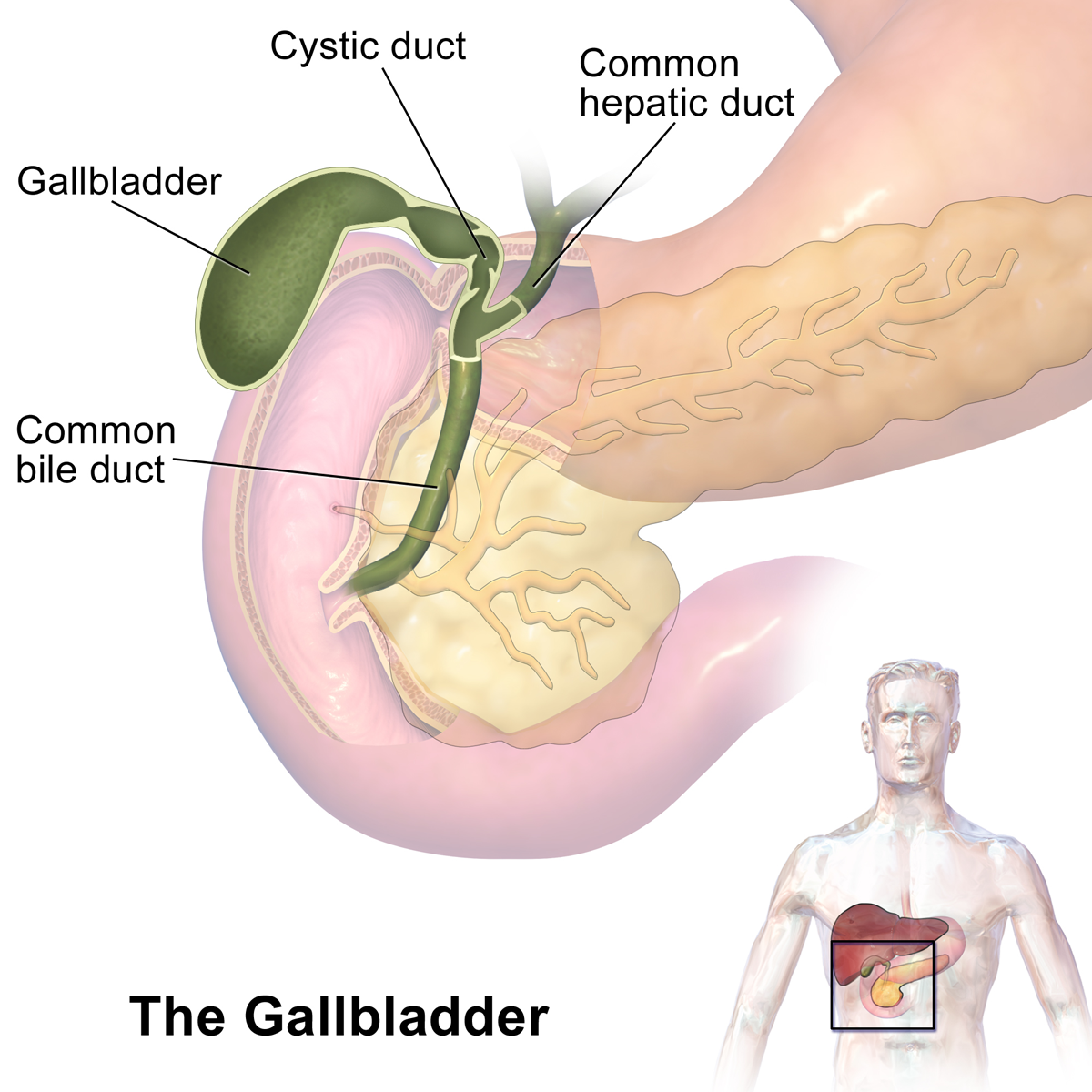
- Biliary System: Relaxes the gallbladder and bile ducts.
- Urinary Tract: Addresses the excruciating pain (renal colic) caused by kidney stones moving through the ureters.
- Reproductive Health: Calms uterine contractions associated with painful menstruation (dysmenorrhea).
Why the Injectable Form is Used
The injectable version of the drug is chosen for its rapid systemic distribution. In emergency situations where visceral pain is at its peak, this delivery method ensures the medication takes effect almost immediately to stabilize the patient.
Pharmacodynamics and Pharmacokinetics of Camylofin Injection
The pharmacological effectiveness of Camylofin is defined by its ability to stop intense smooth muscle contractions while remaining well-tolerated by the body. When administered intravenously, the drug's antispasmodic effects begin almost instantly.
From a movement-through-the-body (pharmacokinetic) perspective, Camylofin is absorbed and distributed highly efficiently. By using an injection, the medication bypasses the digestive process, leading to more reliable blood sugar levels and a much faster response time compared to pills.
Key Pharmacokinetic Profile
- Rapid Onset: Immediate relief from painful spasms.
- Efficient Distribution: Spreads quickly through the bloodstream to target organs.
- Hepatic Metabolism: Primarily processed by the liver.
- Renal Elimination: Filtered out of the body through the kidneys.
Medical Uses of Anafortan Injection
Treatment of Acute Abdominal Spasms and Colicky Pain
Anafortan Injection is a common clinical choice for managing acute abdominal spasms that present as intense, wave-like "colic." This type of pain occurs when the smooth muscles of the internal organs contract with sudden, excessive force, creating a sharp or gripping sensation for the patient.
The active ingredient, Camylofin, works to stop these contractions by targeting both the nerve signals and the muscle fibers themselves. By calming these involuntary muscle layers, the medication quickly halts the spasmodic activity that causes the colicky pain.
Clinical Utility in Acute Care
Because the injection enters the bloodstream immediately, it is exceptionally effective in emergency rooms or hospital wards where fast-acting relief is mandatory. This delivery method allows the drug to counteract muscular hyperactivity much faster than oral alternatives.
Common Usage Scenarios
- Severe Colic: Sudden, intense cramping in the abdominal region.
- Gastrointestinal Irritation: Spasms triggered by infection or inflammation.
- Intestinal Obstruction: Painful contractions associated with blockages.
- Post-Surgical Recovery: Managing abdominal spasms following an operation.
Management of Gastrointestinal Smooth Muscle Spasm
The smooth muscle throughout the digestive system is essential for maintaining healthy movement, or motility. However, when these muscles contract too forcefully or irregularly, it leads to painful symptoms like cramping, bloating, and unpredictable bowel habits.
Anafortan Injection is frequently used to calm these overactive contractions. Its active ingredient, Camylofin, disrupts the specific nerve signals and cellular triggers that cause the digestive tract to tighten, effectively easing muscle tension.
Therapeutic Benefits for the Gut
- In a clinical setting, this medication is used to manage various spasm-related issues, providing several key benefits:
- Cramp Reduction: Quickly soothes sharp intestinal pains.
- Balanced Motility: Helps restore a steady, natural rhythm to digestion.
- Pain Relief: Targets the physical source of discomfort caused by muscle strain.
- Functional Stability: Levels out irregular or "jerky" gastrointestinal movements.
Precision Action
Because the drug focuses directly on the smooth muscle tissue, it provides targeted relief. This allows it to stop painful spasms without significantly disrupting the overall digestive process.
Use in Biliary Colic and Gallbladder Spasm Relief
Biliary colic is a painful condition usually triggered by gallstones or functional issues within the biliary system. It occurs when the gallbladder or bile ducts spasm intensely, causing severe pain in the upper right abdomen that often radiates toward the back or shoulder.
Anafortan Injection is a key tool for managing these episodes. Its active ingredient, Camylofin, relaxes the smooth muscle throughout the biliary tract, including the gallbladder wall and the biliary sphincters. This relaxation lowers the pressure within the ducts and helps bile move more freely.
Therapeutic Benefits for Biliary Pain
- Reduced Contraction Intensity: Calms the forceful squeezing of the gallbladder.
- Ductal Relief: Eases spasms within the bile ducts themselves.
- Pain Management: Significantly lowers the deep, internal pain caused by obstructed bile flow.
- Improved Flow: Facilitates the movement of bile through the system to relieve pressure.
Why the Injectable is Used
Because biliary pain is often sudden and agonizing, the rapid onset of the injectable form is ideal. It allows hospital staff to provide swift relief during acute episodes when every minute counts.
Role in Renal Colic and Urinary Tract Spasms
Renal colic is known as one of the most intense types of internal pain, typically occurring when a kidney stone moves into the ureters. In response to the blockage, the smooth muscles of the ureter undergo violent, spasmodic contractions to try and push the stone through.
These spasms result in agonizing pain in the flank (side) that often spreads toward the lower abdomen or groin. Anafortan Injection is used to mitigate this distress by relaxing the ureteral muscles and slowing down the overactive contractions.
How it Relieves Urinary Pain
- Muscle Relaxation: Calms the smooth muscle fibers lining the ureters.
- Reduced Spasm Intensity: Softens the force of the "gripping" pain.
- Stone Passage Support: By relaxing the tubes, it may help urinary stones pass more easily.
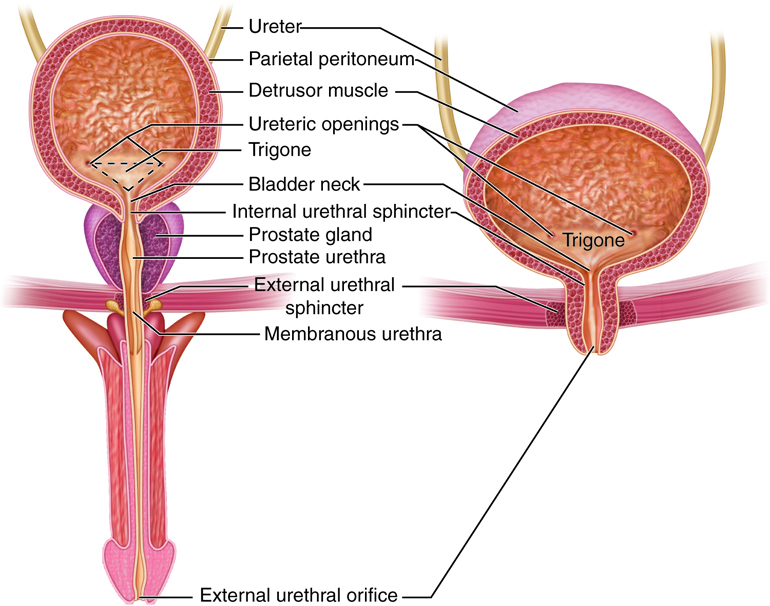
- Pain Suppression: Targets the specific colicky discomfort caused by the obstruction.
Clinical Importance
Since renal colic usually demands immediate medical attention, the fast-acting injectable format is a vital tool. It provides rapid relief for the patient while doctors work on further diagnostic or supportive treatments.
Use in Dysmenorrhea and Uterine Spasmodic Pain
Dysmenorrhea involves painful uterine contractions during a menstrual cycle, triggered by prostaglandins that cause the uterine smooth muscle to tighten. These cramps can be debilitating, often disrupting a person’s daily routine.
Anafortan Injection is an effective intervention for severe uterine spasms when fast-acting relief is essential. Its active component, Camylofin, works directly on the uterine muscle tissue to soften these intense contractions and lower the overall severity of the cramping.
Benefits in Gynecological Care
- Cramp Reduction: Lessens the intensity of acute menstrual pain.
- Muscle Relaxation: Specifically targets and calms the uterine fibers.
- Enhanced Comfort: Provides rapid stabilization during peak pain episodes.
- Pelvic Pain Support: Acts as a helpful therapy for various spasmodic conditions in the pelvic region.
When the Injection is Used
While oral painkillers are the standard for typical menstrual discomfort, the injectable form is reserved for situations requiring immediate relief or when a patient cannot tolerate oral medication (for instance, due to nausea or vomiting).
Relief of Intestinal Colic and Irritable Bowel Syndrome Related Spasms
Intestinal colic and Irritable Bowel Syndrome (IBS) are often driven by irregular or excessive contractions within the intestinal walls. These spasms result in common symptoms like cramping, bloating, and unpredictable bowel habits that cause significant distress.
Anafortan Injection assists by lowering the excitability of these intestinal muscles. Its active ingredient, Camylofin, interrupts the neurochemical triggers that cause the muscles to tighten, helping the gut return to a more natural, balanced rhythm.
Benefits for IBS-Related Spasms
For patients facing severe, acute symptoms of IBS, the medication offers:
- Cramp Reduction: Decreases the frequency and intensity of sharp intestinal pains.
- Calming Effect: Relaxes hyperactive muscles throughout the bowel.
- Immediate Comfort: Provides relief during sudden, intense spasmodic attacks.
- Motility Stabilization: Temporarily smooths out irregular or "jerky" intestinal movements.
Acute vs. Long-Term Care
While managing IBS typically requires long-term lifestyle and dietary adjustments, Anafortan Injection serves as a vital tool for rapid symptomatic relief during the most severe pain crises.
Off-Label Uses of Camylofin Injection
Adjunctive Use in Labor Pain Management
Camylofin injection is sometimes used as a supporting treatment to manage the sharp, cramping pain caused by uterine contractions during childbirth. Since labor is a complex process where intense muscle tension can increase pain and slow down progress, Camylofin’s antispasmodic properties help by relaxing hyperactive smooth muscles.
By easing these spasms, the medication can help coordinate contractions and make the process more manageable for the mother. In a clinical setting, healthcare providers use it to:
- Minimize excessive uterine cramping.

- Enhance maternal comfort during active labor.
- Promote more effective, rhythmic contractions.
- Provide supplemental pain relief when necessary.
Because precise monitoring is required, this medication is strictly administered by medical professionals in a hospital to ensure the safety of both mother and baby.
Supportive Therapy for Cervical Spasm During Labor
Cervical spasm occurs when the cervix doesn’t dilate effectively despite active contractions, which can lead to a longer, more painful labor. To address this, Camylofin Injection is sometimes used as a supportive treatment to help relax the smooth muscle fibers of the cervix.
By reducing excessive tension, Camylofin may help the cervix open more naturally. The potential clinical benefits of this approach include:
- Lowering cervical resistance during the dilation process.
- Improving the synchronization between contractions and cervical opening.
- Shortening the active phase of labor in specific cases.
- Increasing maternal comfort by easing spasmodic tension.
This intervention is typically used at a doctor's discretion as part of a broader obstetric care plan.
Use in Postoperative Abdominal Spasm Relief
Following abdominal procedures, patients often deal with painful GI tract spasms caused by surgical handling, inflammation, or temporary nerve interference. While not its primary indicated use, Camylofin Injection is sometimes used off-label to settle this involuntary muscle activity and ease recovery.
Benefits for Postoperative Recovery
- Cramping Relief: Targets and eases sharp abdominal pains following surgery.
- Muscle Relaxation: Calms irritated smooth muscles in the intestines.
- Pain Management: Lowers visceral discomfort by reducing muscular overactivity.
- Motility Support: Encourages a smoother return to normal digestive function.
By stabilizing gastrointestinal contractions, this intervention helps patients manage pain that might otherwise hinder their ability to eat or move during the healing process.
Off-Label Use for Gastrointestinal Spasm in Diagnostic Procedures
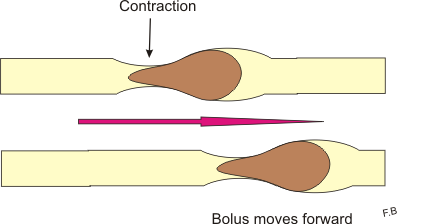
Specific gastrointestinal diagnostics can often trigger temporary smooth muscle spasms. Whether due to endoscopic tools, contrast dyes used in imaging, or general invasive manipulation, the intestines may react with involuntary contractions.
To counter this, Camylofin Injection is sometimes administered to keep the GI tract still. Relaxing these muscles doesn't just make the experience more bearable for the patient; it also ensures the medical team gets the clearest possible results.
Clinical Objectives
- Spasm Control: Minimizes intestinal movement during sensitive imaging.
- Visual Clarity: Provides a better view of GI structures by reducing interference.
- Patient Comfort: Lowers the physical stress and discomfort of invasive exams.
- Diagnostic Precision: Stabilizes bowel motility to ensure accurate findings.
Ultimately, this application is situational—used when a clinician determines that excessive muscle activity might blur the diagnostic picture.
Potential Use in Functional Gastrointestinal Disorders
Functional gastrointestinal (GI) disorders—such as irritable bowel syndrome (IBS), non-ulcer dyspepsia, and functional abdominal pain—are defined by hypersensitivity and irregular gut movement. These conditions often trigger sudden smooth muscle spasms, which lead to significant physical distress and disrupted digestion.
While not a standard treatment for every functional disorder, Camylofin Injection is sometimes used as a symptomatic therapy. Its ability to relax smooth muscle can help dampen the intensity of these painful, involuntary contractions.
Potential Therapeutic Effects
- Cramp Mitigation: Lessens the severity of periodic intestinal cramping.
- Motility Stabilization: Helps temporarily regulate irregular digestive movements.
- Acute Relief: Provides comfort during sudden flare-ups or "attacks."
- Symptom Support: Offers a supplementary way to manage discomfort in functional cases.
Managing these disorders usually involves a broad strategy—including diet, lifestyle changes, and medication. Within that framework, antispasmodics like Camylofin act as a helpful tool for addressing acute, spasmodic symptoms when they arise.
Dosage and Administration
Recommended Dosage of Anafortan Injection in Adults
Adult administration of Anafortan Injection is tailored to the intensity of the spasm, its location, and how quickly relief is needed. Physicians typically lead dosing decisions in acute care environments, choosing the injectable route when oral medication isn't practical or when immediate antispasmodic action is critical.
The primary goal is clinical balance: achieving rapid relaxation of smooth muscle while minimizing the "anticholinergic burden" (side effects like dry mouth or blurred vision).
Prescribing Considerations
- Spasm Source & Severity: Evaluates the intensity of abdominal, biliary, urinary, or uterine contractions.
- Speed of Action: Prioritizes the need for near-instant symptom relief.
- Patient Profile: Accounts for the individual’s tolerance levels and existing medical conditions.
- Drug Interactions: Considers the concurrent use of other painkillers or secondary antispasmodics.
Since these injections are usually given under medical supervision, dosing is preceded by a careful clinical assessment. In these high-stakes settings, both precision and ongoing vigilance are essential.
Dosage Adjustments Based on Clinical Condition
When the clinical situation is complex or unpredictable, a "one-size-fits-all" dosage for Anafortan Injection is rarely appropriate. Patients dealing with intense visceral colic, surgical recovery, or obstetric pain often require a personalized treatment plan rather than a rigid, standard dose.
The final regimen is shaped by several factors—some clearly visible, others more subtle—including the intensity of the pain, how long the spasms are expected to last, and the patient's overall physical stability (such as hydration levels or general frailty).
Scenarios Requiring Dose Modification
- Severe or Persistent Pain: Addressing acute spasms that don't respond to standard initial treatment.
- Sensitivity to Side Effects: Protecting patients who are particularly prone to anticholinergic reactions.
- Organ Function: Adjusting for relevant hepatic or renal impairment.
- Vulnerable Populations: Using cautious titration for elderly or medically fragile patients.
- Drug Combinations: Accounting for other medications that might amplify side effects.
Ultimately, careful, deliberate adjustment is better than simply increasing the dose. In many cases, therapeutic restraint is the more effective clinical strategy.
Intramuscular vs Intravenous Administration Guidelines
The method of administering Anafortan Injection—whether via intramuscular (IM) or intravenous (IV) routes—is a decision based on the urgency of the situation, the medical setting, and the clinician's judgment. Each approach offers specific practical advantages and requires different levels of oversight.
The IM route is frequently chosen when a steady, relatively fast onset is needed but immediate systemic saturation isn't critical. It’s a practical choice for routine clinical care or when an IV line hasn't been established.
In contrast, the IV route is generally saved for hospital settings where spasms are severe or an emergency requires instant relief. Because the medication enters the bloodstream directly, the effects are much faster, necessitating closer patient monitoring.
Key Distinctions in Administration
- Intramuscular (IM): Ideal for controlled delivery; highly effective for standard acute episodes.
- Intravenous (IV): Offers the fastest onset; preferred for intense spasms or crisis management.
- Monitoring Requirements: IV administration typically demands more immediate and rigorous clinical observation.
- Professional Oversight: Regardless of the route, injections must be handled by qualified healthcare providers to ensure safety.
Choosing the right path isn't a toss-up—it’s a clinical choice that balances the patient's immediate needs with the highest standards of procedural safety.
Frequency and Duration of Treatment
The frequency and length of Anafortan Injection treatment are dictated by whether the underlying spasms are fleeting or persistent. Typically, this medication is used for rapid, short-term relief rather than as a long-term maintenance solution. Its main value lies in its ability to provide swift control through a purposeful, limited course of therapy.
For acute issues like renal colic, biliary pain, or surgical cramping, intermittent doses are often sufficient. While more stubborn conditions might require repeat administration, clinicians generally view prolonged injectable treatment with caution.
Treatment Planning Factors
- Initial Response: Evaluating how well the first dose alleviated the symptoms.
- Recurrence: Monitoring if and when the spasmodic pain returns.
- Diagnosis & Prognosis: Aligning the treatment with the expected recovery timeline.
- Clinical Transition: Moving the patient to oral medications or other therapies as soon as they are stable.
The guiding principle in most clinical settings is to use the shortest effective duration. This approach ensures the patient gets the relief they need while minimizing unnecessary exposure to the drug.
Administration Techniques and Best Practices
To ensure Anafortan Injection is both effective and safe, flawless administration technique is non-negotiable. Following a strict aseptic protocol is vital, as even minor technical oversights can lead to serious complications.
Before any injection, the clinician should visually check the solution for discoloration, particles, or a compromised container. Meticulous verification of the patient’s identity, the dosage, and the intended route isn't just a formality—it is a core requirement of clinical safety.
Best Practices for Administration
- Sterile Handling: Always use sterile equipment and maintain a clean field.
- Double-Verification: Re-confirm the prescribed dose and the correct delivery route.
- Site Selection: Choose an appropriate muscle site for IM injections to ensure proper absorption.
- Controlled Delivery: Administer the drug slowly and carefully when using the IV route.
- Immediate Observation: Watch closely for any acute adverse reactions right after the injection.
- Detailed Documentation: Record the dose, route, timing, and how the patient responded.

The process doesn't end with the needle; post-administration monitoring is just as critical. A methodical assessment of pain relief, muscle relaxation, and any emerging side effects ensures the treatment is working as intended.
Common Side Effects of Anafortan Injection
Frequently Reported Mild Adverse Effects
While Anafortan Injection is typically well-tolerated, its dual action—direct muscle relaxation combined with anticholinergic activity—can sometimes trigger mild side effects. Most of these reactions are brief and resolve on their own, but they still require professional attention rather than being ignored.
Even when discomfort is minor, the presence of several symptoms at once can be clinically significant for the patient. Fortunately, these issues rarely lead to long-term complications.
Common Mild Side Effects
- Dry Mouth: A frequent result of anticholinergic activity.
- Dizziness & Lightheadedness: Often transient following administration.
- Digestive Upset: Potential for brief periods of nausea.
- Sensory Changes: Feelings of warmth, flushing, or temporary blurred vision.
In most cases, these effects are easy to manage. However, if symptoms persist, it is better to reassess the patient’s status than to assume they will eventually fade.
Temporary Anticholinergic Effects Associated With Camylofin
Because Camylofin possesses anticholinergic properties, it can temporarily inhibit parasympathetic nerve activity. While these effects are pharmacologically predictable, they can be more intense in sensitive individuals.
The clinical impact of these manifestations often depends on the patient’s overall health. While a young, healthy individual might find them barely noticeable, an older patient with existing medical conditions may find them more challenging to manage.
Temporary Anticholinergic Effects
- Mucosal Dryness: Noticeable dryness in the mouth and throat.
- Reduced Secretions: A decrease in sweating or skin moisture.
- Visual Changes: Brief periods of blurred near vision.
- Cardiac Response: Mild instances of tachycardia (increased heart rate).

- Urinary Issues: Potential difficulty urinating, particularly in those already predisposed.
- Digestive Slowing: Constipation or a general reduction in bowel motility.
Although these reactions are typically short-lived, clinicians should exercise extra caution with patients who have a history of glaucoma, an enlarged prostate, or other risk factors for urinary retention.
Injection-Site Reactions and Local Irritation
As with many injectables, Anafortan Injection can cause local reactions where the needle enters the skin. Most of the time, these issues are minor or merely a brief inconvenience, though occasionally they can be bothersome enough to require medical attention.
The likelihood of these effects often depends on the injection technique, the chosen route, the patient's tissue sensitivity, and how quickly the fluid is administered. Intramuscular injections, specifically, are frequently linked to short-term soreness.
Common Local Reactions
- Site Discomfort: Pain or tenderness where the injection was given.
- Skin Changes: Mild redness (erythema) or localized swelling.
- Texture Changes: Temporary firmness or hardening (induration) of the tissue.
- General Irritation: Minor stinging or sensitivity along the treated area.
While most of these symptoms fade on their own, any persistent swelling, intense pain, or signs of spreading inflammation should be professionally evaluated.
Other Possible Side Effects
Moderate Adverse Reactions Requiring Medical Attention
While some adverse reactions to Anafortan Injection are not immediately life-threatening, they can be significant enough to require a professional medical evaluation. These moderate responses deserve quick attention, as they might signal an exaggerated reaction to the drug, a specific intolerance, or the beginning of more serious complications.
Symptoms in this category should never be ignored—especially if they get worse, happen repeatedly, or occur all at once. In these cases, taking swift action is always the safest path.
Moderate Reactions Requiring Evaluation
- Cardiovascular Changes: Ongoing palpitations or a noticeably racing heart.
- Severe Dizziness: Intense lightheadedness or feeling as though one might faint (near-syncope).
- Urinary Obstruction: Noticeable difficulty or inability to pass urine.
- Visual Impairment: Significant or worsening disturbances in vision.
- Digestive Distress: Continuous vomiting or severe abdominal pain.
- Neurological Shifts: Unusual feelings of restlessness, agitation, or confusion.
If any of these symptoms appear, a doctor should determine if the dosage needs to be lowered, if the medication should be stopped entirely, or if a different treatment is necessary.
Rare but Serious Side Effects
While rare, some adverse events associated with Anafortan Injection are severe enough to require emergency medical intervention. These reactions are clinically critical because they can destabilize a patient's cardiovascular, neurological, or systemic health.
Although the likelihood of these events is low, medical awareness is vital; rarity does not mean they should be overlooked.
Potential Serious Reactions
- Cardiac Instability: Extreme racing heart (tachycardia) or significant disruptions in heart rhythm.
- Urinary Crisis: Severe or complete inability to pass urine (acute retention).
- Ocular Emergencies: Sudden, sharp worsening of narrow-angle glaucoma symptoms in at-risk patients.
- Circulatory Collapse: Dangerous drops in blood pressure (hypotension) or general circulatory instability.
- Neurological Crisis: Intense agitation, severe confusion, or a marked change in mental status.
If any of these symptoms are suspected, immediate medical attention is mandatory. Recognizing these signs quickly is the most effective way to ensure a positive clinical outcome.
Allergic and Hypersensitivity Reactions
While hypersensitivity to Anafortan Injection is rare, it is a critical consideration for any medication administered by injection. Allergic reactions can span a wide spectrum, ranging from minor skin irritation to life-threatening systemic emergencies. Because the severity can escalate quickly, any sign of a serious reaction must be treated with immediate urgency.
Mild cases may only involve localized itching or a rash, but more severe responses can impair breathing or destabilize the circulatory system.
Potential Allergic Manifestations

- Localized Swelling: Noticeable swelling of the face, lips, or eyelids.
- Respiratory Distress: Difficulty breathing, chest tightness, or wheezing.
- Systemic Crisis: Severe, generalized hypersensitivity reactions (anaphylaxis).
Any indication of a major allergic response is a medical priority. If swelling, breathing difficulties, or rapid systemic symptoms appear, immediate clinical intervention is necessary to ensure patient safety.
Drug Interactions
Interaction With Anticholinergic Medications
As the active ingredient in Anafortan Injection, Camylofin possesses anticholinergic properties. When it is used alongside other drugs that share this mechanism, their effects can stack—a phenomenon known as an "additive effect." While this might occasionally enhance the desired muscle relaxation, it can also significantly intensify systemic side effects.
This "anticholinergic burden" is a key concern when multiple medications simultaneously suppress the parasympathetic nervous system. While the resulting changes to heart rate, digestion, and secretions aren't always dramatic, they are often clinically significant.
Consequences of Combined Anticholinergic Exposure
Dryness: Intense drying of the mouth and other mucous membranes.
- Visual Changes: Blurred vision or difficulty adjusting focus (accommodation).
- Cardiac Response: A noticeable increase in heart rate.
- Digestive Slowdown: Constipation or significantly reduced bowel movement.
- Urinary Issues: Potential for urinary retention, especially in at-risk patients.
Because of these risks, clinicians should exercise caution when combining Camylofin with other anticholinergic agents, such as specific antihistamines, tricyclic antidepressants, or other antispasmodics.
Interaction With Antispasmodic and Analgesic Drugs
Anafortan Injection is frequently paired with painkillers to manage visceral pain more effectively. This combination creates a synergistic effect: the antispasmodic relaxes the underlying muscle contractions while the analgesic lowers the patient's perception of pain.
While this dual approach is a staple of clinical practice, healthcare providers must remain mindful of the total pharmacological impact on the patient.
Common Clinical Combinations
- Camylofin + NSAIDs: Often used to tackle inflammation alongside muscle spasms.
- Camylofin + Paracetamol: Frequently utilized in formulations for steady pain relief.
- Camylofin + Opioids/Non-Opioids: Employed for more intense pain management.
- Colic Treatments: Combined therapy specifically for renal, biliary, or intestinal distress.
Using these medications together can significantly improve a patient's comfort, but dosing must be closely supervised to prevent an excessive or unsafe medicinal load.
Potential Interactions With Central Nervous System Depressants
While Camylofin's primary role is relaxing smooth muscle, using it alongside central nervous system (CNS) depressants can change how a patient experiences side effects like sedation or dizziness. When combined with medications such as sedative-hypnotics, benzodiazepines, or opioids, the overall impact on the brain and nervous system may be amplified.
In these instances, the combined drug interaction can lead to noticeable fatigue or a drop in alertness. While these issues are typically minor, they can become a real clinical concern for more sensitive patients.
Potential CNS Manifestations
- Increased Dizziness: Heightened feelings of lightheadedness or vertigo.

- Reduced Mental Sharpness: A noticeable decline in alertness or focus.
- Deepened Sedation: More intense drowsiness when paired with strong depressants.
- Coordination Issues: Possible impairment of motor skills, particularly in vulnerable populations.
It is wise to closely monitor patients whenever Anafortan Injection is given in conjunction with any medication that influences the central nervous system.
Interaction With Other Gastrointestinal Motility Agents
Camylofin functions by relaxing gastrointestinal smooth muscle to stop spasms. When it is administered alongside other drugs that either speed up or slow down gut movement, the interaction can change how both medications perform, potentially leading to an unexpected clinical outcome.
A clear example of this is the use of prokinetic agents, which are designed to increase intestinal motility. Because an antispasmodic like Camylofin does the opposite—reducing contraction—using them together can create a "pharmacological tug-of-war" where the effects of both drugs are compromised.
Potential Motility-Related Interactions
- Decreased Prokinetic Efficacy: The muscle-relaxing effect of Camylofin may cancel out medications meant to stimulate the gut.
- Disrupted Motility Patterns: The natural rhythm of the digestive tract may become irregular or unpredictable.
- Impact on Absorption: Changes in how fast food and medicine move through the gut can alter how other oral drugs are absorbed.
- Inconsistent Symptom Relief: Patients with existing motility disorders may experience a fluctuating or unreliable response to treatment.
When managing therapies that influence the digestive tract, clinicians must use careful judgment to coordinate these opposing forces effectively.
Camylofin and Paracetamol
In clinical practice, Camylofin and paracetamol are frequently paired to treat visceral pain linked to muscle spasms. This dual-action approach uses paracetamol as an analgesic and fever-reducer, while Camylofin works as a smooth muscle relaxant to address the underlying cause of the distress.
Together, they offer a more comprehensive method for managing pain than either drug could provide alone.
Benefits of Combined Therapy
- Spasm Reduction: Directly targets and eases painful involuntary muscle contractions.
- Dual Pain Relief: Combines muscle relaxation with traditional analgesic effects.
- Patient Comfort: Provides more robust relief during intense spasmodic episodes.
This combination is a staple in managing conditions such as abdominal cramps, menstrual pain (dysmenorrhea), and various types of colicky pain.
Camylofin and Paracetamol Tablet
In many regions, oral tablets combining Camylofin and paracetamol are a standard prescription for acute abdominal pain linked to muscle spasms. This tablet format is ideal for outpatient care, offering a convenient way for patients to benefit from the synergistic effects of an antispasmodic and a pain reliever without needing a clinical setting.
- Typical Therapeutic Applications
- Menstrual Cramps: Eases the painful uterine contractions associated with periods.
- Intestinal Colic: Calms sharp, spasmodic pains within the digestive tract.
- Abdominal Spasms: Manages mild to moderate cramping in the midsection.
- Digestive Discomfort: Relieves general GI upset caused by muscle overactivity.
To ensure safety and reach the correct therapeutic dose, these oral formulations should always be used as directed by a healthcare provider.
Camylofin and Diclofenac Tablet
Diclofenac, a nonsteroidal anti-inflammatory drug (NSAID), is highly effective at reducing both inflammation and pain. When paired with Camylofin in a tablet, the treatment works on two fronts: it shuts down inflammatory pain pathways while simultaneously relaxing muscle spasms.
By attacking the problem from multiple physiological angles, this combination offers more comprehensive relief than a single-action medication.
Common Clinical Uses
- Renal or Ureteric Colic: Eases the intense pain and spasms caused by kidney stones.
- Biliary Pain: Addresses discomfort related to the gallbladder and bile ducts.
- Severe Abdominal Cramps: Targets high-intensity muscle contractions in the gut.
- Gynecological Pain: Provides relief for various painful pelvic and uterine conditions.
Camylofin and Mefenamic Acid
Mefenamic acid is an NSAID often utilized for pain relief, especially in the context of menstrual health. When used alongside Camylofin, the two drugs work together to provide a dual-action benefit: reducing inflammation while simultaneously relaxing muscle spasms.
This combination is specifically designed to suppress the inflammation triggered by prostaglandins while calming overactive smooth muscles.
Potential Therapeutic Uses
- Primary Dysmenorrhea: Relieving the painful cramping and inflammation of a typical menstrual cycle.

- Uterine-Related Pelvic Pain: Addressing discomfort caused by spasms within the uterus.
- Inflammatory Abdominal Pain: Targeting digestive or pelvic distress where both inflammation and cramping are present.
Camylofin and Diclofenac
Camylofin is frequently paired with diclofenac in various medical preparations to manage high-intensity visceral pain. This combination creates a complementary effect: diclofenac targets inflammatory pathways to reduce pain at the source, while Camylofin works to relax the accompanying muscle spasms.
By addressing both the physical contraction and the chemical inflammation, this dual-therapy approach provides more robust relief for acute conditions.
Clinical Applications for this Combination
- Renal Colic: Managing the severe pain and spasms triggered by urinary stones.
- Biliary Spasms: Relieving distress within the gallbladder or bile ducts.
- Acute Abdominal Pain: Treating intense cramping caused by muscular overactivity.
While this pairing is highly effective, it is vital to follow professional dosing guidelines and monitor the patient closely to prevent any complications from excessive NSAID intake.
Camylofin and Paracetamol Syrup
In pediatric care or specific clinical settings, Camylofin is often paired with paracetamol syrup to provide a combined antispasmodic and pain-relieving effect. This liquid format is particularly useful when tablets are difficult for a patient to swallow, ensuring that the medication is easier to administer.
By combining these two agents, the treatment can address both the physical muscle contractions and the associated pain or fever.
Common Clinical Applications
- Pediatric Abdominal Cramps: Managing stomach pains in younger patients.
- Feverish Digestive Spasms: Treating gastrointestinal contractions that occur alongside a high temperature.
- General GI Discomfort: Providing short-term relief for various types of digestive distress.
Because liquid medications require precise measurement, it is vital to follow a doctor's specific dosing instructions to ensure the treatment is both safe and effective.
Camylofin Anafortan Tablet Uses
Anafortan tablets containing Camylofin are a common choice for treating ailments involving smooth muscle spasms. This oral format is particularly useful because it allows patients to manage their symptoms effectively at home, without needing a hospital visit, while still providing the full therapeutic benefits of the medication.
These tablets serve as a practical substitute for injections in cases where immediate, emergency delivery of the drug isn't required.
Typical Clinical Uses
- Digestive Relief: Treating abdominal cramps and sharp intestinal colic.
- Menstrual Care: Easing the pain associated with period cramping.
- Biliary Support: Relieving spasms within the bile ducts.
- Functional GI Issues: Managing general discomfort caused by irregular digestive muscle activity.
Camylofin and Diclofenac Injection
In cases of intense pain, Camylofin may be given via injection alongside diclofenac under direct medical supervision. This combination is typically reserved for hospital settings where rapid relief and immediate symptom control are necessary.
By administering both drugs together, healthcare providers can simultaneously target inflammatory pathways and muscle spasms, providing a more comprehensive response to acute pain.
Clinical Benefits of Combined Injections
- Fast-Acting Relief: Rapidly delivers both analgesic and antispasmodic effects.
- Enhanced Colic Management: Significantly improves pain control during acute episodes.
- Dual-Action Therapy: Lowers inflammation while stopping muscle contractions at the same time.
Because these are both injectable medications, they must be administered in a monitored healthcare environment to ensure patient safety and proper dosing.
Camylofin and Dicyclomine
Dicyclomine is an additional antispasmodic that works mainly through anticholinergic pathways. When it is used alongside Camylofin, their overlapping mechanisms can lead to a more powerful relaxation of smooth muscles; however, this also increases the likelihood of anticholinergic side effects.
Because these two drugs act in similar ways, combining them requires a careful clinical balance to ensure the therapeutic benefits outweigh the potential for systemic discomfort.
Potential Effects of Combined Therapy
- Enhanced Spasm Control: A more significant reduction in gastrointestinal cramping.
- Increased Dryness: A higher probability of a dry mouth or throat.

- Vision and Urinary Risks: A greater risk of experiencing blurred vision or difficulty passing urine.
Due to these cumulative effects, this combination should be prescribed with caution and monitored closely by a healthcare professional.
Camylofin and Drotaverine
Drotaverine acts as a muscle relaxant to alleviate spasmodic discomfort. When paired with Camylofin, its efficacy is enhanced; because these medications utilize distinct mechanisms to target muscle tissue, they provide a synergistic effect that leads to more comprehensive relief.
This combination is particularly beneficial for managing severe visceral muscle spasms, offering several clinical advantages:
- Heightened Efficacy: More potent suppression of smooth muscle contractions.
- Superior Pain Management: Improved ability to control pain in complex or resistant spasmodic conditions.
- Greater Clinical Versatility: Provides physicians with more options to tailor treatments.
Warnings and Safety Information
Important Safety Warnings Before Using Anafortan Injection
Before administering Anafortan Injection, healthcare providers should perform a comprehensive evaluation of the patient’s medical history. Because Camylofin possesses anticholinergic properties, it can affect heart rate, urinary function, and the speed of the digestive system.
Special care is required for patients with pre-existing health issues. A thorough clinical assessment is the best way to reduce the risk of complications and ensure the treatment is both safe and effective.
Key Pre-Administration Steps
- Medical History Review: Examining the patient’s current and past health conditions.
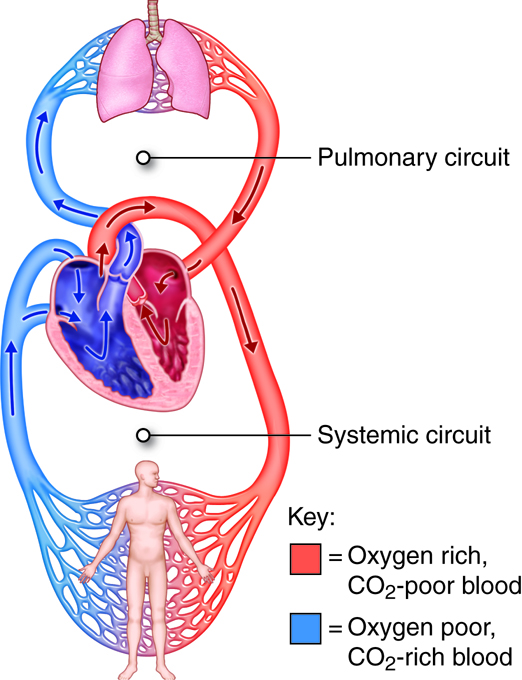
- Cardiovascular Check: Assessing the stability of the patient's heart rate and rhythm.
- Interaction Screening: Checking for potential conflicts with other medications the patient is taking.
- Symptom Verification: Confirming that the patient’s specific symptoms are appropriate for this type of treatment.
Risk Factors That Require Medical Supervision
Some patients may be more vulnerable to side effects when undergoing Camylofin therapy. For these individuals, closer clinical observation is often necessary to ensure the treatment remains safe and effective.
Identifying these risk factors early allows healthcare providers to catch and manage signs of intolerance or complications before they become serious.
High-Risk Categories Requiring Supervision
- Advanced Age: Elderly patients may be more sensitive to the drug's systemic effects.
- Cardiac History: Individuals with a background of heart disease or rhythm issues.
- Urinary Obstruction: Patients prone to urinary retention or bladder outlet issues.
- Ocular Health: Those diagnosed with glaucoma, as anticholinergics can increase eye pressure.
- Chronic GI Issues: Patients with long-term digestive conditions that affect motility.
Monitoring Requirements During Treatment
Clinical monitoring is a vital part of ensuring Anafortan Injection is administered safely. By closely observing a patient's response, healthcare providers can determine if the treatment is working effectively and quickly identify any emerging side effects.
Ongoing follow-up is the best way to confirm that the medication is meeting its therapeutic goals without compromising the patient's well-being.
Key Monitoring Measures
- Symptom Tracking: Evaluating how well the pain and spasms are subsiding.
- Side Effect Observation: Watch for anticholinergic signs like dry mouth, blurred vision, or rapid heart rate.
- Vital Sign Checks: Monitoring blood pressure and pulse when clinically indicated.
- Allergy Screening: Staying alert for any signs of hypersensitivity or an allergic reaction.
Contraindications
Conditions in Which Anafortan Injection Should Not Be Used
Due to the pharmacological properties of Camylofin, Anafortan Injection is contraindicated for certain medical conditions. In these specific cases, administering the medication could significantly increase health risks or exacerbate a patient's existing symptoms.
To ensure patient safety, physicians must perform a comprehensive evaluation to identify any underlying issues that would make this therapy unsuitable.
Key Contraindications
- Cardiovascular Instability: Patients with severe heart conditions where increased heart rate could be dangerous.
- Gastrointestinal Blockages: Certain types of bowel obstructions that could be worsened by reduced motility.
- Urinary Retention: Untreated conditions that make it difficult to empty the bladder.
- Anticholinergic Sensitivity: Any medical state where the drug’s drying or systemic effects are considered harmful.
Known Hypersensitivity to Camylofin or Related Compounds
Anyone with a documented allergy or hypersensitivity to Camylofin—or any related chemical compounds—must not be given Anafortan Injection. Allergic responses can vary significantly, ranging from minor skin irritation to life-threatening systemic reactions.
If any signs of a reaction appear after the injection is administered, the patient requires immediate emergency medical intervention.
Symptoms of Hypersensitivity
- Skin Reactions: Developing a sudden rash, hives, or intense itching.
- Angioedema: Noticeable swelling of the face, lips, or throat.

- Respiratory Distress: Experiencing shortness of breath or difficulty breathing.
- Severe Anaphylaxis: Intense, rapid-onset allergic reactions that affect the entire body.
Use in Patients With Certain Gastrointestinal or Urinary Obstructions
Because Camylofin relaxes smooth muscle and possesses anticholinergic properties, it can actually worsen certain blockages within the digestive or urinary systems. In these specific obstructive conditions, reducing muscular tone may further impair the body's ability to move fluids or waste, leading to a decline in functional health.
A thorough medical evaluation is mandatory before administering Anafortan Injection if any form of obstruction is suspected.
Conditions Requiring Caution or Avoidance
- Mechanical Intestinal Obstruction: Physical blockages in the gut that could become more stagnant.
- Severe Paralytic Ileus: A condition where the intestines are already failing to push content through.
- Prostate-Related Urinary Retention: Enlargement that makes it difficult to empty the bladder.
- Obstructive Uropathy: Any structural blockage in the urinary tract that hinders flow.
Careful Administration (Use With Caution)
Patients With Cardiovascular Disorders
Anafortan Injection should be used cautiously in patients with existing heart conditions. Because Camylofin has anticholinergic properties, it can affect heart rate, blood vessel tone, and overall circulation. While these effects might be subtle in a healthy person, they can become clinically significant in medically fragile patients.
For individuals with unstable blood pressure, heart rhythm issues, or reduced cardiac capacity, even a minor or temporary increase in heart rate can be serious. In these cases, the goal is to relieve pain without placing undue stress on the cardiovascular system.
Clinical Settings Requiring High Caution
- Rhythm Disturbances: Patients experiencing tachycardia or irregular heartbeats.
- Coronary Issues: Individuals with ischemic heart disease or insufficient blood flow to the heart.
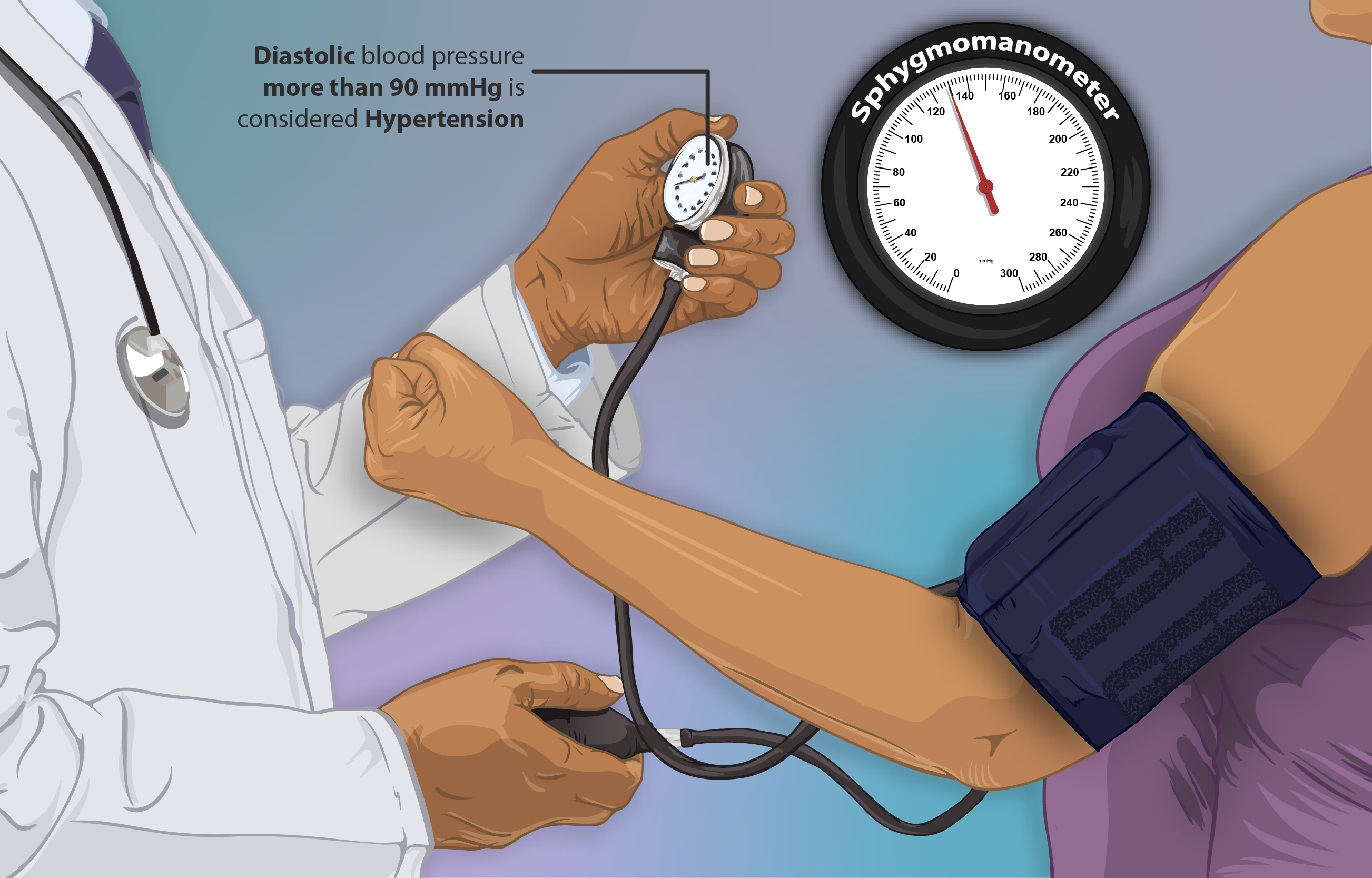
- Uncontrolled Hypertension: Patients whose high blood pressure is not properly managed
- Reduced Cardiac Reserve: Those whose circulatory systems are already functioning at a precarious level.
A careful, case-by-case assessment is essential to ensure that treatment provides relief without causing avoidable cardiac strain.
Individuals With Glaucoma or Prostatic Hypertrophy
Patients with glaucoma or prostatic hypertrophy require extra caution when using Camylofin, as its anticholinergic properties can worsen these specific conditions. These risks are well-documented clinical realities, not just theoretical possibilities.
In those prone to high eye pressure—specifically narrow-angle glaucoma—the drug may exacerbate ocular symptoms. Similarly, for individuals with an enlarged prostate, the medication can make urinating even more difficult if their bladder function is already compromised.
Critical Risk Factors
- Ocular Health: A history of narrow-angle glaucoma or elevated intraocular pressure.
- Prostate Issues: Benign prostatic hypertrophy accompanied by hesitant urination.
- Voiding Difficulty: Existing partial urinary retention or symptoms of obstructive voiding.
- Polypharmacy: Concurrent use of other drugs with anticholinergic effects.
If treatment is deemed necessary, close observation is essential. Any onset of eye pain, vision changes, or worsening urinary difficulty must be addressed immediately.
Patients With Liver or Kidney Impairment
For patients with liver or kidney impairment, Anafortan Injection must be administered with a high degree of caution, especially if multiple doses are required. Even though this treatment is typically short-term, compromised organ function can significantly alter how the body processes, tolerates, and clears the medication.
Since the liver and kidneys are the primary systems responsible for drug metabolism and elimination, any dysfunction can make the drug's effects less predictable. While this doesn't strictly forbid treatment, it demands a more conservative and prudent clinical approach.
Factors Requiring Clinical Prudence
- Chronic Liver Disease: Impaired hepatic function that may slow down drug metabolism.
- Reduced Renal Clearance: Chronic kidney disease that can hinder the body's ability to filter the medication.
- Medical Frailty: Patients with multisystem illnesses who may be more sensitive to drug shifts.
- Extended Therapy: Situations where repeated or prolonged dosing is being considered.
In these scenarios, it is generally better to opt for lower doses, frequent clinical monitoring, and regular reassessments rather than aggressive treatment.
Important Precautions During Treatment
Precautions Before Initiating Camylofin Therapy
Before starting Camylofin therapy, it is highly recommended to conduct a thorough review of the patient’s symptoms, medical history, and current medications. This step is essential to confirm that the pain is truly caused by spasms and that Anafortan Injection is the most suitable treatment option.
It is important to remember that acute abdominal pain isn't always a simple cramp; some causes may require urgent surgery or advanced diagnostics rather than just symptom relief. A responsible clinician differentiates the cause before masking the pain with medication.
Essential Pre-Treatment Checks
Diagnostic Assessment: Identifying the most likely cause of the pain or spasm.
- Allergy Screening: Reviewing any history of drug hypersensitivity or allergic reactions.
- Systemic History: Evaluating the patient's cardiovascular, urinary, and ocular health.
- Drug Interaction Check: Screening for other medications that may have anticholinergic effects.
- Organ Function Review: Considering the patient's liver and kidney health where appropriate.
By performing a deliberate appraisal before treatment, clinicians can avoid masking a more serious underlying disease and ensure the medication is administered safely.
Monitoring Patients for Adverse Reactions
Consistent monitoring is a fundamental part of the safe use of Camylofin. Even if a patient initially tolerates the medication well, healthcare providers must remain alert for early indicators of intolerance, an over-responsive pharmacological reaction, or a developing allergy.
The level of observation required depends on the patient's specific medical vulnerability—while a brief check may suffice for some, more intensive supervision is necessary for others.
Key Observations for Healthcare Providers

- Cardiac Response: Monitoring for palpitations or fluctuations in heart rate.
- Urinary Function: Checking for difficulty urinating or signs of retention.
- Local Reactions: Assessing the injection site for persistent pain or irritation.
- Allergic Manifestations: Identifying any sudden rash, itching, or swelling.
Evaluating these developments against the patient’s baseline health allows for a more accurate clinical picture. Recognizing these signs early ensures that a provider can promptly decide whether to safely continue or stop the therapy.
Considerations for Long-Term or Repeated Use
Anafortan Injection is primarily intended for short-term symptom management rather than as a long-term maintenance solution. If a clinical situation suggests the need for repeated or extended use, the approach must shift from routine administration to much more rigorous medical scrutiny.
Frequent use can heighten the risk of cumulative anticholinergic side effects and may inadvertently mask an underlying condition that hasn't been properly diagnosed. Consequently, a persistent need for injectable therapy should serve as a signal to re-evaluate both the original diagnosis and the broader treatment plan.
Key Considerations for Extended Use
- Diagnostic Review: Confirming if the root cause of the spasms has been thoroughly investigated.
- Side Effect Accumulation: Monitoring for a build-up of systemic anticholinergic reactions.
- Therapeutic Transition: Determining when to move the patient to oral medications or alternative treatments.
- Unresolved Pathology: Assessing whether recurring symptoms indicate a disease process that remains unaddressed.
Generally, the most effective clinical practice is to utilize the shortest possible course of treatment that provides adequate relief.
Administration to Elderly Patients
Age-Related Pharmacological Considerations
Elderly patients often require a more cautious approach when receiving Anafortan Injection, as age-related physiological changes can significantly alter how they respond to and tolerate the drug. As organ reserves diminish over time, the body's sensitivity to certain medications may increase, causing even minor side effects to become amplified.
Older adults frequently face a combination of slower hepatic metabolism, reduced renal clearance, and a higher prevalence of existing health conditions. This clinical landscape is further complicated by polypharmacy, which increases the likelihood of dangerous drug interactions or adverse reactions.
Key Age-Related Considerations
- Cardiovascular Strain: A reduced ability to compensate for sudden heart rate increases or blood pressure shifts.
- Fall Risk: A heightened susceptibility to dizziness or postural instability.
- Elimination Issues: An increased probability of experiencing urinary retention or severe constipation.
- Drug Interactions: A higher likelihood of taking concurrent medications that may conflict with Camylofin.
Because of these factors, treatment for the elderly should always proceed with conservative dose selection and diligent clinical observation.
Dose Adjustments for Geriatric Patients
When treating geriatric patients with Anafortan Injection, adjusting the dosage is often appropriate—particularly for those who are frail, managing multiple health conditions, or have reduced organ function. While not every older patient requires a lower dose, most benefit from a more conservative initial strategy.
The core principle of geriatric care is to start cautiously, evaluate the patient's specific response, and avoid any unnecessary increases in medication. In older adults, excessive dosing often leads to severe side effects without providing any additional pain relief.
Considerations for Dose Planning
- Cardiovascular Baseline: Checking the patient’s heart health and stability before administration.
- Organ Clearance: Evaluating how well the kidneys and liver are functioning.
- Pre-existing Sensitivities: Identifying issues like glaucoma, chronic constipation, or urinary difficulties.
- Medication Interactions: Screening for other drugs the patient is taking that might have sedative or anticholinergic effects.
Ultimately, the patient's clinical response should dictate all further treatment decisions. In geriatric medicine, a restrained and carefully managed regimen is frequently the safest and most effective approach.
Increased Sensitivity to Anticholinergic Effects
Elderly patients frequently exhibit a heightened sensitivity to anticholinergic effects, a factor that becomes especially critical when Camylofin is administered repeatedly or alongside similar drugs. Side effects that might be considered minor in younger individuals can become significant clinical hurdles for older adults.
This sensitivity isn't just about physical discomfort; it can lead to serious safety concerns, such as an increased risk of falls, delirium, or a general decline in the patient's ability to function independently.
Signs of Heightened Anticholinergic Sensitivity
- Severe Dryness: Intense drying of the mouth and throat.
- Digestive and Urinary Stasis: Worsening constipation or significant difficulty starting urination.
- Visual and Cognitive Impairment: Blurred vision, dizziness, or sudden bouts of confusion and reduced alertness.
- Cardiovascular Stress: Occurrences of tachycardia (rapid heart rate).
Because the stakes are higher for this population, elderly patients require exceptionally diligent monitoring throughout their course of treatment.
Administration to Pregnant Women and Nursing Mothers
Safety of Camylofin During Pregnancy
The use of Camylofin during pregnancy requires a high degree of clinical precision and judgment. Because pregnancy induces complex physiological changes, medication should only be introduced when the projected benefits to the mother clearly outweigh any potential risks.
This cautious approach is particularly vital when dealing with injectable treatments for pain and muscle spasms.
In certain obstetric or clinical situations, antispasmodic therapy might be considered if the mother is experiencing significant distress or when specific obstetric indications are present.
Key Considerations for Use in Pregnancy
- Benefit vs. Risk Analysis: Only administering the drug when it is medically essential for the mother’s well-being.
- Physiological Complexity: Accounting for the unique way a pregnant body processes and responds to injectable medications.
- Symptom Management: Balancing the need for maternal relief with the necessity of maintaining a stable environment for the fetus.
 Verified Purchase
pain relife
supplemental pain stopper to not over use steroid
Anafortan Injection, Camylofin FAQ
- What are the side effects of Camylofin?
- How long does it take for Camylofin to work?
- How does Camylofin affect the stomach?
- What is Camylofin used for?
- What drugs interact with Camylofin?
- Is Camylofin safe for elderly people?
- How does Camylofin relieve pain?
- What are the top brands that offer Camylofin-based medications?
- How does Camylofin compare to other muscle relaxants available in the US?
- Are there common side effects of Camylofin?
- Camylofin dosage guidelines for adults?
- Can I order Camylofin with a prescription from a local pharmacy?
- What is Camylofin dihydrochloride used for?
- Camylofin dihydrochloride and paracetamol use?
What are the side effects of Camylofin?
Common side effects of Camylofin are typically mild and transient. You may experience dizziness, headaches, a dry mouth, nausea, or facial flushing. Less frequently, it may cause blurred vision or an increased heart rate. While these effects usually resolve quickly on their own, you should monitor them if they persist.
How long does it take for Camylofin to work?
Camylofin typically takes effect within 30 to 60 minutes when taken orally, though administration via injection may result in a more rapid onset. The medication's overall efficacy is contingent upon the severity of your spasms and your individual physiological response.
How does Camylofin affect the stomach?
Camylofin functions by relaxing the smooth muscles within the digestive tract, which effectively alleviates spasms and cramping. This action provides relief from the abdominal pain typically associated with conditions such as gastrointestinal colic or irritable bowel syndrome (IBS). It is important to note that the medication does not directly influence gastric acid production; rather, it improves patient comfort by targeting muscle-related discomfort, serving as a valuable therapeutic option for these conditions.
What is Camylofin used for?
Camylofin is primarily indicated as an antispasmodic to alleviate smooth muscle contractions throughout the gastrointestinal, biliary, and genitourinary tracts. It is a frequent choice for managing conditions such as menstrual cramps, abdominal pain, and renal or biliary colic.
What drugs interact with Camylofin?
Camylofin may interact with other anticholinergics, antispasmodics, and central nervous system (CNS) depressants, which can intensify adverse effects such as drowsiness or dry mouth. Exercise caution when using this medication alongside antihistamines, antidepressants, or antipsychotics.
Is Camylofin safe for elderly people?
Increased caution is required when administering Camylofin to elderly patients, as they may exhibit heightened sensitivity to side effects such as confusion, urinary retention, and constipation. Consequently, dosage adjustments are often necessary, and patients should be closely monitored during treatment.
How does Camylofin relieve pain?
Camylofin relieves pain by suppressing excessive muscle contractions. It functions through a dual mechanism: acting directly on the muscles while simultaneously inhibiting nerve signals that trigger them. By effectively relaxing smooth muscles in organs such as the uterus and intestines, Camylofin diminishes the intensity of spasms, thereby alleviating the associated cramping and discomfort.
What are the top brands that offer Camylofin-based medications?
Camylofin is commonly available under brand names such as Anafortan, or in combination products paired with Paracetamol. Availability varies significantly by region, and these medications are typically prescribed by healthcare professionals to manage pain stemming from muscle spasms.
How does Camylofin compare to other muscle relaxants available in the US?
Unlike centrally acting muscle relaxants commonly used in the U.S., such as Cyclobenzaprine—which target skeletal muscles—Camylofin functions as a peripheral antispasmodic that specifically targets smooth muscle. Consequently, Camylofin is more effective for addressing visceral spasms and typically produces less sedation than central muscle relaxants.
Are there common side effects of Camylofin?
Camylofin may cause side effects such as dry mouth, dizziness, nausea, and tachycardia. These are generally mild and dose-dependent; when administered as directed, the occurrence of serious complications remains rare.
Camylofin dosage guidelines for adults?
The standard adult dosage for Camylofin typically ranges from 25–50 mg, administered two to three times daily, though this can vary based on the specific formulation. Injectable forms are generally reserved for emergency settings under direct medical supervision. It is essential to strictly follow the specific dosage prescribed by your physician.
Can I order Camylofin with a prescription from a local pharmacy?
Camylofin is generally available at pharmacies, but acquiring it requires a valid prescription from a doctor or licensed healthcare provider. Because regulations can vary by region, it is advisable to consult your local pharmacy regarding their specific dispensing policies.
What is Camylofin dihydrochloride used for?
Camylofin dihydrochloride and paracetamol use?
Combining Camylofin Dihydrochloride with Paracetamol offers a dual-action approach that simultaneously targets muscle spasms and their associated pain. This combination is frequently prescribed for the management of conditions such as menstrual pain, abdominal cramping, and other spasm-related discomforts.
Popular Products


Similar Product