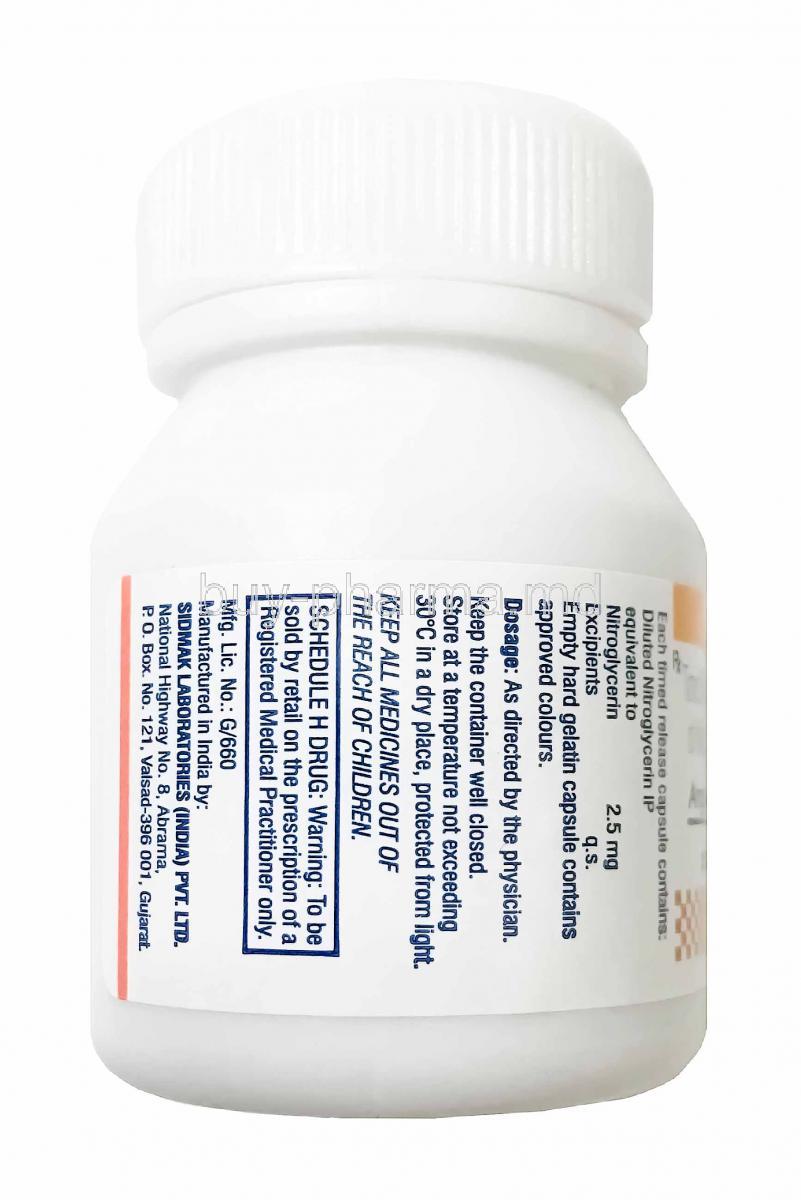
1. Introduction to Angistat (Glyceryl Trinitrate)
1.1 Overview of Glyceryl Trinitrate and Its Therapeutic Class
Glyceryl trinitrate, commonly referred to as nitroglycerin, is a potent nitrate vasodilator extensively utilized in cardiovascular therapeutics. It belongs to the organic nitrate class, a group of agents renowned for their rapid hemodynamic modulation. The compound exerts profound effects on vascular smooth muscle, resulting in prompt symptom alleviation in ischemic cardiac conditions.
1.2 Brand Name Angistat: Indications and Clinical Relevance
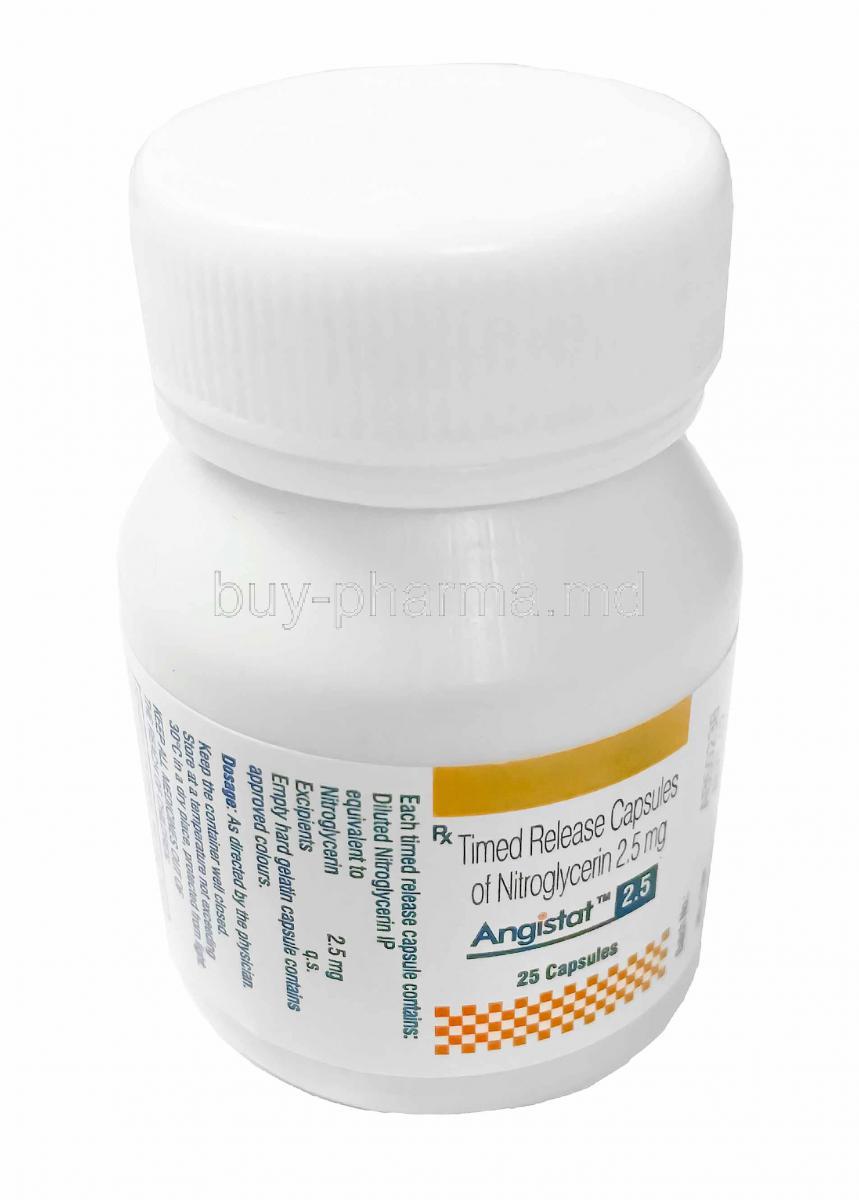
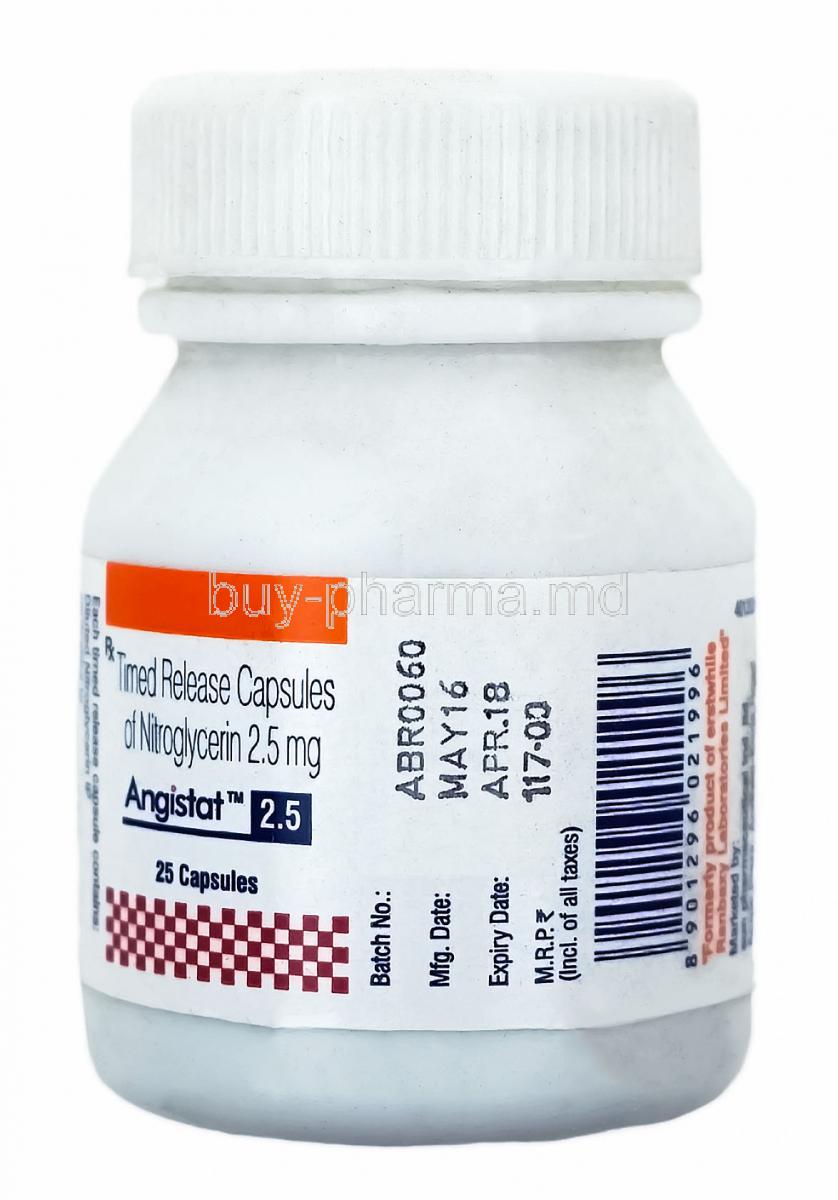
Angistat is a widely recognized formulation of glyceryl trinitrate, primarily indicated for the management of angina pectoris. It is frequently prescribed for both acute symptom relief and prophylactic use. Its clinical relevance lies in its ability to:
- Provide rapid relief of chest pain
- Enhance coronary perfusion
- Reduce myocardial oxygen demand
1.3 Historical Background and Development of Nitrate Therapy
The therapeutic application of nitrates dates back to the 19th century. Initially derived from industrial compounds, glyceryl trinitrate was later adapted for medical use due to its vasodilatory properties. Over decades, it has evolved into a cornerstone of anti-anginal therapy, maintaining clinical significance even amidst modern pharmacological advancements.
1.4 Role of Angistat in Cardiovascular Disease Management
Angistat occupies a pivotal position in cardiovascular care. It is particularly beneficial in conditions characterized by myocardial ischemia. By optimizing blood flow and alleviating vascular resistance, it contributes to improved cardiac efficiency and symptom control in patients with coronary artery disease.
2. Composition and Formulation Details
2.1 Active Ingredient: Glyceryl Trinitrate (Nitroglycerin)
The primary active component of Angistat is glyceryl trinitrate. This molecule undergoes enzymatic conversion within the body, releasing nitric oxide, which mediates its therapeutic effects.
2.2 Available Dosage Forms (Sublingual Tablets, Sprays, Ointments, Patches)
Angistat is available in multiple pharmaceutical forms to accommodate diverse clinical needs:
- Sublingual tablets for rapid onset
- Transdermal patches for sustained delivery
- Topical ointments for localized application
- Metered-dose sprays for convenience
2.3 Strength Variations and Excipients
Different strengths are available depending on the formulation. Excipients are included to ensure stability, bioavailability, and ease of administration, while maintaining the integrity of the active compound.
2.4 Pharmaceutical Characteristics and Stability
Glyceryl trinitrate is sensitive to environmental factors such as heat, light, and moisture. Therefore, formulations are designed to preserve potency. Proper storage is essential to prevent degradation and ensure therapeutic efficacy.
3. Glyceryl Trinitrate Mechanism of Action: How Angistat Works
3.1 Conversion to Nitric Oxide and Vasodilation Mechanism
Upon administration, glyceryl trinitrate is metabolized to nitric oxide. This gaseous signaling molecule activates guanylate cyclase, leading to increased cyclic GMP levels and subsequent smooth muscle relaxation.
3.2 Effects on Coronary Arteries and Myocardial Oxygen Demand
The drug dilates coronary arteries, thereby enhancing oxygen delivery to ischemic myocardial tissue. Simultaneously, it reduces oxygen demand by decreasing cardiac workload.
3.3 Reduction of Preload and Afterload
Angistat significantly reduces venous return (preload) and arterial resistance (afterload). This dual effect alleviates cardiac strain and improves overall hemodynamic efficiency.
3.4 Hemodynamic Effects and Systemic Circulation Impact
The systemic vasodilation induced by glyceryl trinitrate leads to a decrease in blood pressure and improved tissue perfusion. These effects are particularly advantageous in acute ischemic events.
4. Glyceryl Trinitrate Uses
4.1 Acute Relief of Angina Pectoris (Stable and Unstable Angina)
Angistat is primarily employed for the rapid alleviation of angina symptoms. Its sublingual formulation ensures swift absorption and immediate relief.
4.2 Prophylaxis of Angina Attacks
It may be administered prior to physical exertion or stress to կանխ կանխ anginal episodes. This preventative application enhances patient quality of life.
4.3 Management of Acute Coronary Syndrome (Adjunct Therapy)
In acute coronary settings, Angistat is used alongside other medications to stabilize patients and improve myocardial oxygenation.
4.4 Use in Chronic Ischemic Heart Disease
For long-term management, it contributes to symptom control and functional improvement in patients with chronic coronary insufficiency.
5. Expanded and Off-Label Uses of Glyceryl Trinitrate
5.1 Management of Heart Failure and Pulmonary Edema
Glyceryl trinitrate is used in acute heart failure to reduce preload and alleviate pulmonary congestion, thereby improving respiratory function.
5.2 Hypertensive Emergencies and Blood Pressure Control
Its rapid vasodilatory action makes it suitable for controlling severe elevations in blood pressure in emergency settings.
5.3 Treatment of Esophageal Spasm
The smooth muscle relaxant properties of the drug can relieve esophageal spasms, reducing associated chest discomfort.
5.4 Use in Anal Fissures (Topical Formulations)
Topical nitroglycerin promotes relaxation of the anal sphincter, facilitating healing and reducing pain.
5.5 Raynaud’s Phenomenon and Peripheral Vascular Disorders
Peripheral vasodilation improves blood flow in conditions characterized by vascular constriction, such as Raynaud’s phenomenon.
5.6 Use During Cardiac Procedures and Surgery
It is occasionally utilized intraoperatively to manage blood pressure and optimize coronary circulation.
6. Glyceryl Trinitrate Dosage and Administration Guidelines
6.1 Recommended Dosage for Acute Angina Relief
Typically administered sublingually at the onset of chest pain. Relief is often achieved within minutes. Repeat dosing may be required under medical guidance.
6.2 Prophylactic Dosing Before Physical Exertion
Administered prior to anticipated exertion, it helps prevent angina. Timing and dosage depend on individual patient response.
6.3 Administration Techniques (Sublingual vs Transdermal vs Topical)
Different routes offer varying onset and duration profiles:
- Sublingual: rapid onset
- Transdermal: sustained release
- Topical: localized effect
6.4 Frequency and Maximum Dose Limits
Strict adherence to prescribed dosing intervals is essential to avoid adverse effects. Overuse may lead to tolerance or toxicity.
6.5 Instructions for Proper Use and Patient Compliance
Patients should be educated on correct administration techniques, including proper placement of sublingual tablets and avoidance of swallowing.
6.6 Dose Adjustments in Special Populations
Dosage modifications may be necessary in elderly individuals or those with comorbid conditions to minimize risks.
7. Glyceryl trinitrate Side Effects
7.1 Overview of Adverse Effects Associated with Nitrate Therapy
Nitrate therapy is generally well tolerated; however, adverse reactions may occur due to systemic vasodilation.
7.2 Common Side Effects (Headache, Dizziness, Flushing)
Frequently reported effects include:
- Throbbing headache
- Lightheadedness
- Facial flushing
7.3 Cardiovascular Effects (Hypotension, Tachycardia)
Excessive vasodilation may result in decreased blood pressure and reflex tachycardia, particularly in sensitive individuals.
7.4 Gastrointestinal and Neurological Effects
Some patients may experience nausea, weakness, or transient neurological symptoms, though these are less common.
7.5 Rare but Serious Adverse Reactions
Serious complications such as severe hypotension or methemoglobinemia are rare but require immediate medical attention.
8. Drug Interactions and Compatibility
8.1 Interaction with Phosphodiesterase-5 (PDE5) Inhibitors
Concurrent use with PDE5 inhibitors can cause profound hypotension. This combination is contraindicated.
8.2 Interaction with Antihypertensives and Alcohol
Co-administration with blood pressure-lowering agents or alcohol may potentiate hypotensive effects.
8.3 Effects with Other Vasodilators and Cardiac Medications
Combined use with other vasodilators may enhance therapeutic or adverse effects, necessitating careful monitoring.
8.4 Interaction with Ergot Alkaloids and Antidepressants
Certain drugs may antagonize or modify the effects of glyceryl trinitrate, altering clinical outcomes.
8.5 Clinical Implications of Drug Interactions
Understanding these interactions is critical for safe prescribing and optimal therapeutic efficacy.
9. Warnings and Safety Considerations
9.1 Risk of Severe Hypotension and Syncope
Sudden drops in blood pressure can lead to fainting. Patients should be advised to remain seated during administration.
9.2 Development of Tolerance with Long-Term Use
Prolonged use may reduce responsiveness, necessitating nitrate-free intervals to maintain efficacy.
9.3 Rebound Angina upon Abrupt Discontinuation
Discontinuing therapy abruptly may precipitate worsening angina, highlighting the need for gradual tapering.
9.4 Use in Patients with Increased Intracranial Pressure
Caution is warranted in patients with elevated intracranial pressure, as vasodilation may exacerbate the condition.
9.5 Monitoring Blood Pressure and Cardiovascular Status
Regular monitoring ensures safe use and helps identify adverse hemodynamic changes early.
10. Contraindications
10.1 Hypersensitivity to Glyceryl Trinitrate or Nitrates
Patients with known allergies to nitrates should avoid Angistat.
10.2 Concurrent Use with PDE5 Inhibitors (e.g., Sildenafil)
This combination is strictly contraindicated due to the risk of life-threatening hypotension.
10.3 Severe Hypotension or Shock
Use is contraindicated in patients with critically low blood pressure or circulatory collapse.
10.4 Hypertrophic Obstructive Cardiomyopathy
In such conditions, reduced preload may worsen outflow obstruction and clinical symptoms.
10.5 Severe Anemia or Increased Intracranial Pressure
These conditions may be exacerbated by nitrate therapy and require alternative treatment strategies.
11. Careful Administration and Clinical Monitoring
11.1 Use in Patients with Renal or Hepatic Impairment
Patients with compromised renal or hepatic function require judicious administration of glyceryl trinitrate. Although metabolism primarily occurs in the liver, altered pharmacokinetics may occur in organ dysfunction. Clinicians should exercise vigilance and consider dose titration to avoid exaggerated hypotensive responses.
- Monitor liver enzyme levels in hepatic impairment
- Assess renal function periodically
- Adjust dosage based on clinical response
11.2 Monitoring for Orthostatic Hypotension
Orthostatic hypotension is a common concern, particularly in susceptible individuals. A sudden drop in blood pressure upon standing can lead to dizziness or syncope. Careful monitoring during therapy initiation and dose escalation is imperative.
11.3 Evaluation of Tolerance Development
Chronic exposure to nitrates may result in pharmacological tolerance. This attenuation of effect necessitates strategic dosing schedules, often incorporating nitrate-free intervals to restore responsiveness.
11.4 Monitoring Heart Rate and Blood Pressure Response
Regular assessment of cardiovascular parameters ensures therapeutic efficacy while minimizing adverse effects. Both bradycardia and reflex tachycardia may occur, necessitating individualized evaluation.
11.5 Assessment for Drug Dependence or Misuse
Although uncommon, inappropriate use or overreliance on rapid-acting formulations may occur. Monitoring patient usage patterns can help identify potential misuse and guide appropriate counseling.
12. Important Precautions Before and During Use
12.1 Avoiding Sudden Position Changes to Prevent Dizziness
Patients should be advised to transition gradually from sitting or lying to standing positions. Abrupt movements may precipitate dizziness or fainting due to vasodilatory effects.
12.2 Importance of Adherence to Prescribed Dosage
Strict adherence to prescribed regimens is essential. Overuse may increase the risk of adverse reactions, while underuse may compromise therapeutic outcomes.
- Follow exact dosing intervals
- Avoid self-adjustment without medical advice
- Maintain consistency in administration timing
12.3 Avoidance of Alcohol During Treatment
Alcohol consumption may potentiate hypotensive effects, leading to excessive dizziness or syncope. Patients should limit or avoid alcohol during therapy.
12.4 Recognizing Early Signs of Adverse Reactions
Early identification of adverse effects enables prompt intervention. Patients should be educated to recognize symptoms such as severe headache, palpitations, or unusual fatigue.
12.5 Patient Education on Emergency Use
Proper understanding of emergency administration is critical. Patients should be instructed on when and how to use sublingual formulations during angina episodes.
13. Administration in Special Populations
13.1 Administration to Elderly Patients
Elderly individuals often exhibit increased sensitivity to nitrates. Age-related physiological changes necessitate cautious dosing and close monitoring.
13.1.1 Increased Sensitivity to Hypotensive Effects
Enhanced susceptibility to blood pressure reductions may result in dizziness or falls. Initiation at lower doses is often recommended.
13.1.2 Dose Adjustment and Monitoring Needs
Frequent clinical assessments are advisable. Adjustments should be based on tolerability and therapeutic response.
13.2 Administration to Pregnant Women and Nursing Mothers
The use of glyceryl trinitrate in pregnancy requires careful risk-benefit evaluation. Limited data necessitate cautious application under medical supervision.
13.2.1 Safety Profile in Pregnancy
While some evidence suggests relative safety, definitive conclusions are lacking. Use only when clearly indicated.
13.2.2 Placental Transfer and Fetal Considerations
The drug may cross the placenta. Potential fetal effects should be considered, particularly with prolonged exposure.
13.2.3 Excretion in Breast Milk and Infant Safety
Minimal amounts may be excreted in breast milk. Monitoring for potential effects in infants is advisable.
13.3 Administration to Pediatric Patients
Use in pediatric populations is limited and typically reserved for specific clinical scenarios under specialist supervision.
13.3.1 Limited Clinical Data in Children
Insufficient evidence necessitates cautious use, with dosing guided by clinical expertise rather than standardized protocols.
13.3.2 Use in Congenital or Cardiac Conditions
In select cases, glyceryl trinitrate may be employed in congenital heart disease or other cardiac anomalies, with close monitoring.
14. Overdosage and Emergency Management
14.1 Symptoms of Glyceryl Trinitrate Overdose
Overdose may present with pronounced vasodilatory effects. Symptoms can include severe headache, dizziness, hypotension, and confusion.
14.2 Severe Hypotension and Circulatory Collapse
In extreme cases, profound hypotension may lead to circulatory collapse. Immediate medical intervention is required.
14.3 Methemoglobinemia Risk and Management
High doses may induce methemoglobinemia, characterized by impaired oxygen delivery. Clinical signs include cyanosis and respiratory distress.
14.4 Emergency Treatment and Supportive Measures
Management focuses on supportive care and stabilization:
- Positioning the patient supine
- Administering intravenous fluids
- Providing oxygen therapy
- Using specific antidotes when indicated
14.5 Role of Hospitalization and Monitoring
Severe cases require hospitalization for continuous monitoring and advanced supportive care to ensure recovery.
15. Storage and Stability Information
15.1 Recommended Storage Conditions (Temperature, Light Protection)
Glyceryl trinitrate preparations should be stored in controlled environments. Protection from heat, light, and moisture is essential to maintain potency.
15.2 Shelf Life and Expiry Considerations
Adherence to expiry dates is critical. Degraded formulations may lose efficacy and compromise therapeutic outcomes.
15.3 Handling of Sublingual Tablets and Sensitivity to Air
Sublingual tablets are particularly sensitive to air exposure. Containers should remain tightly sealed to preserve stability.
15.4 Safe Disposal of Expired Medication
Expired products should be disposed of responsibly. Avoid flushing or discarding in household waste without proper guidance.
16. Handling Precautions and Patient Guidance
16.1 Proper Handling of Tablets, Sprays, and Patches
Correct handling ensures optimal drug delivery. Each formulation requires specific techniques for effective use.
16.2 Avoiding Exposure to Heat and Moisture
Environmental exposure may degrade the active compound. Storage in a cool, dry place is recommended.
16.3 Safe Carrying of Emergency Medication
Patients should carry sublingual tablets or sprays at all times. Immediate accessibility is crucial during anginal episodes.
16.4 Instructions for Caregivers and Healthcare Providers
Caregivers should be familiar with administration techniques and emergency protocols to provide timely assistance.
17. Key Clinical Considerations and Summary Points
17.1 Benefits and Risks of Angistat Therapy
Angistat offers rapid symptomatic relief and improved cardiac function. However, careful consideration of potential risks is essential for safe use.
17.2 Best Practices for Safe and Effective Use
Optimal outcomes are achieved through adherence to clinical guidelines, individualized dosing, and patient education.
17.3 Importance of Medical Supervision and Follow-Up
Regular follow-up allows for ongoing assessment of therapeutic efficacy and early detection of adverse effects.
17.4 Patient Counseling and Lifestyle Considerations
Comprehensive counseling enhances treatment success. Patients should be encouraged to adopt heart-healthy lifestyles alongside pharmacotherapy.
Angistat, Glyceryl Trinitrate FAQ
- What is the use of angistat Tablet?
- What are the side effects of angina tablets?
- What is glyceryl trinitrate used for?
- What is the difference between nitroglycerin and glyceryl trinitrate?
- Who should not take glyceryl trinitrate?
- How long is glyceryl trinitrate good for?
- How much does GTN lower BP?
- What should I avoid when using glyceryl trinitrate?
- Can GTN increase heart rate?
- Can GTN be given for heart failure?
- What are the side effects of glyceryl trinitrate?
- Is GTN a blood thinner?
- Is GTN used for hypertension?
- When should GTN not be given?
- How many times can you take glyceryl trinitrate?
- How many minutes do you wait for GTN?
- Is GTN used for stroke?
What is the use of angistat Tablet?
Angistat 2.5 Capsule TR is used to treat and prevent heart-related chest pain (angina). Angina occurs when the heart muscle is not getting enough blood. This medicine works by relaxing and widening blood vessels so blood can flow more easily to the heart.
What are the side effects of angina tablets?
- Dizziness
- Nausea
- Headache
What is glyceryl trinitrate used for?
Glyceryl trinitrate, or GTN, is a type of medicine called a nitrate. It's used to prevent and treat chest pain caused by angina. It can help stop chest pain if an angina attack has already started.
What is the difference between nitroglycerin and glyceryl trinitrate?
The same
Who should not take glyceryl trinitrate?
- Allergic reaction
- Brain injuries
- Stroke
How long is glyceryl trinitrate good for?
8 weeks
How much does GTN lower BP?
6%
What should I avoid when using glyceryl trinitrate?
NSAIDs
Can GTN increase heart rate?
No
Can GTN be given for heart failure?
Yes
What are the side effects of glyceryl trinitrate?
- Headache
- Dizziness
- Fainting
Is GTN a blood thinner?
No
Is GTN used for hypertension?
Yes
When should GTN not be given?
- patients with systolic blood pressure less than 90 mmHg
- patients with hypovolemia, head trauma,
- anyone who has taken sildenafil (Viagra) in the last 24 hours
How many times can you take glyceryl trinitrate?
2
How many minutes do you wait for GTN?
5 minutes
Is GTN used for stroke?
Yes
Customers also bought
Popular Products

Similar Product