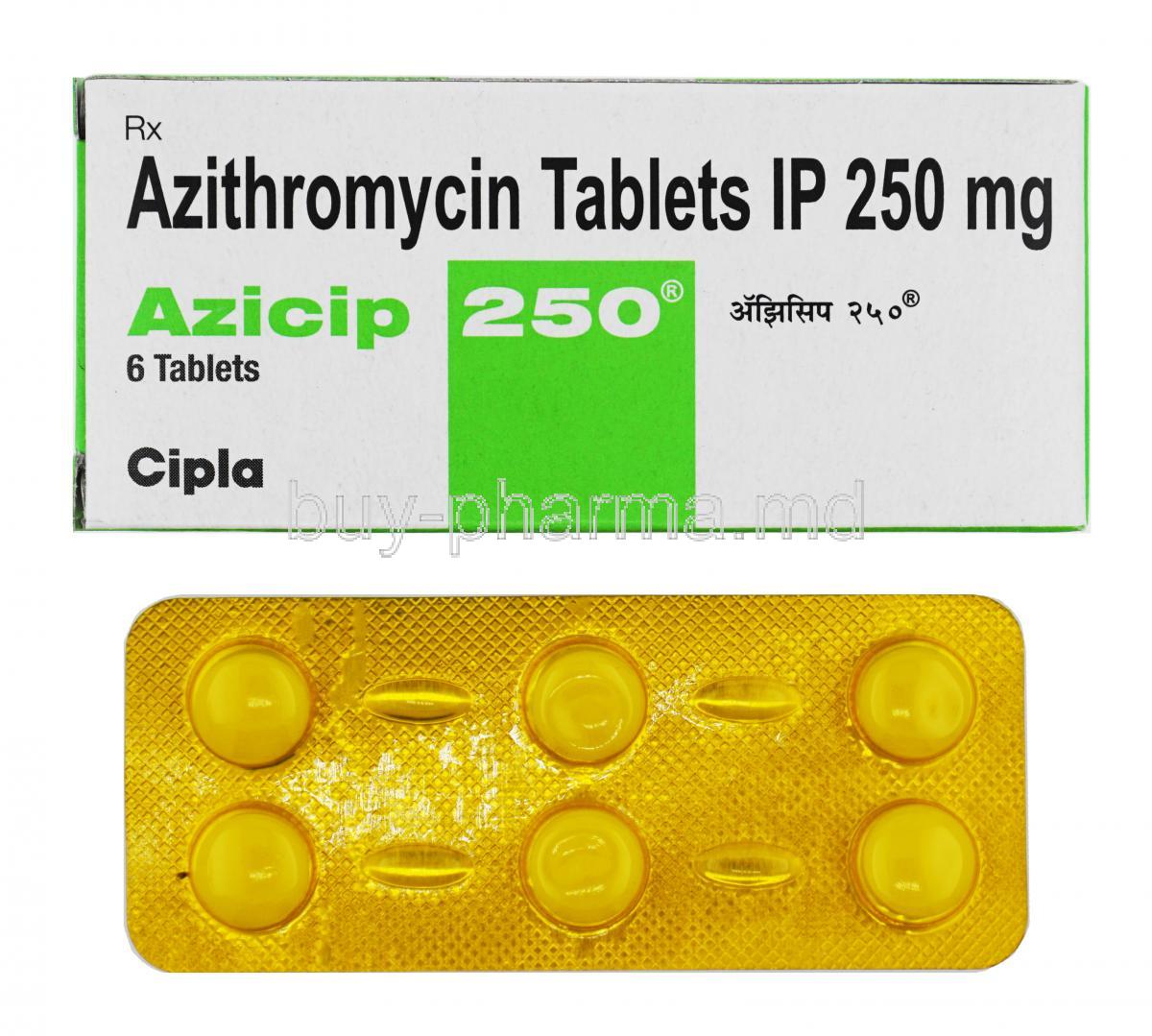
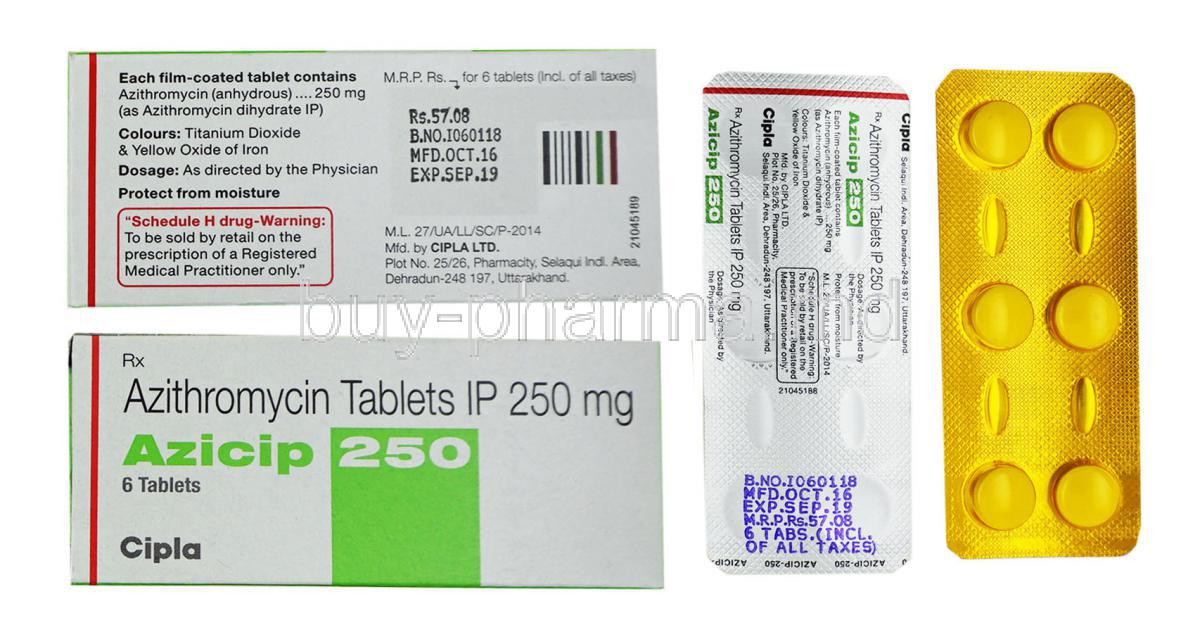

1. Introduction to Azicip (Azithromycin)
Azicip is a widely prescribed formulation of azithromycin, a macrolide antibiotic recognized for its broad antimicrobial spectrum and favorable dosing convenience. It is routinely utilized in outpatient and inpatient settings due to its predictable pharmacokinetics and tissue penetration.
From a therapeutic standpoint, azithromycin occupies a critical role in the management of bacterial infections affecting the respiratory tract, skin, and genitourinary system. Its prolonged half-life enables short treatment courses, a feature that enhances adherence.
- Pharmacological class: Macrolide antibiotic
- Clinical relevance in acute and chronic infections
- Marketed under various brand and generic names globally
2. Composition and Pharmaceutical Formulation
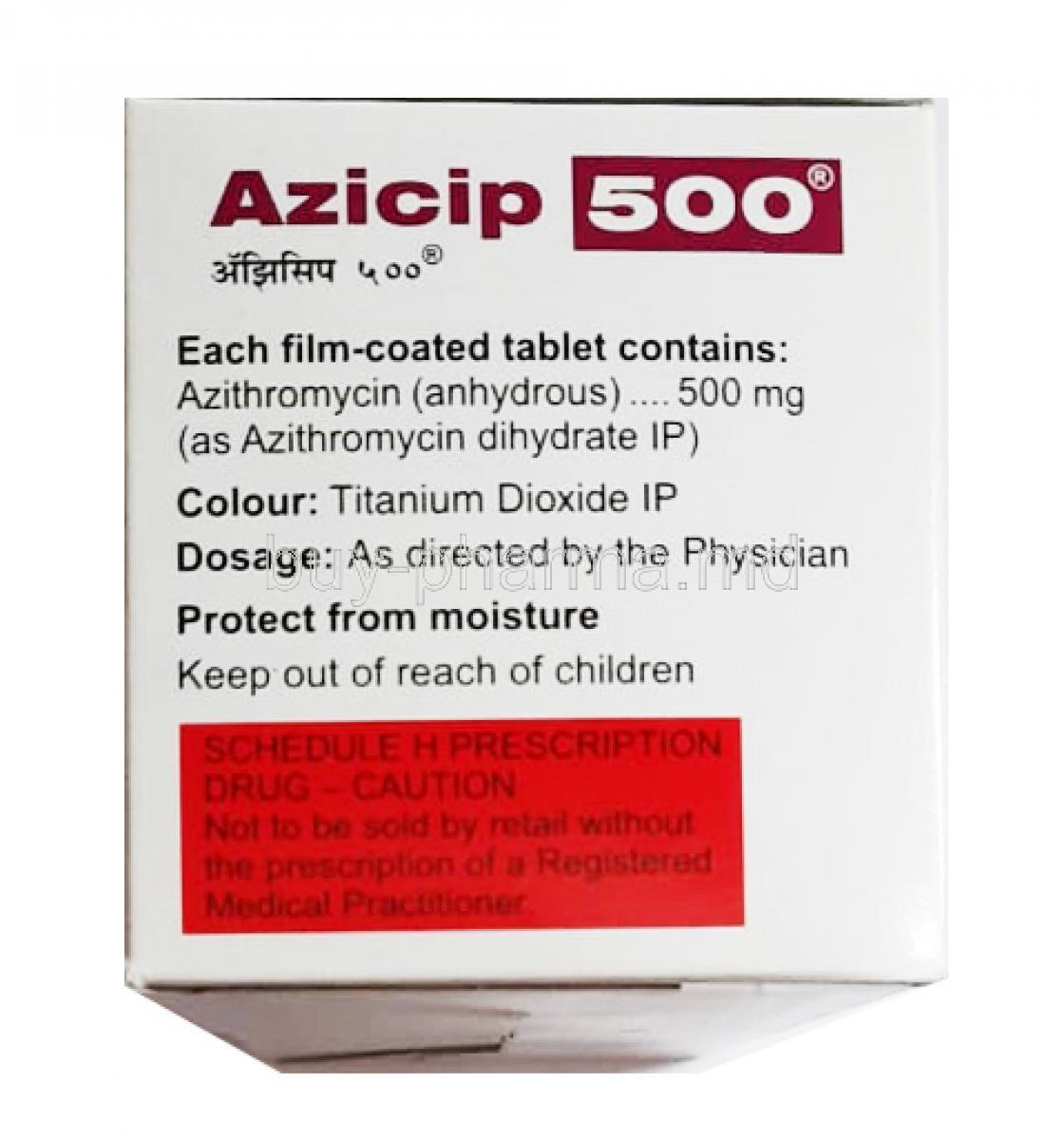
The principal active component of Azicip is azithromycin dihydrate, a semi-synthetic azalide derived from erythromycin. Structural modification confers enhanced acid stability and gastrointestinal tolerability.
Azicip is manufactured in multiple pharmaceutical forms to accommodate diverse patient populations and clinical indications.
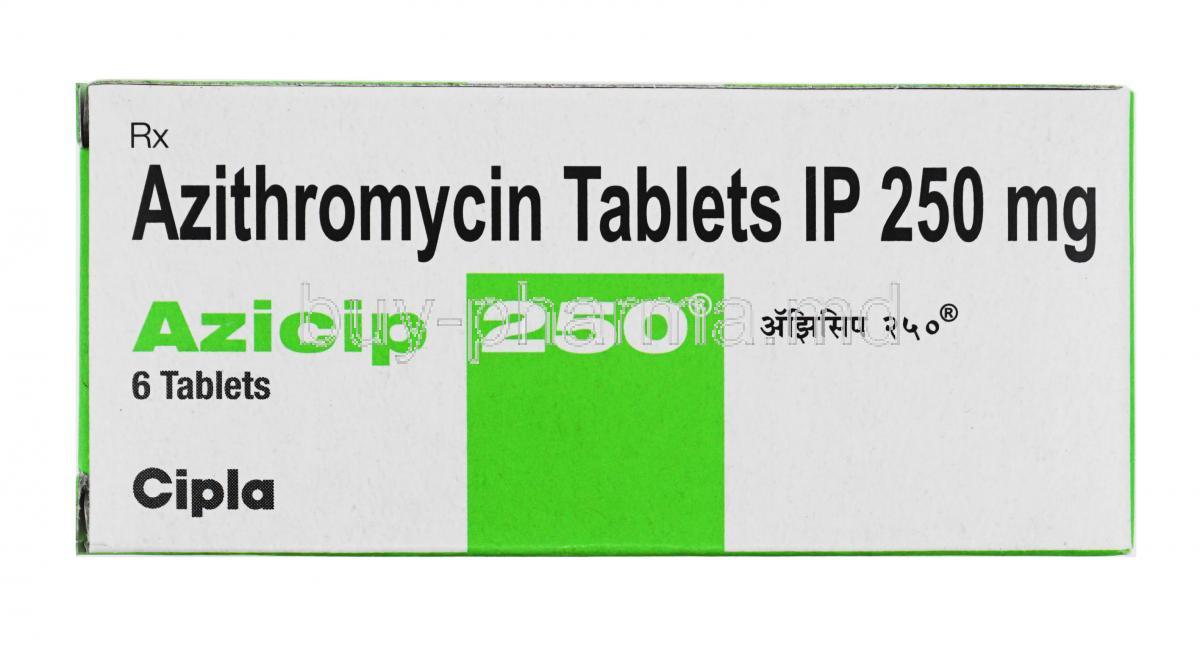
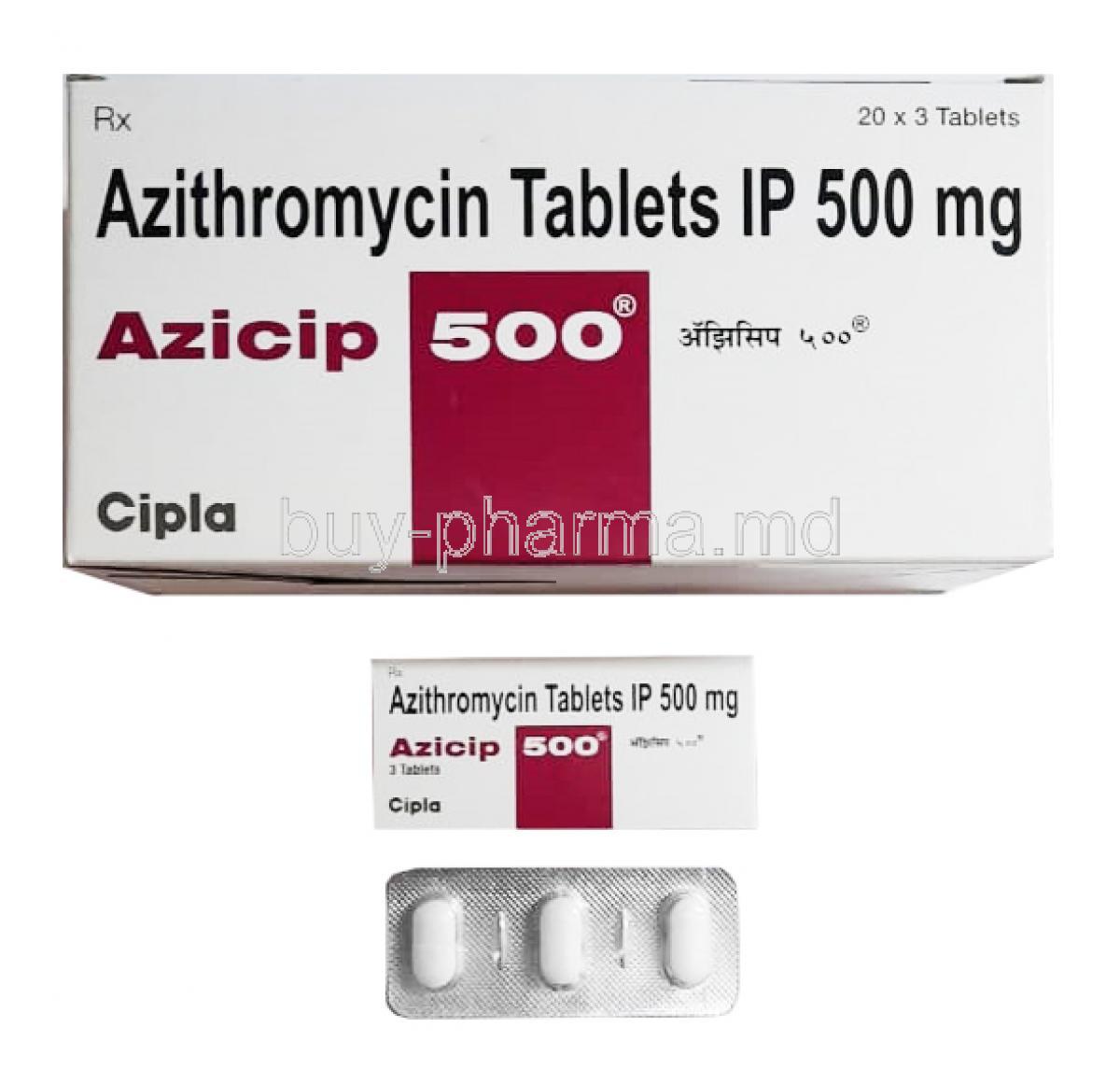
- Film-coated tablets for adult use
- Capsules designed for rapid systemic absorption
- Oral suspension formulations suitable for pediatric administration
Inactive excipients are incorporated to ensure stability, palatability, and consistent bioavailability without compromising therapeutic efficacy.
3. How Azicip (Azithromycin) Works
Azithromycin exerts its antibacterial action by binding to the 50S ribosomal subunit of susceptible microorganisms. This interaction inhibits translocation steps in protein synthesis, effectively arresting bacterial growth.
Its activity is primarily bacteriostatic, though bactericidal effects may be observed at higher tissue concentrations or against particularly sensitive organisms.
- Inhibition of bacterial protein synthesis
- Activity against Gram-positive, Gram-negative, and atypical pathogens
- High intracellular and tissue accumulation
4. Approved Uses of Azicip
Azicip is approved for a wide array of bacterial infections, particularly those involving the respiratory system and soft tissues.
Upper Respiratory Tract Infections
- Pharyngitis and tonsillitis caused by susceptible organisms
- Acute bacterial sinusitis
Lower Respiratory Tract Infections
- Acute exacerbations of bronchitis
- Community-acquired pneumonia, including atypical pathogens
Other Approved Indications
- Skin and soft tissue infections
- Otitis media in pediatric and adult patients
- Sexually transmitted infections such as chlamydial urethritis and cervicitis
5. Off-Label Uses of Azicip
Beyond its approved indications, azithromycin is employed in several off-label contexts where its immunomodulatory and antimicrobial properties provide clinical benefit.
- Management of atypical mycobacterial infections
- Adjunctive therapy in Helicobacter pylori eradication regimens
- Prophylaxis against opportunistic infections in immunocompromised individuals
- Anti-inflammatory applications in chronic respiratory diseases
- Use in inflammatory dermatological conditions such as acne and rosacea
6. Dosage and Administration Guidelines
Azicip is commonly administered once daily, reflecting its extended half-life and sustained tissue concentrations. Standard adult regimens often involve short treatment durations, typically ranging from three to five days.
The medication may be taken with or without food, although administration with meals can mitigate gastrointestinal discomfort in sensitive individuals.
- Once-daily dosing for improved adherence
- Short-course therapy with durable antimicrobial activity
- Completion of the full prescribed course is essential to prevent resistance
7. Administration to Special Populations
7.1 Administration to Elderly Patients
In older adults, pharmacokinetic parameters generally remain stable. However, age-associated comorbidities necessitate careful evaluation.
- Assessment of hepatic and renal function
- Consideration of cardiac rhythm abnormalities
- Electrocardiographic monitoring in high-risk individuals
7.2 Administration to Pregnant Women and Nursing Mothers
Azithromycin is commonly regarded as having a favorable safety profile during pregnancy when clinically indicated. Risk–benefit assessment remains paramount.
During lactation, minimal amounts of the drug are excreted into breast milk, and adverse effects in nursing infants are uncommon.
7.3 Administration to Children
Pediatric dosing is weight-based to ensure therapeutic effectiveness while minimizing adverse reactions. Oral suspension formulations facilitate accurate dosing in infants and young children.
- Weight-adjusted dosing protocols
- High acceptability due to palatable suspension formulations
- Established safety record in pediatric populations
8. Side Effects of Azicip
Like all antibiotics, Azicip may produce adverse effects, though most are mild and self-limiting. The incidence varies according to dosage, duration, and individual susceptibility.
- Predominantly gastrointestinal in nature
- Rare but clinically significant systemic reactions
9. Common Side Effects
The most frequently reported side effects involve the gastrointestinal and nervous systems. These reactions are generally transient.
- Nausea, diarrhea, and abdominal discomfort
- Headache and episodic dizziness
- Mild, reversible skin eruptions
10. Less Common or Serious Side Effects
While azithromycin is generally well tolerated, certain infrequent yet clinically significant adverse reactions may occur. These events warrant heightened vigilance, particularly in patients with predisposing risk factors.
QT Interval Prolongation and Cardiac Arrhythmias
Azithromycin has been associated with prolongation of the QT interval, a phenomenon that may precipitate malignant arrhythmias in susceptible individuals.
- Torsades de pointes in patients with underlying cardiac disease
- Increased risk when electrolyte disturbances are present
- Heightened susceptibility in elderly patients
Hepatic Dysfunction and Elevated Liver Enzymes
Transient elevations in hepatic transaminases have been observed, alongside rare instances of clinically apparent liver injury.
- Cholestatic or hepatocellular patterns of injury
- Symptoms may include jaundice, dark urine, and fatigue
Hypersensitivity Reactions
Immunologically mediated reactions, although uncommon, can manifest abruptly and require prompt intervention.
- Angioedema and urticaria
- Severe cutaneous adverse reactions, including Stevens–Johnson syndrome
Clostridioides difficile–Associated Diarrhea
Alteration of normal intestinal flora may lead to overgrowth of Clostridioides difficile, resulting in antibiotic-associated colitis.
- Persistent or severe diarrhea during or after therapy
- Risk increases with prolonged or repeated antibiotic exposure
11. Drug and Food Interactions
Azithromycin demonstrates a comparatively favorable interaction profile; however, clinically relevant interactions can still occur.
Interaction with Antacids and Absorption Effects
Concomitant administration with aluminum- or magnesium-containing antacids may reduce peak serum concentrations.
- Staggered dosing is recommended to maintain efficacy
Interaction with Anticoagulants and Cardiac Medications
Azithromycin may potentiate the effects of certain anticoagulants and antiarrhythmic agents.
- Enhanced anticoagulant response requiring monitoring
- Potential amplification of cardiac conduction abnormalities
Effects When Combined with Other QT-Prolonging Drugs
Concurrent use with medications known to prolong the QT interval may increase arrhythmic risk.
- Class IA and III antiarrhythmics
- Certain antipsychotics and fluoroquinolones
12. Warnings and Safety Information
Specific safety considerations should be addressed prior to initiating azithromycin therapy to minimize adverse outcomes.
- Increased risk of cardiac events in patients with known arrhythmias
- Cautious use in individuals with pre-existing hepatic impairment
- Judicious prescribing to mitigate the development of antibiotic resistance
13. Contraindications
Azithromycin is contraindicated in certain clinical scenarios where the potential risks outweigh therapeutic benefits.
- Known hypersensitivity to azithromycin or other macrolide antibiotics
- Previous history of azithromycin-associated cholestatic jaundice or hepatic dysfunction
- Severe cardiac rhythm disorders with documented QT prolongation
14. Careful Administration and Important Precautions
Appropriate patient selection and monitoring are essential to ensure safe and effective use.
- Regular assessment of liver and renal function in at-risk patients
- Avoidance of unnecessary or inappropriate antibiotic use
- Prompt recognition of superinfection signs such as fungal overgrowth
15. Overdose Information
Overdose with azithromycin may lead to an exaggeration of its known adverse effects.
Symptoms of Azithromycin Overdose
- Severe gastrointestinal upset
- Reversible hearing disturbances
Recommended Supportive Management
Management is primarily supportive and symptomatic, as no specific antidote is available.
- Maintenance of adequate hydration
- Monitoring of cardiac and hepatic function
When to Seek Medical Attention
Immediate medical evaluation is advised if severe symptoms or cardiac irregularities occur.
16. Storage and Stability
Proper storage is essential to preserve the stability and potency of azithromycin formulations.
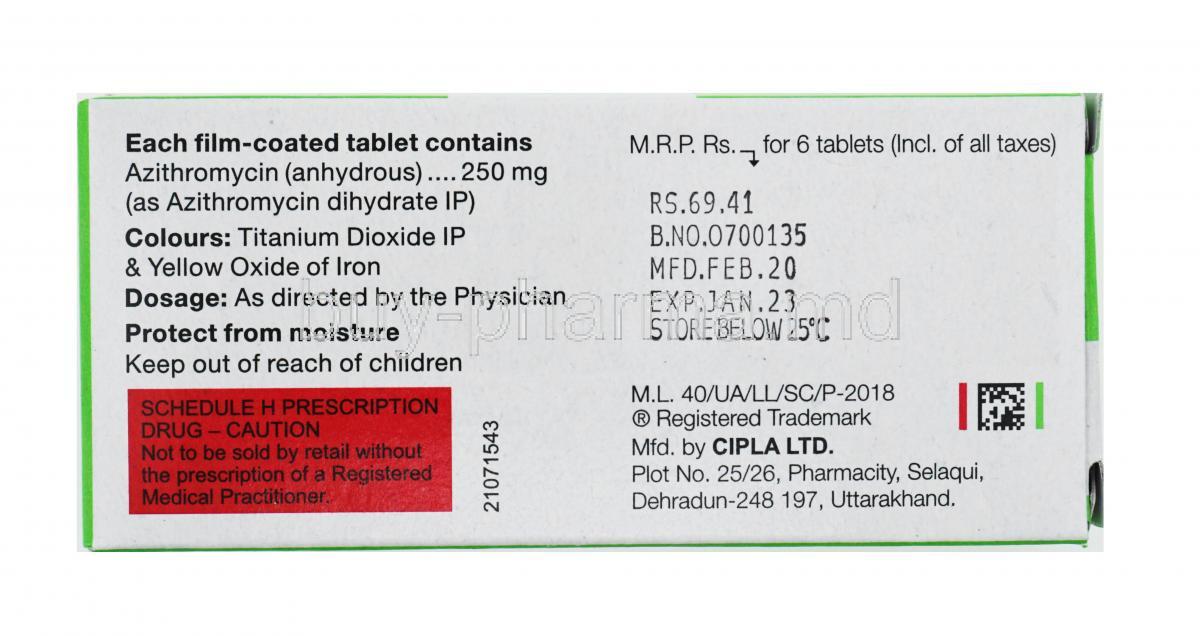
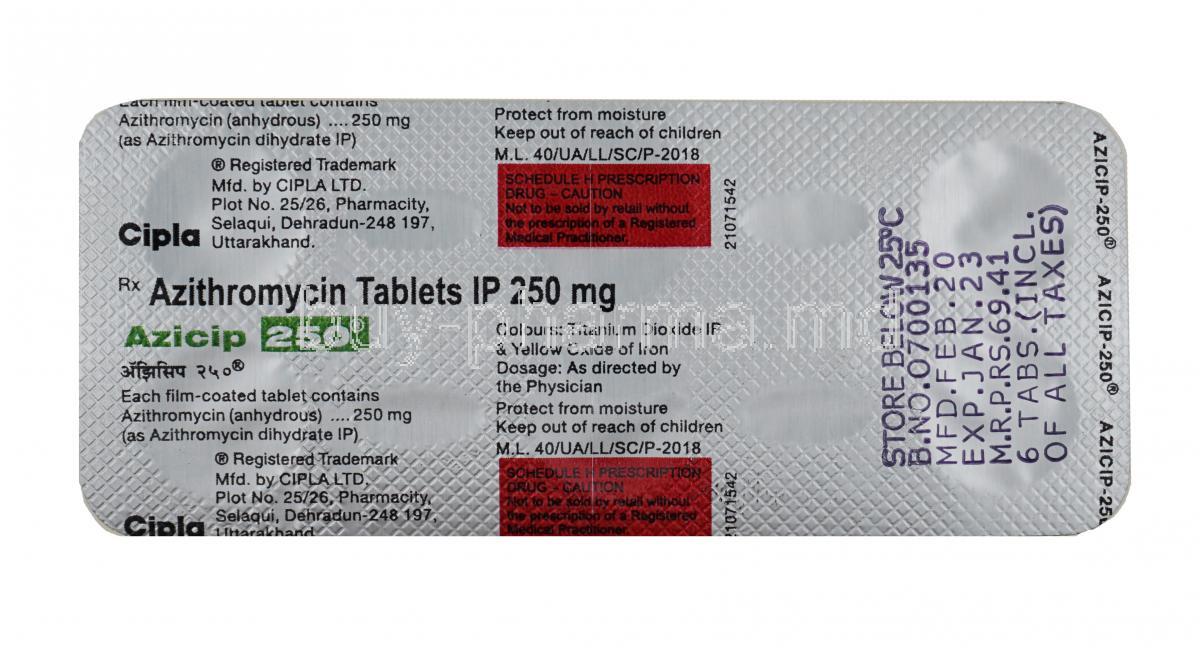
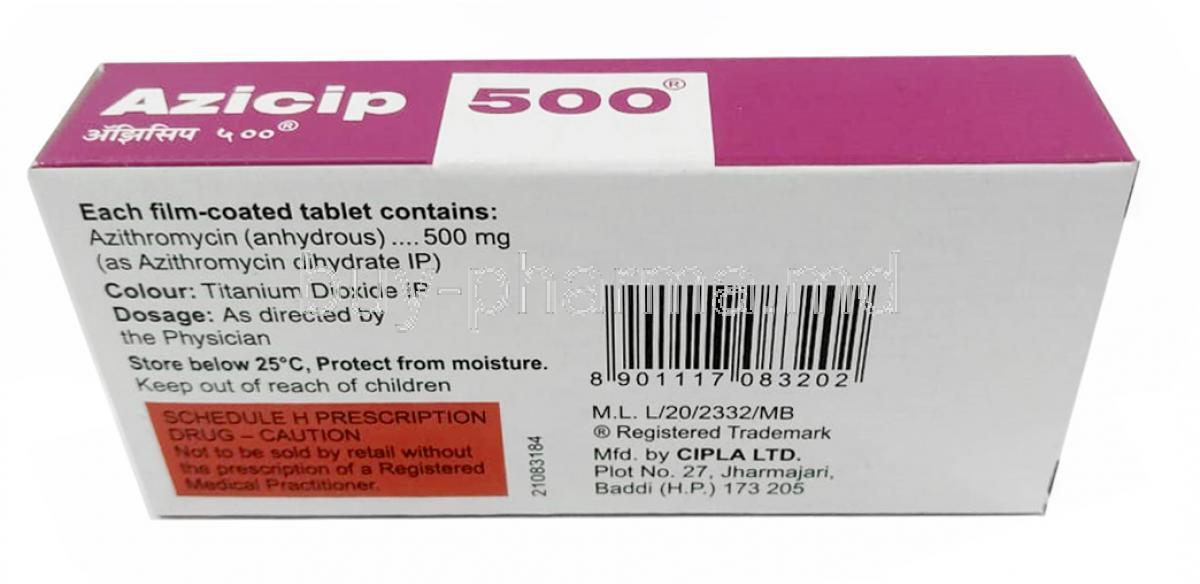
- Store tablets and capsules at controlled room temperature
- Protect from excessive heat and moisture
Shelf Life of Tablets and Oral Suspension
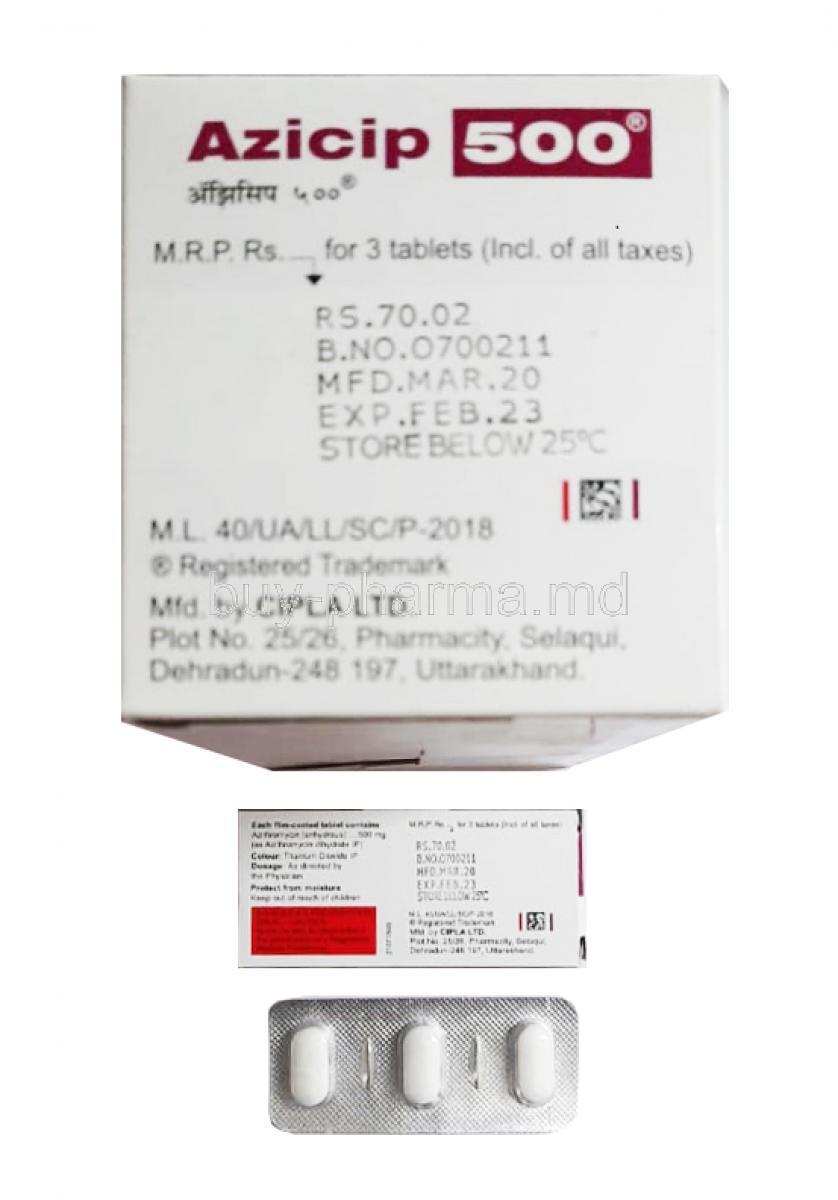
Each formulation has a defined shelf life as indicated on the packaging, which should be strictly observed.
Handling of Reconstituted Suspension
Reconstituted oral suspensions should be used within the recommended time frame and stored as directed.
17. Handling Precautions
Adherence to proper handling practices ensures accurate dosing and minimizes contamination risks.
- Careful dispensing using calibrated measuring devices
- Avoidance of direct contact with moisture
- Appropriate disposal of unused or expired medication

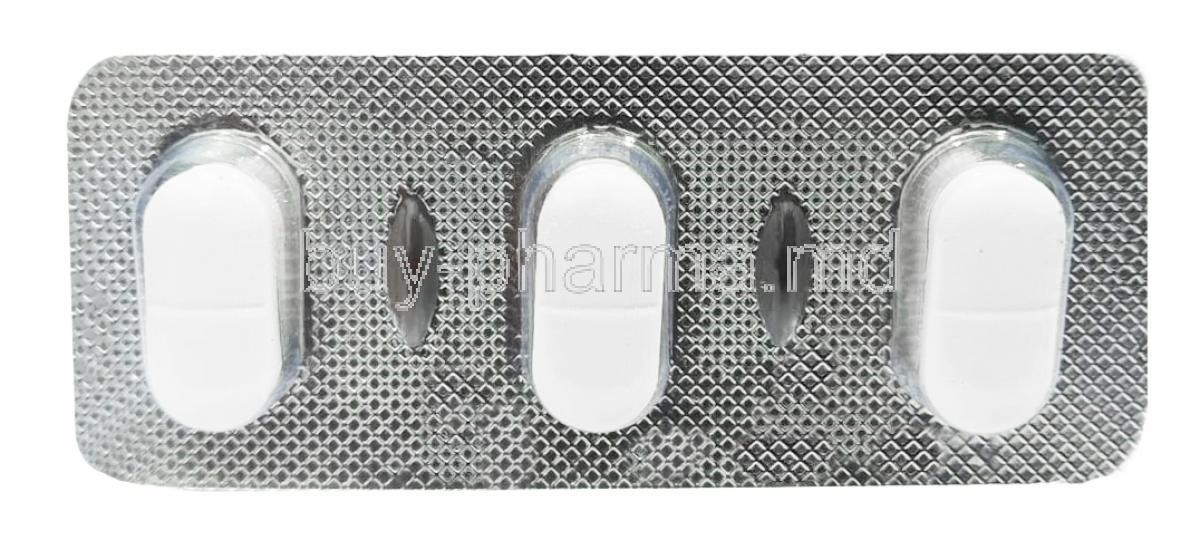
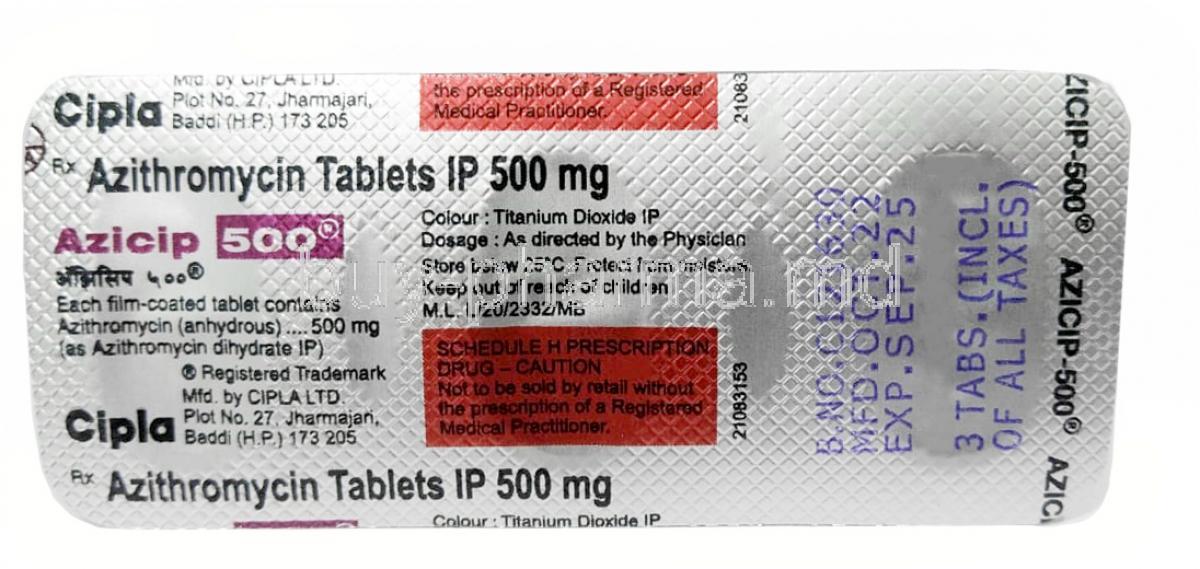
 Verified Purchase
Thank You !!
Very Fast Delivery Even With The Covid Nonsense Going On -
This was purchased as a use as needed product - not needed yet, but am confident it will 'do the trick' if and when it is -
Thank You For the Availability and Fast Shipment -
I Plan on Ordering the same Order As Soon As Finances Allow !!
Again - Thank You For the Availability and The Prompt Shipment
I Have Highly Recommended Your Site and Products To Many Others and Will Continue to Do So -
Azicip, Azithromycin FAQ
- Is azicip 500 good for a sore throat?
- Is azithromycin a strong antibiotic?
- Is azithromycin safe during breastfeeding?
- Are azicip and azithromycin the same?
- How quickly does Azicip start working?
- What should I avoid while taking Azicip 500?
- What should I avoid while taking azithromycin?
- Is 3 days of azithromycin enough?
- Which is more safe, azithromycin or amoxicillin?
- What are the serious side effects of azithromycin?
- How long does azithromycin stay in your system?
- What should I tell my doctor before taking azithromycin?
- How long do azithromycin side effects last?
- Is Azicip 500 safe for everyone?
- Why do you have to wait 7 days after azithromycin?
- What are the side effects of azicip 500mg?
- How will I know if azithromycin is working?
- What food to avoid with azithromycin?
- Can I take paracetamol while taking azithromycin?
- Who cannot use azithromycin?
- What is the number one side effect of azithromycin?
- How long does azithromycin keep working in your body?
- What infections does azithromycin treat?
- Can I take azithromycin with prednisone?
- Why did my doctor prescribe azithromycin instead of amoxicillin?
- What antibiotic is similar to azithromycin?
- What organ does azithromycin affect?
- Does azithromycin raise blood sugar?
- Why is azithromycin only used for 3 days?
- Can I take 2 azithromycin 500 in a day?
- What is the main side effect of azithromycin?
- What happens if you take azithromycin on an empty stomach?
- Is azicip 500 good for a sore throat?
- Is azithromycin a strong antibiotic?
- Is azithromycin safe during breastfeeding?
- Are azicip and azithromycin the same?
- How long does azithromycin stay in your system?
- How long do azithromycin side effects last?
- Is Azicip 500 safe for everyone?
- Can I take paracetamol while taking azithromycin?
- Can I take azithromycin with prednisone?
- Why did my doctor prescribe azithromycin instead of amoxicillin?
Is azicip 500 good for a sore throat?
Azicip 500 Tablet is used to treat bacterial infections of the respiratory tract, ear, nose, throat, lungs, skin, and eye in adults and children. It is also effective in typhoid fever and some sexually transmitted diseases.
Is azithromycin a strong antibiotic?
Yes
Is azithromycin safe during breastfeeding?
Not recommended
Are azicip and azithromycin the same?
Yes
How quickly does Azicip start working?
After the first dose
What should I avoid while taking Azicip 500?
- antacids for indigestion
- ergotamine or dihydroergotamine – for migraine
- warfarin, to help prevent blood clots
- ciclosporin or tacrolimus
What should I avoid while taking azithromycin?
- Antacids
Is 3 days of azithromycin enough?
It depends on the infection being treated.
Which is more safe, azithromycin or amoxicillin?
Azithromycin is better tolerated and has fewer side effects.
What are the serious side effects of azithromycin?
Risk of serious heart or blood vessel problems
How long does azithromycin stay in your system?
16 days
What should I tell my doctor before taking azithromycin?
- Allergic reaction to azithromycin or any other medicine
- liver or kidney problems
- heart problems, including irregular heartbeats (arrhythmia)
- ever had diarrhoea when you have taken antibiotics before
How long do azithromycin side effects last?
3-7 days
Is Azicip 500 safe for everyone?
Yes
Why do you have to wait 7 days after azithromycin?
To prevent spreading
What are the side effects of azicip 500mg?
- Stomachache
- Diarrhea
- Nasea
- Headache
How will I know if azithromycin is working?
You should begin to feel better during the first few days of treatment with azithromycin
What food to avoid with azithromycin?
Alcohol
Can I take paracetamol while taking azithromycin?
Yes
Who cannot use azithromycin?
- Hypersensitivity of azithromycin or another macrolide
What is the number one side effect of azithromycin?
Nausea
How long does azithromycin keep working in your body?
15 days
What infections does azithromycin treat?
- Chest infections
- Sinus infections
- Lyme disease
- STDs
Can I take azithromycin with prednisone?
Yes
Why did my doctor prescribe azithromycin instead of amoxicillin?
Because azithromycin is taken less frequently and typically for a shorter amount of time.
What antibiotic is similar to azithromycin?
- Erythromycin
- Clarithromycin
What organ does azithromycin affect?
Liver
Does azithromycin raise blood sugar?
Yes
Why is azithromycin only used for 3 days?
Long half-life
Can I take 2 azithromycin 500 in a day?
Yes
What is the main side effect of azithromycin?
Agioedema
What happens if you take azithromycin on an empty stomach?
Faster absorption
Is azicip 500 good for a sore throat?
Yes
Is azithromycin a strong antibiotic?
Yes
Is azithromycin safe during breastfeeding?
Not recommended
Are azicip and azithromycin the same?
Yes
How long does azithromycin stay in your system?
16 days
How long do azithromycin side effects last?
3-7 days
Is Azicip 500 safe for everyone?
Yes
Can I take paracetamol while taking azithromycin?
Yes
Can I take azithromycin with prednisone?
Yes
Why did my doctor prescribe azithromycin instead of amoxicillin?
Because azithromycin is taken less frequently and typically for a shorter amount of time
Customers also bought

Popular Products
Similar Product