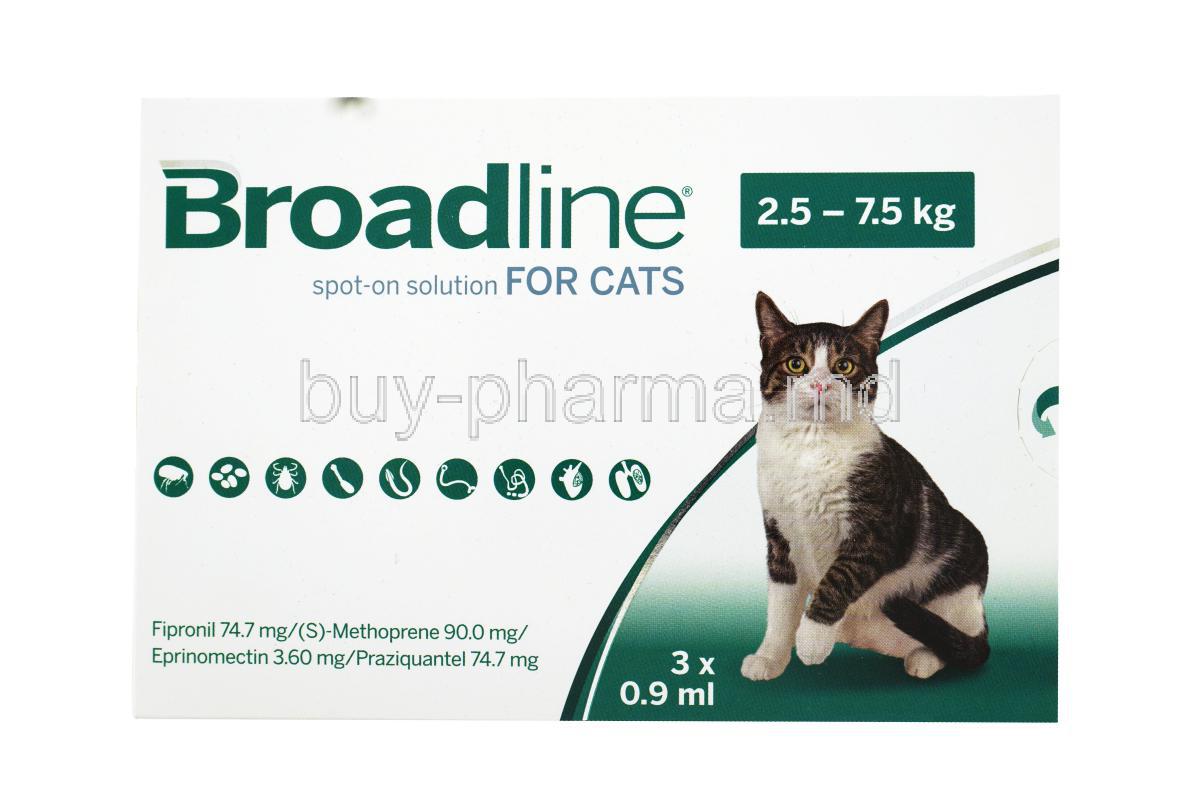
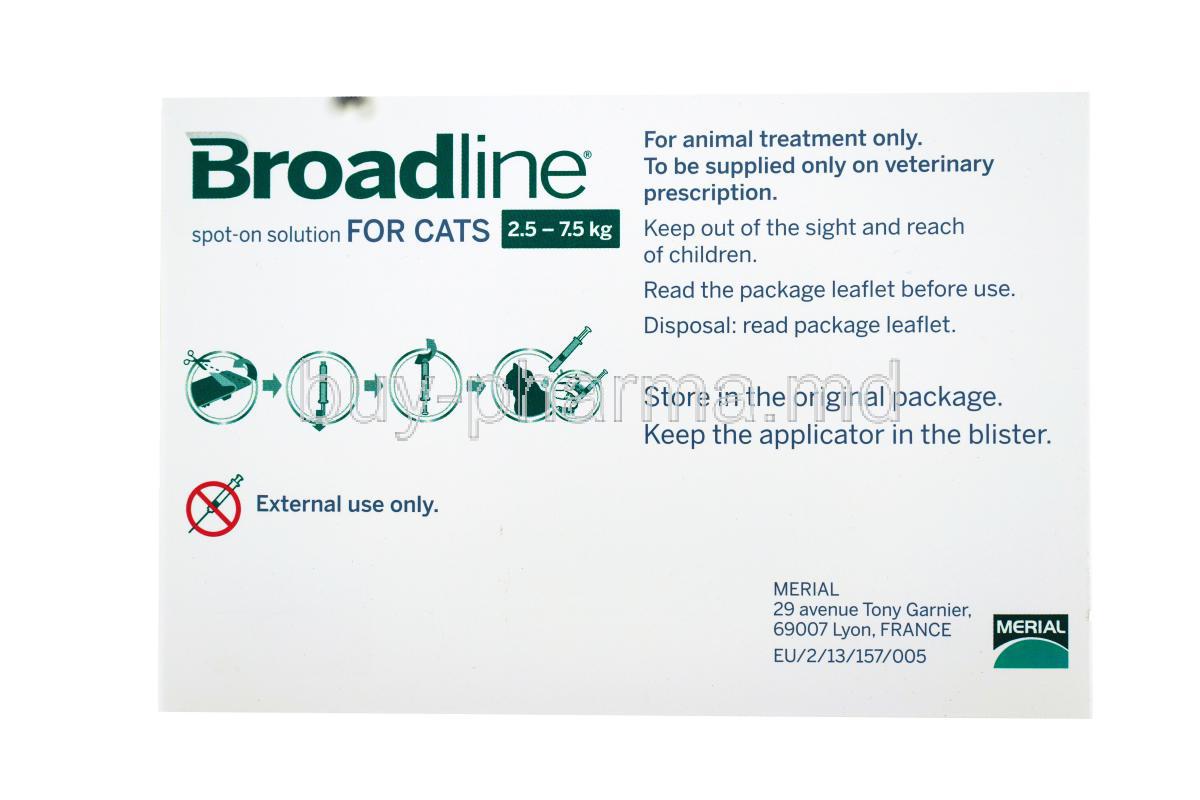
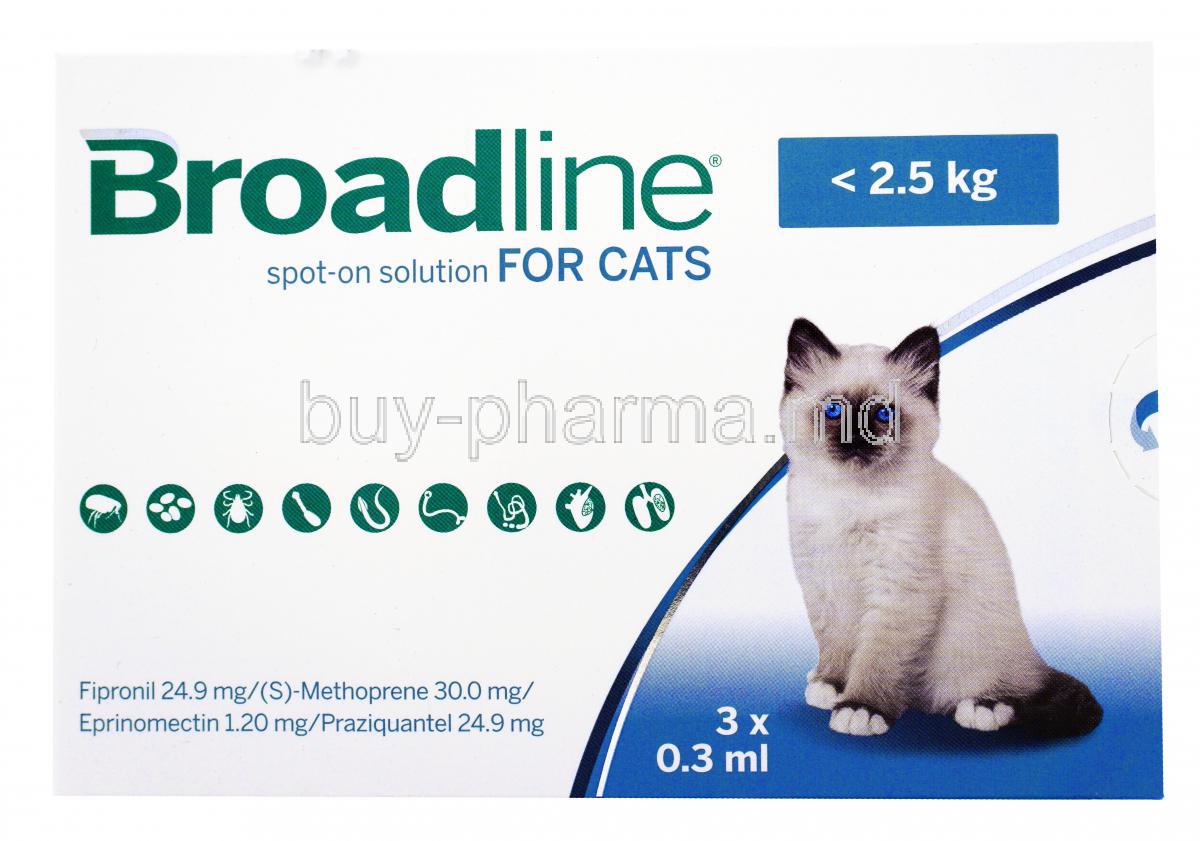
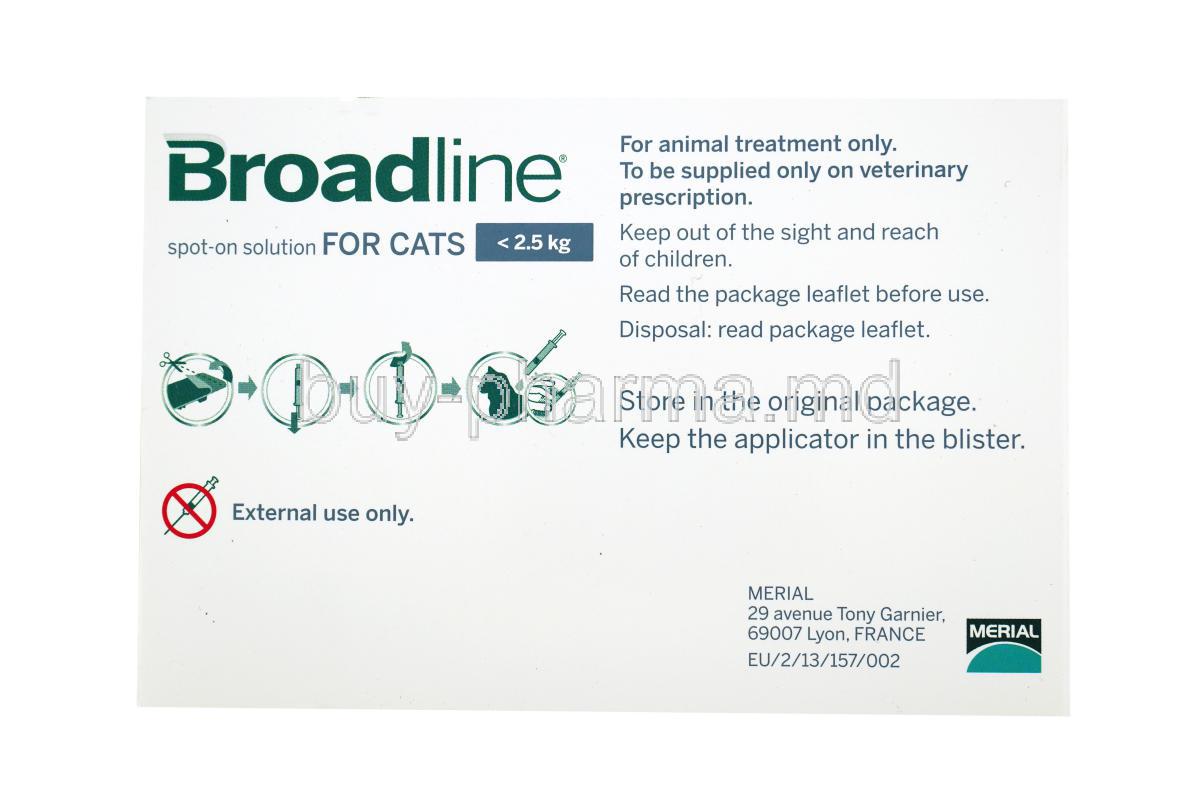
Introduction to Broadline Spot On Solution for Cats
Broadline Spot On Solution for Cats is a modern topical antiparasitic formulation designed to address the multifaceted parasite burden commonly encountered in feline patients. Applied directly to the skin, it delivers targeted efficacy while minimizing systemic exposure. The product occupies a distinctive position within contemporary veterinary parasitology due to its wide spectrum of activity.
From a therapeutic standpoint, Broadline is classified as a combination antiparasitic agent. It is routinely employed in veterinary practice for both curative and preventive purposes. Broad-spectrum parasite control is not merely convenient; it is essential. Cats may harbor multiple internal and external parasites simultaneously, often without overt clinical signs.
- Reduces parasite-related morbidity
- Supports long-term feline health and comfort
- Plays a role in zoonotic risk reduction
Broadline is therefore indicated for routine monthly parasite prevention as well as targeted treatment when infestation is confirmed or suspected.
What Is Broadline Spot On Solution?
Broadline is a topical spot-on solution supplied in single-dose applicators. The formulation is designed for easy administration and precise dosing, reducing variability in treatment outcomes.
The product is approved exclusively for cats and is indicated for the treatment and control of both ectoparasites and endoparasites. This dual activity differentiates Broadline from single-agent products that address only fleas or only intestinal worms.
Unlike monotherapy antiparasitics, Broadline integrates multiple active compounds within one application. While some regions require veterinary prescription, in many settings it is used under veterinary guidance, ensuring appropriate selection based on the cat’s health status and parasite risk profile.
Composition and Active Ingredients
Broadline combines four pharmacologically distinct active ingredients, each contributing to its comprehensive antiparasitic coverage.
Fipronil: Insecticidal Activity and Ectoparasite Control
Fipronil exerts potent insecticidal and acaricidal effects by disrupting gamma-aminobutyric acid (GABA)-mediated neurotransmission in parasites. This results in rapid paralysis and death of fleas and ticks upon contact.
(S)-Methoprene: Insect Growth Regulator
(S)-Methoprene is a synthetic analogue of juvenile hormone. It prevents flea eggs and larvae from maturing, thereby interrupting the flea life cycle and reducing environmental reinfestation.
Eprinomectin: Endoparasite Control Spectrum
Eprinomectin is a macrocyclic lactone with activity against a range of nematodes. Following transdermal absorption, it provides systemic control of roundworms and hookworms.
Praziquantel: Cestode Coverage
Praziquantel targets cestodes by altering calcium ion permeability in parasite membranes, leading to muscular contraction and disintegration of tapeworms within the host.
Role of Excipients and Solvent System
The excipient matrix facilitates skin penetration, stabilizes the active ingredients, and ensures uniform distribution across the skin surface without excessive residue.
How Broadline Works (Mechanism of Action)
Broadline employs a synergistic pharmacological strategy. Each component targets a different parasite class or life stage, resulting in comprehensive eradication.
The formulation acts against:
- Adult parasites on the skin or in the gastrointestinal tract
- Developing larvae and eggs
- Immature stages that perpetuate reinfestation
Some ingredients remain largely topical, while others are systemically absorbed through the skin. This dual distribution ensures both immediate surface protection and sustained internal activity.
Residual efficacy typically extends for several weeks, supporting monthly dosing schedules in preventive care programs.
Uses of Broadline Spot On Solution for Cats
Broadline is indicated for a wide array of parasitic conditions in cats.
- Treatment and prevention of flea infestations
- Control of tick species affecting cats
- Elimination of gastrointestinal roundworms and hookworms
- Treatment of tapeworm infections
- Control of ear mites (Otodectes cynotis)
Its versatility makes it particularly suitable for integrated parasite management in multi-pet households, where cross-contamination is a persistent concern.
Off-Label and Extended Uses
Under veterinary supervision, Broadline may be considered in cats with complex or recurrent parasitic burdens. Such cases often involve overlapping infestations that are insufficiently managed by narrower-spectrum agents.
In high-risk environments, including outdoor access or endemic parasite regions, Broadline may be incorporated into enhanced preventive protocols. Shelters and rescue organizations may also utilize the product as part of structured parasite control programs, provided veterinary oversight is maintained.
Dosage and Administration Guidelines
Dosing is determined by the cat’s body weight, with each applicator formulated to deliver an appropriate amount of active ingredients. Accuracy is critical.
General administration principles include:
- Once-monthly application
- Topical use only
- Application to intact skin at the base of the skull
The fur should be parted to ensure direct skin contact. After application, the site should be left undisturbed, and grooming should be discouraged until the solution has dried. If a dose is missed, it should be administered as soon as remembered, then the regular schedule resumed.
Administration in Special Populations
Administration to Elderly Cats
Senior cats may exhibit altered drug metabolism and increased skin fragility. While Broadline is generally well tolerated, closer observation is advisable. A careful risk–benefit assessment helps ensure safety in this population.
Administration to Pregnant Cats and Nursing Mothers
Available data suggest an acceptable safety margin when used as directed. Nevertheless, use during pregnancy or lactation should occur only after veterinary evaluation, weighing potential benefits against theoretical risks.
Administration to Kittens (Pediatric Use)
Broadline is approved only for kittens meeting minimum age and weight thresholds. Immature hepatic and neurological systems necessitate strict adherence to labeling guidelines and careful monitoring after application.
Side Effects and Safety Profile
Broadline is widely regarded as well tolerated in cats when used appropriately. Adverse reactions, when they occur, are typically mild and transient.
Side effects may be local or systemic, depending on individual sensitivity and exposure.
Common Side Effects
- Mild skin irritation at the application site
- Temporary hair loss or greasiness
- Transient itching or erythema
- Mild gastrointestinal disturbances
Less Common or Serious Side Effects
- Hypersensitivity reactions
- Neurological signs such as lethargy or tremors
- Excessive salivation, often due to licking the application site
Any severe or persistent signs warrant prompt veterinary attention.
Drug and Product Interactions
Concurrent use with other antiparasitic agents may increase the risk of additive toxicity, particularly with products sharing similar mechanisms of action. Vaccines can generally be administered alongside Broadline, though spacing treatments may be prudent in sensitive individuals.
Use with medicated shampoos or topical therapies should be carefully timed, as excessive bathing may reduce topical efficacy. A coordinated parasite control plan developed with a veterinarian ensures optimal outcomes and minimizes unnecessary exposure.
Warnings and Contraindications
Warnings
Broadline Spot On Solution for Cats should be used judiciously, particularly in animals with pre-existing medical conditions. Cats with chronic systemic illnesses, compromised hepatic or renal function, or neurological disorders may exhibit altered tolerance to antiparasitic agents. In such cases, individualized veterinary assessment is essential before initiation.
Use is not recommended in debilitated or acutely ill cats. Physiological stress, fever, or concurrent disease may amplify the likelihood of adverse reactions or diminish therapeutic predictability. Stabilization of the underlying condition should precede antiparasitic treatment.
Environmental and household safety considerations are equally important. The formulation is intended strictly for topical veterinary use and should be kept out of reach of children. Treated cats should be prevented from contact with household surfaces until the application site has fully dried to minimize unintended exposure.
Contraindications
Broadline is contraindicated in cats with known hypersensitivity to any of its active ingredients or excipients. Previous allergic reactions, even if mild, warrant avoidance of re-exposure.
- Do not use in kittens below the approved minimum age or body weight
- Avoid administration in animals outside labeled indications
- Strict species specificity applies
The product is formulated exclusively for cats. Use in other species, including dogs or small mammals, is contraindicated due to the risk of serious toxicity.
Careful Administration and Important Precautions
Meticulous administration technique is fundamental to safety. The solution should be applied to an area the cat cannot readily groom, typically at the base of the skull. This reduces the risk of oral ingestion, which may result in hypersalivation or gastrointestinal upset.
During the drying period, treated cats should be separated from other pets to prevent cross-licking or accidental ingestion. This precaution is particularly relevant in multi-cat households where social grooming is common.
Human exposure should be minimized. Direct contact with the application site should be avoided until dry, and hands should be washed thoroughly after application. Accidental contact with skin or eyes should be rinsed promptly with water.
In households with multiple cats, treatment schedules should be coordinated. Simultaneous application reduces the risk of reinfestation and limits inter-animal exposure during grooming behavior.
Overdosage Information
Overdosage may occur due to inappropriate dosing, accidental reapplication, or exposure through grooming of another treated animal. Clinical signs vary in severity depending on the extent of exposure and individual sensitivity.
Potential manifestations include:
- Marked hypersalivation
- Lethargy or agitation
- Tremors or other neurological signs
- Gastrointestinal disturbances
Pet owners should immediately prevent further exposure by separating affected animals and gently wiping any residual product from the fur if feasible. Veterinary advice should be sought without delay.
Veterinary management is primarily supportive. Treatment may involve symptomatic care, monitoring of neurological status, and supportive fluid therapy where indicated. There is no specific antidote, making early intervention critical.
Handling Precautions
Safe handling practices protect both animals and humans. Applicators should be opened carefully, avoiding contact with the contents. Protective gloves may be used, particularly by individuals with sensitive skin.
After application, used applicators should be disposed of responsibly. They should not be reused, punctured, or discarded in open household waste accessible to children or animals.
Environmental stewardship should be observed. Residual product and packaging must not contaminate water sources, as antiparasitic compounds may pose ecological risks to aquatic organisms.
Storage and Shelf-Life Information
Broadline should be stored in its original packaging under controlled conditions. Optimal storage involves a cool, dry location away from direct sunlight and excessive heat.
Exposure to moisture, light, or high temperatures may compromise formulation stability and efficacy. Refrigeration is not required unless explicitly stated by the manufacturer.
Each applicator carries an expiration date that reflects the validated shelf life of the product. Expired units should not be used and must be disposed of in accordance with local regulations to ensure safety and environmental protection.
Broadline Spot On Solution for Cats FAQ
Popular Products
Similar Product