1. Introduction to Calora Lotion
1.1 Overview of Calora Lotion
Calora Lotion is a topical dermatological preparation designed to relieve irritated, inflamed, and dry skin. It is commonly used in clinical and home settings to soothe cutaneous discomfort and restore skin hydration. The formulation is designed to penetrate the superficial layers of the epidermis and provide localized therapeutic benefits without significant systemic exposure.
Patients often use this lotion for various dermatological conditions characterized by redness, itching, and dryness. It functions as both a therapeutic and protective skin treatment. By maintaining the skin’s natural barrier, Calora Lotion helps reduce environmental irritation and promotes improved skin resilience.
- Soothes irritated skin
- Helps restore moisture balance
- Supports skin barrier recovery
- Provides localized dermatological relief
1.2 Therapeutic Classification and Dermatological Category
Calora Lotion belongs to the category of topical dermatological agents commonly used to manage inflammatory skin conditions and skin barrier dysfunction. These formulations are designed to act directly on the affected area of skin while minimizing systemic absorption.
Within dermatology, lotions are often preferred when treating large surface areas or mildly inflamed skin due to their lightweight consistency and superior spreadability. The fluid nature of the lotion allows uniform distribution across the skin surface, ensuring consistent therapeutic coverage.
- Topical dermatological preparation
- Anti-inflammatory skin care agent
- Moisturizing and barrier-support therapy
1.3 Key Active Ingredients and Their Clinical Purpose
The therapeutic performance of Calora Lotion is derived from its active dermatological components. These ingredients are selected for their ability to reduce inflammation, calm irritated skin, and restore normal skin physiology.
The formulation typically includes agents that provide moisturizing effects, anti-inflammatory properties, and in some cases mild antimicrobial support. Together, these ingredients help mitigate irritation and accelerate the restoration of healthy skin.
- Anti-inflammatory components to reduce redness
- Hydrating agents that improve moisture retention
- Skin protectants that reinforce the epidermal barrier
1.4 Conditions Commonly Treated With Calora Lotion
Calora Lotion is used to treat a variety of dermatological conditions associated with skin inflammation and dryness. It is particularly beneficial for individuals experiencing persistent irritation or compromised skin barrier function.
Healthcare professionals often recommend it as a supportive treatment alongside other dermatological therapies.
- Dry skin and xerosis
- Dermatitis and mild inflammatory skin disorders
- Pruritus (itching)
- Allergic skin reactions
- Eczema-related irritation
1.5 Importance of Proper Topical Skin Care Treatment
Appropriate topical therapy plays a pivotal role in maintaining skin health. The epidermis acts as the body’s primary protective barrier against pathogens, allergens, and environmental toxins. When this barrier becomes compromised, inflammation and irritation may develop.
Consistent use of dermatological treatments such as Calora Lotion can:
- Promote epidermal repair
- Reduce inflammatory responses
- Enhance hydration levels
- Improve overall skin integrity
2. Composition and Pharmaceutical Formulation
2.1 Active Ingredients in Calora Lotion
The therapeutic activity of Calora Lotion depends on its pharmacologically active compounds. These ingredients are formulated to interact with skin tissues and address underlying causes of irritation and dryness.
Active dermatological agents typically function to calm inflammatory responses and improve hydration in compromised skin. The precise formulation may vary depending on the manufacturer, but the core objective remains consistent: restoring skin comfort and stability.
2.2 Role of Each Active Component in Skin Therapy
Each active ingredient within Calora Lotion serves a specific dermatological purpose. Together, these compounds create a synergistic therapeutic effect that supports skin recovery.
- Anti-inflammatory agents help reduce redness and swelling
- Humectants draw moisture into the skin layers
- Protective agents strengthen the skin barrier
- Soothing compounds alleviate irritation and discomfort
This coordinated mechanism allows the lotion to address multiple aspects of skin dysfunction simultaneously.
2.3 Inactive Ingredients and Formulation Stabilizers
In addition to active components, Calora Lotion contains several inactive ingredients that enhance stability, consistency, and shelf life. These excipients ensure that the lotion maintains its therapeutic potency throughout storage and use.
Inactive ingredients may include emulsifiers, preservatives, and stabilizing agents that maintain uniform dispersion of active compounds. These components also improve the sensory experience of the lotion, allowing for smooth and comfortable application.
2.4 Dermatological Base and Skin Penetration Characteristics
The lotion base is carefully designed to optimize dermal penetration. Unlike heavy creams or ointments, lotions possess a lighter viscosity, allowing them to spread easily across the skin surface and absorb rapidly.
This formulation offers several advantages:
- Enhanced coverage over large skin areas
- Rapid absorption into the epidermis
- Reduced greasy residue
- Improved patient compliance
These properties make lotions particularly suitable for inflamed or sensitive skin.
2.5 Available Packaging and Strength Variations
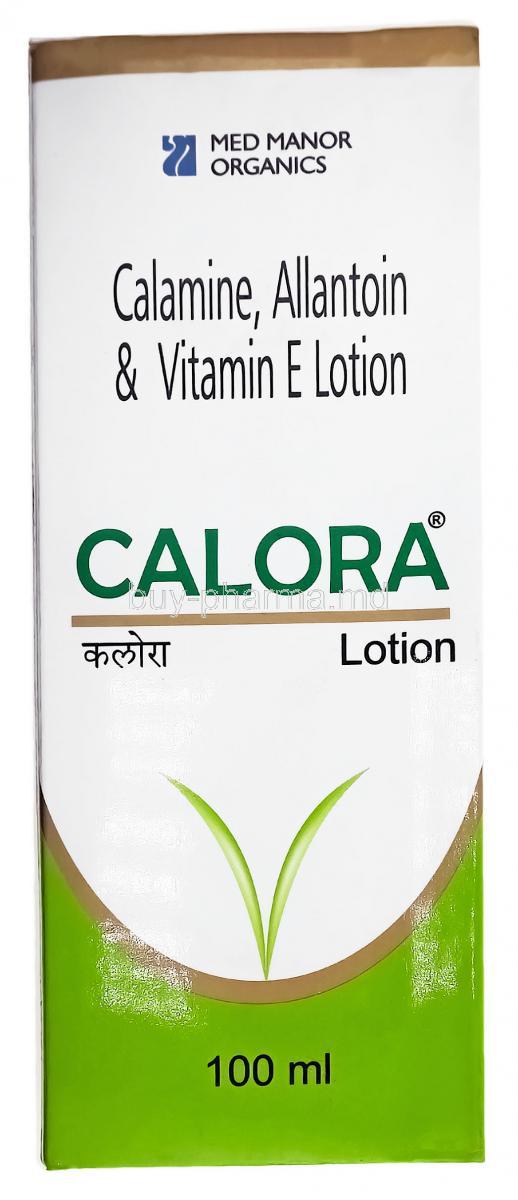
Calora Lotion is typically supplied in hygienic containers designed to preserve product stability and minimize contamination. Common packaging formats include bottles or tubes with secure caps or pump dispensers.
Packaging considerations focus on maintaining product integrity and ensuring convenient dosing. Depending on the manufacturer, different container sizes may be available to suit both short-term treatment and long-term skin care management.
3. How Calora Lotion Works (Mechanism of Action)
3.1 Pharmacological Action on the Skin
Calora Lotion acts directly on the skin’s outer layers to reduce irritation and restore normal physiological balance. The active compounds interact with inflammatory pathways in the epidermis, helping suppress the release of mediators that trigger redness and discomfort.
Through topical application, the medication exerts localized pharmacological activity without significant systemic absorption. This targeted action makes it an effective treatment for superficial dermatological conditions.
3.2 Anti-Inflammatory and Skin-Calming Effects
Inflammation is a primary contributor to many skin disorders. Calora Lotion helps mitigate inflammatory responses by stabilizing cellular activity in the affected tissue.
The anti-inflammatory properties of the formulation contribute to several therapeutic outcomes:
- Reduction of redness and swelling
- Relief from burning or itching sensations
- Improved comfort and skin appearance
3.3 Moisturizing and Barrier Restoration Mechanism
Hydration plays a crucial role in maintaining the structural integrity of the skin barrier. Calora Lotion contains moisturizing agents that help retain water within the epidermis and prevent excessive transepidermal water loss.
This hydration process:
- Softens dry or flaky skin
- Promotes healing of minor skin damage
- Enhances flexibility and resilience of the epidermis
3.4 Antimicrobial or Antipruritic Properties (If Applicable)
Certain dermatological formulations may include compounds with antimicrobial or antipruritic activity. These ingredients help reduce the growth of microorganisms on the skin surface and alleviate itching associated with inflammatory skin disorders.
By limiting microbial proliferation and calming nerve endings in the skin, the lotion contributes to improved dermatological outcomes and enhanced patient comfort.
3.5 Absorption and Local Skin Activity
After application, Calora Lotion spreads evenly across the skin and penetrates the superficial layers of the epidermis. The absorption process is influenced by factors such as skin hydration, temperature, and the condition of the skin barrier.
The localized nature of the treatment ensures that the therapeutic effects remain concentrated at the site of application while minimizing systemic exposure.
4. Calora Lotion Uses
4.1 Treatment of Dry and Irritated Skin Conditions
Calora Lotion is widely used to alleviate dry skin conditions characterized by flaking, tightness, and irritation. Environmental factors such as cold weather, excessive washing, and low humidity often contribute to skin dryness.
The lotion helps restore moisture levels and improve skin elasticity, reducing the discomfort associated with xerosis.
4.2 Management of Dermatitis and Inflammatory Skin Disorders
Dermatitis refers to inflammation of the skin resulting from irritants, allergens, or underlying dermatological conditions. Calora Lotion provides symptomatic relief by calming inflammation and protecting the skin barrier.
It may be recommended as part of a broader dermatological treatment plan.
4.3 Relief of Itching and Skin Discomfort
Pruritus, commonly known as itching, is a frequent symptom of skin irritation. Calora Lotion helps soothe irritated nerve endings in the skin and reduce the urge to scratch.
Reducing itching is essential to prevent secondary skin damage caused by repeated scratching.
4.4 Use in Allergic Skin Reactions
Allergic skin reactions may develop after exposure to allergens such as cosmetics, fragrances, or certain fabrics. Calora Lotion helps calm the resulting inflammation and reduce redness associated with allergic responses.
4.5 Supportive Therapy for Eczema and Atopic Dermatitis
Eczema and atopic dermatitis are chronic inflammatory skin disorders characterized by dryness, itching, and recurrent flare-ups. Calora Lotion may be used as supportive therapy to improve hydration and reduce irritation.
Regular use can help maintain skin barrier function and reduce the severity of flare-ups.
5. Off-Label Uses of Calora Lotion
5.1 Use for Mild Psoriasis Symptoms
Although not always specifically indicated for psoriasis, Calora Lotion may help alleviate dryness and irritation associated with mild psoriatic plaques. Its moisturizing properties support skin hydration and improve comfort in affected areas.
5.2 Management of Sunburn and Skin Irritation
Sunburn can cause inflammation, redness, and discomfort. The soothing properties of Calora Lotion may help calm irritated skin and support recovery following excessive sun exposure.
5.3 Supportive Care for Minor Skin Infections
When used alongside appropriate medical treatment, the lotion may help soothe inflamed skin surrounding minor infections. It does not replace antimicrobial therapy but may provide symptomatic relief.
5.4 Treatment of Insect Bite Reactions and Skin Rashes
Insect bites frequently cause localized itching, swelling, and redness. Application of Calora Lotion may help reduce irritation and provide temporary relief from itching sensations.
5.5 Calora lotion for skin whitening
Some individuals use dermatological lotions as part of their routine skin care regimen. Calora Lotion may help maintain skin hydration and protect the skin barrier from environmental stressors.
6. Dosage and Administration Guidelines
6.1 Recommended Application Frequency
Calora Lotion is typically applied to the affected skin area once or several times daily, depending on the severity of symptoms and the recommendation of a healthcare professional.
6.2 How to Use Calora Lotion
Proper application is essential to maximize therapeutic effectiveness.
- Clean and dry the affected skin area
- Apply a thin layer of lotion
- Gently spread over the affected region
- Avoid contact with eyes or mucous membranes
6.3 Amount of Lotion Required Per Application
Only a small amount of lotion is usually necessary to cover the affected skin area. Excessive application does not improve therapeutic outcomes and may increase the risk of irritation.
6.4 Duration of Treatment for Various Skin Conditions
The duration of treatment depends on the underlying condition and its severity. Some skin conditions may improve within several days, while chronic dermatological disorders may require longer periods of supportive treatment.
6.5 Missed Application Instructions
If an application is missed, the lotion should be applied as soon as it is remembered. If the next scheduled application is approaching, the missed dose should be skipped. Doubling the amount to compensate for a missed application is not recommended.
7. Administration in Special Populations
7.1 Administration to Elderly Patients
7.1.1 Skin Sensitivity Considerations in Older Adults
Elderly individuals often have thinner, more fragile skin. As a result, topical treatments should be used carefully to avoid irritation or excessive dryness.
7.1.2 Monitoring During Long-Term Use
When Calora Lotion is used for extended periods, periodic monitoring of skin condition is advisable to ensure that the treatment remains appropriate and effective.
7.2 Administration to Pregnant Women and Nursing Mothers
7.2.1 Safety Considerations During Pregnancy
Pregnant women should consult a healthcare professional before using any topical medication. The potential benefits should be weighed against possible risks.
7.2.2 Breastfeeding Safety and Application Precautions
During breastfeeding, Calora Lotion should not be applied to areas where the infant may come into direct contact with treated skin.
7.3 Administration to Children
7.3.1 Pediatric Dermatology Considerations
Children may have more sensitive skin than adults. Therefore, topical treatments should be used in smaller amounts and under appropriate supervision.
7.3.2 Age Restrictions and Safe Usage Guidelines
Parents and caregivers should follow healthcare provider instructions when applying Calora Lotion to pediatric patients.
8. Common Side Effects of Calora Lotion
8.1 Mild Skin Irritation
Some individuals may experience mild irritation after applying the lotion. This reaction is usually temporary and resolves without medical intervention.
8.2 Temporary Burning or Stinging Sensation
A brief burning or stinging sensation may occur immediately after application, particularly if the skin barrier is compromised.
8.3 Redness or Dryness at the Application Site
Localized redness or dryness may occasionally occur but typically improves as the skin adapts to the treatment.
8.4 Skin Tightness or Mild Peeling
Some users may notice mild peeling or tightness in the treated area. These effects are generally mild and transient.
9. Serious or Less Common Side Effects
9.1 Allergic Skin Reactions
Rarely, individuals may develop allergic reactions characterized by swelling, severe redness, or rash.
9.2 Severe Dermatitis or Skin Sensitization
Prolonged or excessive use may occasionally lead to worsening skin irritation or sensitization.
9.3 Persistent Skin Discoloration
Changes in skin pigmentation are uncommon but may occur in susceptible individuals.
9.4 Worsening of Existing Skin Conditions
If symptoms worsen or new skin problems develop, the use of the lotion should be discontinued and medical advice sought.
10. Drug and Product Interactions
10.1 Interaction With Other Topical Dermatological Medications
Using multiple topical medications simultaneously may increase the risk of irritation or reduce treatment effectiveness.
10.2 Combination With Topical Steroids or Antifungal Agents
Calora Lotion may be used alongside other dermatological treatments when recommended by a healthcare professional.
10.3 Interaction With Cosmetic Products and Skin Care Treatments
Certain cosmetics or skin care products may contain ingredients that irritate sensitive skin when combined with dermatological medications.
10.4 Use Alongside Oral Dermatologic Medications
Topical treatments are often used together with oral medications as part of a comprehensive dermatological treatment plan. Coordination of therapies should be guided by a qualified healthcare professional.
11. Warnings and Safety Information
11.1 Avoiding Use on Broken or Severely Damaged Skin
Calora Lotion is intended for application on intact skin. When applied to severely damaged, broken, or ulcerated skin, absorption of active ingredients may increase significantly. This enhanced penetration may elevate the risk of irritation or unwanted dermatological reactions.
Patients should carefully examine the treatment area before applying the lotion. Areas with open wounds, deep abrasions, or active bleeding should be avoided unless a healthcare professional specifically recommends the product for such use.
- Do not apply to open wounds
- Avoid use on severely inflamed or infected skin
- Consult a healthcare professional if skin damage is extensive
11.2 Risk of Allergic Reaction to Active Ingredients
Although uncommon, hypersensitivity reactions may occur in susceptible individuals. Allergic responses typically manifest as redness, itching, swelling, or rash at the site of application. In rare instances, more pronounced dermatological reactions may develop.
Individuals with known sensitivities to dermatological formulations should review ingredient information carefully prior to use. Early recognition of allergic reactions is essential in preventing progression to more severe symptoms.
- Localized rash
- Persistent itching or swelling
- Burning sensation after application
If any of these symptoms occur, the product should be discontinued and medical advice should be sought promptly.
11.3 Avoiding Contact With Eyes, Mouth, and Mucous Membranes
Calora Lotion is designed strictly for external dermatological use. Direct contact with delicate tissues such as the eyes, oral cavity, or mucous membranes may result in irritation or discomfort.
Special care should be taken during application to ensure that the lotion remains confined to the intended treatment area. Accidental exposure should be managed by rinsing thoroughly with clean water.
- Avoid application near the eyes
- Do not ingest the product
- Rinse immediately if accidental contact occurs
11.4 Risks Associated With Excessive or Prolonged Application
Using topical medications more frequently or in larger quantities than recommended may increase the likelihood of adverse skin reactions. Excessive application does not enhance therapeutic effectiveness and may contribute to irritation or skin sensitization.
Prolonged, unmonitored use may also lead to cumulative irritation, particularly in individuals with sensitive or compromised skin barriers.
- Follow recommended dosing instructions
- Avoid repeated applications within short intervals
- Consult a healthcare professional for long-term treatment plans
12. Contraindications
12.1 Known Hypersensitivity to Ingredients in Calora Lotion
Calora Lotion should not be used in individuals who have demonstrated hypersensitivity to any component of the formulation. Allergic reactions may occur rapidly after application and may present as itching, swelling, or erythema.
Patients with a history of dermatological sensitivity should perform a small patch test before applying the product over a larger skin area.
12.2 Severe Dermatological Conditions Requiring Medical Supervision
Certain skin disorders require specialized medical evaluation and treatment. Conditions such as severe eczema, extensive psoriasis, or serious skin infections may necessitate prescription medications or advanced dermatological interventions.
In such cases, Calora Lotion should only be used under the guidance of a healthcare professional.
- Severe inflammatory skin disorders
- Untreated bacterial or fungal infections
- Extensive dermatological lesions
12.3 Use on Deep Skin Wounds or Ulcerated Skin
Application of topical lotions on deep wounds or ulcerated areas may interfere with healing or increase the risk of irritation. Such injuries often require specialized wound care management.
Patients should seek medical advice before applying dermatological products to compromised skin tissue.
13. Careful Administration and Important Precautions
13.1 Monitoring Skin Response During Treatment
Continuous observation of the treated skin area is recommended during therapy with Calora Lotion. Skin responses may vary depending on individual sensitivity and the underlying dermatological condition.
Improvement is typically indicated by reduced redness, decreased itching, and restoration of normal skin texture. Conversely, worsening symptoms may suggest irritation or intolerance.
- Observe the treated area daily
- Note any unexpected changes in skin appearance
- Seek medical advice if symptoms persist or worsen
13.2 Avoiding Occlusive Dressings Unless Directed by a Physician
Occlusive dressings, such as bandages or plastic coverings, can significantly increase the absorption of topical medications. While this may occasionally be beneficial in certain dermatological therapies, it should not be done without medical supervision.
Increased absorption may heighten the risk of irritation or unwanted side effects.
13.3 Preventing Overuse or Excessive Application
Applying excessive amounts of lotion may overwhelm the skin’s absorptive capacity and result in unnecessary residue or irritation. A thin, evenly distributed layer is typically sufficient to achieve therapeutic benefits.
- Apply only the required amount
- Avoid repeated applications within short intervals
- Follow professional guidance for treatment duration
13.4 Maintaining Proper Skin Hygiene During Treatment
Maintaining proper skin hygiene supports the effectiveness of dermatological therapy. Clean skin allows optimal penetration of active ingredients and reduces the likelihood of contamination or infection.
Patients should gently cleanse the treatment area prior to applying the lotion and ensure that the skin is completely dry.
14. Overdosage and Excessive Application
14.1 Symptoms of Excessive Topical Use
Although systemic overdose is unlikely with topical preparations, excessive use may produce localized skin reactions. These symptoms typically occur when the product is applied too frequently or in excessive quantities.
- Increased redness or irritation
- Burning sensation
- Persistent dryness or peeling
14.2 Local Skin Reactions From Overapplication
Overapplication may disrupt the skin’s natural barrier and lead to irritation. Sensitive individuals may experience inflammation or discomfort in the treated area.
Reducing the frequency of application usually alleviates these symptoms.
14.3 Recommended Actions in Case of Accidental Overuse
If an excessive amount of Calora Lotion has been applied, the affected area should be gently cleansed with lukewarm water and mild soap. Further applications should be temporarily discontinued until the skin returns to normal condition.
14.4 Medical Management of Severe Reactions
In rare cases, severe skin reactions may require medical intervention. Healthcare professionals may recommend discontinuation of the product and prescribe alternative dermatological treatments to alleviate symptoms.
15. Storage and Stability Requirements
15.1 Recommended Storage Temperature
Calora Lotion should be stored at controlled room temperature unless otherwise specified by the manufacturer. Maintaining appropriate storage conditions helps preserve the stability and effectiveness of the formulation.
15.2 Protection From Heat, Moisture, and Direct Sunlight
Exposure to excessive heat, humidity, or direct sunlight may degrade certain components of topical formulations. The lotion should therefore be kept in a cool, dry location away from environmental extremes.
- Store in a dry place
- Avoid prolonged exposure to sunlight
- Keep container tightly closed
15.3 Shelf Life and Expiration Considerations
Like all pharmaceutical products, Calora Lotion has a defined shelf life. The expiration date provided by the manufacturer indicates the period during which the product maintains its optimal stability and therapeutic potency.
Using expired dermatological products may reduce treatment effectiveness and should be avoided.
15.4 Safe Storage Away From Children and Pets
Topical medications should always be stored in locations inaccessible to children and pets. Accidental ingestion or misuse may pose safety risks.
- Store in secure cabinets
- Ensure containers remain tightly sealed
- Keep away from household pets
16. Handling Precautions and Safe Use
16.1 Hygiene Measures Before and After Application
Proper hygiene practices help prevent contamination and ensure safe application of topical medications. Hands should be thoroughly washed before and after applying Calora Lotion.
Clean application reduces the risk of introducing bacteria or irritants to the treated skin area.
16.2 Preventing Contamination of the Lotion Container
To maintain product purity, the container opening should not come into direct contact with skin or other surfaces. This precaution helps prevent microbial contamination that could compromise the safety of the product.
- Close the container immediately after use
- Avoid touching the dispenser opening
- Store the product in a clean environment
16.3 Safe Disposal of Expired or Unused Lotion
Unused or expired topical medications should be disposed of responsibly. Throwing them directly into household waste may pose environmental concerns in certain regions.
Pharmacies or local waste management services may provide guidance on safe disposal practices.
16.4 Patient Education for Proper Topical Medication Use
Educating patients about proper application techniques and safety precautions enhances treatment outcomes. Understanding how to use dermatological medications correctly helps prevent misuse and improves therapeutic effectiveness.
17. Summary of Clinical Benefits and Safety Considerations
17.1 Key Therapeutic Benefits of Calora Lotion
Calora Lotion provides several dermatological benefits, particularly for individuals experiencing skin irritation, dryness, or inflammation. Its formulation is designed to soothe discomfort while restoring the protective function of the skin barrier.
- Calms irritated skin
- Supports skin hydration
- Improves skin barrier integrity
- Provides symptomatic relief from itching
17.2 Safe and Effective Use for Dermatological Care
When used according to recommended guidelines, Calora Lotion can serve as a valuable component of dermatological care. Appropriate application techniques and adherence to safety precautions are essential to achieving optimal therapeutic results.
17.3 Importance of Following Medical Guidance During Treatment
Consultation with healthcare professionals ensures that dermatological treatments are tailored to individual patient needs. Medical guidance helps determine the appropriate duration of therapy and reduces the risk of complications.
By following professional recommendations and proper usage instructions, patients can maximize the benefits of Calora Lotion while maintaining overall skin health.
Calora Lotion FAQ
What is Calora lotion used for?
Calora Lotion is a special cream that helps soothe and calm the skin. It has three main ingredients: Calamine, Allantoin, and Vitamin E Acetate. These ingredients work together to treat itchy, irritated, and inflamed skin caused by things like bug bites, chickenpox, sunburn, eczema, and rashes.
How to use Calora lotion?
- Rub a thin layer on clean and dry skin.
Popular Products
Similar Product