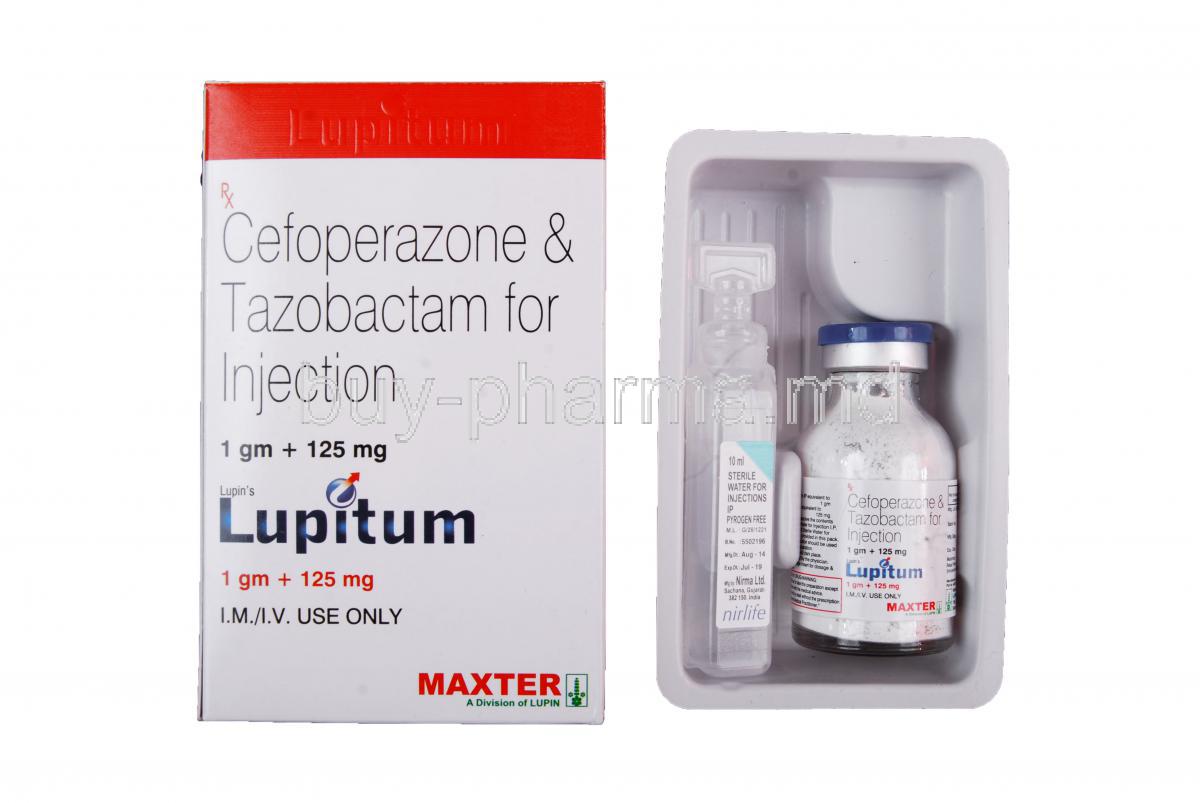
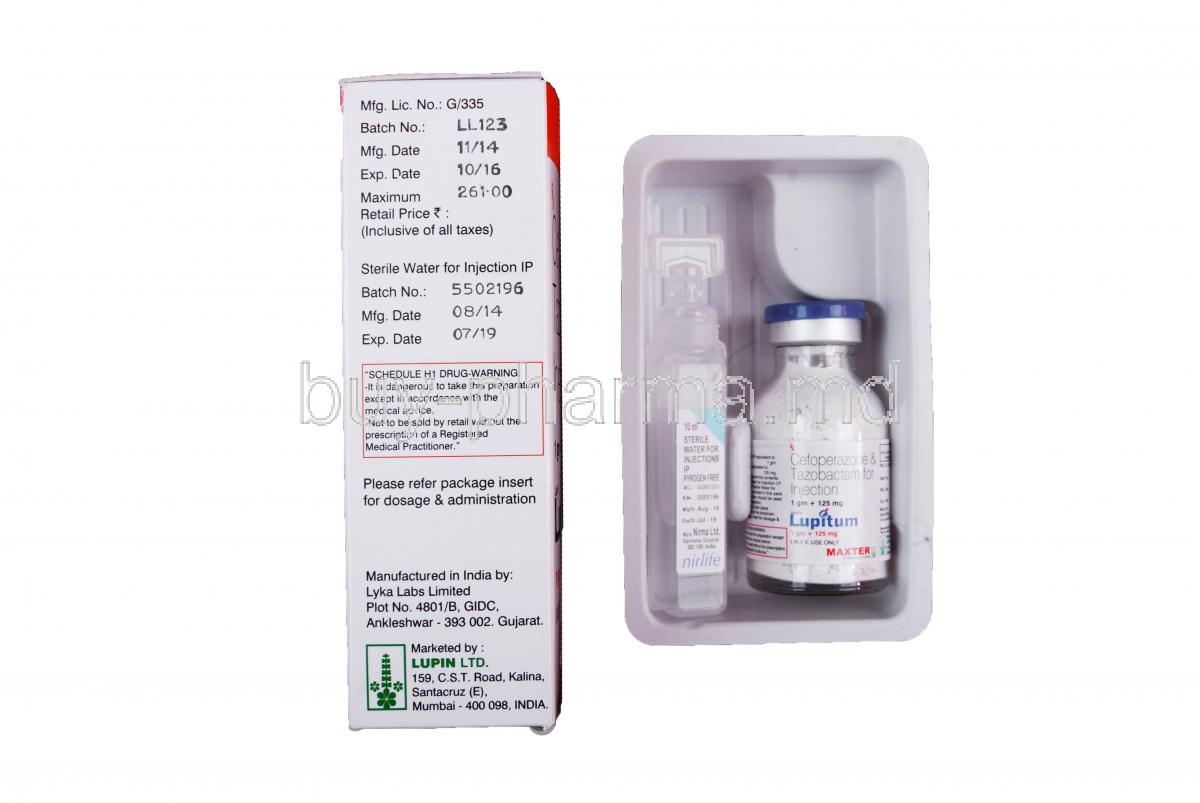
1. Introduction to Cefoperazone / Tazobactam Injection
Cefoperazone / Tazobactam Injection is a potent parenteral antibiotic formulation designed for the management of serious and complicated bacterial infections. It combines a third-generation cephalosporin with a beta-lactamase inhibitor, delivering broad-spectrum antimicrobial coverage in hospital and critical care settings.
This injectable therapy holds significant clinical relevance due to its effectiveness against resistant pathogens and its utility in severe systemic infections. The formulation is widely used when oral antibiotics are insufficient or inappropriate.
The rationale for combining cefoperazone with tazobactam lies in overcoming bacterial resistance mechanisms. While cefoperazone exerts bactericidal activity, tazobactam protects it from enzymatic degradation, thereby restoring and enhancing antimicrobial efficacy.
2. Composition and Pharmaceutical Profile
Cefoperazone / Tazobactam Injection contains two pharmacologically active components:
- Cefoperazone sodium – a third-generation cephalosporin antibiotic
- Tazobactam sodium – a beta-lactamase inhibitor
The product is available in various vial strengths, allowing flexibility in dosing based on infection severity and patient-specific requirements. These formulations are intended for reconstitution prior to parenteral administration.
Excipients within the formulation contribute to stability, solubility, and sterility. The pharmaceutical profile is optimized for rapid systemic distribution following intravenous or intramuscular injection.
3. Mechanism of Action (How Cefoperazone / Tazobactam Works)
Cefoperazone exhibits bactericidal activity by inhibiting bacterial cell wall synthesis. It binds to penicillin-binding proteins, disrupting peptidoglycan cross-linking and leading to cell lysis.
Tazobactam functions as a beta-lactamase inhibitor. It irreversibly binds to bacterial enzymes that would otherwise degrade cefoperazone, thereby preserving its antibacterial action.
Together, these agents produce a synergistic effect, particularly against beta-lactamase–producing organisms. The combination extends activity across a wide spectrum:
- Gram-positive bacteria
- Gram-negative bacteria
- Anaerobic pathogens
4. Approved Clinical Uses
Cefoperazone / Tazobactam Injection is approved for the treatment of severe bacterial infections where broad-spectrum coverage is required.
- Lower and upper respiratory tract infections, including hospital-acquired pneumonia
- Intra-abdominal infections such as peritonitis
- Complicated urinary tract infections
- Skin and soft tissue infections
- Gynecological and pelvic infections
- Septicemia and bacteremia
Its use is particularly valuable in hospitalized patients with polymicrobial or life-threatening infections.
5. Off-Label and Expanded Uses
Beyond approved indications, Cefoperazone / Tazobactam Injection is employed in several off-label clinical scenarios based on physician judgment.
- Empirical therapy in critically ill patients prior to culture results
- Management of multidrug-resistant bacterial infections
- Febrile neutropenia in immunocompromised patients
- Post-surgical infection prophylaxis in high-risk procedures
- Severe polymicrobial infections requiring broad coverage
6. Dosage and Administration Guidelines
Standard adult dosing varies depending on infection severity, causative organism, and patient condition. Therapy may involve single or divided daily doses.
Dose adjustments are considered in severe infections, prolonged treatment courses, or when hepatic function is compromised. Treatment duration is guided by clinical response and microbiological findings.
Administration considerations include:
- Reconstitution with appropriate diluents
- Proper dilution for intravenous infusion
- Slow intravenous injection or intramuscular administration
Renal function usually does not require adjustment, while hepatic monitoring is essential during extended therapy.
7. Administration in Special Populations
7.1 Administration to Elderly Patients
Elderly patients may exhibit altered pharmacokinetics due to age-related physiological changes. Careful monitoring is recommended.
- Regular assessment of hepatic function
- Monitoring coagulation parameters due to bleeding risk
7.2 Administration During Pregnancy
Cefoperazone / Tazobactam is classified under pregnancy risk categories that warrant cautious use. It should be administered only when the potential benefit justifies the potential risk.
Placental transfer may occur, making risk–benefit evaluation essential before initiation.
7.3 Administration to Nursing Mothers
Both components may be excreted in breast milk in small quantities. Breastfeeding decisions should be based on clinical necessity and potential infant exposure.
7.4 Administration to Pediatric Patients
Pediatric dosing is determined by body weight and infection severity. Clinical experience supports its use in children, including neonates, under specialist supervision.
8. Side Effects Overview
Cefoperazone / Tazobactam Injection is generally well tolerated when used appropriately. Adverse effects vary in frequency and severity.
Side effects may be categorized as common, less common, or serious, depending on clinical presentation.
9. Common Side Effects
- Gastrointestinal disturbances such as nausea and diarrhea
- Injection site pain, inflammation, or phlebitis
- Transient elevations in liver enzymes
- Mild dermatological reactions including rashes
10. Less Common and Serious Adverse Reactions
Although infrequent, serious adverse reactions may occur and require prompt medical attention.
- Severe hypersensitivity reactions, including anaphylaxis
- Hematologic abnormalities such as thrombocytopenia or leukopenia
- Bleeding tendencies linked to coagulation disturbances
- Clostridioides difficile-associated diarrhea
- Clinically significant hepatic dysfunction
Continuous clinical and laboratory monitoring is advised during prolonged or high-dose therapy.
11. Drug Interactions
Cefoperazone / Tazobactam Injection exhibits clinically relevant interactions that warrant careful evaluation before and during therapy. Concomitant medication review is essential, particularly in hospitalized or critically ill patients receiving multidrug regimens.
- Interaction with anticoagulants and antiplatelet agents: Cefoperazone may potentiate the effects of anticoagulants and antiplatelet drugs, increasing the risk of bleeding. Enhanced monitoring of coagulation parameters is recommended.
- Effects on vitamin K metabolism: Cefoperazone can interfere with vitamin K–dependent clotting factor synthesis, leading to hypoprothrombinemia, especially in malnourished or critically ill patients.
- Interaction with alcohol: Concurrent alcohol consumption may precipitate a disulfiram-like reaction characterized by flushing, tachycardia, nausea, and hypotension. Alcohol avoidance is strongly advised.
- Concomitant use with nephrotoxic or hepatotoxic drugs: Combined use with other agents affecting renal or hepatic function may exacerbate organ toxicity, necessitating close laboratory surveillance.
12. Warnings and Safety Information
Cefoperazone / Tazobactam Injection carries important safety considerations that must be addressed prior to initiation and throughout the treatment course.
- Risk of severe allergic reactions: Immediate hypersensitivity reactions, including anaphylaxis, may occur, particularly in patients with a history of beta-lactam allergy.
- Coagulation abnormalities: Alterations in coagulation profiles may lead to bleeding complications, especially during prolonged therapy or in patients with underlying nutritional deficiencies.
- Use in hepatic impairment: As cefoperazone is primarily eliminated via the biliary route, patients with liver dysfunction require cautious use and frequent monitoring.
- Superinfection and resistance: Prolonged or inappropriate use may promote superinfection with non-susceptible organisms and contribute to antimicrobial resistance.
13. Contraindications
Certain clinical conditions preclude the use of Cefoperazone / Tazobactam Injection due to unacceptable risk.
- Known hypersensitivity to cephalosporins or other beta-lactam antibiotics
- History of severe penicillin allergy, due to potential cross-reactivity
- Patients with severe coagulation disorders, where bleeding risk outweighs therapeutic benefit (relative contraindication)
14. Careful Administration and Clinical Monitoring
Judicious administration and ongoing clinical oversight are critical to ensure therapeutic efficacy while minimizing adverse outcomes.
- Baseline laboratory assessments: Liver function tests, coagulation profile, and complete blood count should be obtained before initiating therapy.
- Ongoing monitoring: Periodic evaluation of hepatic enzymes and coagulation parameters is recommended, particularly during long-term treatment.
- Long-term therapy surveillance: Extended courses necessitate vigilance for cumulative toxicity and superinfection.
- Clinical and microbiological response: Treatment efficacy should be reassessed based on symptom resolution and culture sensitivity data.
15. Important Precautions Before and During Treatment
Preventive measures enhance treatment safety and optimize outcomes.
- Thorough review of allergy history, including reactions to beta-lactams
- Strict avoidance of alcohol during therapy to prevent adverse reactions
- Use for the shortest effective duration to reduce resistance development
- Patient counseling on adherence, symptom monitoring, and early reporting of adverse effects
16. Overdosage and Emergency Management
Accidental or intentional overdose may result in exaggerated pharmacologic effects.
- Symptoms of overdose: Neurological disturbances, gastrointestinal symptoms, and laboratory abnormalities may be observed.
- Management: Treatment is primarily supportive and symptomatic, focusing on stabilization and monitoring.
- Hemodialysis: Due to limited removal of cefoperazone and tazobactam, hemodialysis offers minimal benefit and is not routinely indicated.
17. Storage and Stability
Proper storage ensures drug potency and patient safety.
- Store unopened vials at recommended controlled room temperature
- Protect from excessive heat, light, and moisture
- Use reconstituted solutions within the specified stability period
- Observe manufacturer-defined shelf life and discard expired products
18. Handling and Disposal Precautions
Strict handling protocols reduce contamination and occupational exposure.
- Aseptic technique must be employed during preparation and administration
- Use appropriate personal protective equipment when handling injectable antibiotics
- Dispose of unused or expired vials according to biomedical waste regulations
- Implement occupational safety measures to prevent accidental exposure among healthcare professionals
Cefoperazone/ Tazobactam Injection FAQ
- What is cefoperazone and tazobactam injection used for?
- Is cefoperazone a strong antibiotic?
- Is cefoperazone safe for the kidneys?
- What are the side effects of cefoperazone injection?
- Which is better ceftriaxone or cefoperazone?
- Is cefoperazone good for UTI?
- Is cefoperazone similar to penicillin?
- Is tazobactam better than sulbactam?
- Is cefoperazone a sulfa drug?
- Is tazobactam a strong antibiotic?
- Is cefoperazone better than ceftriaxone?
- What are the alternatives to cefoperazone?
- How long does a tazobactam injection take to work?
- What bacteria does cefoperazone cover?
- What is tazobactam used to treat?
- Is tazobactam a penicillin drug?
- What are the life threatening considerations of piperacillin-tazobactam?
What is cefoperazone and tazobactam injection used for?
The combination of Cefoperazone and Tazobactam is primarily used to treat various bacterial infections (including intra-abdominal, respiratory tract, skin, and urinary tract infections, septicaemia, and bacterial meningitis).
Is cefoperazone a strong antibiotic?
Strong activity against a broad range of gram-negative bacteria
Is cefoperazone safe for the kidneys?
Yes
What are the side effects of cefoperazone injection?
- Itchiness
- Rashes
- Trouble breathing
- Edema
Which is better ceftriaxone or cefoperazone?
Ceftriaxone
Is cefoperazone good for UTI?
Yes
Is cefoperazone similar to penicillin?
No
Is tazobactam better than sulbactam?
Yes
Is cefoperazone a sulfa drug?
No
Is tazobactam a strong antibiotic?
Tazobactam shows little antibiotic activity on its own
Is cefoperazone better than ceftriaxone?
Ceftriaxone and cefoperazone proved to be equally effective
What are the alternatives to cefoperazone?
- Contepo (fosfomycin)
- Nitrofurantoin
How long does a tazobactam injection take to work?
Few Days
What bacteria does cefoperazone cover?
Gram-positive and Gram-negative organisms, including Enterobacterales, Pseudomonas aeruginosa, and Acinetobacter spp.
What is tazobactam used to treat?
Bacterial infections of the body
Is tazobactam a penicillin drug?
No
What are the life threatening considerations of piperacillin-tazobactam?
- Severe skin reaction
- Stevens-Johnson syndrome (SJS)
- Toxic epidermal necrolysis (TEN)
Popular Products
Similar Product