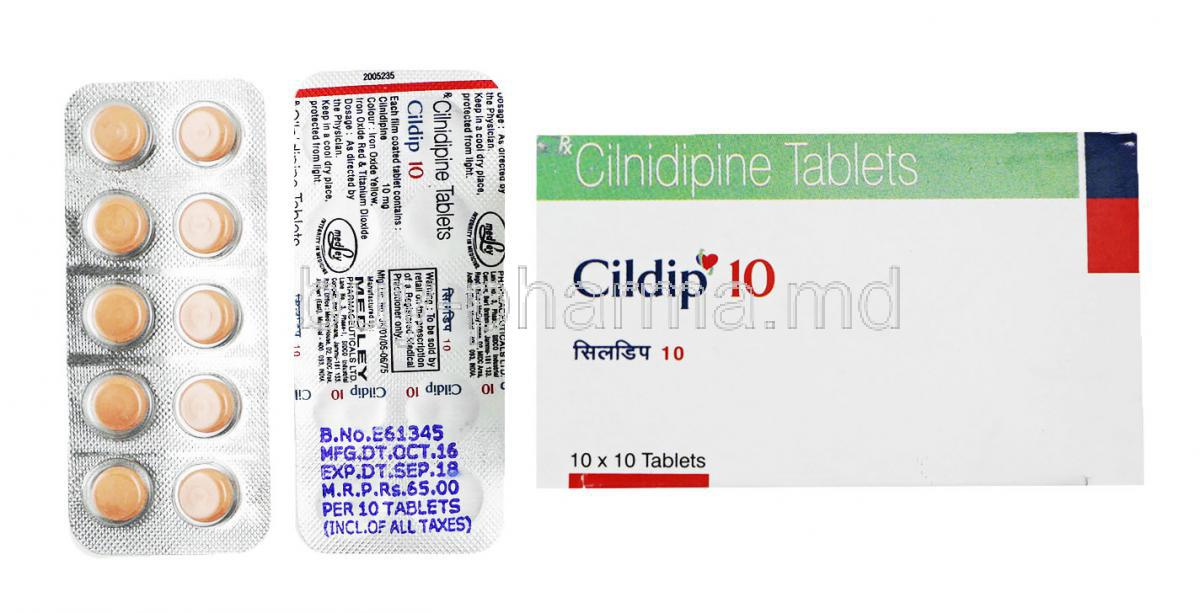
Introduction to Cildip (Cilnidipine)
Cildip is an antihypertensive medication containing cilnidipine, a modern calcium channel blocker widely used in the management of elevated blood pressure. Unlike conventional agents, it offers a nuanced pharmacological profile that targets both vascular tone and neurohumoral activation. This duality has positioned Cildip as a clinically valuable option in contemporary hypertension therapy.
Therapeutically, cilnidipine belongs to the dihydropyridine class of calcium channel blockers. It was developed to address limitations seen with earlier agents, particularly reflex tachycardia and sympathetic overactivation. Its growing adoption reflects its relevance in long-term cardiovascular risk modulation.
Composition and Formulation Details
The primary active ingredient in Cildip is cilnidipine, a lipophilic dihydropyridine derivative. It is formulated to ensure consistent bioavailability and sustained antihypertensive action.
- Chemical class: Dihydropyridine calcium channel blocker
- Pharmacological category: Antihypertensive agent
- Dosage forms: Oral tablets
Available strengths typically include low-dose and standard-dose tablets to allow individualized titration. Inactive excipients are selected to maintain tablet stability, uniform dissolution, and acceptable shelf life.
How Cildip (Cilnidipine) Works (Mechanism of Action)
Cilnidipine exerts its effects through dual inhibition of L-type and N-type calcium channels. This distinguishes it from traditional calcium channel blockers that primarily target L-type channels alone.
By blocking L-type channels, cilnidipine relaxes vascular smooth muscle, leading to arterial vasodilation and reduced peripheral resistance. Concomitant N-type channel inhibition attenuates sympathetic nerve activity, dampening excessive catecholamine release.
- Reduced vasoconstriction
- Lowered heart rate acceleration risk
- Improved renal hemodynamics
These combined actions contribute to potential renal and cardiovascular protective effects, particularly in patients with heightened sympathetic tone.
Uses of Cildip (Cilnidipine)
Approved Therapeutic Uses
Cildip is primarily indicated for the management of essential (primary) hypertension. It is suitable for patients requiring consistent blood pressure control without pronounced reflex tachycardia.
It is commonly prescribed in cases of mild to moderate hypertension, either as monotherapy or as part of a broader antihypertensive regimen.
Expanded Clinical Uses
Beyond standard indications, Cildip is frequently utilized in patients with hypertension accompanied by increased sympathetic nervous system activity. Its ability to suppress sympathetic outflow makes it advantageous in this subgroup.
- Hypertension with tachycardia
- Blood pressure control in metabolic syndrome
- Patients sensitive to heart rate elevation
Off-Label Uses of Cilnidipine
In clinical practice, cilnidipine is sometimes used beyond labeled indications based on emerging evidence and physician discretion. These off-label applications are typically guided by individual risk profiles.
- Hypertension with chronic kidney disease for renal protection
- Blood pressure management in diabetic patients
- Reduction of proteinuria in hypertensive nephropathy
- Adjunctive therapy in resistant hypertension
Such uses aim to leverage its sympathetic inhibition and renal hemodynamic benefits.
Dosage and Administration
The recommended starting dose of Cildip is generally low to assess individual tolerance and response. Dosage may then be adjusted gradually.
- Typical maintenance dosing is once daily
- Dose titration should occur at appropriate intervals
Cildip can be administered with or without food, although consistent timing is encouraged. If a dose is missed, it should be taken as soon as remembered unless it is close to the next scheduled dose.
Administration in Special Populations
Administration to Elderly Patients
Elderly patients may exhibit increased sensitivity to antihypertensive effects. Lower initial dosing and cautious titration are recommended.
Monitoring should focus on:
- Orthostatic hypotension
- Dizziness or balance disturbances
Administration to Pregnant Women and Nursing Mothers
The use of cilnidipine during pregnancy requires careful risk–benefit assessment due to limited safety data. It should only be considered when clearly indicated.
Breastfeeding considerations include potential drug excretion into breast milk and the need for clinical judgment.
Administration to Children
Safety and efficacy in pediatric populations have not been firmly established. As a result, routine use in children is generally not recommended.
Regulatory guidance limits pediatric application to exceptional circumstances under specialist supervision.
Side Effects of Cildip (Cilnidipine)
Common Side Effects
Most adverse effects are mild to moderate and often diminish with continued therapy. Commonly reported reactions include:
- Headache
- Dizziness or lightheadedness
- Facial flushing
- Ankle or pedal edema
- Fatigue
Less Common and Rare Side Effects
Less frequently, patients may experience:
- Palpitations
- Gastrointestinal discomfort
- Excessive hypotension
- Transient elevation of liver enzymes
- Cutaneous reactions
Drug and Substance Interactions
Cildip may interact with other antihypertensive agents, leading to additive blood pressure–lowering effects. Careful dose adjustment is often required.
When combined with beta-blockers or diuretics, enhanced antihypertensive efficacy may occur. Alcohol consumption can potentiate hypotensive effects and should be approached cautiously.
Cilnidipine has a relatively low potential for clinically significant CYP-mediated interactions, though vigilance remains prudent.
Warnings and Safety Information
Excessive reduction in blood pressure may occur, particularly during initiation or dose escalation. Patients should be monitored closely during these phases.
Caution is advised in individuals with hepatic impairment due to altered drug metabolism. Cardiovascular safety considerations include monitoring heart rate and overall hemodynamic stability.
Dizziness or somnolence may impair the ability to drive or operate machinery, especially during early treatment.
Contraindications
Cildip (cilnidipine) is contraindicated in patients with a known hypersensitivity to cilnidipine or any component of the formulation. Allergic reactions, though uncommon, may manifest as cutaneous eruptions, pruritus, or more severe hypersensitivity responses.
Use is contraindicated in cases of severe hypotension, where further reduction in systemic blood pressure could precipitate organ hypoperfusion. Similarly, cilnidipine should not be administered in cardiogenic shock, a state characterized by critically impaired cardiac output and circulatory collapse.
- Documented allergy to cilnidipine
- Marked hypotension
- Cardiogenic shock
Certain clinical scenarios may necessitate alternative antihypertensive therapy. These include conditions where vasodilation could exacerbate hemodynamic instability or where more immediate blood pressure control is required.
Careful Administration and Important Precautions
Cilnidipine therapy should be initiated with gradual dose adjustment to minimize adverse hemodynamic effects. Slow titration allows physiological adaptation and reduces the risk of excessive hypotension.
Routine monitoring is essential throughout treatment. Blood pressure and heart rate should be assessed regularly, particularly during initiation and dose escalation phases.
- Periodic blood pressure measurements
- Heart rate surveillance
- Assessment of orthostatic symptoms
Renal and hepatic function monitoring is recommended, especially in patients with pre-existing organ impairment. Altered metabolism or excretion may necessitate dose modification.
For long-term therapy, continued evaluation of therapeutic benefit versus tolerability is advised. Abrupt discontinuation should be avoided, as sudden withdrawal may lead to rebound hypertension or destabilization of blood pressure control.
Overdosage Information
Overdosage with cilnidipine may result in pronounced pharmacodynamic effects. The most prominent manifestations include excessive vasodilation and profound hypotension.
Cardiovascular effects may encompass:
- Marked hypotension
- Reflex tachycardia or bradycardia
- Dizziness, syncope, or altered consciousness
Management is primarily supportive and symptomatic. This may involve positioning to improve cerebral perfusion, intravenous fluids, and close cardiovascular monitoring. There is no specific antidote for cilnidipine overdose.
Medical supervision is imperative in suspected overdose cases to prevent complications and ensure hemodynamic stabilization.
Storage and Stability
Cildip should be stored under recommended conditions to maintain pharmaceutical integrity and therapeutic efficacy. Improper storage may compromise drug stability.
- Store at room temperature
- Keep away from excessive heat
- Protect from moisture and direct light
Tablets should remain in their original packaging until use to minimize environmental exposure. Shelf-life considerations must be observed, and expired medication should not be used.
Handling Precautions
Safe handling and dispensing practices are essential to ensure correct use. Tablets should be handled with clean, dry hands to prevent contamination or degradation.
Patient counseling should emphasize:
- Adherence to prescribed dosing schedules
- Avoidance of dose alteration without medical advice
- Recognition of symptoms requiring medical attention
Unused or expired medication should be disposed of in accordance with local pharmaceutical waste regulations. Improper disposal into household waste or wastewater should be avoided to reduce environmental impact.
Cildip, Cilnidipine FAQ
- What is the drug cildip used for?
- What are the side effects of cildip 20?
- Can CILDIP 5 be taken with food?
- What is cilnidipine used for?
- Is cilnidipine the same as amlodipine?
- What should I avoid while taking cilnidipine?
- Is cilnidipine safe for kidneys?
- Can cilnidipine reduce heart rate?
- Is cilnidipine a blood thinner?
- How quickly does cilnidipine work?
- Can I take cilnidipine at night?
- Who should not take cilnidipine?
- Is cilnidipine a strong blood pressure medicine?
- Can cilnidipine increase creatinine?
- How fast does cilnidipine work?
- Does cilnidipine cause weight gain?
- What is the best combination with cilnidipine?
- Does cilnidipine reduce anxiety?
- Does cilnidipine cause sleepiness?
- Can cilnidipine cause frequent urination?
What is the drug cildip used for?
Cildip 10 Tablet is a medicine that helps to lower blood pressure. This helps prevent heart attacks and strokes.
What are the side effects of cildip 20?
- Dizziness
- Sleepiness
- Palpitations
- Flushing
- Stomachache
- Nausea
- Sweeling of body parts
- Constipation
- Frequent urination
Can CILDIP 5 be taken with food?
Yes
What is cilnidipine used for?
Cilnidipine decreases blood pressure and is used to treat hypertension.
Is cilnidipine the same as amlodipine?
No
What should I avoid while taking cilnidipine?
Grapefruit
Is cilnidipine safe for kidneys?
Yes
Can cilnidipine reduce heart rate?
Yes
Is cilnidipine a blood thinner?
No
How quickly does cilnidipine work?
1-2 hours
Can I take cilnidipine at night?
Yes
Who should not take cilnidipine?
Do not take Cilnidipine if you are allergic to any of its components
Is cilnidipine a strong blood pressure medicine?
Yes
Can cilnidipine increase creatinine?
Yes
How fast does cilnidipine work?
1.8 to 2.2 hours
Does cilnidipine cause weight gain?
No
What is the best combination with cilnidipine?
T1.8 to 2.2 hours
Does cilnidipine reduce anxiety?
Yes
Does cilnidipine cause sleepiness?
Yes
Can cilnidipine cause frequent urination?
Yes
Popular Products
Similar Product