1. Introduction to Cipladine Ointment (Povidone Iodine)
1.1 Overview of Cipladine Ointment and Its Therapeutic Class
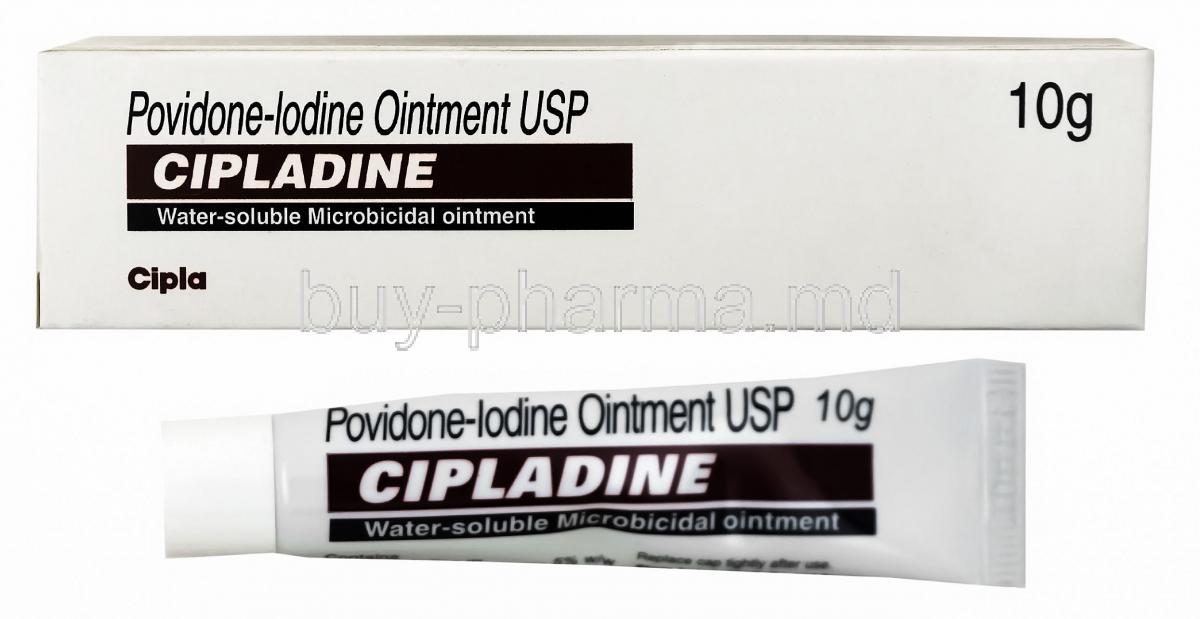
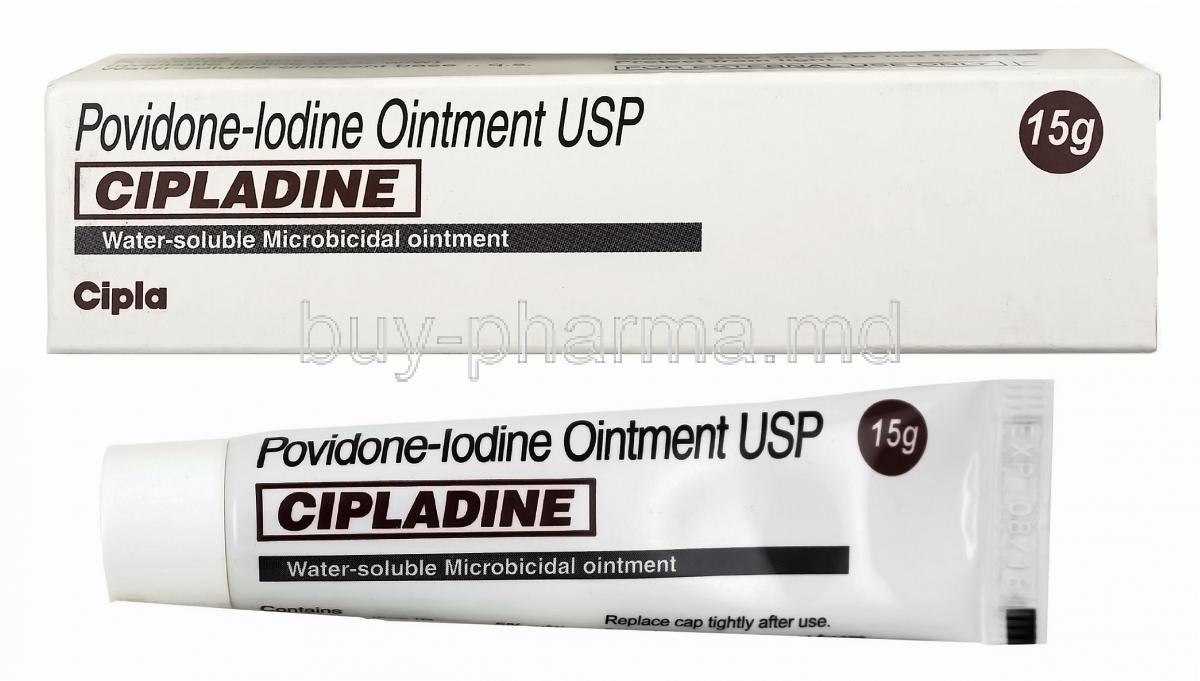
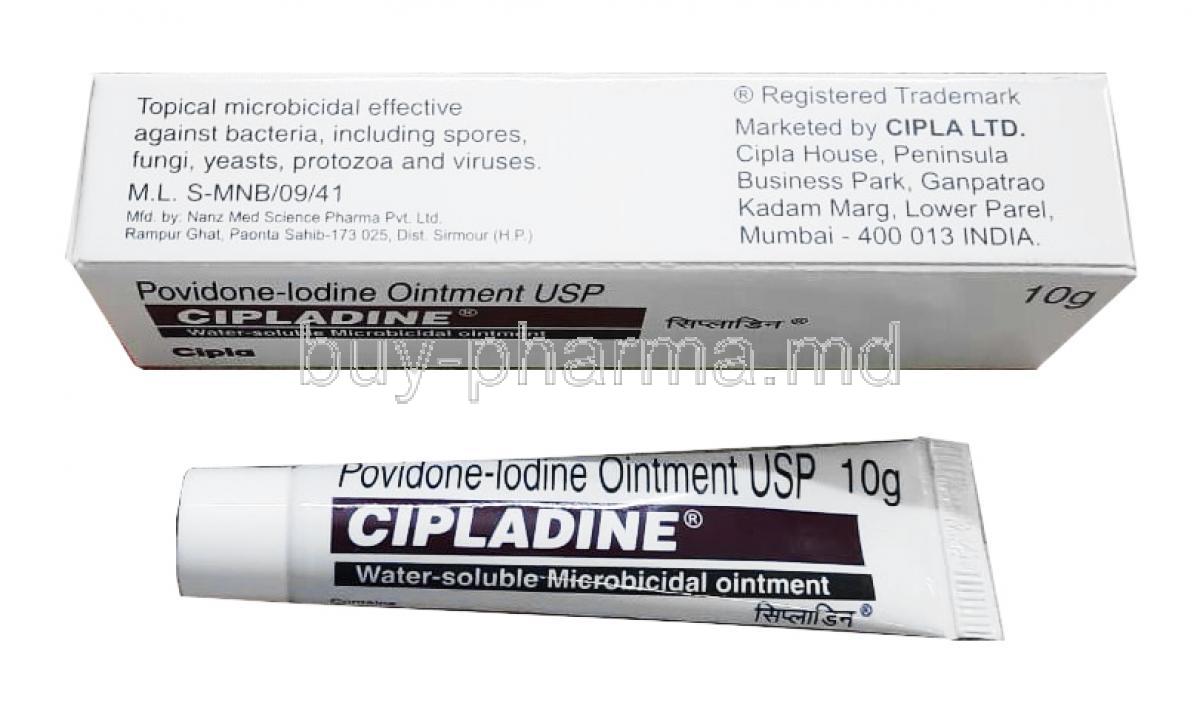
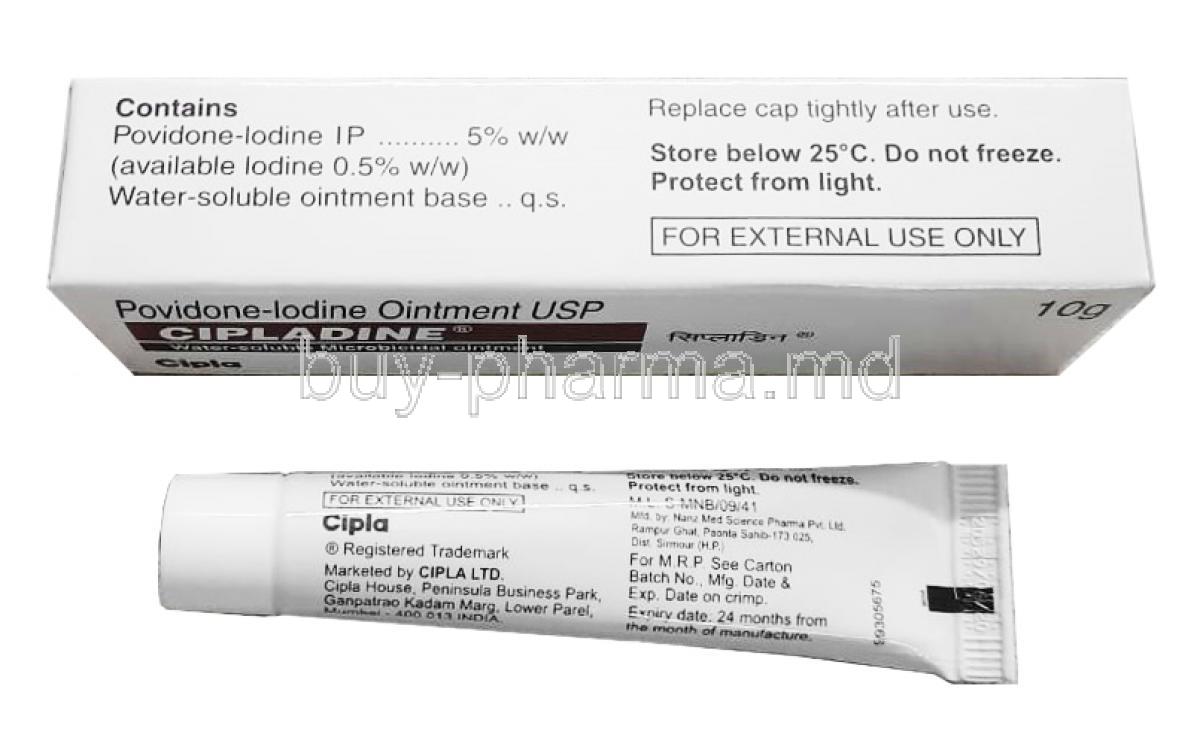
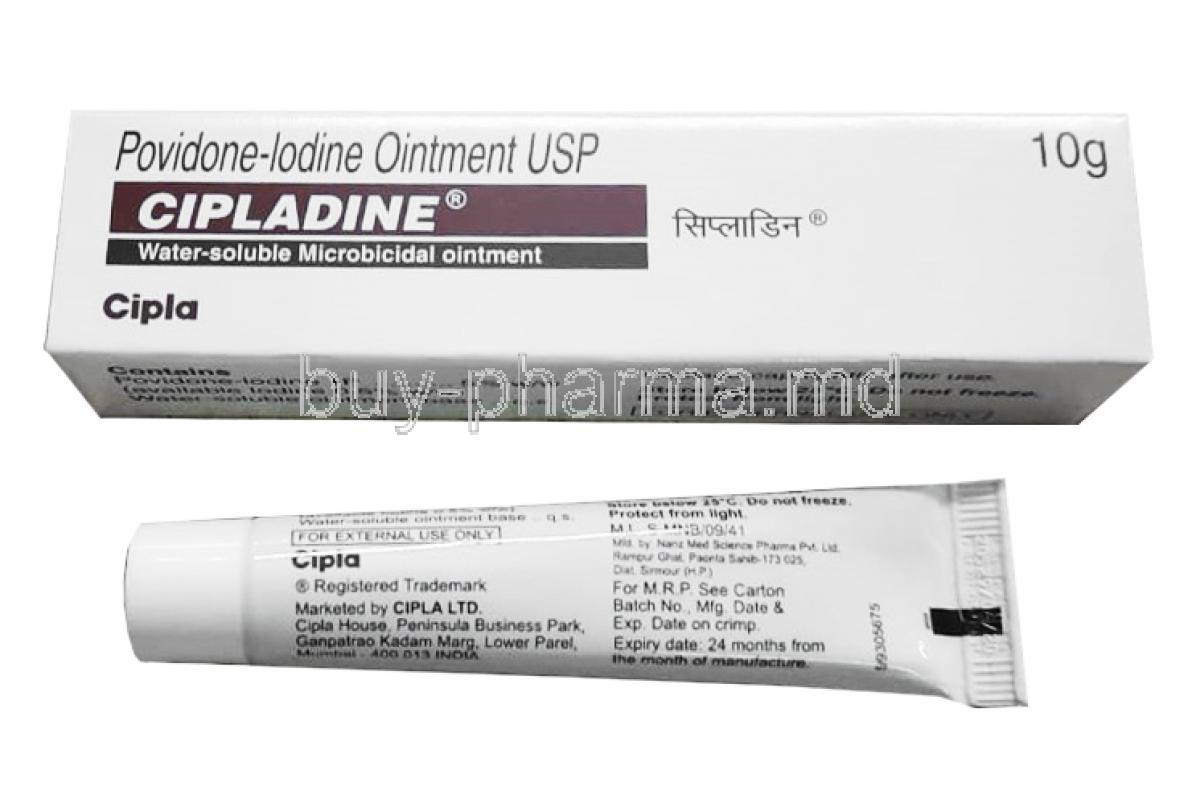
Cipladine Ointment is a topical antiseptic preparation formulated with povidone iodine, a well-established iodophor widely utilized in clinical and domestic healthcare environments. It belongs to the class of broad-spectrum antimicrobial agents designed to prevent and manage infections in superficial wounds and compromised skin barriers. Its versatility renders it indispensable in both acute care and routine first aid applications.
1.2 Key Benefits as a Broad-Spectrum Antiseptic
The formulation demonstrates extensive antimicrobial efficacy. It acts against a diverse array of pathogens, offering rapid microbial suppression and sustained antiseptic action.
- Effective against Gram-positive and Gram-negative bacteria
- Virucidal activity against enveloped and non-enveloped viruses
- Antifungal and protozoal coverage
- Low propensity for microbial resistance development
This breadth of action positions it as a reliable, multipurpose antiseptic agent across varied clinical scenarios.
1.3 Role of Povidone Iodine in Modern Wound Care
Povidone iodine has become a cornerstone in modern wound management protocols. Its controlled iodine release ensures antimicrobial potency while minimizing cytotoxicity to healthy tissue. It supports a balanced environment conducive to wound healing, reducing microbial burden without significantly impairing epithelial regeneration.
1.4 Indications for Topical Antiseptic Use in Clinical and Home Settings
Cipladine Ointment is suitable for a wide spectrum of indications, ranging from minor injuries to more structured clinical applications. It is commonly employed in outpatient care, hospital settings, and personal first aid kits, ensuring accessibility and practicality.
2. Composition and Formulation Details
2.1 Active Ingredient: Povidone Iodine (Typically 5% or 10%)
The principal active component is povidone iodine, typically formulated in concentrations of 5% or 10%. This complex consists of iodine bound to polyvinylpyrrolidone, facilitating gradual iodine release and enhancing tolerability.
2.2 Mechanism of Iodine Release from Povidone Complex
The povidone carrier acts as a reservoir. It releases free iodine in a controlled manner upon contact with skin and exudate. This sustained liberation ensures prolonged antimicrobial activity without excessive irritation.
2.3 Inactive Ingredients and Ointment Base Characteristics
The ointment base is designed to provide optimal adherence and spreadability. It typically includes stabilizing agents and emollient components that:
- Enhance skin coverage
- Maintain moisture balance
- Support prolonged contact time with affected tissues
2.4 Available Strengths, Packaging, and Dosage Forms
Cipladine Ointment is available in various tube sizes and strengths, ensuring adaptability for both personal and institutional use. Packaging is engineered to preserve product stability and prevent contamination.
3. Mechanism of Action (How It Works)
3.1 Broad-Spectrum Antimicrobial Activity Against Bacteria, Viruses, Fungi, and Protozoa
The active iodine exerts a potent oxidative effect on microbial cells. It disrupts essential cellular components, leading to rapid microbial inactivation across a wide spectrum of organisms.
3.2 Disruption of Microbial Cell Membranes and Protein Denaturation
Iodine penetrates microbial cell walls, oxidizing nucleotides and fatty acids. It also denatures proteins and enzymes critical for microbial survival, culminating in irreversible cellular damage.
3.3 Rapid Onset of Action and Sustained Antiseptic Effect
The formulation provides immediate antimicrobial action upon application. Simultaneously, the povidone complex ensures sustained release, maintaining antiseptic efficacy over extended durations.
3.4 Resistance Profile Compared to Other Antiseptics
Unlike antibiotics, povidone iodine demonstrates minimal resistance development. Its multifaceted mechanism of action makes microbial adaptation exceedingly rare, preserving long-term effectiveness.
4. Uses of Cipladine Ointment
4.1 Primary Uses in Wound Care and Infection Prevention
Cipladine Ointment is extensively used for managing minor injuries and preventing infection. It is particularly effective in:
- Minor cuts, abrasions, and lacerations
- First- and second-degree burns
- Surgical wound antisepsis
- Chronic ulcers and pressure sores
4.2 Dermatological Applications
In dermatology, it serves as an adjunctive agent in managing superficial infections. It may be used in:
- Localized bacterial skin infections
- Infected eczema and dermatitis
- Fungal infections as supportive therapy
4.3 Pre- and Post-Surgical Antiseptic Use
The ointment is widely utilized in perioperative care. It aids in reducing microbial load on the skin prior to procedures and supports post-operative wound hygiene.
4.4 Use in First Aid and Emergency Care
Its portability and efficacy make it a staple in first aid kits. It is commonly used for:
- Immediate wound disinfection
- Prevention of infection during travel or outdoor activities
5. Off-Label Uses of Povidone Iodine Ointment
5.1 Management of Acne and Secondary Bacterial Infections
In select cases, povidone iodine may be used to reduce bacterial colonization in acne-prone skin, particularly when secondary infection is suspected.
5.2 Use in Diabetic Foot Ulcers and Chronic Wounds
It may be incorporated into wound care regimens for chronic ulcers, helping to control microbial burden and reduce infection risk in complex wounds.
5.3 Adjunct Treatment for Fungal Nail and Skin Conditions
Although not a primary antifungal, it may complement antifungal therapy by limiting secondary bacterial contamination.
5.4 Use in Minor Oral Lesions (External Application Only)
Careful external application around oral lesions may assist in maintaining hygiene; however, ingestion should be strictly avoided.
5.5 Antiseptic Application in Veterinary Skin Care (Non-human Use Contexts)
Povidone iodine formulations are also utilized in veterinary medicine for managing superficial wounds in animals, reflecting its broad applicability.
6. Dosage and Administration Guidelines
6.1 Recommended Application Frequency and Duration
The ointment is generally applied one to three times daily, depending on the severity of the condition and clinical recommendations.
6.2 Proper Cleaning and Preparation of the Affected Area
Prior to application, the affected area should be cleansed thoroughly. Removal of debris enhances drug penetration and effectiveness.
6.3 Thin Layer vs Occlusive Dressing Application
A thin layer is typically sufficient. In certain cases, an occlusive dressing may be applied to:
- Maintain moisture
- Enhance drug contact
- Protect the wound from external contaminants
6.4 Duration of Use Based on Severity of Condition
Short-term use is preferred for minor injuries. Prolonged use should be guided by medical supervision, particularly for extensive wounds.
6.5 Missed Application and Reapplication Guidelines
If a dose is missed, it should be applied as soon as remembered. Excessive reapplication should be avoided to prevent irritation.
7. Side Effects of Cipladine Ointment
7.1 Overview of Potential Adverse Reactions
While generally well tolerated, topical application may lead to localized reactions. These are typically mild and transient.
7.2 Common Side Effects
- Mild skin irritation
- Redness and itching
- Temporary staining of the skin
7.3 Less Common and Rare Side Effects
- Allergic contact dermatitis
- Hypersensitivity reactions
- Thyroid dysfunction with prolonged or extensive exposure
7.4 Signs of Severe Adverse Reactions Requiring Medical Attention
Immediate medical evaluation is warranted if symptoms such as severe swelling, persistent irritation, or systemic reactions occur.
8. Drug Interactions and Product Interactions
8.1 Interaction with Other Topical Antiseptics and Disinfectants
Concurrent use with other antiseptics may reduce efficacy or increase irritation. Sequential rather than simultaneous use is recommended.
8.2 Incompatibility with Hydrogen Peroxide, Silver-Based Products, and Enzymatic Agents
Certain agents may chemically interact with iodine, diminishing antimicrobial effectiveness or producing undesirable reactions.
8.3 Interaction with Lithium Therapy and Thyroid Medications
Systemic absorption of iodine, though limited, may influence thyroid function and interact with medications affecting thyroid physiology.
8.4 Effect of Concurrent Use with Wound Healing Agents
Some advanced wound care products may be affected by iodine exposure, necessitating careful selection of combined therapies.
9. Contraindications of Cipladine Ointment
9.1 Hypersensitivity to Povidone Iodine or Iodine Compounds
Use is contraindicated in individuals with known iodine sensitivity, as it may precipitate severe allergic reactions.
9.2 Use in Patients with Thyroid Disorders (e.g., Hyperthyroidism)
Patients with thyroid dysfunction should avoid use unless medically supervised, due to potential iodine absorption.
9.3 Application in Neonates and Premature Infants (Specific Restrictions)
Use in neonates is restricted due to increased risk of systemic absorption and thyroid effects.
9.4 Use Prior to Radioactive Iodine Therapy
Topical iodine exposure may interfere with diagnostic or therapeutic radioactive iodine procedures.
10. Warnings and Safety Considerations
10.1 Risk of Systemic Absorption with Large Surface Area Application
Extensive application may lead to systemic iodine absorption, particularly in compromised skin barriers.
10.2 Thyroid Function Alterations with Prolonged Use
Long-term exposure may influence thyroid hormone synthesis, necessitating caution in susceptible individuals.
10.3 Avoidance of Use on Deep, Puncture, or Severe Burns Without Medical Advice
Such conditions require specialized medical management. Self-treatment may delay appropriate care.
10.4 Risk of Skin Irritation with Repeated Application
Frequent application may lead to cumulative irritation. Monitoring is essential to prevent adverse effects.
10.5 Avoid Contact with Eyes, Ears, and Mucous Membranes
Accidental exposure may cause irritation or damage. Immediate rinsing with water is recommended if contact occurs.
11. Careful Administration (Use with Caution)
11.1 Patients with Renal Impairment
Caution is warranted in individuals with compromised renal function. Although topical, povidone iodine may undergo systemic absorption, particularly when applied over extensive or damaged skin. Impaired renal clearance can lead to accumulation of iodine, increasing the risk of systemic toxicity. Careful monitoring is advisable in such patients, especially during prolonged use.
11.2 Individuals with Thyroid Disease or History of Thyroid Dysfunction
Patients with pre-existing thyroid abnormalities require vigilant use. Iodine plays a pivotal role in thyroid hormone synthesis, and excessive exposure may precipitate dysfunction.
- Risk of hyperthyroidism in susceptible individuals
- Potential suppression of thyroid activity in others
- Alteration of thyroid function tests
Clinical discretion is essential when administering povidone iodine in this population.
11.3 Patients Using Lithium or Other Iodine-Containing Medications
Concurrent use with lithium or iodine-containing agents necessitates prudence. These combinations may potentiate thyroid dysregulation or interfere with endocrine homeostasis. Coordination with ongoing pharmacotherapy should be carefully evaluated.
11.4 Use on Large or Open Wounds
Application over extensive surface areas or deep wounds increases the likelihood of systemic absorption. While effective as an antiseptic, indiscriminate use in such cases may:
- Delay wound healing if overused
- Increase systemic iodine exposure
- Cause local irritation or cytotoxicity
Medical supervision is strongly recommended in these scenarios.
11.5 Patients with Sensitive or Compromised Skin
Individuals with fragile or sensitized skin may exhibit heightened reactivity. This includes patients with dermatological conditions or disrupted skin barriers. A cautious approach, including limited application and observation, is prudent.
12. Important Precautions Before and During Use
12.1 Patch Testing for Hypersensitivity
Prior to widespread application, a patch test is advisable. Applying a small quantity to a limited area can help identify hypersensitivity reactions, thereby mitigating the risk of adverse dermatological responses.
12.2 Monitoring for Signs of Local Irritation or Allergy
Continuous observation is essential during use. Early detection of adverse reactions allows timely intervention.
- Persistent redness or erythema
- Burning sensation or pruritus
- Swelling or blister formation
Discontinuation should be considered if such symptoms persist or worsen.
12.3 Avoiding Prolonged or Excessive Application
Excessive use may lead to cumulative toxicity or delayed healing. The ointment should be applied judiciously, adhering to recommended duration and frequency guidelines.
12.4 Ensuring Proper Hygiene and Wound Care Practices
Optimal outcomes depend not only on the antiseptic but also on appropriate wound care. Proper cleansing, dressing changes, and environmental hygiene play critical roles in preventing infection and promoting recovery.
12.5 Discontinuation Criteria and When to Seek Medical Advice
Use should be discontinued under the following conditions:
- No improvement after several days of treatment
- Worsening of symptoms or spread of infection
- Development of systemic or severe local reactions
Professional medical evaluation is advised in such cases.
13. Administration in Special Populations
13.1 Use in Elderly Patients
Elderly individuals may exhibit increased susceptibility to adverse effects due to physiological changes associated with aging.
- Higher risk of skin irritation due to thinning epidermis
- Potential for increased systemic absorption
Careful monitoring and conservative application are recommended in this demographic.
13.2 Use in Pregnant Women
Use during pregnancy requires a careful assessment of potential risks and benefits. Iodine absorption may influence fetal thyroid function, particularly with prolonged or extensive exposure.
- Potential impact on fetal thyroid development
- Use only when clearly necessary
13.3 Use in Nursing Mothers
In lactating individuals, precautions should be taken to minimize infant exposure. Direct application to the breast area should be avoided prior to feeding. Monitoring for any signs of iodine exposure in the infant is advisable.
13.4 Use in Pediatric Patients
Infants and children are more susceptible to systemic absorption due to a higher skin surface area-to-body weight ratio.
- Avoid prolonged or extensive application
- Use under supervision in younger age groups
Careful dosing and observation are essential to ensure safety.
14. Overdosage and Toxicity Management
14.1 Signs and Symptoms of Iodine Toxicity
Excessive exposure to iodine may result in systemic toxicity. Clinical manifestations may include:
- Gastrointestinal disturbances such as nausea or vomiting
- Metallic taste and excessive salivation
- Skin irritation or chemical burns
14.2 Risk of Systemic Toxicity from Excessive Use
Although uncommon with appropriate use, excessive or prolonged application, particularly on large or compromised skin areas, may lead to systemic iodine accumulation and metabolic disturbances.
14.3 Emergency Management and Supportive Care
Management of iodine toxicity is primarily supportive. Immediate discontinuation of the product is essential. Medical care may include monitoring of electrolyte balance and thyroid function, along with symptomatic treatment.
14.4 When to Seek Immediate Medical Attention
Urgent medical evaluation is necessary if severe symptoms occur, including:
- Severe allergic reactions
- Persistent vomiting or systemic symptoms
- Signs of thyroid dysfunction
15. Storage and Stability Information
15.1 Recommended Storage Temperature and Conditions
Cipladine Ointment should be stored at controlled room temperature, away from extreme heat or cold. Proper storage preserves its chemical stability and therapeutic efficacy.
15.2 Protection from Light and Moisture
Exposure to light and moisture may degrade iodine content. The product should be kept in a tightly sealed container and stored in a dry, shaded environment.
15.3 Shelf Life and Expiry Considerations
Adherence to the indicated expiry date is essential. Use beyond the recommended period may result in reduced effectiveness and compromised safety.
15.4 Safe Disposal of Unused or Expired Product
Unused or expired ointment should be disposed of responsibly. It should not be discarded into household drains or open environments. Local pharmaceutical disposal guidelines should be followed.
16. Handling Precautions and Patient Guidance
16.1 Proper Handling to Avoid Contamination
To maintain sterility, direct contact between the applicator tip and contaminated surfaces should be avoided. Hands should be clean prior to application.
16.2 Avoiding Staining of Clothing and Surfaces
Povidone iodine may cause discoloration. Care should be taken to prevent contact with fabrics or surfaces prone to staining.
16.3 Hygiene Practices During Application
Maintaining strict hygiene is essential. This includes:
- Cleaning the wound before application
- Using clean dressings
- Avoiding cross-contamination between wounds
16.4 Keeping Out of Reach of Children
The product should be stored safely to prevent accidental ingestion or misuse by children. Supervision is recommended during use in pediatric settings.
16.5 Travel and First Aid Kit Storage Recommendations
Cipladine Ointment is well-suited for inclusion in travel and emergency kits. It should be stored in a secure, leak-proof container to ensure readiness during unforeseen situations.
Cipladine Ointment, Povidone Iodine FAQ
- What is cipladine ointment used for?
- Which is best, cipladine vs Betadine?
- Can we apply cipladine on cuts?
- Is cipladine safe to use?
- How many times can you use Cipladine ointment?
- Is cipladine an antiseptic?
- What is another name for Cipladine ointment?
- What are the side effects of Cipladine solution?
- What is Cipladine quick relief?
- Is cipladine an antibiotic ointment?
- Is cipladine good for fungal infections?
- Can cipladine heal wounds?
- How does cipladine ointment work?
- Can I use expired cipladine ointment?
- Can we apply cipladine on pus?
- What are the warnings for Cipladine ointment?
- Does Cipladine require a prescription?
- Does cipladine heal wounds?
- How often should Cipladine ointment be applied?
- Is cipladine safe?
- Is cipladine an antiseptic?
- How effective is Cipladine?
- Can I use cipladine for itching?
- What is Cipladine Ointment used for in private parts?
- Can I apply cipladine on blisters?
- What are the side effects of cipladine?
What is cipladine ointment used for?
Cipladine Ointment is an antiseptic ointment used as first aid to manage infection in minor wounds, cuts, scrapes, burns, and abrasions. It can be used for pre- and post-operative skin disinfection, while performing wound dressings, and during decubitus ulcers (pressure sores).
Which is best, cipladine vs Betadine?
It is the same ingredient.
Can we apply cipladine on cuts?
Yes
Is cipladine safe to use?
Yes
How many times can you use Cipladine ointment?
2-3 times a day
Is cipladine an antiseptic?
An antiseptic is a germ-killing antimicrobial substance that you apply to your skin to prevent infection
What is another name for Cipladine ointment?
Povidone iodine
What are the side effects of Cipladine solution?
- Redness
- Irritation
- Burning
What is Cipladine quick relief?
Yes
Is cipladine an antibiotic ointment?
No
Is cipladine good for fungal infections?
Yes
Can cipladine heal wounds?
Yes
How does cipladine ointment work?
Cipladine ointment contains Povidone-Iodine. It kills microorganisms by iodinating lipids on the outer layer of the cell membrane. It is effective against a wide range of microorganisms such as bacteria, fungi and viruses.
Can I use expired cipladine ointment?
No
Can we apply cipladine on pus?
Yes
What are the warnings for Cipladine ointment?
- Rashes
- Hives
- Itchiness
Does Cipladine require a prescription?
No
Does cipladine heal wounds?
Yes
How often should Cipladine ointment be applied?
1-3 times a day
Is cipladine safe?
Yes
Is cipladine an antiseptic?
Yes
How effective is Cipladine?
It works well against lots of different types of germs, including bacteria, fungi, and viruses.
Can I use cipladine for itching?
Yes
What is Cipladine Ointment used for in private parts?
No
Can I apply cipladine on blisters?
No
What are the side effects of cipladine?
- Redness
- Peeling
- Inflammation
Customers also bought

Popular Products
Similar Product