1. Introduction to Elocon (Mometasone Furoate)
1.1 Overview of Elocon as a potent topical corticosteroid
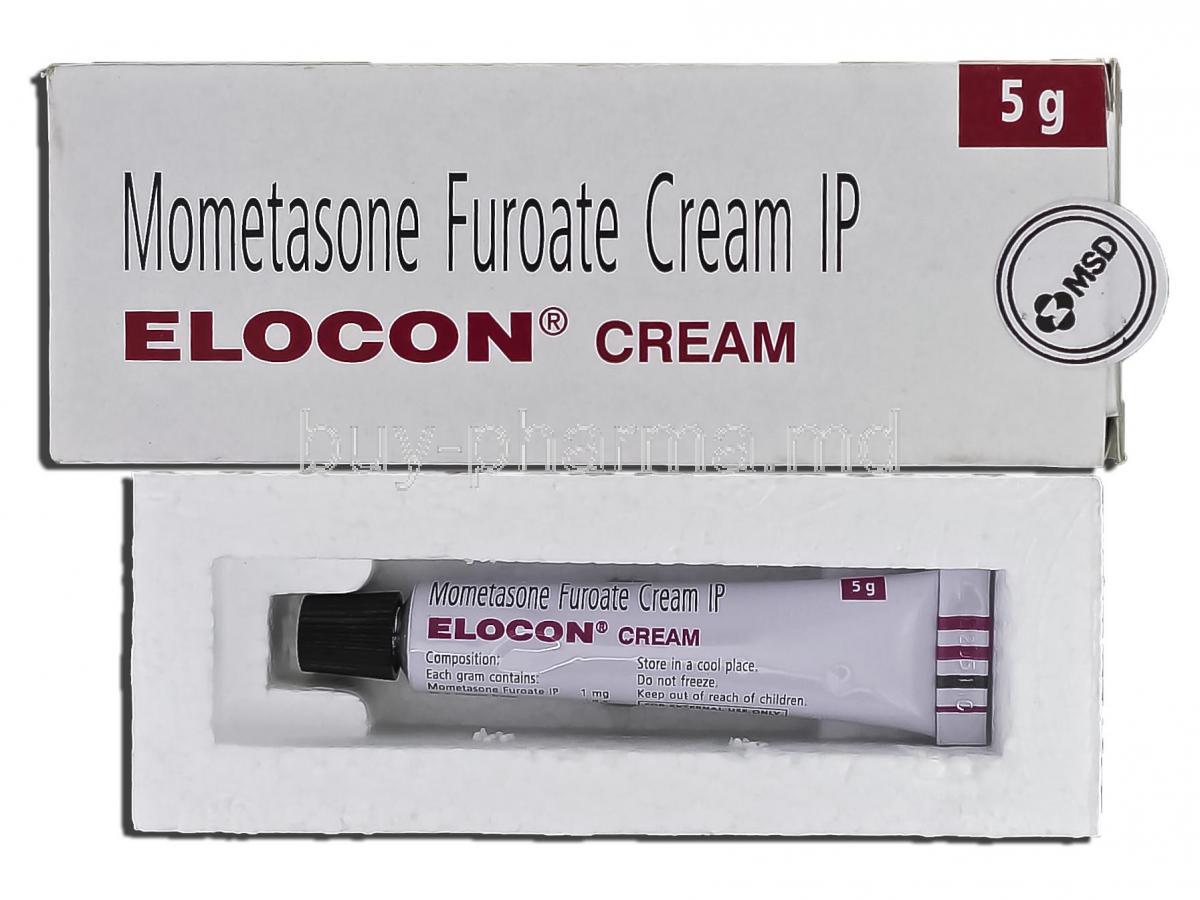
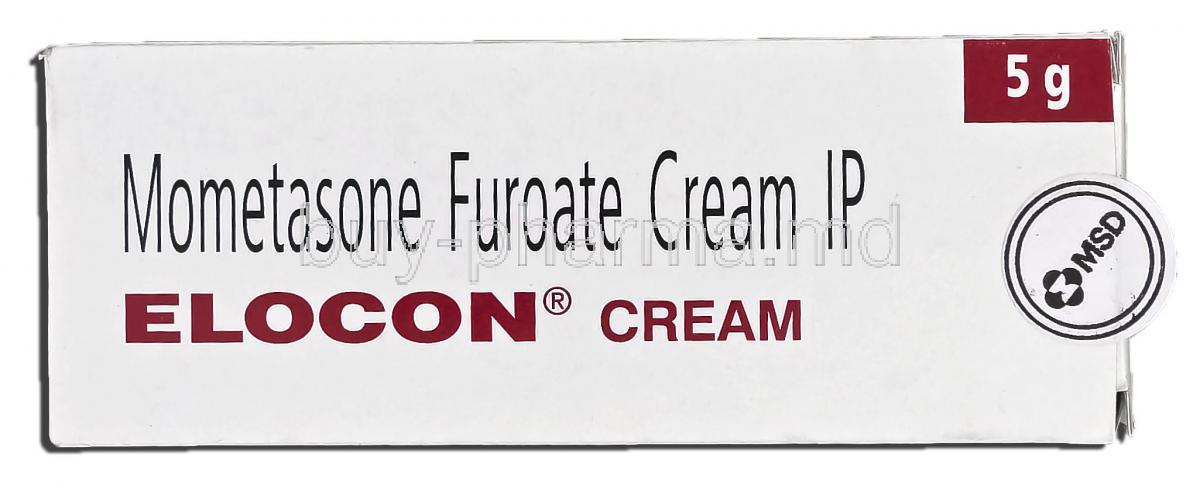
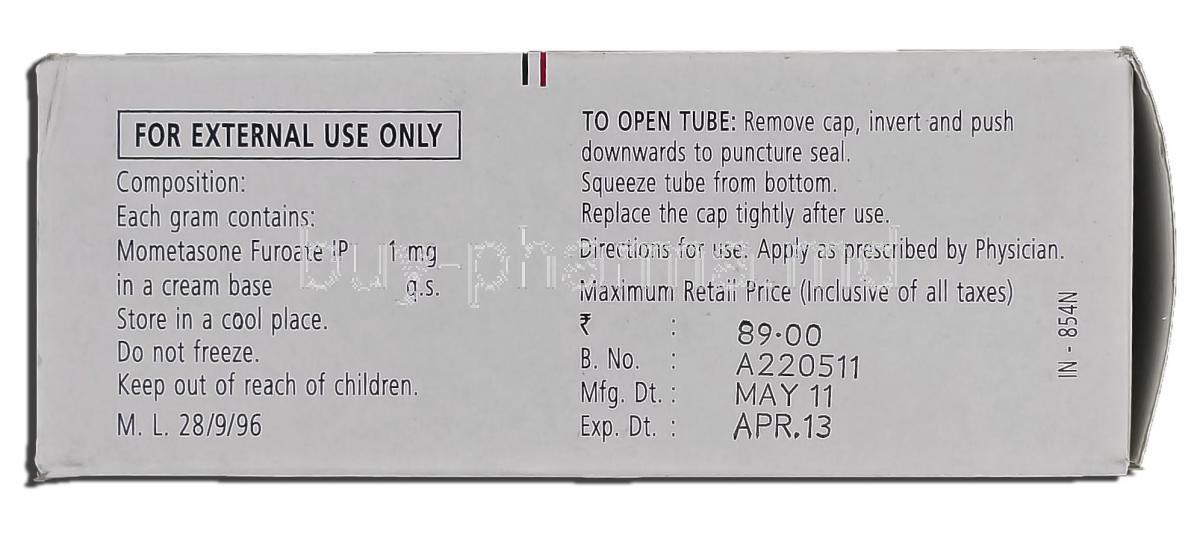
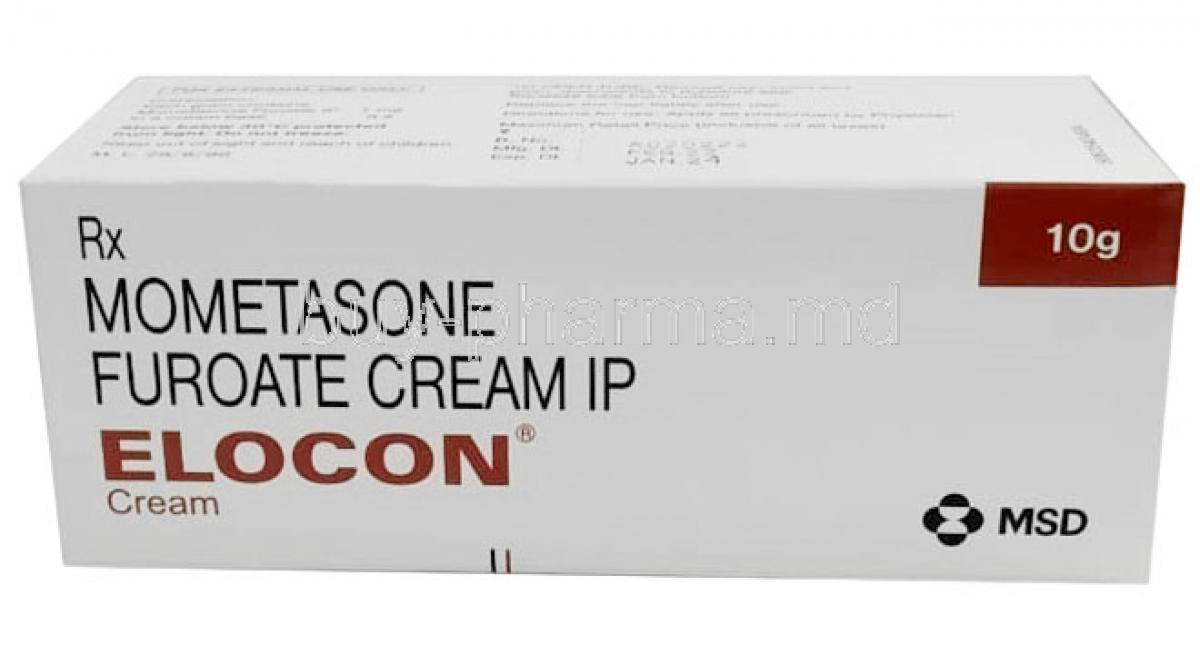
Elocon, containing mometasone furoate, is a highly potent topical corticosteroid formulated to alleviate inflammation, pruritus, and erythema associated with various dermatologic conditions. Its targeted action enables rapid relief while maintaining excellent skin tolerability. Short applications often yield noticeable improvement, even in stubborn dermatoses that resist milder therapies.
1.2 Therapeutic classification and potency category
Mometasone furoate belongs to the medium-to-high potency class of corticosteroids. This classification reflects its robust anti-inflammatory capability while offering a favorable safety profile when applied correctly.
1.3 Indications across dermatology and inflammatory skin disorders
Elocon is routinely prescribed for a broad range of inflammatory skin diseases. It assists in eczema, psoriasis, dermatitis, lichenified plaques, and pruritic eruptions. Dermatologists value its versatility, efficacy, and reliability.
- Reduces cutaneous inflammation
- Controls chronic pruritus
- Restores skin barrier function
1.4 Benefits of localized corticosteroid therapy vs systemic exposure
Localized therapy minimizes systemic corticosteroid absorption, reducing the risk of endocrine disturbances or metabolic complications. This targeted approach allows high effectiveness at the site of inflammation while significantly lowering the likelihood of systemic adverse events.
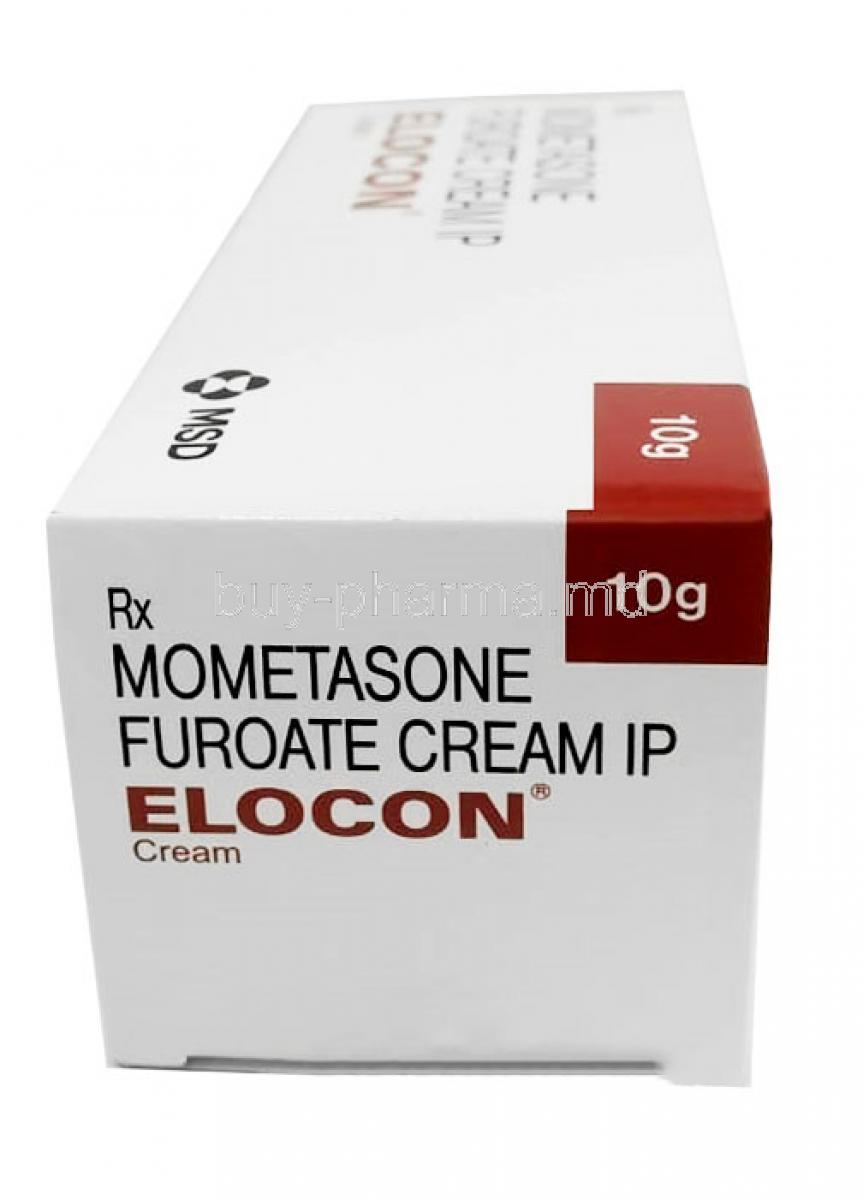
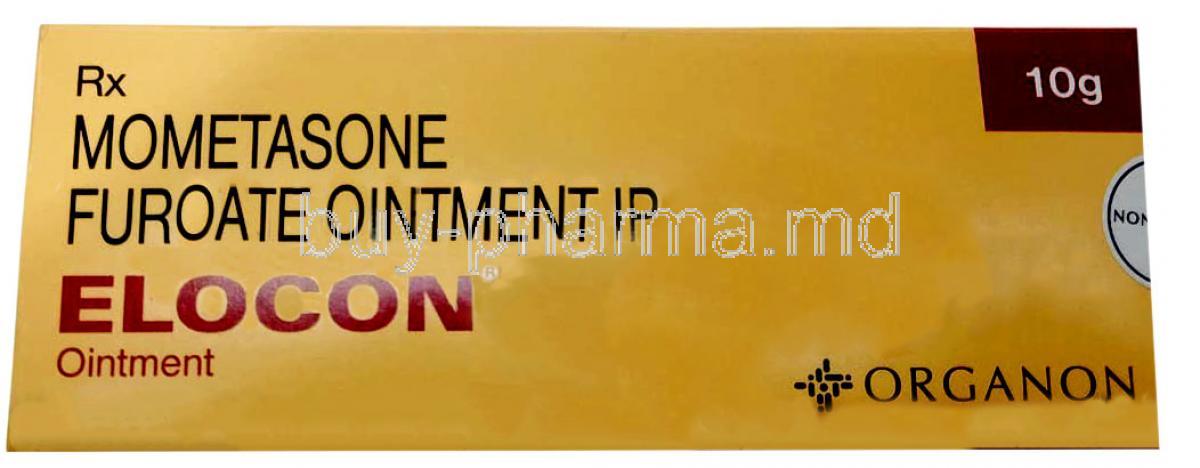
1.5 Overview of available formulations (cream, ointment, lotion, scalp solution)
The medication is available in multiple formulations, each suited to a different dermatologic need:
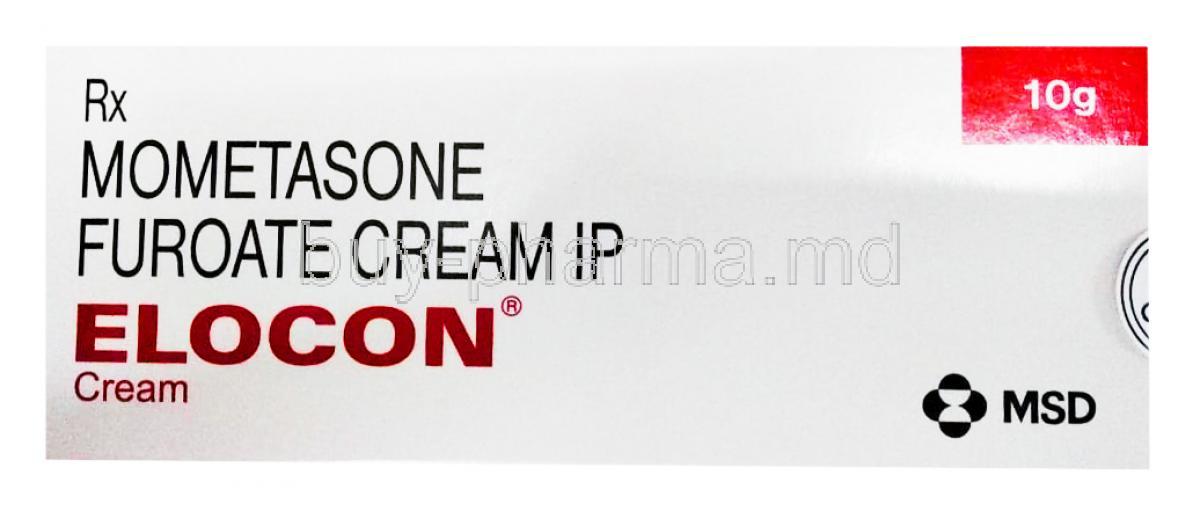
- Cream: For inflamed or moist skin regions
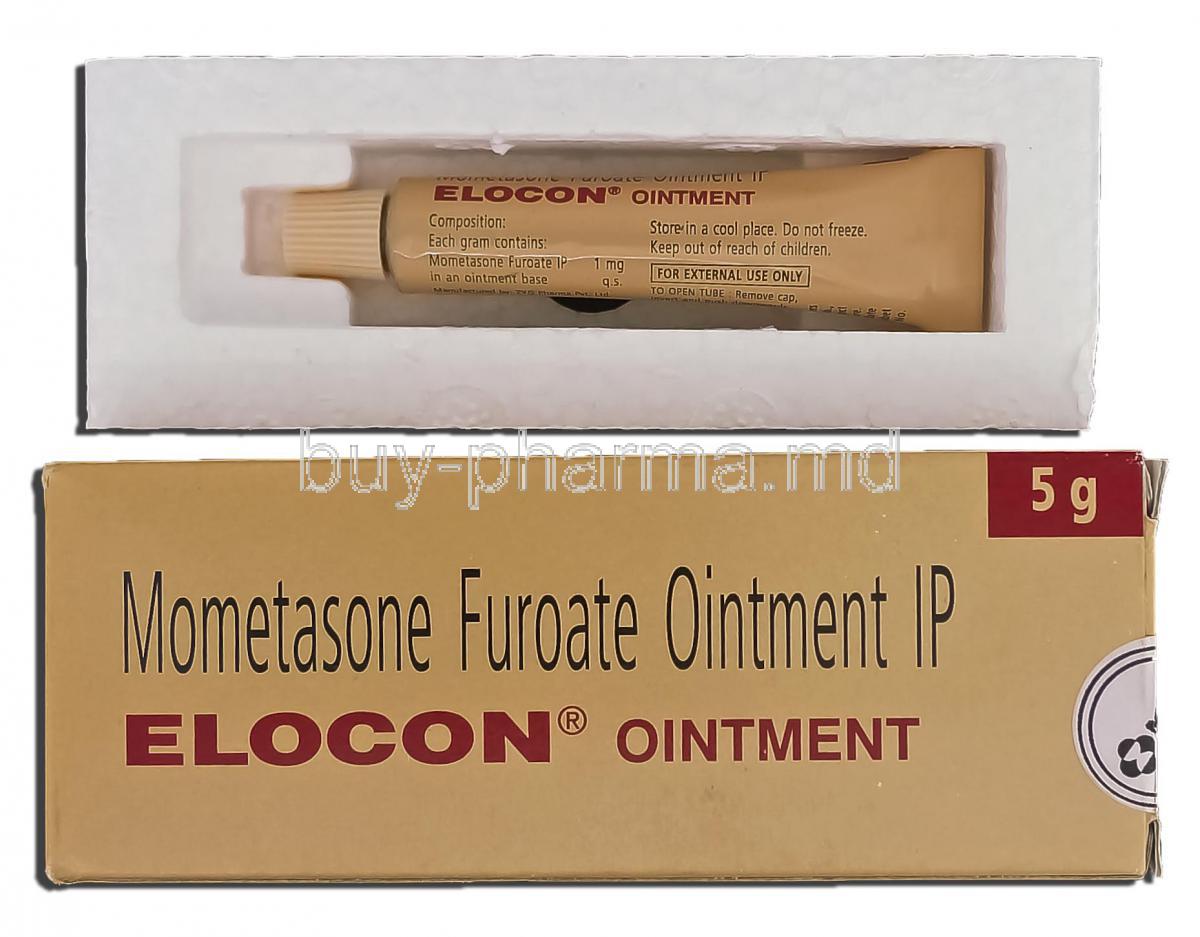
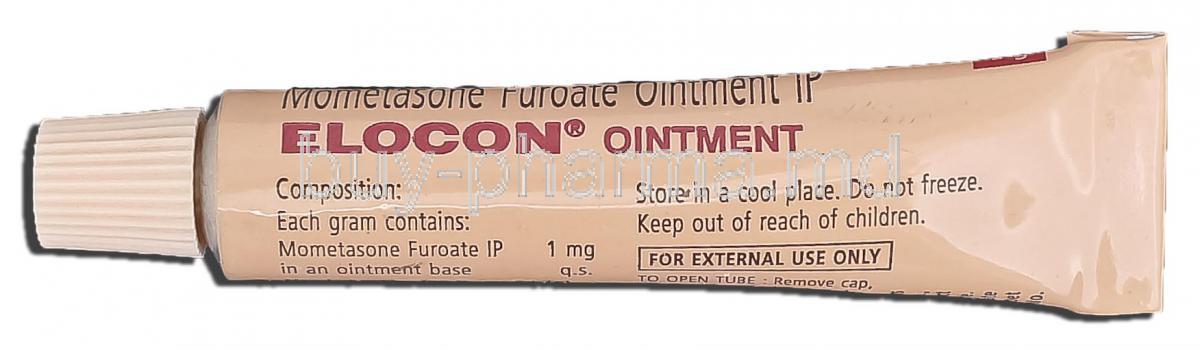
- Ointment: For thick, dry, or lichenified plaques
- Lotion: For broad surface application or sensitive areas
- Scalp solution: Optimized for hair-bearing regions
2. Understanding Mometasone Furoate
2.1 Chemical structure and pharmacological profile
Mometasone furoate is a synthetic corticosteroid ester, engineered for enhanced receptor affinity and lower systemic absorption. Its molecular architecture promotes deep skin penetration and prolonged activity within the targeted tissue layers.
2.2 Mechanism of action within the corticosteroid class
Once absorbed into the epidermis, mometasone binds to glucocorticoid receptors, initiating transcriptional modifications that downregulate inflammatory pathways. This orchestrated repression of inflammation mediators yields powerful symptom control.
2.3 Anti-inflammatory, antipruritic, and vasoconstrictive effects
The therapeutic effects of Elocon include:
- Anti-inflammatory: Suppresses prostaglandins and inflammatory cytokines
- Antipruritic: Reduces itch intensity by modulating nerve responses
- Vasoconstrictive: Minimizes erythema through reduced vascular dilation
2.4 Onset of action and duration of effect on skin lesions
Improvement is often visible within hours to days. The pharmacodynamic action persists throughout the application interval, providing sustained relief that makes long-term management feasible.
3. Approved Uses of Elocon
3.1 Treatment of eczema (atopic dermatitis, nummular eczema)
Elocon is widely utilized for both acute flares and chronic management of eczema. It reduces redness, scaling, and severe itching, restoring comfort and preventing further skin damage.
3.2 Management of psoriasis (mild to moderate plaque psoriasis)
The medication helps flatten plaques, reduce scaling, and improve overall skin texture. It is often combined with emollients to maximize therapeutic response.
3.3 Contact dermatitis (irritant and allergic)
Elocon reduces the exaggerated inflammatory response triggered by irritants or allergens. This attenuation helps stop the itch–scratch cycle and minimizes progression to chronic dermatitis.
3.4 Seborrheic dermatitis (non-scalp areas)
Used cautiously on the face and other sensitive regions, mometasone helps reduce inflammation and flaking caused by seborrheic dermatitis outbreaks.
3.5 Lichen simplex chronicus and neurodermatitis
The potent anti-inflammatory and antipruritic actions help interrupt habitual scratching patterns, allowing thickened skin to gradually soften and heal.
3.6 Inflammatory dermatoses responsive to corticosteroids
This includes a wide spectrum of rashes and inflammatory conditions where corticosteroid-responsive inflammation is the primary pathology.
4. Off-Label Uses of Mometasone Furoate
4.1 Use in prurigo nodularis
Applied to hyperkeratotic nodules, Elocon helps reduce itch intensity and lesion size.
4.2 Relief for insect bite inflammation
Its quick-acting anti-inflammatory effects alleviate swelling and discomfort from insect bites.
4.3 Symptomatic relief in vitiligo repigmentation therapy
Elocon may be used adjunctively to reduce inflammatory components in early vitiligo patches.
4.4 Use in lichen sclerosus (non-genital, with caution)
Though not first-line, it may assist in decreasing inflammation in stubborn extragenital lesions.
4.5 Management of mild lupus skin lesions (cutaneous lupus)
Some clinicians use mometasone for mild lesions to reduce erythema and scaling when stronger agents are unsuitable.
4.6 Adjunctive use in chronic hand dermatitis
For refractory dryness and cracking, mometasone adds anti-inflammatory strength to standard emollient therapy.
4.7 Nasal and respiratory off-label usage overview (comparison with nasal mometasone)
Although topical Elocon is not used intranasally, comparisons highlight mometasone’s systemic safety and potent anti-inflammatory capacity, exemplified in its nasal formulations.
5. How Elocon Works
5.1 Receptor binding and modulation of inflammatory gene expression
Mometasone binds intracellular glucocorticoid receptors, initiating a cascade that modulates DNA transcription, diminishing pro-inflammatory gene expression.
5.2 Suppression of inflammatory cytokines and mediators
It blocks multiple inflammatory molecules including IL-1, IL-6, TNF-α, and prostaglandins.
5.3 Reduction in vasodilation and capillary permeability
This effect mitigates redness, edema, and exudation in inflamed skin areas.
5.4 Impact on epidermal cell turnover and keratinocyte activity
By suppressing excessive keratinocyte activity, Elocon helps normalize epidermal thickness and reduce scaling.
5.5 How topical delivery minimizes systemic absorption
The molecular size and ester formulation of mometasone yield excellent skin retention with minimal systemic penetration, allowing potent local effects with reduced systemic risk.
6. Composition and Formulation Details
6.1 Active ingredient: mometasone furoate concentration (0.1%)
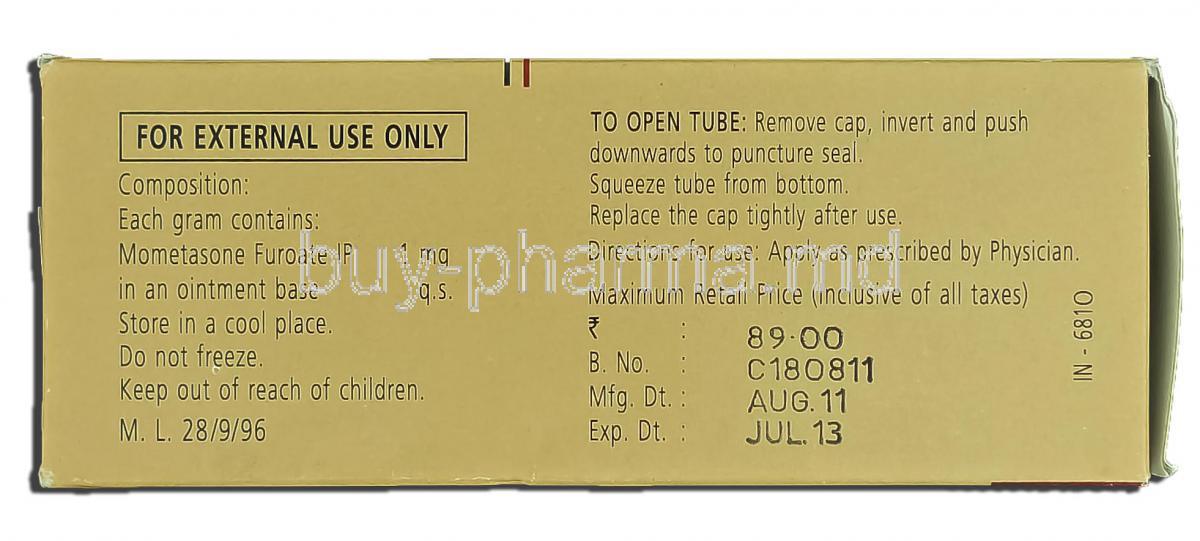
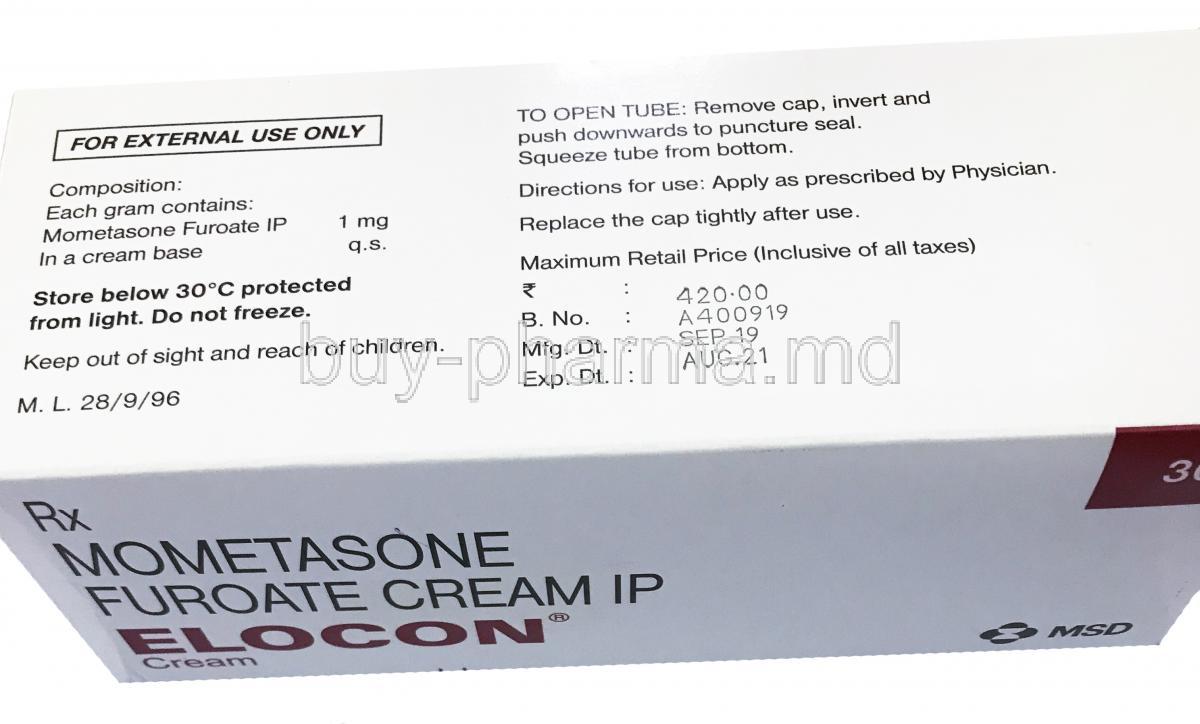
Each formulation contains 0.1% mometasone furoate, delivering consistent potency across dosage forms.
6.2 Differences between cream, ointment, lotion, and solution
- Cream: Balanced hydration for most skin types
- Ointment: Occlusive base ideal for dry, thick skin
- Lotion: Lightweight and spreadable for broad or hairy areas
- Solution: Rapid drying for scalp or dense hair regions
6.3 Inactive ingredients and formulation-specific excipients
Each formulation includes selected excipients to optimize absorption, including moisturizers, stabilizers, and solubilizing agents. These help ensure uniform distribution and enhance the therapeutic effect.
6.4 Comparison of potency and absorption between formulations
Ointments typically provide the highest penetration due to their occlusive nature, while lotions and solutions are designed for ease of application rather than maximal absorption.
7. Dosage and Administration
7.1 Standard application frequency and duration
Elocon is usually applied once daily in a thin, uniform layer. Treatment duration may vary depending on severity and location of the condition.
7.2 Fingertip unit (FTU) guidance for appropriate dosing
- 1 FTU ≈ 0.5 g
- Varies by body region (e.g., 2 FTUs for the arm)
7.3 Application technique for different body areas
Apply lightly and gently, allowing complete absorption. Avoid aggressive rubbing, especially on delicate skin.
7.4 Use on face, groin, and axilla—reduced potency considerations
These areas absorb corticosteroids more readily, necessitating shorter treatment cycles and reduced frequency.
7.5 Treatment duration limits to avoid skin atrophy
Continuous long-term use is discouraged. Breaks or rotation to lower-potency steroids may be required.
7.6 Scalp solution and lotion application techniques
Part the hair, apply drops directly to the scalp, and massage gently until absorbed.
7.7 When to taper vs abruptly discontinue
Gradual tapering is recommended for long-duration therapy to prevent rebound flares.
8. Important Precautions
8.1 Avoiding use on thin or sensitive skin areas
Caution is necessary on the eyelids, neck, and genital areas due to higher absorption.
8.2 Risk of skin atrophy and striae with prolonged use
Extended application can lead to dermal thinning, stretch marks, or purpura.
8.3 Avoiding occlusive dressings unless directed
Occlusion markedly increases absorption and may lead to systemic exposure.
8.4 Monitoring for signs of corticosteroid overuse
Signs include increasing redness, acne-like eruptions, or paradoxical irritation.
8.5 Avoiding use around the eyes to prevent glaucoma or cataracts
Systemic absorption through periorbital skin may increase ocular risks.
8.6 Preventing secondary infections during treatment
Prolonged corticosteroid exposure can mask or worsen bacterial, fungal, or viral infections.
9. Warnings and Safety Information
9.1 Systemic absorption risks and HPA axis suppression
Though uncommon, extensive or prolonged application may affect cortisol regulation.
9.2 Risk of Cushingoid features with misuse
Misuse or overuse may cause characteristic symptoms such as central adiposity and facial fullness.
9.3 Interaction with compromised immune function
Patients with weakened immunity must use corticosteroids with caution due to infection masking effects.
9.4 Use in patients with chronic infections (fungal, viral, bacterial)
If signs of infection emerge, therapy may require adjustment or discontinuation.
9.5 Phototoxicity and sunlight sensitivity considerations
Some individuals may experience enhanced sensitivity to UV radiation during treatment.
9.6 When to discontinue and seek medical evaluation
Severe irritation, lack of improvement, or worsening lesions warrant prompt medical reassessment.
10. Contraindications
10.1 Hypersensitivity to mometasone furoate or formulation components
Elocon must not be used in individuals with known hypersensitivity to mometasone furoate or any excipients present in the formulation. Even minimal exposure may provoke intense erythema, pruritus, or urticarial reactions. In such cases, immediate discontinuation is warranted.
10.2 Untreated bacterial, fungal, or viral skin infections
Topical corticosteroids may worsen underlying infections if used without appropriate antimicrobial therapy. Conditions such as impetigo, candidiasis, and herpes simplex can proliferate under steroid-induced immunosuppression.
10.3 Rosacea and perioral dermatitis
Elocon is contraindicated for rosacea and perioral dermatitis, as these disorders typically deteriorate with corticosteroid exposure. Chronic use may induce steroid-dependent dermatitis, complicating long-term management.
10.4 Acne vulgaris
Corticosteroids can obstruct follicular units, aggravating acneiform eruptions. For acne-prone patients, alternative therapies are recommended.
10.5 Skin ulcers or open wounds
Open wounds expose deeper dermal structures, significantly increasing absorption and risking systemic toxicity. Application in these areas may also impede natural healing processes.
10.6 Contraindications in ocular involvement or periocular use
Applying Elocon near the eyes may elevate intraocular pressure or contribute to cataract development. It must not be used for eyelid inflammation unless explicitly instructed by a specialist.
11. Careful Administration
11.1 Patients with compromised skin barrier or chronic skin diseases
Conditions such as atopic dermatitis or chronic eczema may enhance percutaneous absorption. This necessitates cautious dosing and periodic re-evaluation.
11.2 Individuals with diabetes mellitus (risk of hyperglycemia with absorption)
Absorbed corticosteroids may modestly influence glucose metabolism. Patients with diabetes should be monitored for fluctuations in glycemic control.
11.3 Long-term corticosteroid users requiring step-down therapy
Chronic users may experience rebound flares when abruptly discontinuing therapy. A gradual tapering strategy helps maintain symptom stability.
11.4 Application on large surface areas
Extensive application may inadvertently increase systemic exposure. This is particularly critical in individuals with thin or compromised skin.
11.5 Patients using multiple corticosteroid products simultaneously
Concurrent use of several steroid-containing preparations increases cumulative systemic absorption. Treatment regimens should be consolidated when possible.
12. Side Effects
12.1 Overview of local adverse reactions
Most adverse reactions are localized and reversible. They typically arise from prolonged use or application on delicate skin surfaces.
12.2 Skin thinning, dryness, and irritation
Chronic corticosteroid exposure may reduce dermal collagen, causing skin atrophy, dryness, or heightened sensitivity.
12.3 Folliculitis and perioral dermatitis
Obstruction of hair follicles can precipitate folliculitis, while perioral dermatitis may manifest as clustered papulopustules around the mouth.
12.4 Telangiectasia, striae, and pigmentation changes
Persistent application may lead to visible dilated vessels (telangiectasia), stretch marks, or altered pigmentation patterns.
12.5 Exacerbation of pre-existing skin infections
Steroid-induced immunosuppression may mask signs of infection, allowing pathogens to proliferate.
12.6 Rare systemic effects with high absorption
Systemic effects such as adrenal suppression or Cushingoid features may occur under extreme circumstances, such as long-term use on large areas.
13. Common Side Effects
13.1 Mild burning or stinging sensation
A transient burning or stinging sensation may occur immediately after application, especially on irritated skin.
13.2 Itching or dryness after application
Some individuals may experience dryness or persistent itching as the medication begins to act.
13.3 Redness or mild irritation
Localized erythema may appear, typically resolving spontaneously with continued proper use.
13.4 Temporary skin lightening or darkening
Alterations in pigmentation may arise, particularly in individuals with higher melanin concentrations.
13.5 Acne-like eruptions
Follicular irritation can trigger acneiform bumps, especially on the face or upper torso.
13.6 Headache or mild systemic effects (rare)
Although uncommon, slight systemic symptoms such as headache may develop due to inadvertent absorption.
14. Drug Interactions
14.1 Interactions with immunosuppressive medications
Co-administration with systemic immunosuppressants may amplify immune suppression, heightening infection risks.
14.2 Interactions with topical antimicrobials
Most topical antimicrobials can be used safely; however, overuse of combined medications may irritate sensitive skin.
14.3 Risks with concurrent use of multiple steroids
Simultaneous steroid therapies may cause cumulative exposure, increasing adverse effect likelihood.
14.4 Impact on vaccines and immune responses
Systemic absorption may theoretically dampen immune responses, although topical use rarely causes clinically significant interference.
14.5 Potential interactions with phototherapy treatments
Using corticosteroids alongside UV therapies may heighten skin sensitivity, necessitating adjusted phototherapy dosages.
15. Administration in Special Populations
15.1 Elderly Patients
15.1.1 Increased risk of skin fragility
Aging skin is more susceptible to tearing and bruising, requiring gentle application and careful monitoring.
15.1.2 Adjusting application frequency
Reduced dosing frequency may be appropriate to minimize atrophic changes while maintaining therapeutic efficacy.
15.1.3 Monitoring for steroid-induced bruising
Regular checks for unexplained bruising or purpura are essential due to heightened vulnerability.
15.2 Pregnant Women and Nursing Mothers
15.2.1 Safety data and pregnancy category considerations
Mometasone has limited systemic uptake, yet caution is advised due to insufficient pregnancy safety data.
15.2.2 Avoiding extensive or prolonged use
Long-term or large-area application should be avoided to minimize systemic absorption.
15.2.3 Risks of systemic exposure during breastfeeding
Although systemic exposure is low, treated skin should not come into contact with the infant.
15.2.4 Preventing infant contact with treated skin
Ensure complete absorption before holding or nursing infants to prevent inadvertent transfer.
15.3 Children and Infants
15.3.1 Increased skin absorption risk
Infant skin is thinner and more permeable, heightening the risk of systemic corticosteroid absorption.
15.3.2 Limiting treatment duration and surface area
Short, focused treatment courses are essential to prevent adverse developmental impacts.
15.3.3 Use in diaper dermatitis—strict precautions
Occlusion created by diapers increases absorption; alternative therapies are often preferred.
15.3.4 Monitoring for growth suppression
Prolonged systemic absorption may affect growth velocity, necessitating ongoing pediatric oversight.
16. Overdosage
16.1 Signs of excessive topical corticosteroid exposure
Symptoms may include persistent redness, skin thinning, severe dryness, or unusual bruising.
16.2 Symptoms of HPA axis suppression
Severe cases may manifest as fatigue, hypotension, or reduced stress tolerance due to adrenal suppression.
16.3 Emergency management and medical intervention
Healthcare evaluation is essential for suspected overdose, particularly if systemic symptoms emerge.
16.4 Gradual dose reduction instead of abrupt discontinuation
Tapering remains crucial to avoid rebound inflammation or exacerbation of underlying dermatoses.
17. Storage Guidelines
17.1 Ideal storage temperature and humidity
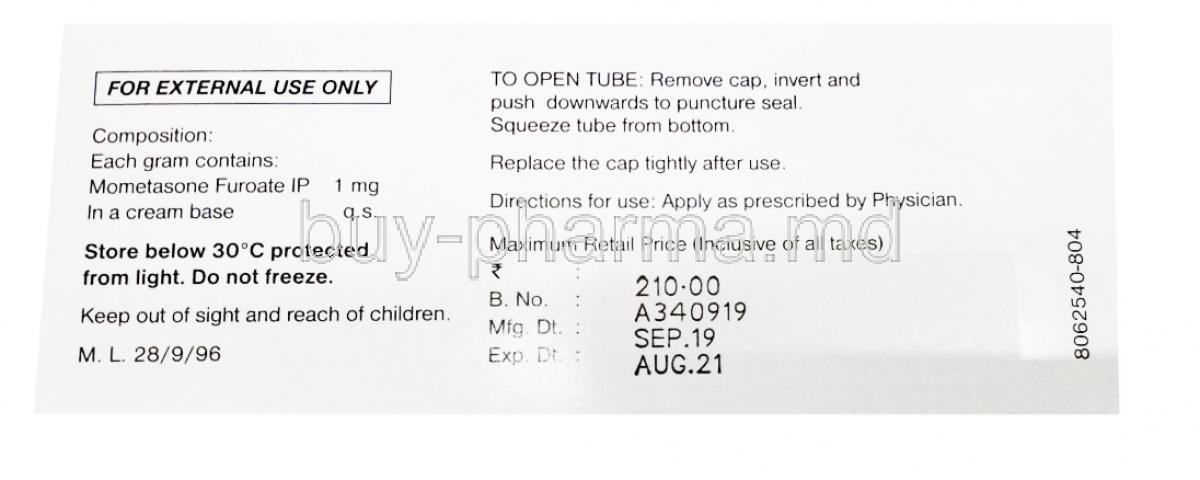
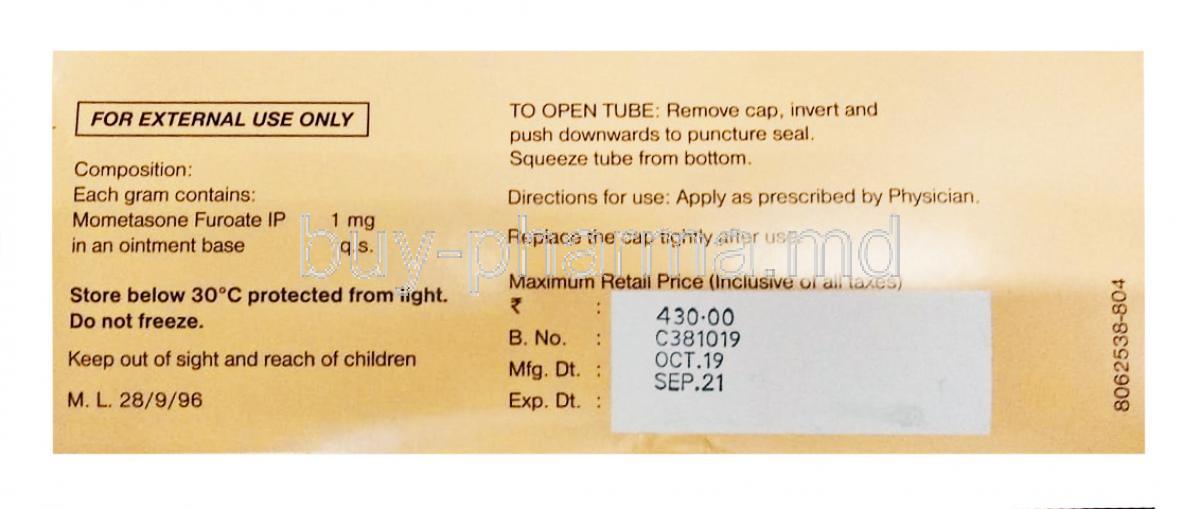
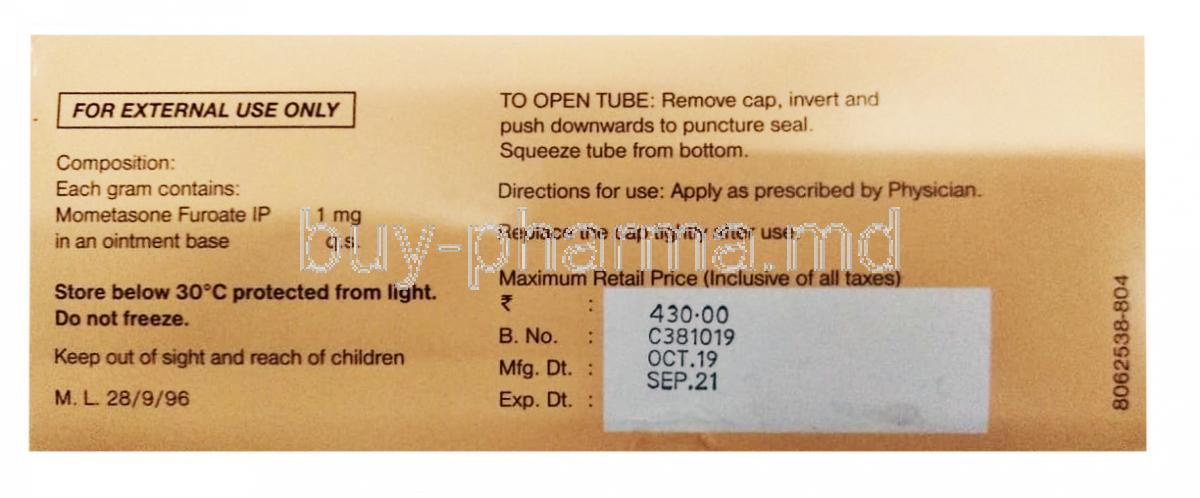
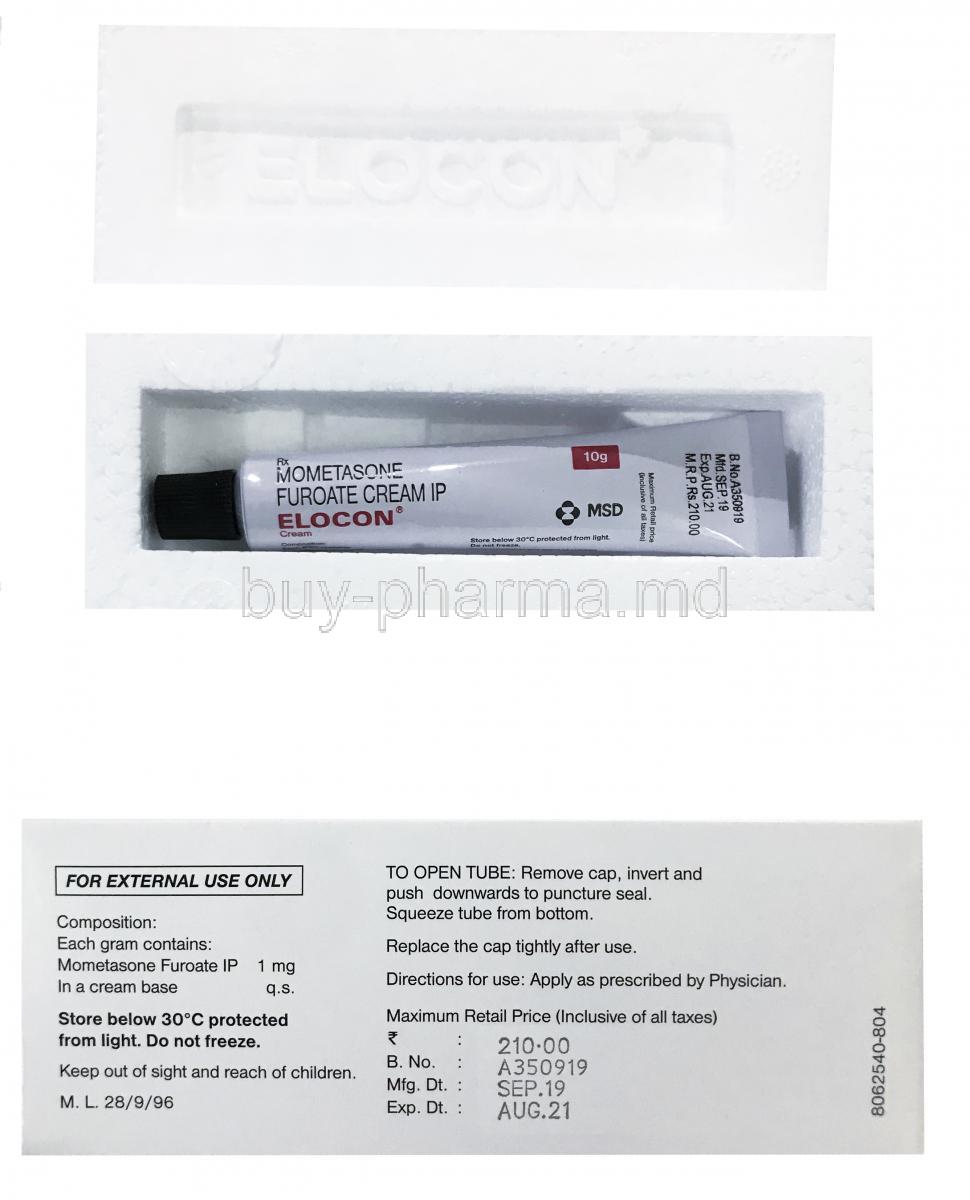
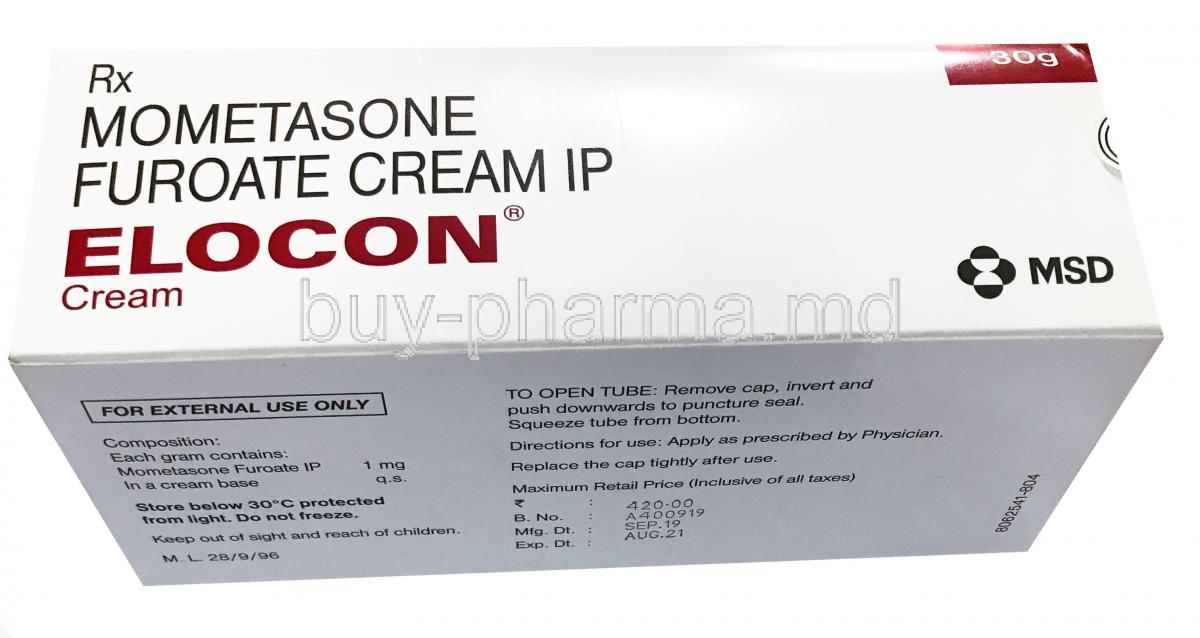
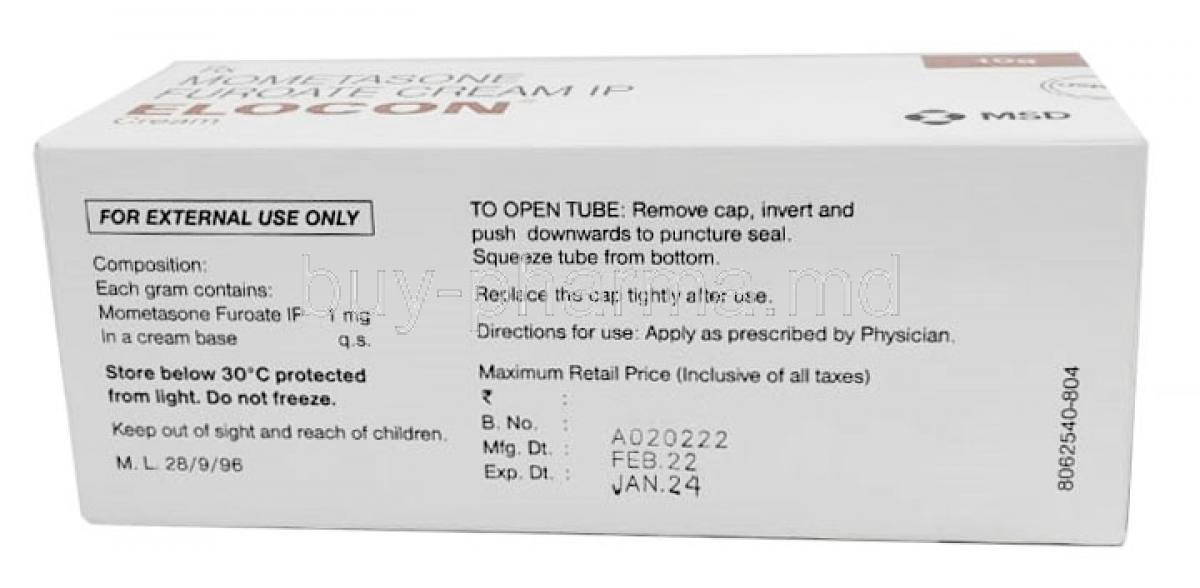
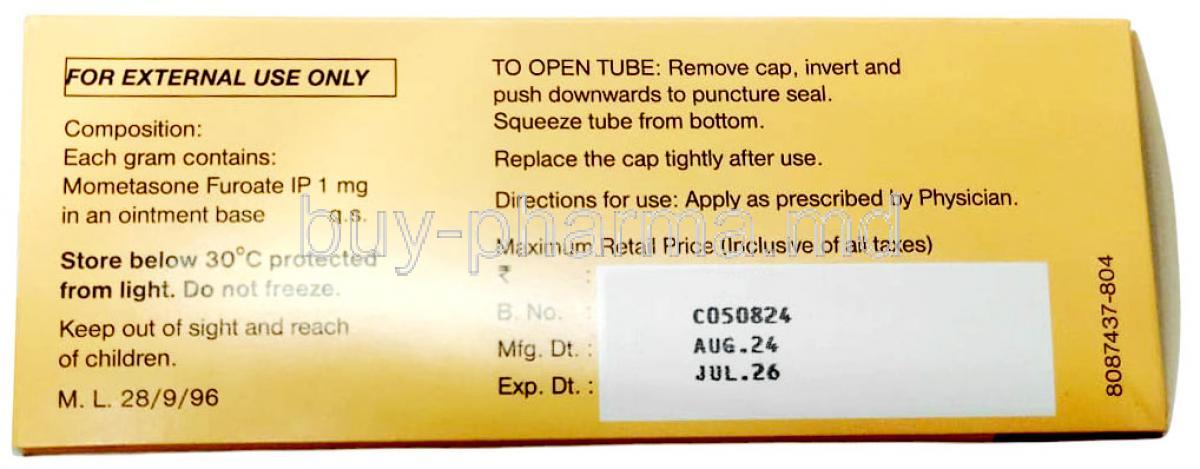
Store Elocon at stable room temperature, typically between 20–25°C, in a dry environment.
17.2 Protecting formulations from light and heat
Excessive heat or direct sunlight may reduce potency or degrade the formulation.
17.3 Shelf life and stability considerations
Check the expiry date regularly and avoid using products past their recommended shelf life.
17.4 Safe storage away from children and pets
Corticosteroid creams can be harmful if ingested or misused. Secure storage is essential.
18. Handling Precautions
18.1 Hygienic application practices
Ensure hands and application tools are clean to prevent contamination and infection risk.
18.2 Washing hands before and after application
This minimizes unintentional transfer to other skin areas or sensitive surfaces such as the eyes.
18.3 Avoiding contamination of the product container
Keep the nozzle or tube opening clean and avoid direct contact with skin lesions.
18.4 Safe disposal of expired or unused medication
Dispose of medications responsibly, following local guidelines to avoid environmental contamination.

Customers also bought
Popular Products
Similar Product