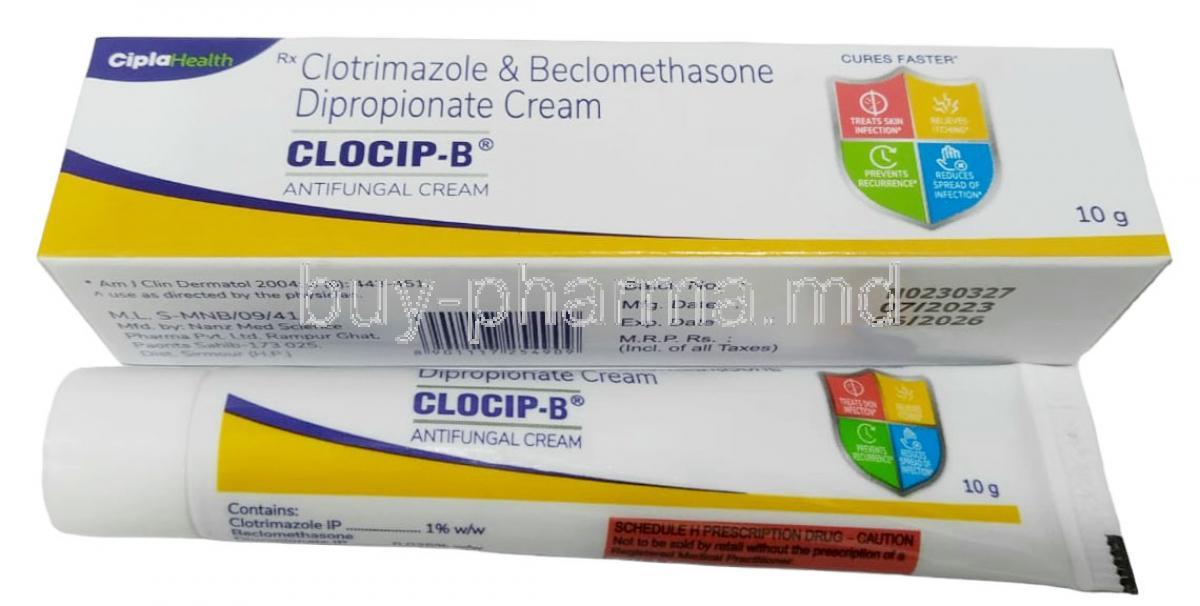
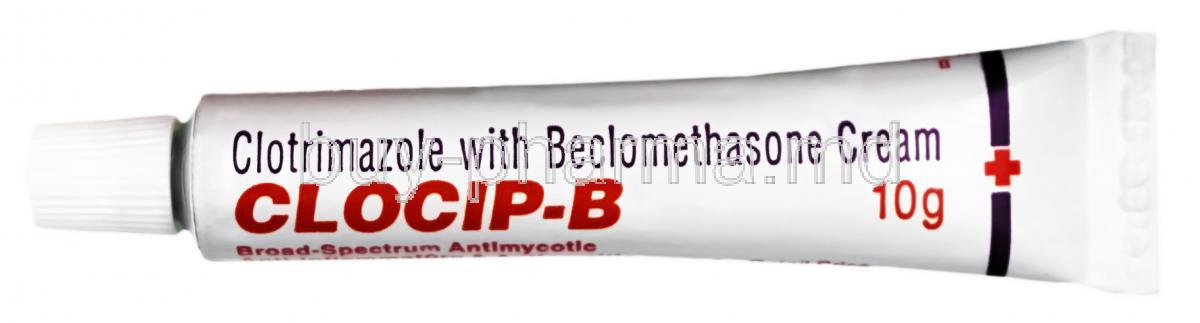
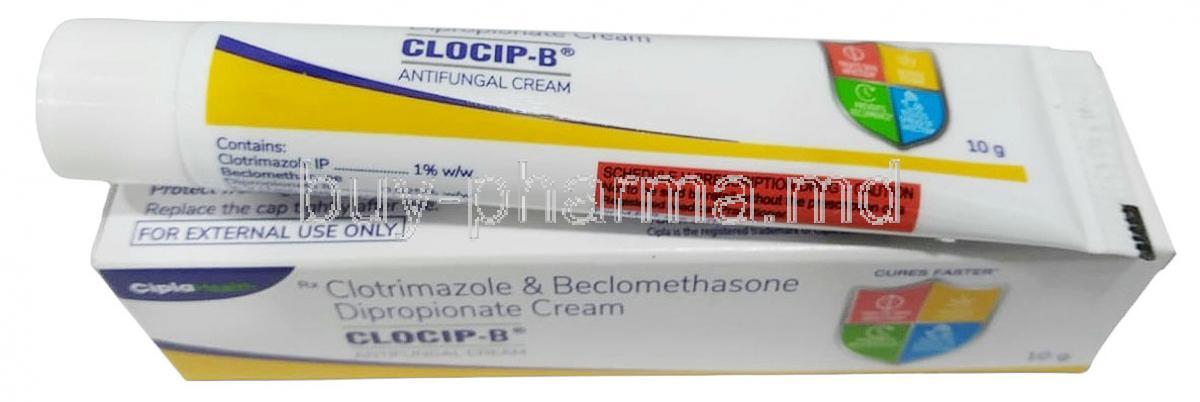
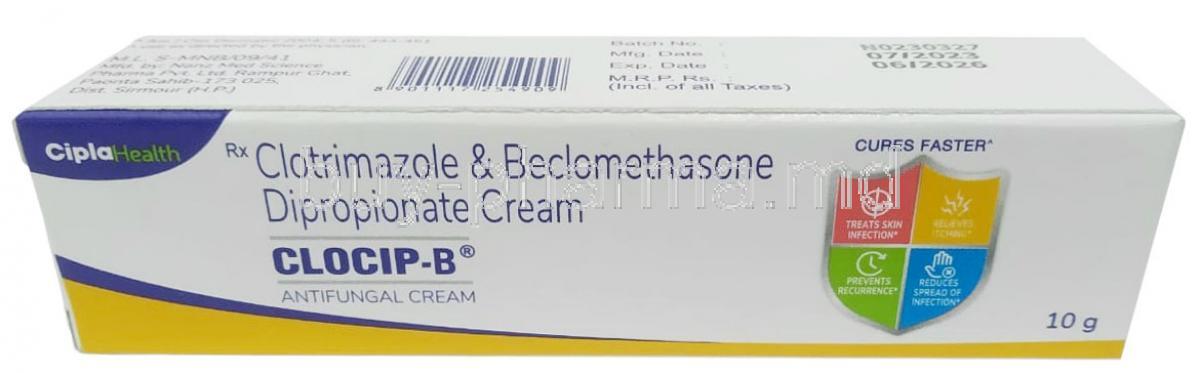
1. Introduction to Clocip-B Cream (Beclometasone/Clotrimazole)
1.1 Overview of Combination Therapy in Dermatology
Clocip-B Cream represents a dual-action dermatological formulation designed to address both inflammatory and infectious skin conditions. Combination therapy has gained prominence due to its ability to target multifactorial dermatoses simultaneously. It offers rapid symptomatic relief while addressing the underlying microbial etiology.
- Targets inflammation and fungal infection concurrently
- Reduces treatment duration in mixed skin conditions
- Enhances patient compliance with a single formulation
1.2 Therapeutic Classification: Corticosteroid and Antifungal Combination
This preparation belongs to a pharmacological class combining a topical corticosteroid and an imidazole antifungal agent. Beclometasone provides potent anti-inflammatory effects, whereas clotrimazole exerts fungistatic and fungicidal actions. The synergy allows effective management of inflamed fungal dermatoses.
1.3 Indications for Prescription vs Over-the-Counter Use
Clocip-B Cream is generally prescribed for moderate to severe inflammatory fungal infections. While some antifungal creams are available over the counter, combination therapies containing corticosteroids typically require medical supervision due to potential adverse effects with misuse.
1.4 Scope of Use in Inflammatory and Fungal Skin Disorders
The formulation is particularly useful in dermatoses where inflammation exacerbates fungal proliferation. It is frequently utilized in conditions characterized by erythema, pruritus, and scaling, especially when fungal colonization is evident.
2. Composition and Formulation Details
2.1 Active Ingredients: Beclometasone Dipropionate and Clotrimazole
The cream contains two pharmacologically active constituents:
- Beclometasone Dipropionate: A potent corticosteroid that suppresses inflammatory mediators
- Clotrimazole: An antifungal agent that disrupts fungal cell membrane synthesis
2.2 Mechanism-Driven Synergy of Dual Components
The corticosteroid component alleviates inflammation, thereby reducing symptoms such as itching and swelling. Simultaneously, clotrimazole eradicates fungal pathogens. This dual mechanism ensures both symptomatic and etiological management.
2.3 Inactive Ingredients and Cream Base Composition
The formulation includes excipients that enhance stability, absorption, and skin compatibility. These may include emulsifiers, preservatives, and moisturizing agents, contributing to optimal dermal penetration and tolerability.
2.4 Available Strengths and Packaging Variants
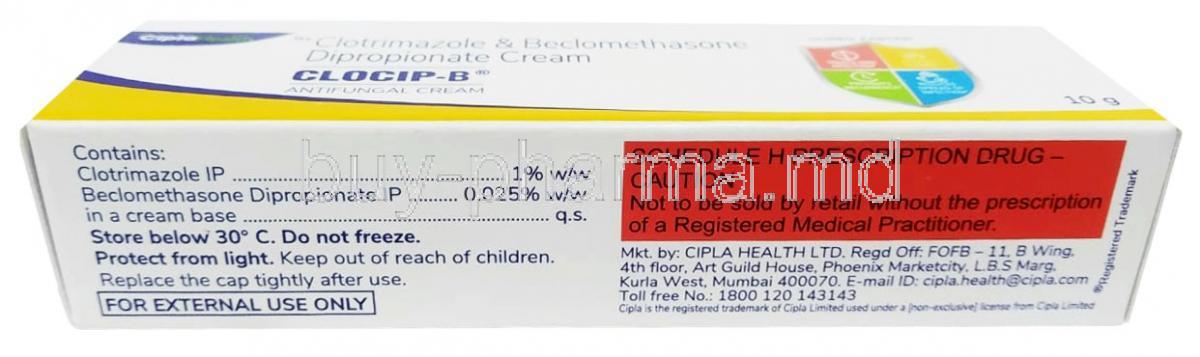
Clocip-B Cream is typically available in standard dermatological strengths and packaged in tubes of varying sizes to suit different treatment durations.
3. How Clocip-B Cream Works (Mechanism of Action)
3.1 Anti-inflammatory Action of Beclometasone (Corticosteroid Activity)
Beclometasone inhibits phospholipase A2 activity, reducing the synthesis of prostaglandins and leukotrienes. This leads to diminished inflammation, vasodilation, and immune response at the site of application.
3.2 Antifungal Mechanism of Clotrimazole (Ergosterol Synthesis Inhibition)
Clotrimazole interferes with ergosterol biosynthesis, a critical component of fungal cell membranes. The disruption results in increased membrane permeability and eventual fungal cell death.
3.3 Reduction of Pruritus, Erythema, and Scaling
The combination effectively alleviates hallmark symptoms:
- Persistent itching (pruritus)
- Redness (erythema)
- Flaking and scaling of the skin
3.4 Dual Action in Mixed Inflammatory-Fungal Dermatoses
This formulation is particularly advantageous in cases where inflammation coexists with fungal infection, offering comprehensive therapeutic coverage.
4. Uses of Clocip-B Cream (Approved Indications)
4.1 Treatment of Dermatophytosis (Ringworm, Athlete’s Foot, Jock Itch)
Clocip-B Cream is widely used to treat dermatophyte infections affecting various body regions. It reduces fungal load while alleviating associated inflammation.
4.2 Management of Cutaneous Candidiasis
It is effective against Candida species infections, particularly in moist and occluded skin areas.
4.3 Relief of Inflammatory Fungal Skin Infections
The cream provides rapid symptomatic relief in inflamed fungal conditions, improving patient comfort and adherence.
4.4 Treatment of Intertrigo with Secondary Fungal Infection
Intertriginous areas prone to moisture accumulation often develop secondary fungal infections. This formulation addresses both inflammation and infection simultaneously.
4.5 Use in Seborrheic Dermatitis with Fungal Component
In cases where Malassezia species contribute to seborrheic dermatitis, the cream may be used under clinical supervision.
5. Expanded and Off-Label Uses
5.1 Use in Eczema with Suspected Fungal Superinfection
In certain eczematous conditions complicated by fungal colonization, this cream may serve as adjunct therapy.
5.2 Management of Insect Bite Reactions Complicated by Fungal Growth
Secondary fungal infection following insect bites may be managed effectively with this combination.
5.3 Adjunct Therapy in Psoriasis with Secondary Fungal Colonization
Psoriatic lesions predisposed to fungal colonization may benefit from short-term use under medical guidance.
5.4 Use in Diaper Rash with Fungal Involvement (Under Medical Supervision)
In infants, careful and limited use may be considered for diaper dermatitis complicated by fungal infection.
5.5 Application in Chronic Dermatitis with Mixed Etiology
Chronic dermatoses involving both inflammatory and infectious components may respond favorably to this dual-action therapy.
6. Dosage and Administration Guidelines
6.1 Recommended Application Frequency and Duration
The cream is typically applied once or twice daily. Duration should be limited to the shortest effective period to minimize corticosteroid exposure.
6.2 Proper Method of Topical Application
Apply a thin layer to the affected area and gently massage until absorbed. Avoid excessive application.
6.3 Use on Different Body Areas (Face, Groin, Limbs)
Sensitive areas such as the face and groin require cautious use due to increased absorption and risk of adverse effects.
6.4 Duration Limits to Prevent Steroid-Related Adverse Effects
Prolonged use should be avoided. Extended application may lead to skin atrophy and other complications.
6.5 Missed Dose and Reapplication Instructions
If a dose is missed, it should be applied as soon as remembered. Doubling the dose is not recommended.
7. Side Effects of Clocip-B Cream
7.1 Overview of Potential Adverse Reactions
Adverse reactions may occur, particularly with prolonged or inappropriate use.
7.2 Local Skin Reactions and Irritation
Localized irritation, burning, or erythema may develop at the application site.
7.3 Corticosteroid-Related Side Effects with Prolonged Use
Long-term use may result in:
- Skin thinning (atrophy)
- Striae formation
- Telangiectasia
7.4 Fungal Resistance or Recurrence Risk
Incomplete treatment may lead to recurrence or resistance in fungal organisms.
7.5 Rare Systemic Absorption Effects
Systemic effects are rare but may occur with extensive or occlusive use.
8. Common Side Effects (Frequently Reported)
8.1 Mild Burning or Stinging Sensation
Transient discomfort may occur immediately after application.
8.2 Skin Dryness and Peeling
Some patients may experience dryness or desquamation.
8.3 Itching or Redness at Application Site
Localized pruritus or erythema is commonly reported.
8.4 Temporary Skin Discoloration
Changes in pigmentation may occur, particularly with prolonged use.
8.5 Acneiform Eruptions or Folliculitis
Steroid-induced acne or follicular inflammation may develop in susceptible individuals.
9. Drug Interactions and Product Interactions
9.1 Interaction with Other Topical Corticosteroids
Concurrent use may potentiate corticosteroid-related adverse effects.
9.2 Concomitant Use with Antifungal Agents
Additional antifungal therapy may enhance efficacy but should be guided by a healthcare professional.
9.3 Interaction with Occlusive Dressings and Absorption Enhancement
Occlusion increases systemic absorption, raising the risk of side effects.
9.4 Compatibility with Moisturizers and Emollients
Moisturizers may be used adjunctively but should be applied at different times.
9.5 Impact of Cosmetic and Skincare Products
Certain cosmetic products may interfere with absorption or exacerbate irritation.
10. Contraindications of Clocip-B Cream
10.1 Hypersensitivity to Beclometasone, Clotrimazole, or Excipients
Use is contraindicated in individuals with known hypersensitivity to any component of the formulation.
10.2 Viral Skin Infections (Herpes Simplex, Varicella)
Corticosteroids may worsen viral infections and should be avoided.
10.3 Untreated Bacterial Skin Infections
Primary bacterial infections require appropriate antibacterial therapy prior to use.
10.4 Rosacea and Perioral Dermatitis
These conditions may be exacerbated by corticosteroid application.
10.5 Use in Acne Vulgaris Without Fungal Component
The cream is not indicated for acne unless fungal involvement is suspected.
11. Warnings and Safety Considerations
11.1 Risk of Skin Atrophy with Prolonged Corticosteroid Use
Prolonged application of corticosteroid-containing formulations may precipitate dermal atrophy, characterized by thinning, fragility, and increased susceptibility to injury. The epidermis may lose structural integrity, resulting in visible striae and telangiectasia.
- Avoid extended use beyond recommended duration
- Limit application to affected areas only
- Monitor for early signs of skin thinning
11.2 Avoidance of Use on Broken or Ulcerated Skin
Application on compromised skin surfaces such as open wounds or ulcerations can enhance systemic absorption and exacerbate irritation. It may also delay wound healing due to immunosuppressive effects.
11.3 Risk of Hypothalamic-Pituitary-Adrenal (HPA) Axis Suppression
Excessive or prolonged use, particularly over large surface areas, may lead to suppression of the HPA axis. This systemic effect, though uncommon, can result in endocrine disturbances.
- Higher risk in pediatric and elderly populations
- Increased likelihood with occlusive dressings
- Requires monitoring in long-term therapy
11.4 Potential Masking of Underlying Infections
Corticosteroids may obscure clinical manifestations of infections, delaying accurate diagnosis and appropriate treatment. This masking effect can allow microbial proliferation to persist unnoticed.
11.5 Avoid Contact with Eyes and Mucous Membranes
Direct contact with ocular or mucosal tissues should be strictly avoided. Accidental exposure may result in irritation, redness, or more severe complications such as increased intraocular pressure.
12. Careful Administration (Use with Caution)
12.1 Use in Patients with Large Surface Area Involvement
Application over extensive body regions increases systemic absorption, thereby elevating the risk of adverse effects. Conservative dosing is essential in such cases.
12.2 Application Under Occlusion or Bandaging
Occlusive conditions significantly enhance dermal penetration of active ingredients. While this may improve efficacy, it concurrently raises the likelihood of systemic exposure and local adverse reactions.
12.3 Use in Chronic or Recurrent Skin Conditions
Chronic dermatoses may require repeated courses of treatment. However, recurrent use should be carefully supervised to prevent cumulative corticosteroid-related complications.
12.4 Patients with Compromised Skin Barrier
Individuals with impaired skin barrier function, such as those with severe dermatitis or burns, may exhibit increased absorption and sensitivity to the formulation.
12.5 Monitoring in Long-Term Therapy
Continuous monitoring is imperative in patients requiring extended therapy. Clinical evaluation should include assessment of therapeutic response and early detection of adverse effects.
13. Important Precautions Before and During Use
13.1 Ensuring Accurate Diagnosis of Fungal Infection
Accurate diagnosis is fundamental to effective treatment. Misdiagnosis may lead to inappropriate use, potentially worsening the condition or delaying recovery.
13.2 Limiting Duration of Steroid Exposure
Therapy should be restricted to the minimum duration necessary to achieve clinical improvement. Prolonged corticosteroid exposure increases the risk of local and systemic adverse effects.
13.3 Maintaining Proper Hygiene and Skin Care
Optimal hygiene practices support therapeutic outcomes and reduce recurrence risk.
- Keep affected areas clean and dry
- Avoid tight or occlusive clothing
- Use gentle, non-irritating cleansers
13.4 Avoiding Self-Medication and Overuse
Unsupervised use or excessive application may lead to complications, including resistance and adverse dermatological reactions. Medical guidance is strongly recommended.
13.5 Monitoring for Lack of Therapeutic Response
Failure to observe clinical improvement within the expected timeframe necessitates reassessment. Alternative diagnoses or treatment strategies may be required.
14. Administration to Special Populations
14.1 Use in Elderly Patients
14.1.1 Increased Risk of Skin Thinning
Elderly individuals possess inherently thinner and more fragile skin, rendering them more susceptible to corticosteroid-induced atrophy.
14.1.2 Monitoring for Enhanced Sensitivity
Heightened sensitivity to topical agents may necessitate dose adjustments and closer monitoring for adverse reactions.
14.2 Use in Pregnant Women and Nursing Mothers
14.2.1 Safety Profile During Pregnancy
Use during pregnancy should be considered only if the anticipated benefits outweigh potential risks. Minimal exposure is advised.
14.2.2 Risk-Benefit Assessment in Lactation
Caution is warranted in nursing mothers. Systemic absorption, although limited, may pose theoretical risks to the infant.
14.2.3 Avoidance of Application on Breast Area
Application on or near the breast should be avoided to prevent accidental ingestion by the infant.
14.3 Use in Pediatric Patients
14.3.1 Increased Absorption in Children
Children exhibit greater percutaneous absorption due to a higher surface area-to-body weight ratio, increasing the risk of systemic effects.
14.3.2 Risk of Growth Suppression with Steroid Overuse
Excessive corticosteroid exposure in pediatric patients may interfere with normal growth and development.
14.3.3 Age-Appropriate Dosing Considerations
Dosing should be carefully tailored to the child’s age and condition, with strict adherence to medical recommendations.
15. Overdosage and Misuse
15.1 Signs of Topical Overuse
Overuse may manifest as skin thinning, discoloration, or persistent irritation. These signs necessitate prompt evaluation.
15.2 Systemic Corticosteroid Effects from Excessive Application
In rare cases, excessive application may lead to systemic corticosteroid effects such as adrenal suppression or metabolic disturbances.
15.3 Management of Accidental Ingestion
Accidental ingestion, particularly in children, requires immediate medical attention. Supportive care and monitoring are typically indicated.
15.4 Steps for Discontinuation and Medical Consultation
Gradual discontinuation may be necessary in cases of prolonged use. Consultation with a healthcare professional ensures safe withdrawal and alternative management.
16. Storage and Stability Information
16.1 Recommended Storage Temperature and Conditions
The cream should be stored at controlled room temperature, away from excessive heat or cold. Proper storage maintains product efficacy.
16.2 Protection from Light and Moisture
Exposure to light and humidity may degrade active components. Keep the product in its original packaging with the cap tightly closed.
16.3 Shelf Life and Expiry Considerations
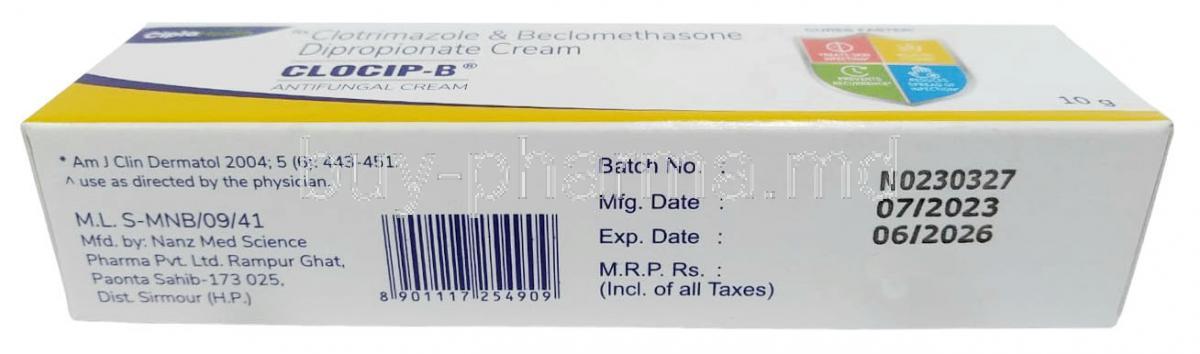
Use only within the indicated shelf life. Expired products may exhibit reduced potency or altered safety profiles.
16.4 Safe Disposal of Unused Product
Unused or expired medication should be disposed of responsibly, following local regulations to prevent environmental contamination.
17. Handling Precautions and Patient Guidance
17.1 Hand Hygiene Before and After Application
Proper hand hygiene minimizes contamination and prevents inadvertent spread of infection.
17.2 Avoiding Cross-Contamination
Avoid direct contact between the tube opening and affected skin to reduce contamination risk.
17.3 Proper Quantity and Thin Layer Application
A thin, even layer is sufficient for therapeutic efficacy. Excessive application does not enhance effectiveness and may increase adverse effects.
17.4 Avoid Sharing Medication
Sharing topical medications can lead to cross-infection and inappropriate use. Each prescription should be individualized.
17.5 When to Seek Medical Advice During Treatment
Medical consultation is warranted if symptoms worsen, persist beyond the expected duration, or if unusual reactions occur.
- No improvement after recommended treatment period
- Development of severe irritation or allergic reaction
- Signs of secondary infection
Popular Products
Similar Product