
1. Introduction to Covamlo (Losartan / Amlodipine)
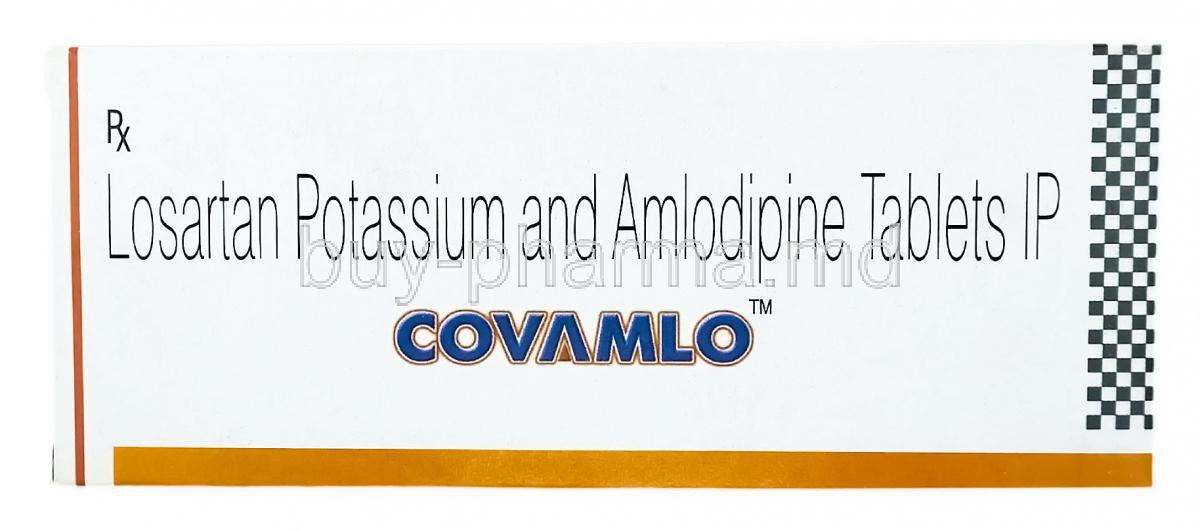
Covamlo is a fixed-dose combination antihypertensive therapy formulated to address elevated blood pressure through complementary pharmacological pathways. Combination therapy has become a cornerstone in modern hypertension management, particularly for patients who fail to achieve target blood pressure levels with single-agent treatment.
From a therapeutic standpoint, Covamlo occupies a strategic position within cardiovascular medicine. It integrates two well-established drug classes—an angiotensin II receptor blocker (ARB) and a calcium channel blocker (CCB)—to deliver sustained and balanced blood pressure reduction. This dual-action approach enhances efficacy while mitigating compensatory physiological responses commonly seen with monotherapy.
The rationale for combining an ARB with a calcium channel blocker lies in their mechanistic synergy. While one component modulates the renin–angiotensin–aldosterone system, the other directly relaxes vascular smooth muscle, resulting in comprehensive vascular control and improved tolerability.
2. Composition and Pharmaceutical Profile
Covamlo contains two active pharmaceutical ingredients:
- Losartan potassium
- Amlodipine besylate
Losartan belongs to the angiotensin II receptor blocker class, exerting its effects through selective inhibition of AT1 receptors. Amlodipine, a dihydropyridine calcium channel blocker, primarily targets vascular smooth muscle to promote vasodilation.
The medication is available in multiple fixed-dose strengths, allowing clinicians to tailor therapy based on individual blood pressure response and tolerability. Covamlo is typically supplied as an oral tablet, characterized by uniform coloration, film coating, and standardized scoring depending on strength.
3. Uses of Covamlo
3.1 Primary Approved Uses
Covamlo is primarily indicated for the management of essential hypertension. It is particularly beneficial in patients whose blood pressure remains inadequately controlled with either an ARB or a calcium channel blocker alone.
By combining two antihypertensive agents with distinct mechanisms, Covamlo offers:
- More consistent blood pressure reduction
- Improved adherence through simplified dosing
- Reduced need for multiple prescriptions
3.2 Cardiovascular Risk Reduction
Effective blood pressure control is a fundamental strategy for reducing cardiovascular morbidity. Covamlo contributes to long-term blood pressure stabilization, which is closely associated with a lower incidence of stroke and other hypertensive complications.
Sustained vascular relaxation and attenuation of maladaptive hormonal signaling help limit end-organ damage over time.
3.3 Use in Comorbid Conditions
Covamlo is frequently utilized in hypertensive patients with coexisting medical conditions, including:
- Diabetes mellitus, where vascular protection is critical
- Chronic kidney disease, due to the renoprotective properties of ARBs
- Left ventricular hypertrophy, where afterload reduction is beneficial
4. Off-Label Uses of Covamlo
In clinical practice, Covamlo may be employed beyond its primary indication based on physician judgment. Off-label applications include adjunctive therapy in resistant hypertension, where multiple agents are required to achieve blood pressure targets.
It may also be considered for patients at high cardiovascular risk who require aggressive and sustained blood pressure control, as well as for individuals who cannot tolerate angiotensin-converting enzyme inhibitors due to adverse effects such as persistent cough.
In selected cases, Covamlo may support secondary prevention strategies in cardiovascular disease under close medical supervision.
5. How Covamlo Works (Mechanism of Action)
5.1 Mechanism of Losartan
Losartan selectively blocks angiotensin II type 1 (AT1) receptors, preventing angiotensin II from exerting its vasoconstrictive and aldosterone-secreting effects. This leads to:
- Vasodilation
- Reduced sodium and water retention
- Lower systemic vascular resistance
Additionally, losartan confers renal and cardiovascular protective effects by reducing intraglomerular pressure and limiting pathological remodeling.
5.2 Mechanism of Amlodipine
Amlodipine inhibits L-type calcium channels in vascular smooth muscle, resulting in decreased intracellular calcium concentrations. This action promotes arterial relaxation and reduces peripheral vascular resistance.
Its effects extend to both systemic and coronary circulation, improving blood flow without significantly affecting cardiac conduction.
5.3 Synergistic Antihypertensive Action
When combined, losartan and amlodipine provide complementary antihypertensive effects. One modulates hormonal vasoconstriction, while the other directly relaxes blood vessels. This synergy enhances blood pressure control and allows for lower individual drug doses, reducing the likelihood of dose-dependent adverse reactions.
6. Dosage and Administration
The recommended starting dose of Covamlo depends on prior antihypertensive therapy and baseline blood pressure. Treatment may begin at a lower fixed-dose combination and be titrated gradually.
Dose adjustments are guided by clinical response and tolerability. A maximum recommended dose should not be exceeded to minimize the risk of adverse effects.
Covamlo is administered orally, once daily, at a consistent time each day. It may be taken with or without food, offering flexibility and convenience for patients.
7. Administration in Special Populations
7.1 Administration to Elderly Patients
In elderly individuals, age-related changes in pharmacokinetics and pharmacodynamics warrant cautious dosing. Lower initial doses and gradual titration are often advisable, accompanied by periodic monitoring of blood pressure and renal function.
7.2 Administration to Pregnant Women
Covamlo is contraindicated during pregnancy due to the presence of an ARB. Drugs affecting the renin–angiotensin system are associated with fetal toxicity, particularly during the second and third trimesters.
Use should be avoided, and alternative antihypertensive therapies should be considered.
7.3 Administration to Nursing Mothers
Both losartan and amlodipine may be excreted into breast milk. A careful risk–benefit assessment is required when considering therapy during lactation. In many cases, alternative medications with established safety profiles may be preferred.
7.4 Administration to Children
Safety and efficacy data for Covamlo in pediatric populations are limited. Use in children is generally not recommended unless explicitly directed by a specialist and supported by clinical necessity.
8. Side Effects Overview
Covamlo is generally well tolerated when used as prescribed. Adverse effects may arise from either component and can vary in frequency and intensity.
Some reactions are dose-related, while others reflect individual patient sensitivity, comorbidities, or concurrent medications.
9. Common Side Effects
The most frequently reported side effects include:
- Dizziness or lightheadedness, particularly during initiation
- Peripheral edema, commonly associated with amlodipine
- Headache
- Fatigue
- Flushing
These effects are often mild to moderate and may diminish as the body acclimates to therapy.
10. Less Common and Serious Side Effects
Although Covamlo is generally well tolerated, certain adverse reactions may occur that require heightened clinical vigilance. These events are less frequent but may carry significant clinical implications if unrecognized or unmanaged.
- Hypotension: Excessive blood pressure reduction may occur, particularly in patients with volume depletion or those receiving high initial doses.
- Hyperkalemia: Elevated serum potassium levels may develop due to suppression of aldosterone, especially in patients with renal impairment or those using potassium supplements.
- Renal function impairment: Transient or progressive changes in renal parameters may be observed, particularly in individuals with pre-existing kidney disease or renal artery stenosis.
- Angioedema: Rare but potentially life-threatening swelling of the face, lips, tongue, or airway has been reported with ARB therapy.
- Severe allergic reactions: Hypersensitivity responses, including rash, pruritus, or anaphylactoid reactions, may occur in susceptible individuals.
11. Drug and Food Interactions
Covamlo may interact with a variety of medications and dietary factors, influencing its efficacy or safety profile. Awareness of these interactions is essential for optimal therapeutic outcomes.
11.1 Drug–Drug Interactions
- Potassium-sparing diuretics and supplements: Concomitant use may increase the risk of hyperkalemia and requires careful monitoring.
- ACE inhibitors and dual RAAS blockade: Combined use with other agents acting on the renin–angiotensin–aldosterone system may increase the risk of hypotension, renal dysfunction, and electrolyte imbalance.
- NSAIDs: Nonsteroidal anti-inflammatory drugs may attenuate antihypertensive efficacy and adversely affect renal function, particularly in dehydrated or elderly patients.
- Other antihypertensive agents: Additive blood pressure–lowering effects may occur, necessitating dose adjustments.
11.2 Drug–Food and Lifestyle Interactions
- Grapefruit: Grapefruit and grapefruit juice may inhibit amlodipine metabolism, potentially increasing systemic exposure.
- Alcohol: Alcohol consumption may potentiate hypotensive effects and exacerbate dizziness or lightheadedness.
12. Warnings and Safety Information
Several important safety considerations must be addressed prior to and during Covamlo therapy. These warnings underscore the need for individualized risk assessment and ongoing monitoring.
- Risk of fetal toxicity associated with exposure to ARBs during pregnancy
- Pronounced hypotension in patients with sodium or volume depletion
- Potential deterioration of renal function in patients with bilateral renal artery stenosis
- Routine monitoring of serum creatinine and electrolytes during therapy
13. Contraindications
Covamlo should not be used in patients with conditions that may predispose them to serious adverse outcomes.
- Pregnancy
- Known hypersensitivity to losartan, amlodipine, or formulation excipients
- Severe hypotension or shock
- History of angioedema associated with ARB therapy
14. Careful Administration and Important Precautions
Certain patient populations require cautious administration of Covamlo to minimize the risk of complications.
- Renal impairment: Dose adjustments and close monitoring may be necessary.
- Hepatic impairment: Reduced clearance of amlodipine may occur, warranting lower initial doses.
- Electrolyte monitoring: Periodic assessment of potassium and sodium levels is recommended.
- Gradual dose escalation: Titration should proceed cautiously to reduce the likelihood of hypotension.
15. Overdosage and Emergency Management
Overdosage of Covamlo may result in exaggerated pharmacological effects, primarily related to excessive vasodilation.
- Marked hypotension
- Reflex tachycardia
- Dizziness or syncope
Management is primarily supportive and symptomatic. Measures may include blood pressure stabilization, fluid resuscitation, and continuous cardiovascular monitoring. Activated charcoal may be considered if ingestion is recent, along with ongoing observation in a medical setting.
16. Storage and Stability
Proper storage is essential to maintain the stability and therapeutic integrity of Covamlo.
- Store at recommended room temperature
- Protect from excessive heat, moisture, and direct light
- Observe manufacturer-defined shelf-life guidelines
17. Handling Precautions
Safe handling and dispensing practices help ensure effective and secure use of Covamlo.
- Handle tablets with clean, dry hands
- Follow prescribed dosing instructions carefully
- Store medication in a secure location away from children
Clear patient counseling on adherence, potential adverse effects, and safe storage practices contributes to improved therapeutic outcomes and patient safety.
Popular Products

Similar Product