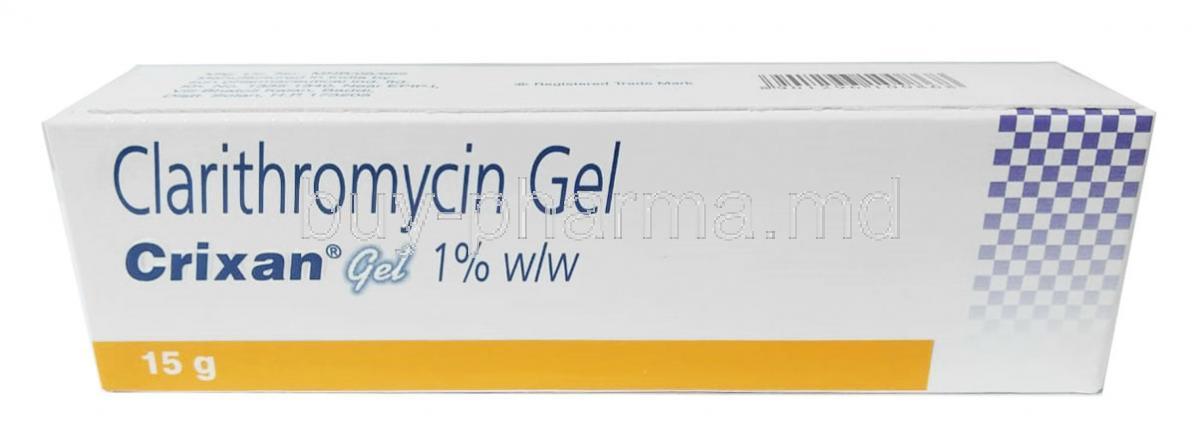
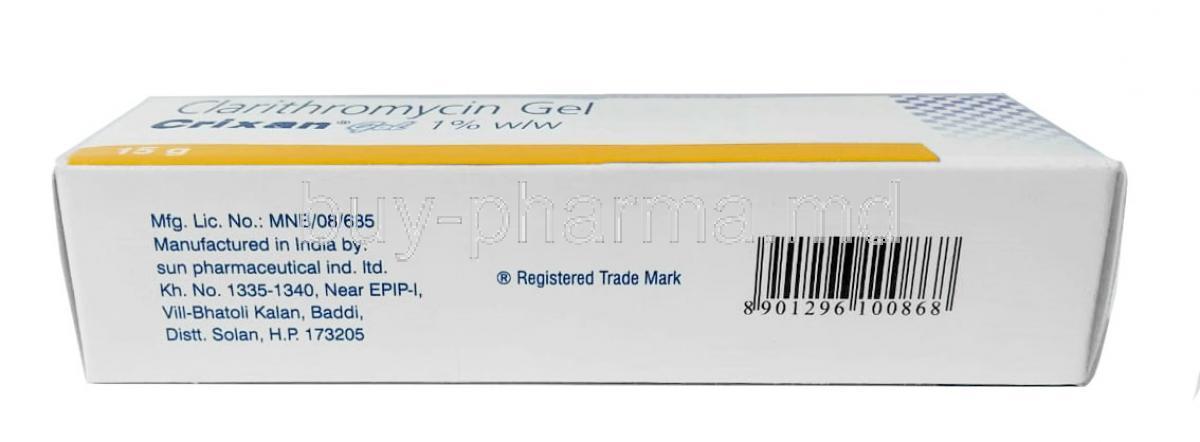
1. Introduction to Crixan Gel (Clarithromycin)
1.1 Overview of Crixan Gel
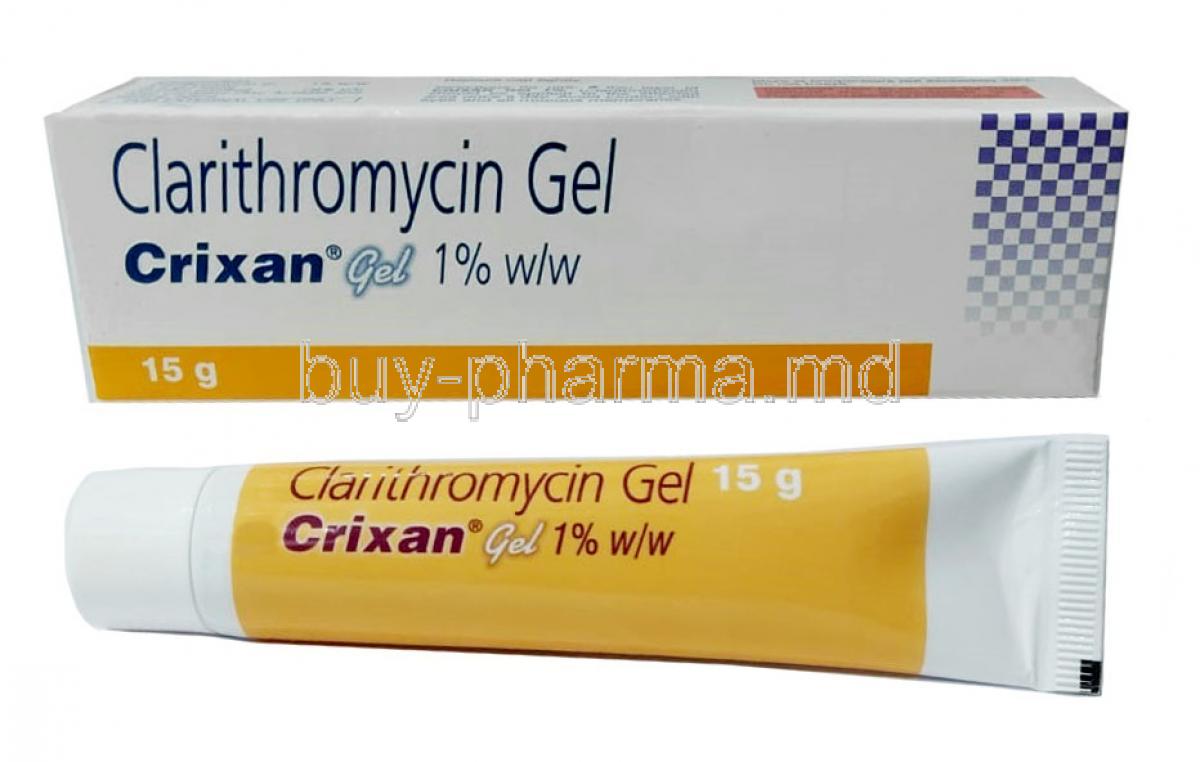
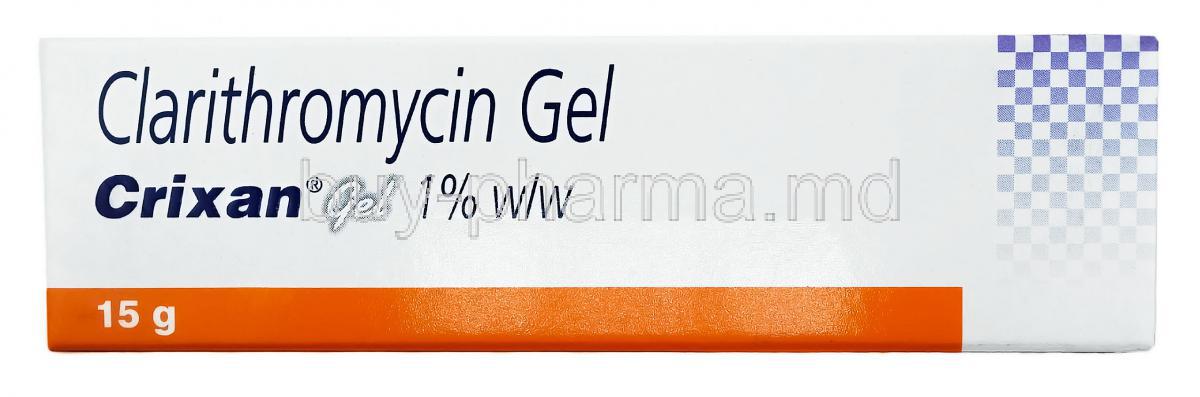
Crixan Gel is a topical antibacterial preparation formulated for dermatological use. It is primarily prescribed for inflammatory skin conditions associated with bacterial proliferation, particularly acne and superficial infections. The gel matrix allows targeted therapy at the site of pathology while minimizing systemic exposure.
Key therapeutic advantages include:
- Localized antimicrobial action
- Reduction of inflammatory lesions
- Improved skin clarity with controlled bacterial suppression
1.2 Active Ingredient: Clarithromycin – Drug Class and Therapeutic Category
Clarithromycin belongs to the macrolide class of antibiotics. Macrolides exert bacteriostatic activity by inhibiting microbial protein synthesis. In topical dermatology, clarithromycin is valued for its dual antimicrobial and anti-inflammatory properties, making it suitable for conditions where infection and inflammation coexist.
1.3 Topical Macrolide Antibiotics: Role in Dermatology
Topical macrolides serve a strategic role in modern dermatological practice. Their localized activity reduces microbial burden without the systemic adverse effects associated with oral antibiotics. They are particularly useful in:
- Inflammatory acne management
- Localized follicular infections
- Secondary bacterial colonization of compromised skin
This targeted approach supports antimicrobial stewardship by limiting systemic antibiotic exposure.
1.4 Prescription Status and Clinical Use Considerations
Crixan Gel is generally recommended under medical supervision. Treatment selection depends on lesion severity, skin type, prior antibiotic exposure, and the risk of resistance. Clinical evaluation ensures appropriate duration and combination therapy when necessary.
2. Composition and Formulation
2.1 Active Ingredient Strength and Concentration
Crixan Gel contains clarithromycin in a standardized topical concentration designed to achieve therapeutic levels within the epidermis and pilosebaceous units. This concentration ensures effective antibacterial action while minimizing irritation and systemic absorption.
2.2 Inactive Ingredients and Base Components
The formulation includes dermatologically compatible excipients that stabilize the active compound and enhance skin tolerability. Typical base components may include:
- Gelling agents for uniform application
- Humectants to prevent excessive dryness
- Preservatives to maintain product integrity
2.3 Gel Formulation Benefits for Skin Delivery
The gel vehicle provides several practical advantages:
- Rapid absorption without greasy residue
- Enhanced penetration into follicles
- Suitable use for oily or acne-prone skin
- Cosmetically acceptable finish
2.4 Pharmacokinetic Characteristics of Topical Clarithromycin
Topical application results in high local drug concentration with negligible systemic exposure. Absorption is limited to superficial skin layers, reducing the risk of systemic adverse effects and drug interactions.
3. Mechanism of Action: How Crixan Gel Works
3.1 Inhibition of Bacterial Protein Synthesis
Clarithromycin binds to the 50S ribosomal subunit of susceptible bacteria, inhibiting protein synthesis. This action suppresses bacterial growth and prevents further proliferation within the affected skin area.
3.2 Activity Against Gram-Positive and Gram-Negative Skin Pathogens
The drug demonstrates activity against common dermatological pathogens, including:
- Cutibacterium acnes (formerly Propionibacterium acnes)
- Staphylococcus species
- Other susceptible superficial skin bacteria
3.3 Anti-inflammatory Properties in Acne and Skin Conditions
Beyond antimicrobial effects, clarithromycin modulates inflammatory mediators. This reduces erythema, swelling, and tenderness, contributing to faster lesion resolution.
3.4 Reduction of Bacterial Colonization and Lesion Formation
By decreasing microbial density within follicles, Crixan Gel helps prevent new lesion formation. Continued use leads to progressive improvement in overall skin condition.
4. Approved Uses of Crixan Gel
4.1 Treatment of Acne Vulgaris (Inflammatory and Non-Inflammatory Lesions)
Crixan Gel is widely used for mild to moderate acne. It helps control papules, pustules, and inflammatory nodules while reducing bacterial activity within sebaceous follicles.
4.2 Management of Bacterial Skin Infections
The gel is effective in treating localized superficial infections caused by susceptible organisms, particularly when lesions are limited in extent.
4.3 Treatment of Folliculitis
Inflammation and infection of hair follicles respond well to targeted topical antibiotic therapy, reducing pustules and discomfort.
4.4 Control of Secondary Bacterial Infection in Dermatitis
In conditions where the skin barrier is compromised, such as eczema or irritant dermatitis, Crixan Gel helps prevent or control secondary bacterial colonization.
4.5 Use in Mild to Moderate Superficial Skin Infections
Minor cuts, abrasions, and localized infections may benefit from topical antibacterial management when clinically appropriate.
5. Off-Label Uses of Topical Clarithromycin
5.1 Rosacea Management (Inflammatory Lesions)
Topical clarithromycin may be used to reduce inflammatory papules and pustules associated with rosacea, particularly when bacterial involvement is suspected.
5.2 Perioral Dermatitis Treatment
Localized antibiotic therapy can help control inflammation and secondary infection in perioral dermatitis.
5.3 Post-procedural Infection Prevention in Dermatologic Procedures
After minor dermatological procedures, topical application may be used to minimize infection risk and support healing.
5.4 Adjunct Therapy for Resistant Acne
Crixan Gel may be combined with other treatments such as retinoids or benzoyl peroxide in patients with persistent acne.
5.5 Use in Hidradenitis Suppurativa (Mild Cases)
Localized lesions may benefit from topical antimicrobial therapy to reduce bacterial burden and inflammation.
5.6 Secondary Infection Control in Eczema or Psoriasis
When chronic inflammatory skin conditions become secondarily infected, targeted topical antibiotics can be beneficial.
5.7 Treatment of Infected Insect Bites or Minor Wounds
Localized bacterial infection in minor skin injuries may respond to short-term topical therapy.
6. Dosage and Administration
6.1 Recommended Application Frequency and Duration
Crixan Gel is typically applied once or twice daily to affected areas. Treatment duration varies depending on the condition and clinical response.
6.2 Step-by-Step Instructions for Proper Application
- Cleanse and dry the affected skin
- Apply a thin layer of gel
- Avoid rubbing aggressively
- Wash hands after application
6.3 Duration of Therapy for Acne and Skin Infections
Acne treatment may require several weeks for optimal results. Superficial infections generally respond within a shorter period.
6.4 Missed Dose Guidance
If a dose is missed, apply it as soon as remembered. Do not apply excessive amounts to compensate.
6.5 Avoiding Overuse and Antibiotic Resistance
Prolonged or unnecessary use may contribute to bacterial resistance. Therapy should be limited to the recommended duration.
7. Administration in Special Populations
7.1 Administration to Elderly Patients
Elderly skin may exhibit increased fragility and sensitivity. Careful monitoring is recommended for:
- Excessive dryness or irritation
- Delayed wound healing
- Signs of contact dermatitis
7.2 Administration to Children
Pediatric use should follow medical guidance. Considerations include:
- Age-appropriate dosing frequency
- Monitoring for skin sensitivity
- Avoiding application to large surface areas
7.3 Use During Pregnancy
Systemic absorption is minimal, but use during pregnancy should be based on clinical necessity and risk–benefit evaluation.
7.4 Use During Breastfeeding
Precautions include:
- Avoid application on the breast area
- Prevent infant contact with treated skin
- Use only when clearly needed
8. Drug and Product Interactions
8.1 Interaction with Other Topical Acne Treatments
Concurrent use with retinoids, benzoyl peroxide, or salicylic acid may increase irritation. Alternating application times may improve tolerability.
8.2 Interaction with Topical Corticosteroids or Antifungals
Combination therapy may be appropriate in mixed inflammatory or infectious conditions under medical supervision.
8.3 Cosmetic and Skincare Product Interactions
Avoid products that may exacerbate irritation, including:
- Harsh cleansers
- Alcohol-based toners
- Exfoliating acids or chemical peels
8.4 Risk of Reduced Efficacy with Concurrent Antibiotic Use
Simultaneous use of multiple antibiotics may alter bacterial susceptibility patterns and should be clinically justified.
9. Side Effects of Crixan Gel
9.1 Common Side Effects
- Skin irritation
- Dryness and peeling
- Mild redness or transient burning sensation
9.2 Less Common Side Effects
- Localized itching or rash
- Contact dermatitis
- Photosensitivity reactions
9.3 Rare but Serious Side Effects
- Severe allergic reactions
- Marked swelling or blistering
- Persistent or worsening skin inflammation requiring medical evaluation
10. Warnings and Safety Information
10.1 Risk of Antibiotic Resistance with Prolonged Use
Extended or inappropriate use of topical antibiotics may contribute to the development of bacterial resistance. Microorganisms exposed to suboptimal or prolonged therapy can adapt, reducing treatment efficacy and limiting future therapeutic options.
- Use only for the recommended duration
- Avoid repeated or unnecessary courses
- Do not apply to unaffected skin areas
Responsible use supports antimicrobial stewardship and preserves long-term clinical effectiveness.
10.2 External Use Only – Avoid Ingestion
Crixan Gel is formulated exclusively for topical dermatological application. It must not be ingested or applied internally. Accidental oral exposure may result in gastrointestinal discomfort or systemic antibiotic effects.
Patients should wash their hands thoroughly after each application to prevent inadvertent transfer.
10.3 Avoid Contact with Eyes, Nose, and Mucous Membranes
The gel may cause irritation if it comes into contact with sensitive tissues. Care should be taken to avoid application near:
- The eyes and eyelids
- Nasal passages
- Oral or genital mucosa
If accidental contact occurs, rinse the area immediately with clean water.
10.4 Use with Caution on Broken or Inflamed Skin
Application to severely damaged, ulcerated, or highly inflamed skin may increase local irritation or enhance systemic absorption. Clinical judgment is advised when treating compromised skin barriers.
Temporary discontinuation may be necessary if excessive irritation develops.
10.5 Monitoring for Hypersensitivity Reactions
Although uncommon, hypersensitivity reactions may occur. Patients should be advised to discontinue use and seek medical evaluation if they experience:
- Severe redness or swelling
- Intense itching or blistering
- Widespread rash or worsening inflammation
11. Contraindications
11.1 Known Hypersensitivity to Clarithromycin or Macrolide Antibiotics
Crixan Gel should not be used in individuals with a known allergy to clarithromycin, erythromycin, azithromycin, or other macrolide antibiotics. Cross-reactivity within this drug class may occur.
11.2 Allergy to Formulation Components
Patients with hypersensitivity to any excipients, preservatives, or gel base components should avoid use. Dermatological reactions may include contact dermatitis or localized irritation.
11.3 History of Severe Antibiotic-Related Skin Reactions
Individuals with a history of severe cutaneous adverse reactions associated with antibiotic therapy should use caution or avoid treatment unless medically indicated.
11.4 Use in Patients with Documented Macrolide Resistance (Clinical Consideration)
When bacterial resistance to macrolides has been confirmed or strongly suspected, alternative antimicrobial therapy may be more appropriate to ensure therapeutic success.
12. Careful Administration and Important Precautions
12.1 Use the Lowest Effective Amount
Only a thin layer should be applied to affected areas. Excessive application does not enhance efficacy and may increase irritation or dryness.
12.2 Avoid Long-Term Continuous Therapy Without Medical Supervision
Prolonged uninterrupted use may increase the risk of resistance and local adverse effects. Periodic clinical reassessment is recommended for chronic conditions such as acne.
12.3 Limit Application to Affected Areas Only
Targeted application minimizes unnecessary drug exposure and reduces the risk of irritation on healthy skin.
12.4 Monitor Treatment Response and Discontinue if No Improvement
If clinical improvement is not observed within the expected timeframe, treatment should be re-evaluated. Persistent or worsening symptoms may indicate resistance, misdiagnosis, or the need for combination therapy.
12.5 Sun Protection During Treatment
Treated skin may exhibit increased sensitivity to ultraviolet radiation. Patients are advised to:
- Use broad-spectrum sunscreen
- Avoid prolonged sun exposure
- Wear protective clothing when outdoors
13. Overdosage and Accidental Exposure
13.1 Risks Associated with Excessive Topical Application
Over-application may lead to cumulative local irritation rather than enhanced therapeutic benefit. Excessive use should be avoided.
13.2 Symptoms of Local Overuse or Irritation
- Severe dryness or peeling
- Marked erythema or burning sensation
- Skin sensitivity or discomfort
Temporary discontinuation or reduction in application frequency may alleviate symptoms.
13.3 Management of Accidental Ingestion
If the product is accidentally swallowed, the mouth should be rinsed and medical advice sought, especially in children. Symptomatic management may be required depending on the amount ingested.
13.4 When to Seek Medical Attention
Immediate medical evaluation is recommended in cases of:
- Severe allergic reaction
- Extensive skin irritation or blistering
- Significant accidental ingestion
14. Storage and Stability
14.1 Recommended Storage Temperature and Conditions
Store the gel at controlled room temperature, typically below 25°C, unless otherwise specified on the product label. Avoid freezing.
14.2 Protecting the Product from Heat, Moisture, and Direct Sunlight
Exposure to excessive heat or humidity may compromise product stability. Keep the tube tightly closed and store it in a cool, dry location away from direct sunlight.
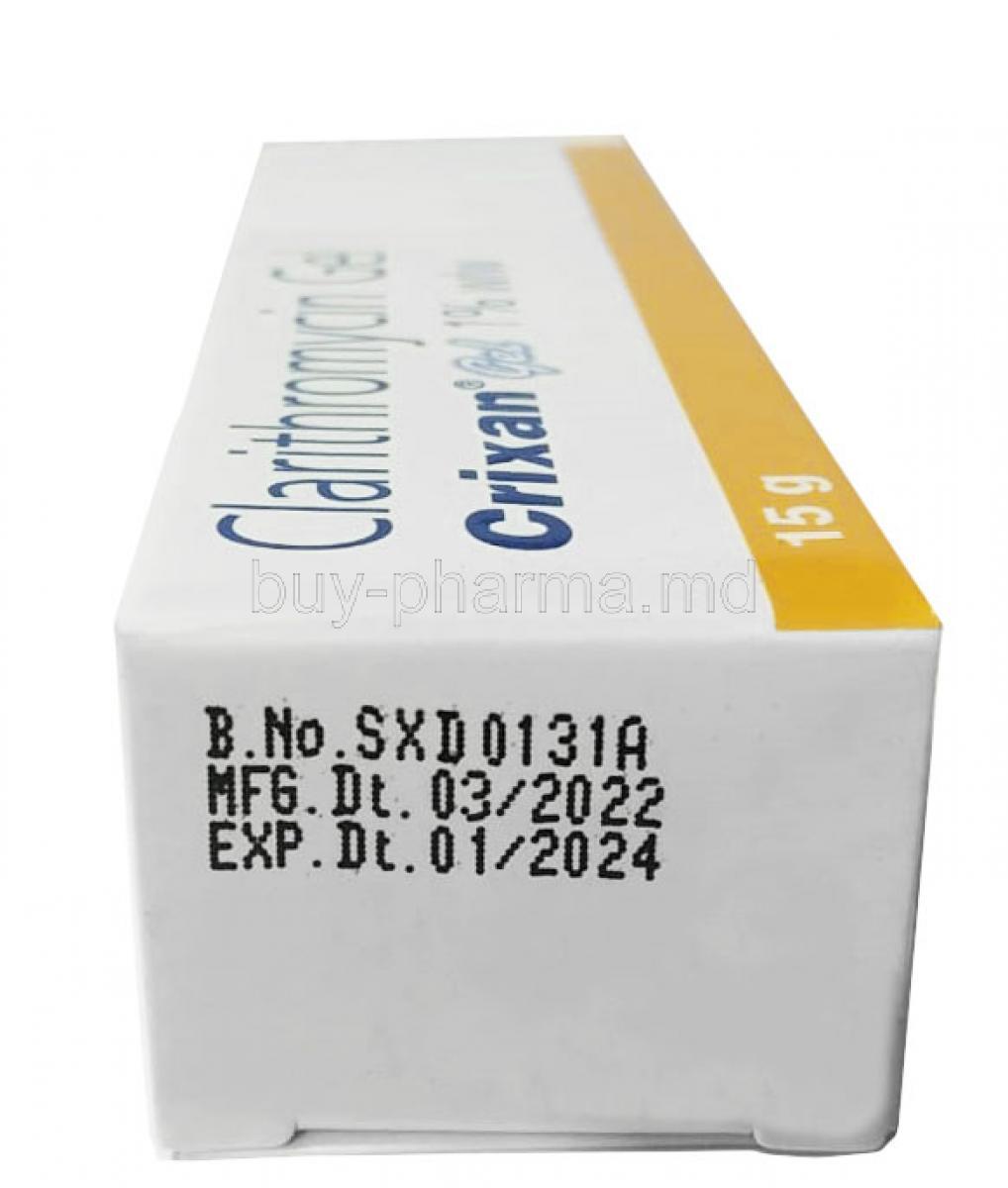
14.3 Shelf Life and Expiry Considerations
Do not use the product beyond the stated expiration date. Reduced potency or altered consistency may occur after expiry.
14.4 Safe Disposal of Unused or Expired Gel
Unused or expired medication should be disposed of responsibly. Avoid flushing into wastewater systems unless specifically instructed. Follow local pharmaceutical disposal guidelines where available.
15. Handling Precautions
15.1 Hygiene Practices Before and After Application
Clean hands and the treatment area before application. After use, hands should be washed to prevent accidental transfer to sensitive areas.
15.2 Avoiding Contamination of the Tube or Applicator
To maintain product sterility:
- Avoid touching the tube opening to skin or surfaces
- Close the cap immediately after use
- Do not share the medication with others
15.3 Preventing Transfer to Eyes or Sensitive Areas
Care should be taken during application to prevent inadvertent spread to the eyes, mouth, or other delicate tissues.
15.4 Keeping Out of Reach of Children
Store the medication in a secure location. Accidental exposure or ingestion by children should be avoided.
15.5 Patient Counseling Tips for Safe and Effective Use
Patients should be advised to:
- Follow prescribed application frequency
- Maintain consistent skincare routines
- Avoid combining with harsh cosmetic products
- Seek medical advice if irritation or lack of improvement occurs
Proper adherence enhances therapeutic outcomes while minimizing adverse effects.
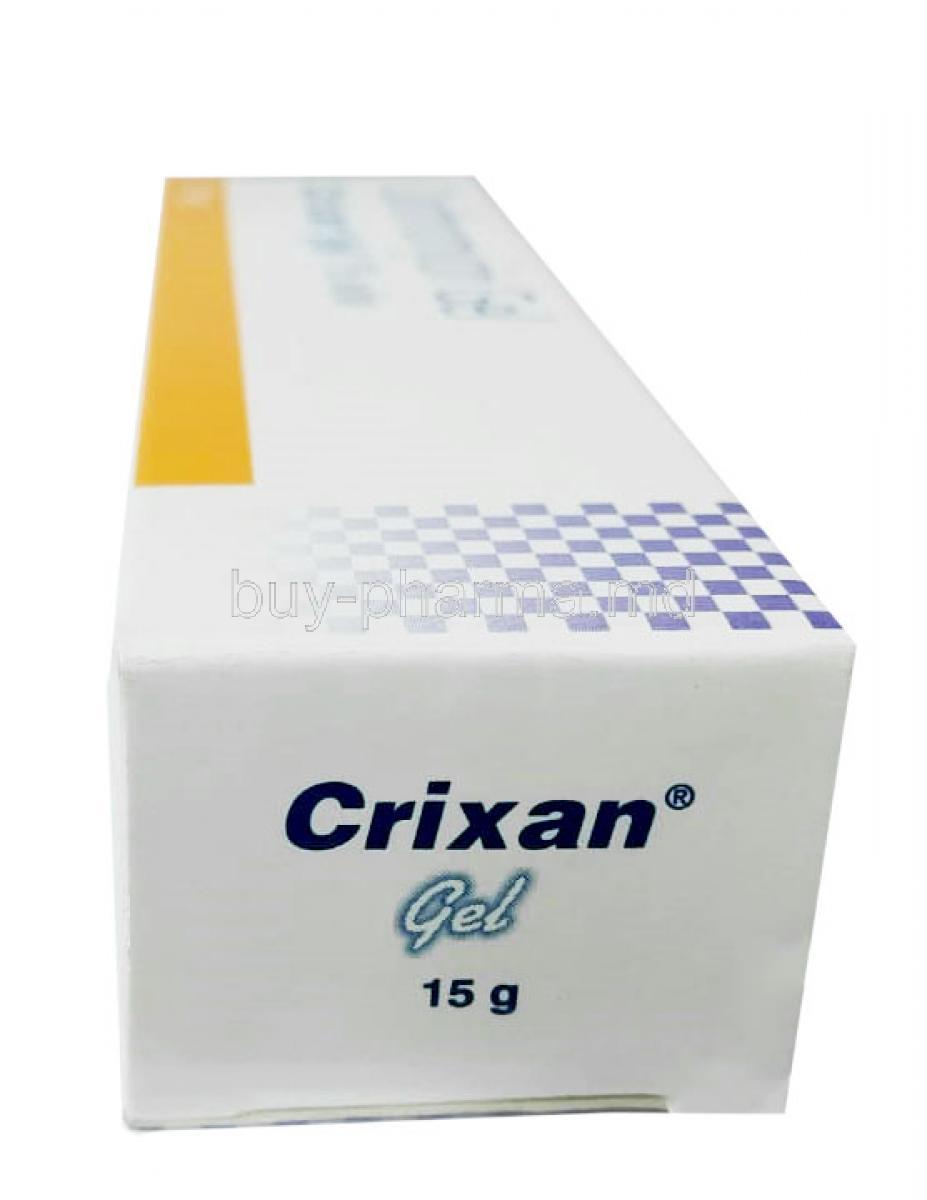
Crixan Gel, Clarithromycin FAQ
Customers also bought
Popular Products
Similar Product