1. Introduction to Ketoprofen Patches
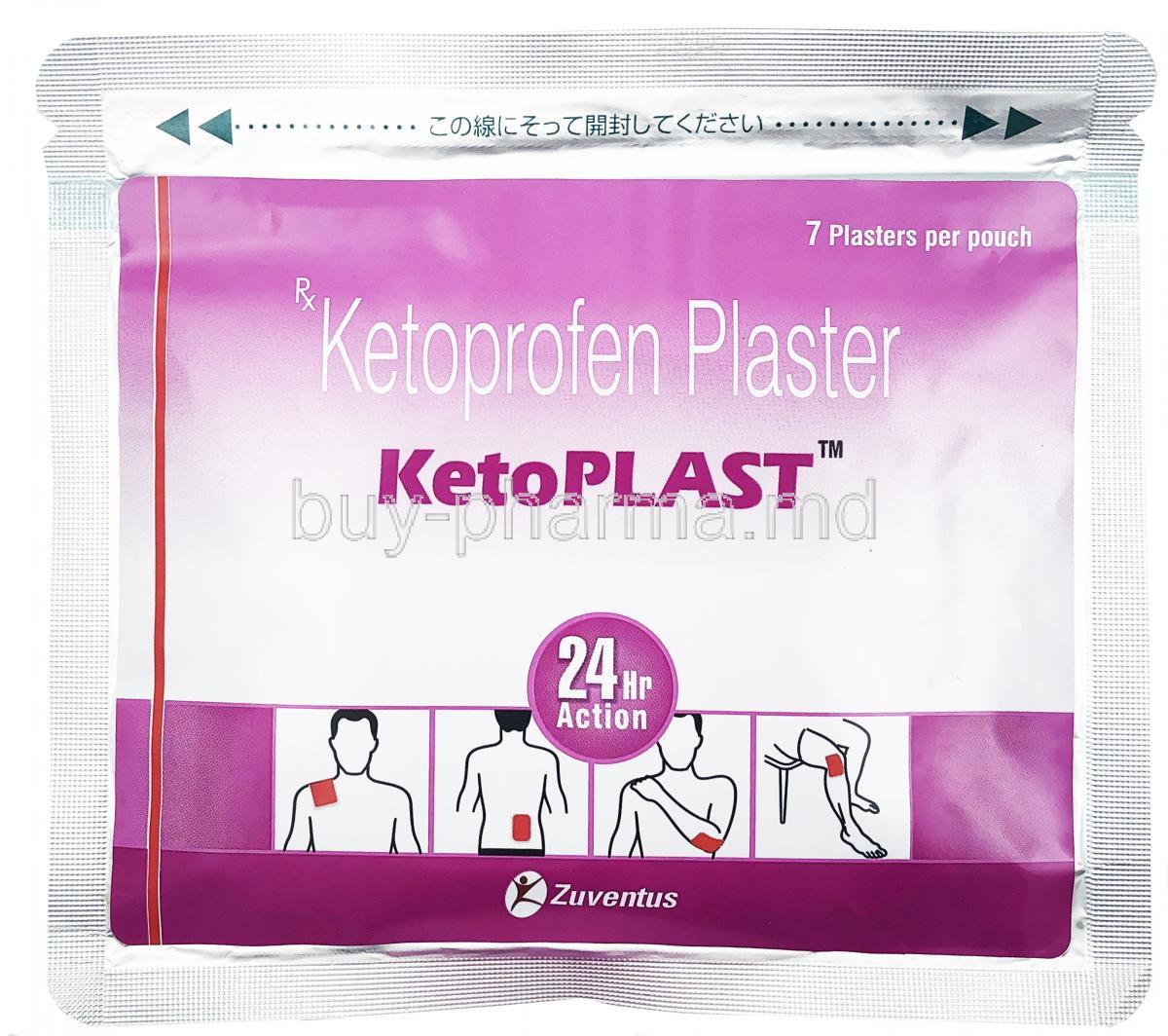
Ketoprofen patches are a topical formulation of a nonsteroidal anti-inflammatory drug (NSAID) designed to deliver analgesic and anti-inflammatory effects directly through the skin. Unlike oral NSAIDs, which circulate systemically, these patches focus their activity at the site of pain, offering targeted relief with a potentially improved tolerability profile.
Ketoprofen itself has long been recognized for its efficacy in managing inflammatory pain. When formulated as a transdermal patch, it bypasses the gastrointestinal tract and hepatic first-pass metabolism. This distinction is clinically significant.
- Localized pain control with minimal systemic exposure
- Convenient, sustained drug delivery
- Reduced gastrointestinal burden compared to oral NSAIDs
Ketoprofen patches are commonly employed in conditions characterized by localized musculoskeletal inflammation, where continuous low-dose exposure is advantageous.
2. Composition and Pharmaceutical Characteristics
The therapeutic efficacy of ketoprofen patches is rooted in their carefully engineered composition. The primary active ingredient is ketoprofen, a propionic acid derivative NSAID with established anti-inflammatory potency.
Transdermal patches are available in varying concentrations and surface areas, allowing modulation of total drug delivery. These variations accommodate differences in pain severity and treatment duration.
The patch matrix typically consists of a polymer-based system that ensures uniform drug dispersion. Advanced adhesive technology maintains consistent skin contact without excessive occlusion.
- Penetration enhancers to facilitate dermal absorption
- Stabilizing excipients to preserve drug integrity
- Preservative-free designs in many formulations to reduce skin sensitization
3. How Ketoprofen Patches Work (Mechanism of Action)
Ketoprofen exerts its pharmacological effect primarily through inhibition of cyclooxygenase enzymes, specifically COX-1 and COX-2. These enzymes are integral to the synthesis of prostaglandins, which mediate inflammation, pain, and edema.
By reducing prostaglandin production at the site of application, ketoprofen patches attenuate local inflammatory cascades. Pain perception diminishes. Swelling subsides.
The localized delivery confers several advantages:
- High tissue concentrations at the affected site
- Lower systemic plasma levels
- Reduced risk of systemic NSAID-related adverse effects
4. Approved Medical Uses of Ketoprofen Patches
Ketoprofen patches are widely indicated for a spectrum of musculoskeletal and inflammatory pain conditions. Their sustained-release profile makes them particularly suitable for chronic or recurrent discomfort.
- Musculoskeletal pain relief
- Osteoarthritis and degenerative joint disease
- Tendinitis and tenosynovitis
- Sprains, strains, and soft tissue injuries
- Sports-related injuries
- Lower back pain
- Localized pain in the shoulder, knee, and elbow
5. Off-Label and Extended Uses
Beyond approved indications, ketoprofen patches are sometimes utilized in off-label contexts where localized inflammation contributes significantly to pain pathology.
These extended uses are typically guided by clinical judgment and individual patient response.
- Chronic inflammatory pain syndromes
- Post-operative localized pain management
- Myofascial pain syndrome
- Bursitis
- Rheumatic pain inadequately controlled by oral therapy
- Adjunctive treatment during physical rehabilitation
- Pain from repetitive strain injuries
6. Dosage and Administration
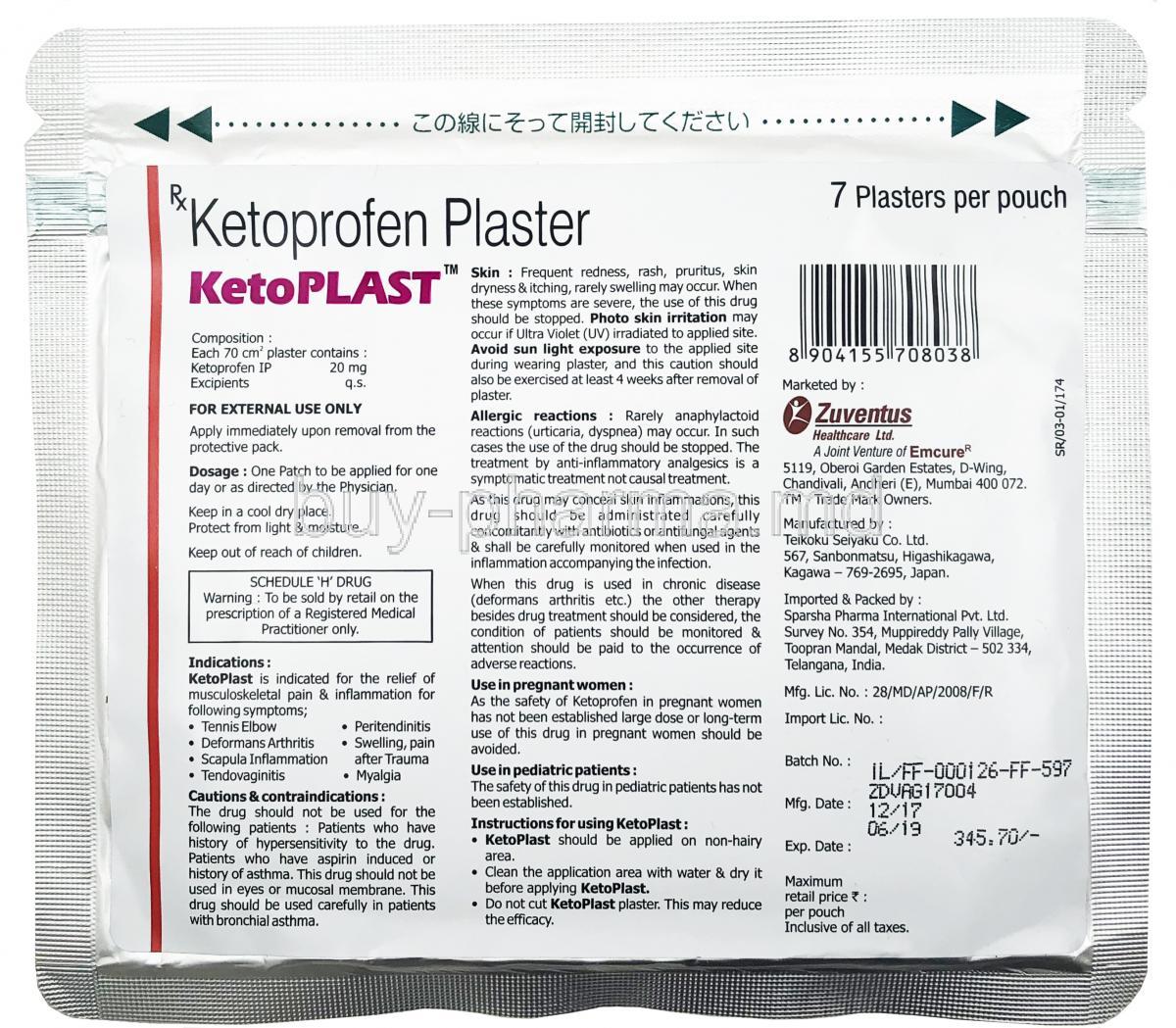
The dosage of ketoprofen patches is determined by patch strength, surface area, and clinical indication. Most formulations are applied once daily, delivering a steady dose over several hours.
Typical treatment duration ranges from a few days to several weeks, depending on symptom persistence.
- Apply to clean, dry, intact skin
- Select sites with minimal hair and movement
- Avoid broken or inflamed skin
Patches should be replaced according to the prescribed schedule. Missed applications should not be doubled; treatment should resume as directed.
7. Administration in Special Populations
7.1 Administration to Elderly Patients
Elderly individuals may exhibit increased sensitivity to NSAIDs due to age-related physiological changes. Skin fragility and reduced barrier function warrant careful site selection.
- Shorter treatment durations may be advisable
- Regular monitoring for skin reactions
- Vigilance for rare systemic effects
7.2 Administration to Pregnant Women and Nursing Mothers
Use during pregnancy requires caution. Prostaglandin inhibition, particularly in the third trimester, may pose fetal risks.
During lactation, systemic absorption is generally low; however, risk-benefit assessment remains essential before use.
7.3 Administration to Children
Pediatric use depends on formulation approval and regional regulatory guidance. Children may be more susceptible to skin irritation.
Off-label pediatric application should be approached conservatively, with close clinical supervision.
8. Side Effects of Ketoprofen Patches
Topical NSAIDs are generally well tolerated. Their adverse effect profile differs notably from systemic formulations.
Most side effects are localized and reversible upon discontinuation.
8.1 Common Side Effects
- Localized skin irritation
- Redness and pruritus at the application site
- Rash or contact dermatitis
- Photosensitivity reactions, particularly with sun exposure
8.2 Less Common and Serious Side Effects
Although uncommon, more severe reactions may occur.
- Severe cutaneous reactions
- Hypersensitivity responses
- Rare systemic NSAID-related effects
9. Drug Interactions
The interaction potential of ketoprofen patches is significantly lower than that of oral formulations due to limited systemic absorption. Nonetheless, interactions remain possible.
- Concurrent use with other NSAIDs may increase cumulative exposure
- Anticoagulants and antiplatelet agents warrant caution
- Combined use with corticosteroids may elevate adverse effect risk
- Occlusive dressings can enhance absorption and should be avoided unless directed
Clinical vigilance ensures safe integration of ketoprofen patches into multimodal pain management strategies.
10. Warnings and Safety Information
Ketoprofen patches, while designed for localized therapy, require careful attention to safety considerations. The transdermal route does not eliminate risk; it reshapes it.
Risk of photosensitivity and sun exposure: Ketoprofen is associated with photoallergic reactions. Ultraviolet exposure may precipitate erythema, vesiculation, or delayed dermatitis.
- Avoid direct sunlight on treated areas
- Do not use tanning beds during therapy
- Protect skin with clothing rather than sunscreen over the patch
Cardiovascular risk considerations: Although systemic absorption is limited, NSAIDs as a class are linked to thrombotic events.
- Use caution in patients with established cardiovascular disease
- Avoid prolonged, unnecessary exposure
Gastrointestinal risk with prolonged use: Chronic exposure may still contribute to gastrointestinal irritation, particularly when combined with oral NSAIDs.
Renal and hepatic caution: Patients with compromised renal or hepatic function may exhibit altered drug handling.
- Monitor for edema or unexplained fatigue
- Use the lowest effective dose for the shortest duration
Avoidance on broken or infected skin: Application to compromised skin increases systemic absorption and infection risk and must be avoided.
11. Contraindications
Certain clinical scenarios preclude the safe use of ketoprofen patches.
- Known hypersensitivity to ketoprofen or other NSAIDs
- History of aspirin-induced asthma or NSAID-triggered bronchospasm
- Severe skin disorders at the intended application site
- Third-trimester pregnancy due to fetal cardiovascular risk
- Active peptic ulcer disease, considered a relative contraindication
In these circumstances, alternative analgesic strategies should be considered.
12. Careful Administration and Important Precautions
Prudent administration enhances therapeutic benefit while minimizing avoidable risk.
Limiting duration of use: Extended application increases cumulative exposure without proportional benefit.
Avoiding heat sources over the patch area: External heat may accelerate drug release and systemic absorption.
- Heating pads
- Electric blankets
- Hot baths or saunas
Proper disposal after use: Used patches may retain active drug.
- Fold adhesive sides together
- Dispose according to local regulations
Monitoring for cumulative NSAID exposure: Concurrent oral or topical NSAIDs may compound risk.
Patient education on correct use: Clear instruction reduces misuse and adverse outcomes.
13. Overdosage
Overdose with ketoprofen patches is uncommon but not impossible.
Likelihood of overdose with topical use: The risk is low when used as directed, yet increases with misuse.
Signs of excessive systemic absorption:
- Nausea or abdominal discomfort
- Dizziness or headache
- Unexpected fatigue or edema
Management of suspected overdose: Immediate removal of the patch is essential. Supportive care is typically sufficient.
When to seek medical attention: Persistent symptoms, respiratory difficulty, or severe skin reactions warrant prompt evaluation.
14. Storage Conditions
Appropriate storage preserves drug stability and therapeutic reliability.
- Store at controlled room temperature
- Protect from excessive heat, moisture, and direct light
- Observe manufacturer-stated shelf life and expiration dates
- Keep out of reach of children and pets
15. Handling Precautions
Correct handling minimizes accidental exposure and contamination.
Safe handling before and after application:
- Handle with clean, dry hands
- Avoid unnecessary contact with the adhesive surface
Avoiding contact with eyes and mucous membranes: Accidental transfer may cause irritation.
Handwashing after application: This prevents inadvertent exposure to sensitive areas.
Environmental considerations for disposal: Do not flush patches. Responsible disposal reduces environmental pharmaceutical contamination.
Ketoprofen Patches FAQ
- What is the ketoprofen patch used for?
- How long to keep a ketoprofen patch on?
- Is ketoprofen a strong painkiller?
- What are the risks of taking ketoprofen?
- Is ketoprofen a steroid?
- How quickly does ketoprofen work?
- Is a ketoprofen patch safe?
- Can ketoprofen make you sleepy?
- How do you use the ketoprofen patch?
- Is ketoprofen good for nerve pain?
- How does a ketoprofen patch work?
- Which is safer, ibuprofen or ketoprofen?
- What are the common side effects of ketoprofen?
- What are the benefits of ketoprofen?
- Is ketoprofen an opioid?
- How fast does ketoprofen work?
- Is ketoprofen good for sciatica?
- How long to keep a ketoprofen patch on?
- Is ketoprofen FDA approved?
- Who should avoid taking ketoprofen?
What is the ketoprofen patch used for?
Ketoprofen is used to treat pain, swelling, stiffness, and joint pain in conditions like rheumatoid arthritis, osteoarthritis, and acute musculoskeletal injuries
How long to keep a ketoprofen patch on?
12 hours
Is ketoprofen a strong painkiller?
Yes
What are the risks of taking ketoprofen?
- Ulcers
- Bleeding
Is ketoprofen a steroid?
No
How quickly does ketoprofen work?
30 minutes
Is a ketoprofen patch safe?
Yes
Can ketoprofen make you sleepy?
Yes
How do you use the ketoprofen patch?
- Clean the area.
- Remove the film from the back of the patch.
- Apply to skin
Is ketoprofen good for nerve pain?
Ketoprofen can also be used for treatment of some pain, especially nerve pain such as sciatica, postherpetic neuralgia and referred pain for radiculopathy,
How does a ketoprofen patch work?
Topical application delivered ketoprofen to the target tissues at a similar concentration to that observed after oral administration without a high plasma concentration
Which is safer, ibuprofen or ketoprofen?
Ketoprofen
What are the common side effects of ketoprofen?
Gastorintestinal side effects
What are the benefits of ketoprofen?
Ketoprofen is used to treat rheumatoid arthritis, osteoarthritis, dysmenorrhea, and alleviate moderate pain.
Is ketoprofen an opioid?
No
How fast does ketoprofen work?
15 minutes
Is ketoprofen good for sciatica?
Yes
How long to keep a ketoprofen patch on?
12 hours
Is ketoprofen FDA approved?
Yes
Who should avoid taking ketoprofen?
- Heart surgery
- Current and past medicine
- Pregnancy
- Breastfeeding
Customers also bought


Popular Products
Similar Product