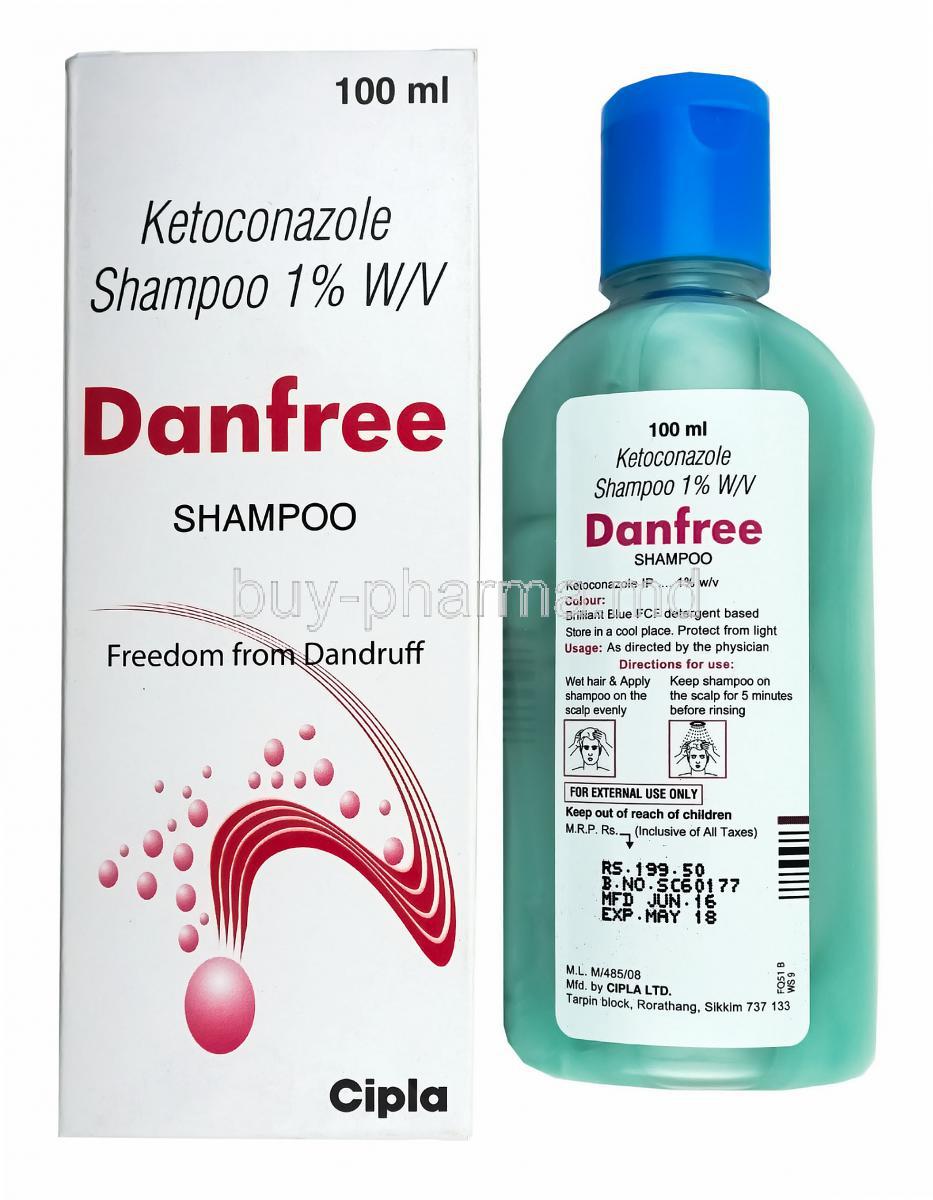
Introduction to Danfree Shampoo (Ketoconazole)
What is Danfree Shampoo?
Danfree Shampoo is a medicated topical formulation containing ketoconazole, a potent antifungal agent widely utilized in dermatological therapeutics. It is specifically designed for scalp application, targeting fungal overgrowth and inflammatory conditions that manifest as dandruff, scaling, and irritation. Unlike conventional cosmetic shampoos, it offers pharmacological action. Its utility extends beyond simple cleansing, functioning as a therapeutic intervention for chronic scalp disorders.
Overview of Ketoconazole as an Antifungal Agent
Ketoconazole belongs to the imidazole class of antifungal compounds. It exerts a fungistatic or fungicidal effect depending on concentration and organism susceptibility. Its spectrum includes yeast-like fungi such as Malassezia, which are implicated in common scalp disorders.
- Broad-spectrum antifungal activity
- Effective against dermatophytes and yeasts
- Reduces fungal colonization and recurrence
Therapeutic Class and Mechanism Category
Danfree Shampoo is classified as a topical antifungal preparation. Mechanistically, it falls under ergosterol synthesis inhibitors. This categorization underscores its ability to impair fungal cell membrane synthesis, thereby suppressing pathogen viability and proliferation.
Indications for Scalp and Dermatological Conditions
The shampoo is indicated for a spectrum of superficial fungal and inflammatory scalp conditions. It is particularly beneficial in cases characterized by persistent scaling and pruritus.
- Dandruff and seborrheic dermatitis
- Tinea versicolor affecting the scalp or adjacent skin
- Fungal scalp infections (dermatophytosis)
- Chronic scalp irritation and flaking
Composition and Formulation Details
Active Ingredient: Ketoconazole Concentration (e.g., 1% or 2%)
The primary active constituent is ketoconazole, typically present in concentrations of 1% or 2%. The higher concentration is generally reserved for more recalcitrant or persistent conditions, offering enhanced antifungal efficacy.
Inactive Ingredients and Their Functional Roles
The formulation incorporates excipients that facilitate stability, spreadability, and user tolerability. These include surfactants, stabilizers, and conditioning agents.
- Surfactants for cleansing action
- Preservatives to maintain product integrity
- Conditioning agents to reduce hair dryness
Shampoo Base and Dermatological Compatibility
The shampoo base is engineered to be dermatologically compatible. It ensures even distribution of the active ingredient across the scalp while minimizing irritation. This balance is crucial for patients requiring repeated application.
pH Balance and Scalp Suitability
The formulation is typically adjusted to a mildly acidic pH, aligning with the natural acid mantle of the scalp. This supports barrier function and discourages pathogenic proliferation while maintaining scalp homeostasis.
How Danfree Shampoo Works (Mechanism of Action)
Inhibition of Fungal Ergosterol Synthesis
Ketoconazole inhibits the biosynthesis of ergosterol, an essential sterol component of fungal cell membranes. Without ergosterol, membrane integrity is compromised. This leads to increased permeability and eventual fungal cell death.
Disruption of Fungal Cell Membrane Integrity
The structural destabilization of fungal membranes results in leakage of intracellular components. Cellular metabolism is disrupted. Ultimately, this culminates in growth arrest and elimination of the pathogen.
Anti-Inflammatory and Anti-Pruritic Effects
In addition to its antifungal properties, ketoconazole exhibits anti-inflammatory effects. It mitigates erythema and pruritus, providing symptomatic relief. Patients often experience a reduction in itching within a short duration of use.
Reduction of Malassezia Species on the Scalp
Malassezia species are lipid-dependent yeasts implicated in dandruff and seborrheic dermatitis. Danfree Shampoo reduces their population density on the scalp, thereby alleviating scaling and inflammation.
Uses of Danfree Shampoo (Ketoconazole)
Treatment of Dandruff (Pityriasis Capitis)
Danfree Shampoo effectively addresses dandruff by targeting its underlying fungal etiology. Regular use diminishes flaking, restores scalp balance, and improves overall scalp appearance.
Management of Seborrheic Dermatitis
In seborrheic dermatitis, the shampoo reduces inflammation and fungal load. It alleviates redness, scaling, and discomfort associated with this chronic condition.
Treatment of Tinea Versicolor (Pityriasis Versicolor)
Although commonly affecting the trunk, tinea versicolor may involve the scalp. Danfree Shampoo can be used as a topical therapy to eradicate the causative yeast and normalize pigmentation over time.
Scalp Fungal Infections (Dermatophytosis)
The antifungal properties extend to dermatophyte infections. It helps control superficial fungal colonization, especially when used adjunctively with systemic therapy in severe cases.
Relief of Itching, Scaling, and Flaking
Symptomatic relief is a key benefit. Patients often report:
- Reduction in persistent itching
- Decreased visible flakes
- Improved scalp comfort
Prevention of Recurrence of Fungal Scalp Conditions
Maintenance use helps prevent relapse. Periodic application can sustain a low fungal burden, reducing the likelihood of recurrence in predisposed individuals.
Off-Label Uses of Ketoconazole Shampoo
Adjunctive Therapy in Androgenetic Alopecia (Hair Loss)
Ketoconazole shampoo is sometimes employed as an adjunct in androgenetic alopecia. Its anti-inflammatory and potential anti-androgenic effects may contribute to improved scalp health and hair retention.
Management of Scalp Folliculitis
In cases of folliculitis associated with fungal organisms, Danfree Shampoo may reduce microbial load and inflammation, supporting resolution of pustular lesions.
Use in Acne-Related Fungal Infections (Malassezia Folliculitis)
Application to affected areas can help manage Malassezia folliculitis. It reduces yeast proliferation and alleviates associated papules and pustules.
Sebum Regulation in Oily Scalp Conditions
The shampoo may assist in modulating sebum production. This contributes to a less hospitable environment for fungal growth and improves scalp hygiene.
Maintenance Therapy for Chronic Scalp Disorders
Chronic dermatological conditions often require ongoing management. Intermittent use of ketoconazole shampoo can stabilize symptoms and prolong remission phases.
Dosage and Administration Guidelines
Recommended Frequency of Use for Different Conditions
Frequency varies depending on the indication and severity. Typically, it is used two to three times weekly during active treatment phases, followed by less frequent maintenance application.
Step-by-Step Application Instructions
Proper application enhances efficacy:
- Wet the scalp thoroughly
- Apply an adequate amount of shampoo
- Massage gently to form lather
- Leave in place for 3–5 minutes
- Rinse thoroughly
Duration of Treatment for Optimal Results
Treatment duration may range from several weeks to longer periods in chronic conditions. Consistency is essential. Premature discontinuation may result in recurrence.
Maintenance Therapy and Recurrence Prevention
After symptom resolution, intermittent use is recommended. This strategy maintains fungal suppression and minimizes relapse risk.
Missed Dose Instructions and Compliance Tips
If a dose is missed, it should be applied at the next scheduled time. Doubling applications is unnecessary. Establishing a routine enhances adherence and treatment success.
Side Effects of Danfree Shampoo
Overview of Potential Adverse Reactions
Danfree Shampoo is generally well tolerated. However, adverse reactions may occur, particularly with prolonged or frequent use. Most effects are localized and transient.
Localized vs Systemic Side Effects
Due to minimal systemic absorption, side effects are predominantly localized to the site of application. Systemic effects are exceedingly rare.
Frequency and Severity Classification
Adverse reactions are categorized based on frequency and severity:
- Common: mild and self-limiting
- Uncommon: moderate discomfort
- Rare: severe or hypersensitivity-related
Common Side Effects
Scalp Irritation and Burning Sensation
Some individuals may experience a mild burning or stinging sensation upon application. This is typically transient and diminishes with continued use.
Dryness or Oiliness of Hair and Scalp
Alterations in scalp hydration may occur. Patients may notice increased dryness or, conversely, compensatory oiliness.
Hair Texture Changes or Discoloration
Temporary changes in hair texture have been reported. In rare instances, slight discoloration may occur, particularly in chemically treated hair.
Mild Itching or Redness
Localized itching or erythema may develop. These symptoms are usually mild and resolve without intervention.
Serious and Rare Side Effects
Allergic Reactions (Hypersensitivity, Rash, Swelling)
Hypersensitivity reactions are uncommon but possible. Symptoms may include rash, swelling, or severe irritation. Immediate discontinuation is advised if such reactions occur.
Severe Scalp Irritation or Contact Dermatitis
In rare cases, contact dermatitis may develop. This presents as persistent redness, scaling, or discomfort requiring medical evaluation.
Hair Loss or Thinning (Rare Cases)
Although uncommon, reports of increased hair shedding exist. These cases are typically reversible upon cessation of the product.
Eye Irritation Upon Accidental Exposure
Accidental contact with the eyes may cause irritation. Immediate rinsing with water is recommended to alleviate discomfort and prevent complications.
Drug Interactions and Product Interactions
Interaction with Other Topical Scalp Treatments
Danfree Shampoo may be used alongside other topical scalp therapies; however, concurrent application requires judicious consideration. Certain medicated solutions, particularly those containing alcohol or keratolytic agents, may potentiate irritation.
- Avoid simultaneous application unless clinically indicated
- Allow sufficient time intervals between different treatments
- Monitor for increased dryness or erythema
Compatibility with Medicated Shampoos and Conditioners
Combining ketoconazole shampoo with other medicated shampoos can influence therapeutic outcomes. Some formulations may dilute or interfere with antifungal efficacy. Conditioners, while beneficial for hair texture, should be applied cautiously to avoid scalp occlusion.
Strategic alternation is often preferred. This approach minimizes interaction while preserving therapeutic benefit.
Use with Corticosteroids or Antifungal Creams
Co-administration with topical corticosteroids may enhance anti-inflammatory outcomes, particularly in severe seborrheic dermatitis. Similarly, antifungal creams can complement scalp treatment in adjacent areas.
- Corticosteroids reduce inflammation rapidly
- Combination therapy may be used in refractory cases
- Gradual tapering of steroids is recommended
Impact of Hair Care Products on Efficacy
Hair styling products such as gels, sprays, and oils may create a barrier that impedes drug penetration. Excessive use of such products can attenuate therapeutic efficacy. Clean scalp conditions prior to application are essential for optimal absorption.
Warnings and Safety Considerations
External Use Only Precautions
This formulation is strictly intended for external application. Ingestion or inappropriate use may result in adverse outcomes. Careful adherence to application guidelines is imperative.
Avoidance of Contact with Eyes and Mucous Membranes
Direct exposure to the eyes or mucosal surfaces may cause irritation. In the event of accidental contact:
- Rinse immediately with copious amounts of water
- Avoid rubbing the affected area
- Seek medical advice if irritation persists
Risk of Allergic Reactions
Although uncommon, hypersensitivity reactions may occur. Symptoms may include pruritus, rash, or localized swelling. Discontinuation is warranted if such manifestations arise.
Use in Damaged or Inflamed Skin
Application on severely compromised or ulcerated skin should be approached with caution. Increased absorption and irritation may occur under such conditions.
Monitoring for Worsening Symptoms
If symptoms exacerbate or fail to improve within a reasonable timeframe, reassessment is necessary. Persistent inflammation may indicate an alternative diagnosis or resistance.
Contraindications
Known Hypersensitivity to Ketoconazole or Ingredients
Individuals with a documented allergy to ketoconazole or any excipient should avoid use. Hypersensitivity reactions can range from mild irritation to severe dermatologic responses.
Severe Skin Reactions to Antifungal Agents
Patients with a history of severe cutaneous adverse reactions to antifungals may be at increased risk. Alternative therapeutic modalities should be considered.
Use in Specific Dermatological Conditions Requiring Alternative Therapy
Certain dermatological conditions may not respond to antifungal therapy. Misuse in such cases may delay appropriate treatment and prolong morbidity.
Careful Administration (Use with Caution)
Patients with Sensitive or Compromised Skin
Individuals with heightened skin sensitivity may experience irritation even with standard use. Gradual introduction and reduced frequency may enhance tolerability.
Individuals with Chronic Dermatological Disorders
Patients with chronic conditions such as psoriasis or eczema require careful monitoring. The interplay between underlying pathology and treatment may influence outcomes.
Patients Using Multiple Topical Treatments
Polypharmacy at the topical level can increase the risk of irritation and interaction. A structured regimen is advisable to minimize adverse effects.
History of Allergic Skin Reactions
A prior history of allergic dermatitis necessitates vigilance. Patch testing may be considered in uncertain cases.
Important Precautions Before and During Use
Proper Scalp Hygiene Practices
Maintaining a clean scalp enhances treatment efficacy. Regular washing and avoidance of occlusive products support therapeutic outcomes.
Avoiding Overuse or Excessive Application
Excessive application does not confer additional benefit. Instead, it may increase the likelihood of irritation or dryness. Adherence to recommended usage is essential.
Adherence to Prescribed Treatment Duration
Consistency is critical. Premature discontinuation may result in incomplete eradication of fungal organisms and subsequent relapse.
Monitoring Symptom Improvement and Treatment Response
Patients should observe changes in symptoms such as scaling, redness, and pruritus. Progressive improvement is expected with appropriate use.
When to Seek Medical Advice
Medical consultation is advised if:
- Symptoms persist beyond the expected treatment period
- Severe irritation or allergic reactions occur
- New or atypical symptoms develop
Administration to Elderly Patients
Safety Profile in Older Adults
Danfree Shampoo is generally well tolerated in elderly populations. Minimal systemic absorption contributes to its favorable safety profile.
Considerations for Thinning or Fragile Skin
Aging skin is often more fragile. Gentle application and reduced frequency may be beneficial to prevent irritation.
Frequency Adjustments if Necessary
Individualized dosing schedules may be required. Lower frequency use can maintain efficacy while enhancing tolerability.
Administration to Pregnant Women and Nursing Mothers
Safety Data on Topical Ketoconazole Use
Available data suggest limited systemic absorption with topical application. This reduces potential systemic exposure.
Minimal Systemic Absorption Considerations
The pharmacokinetic profile supports minimal transdermal absorption. However, caution remains prudent during pregnancy.
Risk-Benefit Assessment During Pregnancy
Use should be based on a careful evaluation of potential benefits versus risks. Medical guidance is recommended prior to initiation.
Recommendations for Breastfeeding Mothers
Application to the scalp poses minimal risk to the nursing infant. Direct contact with the infant’s skin should be avoided.
Administration to Children
Age-Appropriate Use and Safety
Use in pediatric populations should be guided by age and clinical indication. Safety profiles are generally favorable when used appropriately.
Pediatric Dosing and Frequency
Lower frequency and careful monitoring are recommended. Overuse should be avoided in younger individuals.
Monitoring for Scalp Sensitivity or Irritation
Children may exhibit increased sensitivity. Observation for redness, discomfort, or dryness is essential during treatment.
Overdosage and Misuse
Risks of Excessive Application
Excessive use may lead to irritation, dryness, or disruption of scalp barrier function. Therapeutic benefit does not increase proportionally with higher usage.
Accidental Ingestion and Required Actions
Ingestion is not intended and may cause gastrointestinal discomfort. Immediate medical advice should be sought in such cases.
Symptoms of Overuse
Signs of overuse may include:
- Persistent scalp irritation
- Dryness or peeling
- Increased sensitivity
When to Seek Emergency Care
Emergency care is warranted if severe reactions occur, including significant swelling, respiratory difficulty, or systemic symptoms.
Storage Instructions
Recommended Storage Temperature and Conditions
Store at controlled room temperature. Avoid exposure to extreme heat or freezing conditions, which may compromise product stability.
Protection from Moisture and Direct Sunlight
Keep the container tightly closed. Protect from excessive humidity and direct sunlight to preserve efficacy.
Shelf Life and Expiry Considerations
Observe expiration dates carefully. Use beyond the indicated period may result in reduced effectiveness or altered formulation integrity.
Safe Storage Away from Children
Store out of reach of children. Accidental misuse can be prevented through proper storage practices.
Handling Precautions
Proper Handling and Dispensing of Shampoo
Dispense an appropriate amount for each use. Avoid contamination of the container opening to maintain product hygiene.
Hygiene Practices to Prevent Contamination
Ensure hands are clean prior to application. This minimizes the introduction of external contaminants into the product.
Disposal of Expired or Unused Product
Dispose of expired or unused shampoo responsibly. Avoid pouring large quantities into drainage systems unless permitted.
Avoiding Cross-Contamination in Shared Use
Sharing medicated shampoo is discouraged. Individual use reduces the risk of cross-contamination and transmission of scalp conditions.
Popular Products
Similar Product