
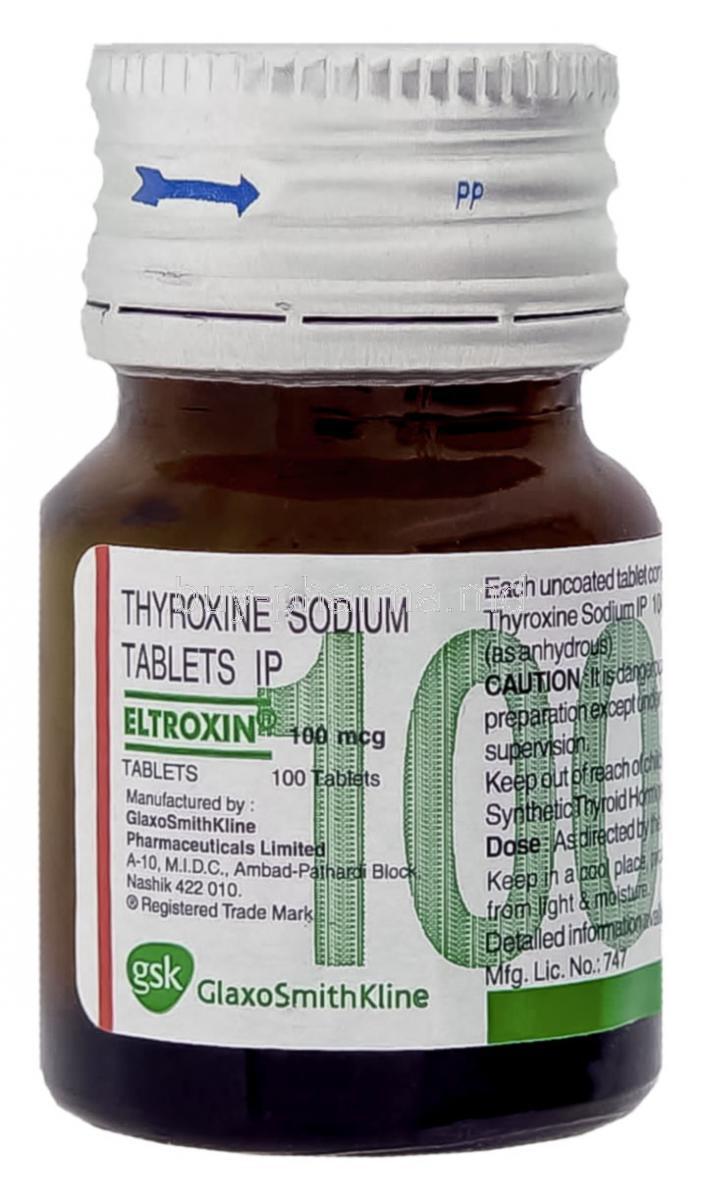
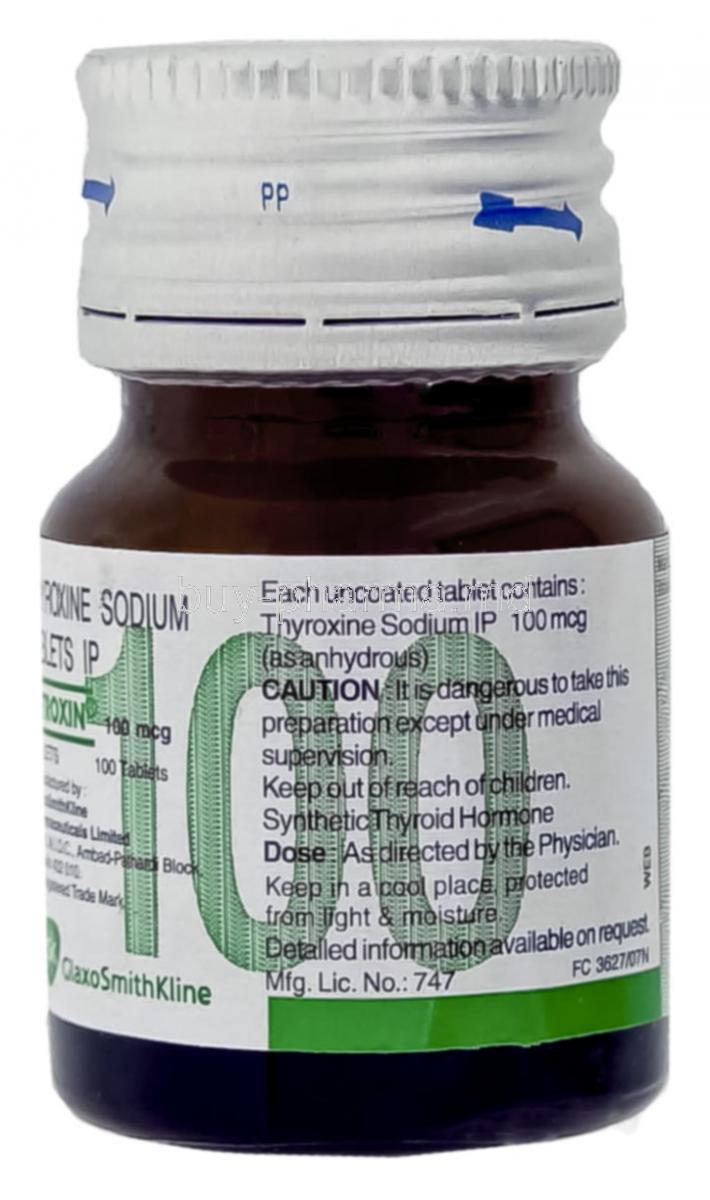
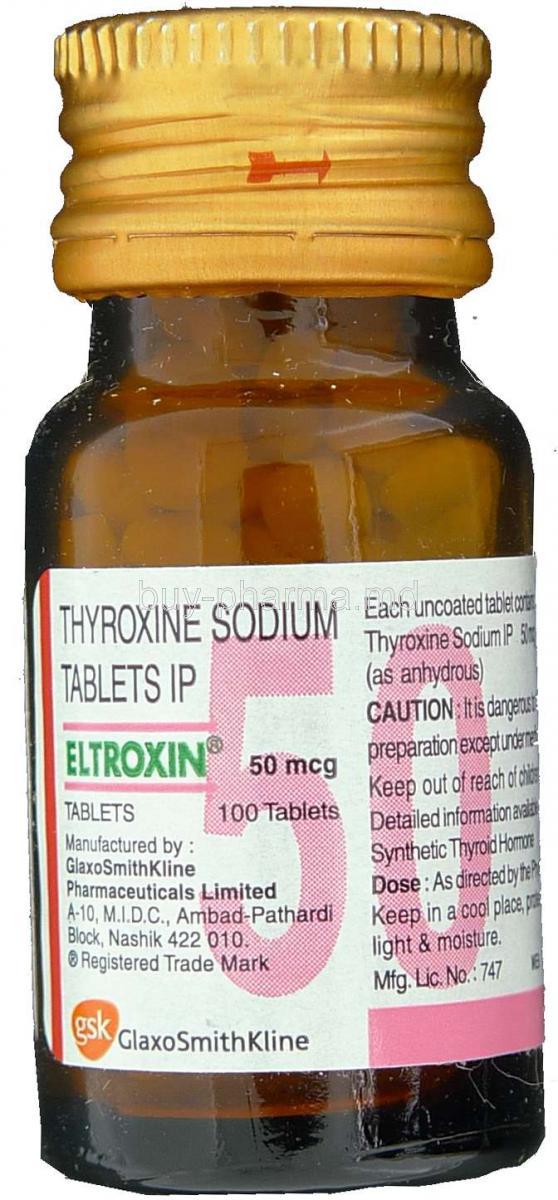
Introduction to Eltroxin (Levothyroxine Sodium)
Eltroxin (Levothyroxine Sodium) is a synthetic thyroid hormone replacement formulated to normalize circulating thyroxine levels in individuals with insufficient endogenous hormone output. It is widely regarded as the cornerstone therapy in the correction of hypothyroid states, as it restores metabolic equilibrium and supports physiological homeostasis.
Overview of Eltroxin and its place in thyroid hormone replacement therapy
This medication serves as a bioequivalent surrogate for naturally occurring thyroxine (T4). It is utilized across numerous endocrine protocols for restoring normal thyroid hormone concentrations. This therapy can be lifelong. In clinical endocrinology, levothyroxine is considered first-line due to its predictable pharmacokinetics and consistent potency profile.
Therapeutic classification and regulatory status
Levothyroxine sodium is categorized under thyroid hormone replacement pharmaceuticals. In most territories, it is a prescription-only therapeutic agent. Regulatory authorities maintain strict potency standards.
Brand name vs generic levothyroxine comparison
Brand-name Eltroxin and generics contain the same active molecule. However, excipient variation and bioavailability nuances may result in subtle clinical differences. For this reason, many prescribers recommend consistency in brand once dosage has stabilized.
Composition of Eltroxin (Levothyroxine Sodium)
Active ingredient and concentration details
The active chemical compound is Levothyroxine Sodium (synthetic T4). It is presented in microgram concentrations to emulate physiologic hormone requirements.
Inactive excipients and their function in formulation
Excipients may include:
- binders
- stabilizers
- fillers
They preserve tablet integrity, ensure uniform distribution, and enhance stability.
Available dosage strengths and pharmaceutical forms
Multiple strengths exist: 25mcg, 50mcg, 75mcg, 88mcg, 100mcg, 125mcg, 150mcg, 200mcg, and more. Film-coated tablets are the most common format.
How Eltroxin Works – Mechanism of Action
Role of synthetic T4 hormone in thyroid physiology
Synthetic T4 replaces the missing circulating hormone in individuals whose thyroid gland no longer produces sufficient quantities. It supports mitochondrial respiration, basal thermogenesis, and tissue oxygen expenditure.
Conversion of T4 to T3 in peripheral tissues
Once absorbed, levothyroxine undergoes enzymatic deiodination to produce triiodothyronine (T3), the more metabolically active form.
Effects on metabolic rate, protein synthesis, and cardiac output
This yields:
- increased basal metabolic rate
- enhanced protein synthesis and lipid transport
- increased cardiac output
Approved Medical Uses of Levothyroxine Sodium
Primary hypothyroidism treatment (autoimmune, post-thyroiditis, iodine deficiency)
Eltroxin restores euthyroid equilibrium to alleviate symptomatic lethargy, weight gain, dermal dryness, and neurocognitive dullness.
Post-thyroidectomy hormone replacement
Patients post surgical gland removal require exogenous hormone to sustain metabolic stability.
Thyroid cancer suppression therapy
High-normal T4 levels may suppress TSH and reduce risk of malignant recurrence.
Treatment of congenital hypothyroidism
In neonates and infants, early levothyroxine therapy is essential to prevent neurocognitive impairment.
Off-Label Uses of Levothyroxine Sodium
Adjunctive treatment in depression with subclinical hypothyroidism
Some psychiatric protocols leverage levothyroxine as adjunctive therapy when mild thyroid inefficiency influences affective dysregulation.
Use in infertility associated with thyroid dysfunction
Normalization of TSH may optimize ovulatory rhythm and conception potential.
Off-label weight-management misuse risks and medical concerns
Weight-loss usage outside clinical guidance is unsafe. Thyrotoxic cardiovascular stress, osteoporosis, arrhythmogenesis, and catabolic muscle wasting are tangible risk factors.
Dosage and Administration of Eltroxin
Recommended adult dosing – initial dose and titration strategy
Adults typically commence low microgram doses (e.g. 25–50 mcg daily) with incremental titration every 4–6 weeks based on TSH.
Pediatric dosing protocols
Children require weight-based calculations to protect normal growth trajectories.
Timing of administration for optimal absorption
Administer on an empty stomach in the early morning. Water only. No concurrent supplements.
Important notes about food interactions and fasting state
High-fiber meals, coffee, soy, and calcium-rich breakfast foods reduce absorption.
Missed dose management
Take the next dose at the usual time. Do not double dose.
Storage and Handling Precautions
Ideal temperature and humidity conditions
Store in a cool, dry environment to protect potency.
Shelf-life considerations
Hormone degradation is time-dependent. Monitor expiration dates.
Light exposure and potency stability
Protect from prolonged direct light exposure.
Safe handling during travel
Keep in original blister packs to maintain environmental stability.
Drug Interactions with Eltroxin
Interactions with antacids, calcium, and iron supplements
Binding interactions can reduce bioavailability. Separate dosing by at least 4 hours.
Interaction with anticoagulants and antidiabetics
Metabolic receptor sensitivity may potentiate or diminish concurrent therapy effect.
Effects of high-fiber diet and soy products on absorption
Gastrointestinal binding can reduce dissolutive uptake.
Laboratory interference considerations
Certain substances can distort TSH or free T4 assay interpretation.
Warnings and Important Precautions
Cardiac risk warning in patients with heart disease
Initiate carefully as tachyarrhythmias and high-output states may occur in susceptible individuals.
Narrow therapeutic index caution
Small dose adjustments can produce disproportionately large physiologic changes.
Monitoring requirements (TSH, free T4)
Regular endocrine surveillance is mandatory.
Avoiding dose self-adjustments without medical supervision
Unauthorized dose manipulation can precipitate dangerous hypermetabolic sequelae.
Contraindications for Levothyroxine Sodium
Untreated adrenal insufficiency
Adrenal stabilization must precede thyroid hormone replacement.
Acute myocardial infarction
Exogenous thyroid stimulation may aggravate myocardial strain.
Thyrotoxicosis
Levothyroxine must not be used in already hyperthyroid patients.
Known hypersensitivity to components of the formulation
Allergic reactivity to tablet components contraindicates administration.
Careful Administration Guidelines
Cardiac disorders and arrhythmias
Dosing increments must remain conservative.
Diabetes mellitus and glucose control consideration
Glycemic volatility may require antidiabetic dose recalibration.
Osteoporosis and long-term therapy concerns
Excessive thyroid replacement may accelerate bone catabolism and reduce density.
Elderly patients with subclinical hyperthyroidism tendencies
Older adults exhibit increased sensitivity and require slow titration with preferential lower targets.
Side Effects Overview
Adverse reactions can emerge when systemic thyroid hormone concentrations exceed physiologic tolerance thresholds. Such manifestations may be subtle, progressively intensifying. In certain individuals, symptoms can be abrupt and clinically conspicuous. The pharmacodynamic response is highly individualized, influenced by receptor sensitivity, metabolic rate, cardiac reserve, and hepatic conversion kinetics.
General adverse reaction profile
The reaction profile often parallels excessive sympathetic stimulation. This is because augmented triiodothyronine activity increases catecholaminergic responsiveness. Patients commonly report sensations reminiscent of hyperadrenergic surges.
Dose-related toxicity patterns
Toxicity trends are typically proportional to dosage escalation.
- Over-replacement yields amplified metabolic sequelae
- Mild overdosing induces subclinical hyperthyroid indices
- Large dosing errors may precipitate cardiovascular instability
Symptoms of thyroid hormone excess due to over-replacement
Clinically noticeable characteristics may include chest discomfort, cognitive hyperactivity, exertional dyspnea, and neuro-muscular agitation. Some patients describe a state of “internal overdrive.”
Common Side Effects of Eltroxin
Palpitations and tachycardia
Rapid pulse rates are frequently observed. The myocardium is profoundly sensitive to circulating thyroid hormone concentration shifts.
Heat intolerance and sweating
Thermoregulatory dysregulation is common. The internal basal heat-output index increases, causing persistent perspiration.
Nervousness, tremor, and anxiety
Minor tremors, anxious anticipation, and neuro-emotive volatility may arise during dose adjustments.
Unintentional weight loss
Metabolism acceleration can lead to disproportionate fat mobilization.
Sleep disturbance
Insomnia or fragmented sleep patterns may result from sympathetic over-stimulation.
Administration to Elderly Patients
Lower initial dose recommendations
Elderly individuals typically require much lower starting doses. Initiation must be cautious and incremental.
Increased sensitivity to cardiovascular adverse effects
The geriatric myocardium may exhibit exaggerated responses to thyroid stimulation. Arrhythmic phenomena, angina equivalents, or atrial fibrillation can manifest.
Requirements for more frequent monitoring
Scheduled laboratory evaluation is imperative at shorter intervals. The margin between efficacy and toxicity narrows significantly with age.
Administration to Pregnant Women and Nursing Mothers
Dose adjustment during pregnancy trimester-wise
Thyroid hormone demand often increases during gestation. Incremental adjustments are frequently required in the 1st, 2nd, and 3rd trimester to maintain euthyroidism.
Safety in breastfeeding and transfer into breast milk
Levothyroxine transfer into breast milk is minimal. Infants typically remain unaffected.
Importance of maintaining euthyroid state in maternal health
Maternal euthyroidism is indispensable for fetal neurologic development, optimal placental perfusion, and metabolic equilibrium.
Administration to Children
Treatment of congenital hypothyroidism
This therapy prevents neurocognitive derailment in infancy. Initiation must occur rapidly after diagnosis.
Growth and neurodevelopment monitoring
Monitoring parameters include:
- longitudinal growth metrics
- bone age assessment
- cognitive maturation trends
Pediatric titration protocol and weight-based dosing
Pediatric dosing requires algorithmic adjustment using weight-based microgram-per-kilogram computation.
Overdosage of Levothyroxine Sodium
Signs and symptoms of acute overdose or chronic toxicity
Severe tachyarrhythmia, profound agitation, high-output heart failure, febrile thermogenesis, and gastrointestinal upset may occur.
Thyrotoxic crisis emergency recognition
A fulminant “thyroid storm” is an endocrine emergency characterized by cardiovascular collapse risk and neurologic delirium.
Recommended medical management and supportive care
Therapy may require beta-blockade, ICU observation, and metabolic control until homeostasis is restored.
Handling Precautions and Patient Education
Keeping tablets in original packaging
This protects molecular potency from environmental degradation.
Avoiding moisture exposure in daily use
Moisture infiltration may accelerate chemical denaturation. Keep containers tightly sealed.
Educating patients on consistency of brand and dose
Consistency protects against inadvertent potency variance.
Avoiding abrupt discontinuation
Cessation may provoke symptomatic decompensation. Gradual dose strategy is essential when clinically indicated.
 Verified Purchase
Great price. Quick & easy.
I always purchase through Buy Pharma. Always good price and high quality meds.
Verified Purchase
Eltroxin
Excellent presentation, convenient cost and so far outstanding results
Verified Purchase
Eltroxin
Excellent product and quality, already more than 2 years buying it, and definitively will continue.
Verified Purchase
Levothyroxine
Great product works well
Verified Purchase
Levothyroxine
Great product works well
Eltroxin, Levothyroxine Sodium FAQ
Customers also bought


Popular Products
Similar Product