



Eme OD, Palonosetron
- 1. Introduction to Eme OD (Palonosetron)
- 2. What Is Palonosetron?
- 3. Composition and Formulation of Eme OD
- 4. How Eme OD Works (Palonosetron Mechanism of Action)
- 5. Uses of Eme OD (Approved Indications)
- 6. Off-Label Uses of Palonosetron
- 7. Dosage and Administration
- 8. Administration in Special Populations
- 8.1 Administration to Elderly Patients
- Dose adjustments and safety considerations
- Pharmacokinetic changes with aging
- 8.2 Administration to Pregnant Women
- Pregnancy safety data and risk assessment
- Use only when benefits outweigh potential risks
- 8.3 Administration to Nursing Mothers
- Breast milk excretion considerations
- Recommendations regarding breastfeeding
- 8.4 Administration to Children
- Pediatric dosing guidelines (if approved/used)
- Safety and efficacy considerations in pediatric patients
- 9. Palonosetron Side Effects
- 10. Other Possible Side Effects
- 11. Drug Interactions
- 12. Palonosetron Warnings and Safety Information
- 13. Contraindications
- 14. Careful Administration and Important Precautions
- 15. Overdosage
- 16. Storage Conditions
- 17. Handling Precautions
1. Introduction to Eme OD (Palonosetron)
Overview of Eme OD as an antiemetic medication
Eme OD contains palonosetron, a potent antiemetic specifically formulated to manage nausea and vomiting in clinical environments. These symptoms are often more than a simple "upset stomach"; they represent a complex physiological response to triggers like chemotherapy or general anesthesia.

Therapeutic classification and clinical relevance
Palonosetron belongs to the serotonin (5-HT3) receptor antagonist class. The serotonin (5-HT3) receptor antagonist class is a part of the anti‑nausea treatment. The serotonin (5-HT3) receptor antagonist class works for nausea and vomiting caused by chemotherapy (CINV) and after surgery (PONV). Clinically, its relevance lies in consistency and duration. In settings where nausea has a delayed component appearing hours to days after the trigger, an agent with extended activity can be particularly valuable.
Brief background on palonosetron as a second-generation 5-HT3 receptor antagonist
Palonosetron is considered a second-generation 5-HT3 antagonist.
- Longer half-life compared with several first-generation options
- High receptor affinity, supporting prolonged effect
- Frequently used for both acute and delayed CINV prevention
2. What Is Palonosetron?
Chemical and pharmacological profile
Palonosetron is a selective serotonin receptor antagonist with a pharmacologic profile optimized for antiemetic prophylaxis. It is typically administered prior to the emetogenic trigger (such as chemotherapy) to blunt the downstream cascade that leads to nausea and vomiting.
Pharmacologically, it is characterized by sustained systemic exposure and a receptor interaction pattern that can remain clinically meaningful beyond the initial dosing window.

Drug class: serotonin (5-HT3) receptor antagonists
5-HT3 antagonists work by blocking serotonin-mediated signaling at receptors involved in emesis. Serotonin is released in the gastrointestinal tract and can activate vagal afferents and central pathways, culminating in nausea and vomiting.
- Primary target: 5-HT3 receptors
- Key pathway: gut-to-brain emetic signaling
- Clinical focus: prevention rather than rescue in many protocols
Differences between palonosetron and first-generation 5-HT3 antagonists
While several medications share the 5-HT3 antagonist mechanism, palonosetron is distinguished by longer duration of action and robust receptor binding characteristics. In practical terms, this can support coverage for delayed nausea after certain chemotherapy regimens.
However, drug selection is individualized. The best option depends on emetogenic risk, regimen type, patient history, and whether combination prophylaxis is planned.
Fosnetupitant/palonosetron
Fosnetupitant/palonosetron
intravenous, fixed-dose combination medication used to prevent acute and delayed nausea and vomiting associated with emetogenic cancer chemotherapy. It works by combining a NK1 receptor antagonist (fosnetupitant, a prodrug of netupitant) with a 5-HT3 receptor antagonist (palonosetron) to block substances that trigger vomiting.
Palonosetron vs granisetron
Palonosetron (a second-generation 5-HT3 receptor antagonist) generally offers superior efficacy over granisetron (first-generation) in preventing chemotherapy-induced nausea and vomiting (CINV), particularly in the delayed phase. Palonosetron has a longer half-life and higher binding affinity, often requiring only a single dose compared to daily dosing for granisetron.
3. Composition and Formulation of Eme OD
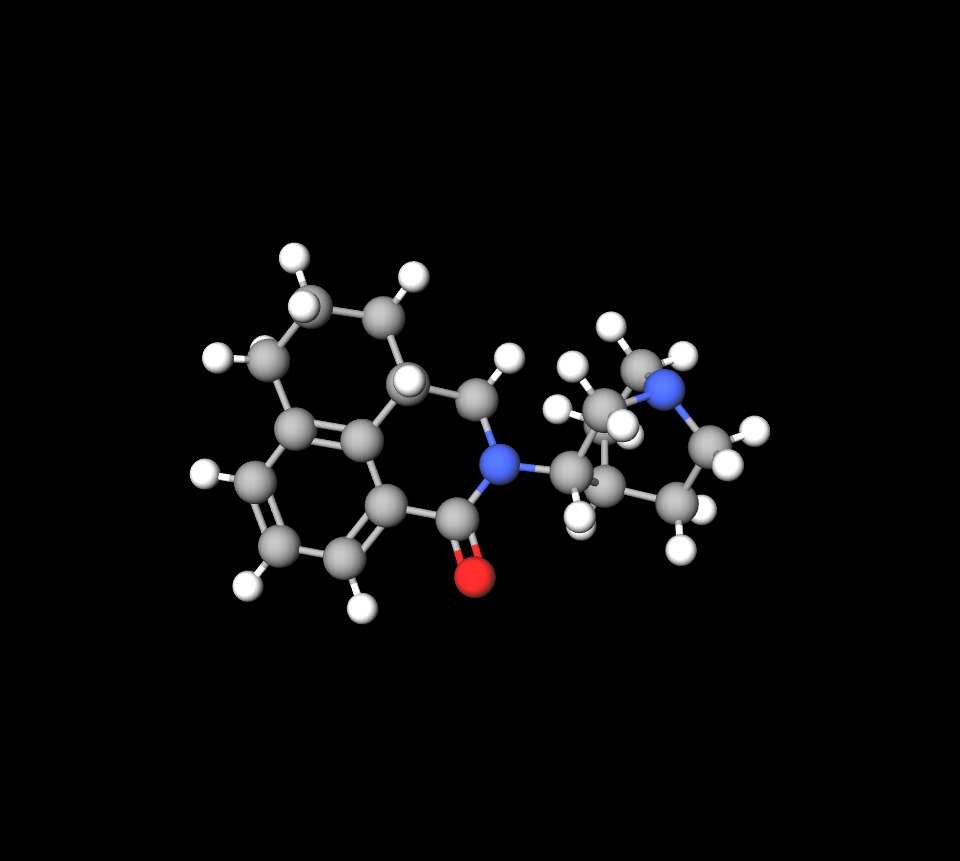
Active ingredient: palonosetron hydrochloride
Eme OD contains palonosetron (commonly as palonosetron hydrochloride). The hydrochloride salt form is used to support stability and consistent dosing.
Available dosage forms (oral disintegrating tablet, tablet, injection if applicable)
Depending on the product and market, palonosetron may be available in forms such as oral preparations and injectable formulations. Route selection typically aligns with the clinical scenario:
- Oral formulations: may be used when oral intake is feasible and timing can be planned
- Injectable formulations: often used in hospital or infusion settings, especially pre-chemotherapy
Specific strengths and dosage forms can vary by manufacturer and region. Always verify the exact product labeling and prescribing information.

Excipients and formulation characteristics
In addition to the active ingredient, formulations include excipients that help determine disintegration, absorption characteristics, and shelf stability. Patients with known sensitivities (for example, certain dyes or sweeteners) should review inactive ingredients carefully.
4. How Eme OD Works (Palonosetron Mechanism of Action)
Role of serotonin in nausea and vomiting
Serotonin is a pivotal mediator in many emetic pathways. Following chemotherapy, enterochromaffin cells in the gut can release serotonin, which then activates vagal nerve pathways and central emetic circuitry. The result can be rapid-onset nausea and vomiting, and in some cases, a protracted delayed phase.

Inhibition of 5-HT3 receptors in the central and peripheral nervous system
Palonosetron blocks 5-HT3 receptors both peripherally (in the gastrointestinal tract and vagal afferents) and centrally (within brainstem regions involved in emesis). This dual-site antagonism can mitigate the initiation and amplification of nausea signals.
- Peripheral blockade reduces gut-originating emetic signaling
- Central blockade dampens brainstem emesis pathways
- Net effect: decreased likelihood and severity of vomiting episodes
Long receptor binding affinity and prolonged duration of action
One of palonosetron's notable features is its sustained receptor engagement and extended half-life, supporting prolonged antiemetic activity. This can be clinically relevant for regimens known to produce delayed nausea.
Monitoring remains important, particularly when other medications are used concurrently.
5. Uses of Eme OD (Approved Indications)
Prevention of chemotherapy-induced nausea and vomiting (CINV)
Acute CINV
Acute CINV typically occurs within the first 24 hours after chemotherapy administration. Palonosetron is often administered prior to chemotherapy as part of a prophylactic regimen designed to reduce early-phase symptoms.
Delayed CINV
Delayed CINV can occur after the first day and may persist for several days, depending on the chemotherapy regimen. Palonosetronâ's prolonged activity is one reason it is often considered for delayed-phase coverage, frequently in combination protocols.
Prevention of postoperative nausea and vomiting (PONV)
PONV is a common complication after surgery and anesthesia. In selected settings, palonosetron may be used to reduce the probability of nausea and vomiting during postoperative recovery.

Use in moderately to highly emetogenic chemotherapy
For chemotherapy regimens with moderate-to-high emetogenic risk, palonosetron may be used as part of a multi-agent prevention strategy. This can include pairing with other antiemetics that target complementary pathways, depending on clinical guidelines and patient risk factors.
6. Off-Label Uses of Palonosetron
Nausea and vomiting associated with radiotherapy
Some clinicians may use palonosetron off-label to help manage nausea associated with radiotherapy. The suitability depends on the radiation field, dose, patient susceptibility, and available alternatives.

Refractory nausea in palliative care settings
In palliative care, nausea may be multifactorial and refractory. In certain cases, palonosetron may be considered when serotonin-mediated pathways are suspected to contribute, often after individualized assessment.
Acute gastroenteritis is not a standard indication for palonosetron. In exceptional scenarios, such as severe nausea preventing oral rehydration, clinicians may consider antiemetics, but the choice of agent should be cautious and context-specific.
Antiemetic support in opioid-induced nausea
Opioid-induced nausea can arise from central and peripheral mechanisms. Palonosetron may be used off-label in select patients when serotonin signaling is part of the clinical picture, though other agents are frequently considered depending on patient factors.
Use in cyclic vomiting syndrome (off-label clinical practice)
Cyclic vomiting syndrome can involve episodic, intense vomiting with complex triggers. Off-label antiemetic strategies may include 5-HT3 antagonists in certain protocols; however, management should be clinician-directed and individualized.
7. Dosage and Administration
7.1 Palonosetron Dosage
Palonosetron dose for chemotherapy-induced nausea
Adult dosing depends on the formulation (oral vs intravenous), the emetogenicity of chemotherapy, and whether combination prophylaxis is used. Because dosing can vary by product labeling and regimen, follow the prescribing information and clinician instructions precisely.
- Do not alter the dose independently
- Do not double up for missed doses without medical advice
- Report persistent symptoms; regimen adjustments may be needed
Timing of administration relative to chemotherapy
Palonosetron is typically administered prior to chemotherapy to prevent symptom onset. Timing is purposeful: blocking receptor activation early can preempt the emetic cascade rather than chasing it after it starts.
7.2 Route of Administration
Oral administration guidelines
Oral dosing should follow the product's instructions regarding timing, with attention to whether administration is recommended with or without food. Patients experiencing severe vomiting may be unable to retain oral medication and may require medical reassessment.
Intravenous administration (if applicable)
Intravenous palonosetron is generally administered in supervised settings such as infusion centers or hospitals. This route can ensure reliable delivery when oral administration is not suitable.
7.3 Duration of Treatment
Single-dose vs repeated dosing considerations
Palonosetron is frequently used as a single-dose prophylactic agent for a chemotherapy cycle or perioperative period, depending on indication and protocol. Repeated dosing decisions should be made by a clinician based on the treatment schedule, symptom pattern, and safety considerations.
8. Administration in Special Populations
8.1 Administration to Elderly Patients
Dose adjustments and safety considerations
Older adults may have comorbidities and concomitant medications that affect risk profiles. While palonosetron is not universally dose-adjusted solely based on age, clinicians may consider individualized modifications depending on overall clinical status.
- Assess polypharmacy and interaction risk
- Monitor constipation and hydration status
- Evaluate cardiovascular history when clinically relevant

Pharmacokinetic changes with aging
Aging can alter drug distribution, hepatic metabolism, and renal elimination. These physiologic shifts can change exposure for many medications. Clinical judgment should guide monitoring intensity and supportive care.
8.2 Administration to Pregnant Women
Pregnancy safety data and risk assessment
Use during pregnancy requires careful risk-benefit evaluation. The clinical context matters: uncontrolled vomiting can also carry risks, including dehydration and nutritional compromise. Decisions should be made in consultation with a qualified healthcare professional.

Use only when benefits outweigh potential risks
When treatment is considered necessary, the lowest effective exposure consistent with clinical guidelines is generally preferred, alongside close monitoring.
8.3 Administration to Nursing Mothers
Breast milk excretion considerations
Whether and to what extent palonosetron is present in breast milk can depend on multiple factors. Because infant exposure is an important consideration, breastfeeding guidance should be personalized.
Recommendations regarding breastfeeding
A clinician may recommend monitoring the infant for unusual symptoms or, in some cases, temporary adjustments in feeding plans depending on maternal treatment needs.

8.4 Administration to Children
Pediatric dosing guidelines (if approved/used)
Pediatric use depends on product approval status, age, weight, and clinical indication. Dosing should never be improvised; it must follow pediatric protocols and clinician direction.
Safety and efficacy considerations in pediatric patients
Children can differ from adults in drug handling and side effect susceptibility. Monitoring for constipation, headache, and overall hydration is particularly important when antiemetics are used.
9. Palonosetron Side Effects
Headache
Headache is among the most frequently reported side effects. It may be mild and transient, but persistent or severe headache should be discussed with a clinician, especially if accompanied by neurologic symptoms.
Constipation
Constipation can occur due to changes in gastrointestinal motility. Simple measures may help, but significant constipation, especially with abdominal pain, warrants medical advice.
- Maintain adequate fluids if permitted
- Consider dietary fiber where appropriate
- Report severe or prolonged symptoms
Dizziness
Some individuals experience dizziness. Caution is prudent with activities requiring alertness, such as driving or operating machinery, until individual response is known.
Fatigue
Fatigue may occur, though it can also be influenced by chemotherapy, surgery, pain, stress, or other concurrent medications. If fatigue is profound or worsening, reassessment may be needed.
10. Other Possible Side Effects
Gastrointestinal disturbances
Beyond constipation, some patients may notice other gastrointestinal effects such as abdominal discomfort or altered bowel habits. If symptoms are persistent, clinician review is advisable to exclude other causes.
5-HT3 antagonists are sometimes discussed in the context of QT interval considerations. Not every patient is at equal risk, but caution may be heightened in those with:
- Known QT prolongation or arrhythmia history
- Electrolyte abnormalities (e.g., low potassium or magnesium)
- Concurrent use of QT-prolonging medications
Clinical monitoring decisions should be individualized.
Hypersensitivity reactions
Allergic reactions are uncommon but possible. Seek urgent medical attention for signs such as swelling, hives, severe rash, or breathing difficulty.
Central nervous system effects
Less commonly, patients may report central nervous system effects such as somnolence or subjective cognitive slowing. When these occur, safety precautions and medical guidance are important.
11. Drug Interactions
Interaction with other antiemetic agents
Palonosetron is frequently used alongside other antiemetic agents as part of combination prophylaxis, particularly in chemotherapy settings. When combined appropriately, these agents can provide synergistic protection against nausea and vomiting by targeting multiple emetic pathways.
However, layering multiple antiemetics requires clinical oversight. Redundant mechanisms or overlapping adverse effects may increase the likelihood of unwanted reactions such as excessive sedation, constipation, or headache.
- Commonly combined with corticosteroids or NK1 receptor antagonists
- Combination regimens should follow established clinical guidelines
- Unnecessary duplication of therapy should be avoided
Concomitant use with serotonergic drugs (risk of serotonin syndrome)
Palonosetron acts on serotonin receptors, and caution is advised when it is used together with other serotonergic medications. These may include certain antidepressants, migraine therapies, and other agents that influence serotonin signaling.
Although rare, serotonin syndrome is a potentially serious condition characterized by excessive serotonergic activity. Awareness of this interaction is essential, particularly in patients receiving multiple serotonergic drugs.
- Agitation, confusion, or restlessness
- Autonomic instability such as sweating or tachycardia
- Neuromuscular abnormalities including tremor or rigidity

Interaction with chemotherapy agents
Palonosetron is routinely administered with chemotherapeutic agents and is generally well tolerated in this context. It does not interfere with the antineoplastic efficacy of chemotherapy.
Nevertheless, chemotherapy regimens are complex, and supportive medications should always be selected with attention to the overall treatment plan, organ function, and cumulative toxicity.
CYP enzyme involvement and metabolic considerations
Palonosetron undergoes hepatic metabolism involving cytochrome P450 enzymes. While it is not considered a strong inducer or inhibitor, caution is prudent when it is used with drugs that significantly alter CYP enzyme activity.
In most cases, clinically meaningful metabolic interactions are uncommon. Still, patients receiving multiple medications metabolized through similar pathways should be monitored as a precaution.
12. Palonosetron Warnings and Safety Information
Risk of serotonin syndrome
Patients should be advised to report unusual neurologic or autonomic symptoms promptly. Early recognition allows timely intervention and prevents progression.
Cardiac safety and QT prolongation risk
5-HT3 receptor antagonists have been associated with cardiac conduction concerns in certain populations. Palonosetron is generally regarded as having a lower propensity for QT interval prolongation than some first-generation agents, yet vigilance is still warranted.
- Patients with known arrhythmias require careful assessment
- Concomitant QT-prolonging drugs increase cumulative risk
- Baseline cardiac history should inform clinical decisions
Use in patients with electrolyte imbalance
Electrolyte disturbances, such as hypokalemia or hypomagnesemia, can amplify the risk of cardiac rhythm abnormalities. These imbalances may arise from vomiting itself, chemotherapy, or other medical conditions.
Correction of electrolyte abnormalities is advisable before or during antiemetic therapy when clinically feasible.
Monitoring recommendations
Routine monitoring requirements vary depending on patient risk factors and treatment context. In higher-risk individuals, periodic clinical assessment may include:
- Review of concomitant medications
- Assessment for neurologic or cardiac symptoms
- Evaluation of hydration and electrolyte status
13. Contraindications
Known hypersensitivity to palonosetron or formulation components
Palonosetron is contraindicated in individuals with known hypersensitivity to the active substance or any component of the formulation. Allergic reactions may range from mild cutaneous findings to severe systemic responses.
14. Careful Administration and Important Precautions
Use in patients with cardiac disease
In patients with underlying cardiac conditions, careful consideration is required before initiating therapy. While palonosetron is often well tolerated, pre-existing arrhythmias or conduction abnormalities warrant closer observation.
Use in hepatic or renal impairment
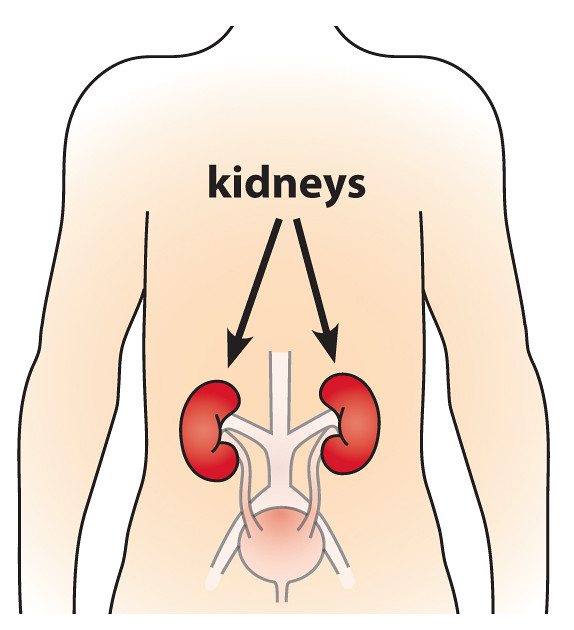
Palonosetron is primarily metabolized by the liver, with renal excretion of metabolites. Mild to moderate hepatic or renal impairment does not usually necessitate dose adjustment, but severe impairment may require individualized assessment.
Clinical judgment should guide dosing and monitoring frequency in these populations.
Long-term use considerations
Palonosetron is typically used intermittently rather than as a long-term daily therapy. Prolonged or repeated use across multiple treatment cycles should be periodically reviewed to ensure ongoing appropriateness.
Clinical monitoring requirements
Monitoring focuses on safety rather than routine laboratory surveillance in most patients. Attention should be paid to:
- Emergence of new or worsening side effects
- Changes in cardiac or neurologic status
- Overall effectiveness of nausea and vomiting control
15. Overdosage
Symptoms of palonosetron overdose
Experience with palonosetron overdose is limited. Potential symptoms may include exaggerated pharmacologic effects such as headache, dizziness, constipation, or disturbances in autonomic function.
Recommended management and supportive care
There is no specific antidote for palonosetron overdose. Management is supportive and symptom-directed, focusing on maintaining vital functions and addressing complications as they arise.
Importance of immediate medical attention
Suspected overdose requires prompt medical evaluation. Early intervention supports optimal outcomes and allows monitoring for delayed or atypical effects.
16. Storage Conditions
Recommended storage temperature
Eme OD should be stored at the temperature specified on the product label, typically at controlled room temperature. Excessive heat or freezing should be avoided unless explicitly permitted by the manufacturer.
Protection from moisture and light
Exposure to moisture and direct light can compromise medication stability. Tablets should remain in their original packaging until use, and injectable forms should be protected according to labeling instructions.
Shelf-life considerations
Do not use palonosetron beyond its stated expiration date. Degraded medication may lose efficacy or exhibit altered safety characteristics.
17. Handling Precautions
Safe handling instructions for healthcare providers
Healthcare professionals should handle palonosetron using standard medication safety practices. This includes proper labeling, verification of dose and route, and adherence to institutional protocols.
Patient guidance for proper use
Patients should be instructed to take the medication exactly as prescribed and to avoid sharing it with others. Any questions regarding missed doses or unexpected symptoms should prompt medical consultation.
Disposal of unused or expired medication
Unused or expired palonosetron should be disposed of according to local pharmaceutical disposal regulations. Flushing medications or discarding them in household waste is generally discouraged unless specifically permitted.
Eme OD, Palonosetron FAQ
- What is the use of eme od Tablet?
- How long does an Eme OD Tablet take to work?
- What is palonosetron used for?
- What is the difference between ondansetron and palonosetron?
- How long does palonosetron work?
- How frequently can you give palonosetron?
- How soon can you give ondansetron after palonosetron?
- Is palonosetron safe for everyone?
- What are the side effects of palonosetron?
- What should I tell my doctor before using palonosetron?
- What to use instead of palonosetron?
- Is palonosetron better than ondansetron?
- Is palonosetron safe?
- How long does palonosetron work?
- Is palonosetron a chemo?
- What class of drug is palonosetron?
- Do you need to take palonosetron with food?
What is the use of eme od Tablet?
EME OD is used to control nausea and vomiting due to certain medical conditions like stomach upset. It is also used to prevent nausea and vomiting caused due to any surgery, cancer drug therapy or radiotherapy.
How long does an Eme OD Tablet take to work?
30 minutes
What is palonosetron used for?
Palonosetron injection is used to prevent nausea and vomiting that is caused by cancer medicines (chemotherapy). It is also used to prevent nausea and vomiting for up to 24 hours that may occur after surgery.
What is the difference between ondansetron and palonosetron?
Palonosetron and ondansetron are both 5-HT3 blockers for nausea, but palonosetron offers stronger, longer-lasting protection.
How long does palonosetron work?
72 hours
How frequently can you give palonosetron?
Daily
How soon can you give ondansetron after palonosetron?
3-5 days
Is palonosetron safe for everyone?
Some people are allergic.
What are the side effects of palonosetron?
- Headache
- Constipation
- Dizziness
- Fatigue
- Diarrhea.
What should I tell my doctor before using palonosetron?
Any allergies to its ingredients
What to use instead of palonosetron?
Is palonosetron better than ondansetron?
Palonosetron group shows clinically better antiemetic efficacy than ondansetron group
Is palonosetron safe?
Yes
How long does palonosetron work?
72 hours
Is palonosetron a chemo?
No
What class of drug is palonosetron?
5-HT3 receptor antagonists
Do you need to take palonosetron with food?
This medication may be taken with or without food.
Customers also bought






Popular Products



Similar Product