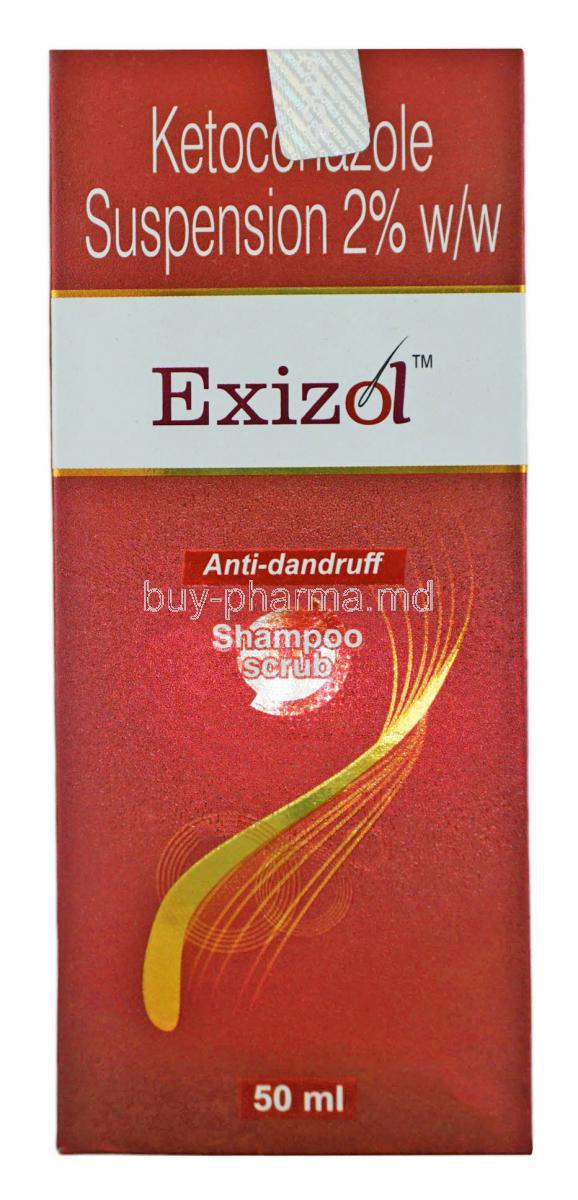
Exizol Shampoo, Ketoconazole
- 1. Introduction to Exizol Shampoo (Ketoconazole)
- 2. Composition and Formulation
- 3. How Exizol Shampoo Works (Mechanism of Action)
- 4. Exizol Shampoo Uses
- 5. Expanded and Off-Label Uses of Ketoconazole Shampoo
- 5.1 Adjunct Therapy for Scalp Psoriasis
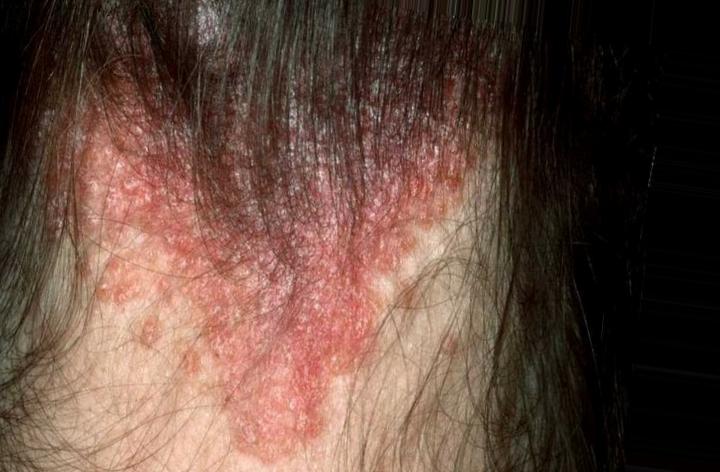
- 5.2 Supportive Treatment for Scalp Folliculitis
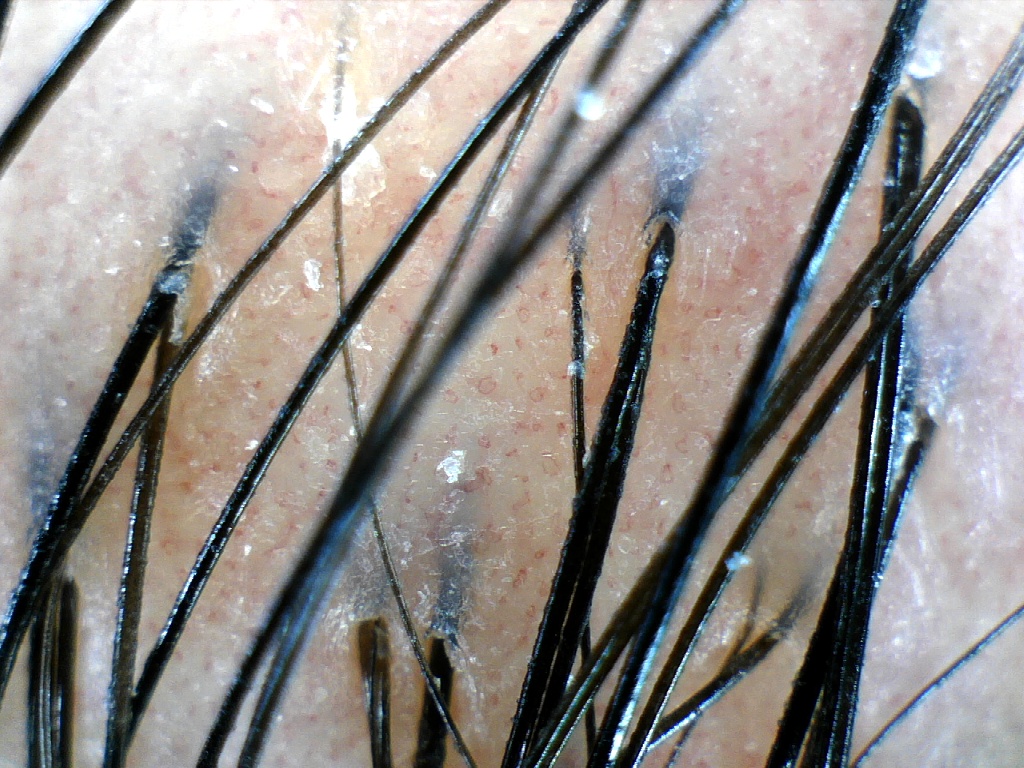
- 5.3 Ketoconazole Shampoo hair loss
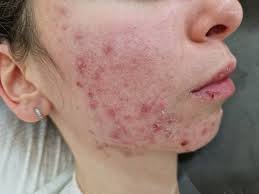
- 5.4 Management of Malassezia-Related Acne
- 5.5 Treatment of Fungal Skin Conditions on Body Areas
- 5.6 Relief of Yeast-Related Itchy Scalp
- 5.7 Maintenance Therapy for Recurrent Seborrheic Conditions
- 6. Dosage and Administration Guidelines
- 7. Administration in Special Populations
- 8. Side Effects of Exizol Shampoo
- 9. Drug and Product Interactions
- 10. Warnings and Safety Information
- 11. Contraindications
- 12. Careful Administration and Important Precautions
- 13. Overdose and Accidental Exposure
- 14. Storage and Stability
- 15. Handling Precautions
- 16. When to Consult a Healthcare Professional
1. Introduction to Exizol Shampoo (Ketoconazole)
1.1 What Is Exizol Shampoo?
Exizol Shampoo is a medicated topical formulation containing ketoconazole, a broad-spectrum imidazole antifungal agent designed to treat fungal and yeast-related disorders of the scalp and skin. Unlike ordinary cosmetic cleansers, this product provides therapeutic action while simultaneously cleansing the hair and scalp.
Ketoconazole belongs to the class of antifungal medications that target pathogenic fungi responsible for persistent scaling, irritation, and inflammation. Depending on the strength, it may be available as an over-the-counter preparation for mild conditions or as a prescription-strength product for more resistant or recurrent disorders.
- Topical antifungal therapy
- Dual action: cleansing and treatment
- Designed for dermatological scalp conditions
1.2 Key Benefits of Ketoconazole Shampoo
The therapeutic value of ketoconazole extends beyond simple fungal eradication. It demonstrates both antifungal and anti-inflammatory properties, making it particularly effective for chronic inflammatory scalp disorders associated with yeast proliferation.
Regular use may provide the following benefits:
- Reduction of dandruff and visible flaking
- Relief from itching and irritation
- Control of excess scalp oil linked to microbial overgrowth
- Improvement of overall scalp microenvironment
By restoring microbial balance, the shampoo helps maintain long-term scalp health and prevents recurrent episodes.
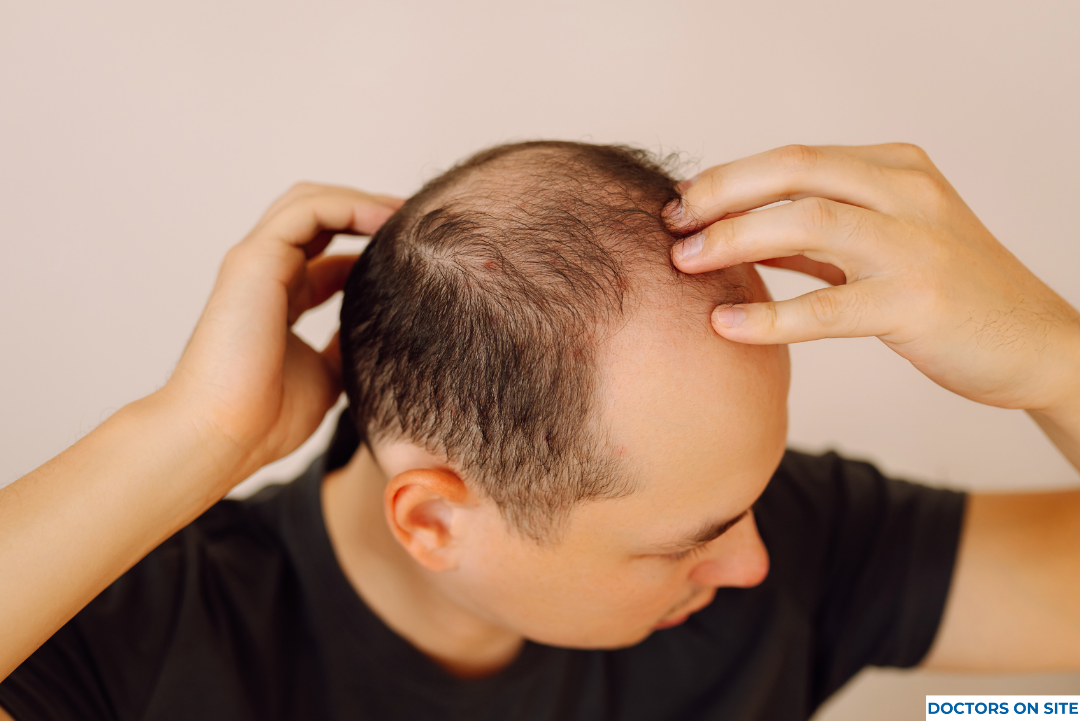
1.3 Conditions Commonly Treated with Ketoconazole Shampoo
Exizol Shampoo is widely used in the management of superficial fungal infections and yeast-driven dermatological conditions. The most common targets include:
- Fungal scalp infections caused by dermatophytes
- Seborrheic dermatitis associated with Malassezia species
- Chronic dandruff resistant to conventional shampoos
- Scalp irritation related to microbial imbalance
2. Composition and Formulation
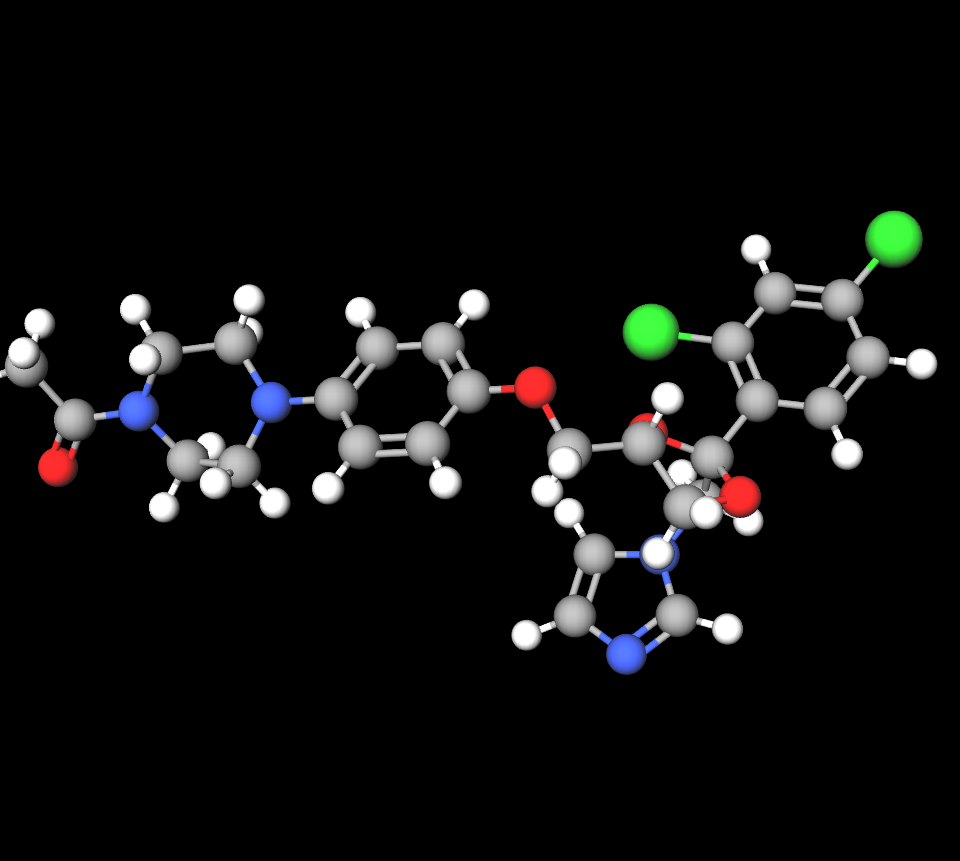
2.1 Active Ingredient: Ketoconazole
The primary active component is ketoconazole, typically available in concentrations such as 1% for maintenance therapy and 2% for therapeutic treatment. Higher concentrations are generally reserved for more persistent or clinically diagnosed conditions.
The antifungal efficacy is concentration-dependent, allowing targeted suppression of pathogenic organisms while minimizing systemic exposure.
2.2 Inactive Ingredients and Base Components
Exizol Shampoo also contains a carefully balanced vehicle system that supports both cosmetic performance and dermatological tolerance. These components may include:
- Mild surfactants for effective cleansing
- Stabilizers to maintain chemical integrity
- Preservatives to prevent microbial contamination
- Conditioning agents to reduce hair dryness
Formulations are generally designed to minimize irritation, making them suitable for sensitive or inflamed scalp conditions.
2.3 Available Packaging and Presentation
The shampoo is supplied in various bottle sizes to accommodate short treatment courses or long-term maintenance. Packaging is designed to protect product stability and facilitate hygienic dispensing. Treatment duration typically depends on the underlying condition and its severity.
Ciclopirox shampoo vs ketoconazole
Ciclopirox and ketoconazole shampoos are used for severe dandruff and seborrheic dermatitis. Ciclopirox may offer better patient-rated overall improvement, while ketoconazole is more accessible and versatile.
Ketoconazole and salicylic acid shampoo
Ketoconazole and salicylic acid are primarily used to treat dandruff and control seborrheic dermatitis (scaly patches and red skin on the scalp).
Selenium sulfide vs ketoconazole shampoo
Ketoconazole is a stronger antifungal, often better for severe cases and tinea versicolor, while selenium sulfide excels at reducing scalp oiliness faster.
3. How Exizol Shampoo Works (Mechanism of Action)
3.1 Antifungal Activity Against Dermatophytes and Yeasts
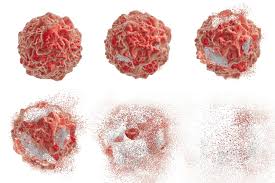
Ketoconazole exerts its antifungal effect by inhibiting the synthesis of ergosterol, a critical structural component of fungal cell membranes. Without ergosterol, the membrane becomes unstable and permeable, ultimately leading to cellular death. This mechanism disrupts fungal growth and prevents colonization of the scalp surface.
3.2 Effect on Malassezia Species
Malassezia yeasts are strongly implicated in dandruff and seborrheic dermatitis. Exizol Shampoo reduces the density of these organisms, thereby decreasing inflammatory metabolites that trigger scaling, erythema, and pruritus.

3.3 Anti-Inflammatory and Anti-Pruritic Effects
Beyond its antifungal action, ketoconazole exhibits mild anti-inflammatory activity. Patients often experience:
- Reduced redness and irritation
- Decreased scaling and flaking
- Relief from persistent itching
This dual mechanism contributes to both symptomatic relief and disease control.
4. Exizol Shampoo Uses
4.1 Treatment of Dandruff (Pityriasis Capitis)

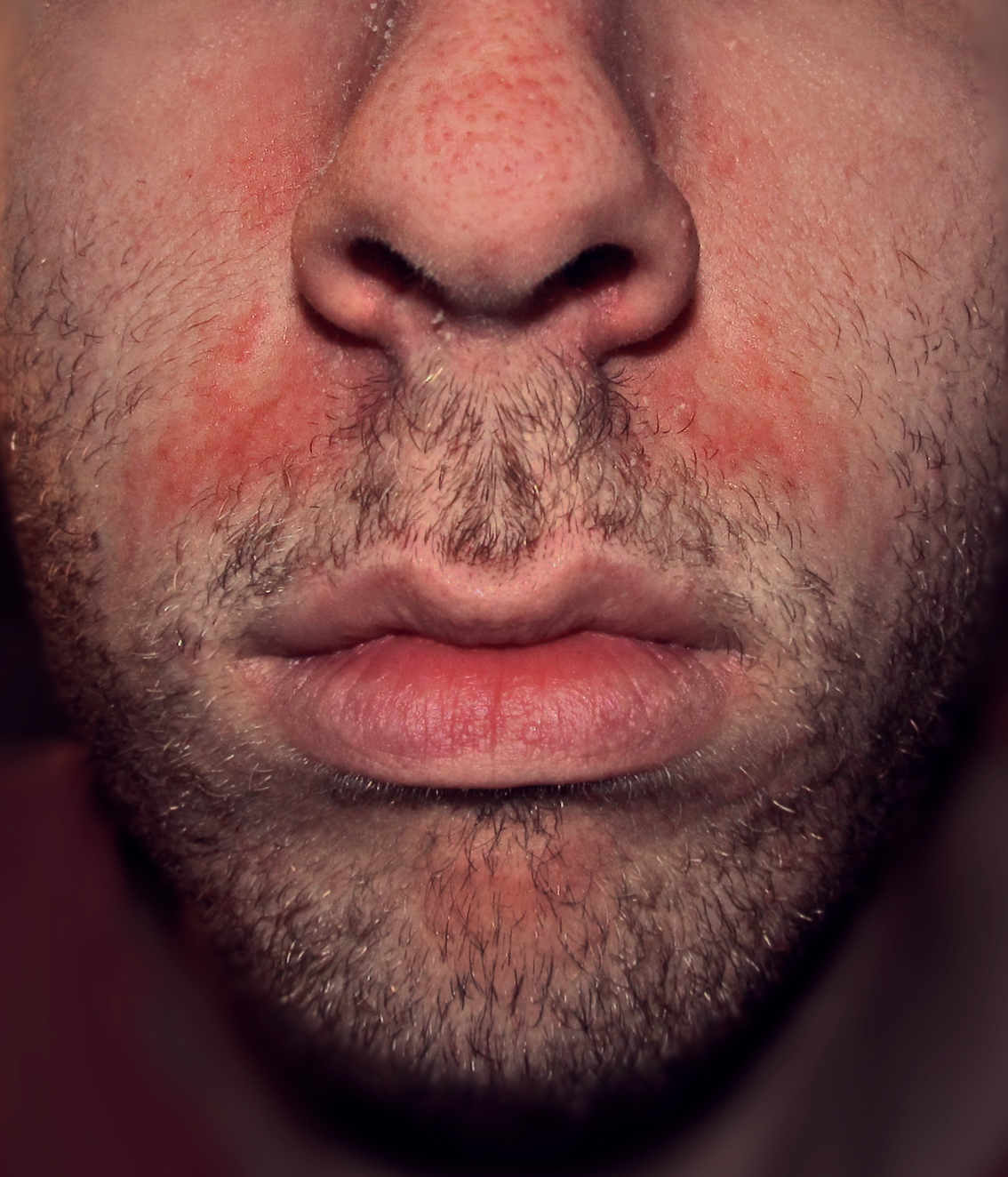
4.2 Management of Seborrheic Dermatitis
4.3 Ketoconazole shampoo for tinea versicolor
4.4 Fungal Scalp Infections (Superficial Mycoses)
4.5 Prevention of Recurrence in Chronic Scalp Conditions
Maintenance use at reduced frequency helps prevent relapse in individuals with recurrent seborrheic dermatitis or dandruff.
5. Expanded and Off-Label Uses of Ketoconazole Shampoo
5.1 Adjunct Therapy for Scalp Psoriasis
While not curative, ketoconazole may reduce secondary yeast colonization that worsens scaling.
5.2 Supportive Treatment for Scalp Folliculitis
5.3 Ketoconazole Shampoo hair loss
5.4 Management of Malassezia-Related Acne
Used as a short-contact therapy on affected skin to reduce yeast-associated breakouts.
5.5 Treatment of Fungal Skin Conditions on Body Areas
The shampoo may be used as a body wash for superficial fungal infections.
5.6 Relief of Yeast-Related Itchy Scalp
Provides symptomatic relief where pruritus is linked to microbial imbalance.
5.7 Maintenance Therapy for Recurrent Seborrheic Conditions
Periodic use helps maintain microbial equilibrium and prevent flare-ups.
6. Dosage and Administration Guidelines
6.1 Recommended Frequency of Use by Condition
- Dandruff/Seborrheic dermatitis: Typically 2-3 times weekly during active treatment
- Tinea versicolor: Daily use for several days as directed
6.2 Step-by-Step Instructions for Proper Application
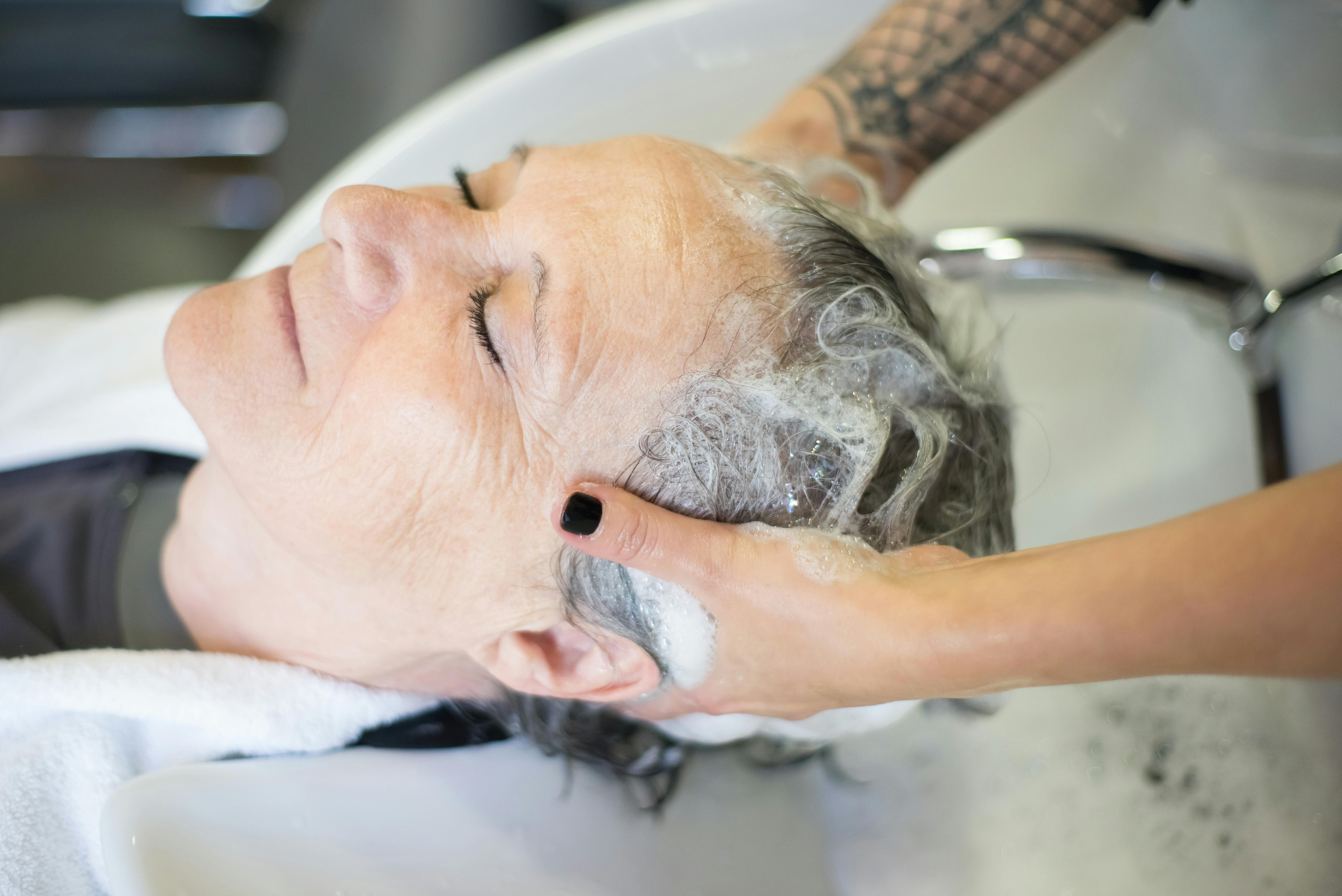
- Thoroughly wet the hair or affected skin area
- Apply a small amount and work into a rich lather
- Leave in place for 3-5 minutes to allow adequate contact time
- Rinse thoroughly and repeat if necessary
6.3 Duration of Treatment and Maintenance Therapy
Active treatment generally lasts 2-4 weeks, followed by once-weekly or biweekly maintenance if required.
7. Administration in Special Populations
7.1 Administration to Elderly Patients
No dosage adjustment is typically required, although aging skin may exhibit increased sensitivity.
7.2 Use in Children
Use should be guided by a healthcare professional, particularly in very young children.
7.3 Administration to Pregnant Women
Systemic absorption is minimal; however, use during pregnancy should be based on medical advice and risk assessment.

7.4 Use During Breastfeeding
Avoid application to areas that may come into direct contact with the infant. Scalp use is generally considered low risk.
8. Side Effects of Exizol Shampoo
8.1 Ketoconazole shampoo Side Effects
- Mild scalp irritation or dryness
- Temporary changes in hair texture or oiliness
- Burning, tingling, or stinging sensation
8.2 Less Common Side Effects
- Contact dermatitis or localized rash
- Temporary increase in hair shedding during early treatment

8.3 Rare but Serious Reactions
Although uncommon, severe hypersensitivity reactions may occur. Symptoms requiring immediate medical attention include:
- Facial swelling
- Severe rash or hives
- Difficulty breathing
Discontinue use promptly if any serious reaction develops.
9. Drug and Product Interactions
9.1 Interaction with Other Topical Treatments
Exizol Shampoo may be used alongside other dermatological therapies; however, careful scheduling is often necessary to prevent irritation or reduced therapeutic efficacy. Concurrent use with topical corticosteroids or medicated shampoos should be approached with a structured regimen.
- Topical corticosteroids may be tapered gradually rather than discontinued abruptly
- Separate application times to minimize cumulative irritation
- Avoid simultaneous use of multiple medicated shampoos unless advised by a healthcare professional
Sequential therapy rather than overlapping treatments helps maintain scalp integrity while optimizing antifungal activity.
9.2 Cosmetic and Hair Care Product Interactions
Routine cosmetic products may influence treatment outcomes. Certain hair care practices can either enhance tolerability or exacerbate irritation.
- Conditioners may be used after rinsing to reduce dryness
- Hair dyes, bleaching agents, or chemical straightening treatments should be spaced several days apart from medicated use
- Avoid harsh styling products that contain high alcohol content
Maintaining a gentle hair care routine supports scalp recovery and minimizes barrier disruption.

9.3 Lack of Significant Systemic Drug Interactions
Topical ketoconazole demonstrates negligible systemic absorption under normal conditions. As a result, clinically significant interactions with oral medications are unlikely. This localized pharmacologic profile contributes to its favorable safety margin in long-term dermatological management.
10. Warnings and Safety Information
10.1 External Use Only
Exizol Shampoo is intended solely for topical application to the scalp or affected skin areas. Ingestion or inappropriate use may result in adverse effects and should be avoided.
10.2 Avoid Contact with Eyes and Mucous Membranes
Direct contact with the eyes, nose, or oral mucosa may cause irritation or burning. If accidental exposure occurs, rinse immediately with copious amounts of clean water.
10.3 Risk of Skin Irritation with Prolonged or Excessive Use
Overuse may disrupt the natural lipid barrier of the scalp, leading to:
- Dryness or excessive oil rebound
- Increased sensitivity
- Localized erythema or discomfort
Use only as directed to maintain therapeutic balance.
10.4 Discontinue Use if Severe Irritation Occurs
Persistent burning, swelling, or dermatitis warrants immediate discontinuation. Alternative therapy may be required.
10.5 Medical Evaluation for Persistent or Worsening Symptoms
If symptoms fail to improve after the recommended treatment period, professional evaluation is advised to rule out alternative diagnoses or secondary infection.
11. Contraindications
11.1 Known Hypersensitivity to Ketoconazole or Formulation Components
Individuals with a history of allergic reactions to ketoconazole or any excipient in the formulation should not use this product.
11.2 History of Severe Allergic Reaction to Imidazole Antifungals
Cross-sensitivity may occur in patients previously reacting to other imidazole antifungal agents. Alternative treatments should be considered.
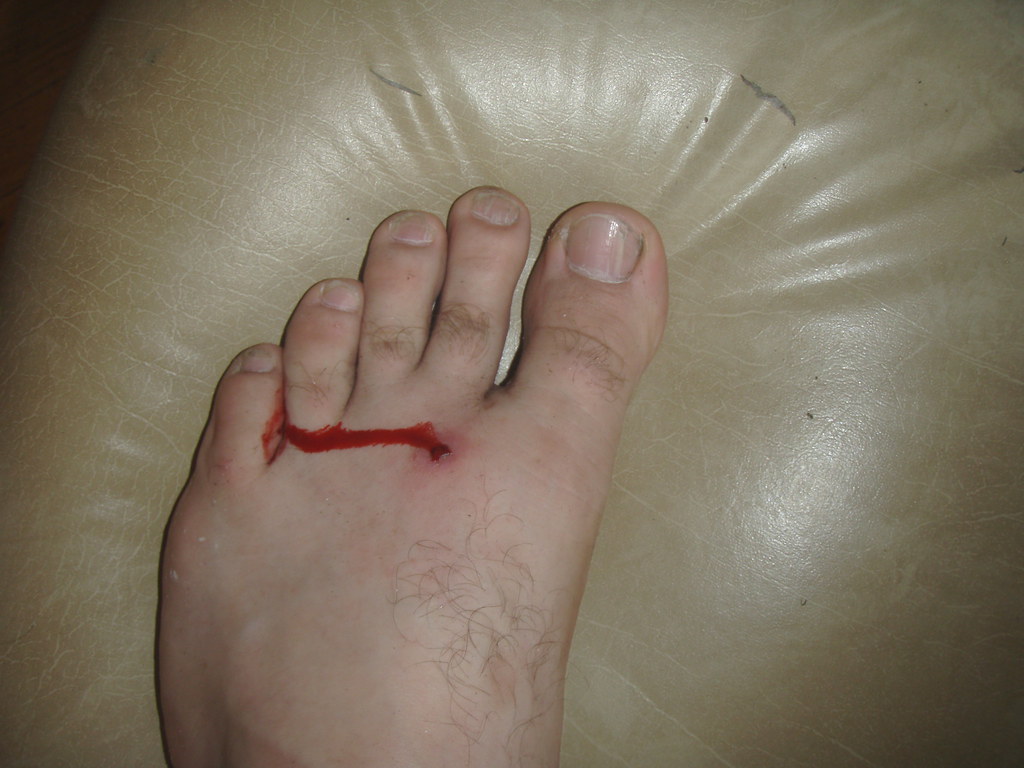
11.3 Use on Open Wounds or Severely Damaged Skin Without Medical Advice
Application to compromised skin may increase absorption and irritation risk. Medical guidance is recommended in such cases.
12. Careful Administration and Important Precautions
12.1 Use the Lowest Effective Frequency
Once symptoms improve, reduce application frequency to maintenance levels. This approach helps preserve scalp tolerance.
12.2 Avoid Overuse to Prevent Irritation or Resistance
Excessive or prolonged use may lead to cumulative irritation and diminished therapeutic benefit.
12.3 Monitor for Signs of Allergic or Irritant Reactions
- Redness or rash
- Swelling or discomfort
- Persistent itching beyond initial treatment period
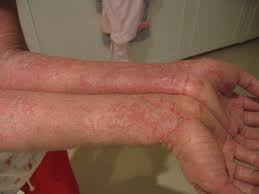
12.4 Caution in Patients with Sensitive or Compromised Skin
Individuals with eczema, dermatitis, or barrier dysfunction may require less frequent application and close monitoring.
12.5 Avoid Occlusive Use Unless Directed by a Healthcare Professional
Covering treated areas or using occlusive headwear immediately after application may increase irritation and should be avoided unless specifically instructed.
13. Overdose and Accidental Exposure
13.1 Risks Associated with Excessive Topical Use
Topical overdose is unlikely to cause systemic toxicity but may result in localized adverse effects such as irritation, dryness, or contact dermatitis.
13.2 Management of Accidental Ingestion
If the product is accidentally swallowed:
- Do not induce vomiting unless directed by medical personnel
- Rinse the mouth thoroughly
- Seek medical advice or contact a poison control center
13.3 When to Seek Medical Attention
Immediate medical evaluation is recommended if ingestion occurs, severe skin reactions develop, or unusual symptoms appear following excessive exposure.
14. Storage and Stability
14.1 Recommended Storage Conditions
Proper storage preserves product stability and therapeutic effectiveness.
- Store at room temperature, typically between 15°C and 30°C
- Protect from excessive heat and direct sunlight
- Avoid exposure to high humidity or freezing conditions
14.2 Shelf Life and Expiry Considerations
Do not use the product beyond the expiration date printed on the packaging. Degraded formulations may lose efficacy or cause irritation.
14.3 Keep Out of Reach of Children
Store securely to prevent accidental ingestion or misuse.
15. Handling Precautions
15.1 Safe Handling and Hygiene Practices
Use clean hands during application and avoid sharing the product to reduce the risk of contamination or cross-infection.
15.2 Avoid Contamination of the Product
- Close the bottle tightly after each use
- Avoid direct contact between the bottle opening and contaminated surfaces
- Do not dilute or transfer to another container
15.3 Proper Disposal of Unused or Expired Shampoo
Dispose of unused or expired product according to local waste regulations. Avoid pouring large quantities into drainage systems unless permitted.
16. When to Consult a Healthcare Professional
16.1 Lack of Improvement After Recommended Treatment Period
If symptoms persist despite appropriate use, further medical assessment may be necessary.
16.2 Recurrent or Severe Scalp Conditions
Frequent relapses or extensive involvement may indicate an underlying dermatological or systemic condition requiring specialized care.
16.3 Signs of Secondary Infection or Unusual Symptoms
- Pus formation or crusting
- Severe pain or swelling
- Spreading redness or fever
Prompt evaluation helps ensure timely treatment and prevents complications.
Exizol Shampoo, Ketoconazole FAQ
- What is Exizol shampoo used for?
- What is ketoconazole shampoo used for?
- Can I use 2% ketoconazole shampoo daily?
- How long will it take for ketoconazole shampoo to work?
- What are the side effects of ketoconazole?
- Is ketoconazole good for my hair?
- Can normal people use ketoconazole shampoo?
- What happens if you use too much ketoconazole shampoo?
- Can you buy ketoconazole shampoo over the counter?
- Can ketoconazole cause hair loss?
- How can I tell if ketoconazole is working?
- What organ does ketoconazole affect?
- What happens when you stop using ketoconazole?
- How long should I leave ketoconazole in my hair?
- Can I use conditioner after ketoconazole shampoo?
- How do I know if I need ketoconazole shampoo?
- What are the disadvantages of ketoconazole shampoo?
- Is ketoconazole a steroid?
- Is ketoconazole good for hair loss?
- What is a good alternative to ketoconazole shampoo?
What is Exizol shampoo used for?
Exizol Shampoo is used to treat fungal infections of the skin and scalp, such as dandruff.
What is ketoconazole shampoo used for?
Ketoconazole 1% shampoo is used to treat dandruff. Ketoconazole 2% shampoo is used to treat "sun fungus" (tinea versicolor; pityriasis versicolor).
Can I use 2% ketoconazole shampoo daily?
No
How long will it take for ketoconazole shampoo to work?
2-4 weeks
What are the side effects of ketoconazole?
- Itchiness
- Burning
- Redness
Is ketoconazole good for my hair?
Yes
Can normal people use ketoconazole shampoo?
Yes
What happens if you use too much ketoconazole shampoo?
Irritated skin
Can you buy ketoconazole shampoo over the counter?
Yes
Can ketoconazole cause hair loss?
Yes
How can I tell if ketoconazole is working?
Symptoms improve in 2 weeks
What organ does ketoconazole affect?
Liver
What happens when you stop using ketoconazole?
Infection may return
How long should I leave ketoconazole in my hair?
5 minutes
Can I use conditioner after ketoconazole shampoo?
Yes
How do I know if I need ketoconazole shampoo?
If you have stubborn dandruff and psoriasis
What are the disadvantages of ketoconazole shampoo?
- Itchiness
- Hair texture changes
- Scalp dryness
Is ketoconazole a steroid?
No
Is ketoconazole good for hair loss?
Yes
What is a good alternative to ketoconazole shampoo?
- Pyrithione zinc
- Salicylic acid
- Selenium sulfide
Popular Products
Similar Product