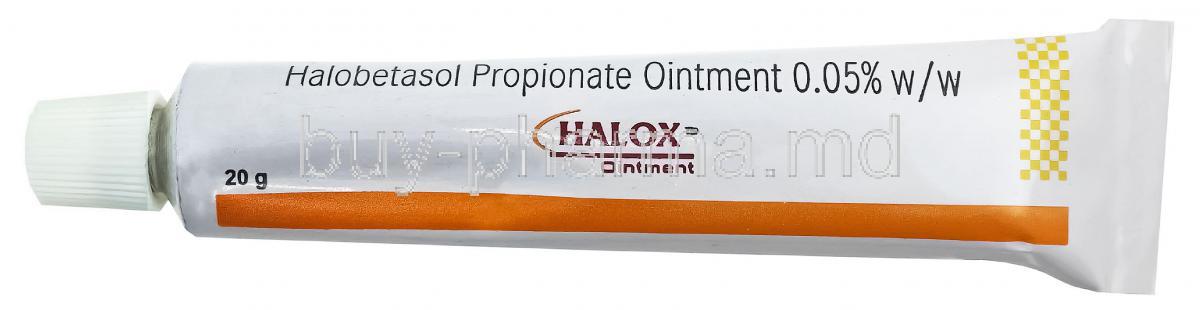
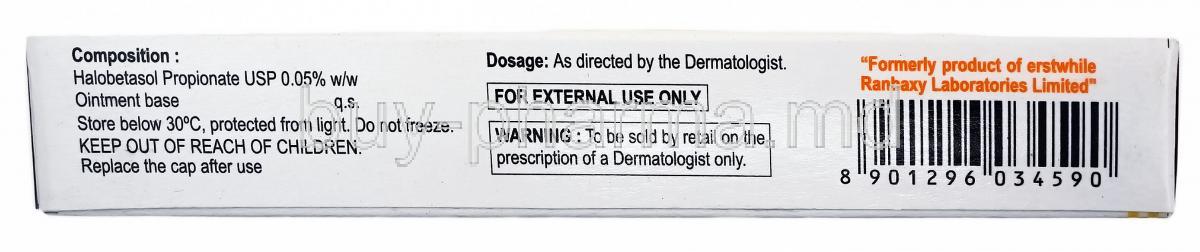
1. Introduction to Halox Ointment (Halobetasol)
1.1 Overview of Halox Ointment
Halox Ointment is a topical dermatological medication containing halobetasol propionate, a highly potent corticosteroid used for managing severe inflammatory skin conditions. It is primarily prescribed for short-term treatment of dermatoses that are resistant to weaker corticosteroids. The ointment is applied directly to affected skin areas where inflammation, redness, and itching are pronounced.
Topical corticosteroids like Halox function locally on the skin. Their role is to suppress inflammatory processes and reduce immune-mediated skin reactions. The formulation is particularly valuable when rapid symptomatic relief is required. Many dermatological disorders involve complex inflammatory cascades; halobetasol works to interrupt these pathways effectively.
1.2 Therapeutic Classification of Halobetasol (Super-Potent Topical Corticosteroid)
Halobetasol belongs to the class of super-potent topical corticosteroids, often classified as Class I steroids. These agents exhibit the highest anti-inflammatory potency available in topical steroid therapy. Their use is generally reserved for severe dermatological conditions or lesions unresponsive to milder treatments.
- Anti-inflammatory corticosteroid
- Immunosuppressive dermatological agent
- Topical vasoconstrictor
- High-potency glucocorticoid derivative
Due to its strength, halobetasol must be used under careful medical supervision. Extended or indiscriminate use may lead to systemic corticosteroid effects.
1.3 Key Benefits in Dermatological Treatment
Halox Ointment provides rapid relief from severe inflammatory dermatologic symptoms. The medication acts directly on affected skin tissues, diminishing inflammatory mediators and reducing cellular infiltration.
- Reduces erythema and swelling
- Relieves itching and burning sensations
- Suppresses excessive immune reactions in the skin
- Promotes healing of chronic inflammatory lesions
Patients suffering from recalcitrant skin disorders often experience noticeable improvement within days of initiating therapy. The medication’s high potency allows effective control of symptoms that may otherwise persist.
1.4 Conditions Treated with High-Potency Topical Steroids
Super-potent topical steroids such as halobetasol are reserved for dermatologic conditions characterized by severe inflammation or thickened lesions. These conditions frequently involve hyperproliferative skin changes and immune dysregulation.
- Severe plaque psoriasis
- Chronic eczema
- Lichenified dermatitis
- Allergic skin reactions
- Autoimmune inflammatory dermatoses
When milder corticosteroids fail to control symptoms, dermatologists may escalate treatment to high-potency formulations like Halox.
1.5 When Dermatologists Prescribe Halobetasol Ointment
Dermatologists prescribe halobetasol ointment when rapid anti-inflammatory action is required. The drug is often selected when lesions are thick, resistant, or located in areas where inflammation is intense.
Typical indications include:
- Severe plaque psoriasis affecting limited areas
- Persistent eczema unresponsive to moderate steroids
- Localized inflammatory dermatoses
- Short-term control of flare-ups
Because of its potency, therapy is generally limited to short durations, usually no longer than two weeks unless medically indicated.
2. Composition and Formulation of Halox Ointment
2.1 Active Ingredient: Halobetasol Propionate
The principal active compound in Halox Ointment is halobetasol propionate. This synthetic corticosteroid exhibits powerful anti-inflammatory and antipruritic properties. Chemically, it is a halogenated glucocorticoid derivative designed for enhanced topical potency and dermal penetration.
Halobetasol acts by modulating gene expression within inflammatory cells. The result is suppression of inflammatory cytokines, reduced capillary permeability, and decreased infiltration of immune cells into affected skin tissues.
2.2 Strength and Concentration of Halobetasol in the Ointment
Halox Ointment typically contains halobetasol propionate at a concentration of 0.05%. This concentration is considered extremely potent among topical corticosteroids.
- Standard strength: 0.05% halobetasol propionate
- Formulated for dermatologic application
- Designed for localized treatment
Even at this relatively small concentration, the pharmacologic activity is substantial. Therefore, only a thin layer should be applied to affected areas.
2.3 Inactive Ingredients and Ointment Base Components
In addition to halobetasol propionate, Halox Ointment contains several inactive ingredients that form the ointment base. These excipients improve stability, enhance skin absorption, and maintain product consistency.
Common components may include:
- Petrolatum or mineral oil bases
- Emollient agents
- Stabilizers and preservatives
- Skin-compatible carriers
These ingredients facilitate smooth application and help the active compound remain in contact with the skin for effective absorption.
2.4 Pharmaceutical Characteristics and Formulation Type
Halox is formulated as an ointment rather than a cream or lotion. Ointments are semi-solid preparations with an occlusive nature. They provide enhanced hydration and promote deeper penetration of active ingredients.
This formulation is particularly advantageous for:
- Dry or scaly lesions
- Hyperkeratotic plaques
- Chronic dermatologic conditions
The occlusive base improves drug delivery to the epidermis and dermis, maximizing therapeutic efficacy.
2.5 Differences Between Halobetasol Ointment, Cream, and Lotion Forms
Halobetasol is available in several topical formulations, each designed for specific dermatologic needs. The differences primarily involve consistency, absorption characteristics, and preferred application sites.
- Ointment: Greasy, highly occlusive, ideal for dry thick plaques
- Cream: Less greasy, suitable for moist or intertriginous areas
- Lotion: Lightweight formulation suitable for scalp or hairy regions
Selecting the appropriate formulation depends on lesion type, location, and patient comfort. Dermatologists determine the most appropriate vehicle based on clinical presentation.
3. How Halox Ointment Works (Mechanism of Action)
3.1 Anti-Inflammatory Effects of Halobetasol
Halobetasol exerts potent anti-inflammatory activity by inhibiting the release of inflammatory mediators. These include prostaglandins, leukotrienes, and histamine-like substances involved in skin inflammation.
The corticosteroid penetrates epidermal cells and binds to glucocorticoid receptors. This interaction alters transcription of inflammatory genes, effectively reducing inflammatory responses.
3.2 Suppression of Immune Response in Skin Disorders
Many dermatologic diseases are immune-mediated. Halobetasol suppresses immune activity within the skin by reducing lymphocyte proliferation and inhibiting macrophage function.
This immunosuppressive action diminishes abnormal immune reactions responsible for chronic skin inflammation. The result is calmer skin and reduced lesion progression.
3.3 Vasoconstrictive Effects in Inflamed Skin
Halobetasol also produces vasoconstriction of superficial blood vessels. Inflamed skin often displays increased blood flow, resulting in redness and warmth.
Through vasoconstrictive mechanisms, halobetasol reduces erythema and visibly improves the appearance of inflamed lesions.
3.4 Reduction of Redness, Swelling, and Itching
One of the most noticeable therapeutic effects of Halox Ointment is the rapid reduction of pruritus. Itching often triggers scratching, which exacerbates inflammation and damages the skin barrier.
Halobetasol interrupts this cycle by:
- Reducing inflammatory signaling
- Stabilizing skin cells
- Decreasing nerve stimulation associated with itching
3.5 Effects on Cytokines and Inflammatory Mediators
Cytokines such as interleukins and tumor necrosis factor play a central role in inflammatory dermatoses. Halobetasol downregulates the production of these molecules.
This molecular suppression results in decreased inflammatory cell migration and reduced tissue damage. Consequently, skin lesions gradually improve and symptoms diminish.
4. Medical Uses of Halox Ointment
4.1 Treatment of Plaque Psoriasis
Plaque psoriasis is one of the most common indications for halobetasol therapy. The condition involves rapid proliferation of skin cells, producing thick scaly plaques.
Halox Ointment reduces inflammation and slows epidermal cell turnover. Patients often experience improvement in scaling, redness, and plaque thickness.
4.2 Management of Chronic Eczema and Atopic Dermatitis
Chronic eczema is characterized by persistent itching, redness, and skin thickening. High-potency corticosteroids like halobetasol may be used during severe flare-ups.
The medication helps control symptoms and restore the integrity of the skin barrier.
4.3 Treatment of Severe Contact Dermatitis
Contact dermatitis occurs when the skin reacts to allergens or irritants. Severe cases can cause swelling, blistering, and intense itching.
Halox Ointment helps suppress the inflammatory response triggered by these irritants.
4.4 Management of Lichen Planus
Lichen planus is an inflammatory condition producing purplish, itchy lesions on the skin or mucous membranes. Halobetasol reduces immune-mediated inflammation associated with the disorder.
4.5 Treatment of Lichen Simplex Chronicus
This condition results from chronic scratching and rubbing of the skin. Halox Ointment helps break the itch-scratch cycle by reducing inflammation and pruritus.
4.6 Relief of Allergic Skin Reactions
Certain allergic reactions produce severe localized inflammation. Halobetasol can provide rapid symptomatic relief when milder corticosteroids prove ineffective.
4.7 Treatment of Inflammatory Dermatoses Responsive to Corticosteroids
Halox Ointment may also be used for other steroid-responsive dermatoses. These conditions typically involve inflammatory pathways sensitive to corticosteroid suppression.
5. Off-Label Uses of Halobetasol Ointment
5.1 Treatment of Discoid Lupus Erythematosus Skin Lesions
Discoid lupus erythematosus produces inflammatory skin plaques that may cause scarring. Dermatologists sometimes prescribe halobetasol to reduce inflammation in localized lesions.
5.2 Management of Vitiligo (Adjunct Therapy)
In some cases, halobetasol may be used alongside other therapies to promote repigmentation in vitiligo. Its immunosuppressive properties help reduce autoimmune destruction of melanocytes.
5.3 Treatment of Alopecia Areata in Localized Patches
Alopecia areata is an autoimmune disorder that causes patchy hair loss. Potent corticosteroids may help suppress immune attack on hair follicles in localized areas.
5.4 Use in Hypertrophic Lichen Planus
Hypertrophic lichen planus produces thickened, intensely pruritic plaques. Halobetasol reduces inflammation and improves lesion appearance.
5.5 Treatment of Chronic Pruritus and Severe Itching Conditions
Chronic itching conditions that do not respond to standard therapies may benefit from short-term use of halobetasol.
5.6 Management of Certain Autoimmune Skin Disorders
Certain autoimmune dermatologic conditions involve persistent inflammation. High-potency corticosteroids may help control localized lesions.
5.7 Short-Term Treatment of Resistant Dermatitis
Dermatitis that fails to respond to moderate corticosteroids may require stronger agents. Halox Ointment can provide temporary control during severe flare-ups.
6. Dosage and Administration Guidelines
6.1 Recommended Application Frequency
Halox Ointment is generally applied once or twice daily to affected skin areas. The frequency depends on the severity of the condition and physician recommendations.
6.2 Proper Method for Applying Halox Ointment
The ointment should be applied in a thin layer and gently rubbed into the skin. Excessive application does not improve effectiveness and may increase adverse effects.
6.3 Duration of Treatment for Different Skin Conditions
Treatment duration is typically limited to two weeks for most conditions. Extended use should only occur under medical supervision.
6.4 Maximum Recommended Weekly Dose
The total weekly dosage should not exceed approximately 50 grams. Exceeding this limit increases the risk of systemic absorption.
6.5 Use with Occlusive Dressings
Occlusive dressings can increase drug absorption. They should only be used if specifically recommended by a healthcare provider.
6.6 Areas of the Body Where Application Should Be Limited
Certain areas of the body are more sensitive to corticosteroids. These include:
- Face
- Groin
- Underarms
- Skin folds
Application to these areas should be limited or avoided unless directed by a physician.
7. Side Effects of Halox Ointment
7.1 Overview of Potential Adverse Effects
While Halox Ointment is effective for severe dermatologic conditions, it may produce side effects. These effects range from mild local irritation to systemic corticosteroid complications if used excessively.
7.2 Local Skin Reactions
Local reactions may include redness, dryness, or irritation at the site of application. These effects are typically mild and temporary.
7.3 Effects from Prolonged Use
Prolonged use of potent topical steroids may lead to skin thinning, stretch marks, and changes in pigmentation.
7.4 Systemic Side Effects from Absorption
In rare cases, excessive use may allow the drug to enter systemic circulation. This can lead to hormonal disturbances or adrenal suppression.
7.5 Skin Changes Associated with High-Potency Corticosteroids
Long-term corticosteroid exposure may alter skin structure. Potential changes include fragility, easy bruising, and delayed wound healing.
8. Common Side Effects of Halobetasol
8.1 Burning or Stinging Sensation
Some patients experience mild burning or stinging shortly after application. This sensation usually subsides within minutes.
8.2 Skin Dryness and Irritation
Dryness may occur with repeated application. Moisturizers are often recommended alongside treatment.
8.3 Redness and Inflammation at the Application Site
Localized redness may appear temporarily during early treatment stages.
8.4 Skin Thinning (Cutaneous Atrophy)
Cutaneous atrophy is a known complication of prolonged corticosteroid therapy. The skin becomes thinner and more delicate.
8.5 Stretch Marks and Telangiectasia
Long-term use may lead to stretch marks or visible small blood vessels beneath the skin surface.
9. Warnings Associated with Halox Ointment
9.1 Risks of Long-Term Use of Potent Topical Steroids
Extended use of halobetasol increases the likelihood of adverse effects. Treatment duration should therefore remain limited.
9.2 Potential for Hypothalamic-Pituitary-Adrenal (HPA) Axis Suppression
Excessive corticosteroid exposure may suppress adrenal hormone production. This condition is known as HPA axis suppression.
9.3 Risk of Skin Infections with Corticosteroid Therapy
Corticosteroids can reduce immune defenses in the skin, increasing susceptibility to bacterial or fungal infections.
9.4 Use on Sensitive Areas Such as Face or Groin
Sensitive skin areas absorb corticosteroids more readily. Careful application and shorter treatment durations are recommended.
9.5 Risk of Systemic Absorption in Large Treatment Areas
Applying halobetasol to large skin surfaces increases systemic absorption. This may lead to unwanted hormonal effects.
10. Contraindications
10.1 Hypersensitivity to Halobetasol or Corticosteroids
Patients with known hypersensitivity to halobetasol or related corticosteroids should not use this medication.
10.2 Use in Untreated Skin Infections
Halox Ointment should not be applied to areas affected by untreated bacterial, fungal, or viral infections.
10.3 Viral Skin Conditions such as Herpes or Chickenpox
Corticosteroids may worsen viral infections such as herpes simplex or varicella.
10.4 Tuberculous or Syphilitic Skin Lesions
The medication should not be used on skin lesions associated with tuberculosis or syphilis.
10.5 Use in Rosacea or Perioral Dermatitis
Topical corticosteroids may aggravate rosacea and perioral dermatitis. Use in these conditions is generally contraindicated.
11. Careful Administration and Clinical Monitoring
11.1 Monitoring During Long-Term Therapy
Although Halox Ointment is usually prescribed for short-duration therapy, certain refractory dermatoses may require closer observation when treatment extends beyond the usual interval. In such cases, clinical monitoring becomes indispensable. Potent topical corticosteroids can produce subtle adverse sequelae before obvious damage appears. Vigilance matters.
Patients receiving prolonged treatment should be assessed for both local and systemic effects. This includes inspection of the treated skin, review of symptom progression, and evaluation for signs of excessive corticosteroid exposure. Important monitoring parameters may include:
- Reduction in erythema, scaling, pruritus, and plaque thickness
- Evidence of skin thinning, telangiectasia, or striae
- Development of secondary infection
- Possible adrenal suppression in patients using large amounts or treating extensive areas
The objective is not merely symptom suppression. It is safe control. Therapeutic success should be balanced against the risk of cumulative cutaneous injury.
11.2 Limiting Use to Short Treatment Cycles
Halobetasol is a super-potent corticosteroid, and its pharmacologic intensity necessitates concise treatment cycles. Short courses reduce the probability of local complications while still providing robust anti-inflammatory benefit. This is a pragmatic principle, not an arbitrary restriction.
In routine practice, therapy is often limited to a brief period, particularly when treating localized inflammatory lesions. Long, uninterrupted use is generally discouraged because the skin may gradually lose structural resilience. A short treatment cycle may help:
- Minimize steroid-induced dermal atrophy
- Reduce the risk of tachyphylaxis or diminished responsiveness
- Lower the chance of systemic absorption
- Prevent rebound worsening after abrupt and prolonged exposure
When symptoms improve, clinicians may recommend discontinuation, intermittent use, or transition to a less potent topical agent. Such de-escalation is often judicious.
11.3 Monitoring for Skin Atrophy and Steroid-Induced Dermatitis
One of the most important clinical concerns with potent topical steroids is cutaneous atrophy. The epidermis may become attenuated. The dermis may lose tensile strength. Over time, the skin can appear translucent, fragile, and more susceptible to fissuring or bruising.
Steroid-induced dermatitis may also emerge paradoxically during treatment. Instead of improvement, the patient may develop persistent irritation, erythema, burning, or worsened skin sensitivity. Monitoring should therefore include careful visual and symptomatic review of the treatment site. Warning signs include:
- Paper-thin skin texture
- Shiny or wrinkled appearance
- Persistent redness unrelated to the original disease
- Easy tearing or increased fragility
- Perioral or rosacea-like eruptions in susceptible areas
Early recognition is essential. Delayed intervention can transform a treatable complication into a persistent cosmetic and functional problem.
11.4 Gradual Discontinuation to Prevent Rebound Symptoms
Abrupt cessation after sustained use may provoke rebound inflammation in certain patients. The treated condition can reappear with renewed intensity, sometimes accompanied by erythema, burning, or pruritic exacerbation. Gradual withdrawal is often preferable when therapy has been extended or frequently repeated.
A tapering approach may involve:
- Reducing application frequency from twice daily to once daily
- Using the ointment on alternate days
- Transitioning to a lower-potency corticosteroid
- Introducing supportive emollient therapy during withdrawal
This measured strategy helps stabilize the skin barrier while minimizing the risk of rebound dermatosis. Slow changes are often safer than abrupt ones.
11.5 Dermatological Follow-Up During Treatment
Regular dermatological follow-up allows treatment to remain precise, proportionate, and medically appropriate. Skin disease is rarely static. Lesions evolve, symptoms fluctuate, and response patterns can differ significantly from one patient to another.
Follow-up visits may be used to reassess diagnosis, evaluate therapeutic response, and determine whether the current regimen remains suitable. During these visits, a clinician may:
- Confirm that the condition is steroid-responsive
- Identify adverse effects at an early stage
- Decide whether discontinuation or dose reduction is appropriate
- Recommend adjunctive therapy such as emollients or antimicrobial treatment
In persistent or atypical cases, follow-up is not optional. It is clinically prudent.
12. Important Precautions When Using Halox Ointment
12.1 Avoiding Application on Broken or Infected Skin
Halox Ointment should generally not be applied to broken, ulcerated, or overtly infected skin unless specifically directed by a qualified clinician. Damaged skin can absorb corticosteroids more readily, increasing the risk of local toxicity and systemic exposure. The barrier is compromised. Absorption becomes less predictable.
Furthermore, corticosteroids may suppress local immune defense, potentially masking infection or allowing it to progress. Suspected bacterial, fungal, or viral involvement should be evaluated carefully before treatment begins. Signs that warrant caution include:
- Oozing, crusting, or purulent discharge
- Rapidly spreading redness
- Pain, warmth, or tenderness disproportionate to inflammation
- Grouped blisters suggestive of viral lesions
If infection is present, targeted antimicrobial management may be necessary before or alongside anti-inflammatory therapy.
12.2 Preventing Accidental Contact with Eyes or Mucous Membranes
Halobetasol is intended for external cutaneous application only. It should not come into contact with the eyes, eyelids, mouth, nasal passages, genital mucosa, or other delicate mucous membranes. These tissues are more permeable and more vulnerable to irritation.
Accidental exposure may cause:
- Burning or stinging
- Local irritation
- Worsening of ocular discomfort
- Potential complications with repeated periocular exposure
Hands should be washed thoroughly after application unless the hands themselves are the treatment site. If accidental contact occurs, the area should be rinsed promptly with water.
12.3 Avoiding Excessive Use on Large Body Surface Areas
Applying Halox Ointment over extensive surface areas increases the risk of systemic absorption. This is a crucial consideration with high-potency corticosteroids. The larger the treated area, the greater the possibility that clinically meaningful quantities of drug may traverse the skin barrier and enter circulation.
Excessive use on broad regions may raise the likelihood of:
- Hypothalamic-pituitary-adrenal axis suppression
- Hyperglycemic effects in susceptible individuals
- Cushingoid manifestations with chronic misuse
- Greater cumulative dermal toxicity
Application should therefore remain localized to clearly affected regions. More is not better. Precision is better.
12.4 Preventing Occlusion Without Medical Supervision
Occlusive dressings can dramatically increase percutaneous absorption of halobetasol. While occlusion may occasionally be used in selected dermatologic circumstances, it should not be undertaken casually. Covering the treated area with airtight or semi-airtight materials may magnify potency beyond what was intended.
This may result in:
- Enhanced local absorption
- Greater risk of skin atrophy
- Folliculitis or maceration
- Higher probability of systemic corticosteroid exposure
Plastic wraps, tight bandages, and non-breathable coverings should be avoided unless specifically advised by a healthcare professional.
12.5 Hygiene and Skin Care Practices During Treatment
Good hygiene supports therapeutic outcomes and helps preserve the skin barrier while Halox Ointment is being used. The treated area should be kept clean, gently dried, and protected from unnecessary irritation. Over-cleansing, abrasive scrubbing, and harsh products may aggravate inflamed skin.
Supportive skin care measures may include:
- Using mild, fragrance-free cleansers
- Applying bland emollients when appropriate
- Avoiding irritant cosmetics or alcohol-based preparations
- Keeping fingernails short to reduce excoriation from scratching
Simple practices often have disproportionate value. A compromised skin barrier benefits from restraint, not excess.
13. Drug Interactions with Halobetasol
13.1 Interactions with Other Topical Corticosteroids
Concurrent use of Halox Ointment with other topical corticosteroids may produce additive pharmacologic effects. This can intensify both therapeutic action and adverse outcomes. Combining potent steroid preparations without supervision is generally inadvisable.
Potential consequences include:
- Increased risk of cutaneous atrophy
- Heightened likelihood of irritation or steroid dermatitis
- Greater total corticosteroid burden
- Increased systemic absorption in high-exposure settings
Patients using multiple prescription or over-the-counter skin products should have their regimen reviewed to avoid inadvertent duplication.
13.2 Use with Topical Immunomodulators
Topical immunomodulators such as tacrolimus or pimecrolimus may sometimes be used sequentially or in alternating regimens with corticosteroids, particularly in chronic inflammatory dermatoses. However, the combination strategy should be individualized.
Such combinations may offer complementary benefits:
- Corticosteroids may rapidly control acute inflammation
- Immunomodulators may help maintain remission in sensitive areas
- Steroid-sparing strategies may reduce cumulative adverse effects
Even so, simultaneous use on the same site without guidance may increase irritation or complicate interpretation of treatment response. Timing and site selection matter.
13.3 Interaction with Systemic Corticosteroid Therapy
Patients already receiving oral, injectable, or inhaled corticosteroids may have a higher cumulative glucocorticoid exposure when Halox Ointment is added. While topical therapy is localized, systemic absorption can still occur, particularly with prolonged use, occlusion, or treatment of large body areas.
This overlap may theoretically increase the risk of:
- Adrenal suppression
- Hyperglycemia in predisposed individuals
- Increased susceptibility to infection
- Cushingoid features with chronic excessive exposure
Medication reconciliation is therefore important. Topical therapy should not be assessed in isolation.
13.4 Effects of Occlusive Dressings on Drug Absorption
Occlusion is not a drug interaction in the conventional sense, yet it materially alters halobetasol exposure and functions as an important modifier of pharmacokinetics. Covering treated skin can increase hydration of the stratum corneum, enhancing penetration of the active compound.
This altered absorption profile may:
- Increase therapeutic intensity
- Accelerate development of adverse skin changes
- Raise systemic absorption risk
- Make dosage estimation less predictable
Because of this, occlusive use should be considered a clinically significant exposure amplifier.
13.5 Potential Interactions with Dermatological Treatments
Halox Ointment may interact functionally with other dermatologic therapies, including keratolytics, retinoids, medicated cleansers, peeling agents, or phototherapy regimens. These interactions are often practical rather than purely biochemical. Still, they matter.
Examples of possible concerns include:
- Increased irritation when combined with exfoliative agents
- Altered penetration through compromised skin
- Difficulty distinguishing disease progression from treatment irritation
- Enhanced sensitivity during concomitant ultraviolet therapy
A coordinated treatment plan helps avoid antagonistic or excessively aggressive regimens.
14. Administration to Elderly Patients
14.1 Increased Skin Sensitivity in Older Adults
Older adults often have thinner epidermal and dermal layers, reduced lipid content, and diminished regenerative capacity. These age-related changes can make the skin more permeable and more vulnerable to topical corticosteroid injury. Frailty is not always visible. Sometimes it is microscopic.
Because of this increased sensitivity, elderly patients may be more prone to:
- Skin atrophy
- Purpura and easy bruising
- Delayed healing
- Irritation from repeated application
Treatment should therefore be deliberate, conservative, and carefully supervised.
14.2 Adjustments in Treatment Duration
In older adults, shorter treatment durations are often preferable. The aim is to achieve symptomatic improvement without subjecting fragile skin to excessive exposure. Brief therapy can be highly effective.
Clinicians may consider:
- Using the lowest effective frequency
- Restricting treatment to the smallest necessary area
- Stopping promptly once adequate control is achieved
- Transitioning early to maintenance strategies such as emollients or lower-potency agents
This restrained approach helps preserve cutaneous integrity while maintaining clinical benefit.
14.3 Monitoring for Skin Thinning and Bruising
Skin thinning and ecchymotic changes should be monitored particularly closely in geriatric patients. Even appropriate use of potent steroids can lead to exaggerated tissue fragility in this population.
Monitoring should include attention to:
- New areas of purplish discoloration
- Surface wrinkling or glossiness
- Increased tenderness or tearing
- Persistent fragility at treatment sites
If these signs appear, treatment reassessment is warranted. Continuing unchanged therapy may not be prudent.
14.4 Safe Use in Age-Related Dermatological Conditions
Many older patients develop inflammatory skin conditions such as xerotic eczema, lichenified dermatitis, or localized psoriasiform plaques. Halox Ointment may be used in selected cases when inflammation is significant and other measures have not provided adequate relief.
Safe use in elderly patients requires:
- Accurate diagnosis
- Localized application only
- Short-duration therapy
- Concurrent barrier-supportive skin care
When used judiciously, halobetasol can be effective even in older skin, but indiscriminate use is ill-advised.
15. Administration to Pregnant Women and Nursing Mothers
15.1 Safety of Halobetasol During Pregnancy
The use of halobetasol during pregnancy should be approached with caution. Potent topical corticosteroids are not automatically contraindicated in every circumstance, yet they should generally be used only when the anticipated benefit outweighs the possible risk. Prudence is essential.
Because systemic absorption can occur, especially with prolonged use or application over large areas, treatment decisions during pregnancy should be individualized. The smallest effective amount should be used for the shortest practical duration.
15.2 Risk of Fetal Exposure to Potent Corticosteroids
Although Halox Ointment is intended for external use, a fraction of the drug may enter systemic circulation through dermal absorption. This raises theoretical concern regarding fetal exposure, particularly when potent corticosteroids are used excessively or under occlusion.
Factors that may increase this risk include:
- Application to extensive body surface areas
- Use for prolonged periods
- Application to thin or damaged skin
- Use beneath occlusive dressings
For this reason, treatment during pregnancy is typically reserved for clearly indicated cases in which localized symptom control is necessary.
15.3 Use During Breastfeeding
Breastfeeding mothers should use Halox Ointment carefully. While topical administration limits systemic exposure compared with oral therapy, absorption is still possible, and direct infant contact with treated skin should be avoided.
Particular caution is warranted if treatment is required on or near the breast. The ointment should not be applied to areas that may come into direct contact with the infant’s mouth during feeding.
15.4 Precautions to Avoid Infant Exposure
Practical precautions can substantially reduce the chance of infant exposure during lactation. These measures are simple but important.
- Do not apply the ointment to the nipple or areola unless expressly directed by a clinician
- Wash hands thoroughly after each application
- Keep treated areas covered appropriately if there is a risk of direct infant contact
- Use only small amounts on limited areas when therapy is necessary
The goal is careful containment of exposure. Minimal use. Maximum caution.
16. Administration to Children
16.1 Increased Risk of Systemic Absorption in Pediatric Patients
Children are more susceptible to systemic absorption of topical corticosteroids because their body surface area is proportionally larger relative to body mass. Their skin barrier may also be more permeable in certain contexts. As a result, potent steroids such as halobetasol require exceptional caution in pediatric use.
Potential consequences of increased absorption include:
- Suppression of the hypothalamic-pituitary-adrenal axis
- Growth interference with excessive or prolonged exposure
- Greater risk of systemic corticosteroid effects
- Increased local skin toxicity
Children are not simply smaller adults. Their risk profile is different.
16.2 Age Restrictions for Halobetasol Use
Because halobetasol is a super-potent corticosteroid, its use in young children is generally restricted and may be inappropriate in some age groups unless specifically prescribed by a specialist. Product-specific recommendations and local prescribing guidance should always be followed.
Even when treatment is considered, clinicians usually emphasize:
- Strict limitation of treatment duration
- Use on small, well-defined lesions only
- Avoidance of diaper areas or naturally occluded regions
- Close observation for adverse effects
Pediatric administration should always be cautious and medically supervised.
16.3 Safe Pediatric Dermatology Applications
In selected circumstances, a potent topical corticosteroid may be used in pediatric dermatology for severe, localized, steroid-responsive dermatoses when alternative treatments are inadequate. However, such use should be narrowly targeted.
Safer pediatric use depends on:
- Confirmed diagnosis
- Minimal amount applied in a thin film
- Short treatment intervals
- Regular reassessment of necessity
The threshold for discontinuation should be low once meaningful improvement is achieved.
16.4 Monitoring Growth and Hormonal Effects
When potent topical corticosteroids are used repeatedly in children, clinicians may monitor for indirect evidence of hormonal disturbance. This is especially relevant when large areas are treated, therapy is prolonged, or occlusion occurs unintentionally.
Possible concerns include:
- Slowed growth trajectory with chronic excessive exposure
- Adrenal suppression
- Unusual fatigue or nonspecific systemic symptoms
- Cushingoid features in severe overexposure scenarios
Such outcomes are uncommon with appropriate use, but the possibility warrants caution.
17. Overdosage of Halox Ointment
17.1 Signs of Excessive Corticosteroid Exposure
Overdosage with Halox Ointment generally results from chronic excessive application rather than a single routine use. Problems may arise when the ointment is used too frequently, in excessive quantities, over large areas, or under occlusion.
Signs of excessive corticosteroid exposure may include:
- Marked skin thinning
- Persistent irritation or dermatitis
- Worsening fragility of the skin
- Features suggestive of systemic glucocorticoid effect in severe cases
The danger often develops insidiously. It may not be obvious at first.
17.2 HPA Axis Suppression from Chronic Overuse
Chronic overuse of potent topical corticosteroids can suppress the hypothalamic-pituitary-adrenal axis. This means the body’s normal cortisol regulation may become impaired because external corticosteroid exposure reduces endogenous hormonal signaling.
Risk factors include:
- Long treatment duration
- High cumulative dose
- Large treatment surface area
- Use under occlusive dressings
- Pediatric age group
If suppression occurs, abrupt discontinuation after prolonged misuse may sometimes produce additional clinical problems. Medical evaluation is important.
17.3 Symptoms of Cushing’s Syndrome
In rare and more severe cases of chronic excessive absorption, iatrogenic Cushing’s syndrome may occur. This reflects systemic glucocorticoid excess and represents a serious misuse-related complication rather than a typical therapeutic outcome.
Possible symptoms may include:
- Facial rounding
- Weight gain
- Fatigue
- Hyperglycemia or worsening glucose control
- Hypertension in predisposed individuals
These manifestations are uncommon with proper topical use but become more plausible under sustained excessive exposure.
17.4 Recommended Management of Overdose
Management of Halox Ointment overuse generally involves reducing or discontinuing exposure under medical supervision. The exact approach depends on the severity and duration of misuse, as well as whether systemic effects are suspected.
Recommended steps may include:
- Stopping unsupervised excessive application
- Seeking medical evaluation if systemic symptoms are present
- Tapering rather than abrupt cessation in cases of prolonged heavy use
- Treating secondary complications such as infection or dermatitis
Supportive management should be individualized. There is no advantage in ignoring early warning signs.
17.5 Medical Monitoring After Excessive Application
Patients who have used large quantities of halobetasol for extended periods may require follow-up after discontinuation or dose reduction. Monitoring may focus on skin recovery, endocrine stability, and resolution of adverse manifestations.
Clinical review may include:
- Assessment for persistent dermal atrophy
- Evaluation of rebound inflammation
- Review for signs of adrenal insufficiency in high-risk cases
- Correction of improper application practices
Recovery is often gradual. Careful reassessment helps prevent recurrence.
18. Storage Instructions
18.1 Recommended Storage Temperature
Halox Ointment should be stored according to the manufacturer’s labeling, typically at controlled room temperature unless the product information specifies otherwise. Extreme heat or cold may affect the stability and consistency of the ointment base.
A stable storage environment helps preserve:
- Active ingredient potency
- Uniform texture
- Ease of application
- Overall product integrity
The tube should not be left in places subject to temperature fluctuation, such as vehicles, windowsills, or poorly ventilated bathrooms.
18.2 Protecting the Ointment from Heat and Moisture
Excessive heat can soften or destabilize the ointment vehicle, while moisture may compromise packaging integrity over time. The product should therefore be kept in a cool, dry place away from direct sunlight, steam, and heat-emitting appliances.
Good storage habits include:
- Keeping the cap tightly closed
- Avoiding humid storage areas
- Protecting the tube from direct sun exposure
- Storing it in its original packaging when possible
Simple precautions preserve pharmaceutical quality.
18.3 Shelf Life and Expiration Considerations
The ointment should not be used beyond its expiration date. Over time, both the active ingredient and the excipient system may degrade, which can reduce effectiveness or alter the product’s performance on the skin.
Patients should also inspect the ointment for signs of deterioration, such as:
- Separation of components
- Unusual odor
- Marked discoloration
- Changes in consistency
A product that appears altered should not be used, even if the printed expiration date has not yet passed.
18.4 Safe Storage Away from Children
Halox Ointment should always be stored out of the reach and sight of children. Although it is designed for topical use, accidental misuse or ingestion can create unnecessary medical risk.
Safe storage measures include:
- Keeping the tube in a secure cabinet
- Avoiding bedside or open-counter storage
- Ensuring the cap is replaced immediately after use
- Not referring to medication as something harmless or cosmetic around children
Preventive storage is a quiet but important part of medication safety.
19. Handling Precautions
19.1 Proper Hygiene Before and After Application
Proper hygiene reduces contamination risk and supports clean, controlled application. Before applying Halox Ointment, hands should be washed and dried thoroughly unless the hands are the treatment site. After application, handwashing is generally recommended to prevent unintentional transfer to the eyes, mucous membranes, or unaffected skin.
Good technique includes:
- Using clean fingers or an appropriate applicator if advised
- Applying only a thin film
- Avoiding unnecessary rubbing or friction
- Washing hands after use
Clean handling helps keep treatment precise.
19.2 Avoiding Contamination of the Ointment Tube
The tip of the ointment tube should not touch the skin directly if contamination is likely, especially on inflamed or potentially infected areas. Contact with skin, moisture, or debris may introduce contaminants into the product opening.
To reduce contamination risk:
- Do not press the nozzle directly onto the lesion unless instructed
- Wipe away excess ointment from the tube opening if needed
- Replace the cap immediately after use
- Do not share the medication with others
A contaminated tube is unsuitable for safe repeated use.
19.3 Safe Disposal of Expired Medication
Expired or unwanted Halox Ointment should be discarded safely and responsibly. It should not be kept indefinitely “just in case,” especially if the diagnosis has changed or the condition has resolved.
Safe disposal principles include:
- Following local pharmacy or household medication disposal guidance
- Not sharing leftover medication with other individuals
- Keeping expired products separate from current medication supplies
- Avoiding use of damaged or visibly degraded tubes
Retention of outdated potent steroids may encourage inappropriate future use.
19.4 Preventing Accidental Ingestion
Although Halox Ointment is a topical preparation, accidental ingestion remains a preventable hazard, particularly for children. The product should never be stored near food, beverages, or oral medications where confusion might arise.
Precautionary measures include:
- Keeping the tube in its original labeled container
- Storing it separately from oral medicines
- Supervising use in households with children
- Seeking medical advice promptly if accidental ingestion occurs
Clear labeling and disciplined storage reduce avoidable accidents.
19.5 Handling During Travel or Transportation
When transporting Halox Ointment, the tube should be protected from heat, crushing, and leakage. Travel conditions can be unexpectedly harsh. Bags are compressed. Temperatures fluctuate. Medication handling should account for that.
Useful travel precautions include:
- Keeping the ointment tightly sealed
- Placing it in a clean protective pouch
- Avoiding prolonged exposure to hot cars or direct sunlight
- Carrying it with labeled medical items rather than loose toiletries when possible
Maintaining product integrity during transport helps ensure the medication remains suitable for use when needed.
 Verified Purchase
Great product!
Thank you!
Halox Ointment, Halobetasol FAQ
- What are the side effects of Halox?
- How do I apply Halox ointment correctly?
- Is halox ointment a steroid?
- What should I avoid while using halox?
- Can Halox treat fungal infections?
- What are the benefits of Halox?
- How often should I apply Halox?
- Can Halox treat fungal infections?
- How do I apply Halox ointment correctly?
- Can I use Halox on my face?
- What are the side effects of Halox?
- Is halox Ointment a steroid?
- Does Halobetasol lighten skin?
- What are the side effects of halobetasol?
- Is halobetasol strong?
What are the side effects of Halox?
- Dryness
- Stretch marks
- Headache
- Burning
- Stinging
How do I apply Halox ointment correctly?
Rub a pea-sized on your skin with your fingertips
Is halox ointment a steroid?
Yes
What should I avoid while using halox?
- Avoid contact with the eyes
- Wear protection
- Do not eat this product
Can Halox treat fungal infections?
Yes
What are the benefits of Halox?
It does this by calming down the chemicals in our body that make our skin get all red and inflamed.
How often should I apply Halox?
Twice a day
Can Halox treat fungal infections?
Yes
How do I apply Halox ointment correctly?
Just put a small amount of the ointment on your skin, using either your fingers or a clean cotton swab.
Can I use Halox on my face?
Yes
What are the side effects of Halox?
- Itching
- Stretch marks
- Burning
- Pain
- Dryness
Is halox Ointment a steroid?
Yes
Does Halobetasol lighten skin?
Yes
What are the side effects of halobetasol?
- Allergic reaction
- Peeling
- Thinning
- Itching
- Swelling
Is halobetasol strong?
Yes
Customers also bought
Popular Products
Similar Product