Introduction to Heart Protect Plus Chewable For Dogs
Overview of Heart Protect Plus Chewable
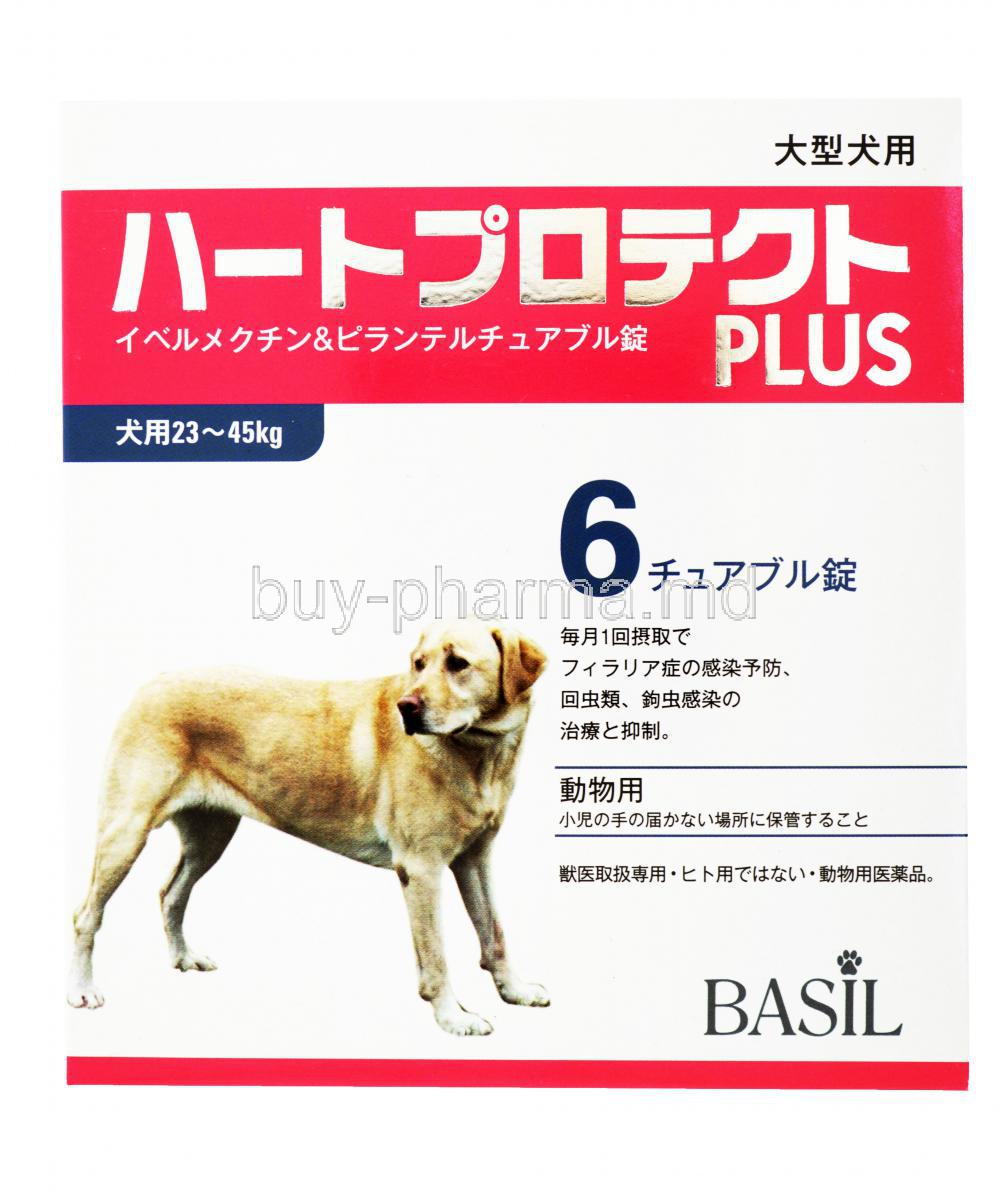
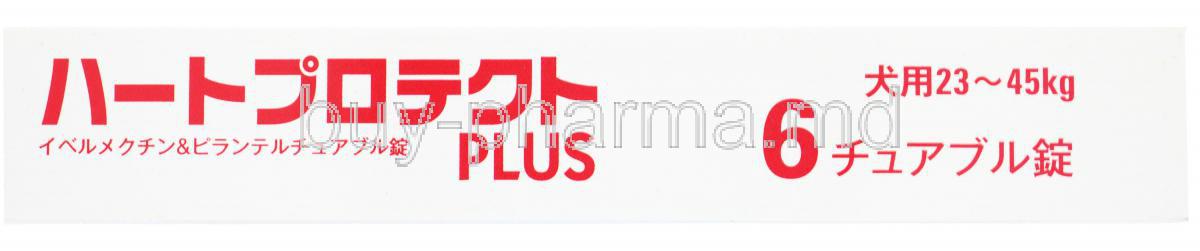
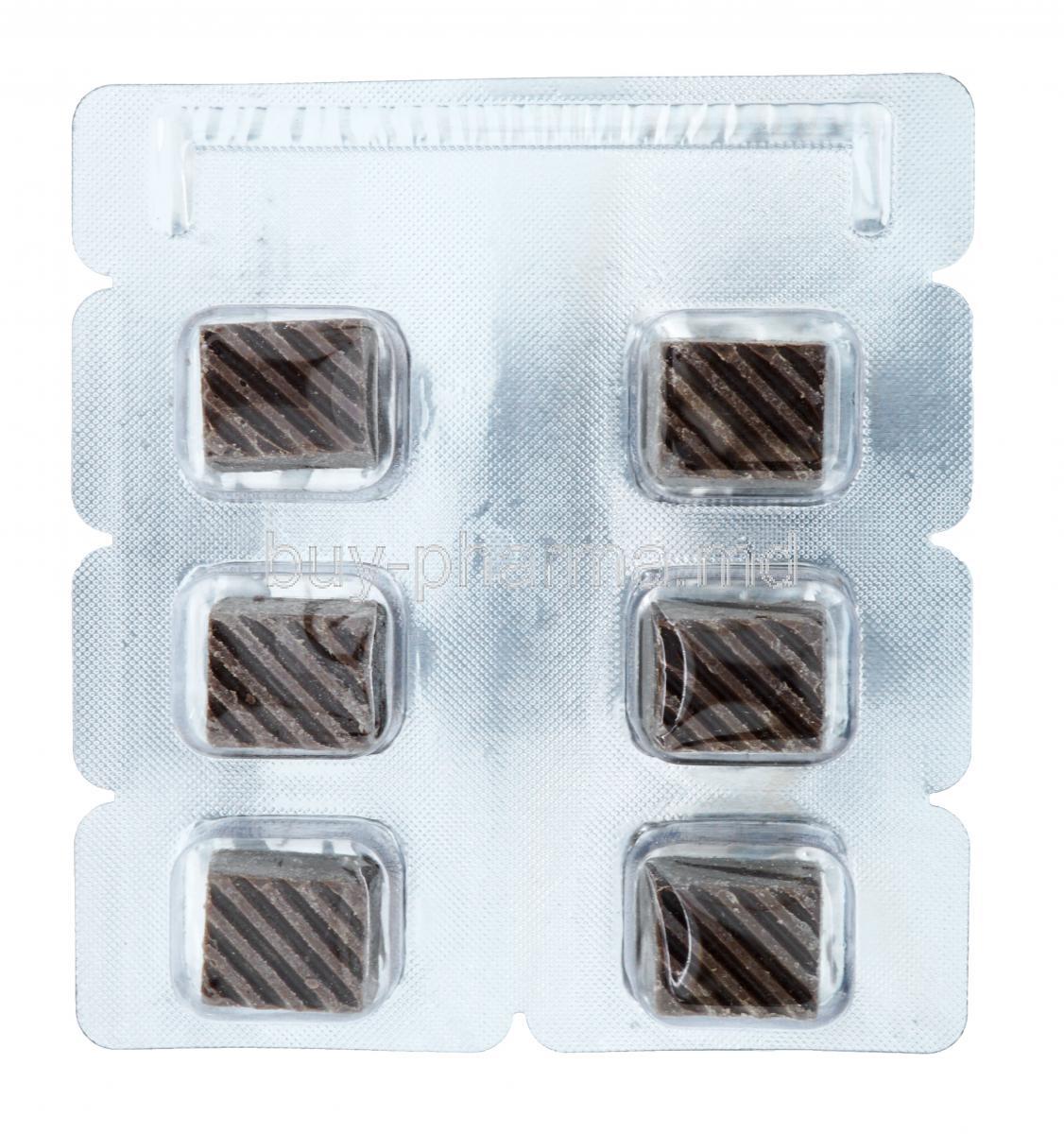
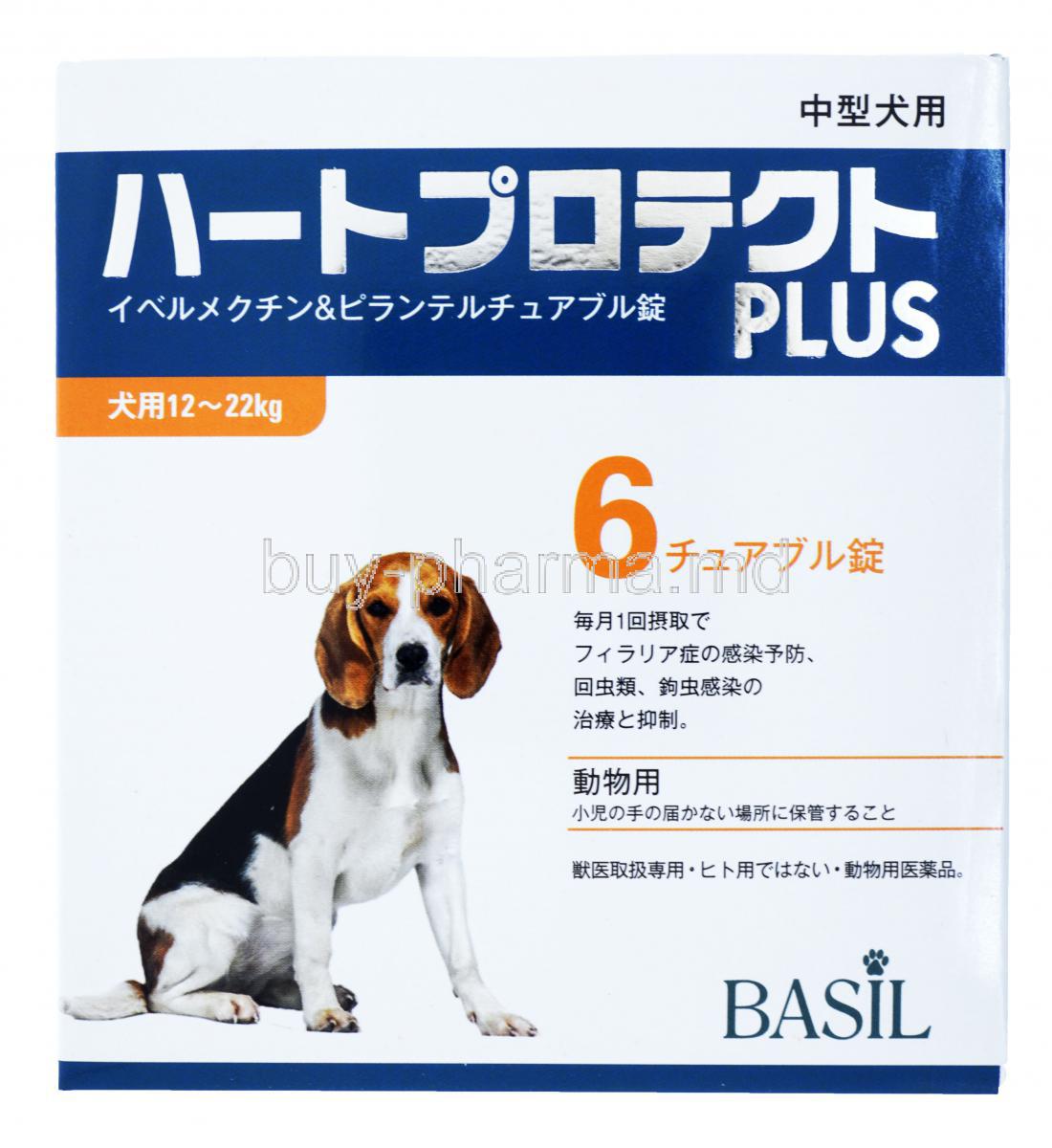
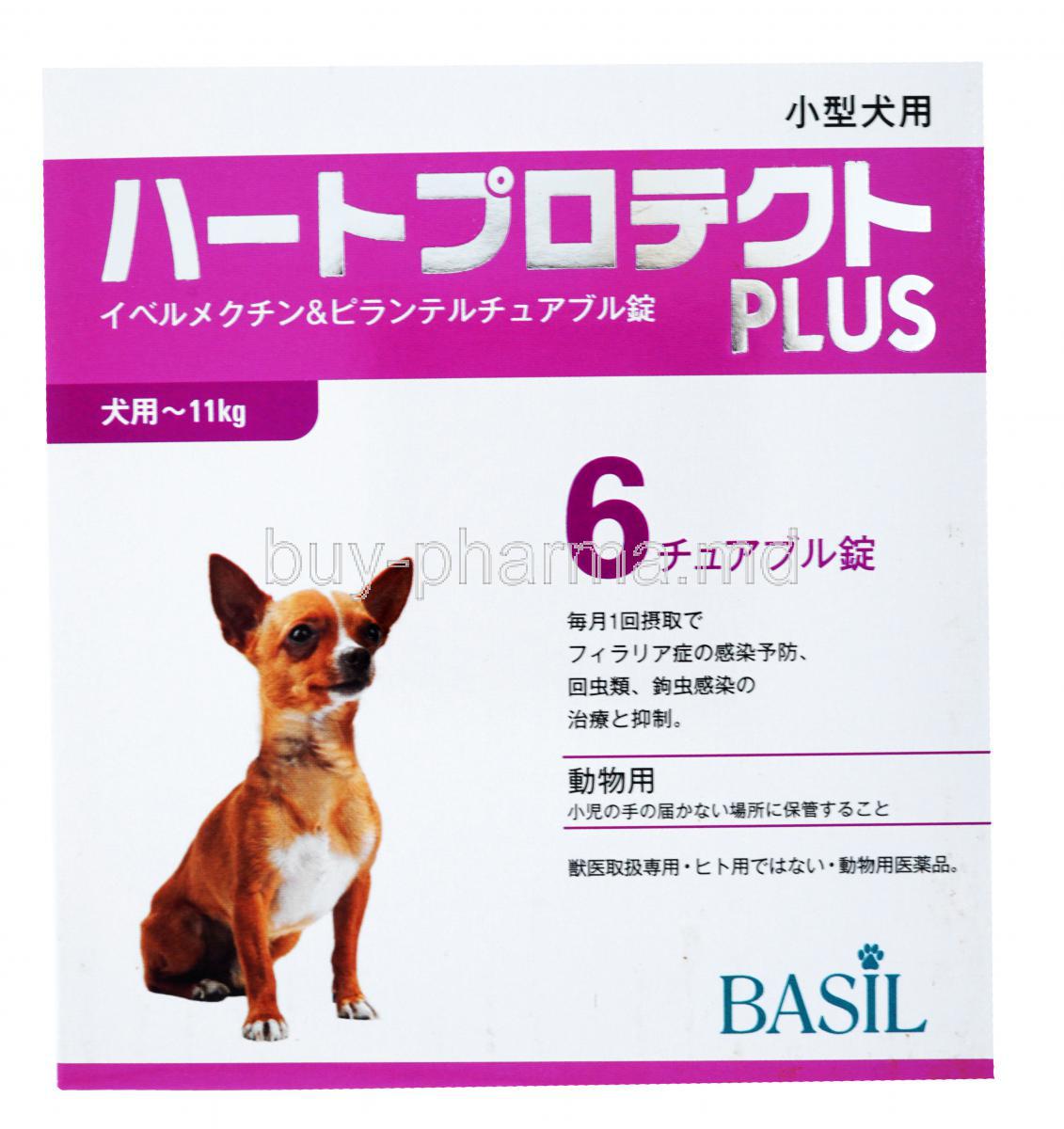
Heart Protect Plus Chewable for Dogs is a veterinary preventive formulation designed to support long-term canine health through proactive parasite control. Presented in a palatable chewable form, it integrates multiple antiparasitic actions into a single, routine-administered product. Its design emphasizes convenience, compliance, and consistent protection.
Veterinary Classification and Therapeutic Category
This product is categorized within the veterinary antiparasitic and heartworm preventive class. It is commonly included in monthly preventive regimens and aligns with standard protocols for canine parasite management. Therapeutically, it functions as both a prophylactic agent and a control measure for select internal parasites.
Role in Preventive Veterinary Care for Dogs
Preventive medicine is a cornerstone of modern veterinary practice. Heart Protect Plus Chewable contributes to this approach by reducing the risk of parasitic infestations before clinical disease develops. Routine administration supports:
- Long-term cardiovascular health
- Stable gastrointestinal function
- Reduced environmental parasite burden
Importance of Heartworm and Parasite Prevention
Heartworm disease and intestinal parasitism can progress silently, often becoming clinically apparent only after significant physiological compromise. Preventive therapy interrupts parasite life cycles early, limiting tissue damage, systemic inflammation, and secondary complications that may otherwise arise.
What Is Heart Protect Plus Chewable For Dogs
Product Description and Formulation Overview
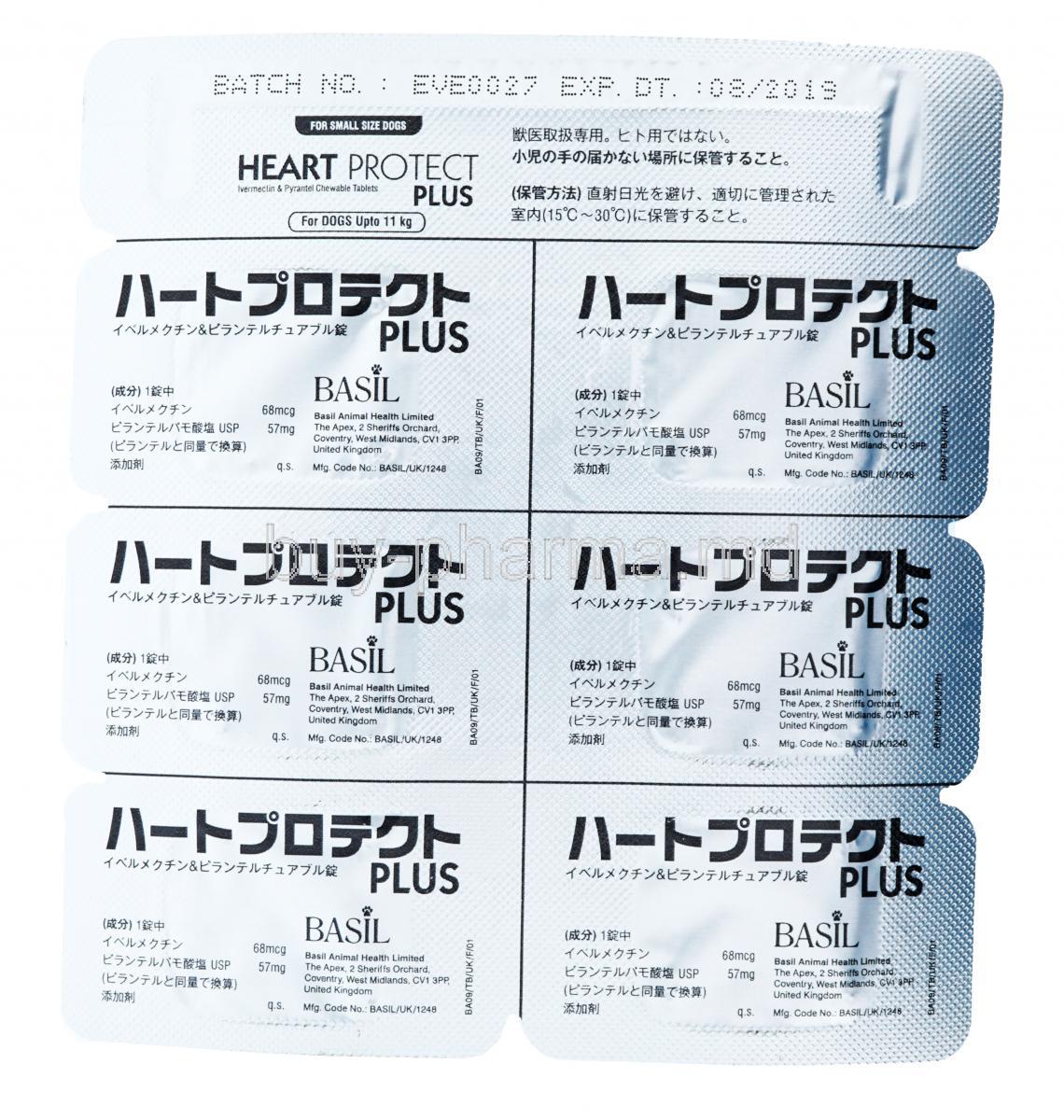
Heart Protect Plus Chewable is a combination antiparasitic formulation developed specifically for canine use. It is manufactured to deliver consistent dosing accuracy while maintaining stability under standard storage conditions. The formulation balances efficacy with tolerability.
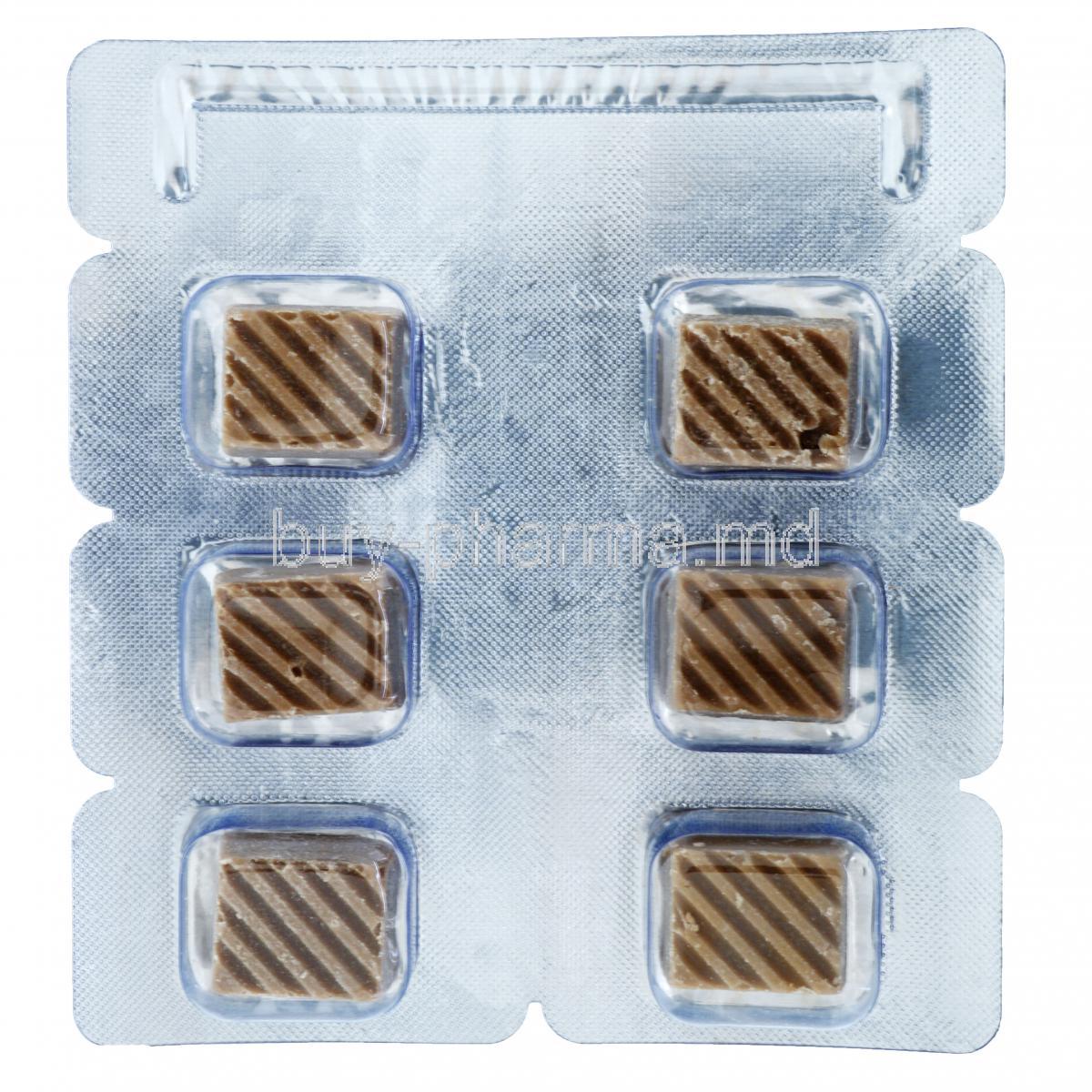
Chewable Dosage Form and Palatability Benefits
The chewable format enhances voluntary intake, reducing administration stress for both dogs and caregivers. Flavoring agents are incorporated to improve acceptance, which is particularly beneficial for:
- Dogs resistant to tablets or capsules
- Long-term monthly administration schedules
- Multi-dog households
Intended Canine Population and Indications
The product is intended for dogs requiring routine heartworm prevention and intestinal parasite control. Indications typically include healthy dogs at risk of exposure due to geography, lifestyle, or environmental conditions.
Composition and Active Ingredients
Primary Active Ingredients and Their Pharmacological Roles
Heart Protect Plus Chewable contains active agents with targeted antiparasitic activity. These compounds act on specific developmental stages of parasites, disrupting neuromuscular or metabolic pathways essential for survival and reproduction.
Secondary Components and Excipients
In addition to active ingredients, the formulation includes excipients that enhance stability, palatability, and bioavailability. These components do not exert therapeutic effects but are essential for product performance and consistency.
Comparison with Single-Ingredient Heartworm Preventives
Unlike single-agent preventives, combination formulations offer broader coverage. By addressing multiple parasite species simultaneously, Heart Protect Plus Chewable simplifies preventive regimens and reduces the need for additional treatments.
How Heart Protect Plus Chewable Works
Mechanism of Action Against Heartworm Larvae
The product acts by eliminating early-stage heartworm larvae before they mature into adult worms. This preemptive action prevents colonization of the pulmonary arteries and heart, thereby averting progressive cardiopulmonary pathology.
Activity Against Intestinal Parasites
In the gastrointestinal tract, active components interfere with parasite neuromuscular function, leading to paralysis and subsequent elimination. This activity helps reduce egg shedding and environmental contamination.
Synergistic Effects of Combined Active Ingredients
When used together, the active ingredients exhibit complementary pharmacodynamics. This synergy enhances overall efficacy without proportionally increasing systemic exposure, contributing to a favorable safety profile.
Onset and Duration of Preventive Action
Protective effects begin shortly after administration and persist for the recommended dosing interval. Consistent monthly use ensures uninterrupted coverage and optimal preventive outcomes.
Uses of Heart Protect Plus Chewable For Dogs
Prevention of Canine Heartworm Disease (Dirofilaria immitis)
The primary indication is the prevention of heartworm disease, a potentially fatal condition transmitted by mosquitoes. Regular administration interrupts transmission cycles and protects cardiovascular integrity.
Control and Treatment of Common Intestinal Worms
Roundworms
Roundworms are common in dogs of all ages. Heart Protect Plus Chewable assists in controlling these parasites, supporting digestive health and reducing zoonotic risk.
Hookworms
Hookworms attach to the intestinal lining and may cause anemia or weight loss. Preventive control helps maintain normal nutrient absorption and overall vitality.
Role in Routine Parasite Prevention Programs
As part of a comprehensive preventive plan, this chewable product supports:
- Monthly parasite control compliance
- Reduced need for reactive treatments
- Improved long-term health outcomes
Off-Label and Extended Uses
Use in Dogs at Higher Parasite Exposure Risk
Dogs living in endemic regions or those with outdoor lifestyles may benefit from enhanced preventive strategies. Veterinary guidance may support tailored use in these populations.
Preventive Use in Kennel or Shelter Environments
High-density housing increases parasite transmission risk. Routine preventive administration can help maintain population health and minimize outbreaks.
Adjunct Use in Integrated Parasite Control Strategies
Heart Protect Plus Chewable may be incorporated alongside environmental management, hygiene protocols, and vector control measures for comprehensive parasite mitigation.
Veterinary-Directed Off-Label Considerations
Any off-label application should be guided by a licensed veterinarian, taking into account individual health status, regional parasite prevalence, and concurrent therapies.
Dosage and Administration Guidelines
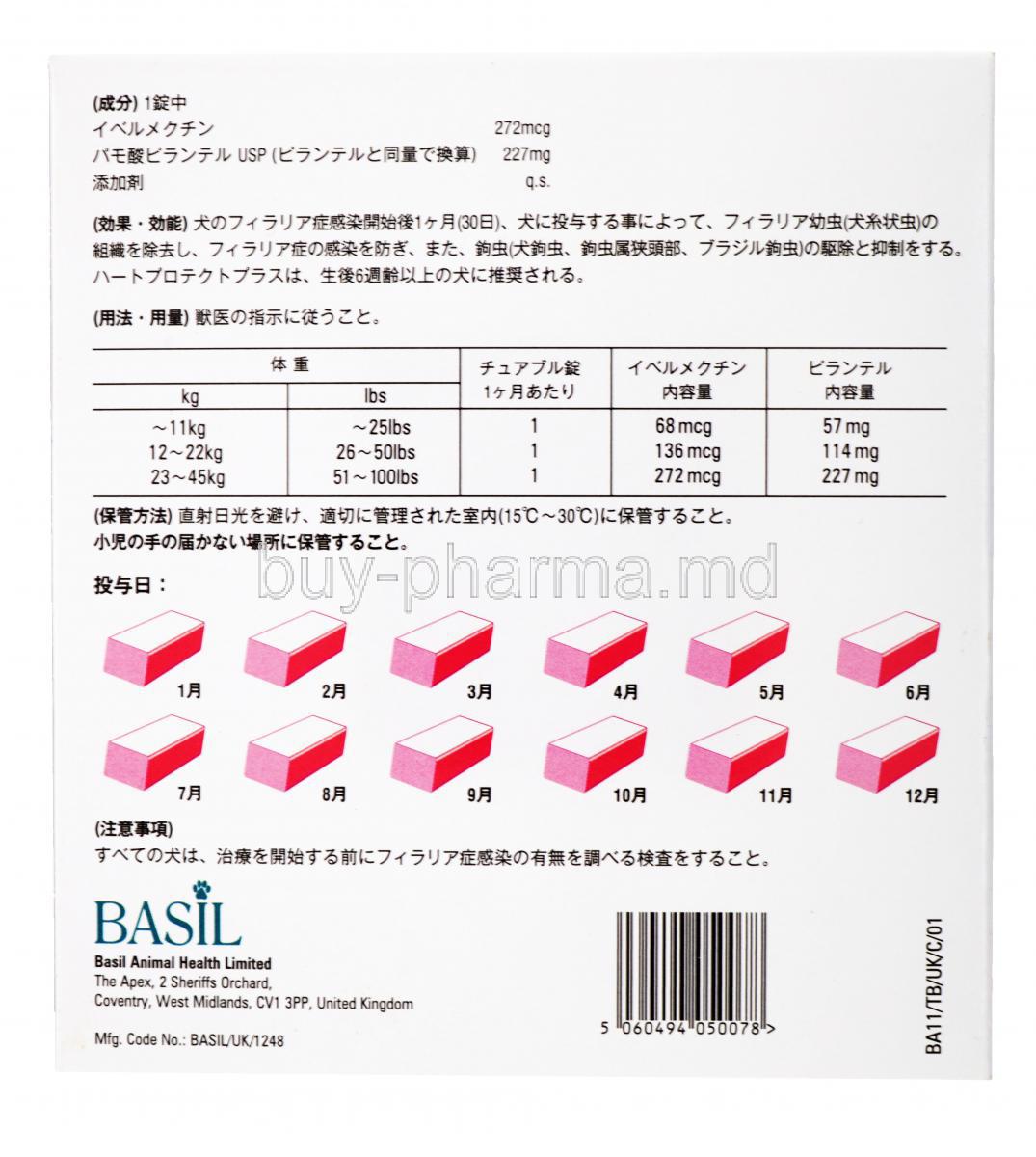
Weight-Based Dosing Recommendations
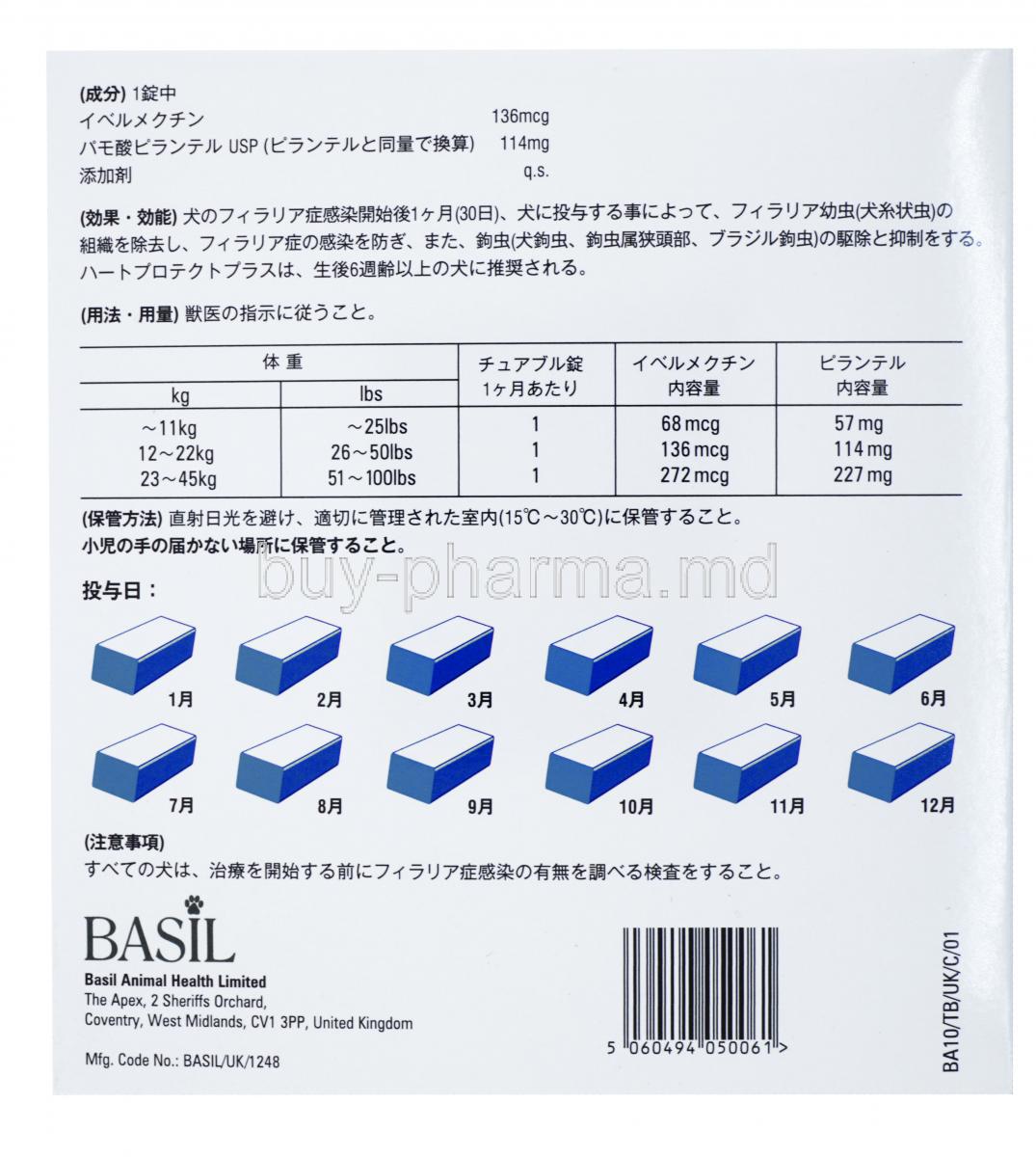
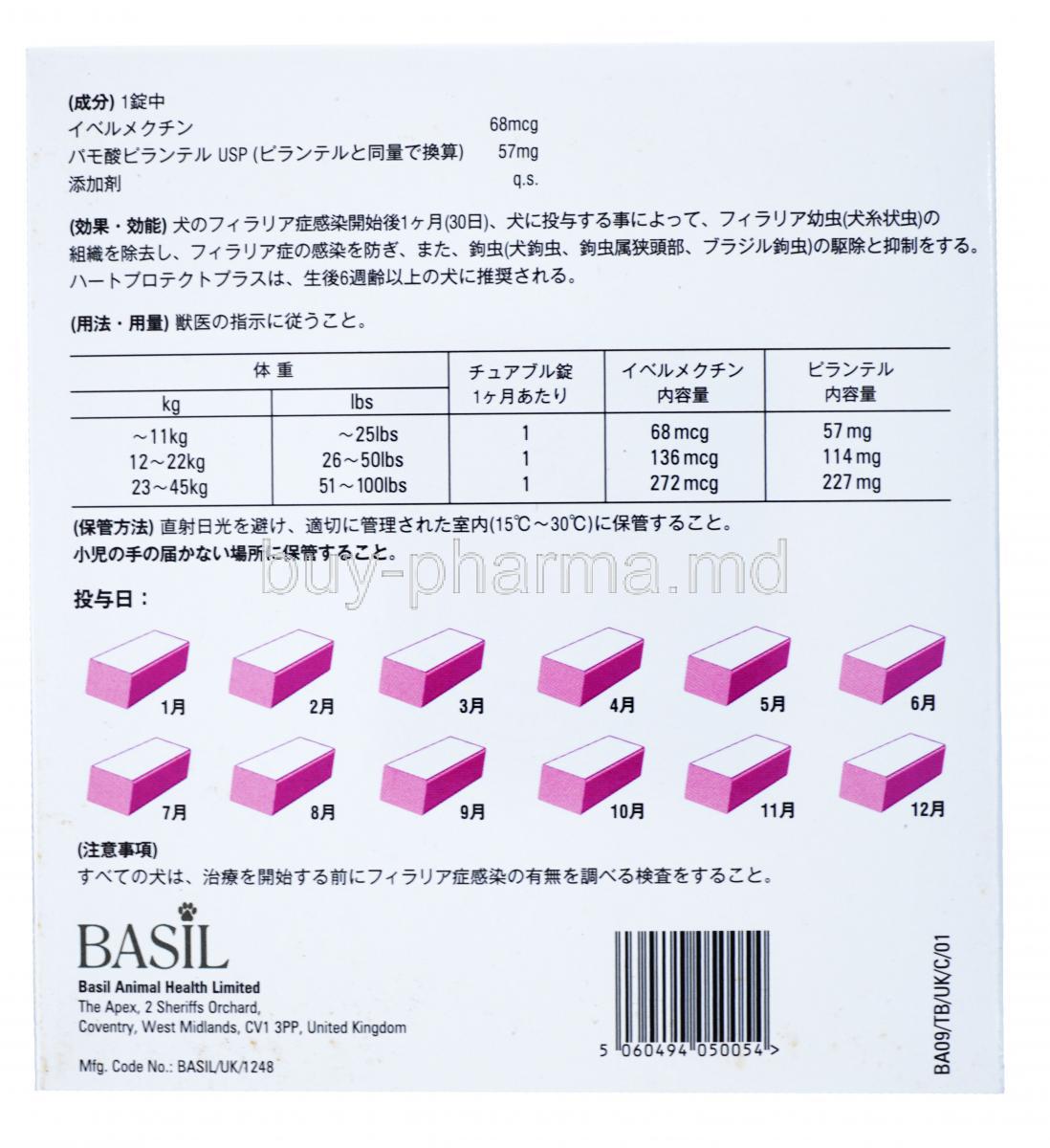
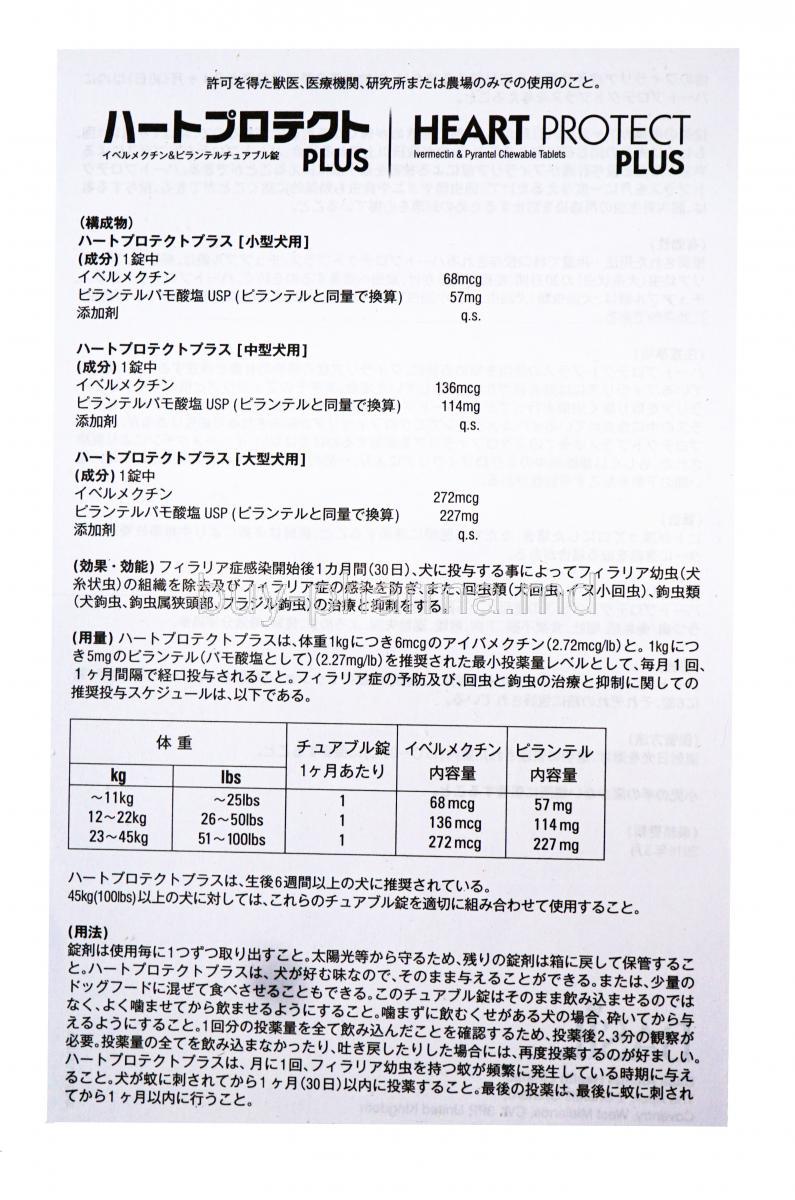
Dosing is determined by the dog’s body weight to ensure accurate therapeutic exposure. Proper weight assessment is essential for effective prevention.
Frequency of Administration
The chewable is typically administered once monthly. Consistent scheduling maintains continuous protection against target parasites.
Proper Method of Administering Chewable Tablets
The tablet may be offered directly or mixed with a small amount of food. Ensuring complete consumption is critical for efficacy.
Importance of Adherence to Dosing Schedule
Irregular administration can compromise preventive coverage. Adherence supports uninterrupted parasite control and minimizes infection risk.
Missed Dose Management
If a dose is missed, timely administration and schedule correction are important. Veterinary advice may be sought to determine appropriate next steps.
Careful Administration and Important Precautions
Pre-Treatment Testing for Heartworm Infection
Testing for existing heartworm infection prior to initiation is recommended. This ensures appropriate use and avoids potential complications.
Considerations in Dogs with a History of Drug Sensitivity
Dogs with known sensitivities should be monitored closely. Gradual introduction and observation may be advised under veterinary supervision.
Breed-Specific Precautions
Certain breeds may exhibit increased sensitivity to specific antiparasitic agents. Individual risk assessment helps guide safe administration.
Monitoring During Long-Term Preventive Use
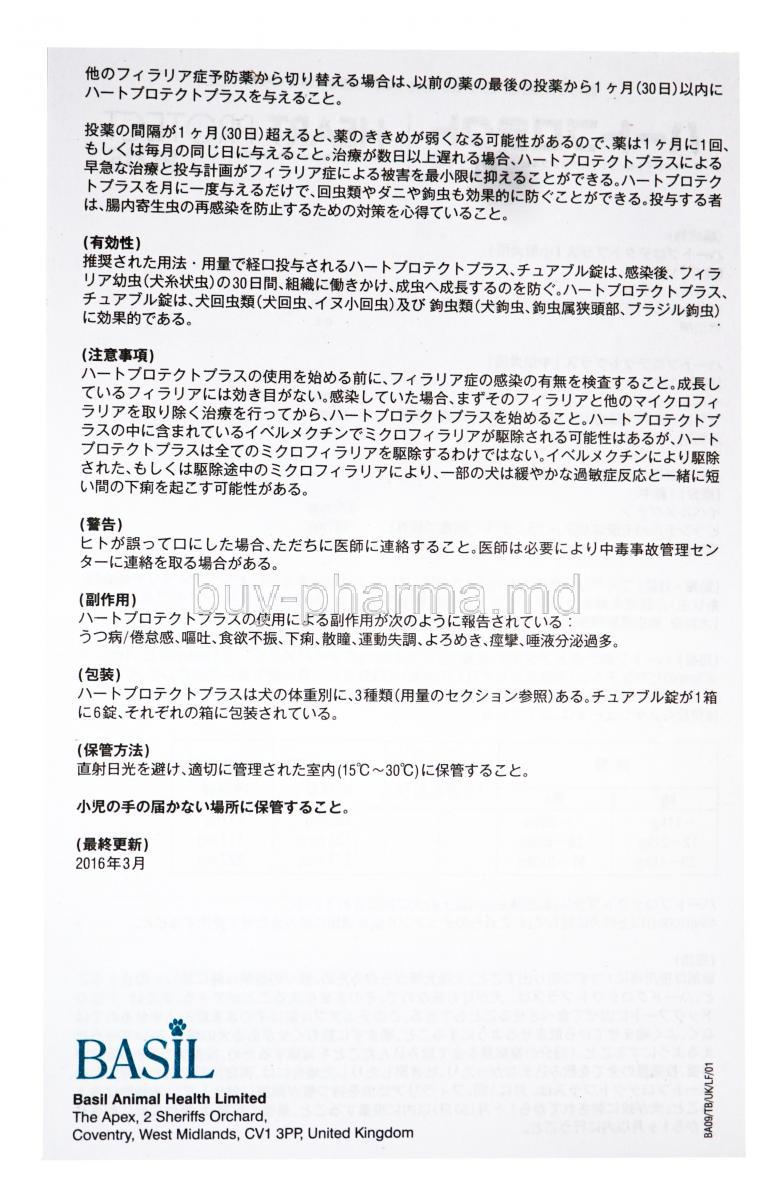
Ongoing monitoring supports sustained safety and effectiveness. Periodic veterinary evaluations help ensure that preventive strategies remain appropriate as the dog ages or health status changes.
Side Effects and Safety Profile
Overview of Tolerability in Dogs
Heart Protect Plus Chewable for Dogs is generally well tolerated when administered according to recommended guidelines. Most dogs complete routine preventive dosing without incident. The formulation is designed to balance antiparasitic efficacy with systemic safety, making it suitable for long-term preventive use in a broad canine population.
That said, individual variability exists. Age, body condition, concurrent disease, and genetic sensitivity may influence tolerability.
Distinction Between Mild and Serious Adverse Reactions
Adverse reactions may range from transient, self-limiting effects to rare but clinically significant events. Understanding this distinction allows caregivers to respond appropriately.
- Mild reactions often resolve without intervention
- Serious reactions require prompt veterinary assessment
Common Side Effects
Gastrointestinal Upset (Vomiting, Diarrhea)
Mild gastrointestinal disturbances are among the most frequently reported effects. These may include:
- Soft stools or diarrhea
- Occasional vomiting shortly after administration
Such signs are typically short-lived and may be mitigated by administering the chewable with food.
Temporary Lethargy or Reduced Appetite
Some dogs may exhibit transient lethargy or a brief decrease in appetite. This subdued demeanor usually resolves within 24 hours and does not interfere with normal activity in the long term.
Mild Neurological Signs
In rare instances, subtle neurological signs such as disorientation or unsteady gait may be observed. These effects are typically mild and reversible but should be monitored closely.
Less Common or Serious Side Effects
Hypersensitivity Reactions
Allergic or hypersensitivity reactions may manifest as:
- Facial swelling
- Pruritus or urticaria
- Respiratory distress
These reactions are uncommon but warrant immediate discontinuation and veterinary care.
Neurological Adverse Events
More pronounced neurological effects, such as tremors or seizures, are rare but have been reported in susceptible dogs. These events may be associated with individual sensitivity or underlying neurological conditions.
Indications for Immediate Veterinary Consultation
Urgent veterinary attention is advised if a dog exhibits:
- Persistent vomiting or diarrhea
- Severe lethargy or collapse
- Seizures or pronounced neurological abnormalities
Drug and Product Interactions
Interaction With Other Antiparasitic Medications
Concurrent use with other antiparasitic agents may increase the risk of additive toxicity. Careful coordination of preventive products is essential to avoid overlapping mechanisms of action.
Concomitant Use With Vaccines
Heart Protect Plus Chewable may generally be administered alongside routine vaccinations. However, spacing administration may be considered in dogs with a history of vaccine sensitivity.
Use Alongside Nutritional Supplements
Most nutritional supplements do not interfere with antiparasitic efficacy. Nonetheless, supplements with neuromodulatory or metabolic effects should be disclosed to the veterinarian.
Potential Interactions in Polypharmacy Scenarios
Dogs receiving multiple medications for chronic conditions should be evaluated for potential pharmacodynamic or pharmacokinetic interactions. Veterinary oversight is recommended in complex treatment regimens.
Warnings and Contraindications
Known Hypersensitivity to Active Ingredients
Dogs with documented hypersensitivity to any component of the formulation should not receive this product. Alternative preventive strategies may be required.
Use in Dogs With Existing Heartworm Infection
Administration in dogs with active heartworm infection is contraindicated unless specifically directed by a veterinarian. Pre-treatment testing is an essential safety measure.
Contraindications Based on Age or Health Status
Dogs with severe systemic illness, significant hepatic dysfunction, or neurological disorders may require individualized assessment prior to use.
Administration in Special Populations
Administration to Elderly Dogs
Age-Related Metabolic Considerations
Senior dogs may exhibit altered drug metabolism and clearance. These changes can influence drug exposure and tolerability, necessitating closer observation.
Monitoring Recommendations in Senior Dogs
Periodic veterinary evaluations are advisable to assess ongoing suitability, particularly in dogs with concurrent age-related conditions.
Administration to Pregnant Dogs and Nursing Mothers
Safety Data During Pregnancy
Available data suggest cautious use during pregnancy. Administration should be guided by a thorough risk–benefit analysis performed by a veterinarian.
Use During Lactation
Consideration should be given to potential exposure through milk. Veterinary consultation is recommended before use in nursing dogs.
Risk–Benefit Assessment Under Veterinary Supervision
Preventive therapy during pregnancy or lactation should be individualized, balancing maternal health benefits against potential fetal or neonatal risks.
Administration to Puppies
Minimum Age and Weight Requirements
Puppies must meet minimum age and weight thresholds to ensure safe administration. Accurate weighing is essential prior to dosing.
Pediatric Safety Considerations
Developing organ systems may be more sensitive to pharmacological agents. Careful adherence to labeled recommendations supports safe early-life prevention.
Overdosage Information
Signs and Symptoms of Overdose
Overdose may result in exaggerated adverse effects, including:
- Marked lethargy
- Ataxia or tremors
- Gastrointestinal distress
Immediate Steps if Overdose Is Suspected
If accidental overdose occurs, administration should be halted and veterinary advice sought without delay. Do not attempt home remedies unless directed.
Veterinary Management of Overdose Cases
Management is typically supportive and symptomatic. Early intervention improves outcomes and minimizes the risk of lasting effects.
Storage and Shelf-Life Information
Recommended Storage Conditions
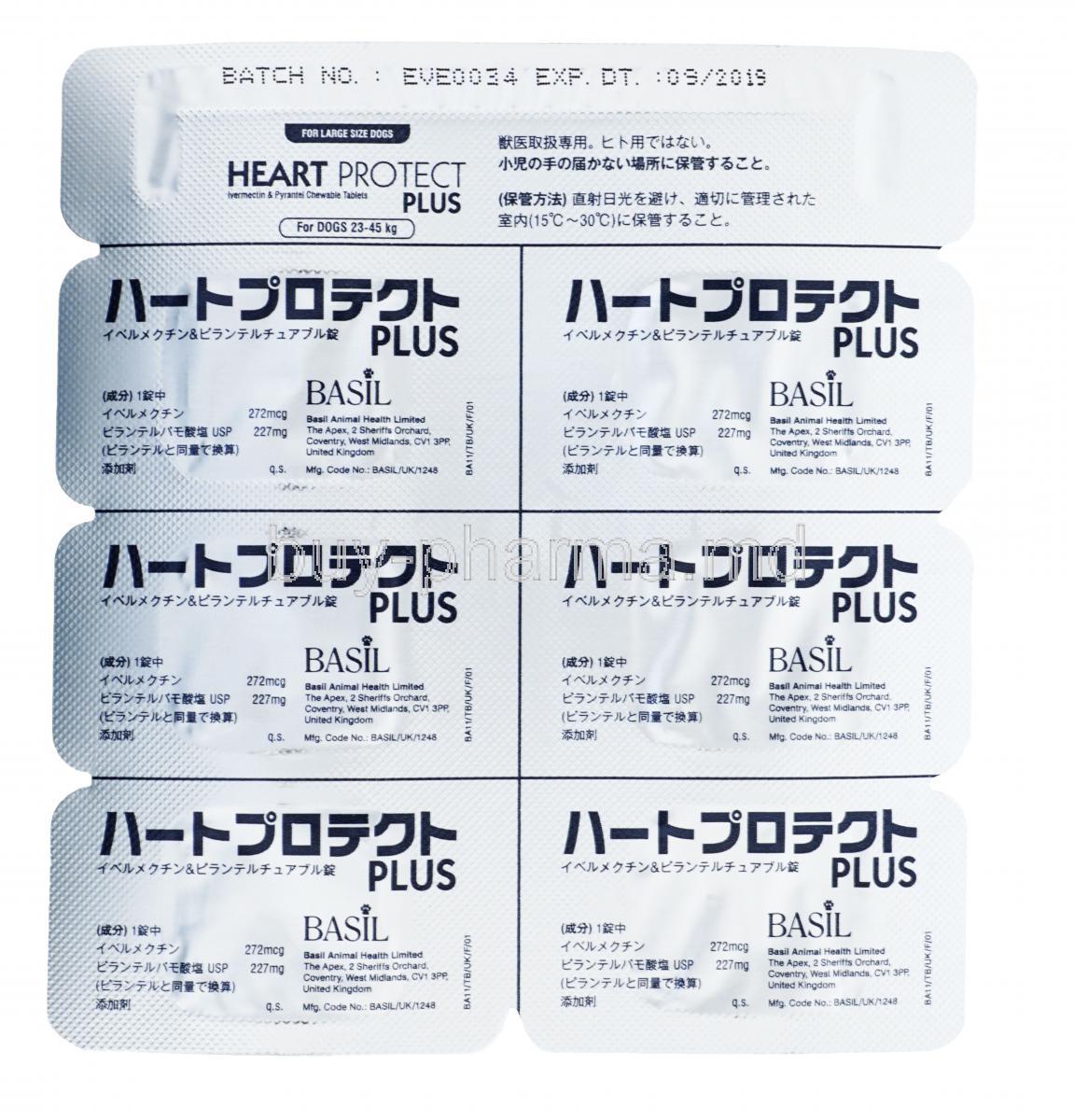
The product should be stored at controlled room temperature in its original packaging. Proper storage preserves stability and potency.
Protection From Moisture, Heat, and Light
Exposure to excessive heat, humidity, or direct sunlight may degrade active ingredients. Secure, dry storage is advised.
Shelf-Life and Expiry Considerations
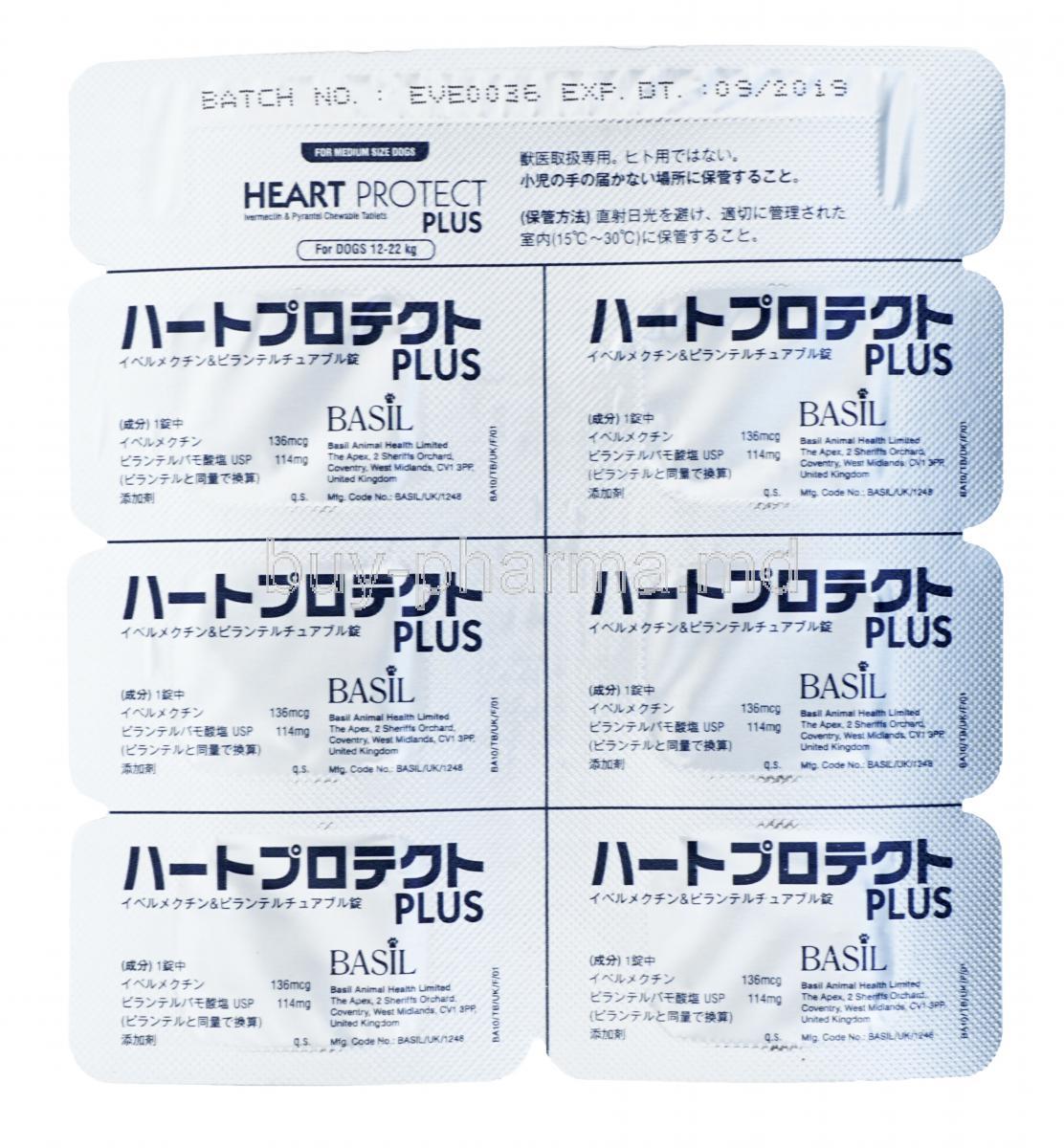
Expired products should not be administered. Observing expiry dates ensures predictable efficacy and safety.
Handling Precautions
Safe Handling for Pet Owners
Hands should be clean before and after handling the chewable. Avoid crushing or dividing tablets unless specifically instructed.
Hygiene Practices After Administration
Basic hygiene measures, including handwashing, reduce inadvertent exposure and maintain household safety.
Keeping Out of Reach of Children and Non-Target Animals
The product should be stored securely to prevent accidental ingestion by children or non-target species, where adverse effects may be more pronounced.
Heart Protect Plus Chewable For Dogs FAQ
What is HEARTGARD Plus used for?
Treatment of hookworms and roundworms
What age can dogs have HEARTGARD Plus?
6 weeks of age and older
What are the side effects of HEARTGARD Plus for dogs?
- Nausea
- Diarhhea
- Lethargy
How long does it take for HEARTGARD Plus to work?
Within 2 hours
Popular Products
Similar Product