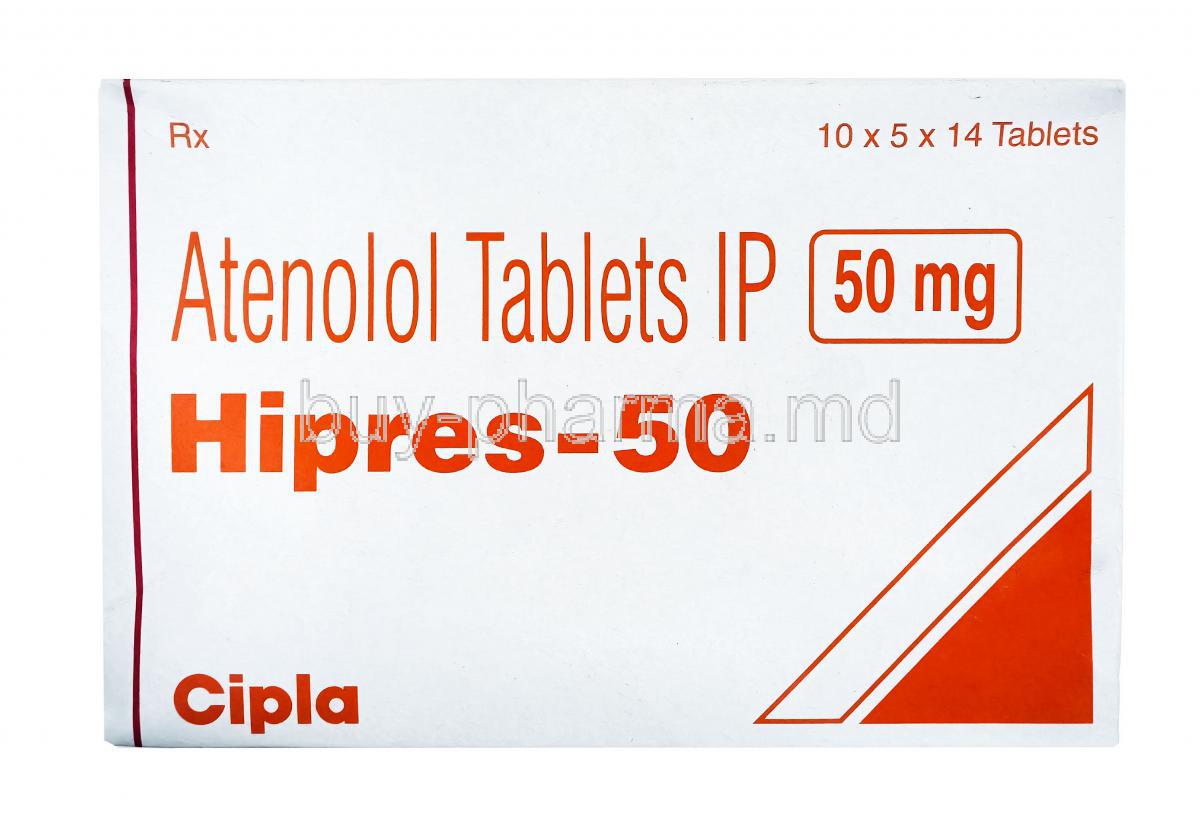
1. Introduction to Hipres (Atenolol)
1.1 Overview of Hipres and Its Therapeutic Class
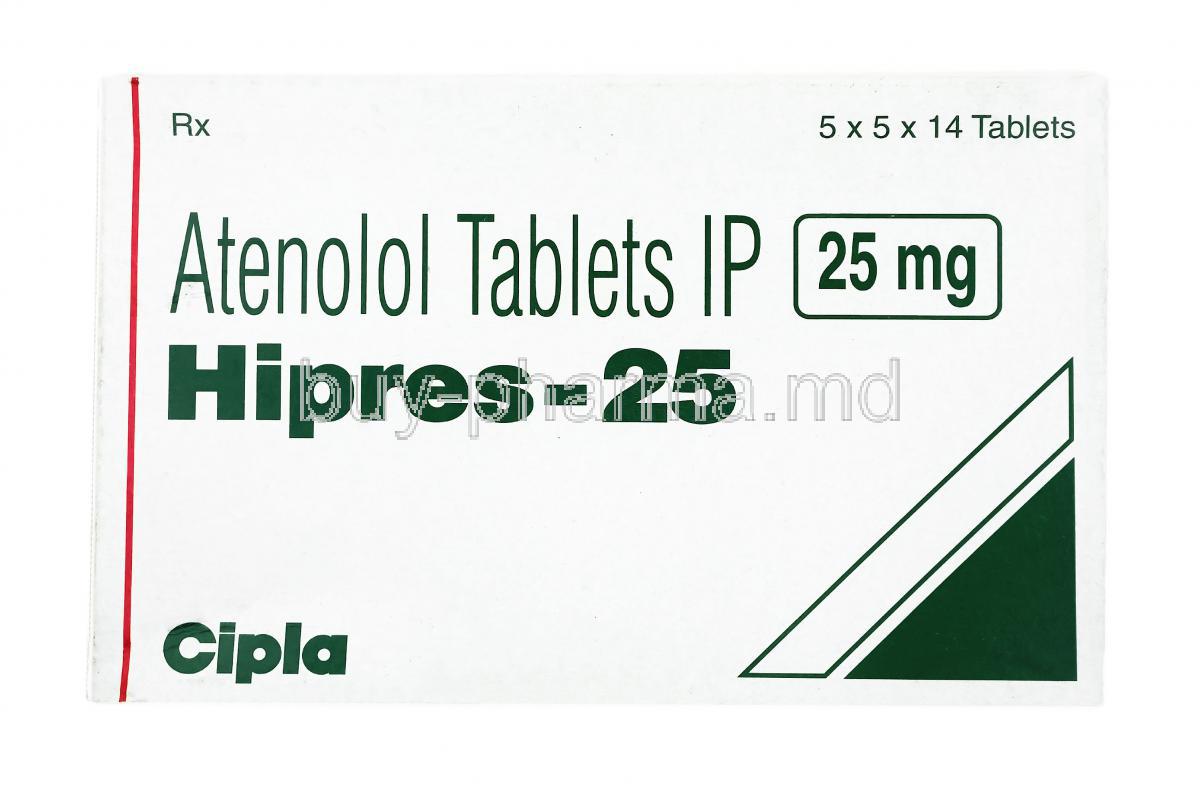
Hipres, containing atenolol, belongs to the pharmacological class of selective beta-adrenergic receptor antagonists, commonly referred to as beta-blockers. It is predominantly utilized in cardiovascular therapeutics. Its clinical value lies in its capacity to modulate sympathetic nervous system activity, thereby stabilizing hemodynamic parameters.
- Cardioselective beta-blocker
- Primarily targets beta-1 receptors
- Widely prescribed in long-term cardiovascular management
1.2 Generic Name: Atenolol and Brand Variants
Atenolol is the generic designation of Hipres. It is marketed globally under various brand names, yet maintains consistent pharmacodynamic properties. The molecule is characterized by hydrophilicity, distinguishing it from more lipophilic beta-blockers.
1.3 Indications in Cardiovascular Medicine
Atenolol is extensively employed in the management of cardiovascular disorders. Its indications span across conditions associated with elevated cardiac workload and dysregulated autonomic tone.
- Hypertension
- Angina pectoris
- Post-myocardial infarction care
- Arrhythmias
1.4 Position in Beta-Blocker Therapy
Within the beta-blocker class, atenolol occupies a niche as a cardioselective agent with reduced central nervous system penetration. This confers a favorable tolerability profile in certain patient populations.
2. Composition and Formulation
2.1 Active Ingredient: Atenolol – Pharmacological Profile
Atenolol exerts its therapeutic effects via selective inhibition of beta-1 adrenergic receptors located predominantly in cardiac tissue. This specificity minimizes bronchial and peripheral vascular effects.
2.2 Available Strengths and Dosage Forms
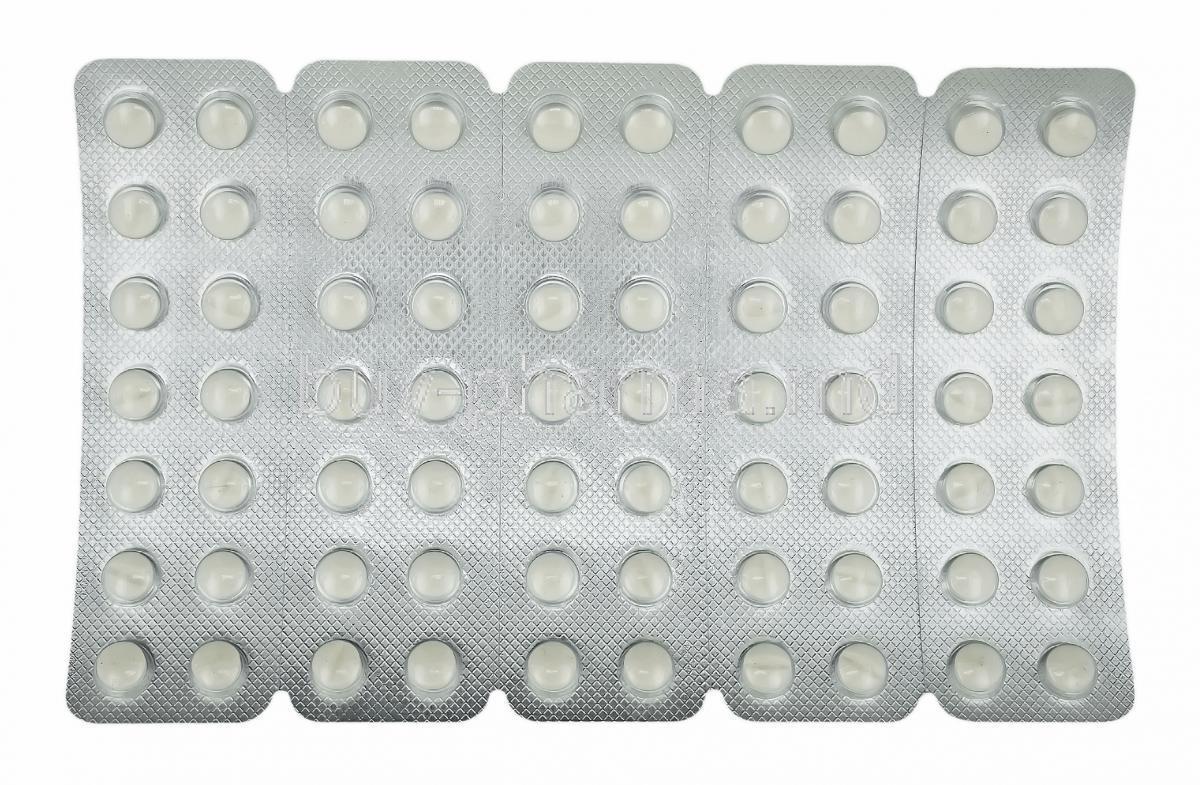
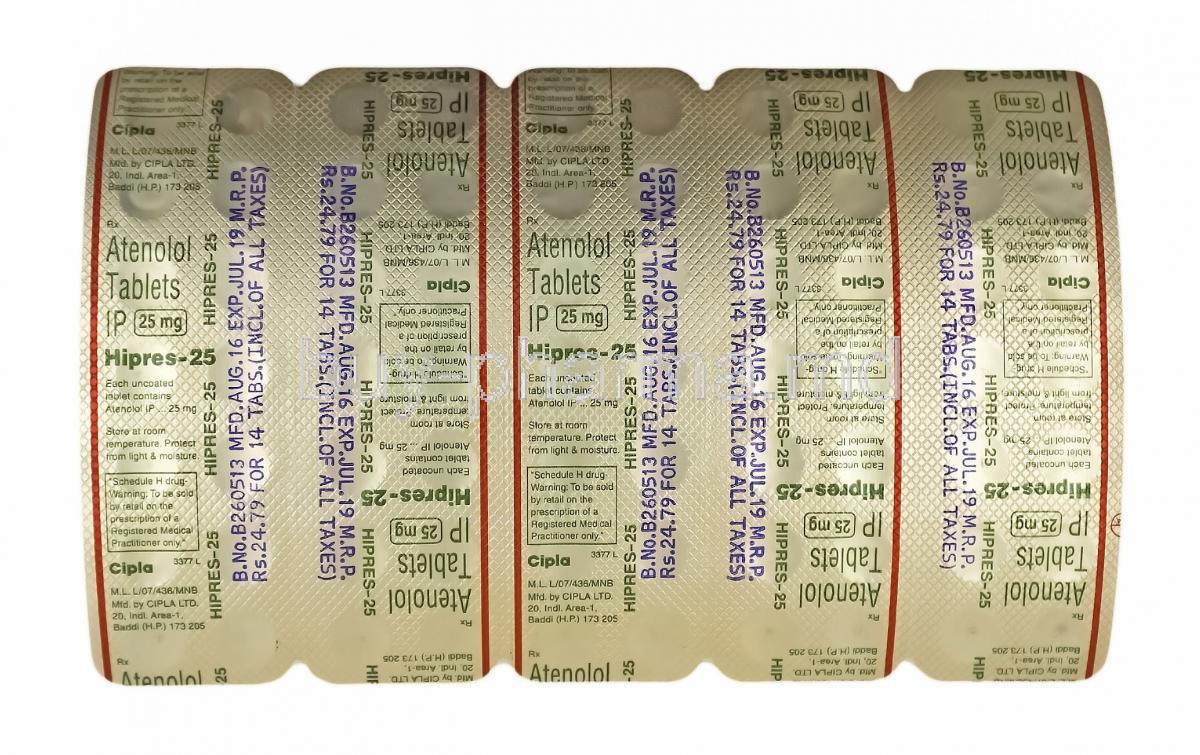
Hipres is typically available in oral tablet form, with varying strengths to accommodate individualized dosing strategies.
- 25 mg tablets
- 50 mg tablets
- 100 mg tablets
2.3 Excipients and Tablet Composition
In addition to the active compound, formulations contain excipients such as binders, fillers, and stabilizers. These components ensure structural integrity and consistent drug release.
2.4 Bioavailability and Formulation Characteristics
Atenolol demonstrates moderate oral bioavailability and limited hepatic metabolism. Its hydrophilic nature results in predictable pharmacokinetics and renal elimination.
3. Mechanism of Action (How It Works)
3.1 Selective Beta-1 Adrenergic Receptor Blockade
Atenolol selectively antagonizes beta-1 receptors, attenuating sympathetic stimulation of the myocardium. This leads to a decrease in cardiac excitability and contractility.
3.2 Effects on Heart Rate, Cardiac Output, and Blood Pressure
By reducing heart rate and myocardial contractile force, atenolol lowers cardiac output. Consequently, systemic blood pressure declines in a controlled manner.
3.3 Impact on Renin Secretion and RAAS System
Atenolol inhibits renin release from the juxtaglomerular apparatus. This dampens activation of the renin-angiotensin-aldosterone system, further contributing to antihypertensive effects.
3.4 Anti-Ischemic and Antiarrhythmic Properties
The drug reduces myocardial oxygen demand while stabilizing electrical conduction pathways. These dual actions confer both anti-ischemic and antiarrhythmic benefits.
4. Approved Medical Uses of Hipres (Atenolol)
4.1 Management of Hypertension (High Blood Pressure)
Atenolol is widely prescribed for hypertension. It offers sustained blood pressure control, reducing the risk of long-term cardiovascular complications.
4.2 Treatment of Angina Pectoris
By decreasing myocardial oxygen demand, atenolol alleviates anginal symptoms. Patients often experience improved exercise tolerance and reduced chest discomfort.
4.3 Secondary Prevention After Myocardial Infarction
Post-infarction therapy with atenolol reduces mortality and recurrence risk. It stabilizes cardiac rhythm and limits further ischemic damage.
4.4 Management of Cardiac Arrhythmias
Atenolol is effective in controlling supraventricular arrhythmias. It modulates atrioventricular conduction and suppresses abnormal electrical activity.
5. Expanded and Off-Label Uses of Atenolol
5.1 Anxiety and Performance Anxiety (Situational Use)
Atenolol may be utilized to mitigate somatic symptoms of anxiety, such as tachycardia and tremors, particularly in performance settings.
5.2 Migraine Prophylaxis
Regular administration may reduce the frequency and severity of migraine episodes through vascular modulation.
5.3 Hyperthyroidism and Thyrotoxicosis Symptom Control
Atenolol alleviates adrenergic symptoms associated with thyroid hormone excess, including palpitations and nervousness.
5.4 Portal Hypertension and Variceal Bleeding Prevention
In certain clinical contexts, beta-blockade reduces portal venous pressure, thereby lowering bleeding risk.
5.5 Essential Tremor Management
Atenolol may attenuate tremor amplitude by dampening peripheral adrenergic activity.
5.6 Aortic Dissection Adjunct Therapy
By reducing shear stress on the aortic wall, atenolol is used as part of acute and chronic management strategies.
5.7 Prevention of Cardiac Events in High-Risk Patients
Prophylactic use in high-risk individuals may decrease the incidence of adverse cardiac events.
6. Dosage and Administration Guidelines
6.1 Standard Adult Dosage for Hypertension
Typical dosing begins at a lower threshold and may be titrated based on clinical response. Once-daily administration is common.
6.2 Dosage for Angina and Cardiac Conditions
Higher doses may be required for angina control. Clinical monitoring ensures optimal therapeutic effect without undue adverse reactions.
6.3 Dose Adjustment in Renal Impairment
Since atenolol is renally excreted, dose adjustments are necessary in patients with impaired kidney function.
6.4 Frequency and Timing of Administration
Consistency in dosing time enhances therapeutic stability. Morning administration is often recommended.
6.5 Missed Dose and Compliance Considerations
If a dose is missed, it should be taken promptly unless the next scheduled dose is imminent. Double dosing is discouraged.
7. Common Side Effects of Hipres
7.1 Frequently Reported Mild Adverse Effects
Most side effects are mild and transient, often resolving with continued use.
7.2 Fatigue, Dizziness, and Cold Extremities
Reduced cardiac output may lead to fatigue and peripheral vasoconstriction, manifesting as cold hands and feet.
7.3 Gastrointestinal Symptoms (Nausea, Diarrhea)
Some individuals report mild gastrointestinal discomfort during initial therapy.
7.4 Sleep Disturbances and Mood Changes
Although less common, alterations in sleep patterns and mood may occur.
8. Serious and Rare Side Effects
8.1 Bradycardia and Hypotension
Excessive beta-blockade can result in dangerously low heart rate and blood pressure.
8.2 Heart Block and Worsening Heart Failure
Patients with underlying conduction abnormalities may experience exacerbation.
8.3 Bronchospasm in Susceptible Individuals
Despite cardioselectivity, bronchospasm may occur in predisposed individuals.
8.4 Metabolic Effects (Masking Hypoglycemia)
Atenolol may obscure hypoglycemic warning signs, particularly in diabetic patients.
8.5 Central Nervous System Effects
Rarely, confusion or depressive symptoms may develop.
9. Drug Interactions
9.1 Interactions with Other Antihypertensives
Concurrent use may potentiate blood pressure-lowering effects.
9.2 Calcium Channel Blockers (e.g., Verapamil, Diltiazem)
Combined use increases the risk of bradycardia and atrioventricular block.
9.3 Antiarrhythmic Agents and Digoxin
Additive effects on cardiac conduction require careful monitoring.
9.4 Interaction with Insulin and Oral Antidiabetics
Atenolol may alter glycemic control and mask hypoglycemic symptoms.
9.5 NSAIDs and Reduced Antihypertensive Effect
Nonsteroidal anti-inflammatory drugs may attenuate the antihypertensive efficacy.
9.6 Alcohol and CNS Depressants
Combined use may enhance central nervous system depression.
10. Warnings and Safety Considerations
10.1 Risk of Abrupt Withdrawal and Rebound Hypertension
Sudden discontinuation can precipitate rebound hypertension and exacerbation of angina.
10.2 Cardiovascular Risks and Monitoring Requirements
Regular monitoring of heart rate and blood pressure is essential for safe use.
10.3 Respiratory Considerations in Asthma/COPD
Caution is warranted in patients with reactive airway diseases.
10.4 Use in Patients with Peripheral Vascular Disease
Symptoms of peripheral ischemia may worsen with beta-blockade.
10.5 Masking Symptoms of Thyrotoxicosis
Atenolol may conceal clinical signs of hyperthyroidism, delaying diagnosis.
11. Contraindications
11.1 Hypersensitivity to Atenolol or Beta-Blockers
Atenolol is contraindicated in individuals with known hypersensitivity to the active compound or other beta-adrenergic antagonists. Even minimal exposure may precipitate adverse immunologic responses.
- Rash, urticaria, or angioedema
- Severe allergic reactions including anaphylaxis
- Cross-reactivity within beta-blocker class
11.2 Severe Bradycardia or Heart Block
Marked bradycardia or advanced atrioventricular block represents a critical contraindication. Atenolol further suppresses sinoatrial and atrioventricular nodal activity, potentially culminating in life-threatening conduction disturbances.
11.3 Cardiogenic Shock
In cardiogenic shock, myocardial contractility is already profoundly compromised. Beta-blockade may exacerbate hemodynamic collapse, rendering the condition refractory to stabilization.
11.4 Uncontrolled Heart Failure
Decompensated heart failure necessitates cautious stabilization prior to initiation of beta-blocker therapy. Atenolol may worsen fluid overload and reduce cardiac output in unstable states.
11.5 Severe Peripheral Circulatory Disorders
Patients with advanced peripheral arterial disease may experience aggravated ischemia due to diminished peripheral perfusion. Symptoms such as claudication or cyanosis may intensify.
12. Careful Administration (Use with Caution)
12.1 Patients with Renal Dysfunction
Atenolol is primarily eliminated via renal excretion. Impaired renal function can lead to drug accumulation and heightened pharmacologic effects.
- Requires dose adjustment
- Close monitoring of renal parameters
- Increased risk of bradycardia
12.2 Individuals with Diabetes Mellitus
Beta-blockers may obscure adrenergic warning signs of hypoglycemia, such as tachycardia. This masking effect can delay recognition and management of low blood glucose levels.
12.3 Patients with Respiratory Disorders
Although atenolol is cardioselective, bronchospasm may occur in patients with asthma or chronic obstructive pulmonary disease. Vigilance is required when prescribing.
12.4 Hepatic Impairment Considerations
While hepatic metabolism is limited, altered physiological states in hepatic impairment may influence overall drug handling and systemic response.
12.5 Patients with Depression or Psychiatric History
Central nervous system effects, including mood alterations and depressive symptoms, may be exacerbated in susceptible individuals. Clinical observation is recommended.
13. Important Precautions
13.1 Gradual Dose Tapering and Discontinuation
Abrupt cessation of atenolol can provoke rebound sympathetic activity. This may result in tachycardia, hypertension, or exacerbation of angina.
- Taper dose over 1–2 weeks
- Monitor cardiovascular status closely
13.2 Monitoring Blood Pressure and Heart Rate
Regular assessment of vital parameters ensures therapeutic efficacy while minimizing adverse effects. Both hypotension and bradycardia must be avoided.
13.3 Lifestyle Modifications and Adjunct Therapy
Pharmacotherapy should be complemented by lifestyle interventions to optimize outcomes.
- Dietary sodium restriction
- Weight management
- Regular physical activity
13.4 Impact on Exercise Tolerance
Atenolol may blunt the physiological increase in heart rate during exertion. Patients should be counseled regarding altered exercise capacity.
13.5 Use Before Surgery and Anesthesia
Continuation or temporary discontinuation prior to surgery should be evaluated carefully. Interactions with anesthetic agents may influence cardiovascular stability.
14. Administration in Special Populations
14.1 Administration to Elderly Patients
Elderly individuals often exhibit increased sensitivity to beta-blockers. Physiological changes, including reduced renal clearance, necessitate cautious dosing.
- Initiate therapy at lower doses
- Monitor for bradycardia and hypotension
- Assess for dizziness or fall risk
14.2 Administration to Pregnant Women and Nursing Mothers
The use of atenolol during pregnancy requires careful risk-benefit evaluation. The drug crosses the placenta and may affect fetal development.
- Potential for fetal growth restriction
- Risk of neonatal bradycardia and hypoglycemia
- Excretion into breast milk necessitates infant monitoring
14.3 Administration to Children
Pediatric use is limited and typically reserved for specific indications under specialist supervision. Data on safety and efficacy remain constrained.
- Dosing adjusted based on body weight
- Close monitoring for cardiovascular effects
- Individualized therapeutic approach required
15. Overdosage and Emergency Management
15.1 Symptoms of Atenolol Overdose
Overdose may manifest as profound cardiovascular depression. Early recognition is essential to prevent complications.
- Severe bradycardia
- Hypotension
- Dizziness or syncope
15.2 Severe Bradycardia, Hypotension, and Shock
In extreme cases, circulatory collapse may occur. These manifestations require immediate medical intervention.
15.3 Initial Management and Supportive Care
Management focuses on stabilizing vital functions. Supportive care remains the cornerstone of treatment.
- Airway and oxygen support
- Intravenous fluids
- Continuous cardiac monitoring
15.4 Antidotes and Advanced Treatment Options
Specific pharmacologic agents may be employed to counteract beta-blockade.
- Atropine for bradycardia
- Glucagon to improve cardiac output
- Vasopressors in refractory hypotension
16. Storage and Stability
16.1 Recommended Storage Conditions
Atenolol tablets should be stored under controlled room temperature conditions. Proper storage ensures stability and therapeutic integrity.
16.2 Protection from Moisture and Heat
Exposure to excessive humidity or heat may compromise formulation quality. Tablets should remain in original packaging.
16.3 Shelf Life and Expiry Considerations
Adherence to expiry dates is essential. Degraded medication may exhibit reduced efficacy or altered safety profile.
16.4 Safe Disposal of Unused Medication
Unused or expired medication should be disposed of responsibly. Environmental contamination must be avoided.
17. Handling Precautions
17.1 Safe Handling and Administration Practices
Proper handling minimizes the risk of dosing errors and ensures consistent therapeutic outcomes.
17.2 Avoiding Medication Errors
Clear labeling and adherence to prescribed instructions are critical in preventing inadvertent misuse.
17.3 Packaging Integrity and Patient Instructions
Packaging should remain intact until use. Patients should be educated on correct administration techniques.
17.4 Storage Away from Children and Pets
Medication should be kept out of reach of children and animals to prevent accidental ingestion.
18. Summary of Clinical Benefits and Risk Profile
18.1 Therapeutic Advantages of Atenolol
Atenolol offers effective cardiovascular control with a well-established safety profile. Its cardioselectivity provides targeted therapeutic action.
18.2 Risk-Benefit Assessment in Long-Term Use
Long-term therapy requires periodic reassessment. Benefits in reducing cardiovascular morbidity must be balanced against potential adverse effects.
18.3 Role in Modern Cardiovascular Therapy
Despite the emergence of newer agents, atenolol remains a valuable option in specific clinical scenarios. Its predictability and accessibility sustain its relevance in contemporary practice.
Customers also bought
Popular Products
Similar Product