1. Introduction to Instaflex P (Paracetamol)
1.1 Overview of Instaflex P and Its Therapeutic Classification
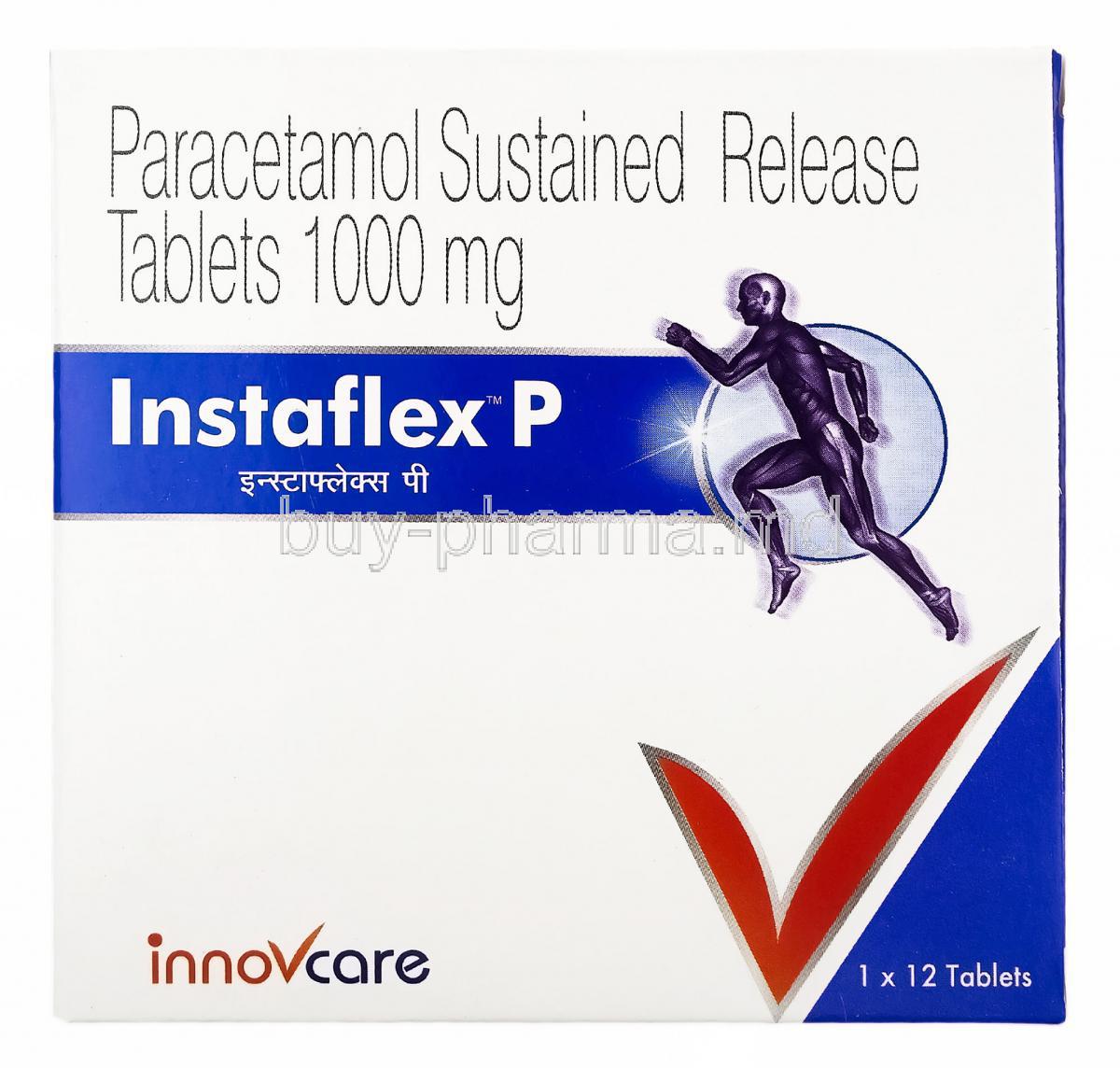
Instaflex P is a pharmaceutical formulation containing paracetamol, a widely utilized analgesic and antipyretic agent. It belongs to the class of non-opioid pain relievers and fever-reducing medications that are commonly prescribed for the symptomatic treatment of various conditions. The medication is often recommended when patients require effective pain control without the gastrointestinal irritation frequently associated with certain anti-inflammatory drugs.
Paracetamol-based therapies are recognized globally for their reliability and favorable safety profile when administered appropriately. Instaflex P represents a refined formulation designed to provide prompt symptomatic relief. It is frequently used in clinical and home-care settings alike.
1.2 Key Characteristics of Paracetamol-Based Analgesic and Antipyretic Medications
Paracetamol possesses distinctive pharmacological attributes that differentiate it from other analgesic medications. Its principal effects involve the alleviation of pain and the reduction of elevated body temperature. Unlike many anti-inflammatory agents, paracetamol exerts minimal influence on peripheral inflammatory pathways.
- Effective for mild to moderate pain
- Strong fever-reducing capability
- Low gastrointestinal irritation compared with many NSAIDs
- Suitable for diverse patient populations
1.3 Medical Importance in Pain and Fever Management
Pain and fever are among the most common symptoms encountered in clinical medicine. Instaflex P provides a dependable therapeutic option for addressing these symptoms without significantly disrupting normal physiological processes. Its widespread availability and predictable pharmacokinetics contribute to its enduring clinical relevance.
Physicians frequently incorporate paracetamol-containing products into treatment protocols because they offer a balanced combination of safety and efficacy. This makes Instaflex P particularly valuable in routine healthcare practice.
1.4 Global Usage and Clinical Relevance of Paracetamol Formulations
Paracetamol remains one of the most extensively used medications worldwide. Its utility spans continents, healthcare systems, and patient demographics. Instaflex P forms part of this global therapeutic landscape.
International health organizations frequently include paracetamol in essential medicine lists due to its:
- Wide accessibility
- High therapeutic value
- Established safety profile
- Versatile clinical applications
1.5 Distinction Between Instaflex P and Other Paracetamol Products
Although many medications contain paracetamol, individual formulations may differ in dosage strength, excipients, and pharmacokinetic characteristics. Instaflex P is designed to provide reliable symptom control while maintaining pharmaceutical stability and consistent dosing.
Such differences, though subtle, can influence patient preference, absorption patterns, and treatment adherence.
2. Composition and Active Ingredients
2.1 Primary Active Ingredient: Paracetamol (Acetaminophen)
The principal active component in Instaflex P is paracetamol, also known as acetaminophen in certain regions. This compound is responsible for the medication’s analgesic and antipyretic effects. It acts centrally within the nervous system to modulate pain perception and thermoregulation.
2.2 Strength and Dosage Form of Instaflex P
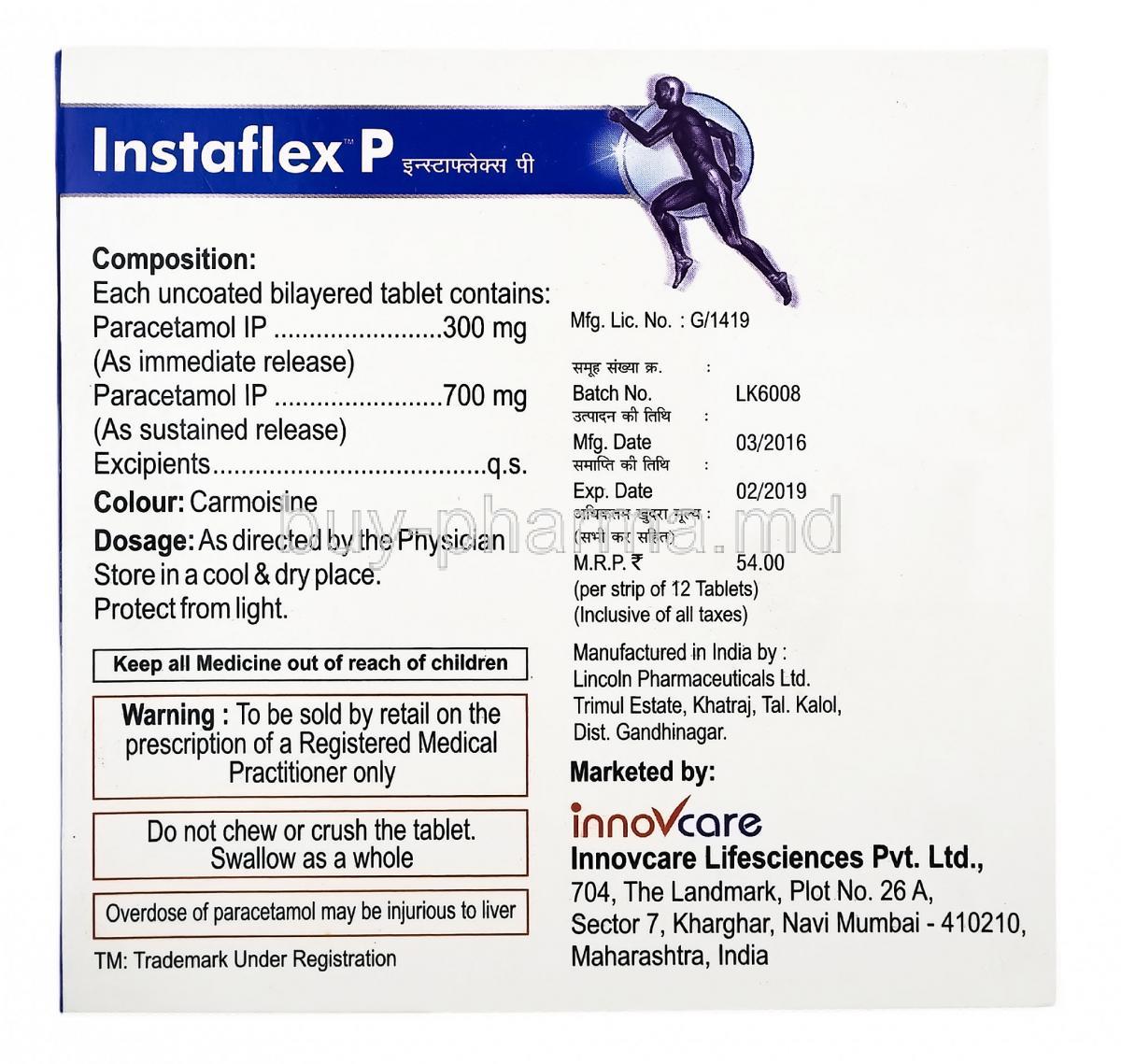
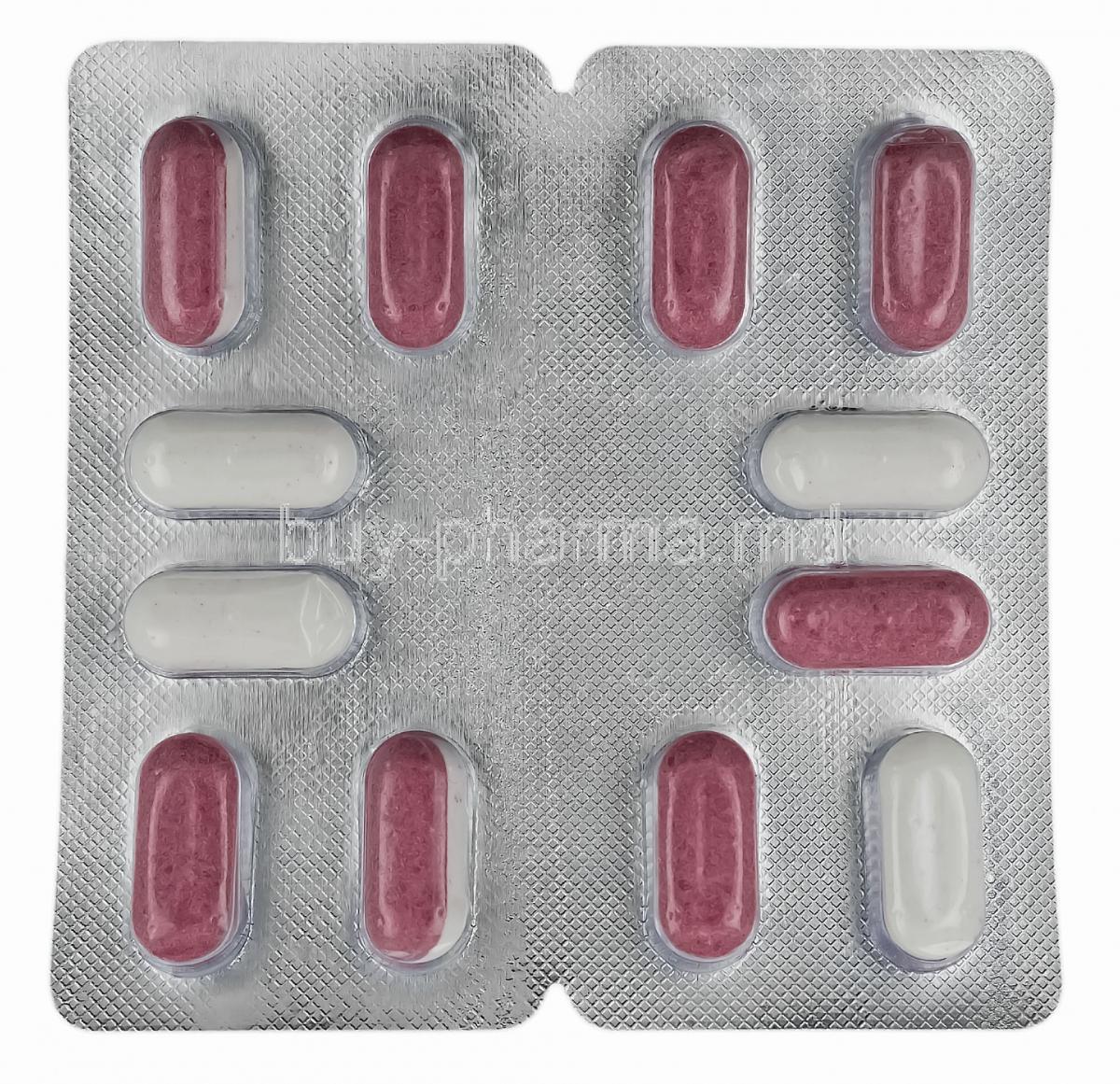
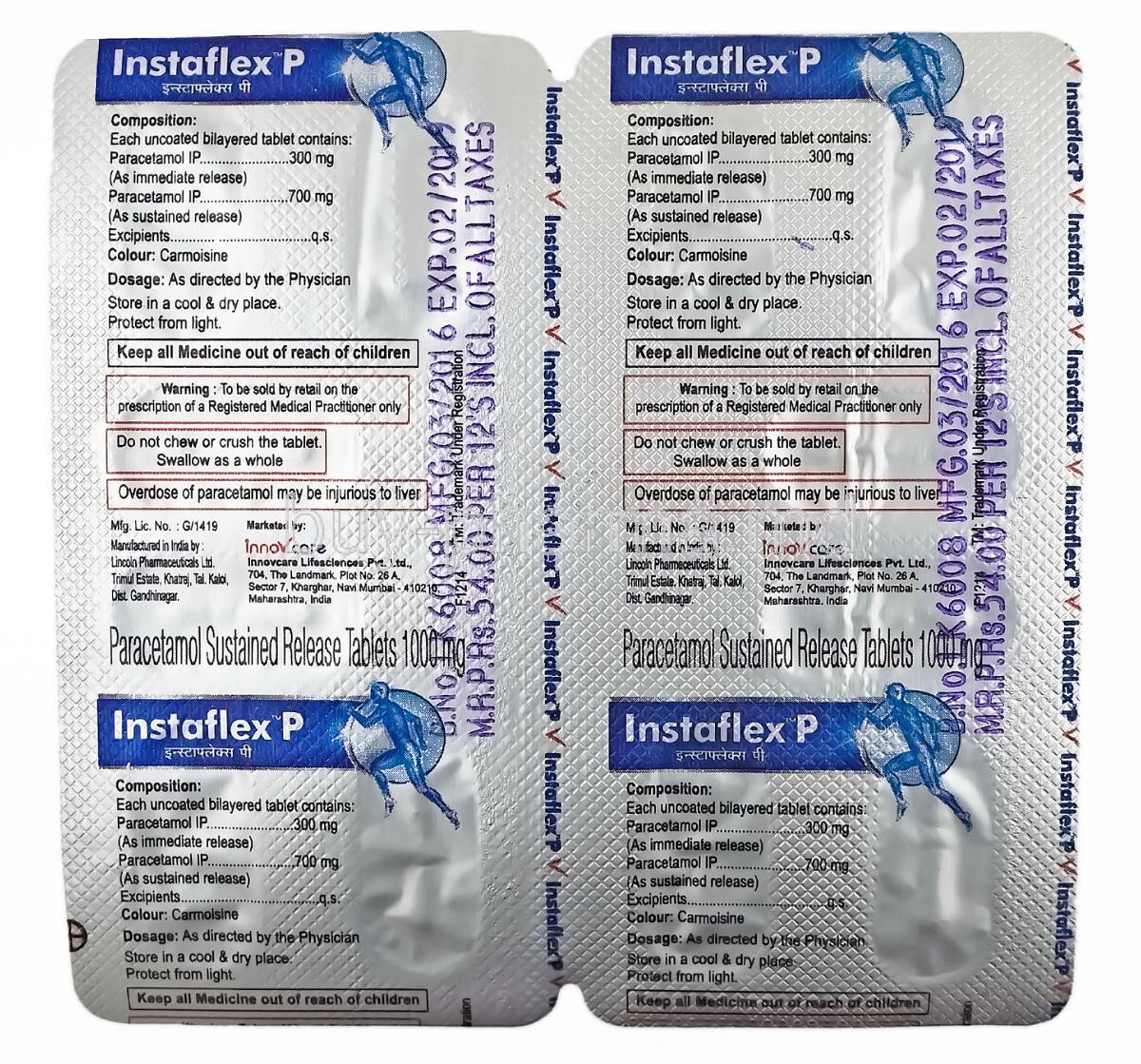
Instaflex P is typically available in tablet form with a defined quantity of paracetamol per unit. The dosage strength is carefully calibrated to provide effective relief while maintaining an appropriate safety margin.
The pharmaceutical formulation ensures consistent drug delivery and predictable absorption following oral administration.
2.3 Pharmacological Properties of Paracetamol
Paracetamol demonstrates several pharmacodynamic and pharmacokinetic properties that contribute to its effectiveness:
- Rapid gastrointestinal absorption
- Central inhibition of prostaglandin synthesis
- Limited peripheral anti-inflammatory activity
- Metabolism primarily within the liver
2.4 Role of Inactive Ingredients and Excipients
In addition to the active pharmaceutical ingredient, Instaflex P contains various excipients that facilitate tablet formation and stability. These substances support manufacturing processes and enhance drug delivery.
Examples of excipients may include:
- Binders
- Disintegrants
- Lubricants
- Stabilizing agents
2.5 Manufacturing Standards and Quality Considerations
The production of Instaflex P typically adheres to stringent pharmaceutical manufacturing standards. Regulatory authorities require manufacturers to maintain consistent quality, purity, and potency throughout the production process.
Such rigorous oversight ensures that each dose delivers reliable therapeutic performance.
3. How Instaflex P (Paracetamol) Works
3.1 Mechanism of Action in Pain Relief
Paracetamol exerts its analgesic effects primarily within the central nervous system. It modulates pain signaling pathways, thereby diminishing the perception of discomfort. This mechanism allows patients to experience relief from various forms of acute pain.
3.2 Antipyretic Mechanism for Fever Reduction
The medication also acts upon the hypothalamus, the region of the brain responsible for regulating body temperature. By influencing thermoregulatory pathways, paracetamol facilitates heat dissipation and lowers elevated body temperature.
3.3 Inhibition of Prostaglandin Synthesis in the Central Nervous System
Prostaglandins are chemical mediators involved in the transmission of pain signals. Paracetamol inhibits the synthesis of certain prostaglandins within the brain and spinal cord, thereby reducing pain perception.
3.4 Effects on Hypothalamic Heat-Regulating Centers
When fever occurs, the hypothalamic thermostat is reset to a higher level. Paracetamol restores this set point toward normal, promoting physiological cooling processes such as vasodilation and perspiration.
3.5 Differences from Nonsteroidal Anti-Inflammatory Drugs (NSAIDs)
Unlike many NSAIDs, paracetamol exhibits minimal anti-inflammatory action in peripheral tissues. However, it offers several advantages:
- Lower incidence of gastric irritation
- Reduced risk of platelet inhibition
- Suitable for individuals who cannot tolerate NSAIDs
4. Medical Uses of Instaflex P
4.1 Treatment of Mild to Moderate Pain
Instaflex P is commonly prescribed for the relief of mild to moderate pain. These types of pain may arise from everyday conditions such as minor injuries, muscle strain, or headaches.
4.2 Relief of Headaches and Migraine Symptoms
Headaches remain one of the most frequent indications for paracetamol therapy. Instaflex P may help alleviate tension headaches as well as certain migraine-related discomforts.
4.3 Management of Musculoskeletal Pain and Body Aches
Pain associated with muscular strain, fatigue, or minor inflammatory processes can often be mitigated through paracetamol-based treatment. The medication reduces discomfort without excessive sedation.
4.4 Treatment of Dental Pain and Post-Dental Procedure Discomfort
Dental procedures frequently produce transient pain. Instaflex P may be used to relieve discomfort following dental interventions or minor oral surgery.
4.5 Reduction of Fever Associated with Viral and Bacterial Infections
Fever frequently accompanies infectious diseases. Instaflex P helps lower elevated temperature and improve patient comfort during recovery.
4.6 Relief of Cold and Flu Symptoms
Paracetamol-containing medications are commonly incorporated into treatment regimens for upper respiratory infections. They assist in reducing fever and body aches associated with influenza and common colds.
4.7 Pain Relief in Minor Injuries and Inflammation
Patients experiencing mild trauma or tissue irritation may benefit from Instaflex P. The medication alleviates discomfort while the underlying condition resolves.
4.8 Supportive Pain Control After Minor Surgical Procedures
Post-procedural pain management sometimes involves the use of paracetamol as a supportive analgesic. It may be used alone or in combination with other medications depending on clinical needs.
5. Off-Label Uses of Instaflex P (Paracetamol)
5.1 Adjunct Therapy for Osteoarthritis Pain Management
In certain cases, healthcare professionals recommend paracetamol as part of a broader treatment strategy for osteoarthritis. While it does not halt disease progression, it can alleviate discomfort associated with joint degeneration.
5.2 Supportive Treatment for Chronic Pain Conditions
Chronic pain disorders sometimes require multifaceted treatment approaches. Instaflex P may be included as a supportive analgesic within such regimens.
5.3 Use in Cancer-Related Pain as Adjunct Analgesic Therapy
Cancer pain management frequently involves layered analgesic strategies. Paracetamol may complement stronger analgesics, helping reduce overall pain intensity.
5.4 Post-Vaccination Fever and Pain Management
Some individuals experience transient fever or soreness after vaccination. Instaflex P may be utilized to mitigate these temporary reactions.
5.5 Pain Relief in Dysmenorrhea (Menstrual Cramps)
Menstrual pain affects many individuals. Paracetamol-based therapies provide symptomatic relief for certain cases of dysmenorrhea.
5.6 Symptomatic Treatment in Viral Illnesses with Fever and Body Pain
Viral illnesses frequently present with systemic discomfort. Instaflex P can reduce fever and improve overall comfort during the symptomatic phase of infection.
6. Dosage and Administration
6.1 Recommended Dosage for Adults
The adult dosage of Instaflex P typically involves a defined number of tablets taken at appropriate intervals. Healthcare professionals determine the exact dosage based on symptom severity and patient health status.
6.2 Dosage Guidelines for Adolescents and Children
Pediatric dosing often relies on body weight calculations. Careful adherence to recommended guidelines is essential to prevent accidental overdose.
6.3 Maximum Daily Dose and Safety Limits
Exceeding the recommended maximum daily dose of paracetamol can lead to serious complications. Strict compliance with dosage limits is essential for safe therapy.
6.4 Dosage Adjustments in Patients with Liver Impairment
Individuals with hepatic dysfunction may require reduced doses. Medical supervision is strongly recommended in such cases.
6.5 Duration of Treatment and Frequency of Administration
The duration of therapy typically depends on the underlying condition being treated. Persistent symptoms may necessitate medical evaluation.
6.6 Instructions for Safe Oral Administration
Instaflex P tablets should generally be taken with water. Patients are advised to follow medical instructions carefully.
6.7 Importance of Following Prescribed Dosage Instructions
Adhering to recommended dosing instructions is critical. Proper use ensures therapeutic effectiveness while minimizing potential risks.
7. Side Effects of Instaflex P
7.1 Overview of Possible Adverse Reactions
Most individuals tolerate paracetamol well. Nevertheless, as with any medication, certain adverse reactions may occur.
7.2 Mild and Temporary Side Effects
Some patients may experience mild discomfort shortly after administration. These effects usually resolve without intervention.
7.3 Gastrointestinal Symptoms
Occasional gastrointestinal disturbances may occur. Examples include:
- Mild nausea
- Abdominal discomfort
- Digestive upset
7.4 Allergic Skin Reactions
Hypersensitivity reactions are uncommon but possible. Skin manifestations may include rash or itching.
7.5 Rare but Serious Adverse Effects
Severe reactions are rare but medically significant. These may involve liver toxicity or severe allergic responses.
8. Common Side Effects of Paracetamol
8.1 Nausea and Mild Digestive Discomfort
Some individuals experience mild digestive disturbances following administration. These symptoms are typically transient.
8.2 Skin Rash or Mild Hypersensitivity Reactions
Cutaneous reactions may occur in sensitive individuals. Prompt medical evaluation is recommended if symptoms persist.
8.3 Mild Headache or Dizziness
Occasionally, patients report minor neurological symptoms such as dizziness. These effects are generally self-limited.
8.4 Transient Changes in Liver Enzymes
Laboratory tests may reveal temporary elevations in liver enzymes. These changes often normalize once medication use is discontinued.
9. Drug Interactions
9.1 Interaction with Alcohol and Increased Risk of Liver Toxicity
Concurrent alcohol consumption may increase the risk of hepatotoxicity. Patients are typically advised to limit alcohol intake during treatment.
9.2 Interaction with Other Paracetamol-Containing Medications
Many over-the-counter medications contain paracetamol. Combining multiple products inadvertently may result in excessive dosage.
9.3 Interaction with Anticoagulants such as Warfarin
Prolonged use of paracetamol may influence the effects of anticoagulant medications. Clinical monitoring may be required.
9.4 Interaction with Enzyme-Inducing Drugs (e.g., Rifampicin, Carbamazepine)
Certain medications accelerate hepatic metabolism, potentially increasing the risk of toxic metabolites.
9.5 Interaction with Antiepileptic Drugs
Some antiepileptic agents alter hepatic enzyme activity. This may influence the pharmacokinetics of paracetamol.
9.6 Interaction with Herbal Supplements and Over-the-Counter Medications
Herbal remedies and non-prescription drugs may interact with paracetamol metabolism. Patients should disclose all medications they are using to their healthcare provider.
10. Warnings and Safety Considerations
10.1 Risk of Liver Damage with Excessive Dosage
Paracetamol overdose is a significant cause of drug-induced liver injury. Strict adherence to recommended dosing guidelines is essential.
10.2 Use in Patients with Chronic Alcohol Consumption
Chronic alcohol consumption may impair hepatic function and increase susceptibility to toxicity. Medical supervision is recommended.
10.3 Risk of Severe Skin Reactions (SJS, TEN)
Rare dermatological reactions such as Stevens-Johnson syndrome or toxic epidermal necrolysis have been reported. Immediate medical attention is required if skin blistering or widespread rash develops.
10.4 Warning Regarding Simultaneous Use of Multiple Paracetamol Products
Accidental overdose frequently occurs when patients unknowingly take several medications containing paracetamol simultaneously. Careful label review is essential.
10.5 Need for Medical Advice in Persistent Fever or Pain
Persistent symptoms may indicate an underlying medical condition. If pain or fever continues despite treatment, medical evaluation should be sought promptly.
11. Contraindications
11.1 Known Hypersensitivity to Paracetamol or Any Component of Instaflex P
Instaflex P should not be administered to individuals who have demonstrated hypersensitivity to paracetamol or any inactive ingredient contained within the formulation. Hypersensitivity reactions may occur rapidly and may present with dermatological, respiratory, or systemic manifestations.
Typical symptoms of drug hypersensitivity may include:
- Skin eruptions or urticaria
- Pruritus or generalized itching
- Angioedema involving the face or throat
- Difficulty breathing or wheezing
In rare cases, severe allergic reactions such as anaphylaxis may develop. Immediate medical attention is necessary if such symptoms occur.
11.2 Severe Liver Disease or Active Hepatic Failure
Patients with advanced liver disease or active hepatic failure should avoid the use of Instaflex P. Paracetamol undergoes extensive hepatic metabolism, and impaired liver function may lead to accumulation of toxic metabolites.
This increased metabolic burden may precipitate further hepatic injury. Consequently, individuals with severe hepatic insufficiency are typically advised to use alternative analgesic therapies under medical supervision.
11.3 Previous Severe Allergic Reaction to Paracetamol-Containing Products
Patients who have experienced severe allergic reactions to medications containing paracetamol should refrain from using Instaflex P. Re-exposure may trigger recurrent reactions that could be more severe than the initial event.
Medical history should always be carefully reviewed to identify prior hypersensitivity episodes associated with paracetamol or similar formulations.
11.4 Severe Alcohol-Related Liver Damage
Chronic alcohol misuse can lead to profound hepatic impairment. In such individuals, the liver’s capacity to metabolize paracetamol safely may be significantly reduced. This increases the risk of hepatotoxicity even at therapeutic doses.
Patients with alcohol-related liver damage should therefore avoid paracetamol-containing medications unless specifically directed by a healthcare professional.
12. Careful Administration and Special Clinical Considerations
12.1 Use in Patients with Mild to Moderate Liver Dysfunction
Individuals with mild or moderate hepatic impairment may still receive paracetamol therapy, but careful dose adjustment is often necessary. Reduced dosing schedules may be recommended to minimize the risk of cumulative toxicity.
Healthcare professionals may monitor liver enzyme levels periodically in patients who require repeated or prolonged treatment.
12.2 Monitoring in Patients with Chronic Kidney Disease
Patients with renal impairment may exhibit altered drug elimination patterns. Although paracetamol is primarily metabolized in the liver, renal excretion plays a role in the removal of certain metabolites.
Clinical monitoring may include:
- Assessment of renal function
- Observation for unusual side effects
- Adjustment of dosing intervals when necessary
12.3 Use in Individuals with Nutritional Deficiencies or Dehydration
Malnourished or severely dehydrated patients may have reduced glutathione reserves in the liver. Glutathione is essential for detoxifying certain metabolites produced during paracetamol metabolism.
Reduced detoxification capacity may increase susceptibility to hepatotoxic effects. Appropriate hydration and nutritional support are therefore important during treatment.
12.4 Monitoring in Patients with Long-Term Analgesic Use
Prolonged or frequent use of analgesics warrants medical evaluation. Long-term therapy should be carefully monitored to ensure that cumulative exposure remains within safe therapeutic limits.
Healthcare providers may recommend periodic laboratory assessments and clinical reviews.
12.5 Considerations in Patients with Chronic Medical Conditions
Patients with chronic illnesses such as cardiovascular disease, metabolic disorders, or autoimmune conditions may require individualized treatment plans. Medication interactions and comorbidities should be carefully evaluated before initiating therapy.
13. Important Precautions During Treatment
13.1 Avoiding Accidental Overdose from Combination Medicines
Paracetamol is frequently included in numerous combination medications used for cold, flu, and pain relief. Patients may inadvertently exceed recommended doses if multiple products are taken simultaneously.
To prevent overdose, patients should:
- Review medication labels carefully
- Avoid taking multiple paracetamol-containing products
- Consult healthcare professionals when uncertain
13.2 Monitoring Liver Function During Long-Term Therapy
When paracetamol is used for extended periods, periodic liver function monitoring may be recommended. Such monitoring helps detect early biochemical changes that could indicate hepatic stress.
Routine laboratory tests may include liver enzyme measurements and metabolic assessments.
13.3 Awareness of Early Symptoms of Liver Toxicity
Early detection of liver toxicity significantly improves clinical outcomes. Patients should remain vigilant for warning signs that may suggest hepatic injury.
- Persistent nausea or vomiting
- Loss of appetite
- Upper abdominal discomfort
- Unusual fatigue or weakness
If such symptoms appear, prompt medical evaluation is essential.
13.4 Importance of Following Recommended Dosage Intervals
Adhering to prescribed dosing intervals helps maintain stable drug concentrations in the body while preventing excessive accumulation. Patients should never increase dosage frequency without medical guidance.
13.5 Safe Storage to Prevent Accidental Ingestion
Medications must be stored responsibly to prevent unintended ingestion, particularly by children. Proper storage practices significantly reduce the risk of accidental poisoning.
14. Administration to Elderly Patients
14.1 Age-Related Pharmacokinetic Changes
Advancing age often brings physiological changes that may influence drug absorption, distribution, metabolism, and elimination. These pharmacokinetic variations may alter the way medications behave in elderly patients.
14.2 Increased Sensitivity to Drug Effects in Older Adults
Older individuals may demonstrate increased sensitivity to medications. Even standard therapeutic doses may produce exaggerated effects in certain cases.
Close observation is therefore recommended during treatment in elderly populations.
14.3 Dose Considerations for Elderly Individuals
Dose adjustments may occasionally be necessary to account for age-related metabolic changes. Physicians may prescribe lower initial doses or extend dosing intervals depending on individual health status.
14.4 Monitoring Liver and Kidney Function in Long-Term Use
Routine monitoring of hepatic and renal function may be recommended for elderly patients who require long-term analgesic therapy. Such monitoring ensures early identification of potential adverse effects.
15. Administration to Pregnant Women and Nursing Mothers
15.1 Safety Profile of Paracetamol During Pregnancy
Paracetamol has historically been regarded as one of the safer analgesics during pregnancy when used appropriately. Nevertheless, its use should always be guided by medical advice to ensure maternal and fetal safety.
15.2 Use for Fever and Pain Relief in Pregnant Women
Fever during pregnancy may require prompt management to protect maternal and fetal well-being. Paracetamol-based medications are often considered when fever reduction is clinically necessary.
15.3 Considerations for Use During Breastfeeding
Small quantities of paracetamol may pass into breast milk. However, the levels are generally considered minimal and unlikely to produce significant effects in nursing infants when used at recommended doses.
15.4 Medical Supervision for Prolonged Use
Prolonged or frequent use during pregnancy or breastfeeding should occur only under medical supervision. Healthcare professionals may evaluate risks and benefits on an individual basis.
16. Administration to Children
16.1 Pediatric Use of Paracetamol for Fever and Pain
Paracetamol is widely used in pediatric medicine for the treatment of fever and mild pain. Its effectiveness and tolerability have made it a commonly recommended option for children when used correctly.
16.2 Weight-Based Dosage Recommendations
Dosing in pediatric patients is typically determined by body weight rather than age alone. Accurate dosing is essential to ensure therapeutic effectiveness while minimizing the risk of toxicity.
16.3 Safe Administration Practices in Infants and Children
Caregivers should follow proper dosing instructions carefully. Measuring devices provided with pediatric formulations should always be used to ensure accuracy.
16.4 Monitoring for Adverse Reactions in Pediatric Patients
Although adverse reactions are uncommon, caregivers should remain attentive to any unusual symptoms following administration. Prompt consultation with a healthcare provider is advisable if concerns arise.
17. Overdose and Toxicity Management
17.1 Symptoms of Paracetamol Overdose
Paracetamol overdose represents a medical emergency. Early symptoms may initially appear mild, but significant hepatic injury may develop later.
- Nausea
- Vomiting
- Abdominal discomfort
- General malaise
17.2 Early Signs of Liver Injury
Within 24 to 72 hours following overdose, signs of liver damage may become evident. These may include elevated liver enzymes, jaundice, and worsening abdominal pain.
17.3 Emergency Medical Treatment and Antidote Therapy
Immediate medical intervention is essential in suspected overdose cases. Healthcare providers may perform laboratory tests and initiate appropriate treatment to prevent severe complications.
17.4 Role of N-Acetylcysteine in Overdose Management
N-acetylcysteine serves as the primary antidote for paracetamol toxicity. It works by replenishing hepatic glutathione stores, thereby neutralizing harmful metabolites.
Early administration significantly improves clinical outcomes.
17.5 Importance of Immediate Medical Attention
Rapid medical evaluation following suspected overdose is critical. Delayed treatment increases the likelihood of severe liver injury and other complications.
18. Storage and Stability
18.1 Recommended Storage Temperature and Environmental Conditions
Instaflex P should be stored at room temperature in a stable environment. Maintaining appropriate storage conditions helps preserve the medication’s chemical stability and therapeutic effectiveness.
18.2 Protection from Moisture, Heat, and Direct Sunlight
Exposure to excessive heat or humidity may degrade pharmaceutical products. Tablets should therefore be stored in a cool, dry location away from direct sunlight.
18.3 Shelf Life and Expiry Considerations
Each medication package includes an expiration date that indicates the period during which the product is expected to remain stable. Expired medications should not be used.
18.4 Safe Disposal of Unused or Expired Medication
Unused or expired medications should be disposed of according to local pharmaceutical waste guidelines. This prevents accidental ingestion and environmental contamination.
19. Handling Precautions
19.1 Proper Handling of Tablets or Oral Dosage Forms
Tablets should be handled with clean, dry hands to avoid contamination or degradation. Packaging should remain sealed until use.
19.2 Avoiding Contamination During Storage
Medication containers should remain tightly closed. This reduces exposure to environmental contaminants that may compromise drug integrity.
19.3 Keeping the Medication Out of Reach of Children
Child-resistant packaging and responsible storage practices are essential safety measures. Accidental ingestion may result in serious health risks.
19.4 Guidelines for Safe Transportation and Packaging
When transporting medication, protective packaging should be used to prevent physical damage or environmental exposure. Maintaining proper storage conditions during transport preserves medication quality.
20. Patient Counseling and Safety Guidance
20.1 Educating Patients About Safe Use of Paracetamol
Patient education plays an essential role in safe medication use. Healthcare providers should ensure that patients understand appropriate dosing, potential side effects, and warning signs of toxicity.
20.2 Importance of Reading Medication Labels Carefully
Medication labels provide critical information regarding dosage instructions, warnings, and ingredients. Careful review of labeling helps prevent dosing errors and drug interactions.
20.3 Recognizing Warning Signs That Require Medical Attention
Patients should seek medical attention if they experience unusual or severe symptoms during treatment. Early medical intervention can prevent complications.
20.4 Responsible Use of Over-the-Counter Pain Relievers
Responsible medication use involves adherence to recommended guidelines and consultation with healthcare professionals when necessary. When used appropriately, paracetamol-containing medications such as Instaflex P remain valuable tools in the management of pain and fever.
Popular Products