Introduction to Levomac OZ (Levofloxacin / Ornidazole)
Levomac OZ is a fixed-dose antimicrobial combination formulated to address infections caused by complex microbial populations. It integrates two pharmacologically distinct agents—levofloxacin and ornidazole—into a single therapeutic regimen. This approach is particularly valuable in clinical scenarios where aerobic bacteria, anaerobes, and protozoa coexist.
By consolidating broad-spectrum antibacterial and antiprotozoal activity, Levomac OZ reduces therapeutic fragmentation, streamlines prescribing decisions, and enhances treatment efficiency in mixed infections.
Overview of Fixed-Dose Combination Therapy
Fixed-dose combinations are designed to optimize antimicrobial coverage while minimizing pill burden. In Levomac OZ, this strategy offers:
- Simultaneous targeting of multiple pathogenic classes
- Improved patient compliance through simplified dosing
- Reduced risk of partial treatment in polymicrobial infections
Such combinations are especially useful in empirical therapy, where rapid and comprehensive coverage is clinically advantageous.
Therapeutic Classification and Clinical Relevance
Levomac OZ is classified as a broad-spectrum antimicrobial combination. It occupies a significant position in the management of gastrointestinal, intra-abdominal, and pelvic infections where mono-therapy may be insufficient.
Its clinical relevance lies in its versatility. Short courses, oral administration, and extensive microbial coverage make it a pragmatic option in both outpatient and inpatient settings.
Rationale for Combining a Fluoroquinolone with a Nitroimidazole
The combination of a fluoroquinolone with a nitroimidazole is grounded in complementary pharmacodynamics. Levofloxacin exerts potent activity against aerobic Gram-positive and Gram-negative bacteria. Ornidazole, in contrast, is highly effective against anaerobic organisms and protozoa.
Together, they address infection niches that would otherwise require multiple separate agents, reducing therapeutic gaps and delays.
Composition and Pharmaceutical Profile
Levomac OZ is formulated to ensure chemical stability, predictable absorption, and consistent systemic exposure. Each component contributes a distinct antimicrobial spectrum while maintaining compatibility within the formulation.
Active Ingredients: Levofloxacin and Ornidazole
Levofloxacin is a third-generation fluoroquinolone with high oral bioavailability and excellent tissue penetration. Ornidazole is a nitroimidazole derivative with prolonged action against anaerobic bacteria and protozoa.
The combination enables concurrent suppression of aerobic, anaerobic, and protozoal pathogens in a single dosing schedule.
Strength Variations and Available Dosage Forms
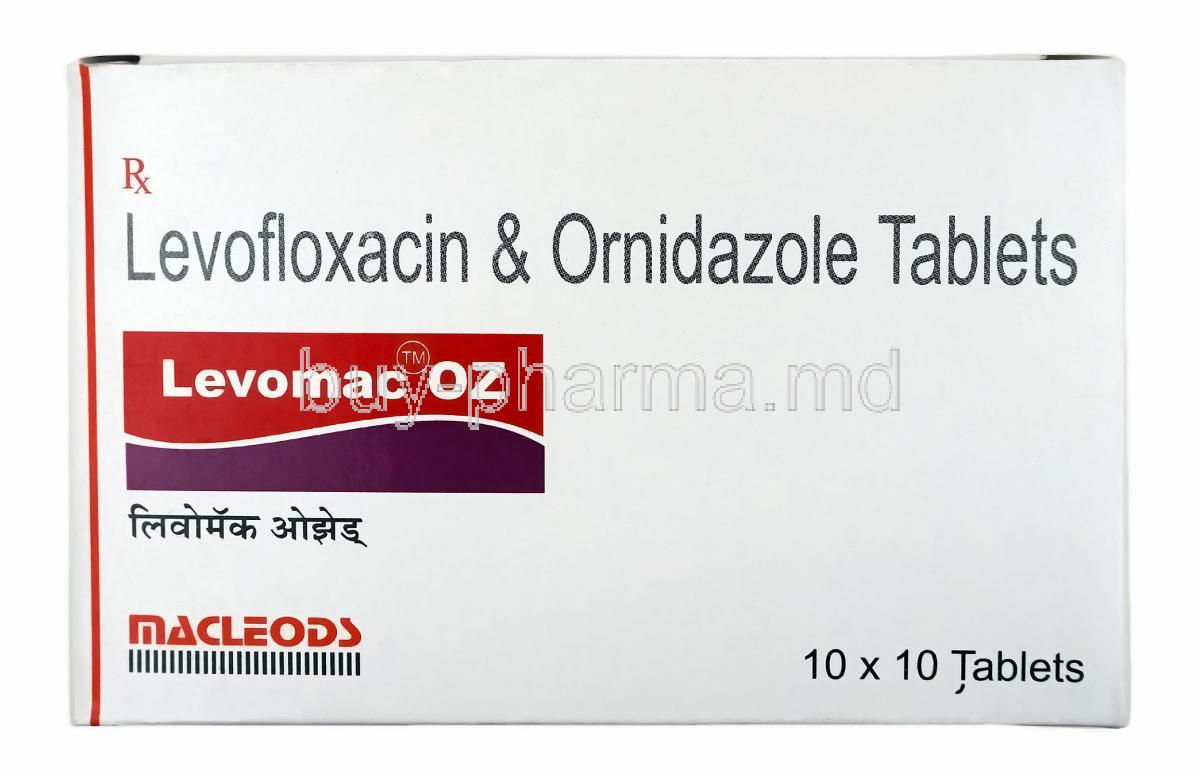
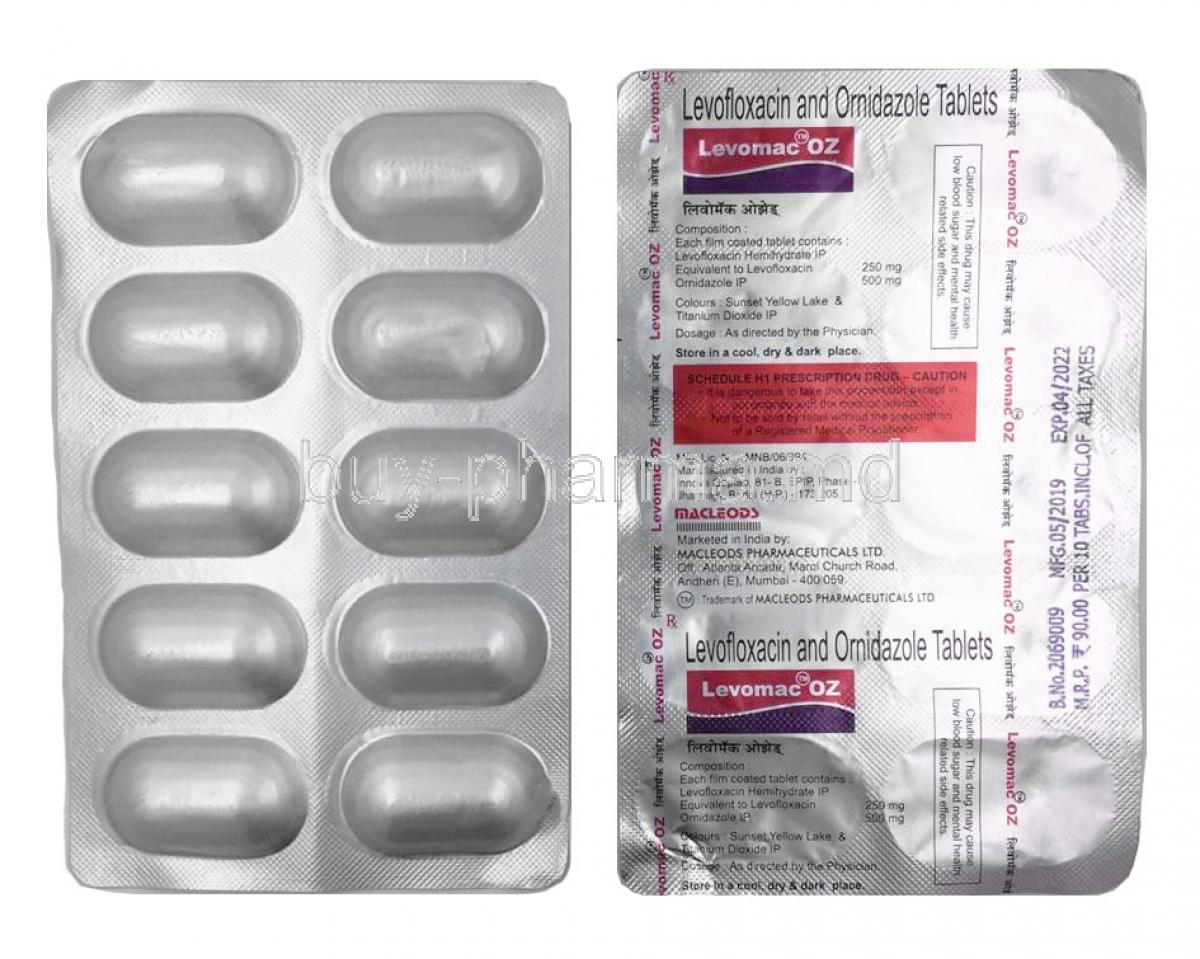
Levomac OZ is commonly available as an oral tablet. Strength variations are designed to balance efficacy with tolerability, allowing standardized dosing across common indications.
Oral administration facilitates ease of use, particularly in ambulatory care and step-down therapy following parenteral treatment.
Role of Excipients and Formulation Considerations
Excipients play a critical role in ensuring uniform drug distribution, tablet integrity, and controlled disintegration. They also support:
- Consistent dissolution profiles
- Protection of active ingredients from degradation
- Acceptable shelf stability under recommended storage conditions
Levofloxacin vs ciprofloxacin
Levofloxacin and ciprofloxacin are both broad-spectrum fluoroquinolone antibiotics with similar efficacy in treating many infections, but they differ in spectrum and dosing. Levofloxacin (often once daily) has stronger activity against Gram-positive bacteria (e.g., pneumonia), while ciprofloxacin (often twice daily) is more potent against Gram-negative bacteria (e.g., severe UTIs)
Amoxicillin vs levofloxacin
Amoxicillin (a penicillin antibiotic) and levofloxacin (a fluoroquinolone) are both highly effective, generic, FDA-approved antibiotics for treating infections like sinusitis, pneumonia, and UTIs, but they differ in dosing and potential risks. Levofloxacin is typically dosed once daily and has a broader spectrum of activity, while amoxicillin usually requires 2-3 times daily dosing
Mechanism of Action (How Levomac OZ Works)
Levomac OZ operates through dual, non-overlapping mechanisms that disrupt microbial survival at multiple biochemical levels. This multifaceted action underpins its effectiveness in mixed infections.
Antibacterial Mechanism of Levofloxacin
Levofloxacin inhibits bacterial DNA gyrase and topoisomerase IV. These enzymes are essential for DNA replication, transcription, and repair.
Inhibition leads to irreversible DNA damage, rapid cessation of bacterial proliferation, and eventual cell death. This bactericidal action is concentration-dependent and clinically robust.
Antiprotozoal and Anaerobic Coverage of Ornidazole
Ornidazole undergoes intracellular reduction within anaerobic organisms and protozoa. The resulting reactive intermediates disrupt DNA structure and inhibit nucleic acid synthesis.
This mechanism is particularly effective in low-oxygen environments, such as the gastrointestinal tract and deep tissue infections.
Synergistic Effect Against Mixed Aerobic–Anaerobic Infections
When combined, levofloxacin and ornidazole provide expansive antimicrobial coverage. Aerobic pathogens are suppressed rapidly, while anaerobes and protozoa are simultaneously eradicated.
This synergy reduces the likelihood of residual infection and lowers the risk of clinical relapse.
Levomac OZ uses
Levomac OZ is indicated for infections where mixed microbial populations are suspected or confirmed. Its use is guided by clinical presentation, epidemiological factors, and diagnostic findings.
Gastrointestinal Infections
Levomac OZ is frequently prescribed for acute infectious diarrhea and dysentery. These conditions often involve a combination of aerobic bacteria and protozoal organisms.
The dual-action profile helps control symptoms rapidly while addressing the underlying pathogens.
Intra-Abdominal Infections
Intra-abdominal infections typically involve polymicrobial flora, including anaerobes. Levomac OZ provides effective coverage for such infections, particularly in mild to moderate cases.
Gynecological and Pelvic Infections
Pelvic infections often involve anaerobic bacteria alongside aerobic pathogens. The combination therapy supports comprehensive microbial eradication and reduces the need for multiple agents.
Urinary Tract Infections with Anaerobic Involvement
While most urinary tract infections are aerobic, complicated cases may involve anaerobic species. Levomac OZ may be selected when such involvement is suspected.
Dental and Oral Infections with Mixed Flora
Oral and dental infections frequently harbor anaerobic organisms. Levomac OZ is used to manage infections where standard monotherapy may be inadequate.
Off-Label Uses and Expanded Clinical Applications
Beyond approved indications, Levomac OZ is utilized in selected off-label contexts based on clinical judgment and microbial risk profiles.
Traveler’s Diarrhea
In regions with high prevalence of mixed bacterial and protozoal pathogens, Levomac OZ may be used for moderate to severe traveler’s diarrhea.
Post-Surgical Prophylaxis in Contaminated Surgeries
In surgeries involving the gastrointestinal tract, prophylactic use may be considered to prevent polymicrobial infections, particularly in contaminated fields.
Mixed Skin and Soft Tissue Infections
Certain skin and soft tissue infections involve both aerobic and anaerobic bacteria. The combination may be employed when broad coverage is clinically justified.
Empirical Therapy for Suspected Polymicrobial Infections
In empirical treatment settings where pathogen identification is pending, Levomac OZ offers wide-spectrum coverage that can be refined once cultures are available.
Dosage and Administration Guidelines
Dosage regimens are determined by infection severity, site, and patient-specific factors. Adherence to prescribed schedules is essential for optimal therapeutic outcomes.
Standard Adult Dosing Regimens
Levomac OZ is typically administered once daily or as directed by a healthcare professional. Fixed dosing simplifies administration and supports consistent plasma levels.
Duration of Therapy Based on Indication
Treatment duration varies according to infection type and clinical response. Short courses may suffice for uncomplicated infections, while more severe cases require extended therapy.
Administration With or Without Food
The medication may be taken with or without food. However, consistent administration relative to meals can help minimize gastrointestinal discomfort.
Importance of Adherence and Completing the Full Course
Incomplete therapy increases the risk of treatment failure and antimicrobial resistance. Patients are advised to complete the full prescribed course, even if symptoms improve early.
Administration to Special Populations
Administration to Elderly Patients
Elderly patients may exhibit altered pharmacokinetics due to age-related physiological changes. Renal function assessment is particularly important prior to initiation.
Age-Related Pharmacokinetic Considerations
Reduced renal clearance can increase systemic exposure to levofloxacin. Dose adjustments may be required to prevent accumulation.
Renal Function Monitoring and Dose Adjustment
Periodic monitoring supports safe use and helps mitigate the risk of adverse effects in older adults.
Administration to Children
Pediatric use of Levomac OZ is limited. Safety and efficacy have not been firmly established across all pediatric age groups.
Pediatric Use Limitations
Fluoroquinolones are generally reserved for specific pediatric indications due to concerns about musculoskeletal effects.
Safety Concerns and Age Restrictions
Use in children should be restricted to cases where benefits clearly outweigh potential risks.
Administration to Pregnant Women and Nursing Mothers
Careful risk–benefit assessment is required before prescribing Levomac OZ during pregnancy or lactation.
Pregnancy Risk Assessment
Fluoroquinolones and nitroimidazoles are generally avoided during pregnancy unless no safer alternatives are available.
Placental Transfer and Fetal Considerations
Both components can cross the placenta, raising concerns regarding fetal exposure.
Use During Lactation and Potential Effects on the Infant
Excretion into breast milk may occur. Temporary discontinuation of breastfeeding may be considered during therapy, depending on clinical circumstances.
Drug Interactions
Levomac OZ exhibits clinically relevant interactions due to the pharmacokinetic and pharmacodynamic properties of its components. A comprehensive medication review is essential prior to initiation, particularly in patients receiving multiple therapies.
Interactions with Antacids, Iron, and Calcium Supplements
Levofloxacin chelates with polyvalent cations present in antacids and mineral supplements. This interaction significantly reduces gastrointestinal absorption.
- Aluminum- or magnesium-containing antacids may impair efficacy
- Iron and calcium supplements decrease systemic bioavailability
- Administration should be separated by several hours
Concomitant Use with NSAIDs and CNS-Active Drugs
Nonsteroidal anti-inflammatory drugs and centrally acting agents may potentiate central nervous system stimulation. This combination can increase the likelihood of neurological adverse reactions.
Caution is advised in patients with pre-existing neurological conditions or heightened seizure susceptibility.
Interaction with Anticoagulants and QT-Prolonging Agents
Levofloxacin may enhance the anticoagulant effect of vitamin K antagonists, necessitating close monitoring. Concomitant use with QT-prolonging drugs can amplify the risk of cardiac arrhythmias.
- Monitor coagulation parameters when used with anticoagulants
- Avoid combinations with known QT-prolonging agents when possible
Alcohol Interaction Considerations
Ornidazole may induce disulfiram-like reactions when combined with alcohol. Symptoms may include flushing, nausea, tachycardia, and general discomfort.
Alcohol consumption should be avoided during therapy and for a period after completion.
Side Effects Overview
Levomac OZ is generally well tolerated when used appropriately. Most adverse effects are mild to moderate and reversible upon discontinuation.
General Tolerability Profile
The majority of patients experience minimal discomfort. Adverse events are more likely during prolonged therapy or in susceptible populations.
Dose-Related Versus Idiosyncratic Reactions
Dose-related reactions correlate with plasma concentrations and cumulative exposure. Idiosyncratic reactions are unpredictable and may occur irrespective of dosage.
Common Side Effects
Common adverse effects typically involve the gastrointestinal and central nervous systems. They are often transient and self-limiting.
Gastrointestinal Disturbances
- Nausea
- Abdominal discomfort
- Diarrhea
Maintaining adequate hydration and taking the medication consistently may mitigate these effects.
Headache and Dizziness
Mild headaches and dizziness have been reported. These effects generally resolve without intervention.
Metallic Taste and Mild CNS Effects
A transient metallic taste is characteristic of nitroimidazole derivatives. Mild restlessness or sleep disturbances may also occur.
Less Common and Serious Adverse Effects
Although infrequent, serious adverse reactions require immediate clinical attention.
Tendinopathy and Tendon Rupture Risk
Fluoroquinolones are associated with tendon inflammation and rupture, particularly in the elderly. The Achilles tendon is most commonly affected.
Peripheral Neuropathy
Sensory disturbances such as tingling or numbness may develop. Symptoms can be persistent and warrant prompt discontinuation.
QT Interval Prolongation and Cardiac Effects
Electrophysiological changes may occur in predisposed individuals. Monitoring is advised in patients with underlying cardiac conditions.
Hypersensitivity and Dermatologic Reactions
Rashes, pruritus, and photosensitivity reactions have been reported. Severe hypersensitivity reactions are rare but potentially serious.
Warnings and Safety Information
Specific safety warnings apply due to the pharmacological class of the active ingredients.
Risk of Fluoroquinolone-Associated Adverse Effects
Fluoroquinolones carry class warnings related to musculoskeletal and neurological toxicity. Their use should be reserved for situations where benefits clearly outweigh risks.
Central Nervous System Warnings
CNS stimulation, confusion, and mood changes may occur. Patients should be advised to report unusual neurological symptoms promptly.
Hepatic and Renal Safety Considerations
Both components undergo hepatic metabolism and renal excretion. Baseline assessment and periodic monitoring are recommended in at-risk individuals.
Contraindications
Levomac OZ is contraindicated in specific clinical scenarios where safety cannot be assured.
Known Hypersensitivity to Fluoroquinolones or Nitroimidazoles
A history of allergic reactions to either class precludes use.
History of Tendon Disorders Related to Quinolones
Previous tendon injury associated with quinolone therapy is a strict contraindication.
Severe Hepatic Impairment
Marked liver dysfunction may lead to drug accumulation and toxicity.
Concomitant Use with Contraindicated Medications
Use alongside certain interacting drugs may result in unacceptable safety risks.
Careful Administration and Important Precautions
Individualized assessment enhances therapeutic safety and efficacy.
Use in Patients with Renal or Hepatic Dysfunction
Dose adjustments and enhanced monitoring are often necessary. Renal clearance plays a critical role in levofloxacin elimination.
Monitoring During Prolonged Therapy
Extended courses require periodic evaluation of renal, hepatic, and neurological status.
Avoidance of Unnecessary Antimicrobial Use
Judicious prescribing helps limit antimicrobial resistance and preserves drug utility.
Considerations in Patients with Seizure Disorders
Lower seizure thresholds may be exacerbated. Careful risk–benefit assessment is advised.
Overdosage and Emergency Management
Overdose may result in amplified adverse effects, particularly neurological and gastrointestinal symptoms.
Clinical Features of Overdose
- Severe dizziness or confusion
- Nausea and vomiting
- Cardiac rhythm disturbances
Immediate Management and Supportive Care
Treatment is primarily supportive. Vital signs and cardiac rhythm should be closely monitored.
Lack of Specific Antidote
No specific antidote exists. Symptomatic management remains the cornerstone of care.
Storage and Stability
Proper storage preserves drug potency and ensures therapeutic reliability.
Recommended Storage Conditions
Store at controlled room temperature in a dry environment.
Protection from Moisture and Light
Exposure to excessive moisture or direct light may compromise stability.
Shelf Life and Handling After Opening
Observe expiration dates and avoid use beyond the recommended shelf life.
Handling Precautions and Patient Counseling
Effective counseling enhances treatment adherence and safety.
Safe Handling and Dispensing Practices
Tablets should be handled with clean, dry hands and stored securely.
Patient Education on Adherence and Side Effects
Patients should be informed about the importance of completing therapy and recognizing adverse reactions early.
Guidance on Missed Doses and Therapy Discontinuation
Missed doses should be taken as soon as remembered unless it is near the next scheduled dose. Abrupt discontinuation without medical advice is discouraged.
Levomac OZ, Levofloxacin/ Ornidazole FAQ
- What is Levomac Oz used for?
- What is levofloxacin 250 mg and Ornidazole 500 mg used for?
- What is levofloxacin and ornidazole used for?
- Is ornidazole a strong antibiotic?
- Is levofloxacin used for diarrhea?
- Is ornidazole safe for kidneys?
- What kind of infection does levofloxacin cure?
- What should you avoid while taking levofloxacin?
- What are the most serious side effects of levofloxacin?
- What to avoid when taking ornidazole?
- How quickly does ornidazole work?
- What are the side effects of levofloxacin and Ornidazole?
- Which bacteria is killed by levofloxacin?
- How many days should you take ornidazole?
- How quickly does levofloxacin work?
- Can levofloxacin make you tired?
- Can I eat fish while taking levofloxacin?
- Is levofloxacin a strong antibiotic?
- Can levofloxacin damage the heart?
- What is the best time to take ornidazole?
- How long does ornidazole stay in your system?
What is Levomac Oz used for?
Levomac OZ is used in the treatment of diarrhea and dysentery.
What is levofloxacin 250 mg and Ornidazole 500 mg used for?
It is used in the treatment of diarrhea and dysentery.
What is levofloxacin and ornidazole used for?
It is used in the treatment of diarrhea and dysentery.
Is ornidazole a strong antibiotic?
Yes
Is levofloxacin used for diarrhea?
Yes
Is ornidazole safe for kidneys?
Yes
What kind of infection does levofloxacin cure?
- nosocomial pneumonia
- community-acquired pneumonia
- acute bacterial rhinosinusitis
- acute bacterial exacerbation of chronic bronchitis
- acute bacterial prostatitis
- acute pyelonephritis
- urinary tract infection
- skin or skin structure infection
- prophylaxis
What should you avoid while taking levofloxacin?
- Dairy products
- Antacids
- Sulcrafate
What are the most serious side effects of levofloxacin?
Liver disease
What to avoid when taking ornidazole?
- Blood thinners like warfarin
- Muscle relaxant like vecuromium bromide
How quickly does ornidazole work?
Within 1-2 hours
What are the side effects of levofloxacin and Ornidazole?
- Rashes
- Nausea
- Headache
- Vomiting
- Insomnia
Which bacteria is killed by levofloxacin?
Gram positive and negative bacteria
How many days should you take ornidazole?
5-10 days
How quickly does levofloxacin work?
1-2 hours
Can levofloxacin make you tired?
Yes
Can I eat fish while taking levofloxacin?
Yes
Is levofloxacin a strong antibiotic?
Yes
Can levofloxacin damage the heart?
Yes
What is the best time to take ornidazole?
After meals
How long does ornidazole stay in your system?
12 hours
Popular Products
Similar Product