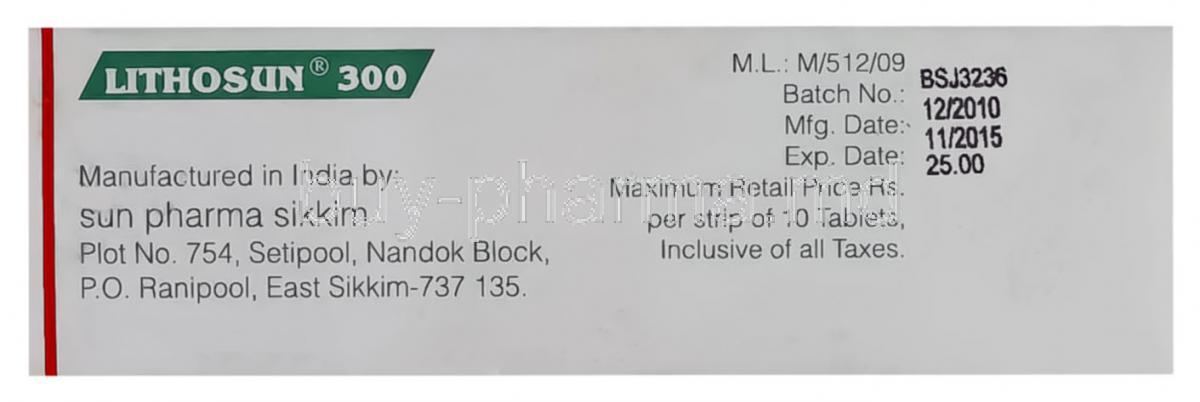
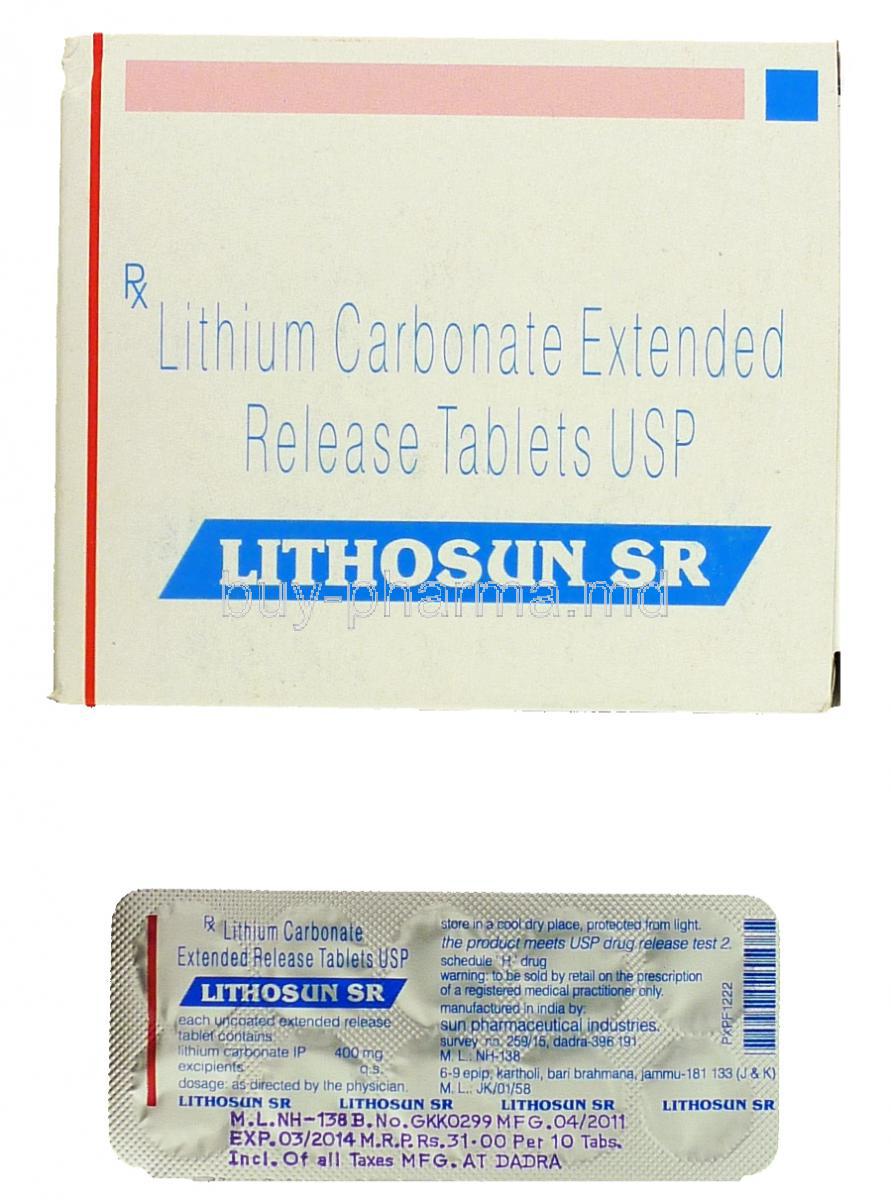
Introduction to Lithosun (Lithium Carbonate)
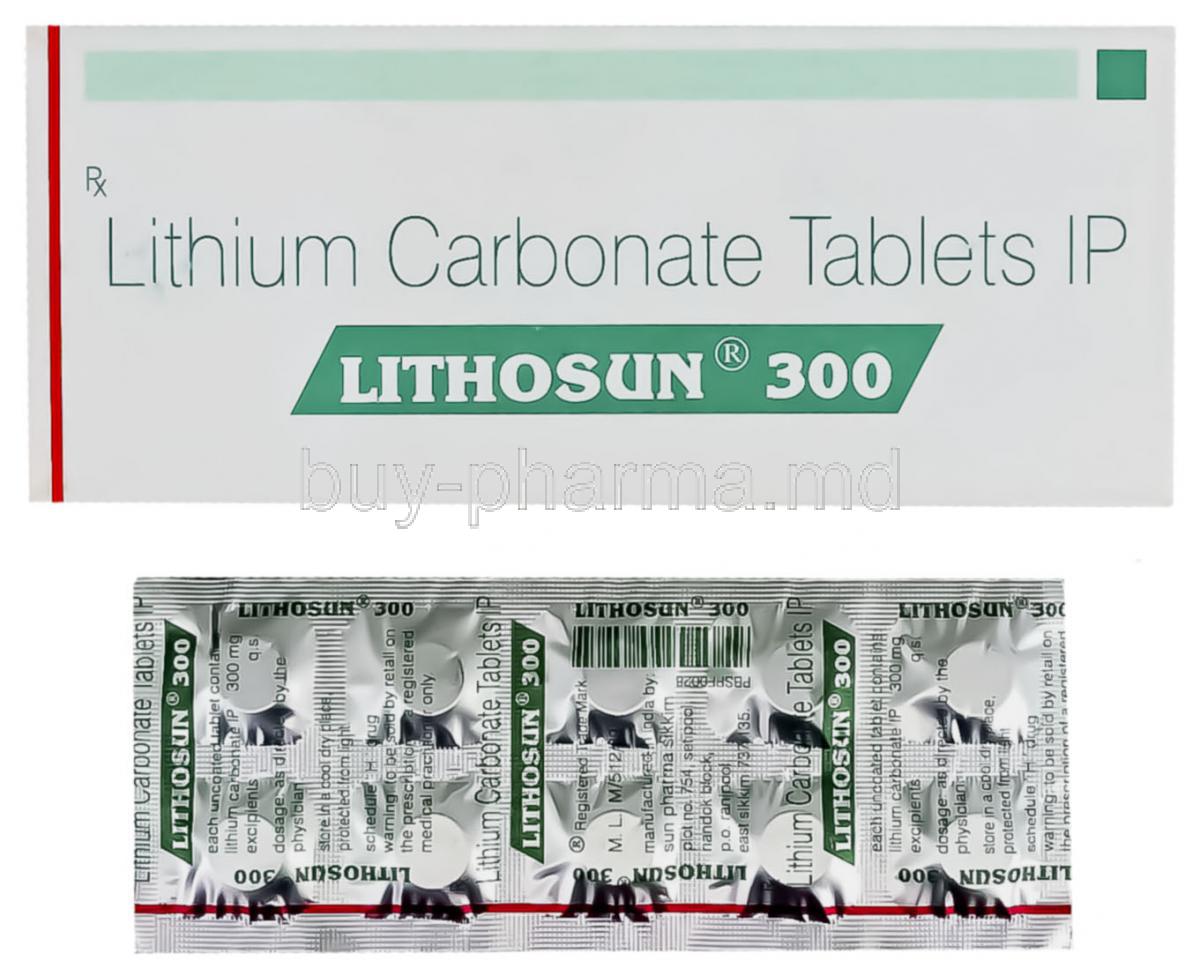
Lithosun Lithium Carbonate has been a cornerstone in advanced psychiatric pharmacotherapy for decades. It represents a small ionic compound with surprisingly immense clinical impact. Short cycles of mood lability may transform into sustained equilibrium when this agent is implemented under disciplined medical oversight.
Overview of lithium salts in modern psychiatry
Lithium salts are distinct from other psychotropics. They are not classified purely as sedatives or antipsychotics. They are ion-based mood stabilizers with long historical and empirical validity.
- Evidence base established across multiple international trials
- Persistent utility in recurrent mood disorders
- Robust impact on relapse prevention
Role of Lithosun in stabilizing mood dysregulation
Volatile emotional oscillations are a hallmark of bipolar pathology. Lithosun supports modulation of manic hyperactivity, as well as depressive lethargy, targeting the destabilizing amplitude of mood cycles.
Clinical relevance in chronic psychiatric management
The compound is essential in long-term mood prophylaxis. It supports improved interpersonal functioning over extended timelines and reduces psychopathological recurrence.
Composition and Pharmaceutical Characteristics
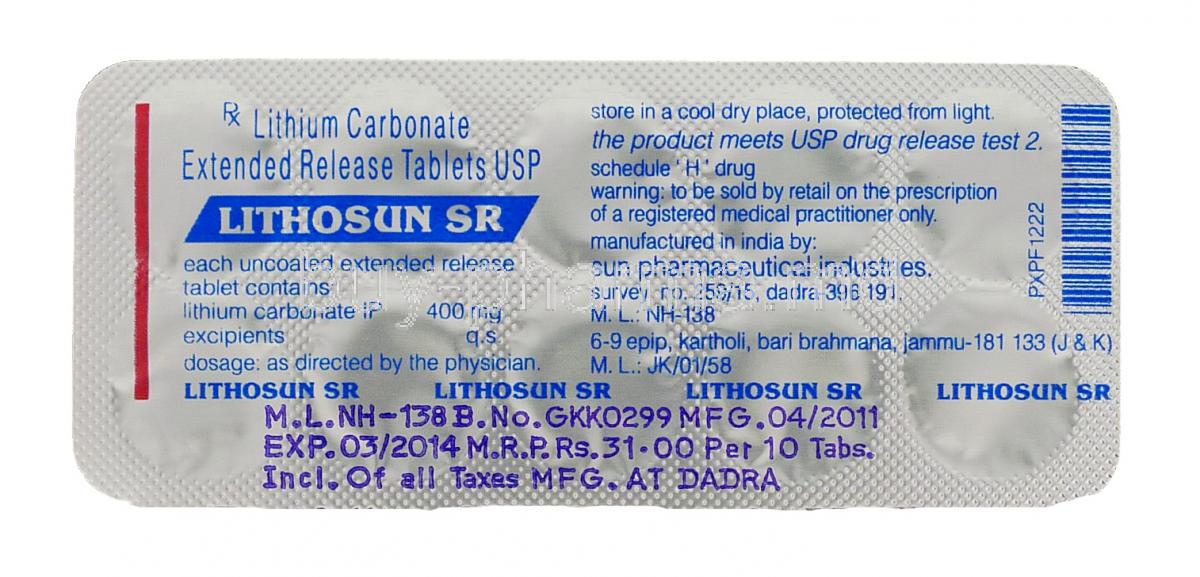
Active ingredient: lithium carbonate salt forms
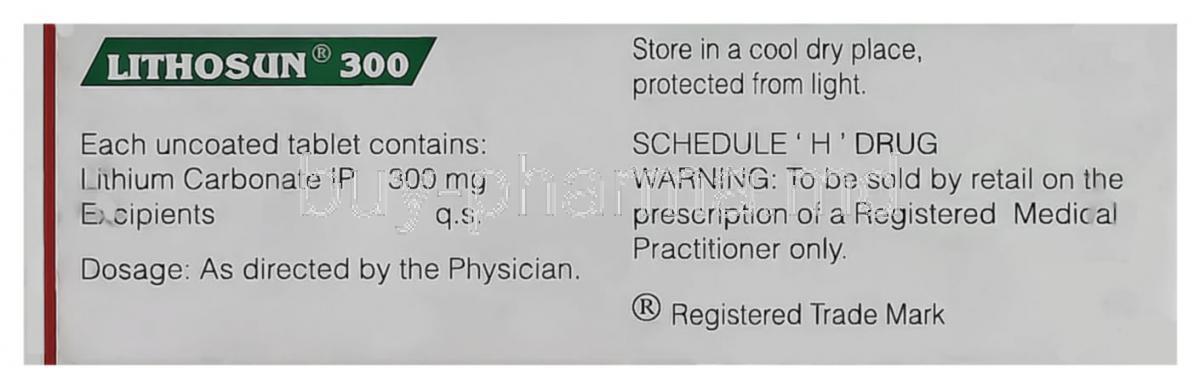
Lithosun contains lithium carbonate, an alkaline metal salt. Its ionic form influences intracellular signalling cascades.
Tablet strengths and available dosage formulations
Lithosun may be dispensed in multiple strengths to facilitate individualized dose titration. Adjustments are patient-specific.
Excipients and tablet coatings for sustained bioavailability
Pharmaceutical excipients assist disintegration, dissolution and stable transit through the gastrointestinal tract. Some formulations incorporate coatings that facilitate gradual release.
Approved Uses and Therapeutic Indications
Management of acute bipolar mania
Lithosun may attenuate manic acceleration, irritability and pressured behavior.
Long-term maintenance therapy in Bipolar Disorder to prevent mood swings
Maintenance therapy reduces relapse cycles and hospitalisation risk.
Reduction in suicidal behaviour risk in recurrent mood disorders
Lithium carbonate is associated with reduced suicidality in longitudinal patient cohorts.
Off-Label Uses and Investigational Applications
Adjunct therapy in major depressive disorder resistant to standard antidepressants
Lithium augmentation may potentiate antidepressant response in treatment-resistant depression.
Adjunct treatment in schizoaffective disorder
Lithosun can complement antipsychotic regimens in specific clinical frameworks.
Anti-suicide prophylaxis in high-risk patients independent of primary diagnosis
A rare pharmaco-protective role is observed in mortality risk mitigation.
Cluster headache prophylaxis
Lithium carbonate has utility in chronic cluster headache prevention.
Intermittent aggressive behavior management in select neurological conditions
In specialty settings it can modulate impulsive dyscontrol patterns.
Mechanism of Action and Mood-Stabilizing Effect
Neurotransmitter modulation: serotonin, dopamine, norepinephrine
Lithium ions modulate monoaminergic tone across synaptic pathways.
Inhibition of inositol monophosphatase (IMPase) and intracellular signalling modification
Lithium affects phosphatidylinositol recycling, altering second-messenger cascades.
Neuroprotective and neurotrophic effects linked to lithium ions
Neuronal survival and plasticity appear enhanced in chronic exposure environments.
Stabilisation of neuronal firing and limbic system regulation
This stabilisation curbs extreme neural excitability.
Dosage and Administration Guidance
Titration schedule for acute mania
Initial doses may be escalated in measured increments under supervision.
Maintenance dose adjustment based on serum lithium levels
Serum concentration therapeutic window is narrow. Testing is mandatory.
Recommended administration timing relative to meals
Lithosun is usually consumed with meals to improve gastrointestinal tolerability.
Role of therapeutic drug monitoring and serum lithium checks
Routine laboratory monitoring is central to safe practice.
Factors affecting dosing adjustments: renal function, sodium intake, dehydration risk
Renal efficiency and sodium balance can drastically influence plasma levels. Heat exposure and dehydration magnify risk.
Administration in Special Populations
Administration to elderly: dose reduction, serum monitoring frequency
Elderly patients require more conservative dosing and closely spaced monitoring intervals.
Administration to pregnant women and nursing mothers: fetal/neonatal exposure risks, trimester-based considerations, postpartum guidance
Lithium is associated with fetal cardiac malformations. Postpartum fluctuations also demand vigilance.
Administration to children and adolescents: indications, age-based precautions, evidence limitations
Paediatric safety data is less extensive. Doses remain highly individualized.
Side Effects Overview
Overview of dose-related toxicity and narrow therapeutic index
Small deviations above therapeutic range may precipitate toxicity.
Symptoms linked to early toxicity vs chronic toxicity
Early toxicity often manifests with tremor and gastrointestinal upset. Chronic toxicity may lead to renal alterations.
Common Side Effects of Lithosun
Tremor and neuromuscular effects
Fine hand tremor is frequently reported.
Gastrointestinal upset (nausea, diarrhoea)
Gastrointestinal irritation may appear early in therapy.
Polydipsia and polyuria linked to renal concentrating defects
Increased thirst and urination are common.
Weight gain and metabolic changes
Lithium may subtly influence appetite and metabolism.
Dermatologic effects (acne, psoriasis worsening)
Lithium may intensify inflammatory dermatologic activity.
Serious Adverse Reactions and Long-Term Risks
Lithium-induced nephrogenic diabetes insipidus
Reduced concentrating capacity of renal tubules may emerge.
Renal function impairment and chronic kidney injury
Periodic renal panels are required to detect long-term change.
Thyroid dysfunction including hypothyroidism
Thyroid hormone imbalance may appear over time.
Hyperparathyroidism and calcium metabolism abnormalities
Calcium homeostasis may be altered.
Cardiac conduction abnormalities
ECG anomalies such as T-wave inversion may appear in toxicity.
Drug Interactions and Risk-Increasing Co-Therapies
NSAIDs and renal clearance reduction
NSAIDs may impede renal elimination of lithium.
Diuretics (especially thiazides) and increased lithium retention
Diuretics-induced volume changes frequently elevate serum levels.
ACE inhibitors/ARBs and serum lithium elevation
These antihypertensives may cause plasma accumulation.
Interaction with serotonergic agents and serotonin syndrome risk
Combination requires strong caution.
Sodium balance altering drugs and plasma concentration effect
Shifts in sodium intake can change lithium pharmacokinetics.
Contraindications
Severe renal impairment
Lithosun is contraindicated in advanced renal failure.
Untreated hypothyroidism or hyperparathyroidism
Endocrine anomalies must be corrected before initiation.
Known hypersensitivity to lithium salts
True allergic reactivity is rare, but possible.
Severe cardiovascular disease compromising renal perfusion
Lithium pharmacodynamics rely heavily on adequate renal perfusion.
Warnings and Important Precautions
Lithium therapy is highly individualized and requires meticulous biochemical oversight. Short deviations in serum concentrations can rapidly precipitate toxicity. Therefore, adherence to risk mitigation protocols is not simply advisory — it is mandatory.
Need for regular serum lithium level monitoring
Serum lithium must be measured at defined intervals to safeguard therapeutic equilibrium.
- Baseline levels before initiation
- Post-dose adjustment checks
- Periodic intervals during maintenance therapy
Dehydration and sodium restriction risk enhancement
Restriction of dietary sodium or sudden dehydration can sharply elevate serum lithium levels. This scenario frequently occurs during gastrointestinal upsets or restrictive dieting.
Heat exposure, excessive sweating and toxicity potential
Lithium excretion is intimately dependent on sodium-fluid dynamics. Heat stress amplifies fluid loss. Electrolyte derangements and lithium retention can escalate dangerously in such environments.
Alcohol intake and CNS depressive potentiation
Alcohol may worsen:
- Impaired motor function
- Judgement suppression
- Sedation effects
The combination of ethanol ingestion and lithium may synergistically affect neurocognitive faculties.
Monitoring frequency during periods of intercurrent illness
Acute illness — especially vomiting, diarrhoea or fever — disrupts fluid balance. Serum monitoring should be increased during such episodes to preempt lithium accumulation.
Careful Administration Conditions
Lithium should not be regarded as a “one-size fits all” treatment. Individual physiology demands dose discretion.
Renal impairment requiring dose modification
Reduced glomerular filtration directly slows lithium clearance. Dose reduction or extended dosing intervals may be necessary.
Thyroid disorders requiring periodic endocrine function testing
Lithium can perturb thyroid physiology. Periodic TSH and thyroid hormone evaluation is recommended, especially in susceptible individuals.
Patients predisposed to electrolyte imbalance
Patients with cystic fibrosis, chronic diarrhoea or diuretic therapy face elevated lithium fluctuation risk.
Concomitant psychotropic polytherapy
Coadministration of multiple psychotropics may intensify neurotoxicity risk thresholds.
Overdosage and Toxicity Emergency Management
Toxicity can progress abruptly. Prompt recognition is essential.
Early signs of intoxication (coarse tremor, vomiting, slurred speech)
Initial lithium overload often manifests neuromuscular fluctuation and gastrointestinal upset.
Severe toxicity signs (seizure, ataxia, coma)
Neurocatastrophic manifestations — such as seizures, gait collapse, and coma — denote advanced toxicity.
Emergency treatment including IV fluids, sodium correction and haemodialysis indications
- Immediate cessation of lithium
- Isotonic intravenous fluid enhancement
- Consideration of haemodialysis for critically elevated levels
Handling Precautions and Patient Counselling
Tablet handling, splitting restrictions, swallowing safety
Unless designed for division, tablets should not be split. They are intended for direct swallowing without crushing.
Importance of maintaining adequate hydration and salt intake
A steady salt intake and stable hydration pattern supports lithium pharmacokinetic consistency.
Proper procedure during missed dose episodes
If a dose is missed, it should not be doubled. Delayed administration must follow medical guidance.
Storage and Stability Guidance
Recommended temperature conditions
Lithium carbonate tablets should be stored at controlled ambient temperature — typically below 25°C.
Light, moisture and child-safe storage instructions
Protect from humidity and direct sun exposure. Ensure storage areas are inaccessible to children.
Shelf-life and expiry handling
Expired tablets should be discarded properly. Lithium degradation risk underscores the importance of expiration adherence.
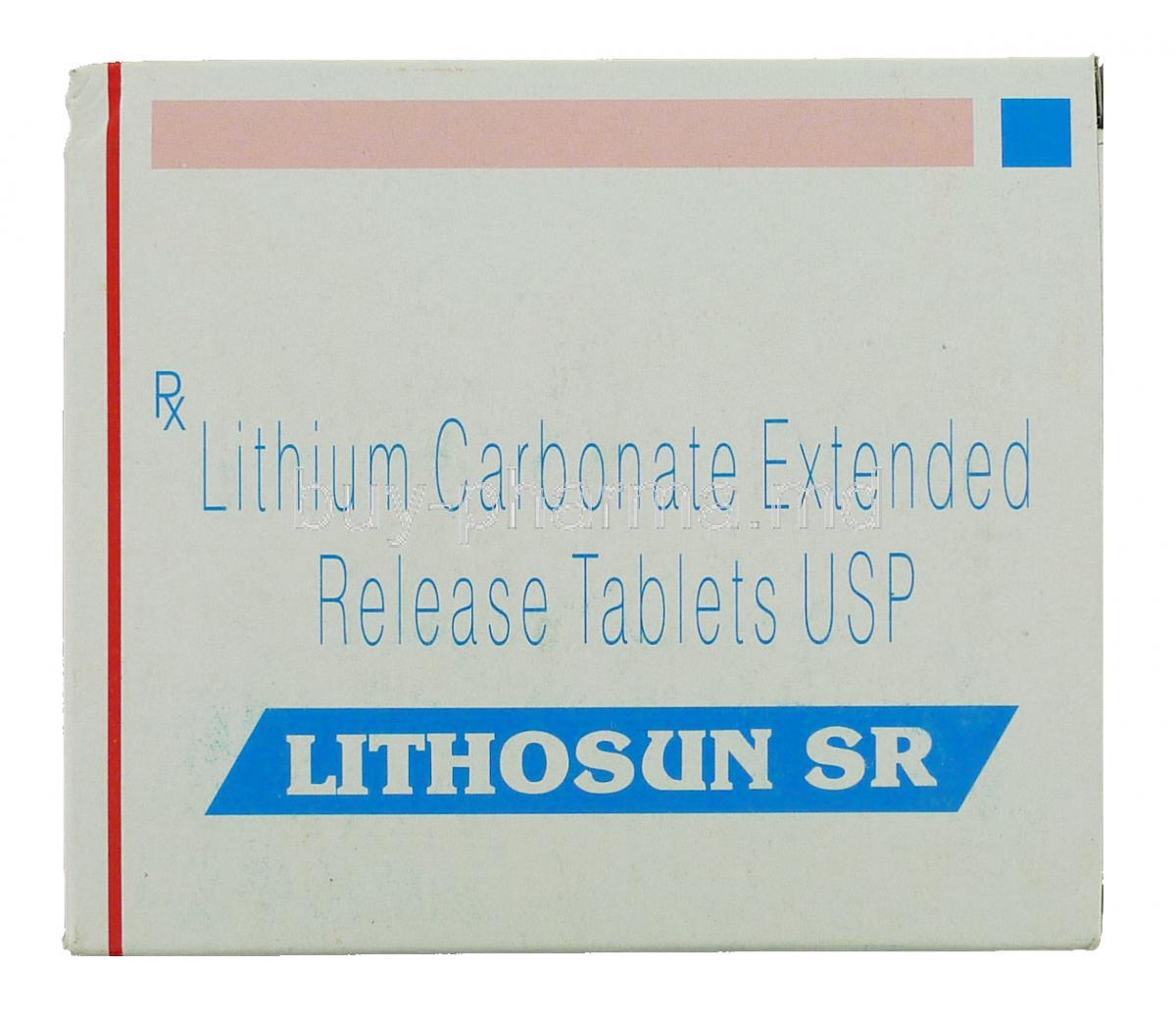
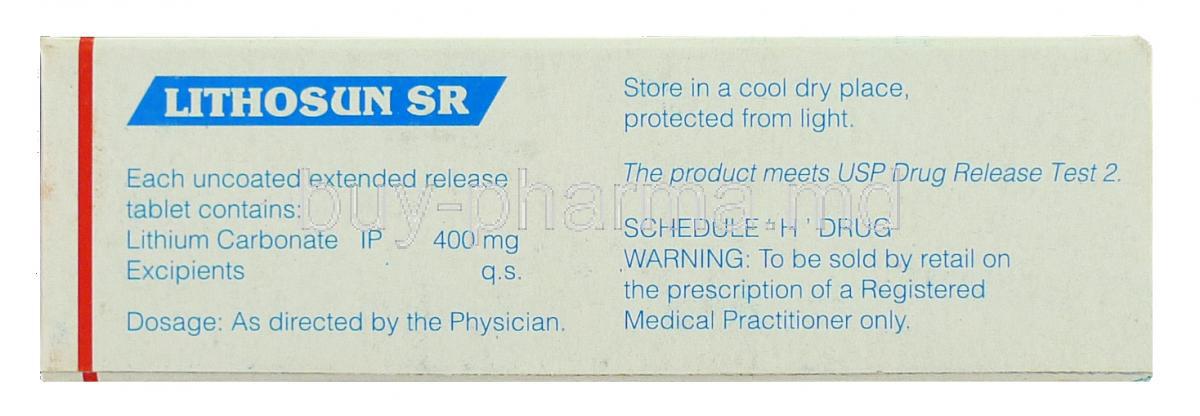
 Verified Purchase
You get what you order
I have never received a product that didn’t meet or exceed my expectation. Brand name drugs are available for only a nominal increase over generic.
Customers also bought
Popular Products
Similar Product