
1. Introduction to Marbomet Injection (Marbofloxacin)
1.1 Overview of Marbofloxacin as a Fluoroquinolone Antibiotic
Marbomet Injection contains marbofloxacin, a third-generation fluoroquinolone antimicrobial agent widely utilized in veterinary medicine. This class of antibiotics is renowned for its potent bactericidal properties and broad-spectrum efficacy. Marbofloxacin exhibits high bioavailability and tissue penetration, making it particularly suitable for systemic infections.
- Belongs to fluoroquinolone class
- Exhibits concentration-dependent killing
- Effective against a wide range of pathogens
1.2 Veterinary Indications and Clinical Relevance
The clinical application of marbofloxacin spans multiple infectious conditions in companion animals and livestock. It is frequently prescribed for infections where rapid bacterial eradication is critical. Its reliability in treating resistant organisms enhances its clinical significance.
1.3 Spectrum of Activity Against Gram-Positive and Gram-Negative Bacteria
Marbofloxacin demonstrates activity against both Gram-positive and Gram-negative bacteria. It is particularly efficacious against organisms such as Escherichia coli, Pasteurella multocida, and Staphylococcus spp.. Its ability to penetrate intracellular compartments further broadens its antimicrobial reach.
1.4 Formulation and Injectable Advantages
The injectable formulation ensures rapid systemic absorption and consistent plasma concentrations. This route is advantageous in cases where oral administration is impractical or contraindicated.
- Rapid onset of action
- Improved compliance in uncooperative animals
- Suitable for severe infections
2. Composition and Pharmaceutical Form
2.1 Active Ingredient: Marbofloxacin Concentration and Strength
The primary active component is marbofloxacin, typically available in defined concentrations suitable for veterinary dosing. The precise strength ensures therapeutic efficacy while minimizing toxicity.
2.2 Excipients and Stabilizing Agents
Formulations include excipients that maintain chemical stability, sterility, and isotonicity. These inactive components play a crucial role in preserving the drug’s integrity.
2.3 Injectable Solution Characteristics and pH Range
The solution is clear, sterile, and formulated within an optimal pH range to enhance compatibility and minimize irritation at the injection site.
2.4 Packaging Types and Available Dosage Forms
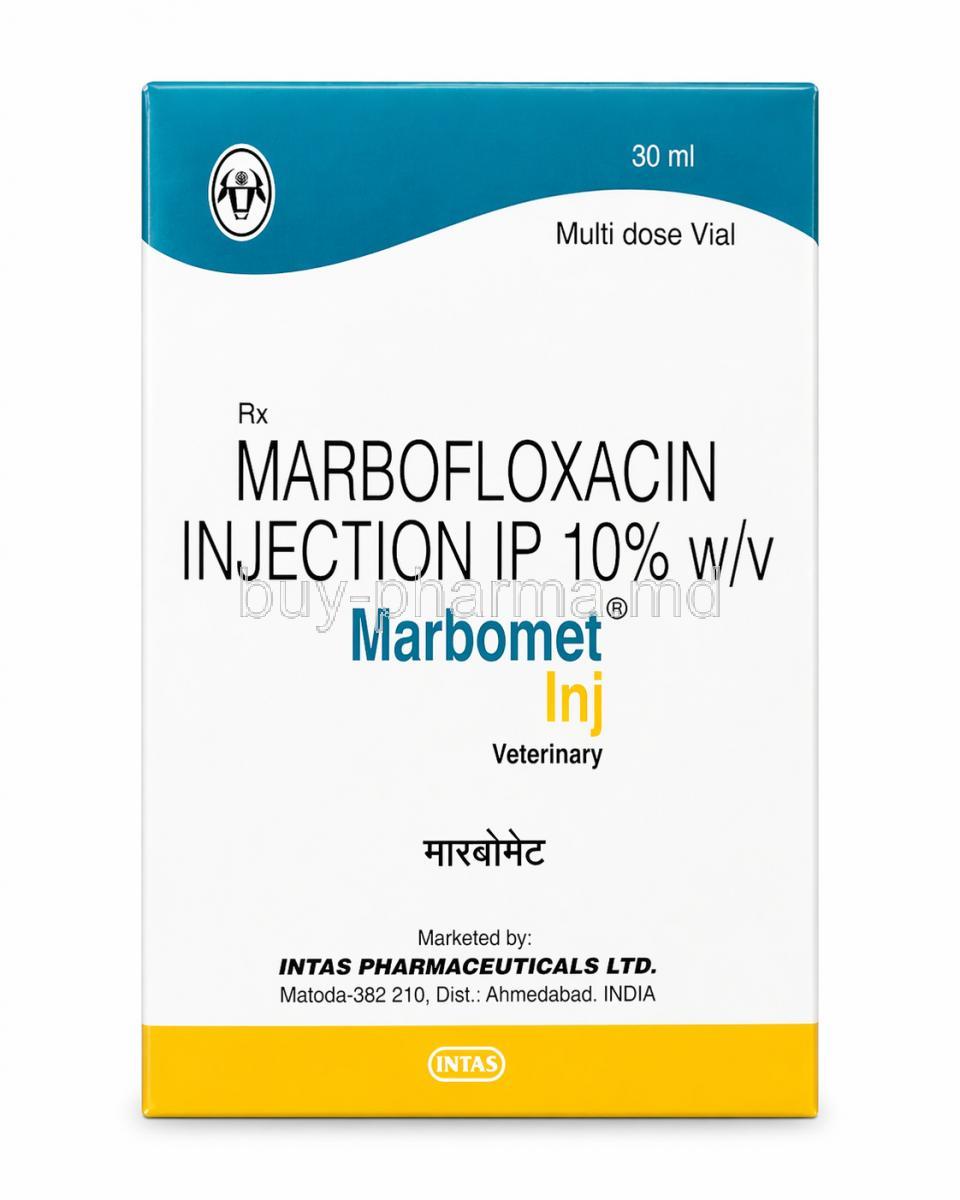
Marbomet Injection is commonly supplied in multi-dose vials, designed for ease of administration and extended use in clinical settings.
3. Mechanism of Action: How Marbofloxacin Works
3.1 Inhibition of Bacterial DNA Gyrase and Topoisomerase IV
Marbofloxacin exerts its antibacterial effect by inhibiting DNA gyrase and topoisomerase IV, enzymes essential for bacterial DNA replication and transcription.
3.2 Bactericidal Activity and Rapid Microbial Killing
The drug induces rapid bacterial cell death rather than merely inhibiting growth. This bactericidal nature is particularly valuable in acute infections.
3.3 Pharmacodynamics: Concentration-Dependent Killing
Its efficacy correlates with peak plasma concentrations. Higher drug levels result in more pronounced bacterial eradication.
3.4 Resistance Mechanisms and Clinical Implications
Resistance may develop through mutations in target enzymes or efflux pump mechanisms. Judicious use is therefore essential to preserve its effectiveness.
4. Approved Uses of Marbomet Injection
4.1 Treatment of Skin and Soft Tissue Infections in Animals
Marbofloxacin is frequently used to treat dermatological infections, including pyoderma and abscesses. It penetrates skin tissues effectively, ensuring optimal therapeutic outcomes.
4.2 Respiratory Tract Infections (Bacterial Pneumonia, Bronchitis)
It is indicated for lower respiratory tract infections caused by susceptible organisms. Its pharmacokinetic profile supports high lung tissue concentrations.
4.3 Urinary Tract Infections (UTIs)
Marbofloxacin achieves high urinary excretion, making it suitable for treating bacterial cystitis and related conditions.
4.4 Gastrointestinal Infections Caused by Susceptible Organisms
It may be used in cases of bacterial enteritis where pathogens are sensitive to fluoroquinolones.
4.5 Wound Infections and Abscess Management
The drug aids in controlling infection in traumatic wounds and surgical sites, reducing the risk of systemic spread.
5. Expanded and Off-Label Uses of Marbofloxacin
5.1 Treatment of Otitis (Ear Infections) in Companion Animals
Marbofloxacin is sometimes employed in managing bacterial otitis, particularly when resistant organisms are involved.
5.2 Management of Reproductive Tract Infections
It may be utilized in infections affecting the uterus or reproductive organs, especially in severe or refractory cases.
5.3 Use in Septicemia and Systemic Infections
Due to its systemic distribution, marbofloxacin can be used in life-threatening bloodstream infections.
5.4 Dental and Oral Infections in Veterinary Practice
Dental abscesses and oral infections may benefit from its antimicrobial activity.
5.5 Use in Exotic and Non-Standard Animal Species
Veterinarians may prescribe marbofloxacin for exotic animals where limited alternatives exist.
5.6 Combination Therapy in Resistant Bacterial Infections
In complex infections, it may be combined with other antimicrobials to enhance efficacy.
6. Dosage and Administration Guidelines
6.1 Recommended Dosage by Species (Dogs, Cats, Livestock)
Dosage varies depending on species, weight, and severity of infection. Veterinary guidance is essential for accurate dosing.
6.2 Intramuscular vs Subcutaneous Administration Techniques
The injection may be administered intramuscularly or subcutaneously. Proper technique ensures optimal absorption and minimizes complications.
6.3 Duration of Therapy Based on Infection Severity
Treatment duration depends on clinical response and infection type. Short courses may suffice for mild infections, whereas severe cases require prolonged therapy.
6.4 Dose Adjustments in Renal or Hepatic Impairment
Animals with organ dysfunction may require dosage modifications to prevent accumulation and toxicity.
6.5 Missed Dose and Compliance Considerations
Consistency in dosing is critical. Missed doses should be addressed promptly to maintain therapeutic levels.
7. Storage and Stability Requirements
7.1 Recommended Storage Temperature and Conditions
The product should be stored at controlled room temperature, away from extreme heat or cold.
7.2 Protection from Light and Moisture
Exposure to light and humidity can degrade the formulation, reducing its potency.
7.3 Shelf Life and Expiry Considerations
Use within the indicated expiry period to ensure safety and effectiveness.
7.4 Handling After Opening and Multi-Dose Vial Use
Once opened, proper aseptic handling is essential to prevent contamination.
8. Drug Interactions and Compatibility
8.1 Interaction with Other Antibiotics (Synergistic or Antagonistic Effects)
Marbofloxacin may exhibit synergistic or antagonistic interactions with other antimicrobial agents.
8.2 Effects of NSAIDs on Central Nervous System Risk
Concurrent use with NSAIDs may increase the risk of neurological adverse effects.
8.3 Interaction with Antacids and Mineral Supplements
Mineral ions may interfere with fluoroquinolone activity, although this is less relevant for injectable forms.
8.4 Compatibility with Intravenous Fluids and Other Injectables
Compatibility should be verified before co-administration with other injectable agents.
9. Side Effects of Marbomet Injection
9.1 Overview of Adverse Drug Reactions
Adverse reactions are generally uncommon but may occur depending on dosage and individual sensitivity.
9.2 Gastrointestinal Disturbances (Vomiting, Diarrhea)
Digestive upset may manifest, particularly in sensitive animals.
9.3 Injection Site Reactions (Pain, Swelling)
Localized irritation can occur following administration.
9.4 Neurological Effects (Tremors, Seizures in Rare Cases)
Rare neurological manifestations have been reported, especially in predisposed animals.
9.5 Hypersensitivity and Allergic Reactions
Allergic responses may include skin reactions or systemic symptoms.
10. Common Side Effects Observed in Clinical Practice
10.1 Mild Gastrointestinal Upset
Transient nausea or diarrhea may occur but typically resolves without intervention.
10.2 Temporary Lethargy or Reduced Appetite
Some animals may exhibit mild behavioral changes during treatment.
10.3 Localized Injection Site Discomfort
Pain or tenderness at the injection site is usually short-lived.
10.4 Transient Behavioral Changes
Temporary alterations in activity levels may be observed, often resolving spontaneously.
11. Warnings and Safety Considerations
11.1 Risk of Cartilage Damage in Growing Animals
Fluoroquinolones, including marbofloxacin, have been associated with cartilage toxicity in immature animals. This effect is particularly concerning during periods of rapid skeletal development. Structural alterations in articular cartilage may lead to long-term joint complications.
- Avoid routine use in juvenile animals
- Monitor for lameness or joint discomfort
- Consider alternative therapies when feasible
11.2 Potential for Central Nervous System Stimulation
Marbofloxacin may induce central nervous system excitation in susceptible individuals. This phenomenon can manifest as restlessness, tremors, or, in rare instances, seizures.
Heightened vigilance is required in animals predisposed to neurological disturbances.
11.3 Development of Antimicrobial Resistance
Indiscriminate or prolonged use of fluoroquinolones can foster the emergence of resistant bacterial strains. This diminishes therapeutic efficacy and complicates future treatment strategies.
- Use only when clearly indicated
- Adhere strictly to prescribed duration
- Avoid subtherapeutic dosing
11.4 Use in Animals with Seizure Disorders
Animals with a history of seizure activity may experience exacerbation of symptoms. The drug’s influence on neuronal excitability necessitates cautious administration in such cases.
11.5 Regulatory Guidelines for Veterinary Antibiotic Use
Veterinary fluoroquinolones are often subject to stringent regulatory oversight. Compliance with regional guidelines ensures responsible antimicrobial stewardship and minimizes public health risks.
12. Contraindications
12.1 Known Hypersensitivity to Marbofloxacin or Fluoroquinolones
Administration is contraindicated in animals with documented hypersensitivity to marbofloxacin or related compounds. Allergic reactions may range from mild dermatological manifestations to severe systemic responses.
12.2 Use in Young, Growing Animals (Risk of Joint Toxicity)
The risk of cartilage degeneration precludes routine use in growing animals unless the therapeutic benefit outweighs potential harm.
12.3 Severe Renal Dysfunction Without Monitoring
Renal impairment may result in reduced drug clearance and subsequent accumulation. Without appropriate monitoring, this can precipitate toxicity.
12.4 Concurrent Use with Contraindicated Medications
Simultaneous administration with certain pharmacological agents may lead to adverse interactions. Careful review of the animal’s medication profile is essential.
13. Careful Administration (Use with Caution)
13.1 Animals with Neurological Disorders
Animals exhibiting pre-existing neurological abnormalities require cautious dosing and close observation. Even minor perturbations in neural function can be clinically significant.
13.2 Patients with Hepatic or Renal Impairment
Altered pharmacokinetics in organ dysfunction necessitate individualized dosing regimens. Monitoring biochemical parameters is advisable.
13.3 Dehydrated or Critically Ill Animals
Physiological instability may amplify drug-related adverse effects. Rehydration and stabilization should precede administration when possible.
13.4 Long-Term Therapy Monitoring Requirements
Extended treatment courses require periodic evaluation to detect emerging complications.
- Assess renal and hepatic function
- Monitor clinical response
- Evaluate for signs of resistance
14. Important Precautions for Safe Use
14.1 Adherence to Prescribed Dosage and Duration
Strict compliance with dosing instructions is imperative. Deviations can compromise therapeutic outcomes and increase the risk of resistance.
14.2 Avoidance of Unnecessary Antibiotic Use
Antibiotics should not be employed indiscriminately. Rational prescribing practices preserve drug efficacy and protect microbial ecosystems.
14.3 Monitoring for Adverse Effects During Treatment
Continuous observation allows early detection of adverse reactions. Prompt intervention can mitigate complications.
14.4 Proper Injection Technique to Prevent Complications
Correct administration technique minimizes tissue irritation and ensures optimal drug delivery.
- Use sterile equipment
- Select appropriate injection site
- Avoid repeated injections in the same location
15. Administration in Special Populations
15.1 Administration to Elderly Animals
15.1.1 Dose Adjustments and Monitoring Needs
Geriatric animals may exhibit reduced physiological reserves. Dose adjustments and enhanced monitoring are often required to prevent adverse outcomes.
15.1.2 Increased Risk of Adverse Effects
Age-related changes in metabolism and organ function can predispose older animals to heightened sensitivity.
15.2 Administration to Pregnant and Nursing Animals
15.2.1 Safety Profile During Pregnancy
The safety of marbofloxacin during pregnancy has not been fully established. Use should be guided by a thorough risk-benefit analysis.
15.2.2 Excretion in Milk and Neonatal Exposure
Excretion into milk may expose nursing offspring to the drug. Potential effects on developing tissues should be considered.
15.2.3 Risk-Benefit Assessment
Therapeutic decisions must weigh maternal health needs against potential fetal or neonatal risks.
15.3 Administration to Pediatric or Young Animals
15.3.1 Impact on Cartilage Development
Developing cartilage is particularly susceptible to fluoroquinolone-induced damage. This necessitates cautious use in young animals.
15.3.2 Restricted Use Guidelines
Use in pediatric populations should be reserved for cases where no safer alternatives exist.
16. Overdosage and Emergency Management
16.1 Clinical Signs of Overdose
Overdosage may present with neurological disturbances, gastrointestinal upset, and general malaise.
16.2 Neurological and Gastrointestinal Toxicity
Symptoms can include tremors, seizures, vomiting, and diarrhea. Severity varies depending on the dose and individual susceptibility.
16.3 Immediate Management and Supportive Care
Prompt supportive care is critical. Measures may include fluid therapy, symptomatic treatment, and close monitoring.
16.4 Veterinary Intervention and Monitoring
Professional veterinary intervention ensures appropriate management of complications and recovery monitoring.
17. Handling and Administration Precautions
17.1 Safe Handling of Injectable Antibiotics
Proper handling reduces the risk of contamination and ensures operator safety.
17.2 Use of Sterile Equipment and Aseptic Technique
Aseptic technique is essential to prevent introduction of pathogens during administration.
17.3 Disposal of Used Needles and Medical Waste
Used materials should be disposed of in accordance with biohazard regulations.
17.4 Prevention of Accidental Self-Injection
Care should be taken to avoid accidental exposure. In the event of self-injection, medical advice should be sought immediately.
18. Antimicrobial Stewardship and Resistance Prevention
18.1 Rational Use of Fluoroquinolones in Veterinary Medicine
Fluoroquinolones should be reserved for cases where first-line therapies are ineffective. This preserves their utility.
18.2 Minimizing Resistance Development
Strategic use, including appropriate dosing and duration, reduces the likelihood of resistance emergence.
18.3 Importance of Culture and Sensitivity Testing
Diagnostic testing enables targeted therapy, improving outcomes and minimizing unnecessary exposure.
18.4 Compliance with Veterinary Prescription Guidelines
Adherence to professional guidelines ensures ethical and effective treatment practices.
19. Summary and Clinical Considerations
19.1 Key Benefits and Limitations of Marbomet Injection
Marbomet Injection offers potent antibacterial activity and broad-spectrum coverage. However, its use must be tempered by awareness of potential adverse effects and resistance risks.
19.2 Best Practices for Safe and Effective Use
Optimal outcomes are achieved through careful patient selection, adherence to dosing protocols, and vigilant monitoring.
19.3 Role in Modern Veterinary Antibacterial Therapy
Marbofloxacin remains an invaluable tool in veterinary medicine, particularly for complex or resistant infections. Its continued efficacy depends on responsible and judicious use.
Marbomet Injection, Marbofloxacin FAQ
Popular Products