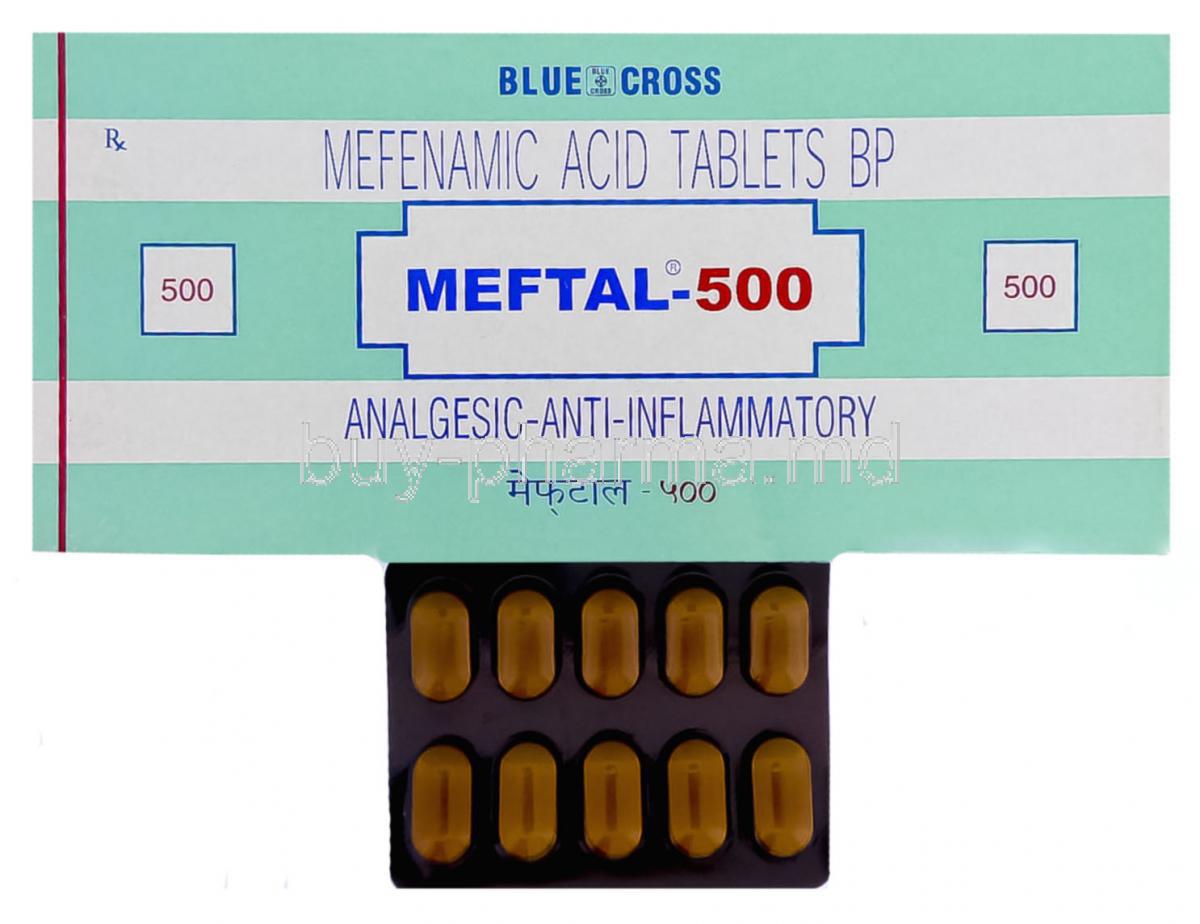
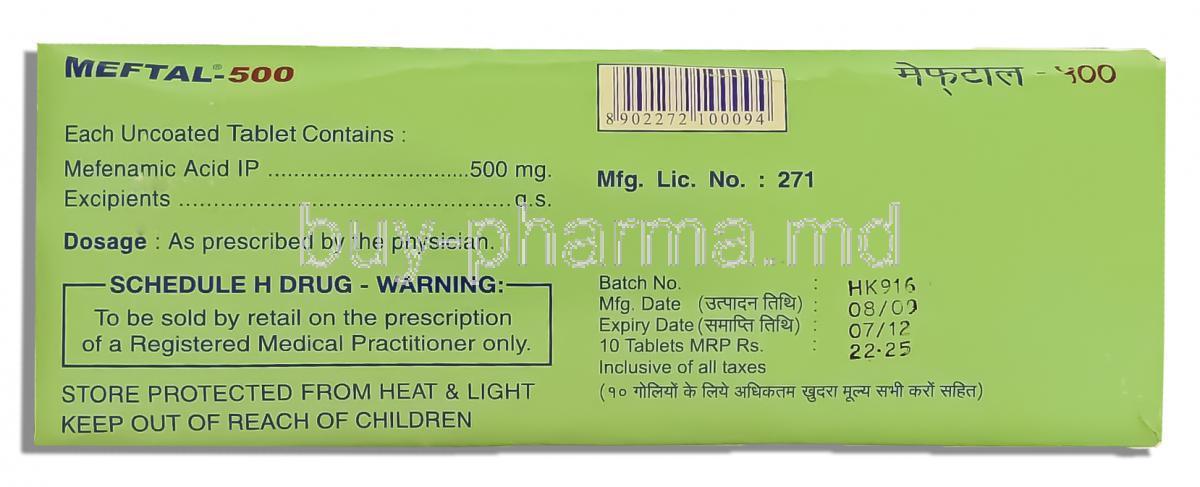
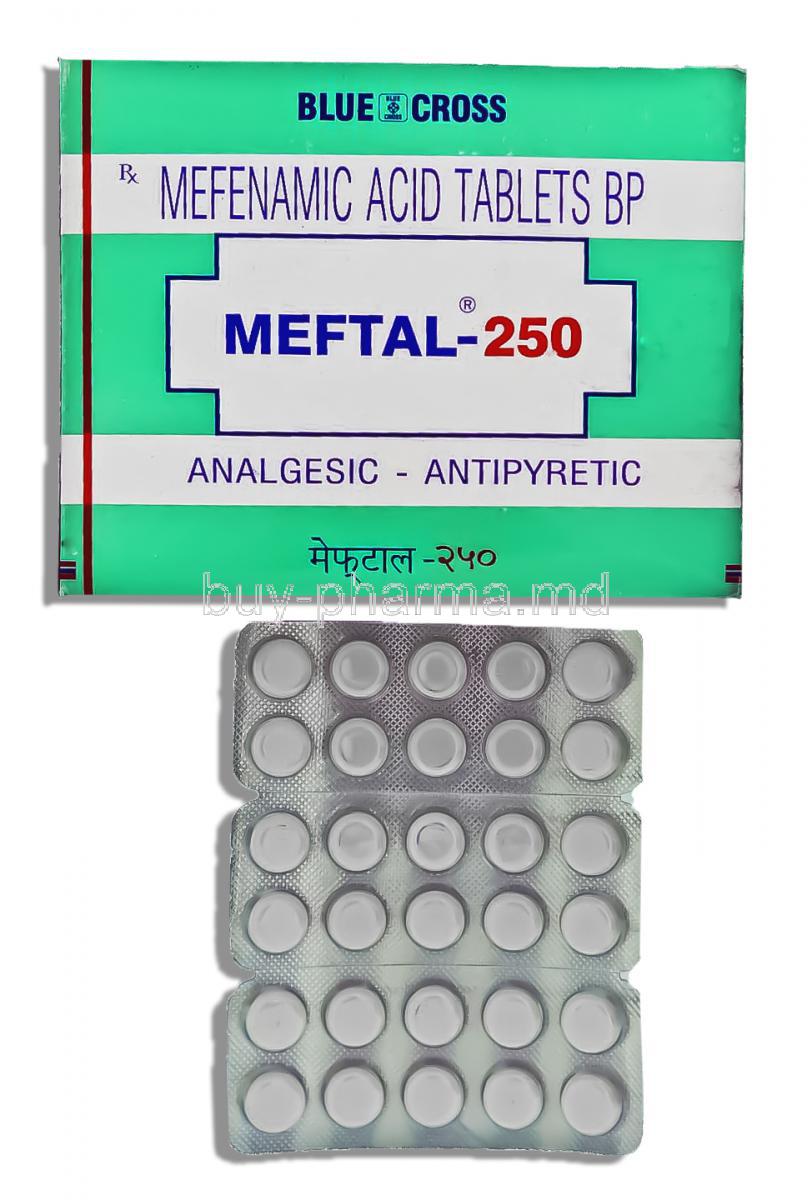

Introduction to Meftal (Mefenamic Acid)
Overview of Meftal brand and generic classification
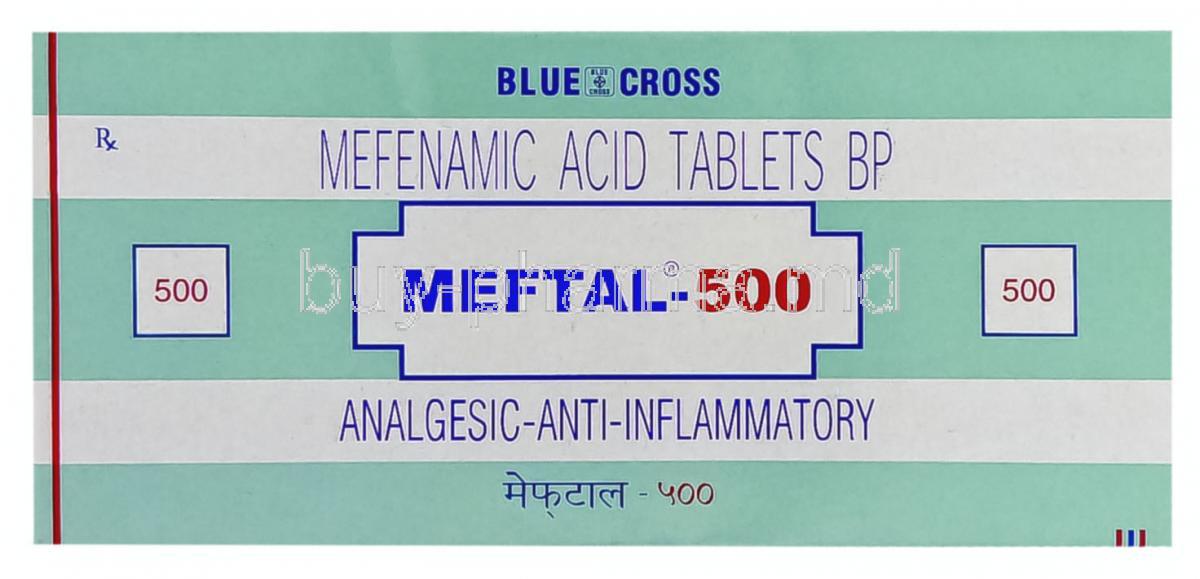
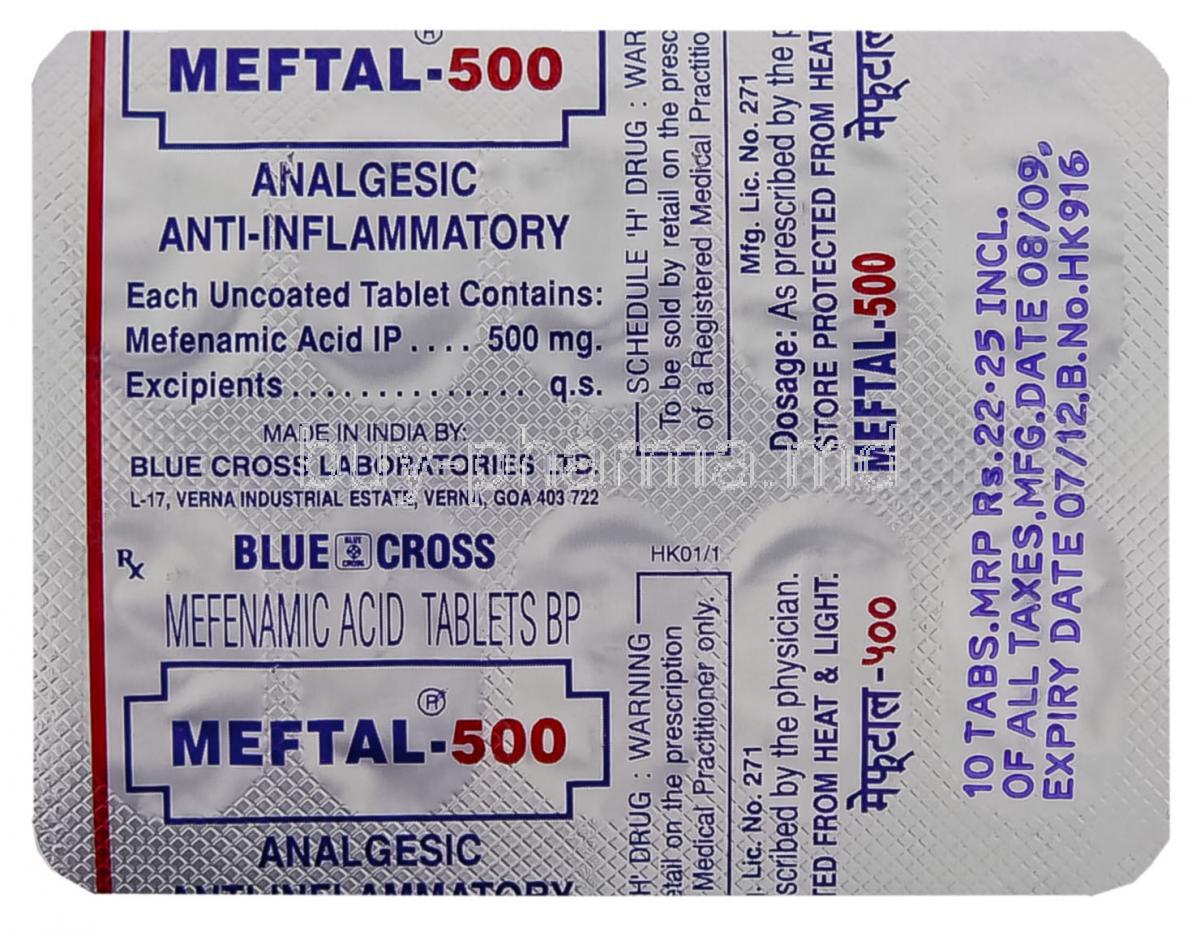
Meftal is a widely recognised branded formulation that contains the generic active ingredient known as mefenamic acid. This molecule is utilised in clinical settings for short-term management of pain syndromes. It is available in multiple regions across the world, and its categorisation as a short-acting NSAID influences its utilisation patterns across outpatient and supervised environments.
Therapeutic class: Non-steroidal anti-inflammatory drug (NSAID) in anthranilic acid class
Mefenamic acid belongs to the anthranilic acid derivative group within NSAIDs. These agents exert dual analgesic and antipyretic activities. They form part of the fenamate subclass, which has unique behaviour in prostaglandin suppression.
Clinical relevance in pain, inflammation, dysmenorrhea management
Meftal is clinically useful in multiple domains of acute pain management. It is particularly utilised in menstrual cramp therapy, muscle pain, and joint-related discomfort. Its rapid onset makes it suitable for short bursts of moderate intensity pain.
- Dysmenorrhea relief
- Musculoskeletal pain modulation
- Inflammatory pain control
Pharmacological Composition and Active Ingredient Details
Active pharmaceutical ingredient: Mefenamic Acid
The core pharmacologically active compound is mefenamic acid. It acts as the analgesic centerpiece of the product.
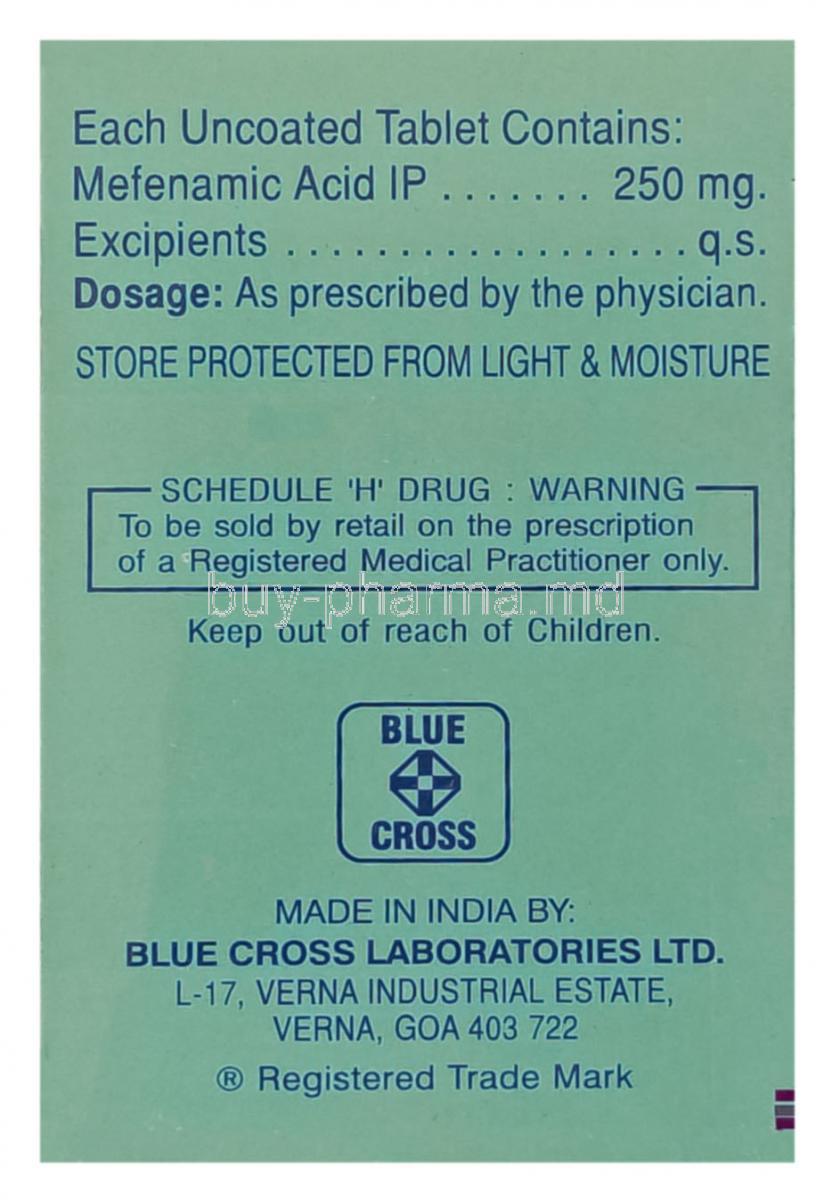
Available strengths, dosage forms, tablets and suspensions
Meftal is formulated in multiple strengths and dosage presentations such as:
- Capsules
- Tablets
- Oral suspensions
This allows selection based on patient age, swallow capability and desired onset profile.
Excipients and formulation considerations for bioavailability
Inert excipients are integrated to improve stability, dissolution and gastrointestinal tolerability. Optimised excipient harmonisation supports rapid systemic uptake.
Mechanism of Action: How Meftal (Mefenamic Acid) Works
Prostaglandin inhibition through COX enzyme blockade
This agent inhibits cyclooxygenase isoenzymes, suppressing inflammatory prostaglandin synthesis. This biochemical regulation reduces nociceptive transmission.
Analgesic, anti-inflammatory and antipyretic effects
The downstream effects of COX inhibition allow Meftal to exert:
- Analgesic relief
- Reduction of tissue inflammation
- Control of elevated temperature
Onset of action and pharmacokinetic profile
Absorption is relatively quick, and clinical relief often emerges within a short time window post-dose. Elimination half-life is moderate; thus, repeated dosing should remain within recommended intervals.
Approved Uses and Therapeutic Indications
Relief of acute mild to moderate pain
Meftal is used in acute pain events requiring fast but temporary intervention.
Dysmenorrhea and menstrual cramp pain reduction
Menstrual pain relief remains a prevalent approved indication for mefenamic acid.
Analgesia in musculoskeletal pain disorders
Meftal may be used for muscular pain syndromes where short term NSAID therapy is appropriate.
Fever control in certain clinical situations
Its antipyretic performance makes it suitable for symptomatic fever relief where clinically justified.
Off-Label Uses and Emerging Clinical Applications
NSAID use in primary headaches
Some practitioners employ mefenamic acid in episodic tension-type headache relief.
Pain associated with dental procedures
It may be used transiently after dental extraction or periodontal manipulation to mitigate discomfort.
Adjunctive use for inflammatory pelvic pain syndromes
Certain inflammatory pelvic disorders may benefit symptomatically from temporary NSAID therapy.
Comparison to other NSAIDs in acute pain protocols
Its profile often positions it as a reasonable candidate in short-term moderate pain treatment algorithms.
Dosage and Administration Guidelines
Standard adult dosing for pain control
Typical adult doses are administered multiple times per day, spaced evenly.
Dose titration based on severity and duration
Escalation beyond recommended thresholds should be avoided.
Duration limits for NSAID treatment safety
Usage should remain short-term. Prolonged exposure increases risk of gastrointestinal and renal toxicity.
Administration with food to reduce gastrointestinal intolerance
Taking Meftal with food may reduce dyspepsia and gastric mucosal provocation.
Special Administration Recommendations by Population
Administration to Elderly
Dose adjustment considerations
Elderly patients may require lower dosing strategies.
Avoiding renal function overload and cardiovascular risk
Renal perfusion can be compromised by NSAIDs. Elderly dosing should be cautious.
Administration to Pregnant Women and Nursing Mothers
Gestational risk categories and trimester avoidance
NSAID exposure during late pregnancy is discouraged because of fetal circulatory risks.
Safety considerations in breastfeeding
Trace excretion via breastmilk may occur. Clinical judgment is advisable.
Administration to Children
Pediatric dosing and age cut-offs
Only certain age groups may be considered for use, with strict mg/kg calculations.
Avoidance in infants and toxicity risks
Infants should generally not receive adult NSAID doses due to heightened toxicity vulnerability.
Adverse Effects, Safety Profile and Risk Considerations
General Side Effects of Meftal
Dose-dependent gastrointestinal effects
Gastric irritation, dyspepsia, acid reflux and mucosal erosion can occur in a dose-linked manner.
CNS and hypersensitivity reactions
Some users may experience dizziness, headache or occasional allergic manifestations.
Common Side Effects in Routine Use
Abdominal pain, dyspepsia, nausea
Dyspeptic symptoms are among the most frequently reported gastrointestinal effects.
Dizziness, headache
Neuro-somatic disturbances may appear during therapy though usually transient.
Diarrhea and gas
Altered bowel motility including diarrhea and gaseous distention may occur in some individuals.
```html
Serious Side Effects and Rare Toxicities
GI bleeding, ulceration
Mefenamic acid may provoke mucosal erosion in susceptible individuals. This can manifest as erosive gastritis, bleeding, or deep ulcer crater formation.
- Dark tarry stools
- Occult blood in stool samples
- Sudden severe abdominal pain
These events are clinically urgent.
Kidney function deterioration
NSAIDs may reduce renal perfusion by altering prostaglandin-mediated autoregulation. Nephron stress may escalate if dehydration coincides with NSAID exposure.
- Elevated serum creatinine
- New-onset oliguria
- Peripheral edema
Cardiovascular event risks
NSAIDs have been associated with increased odds of thrombosis and cardiovascular destabilisation. This is particularly relevant in pre-existing vascular pathology.
- Hypertensive exacerbation
- Arrhythmic tendencies
- Potential myocardial ischemic episodes (rare)
Drug-Drug Interactions and Concurrent Medication Risks
Anticoagulants and bleeding risk enhancement
Concomitant anticoagulant administration augments bleeding risk significantly. Platelet activity modulation combined with mucosal erosion increases haemorrhagic probability.
Interaction with antihypertensives and diuretics
NSAIDs may mitigate the efficacy of blood pressure medications. Additionally, diuretic synergy may precipitate electrolyte instability or renal compromise.
Corticosteroid and NSAID stacking complications
Dual mucosal irritant effect may amplify GI toxicity.
Interference with aspirin-based cardioprotection
Aspirin’s cardioprotective antiplatelet effect may be impeded by NSAID competitive inhibition at COX-1 binding domains.
Contraindications and Patient Selection
Active peptic ulcer disease
Active ulceration constitutes a direct contraindication due to amplified bleeding hazard.
Known hypersensitivity to NSAIDs or mefenamic acid
History of urticarial, bronchospastic, or anaphylactoid reaction to NSAIDs precludes use.
Severe hepatic or renal impairment
The metabolic burden imposed by NSAIDs increases risk of hepatic strain or renal decompensation.
Asthma with NSAID-induced bronchospasm history
Cross-reactive bronchospasm may occur. These patients should avoid this class entirely.
Warnings and Important Precautions
Avoid long-term use beyond recommended duration
Prolonged NSAID exposure accelerates cumulative toxicity risk.
Monitor GI bleeding signs
Unexplained weakness, pallor, melena or sharp gastric discomfort should prompt medical review.
Risks in dehydration and renal hypoperfusion states
Volume depletion enhances nephrotoxic vulnerability. Hydration status should remain stable.
Caution in cardiovascular disease and hypertension patients
Blood pressure fluctuations and circulatory risk may destabilise sensitive patients.
Careful Administration Guidance
Stepwise titration strategies
Minimal effective dosing should be identified first. Incremental escalations should be deferred unless clinically essential.
Risk-benefit evaluation before prescribing
Clinical assessment should consider baseline GI stability, renal metrics and concurrent therapy.
Safety monitoring in frequent NSAID users
Repeat laboratory testing may be warranted for high-frequency consumers.
Overdosage and Toxicity Management
Symptoms of acute overdose and gastrointestinal bleeding
Persistent vomiting, abdominal haemorrhage, severe nausea, profound dizziness may signal overdose.
Renal failure manifestations
Rapid rise in nitrogenous waste products may cause lethargy and peripheral swelling.
Emergency treatment protocols and medical intervention
Immediate medical care is warranted. Gastric lavage, proton pump inhibitors and supportive resuscitation may be utilised in hospital settings.
Storage and Handling Precautions
Temperature range and humidity guidelines
Store in a controlled room temperature environment. Avoid sustained humidity exposure to preserve tablet integrity.
Safe storage away from children
Keep containers locked or placed in elevated cabinets. Accidental ingestion poses severe toxicological dangers.
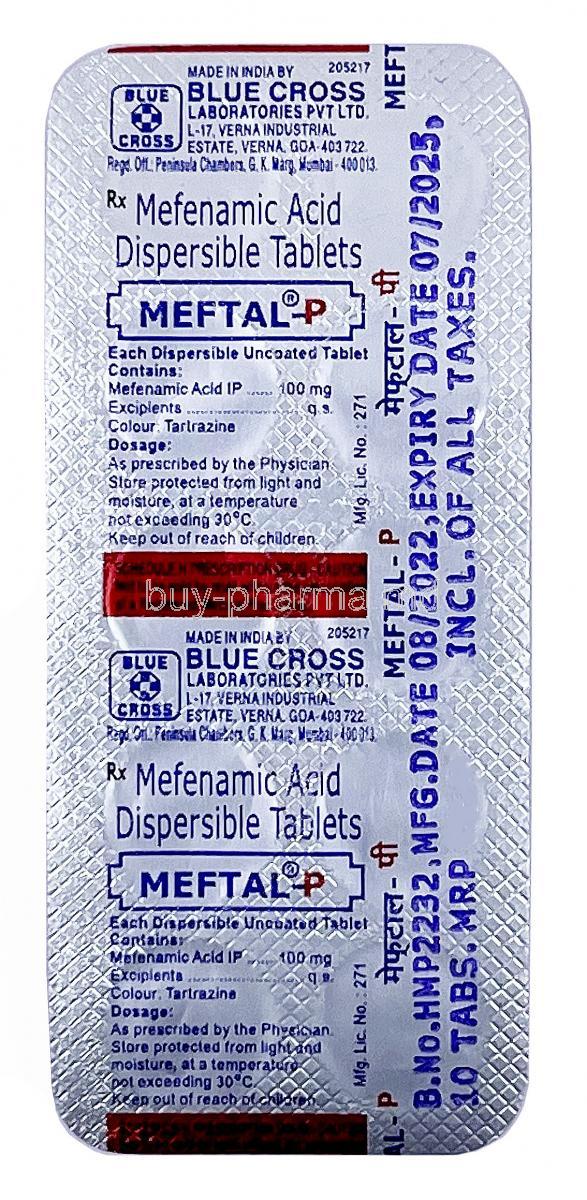
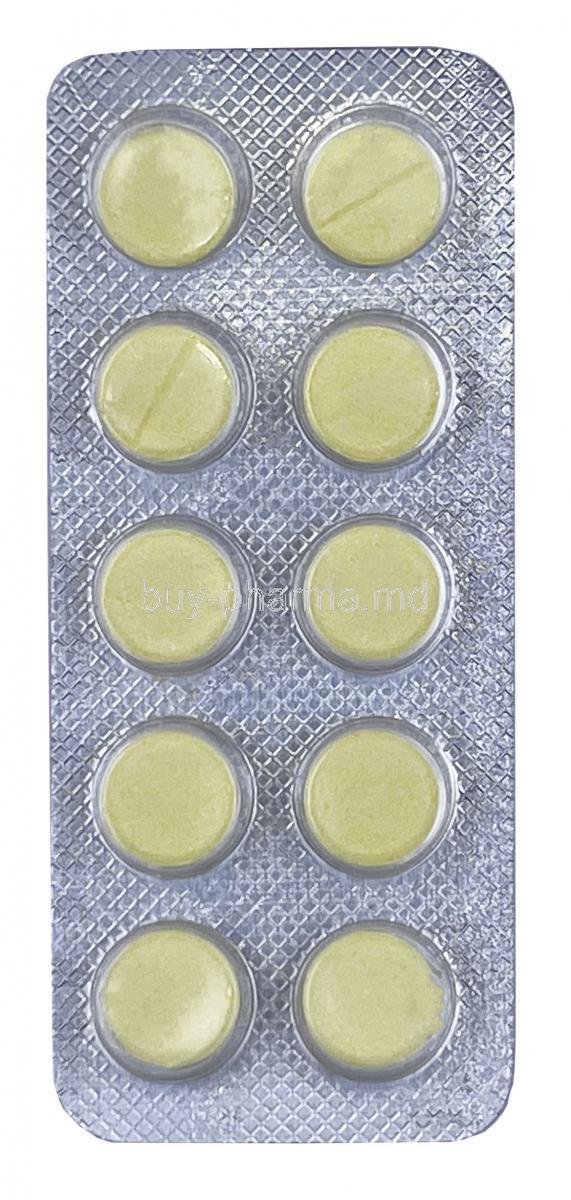
Tablet integrity protection and blister pack handling
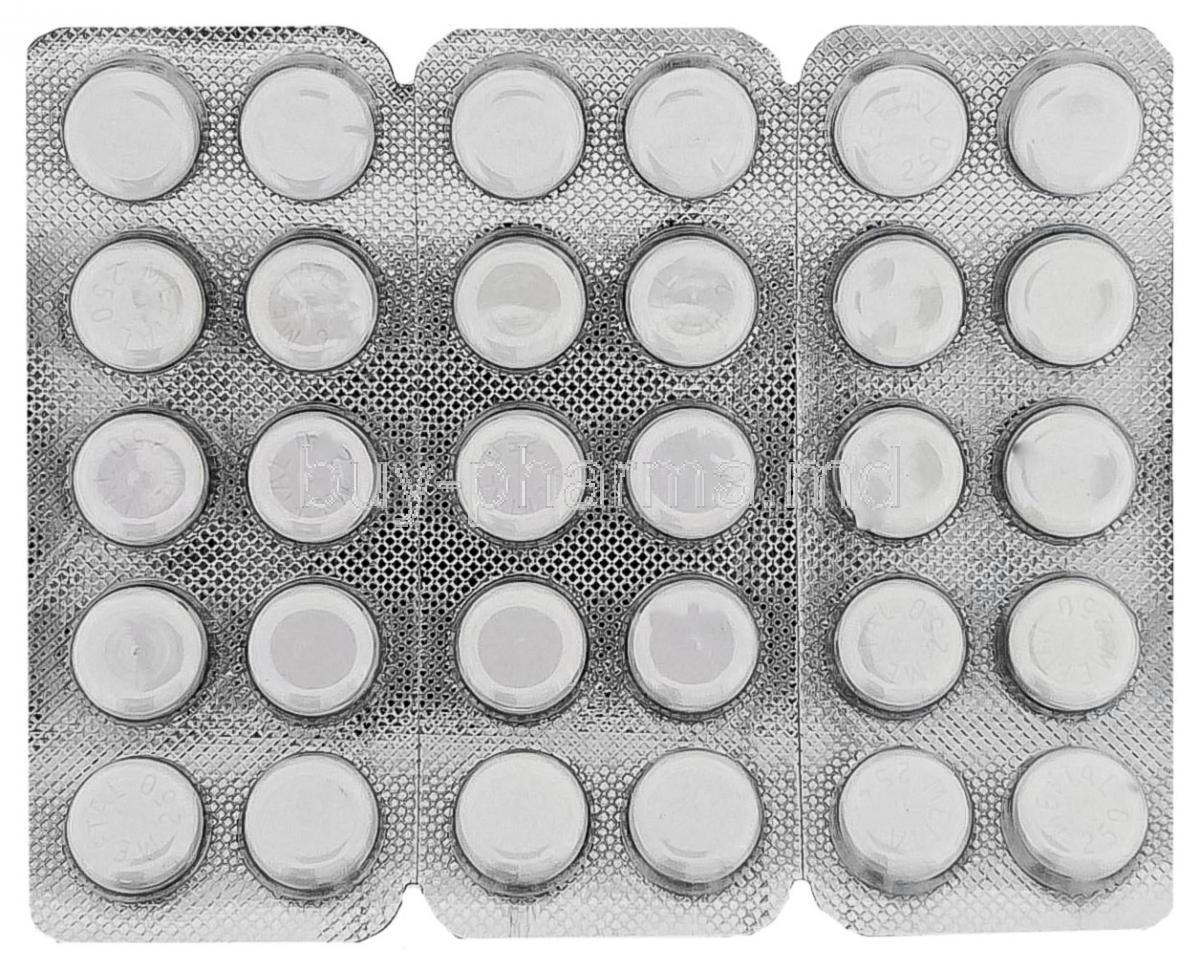
Blister packs should remain sealed until immediate use. Tablet fragmentation should be avoided to prevent degradation.
```html

Customers also bought

Popular Products